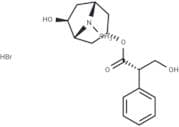
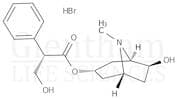
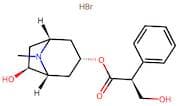
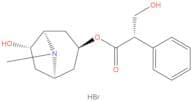
CAS 55449-49-5
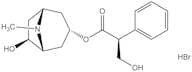
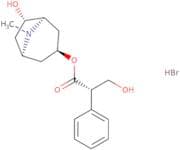
:Anisodamine hydrobromide
Description:
Anisodamine hydrobromide is a chemical compound that is primarily known for its pharmacological properties. It is a quaternary ammonium derivative of anisodamine, which is an alkaloid derived from the plant Anisodus tanguticus. This substance exhibits anticholinergic effects, making it useful in various medical applications, particularly in the treatment of conditions such as bradycardia and certain types of poisoning. Anisodamine hydrobromide is characterized by its ability to inhibit the action of acetylcholine at muscarinic receptors, leading to effects such as increased heart rate and reduced secretions. The compound is typically presented as a hydrobromide salt, which enhances its solubility in water, facilitating its use in pharmaceutical formulations. Its safety profile and potential side effects are important considerations in clinical settings. As with many pharmacologically active compounds, proper dosage and administration are crucial to maximize therapeutic benefits while minimizing adverse reactions.
Formula:C17H24BrNO4
Sort by
Purity (%)
0
100
|
0
|
50
|
90
|
95
|
100
Found 7 products.
Anisodamine Hydrobromide
CAS:Anisodamine Hydrobromide (6-Hydroxyhyoscyamine) is an anticholinergic and α1-adrenergic receptor antagonist used in the treatment of acute circulatory shock.Formula:C17H24BrNO4Purity:99.54% - >99.99%Color and Shape:SolidMolecular weight:386.28Anisodamine hydrobromide
CAS:Natural alkaloidFormula:C17H23NO4HBrPurity:≥ 95.0 % (HPLC)Color and Shape:PowderMolecular weight:386.29Anisodamine Hydrobromide
CAS:Anisodamine is a drug that has been shown to reduce the severity of myocardial infarct in experimental models. It is an antimicrobial agent that inhibits glucose uptake in bacteria and fungi. Anisodamine binds to dNTPs, which are necessary for DNA synthesis and replication, and inhibits dNTP-dependent polymerases by binding to the beta subunit of the polymerase chain. This binding prevents RNA synthesis and replication, leading to cell death. Anisodamine also has been shown to inhibit neuronal death caused by various stimuli, including oxidative stress, glutamate toxicity, and nitric oxide toxicity. The beneficial effects of this drug may be due to its ability to increase levels of growth factor-β1.Formula:C17H24BrNO4Purity:Min. 95%Molecular weight:386.28 g/mol