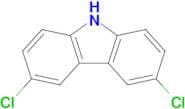
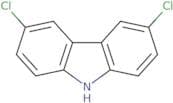
CAS 5599-71-3
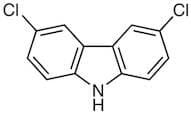
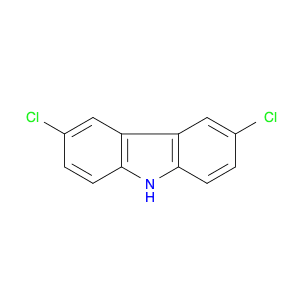
:3,6-dichloro-9H-carbazole
- 3,6-Dichlorocarbazole
- 9H-carbazole, 3,6-dichloro-
- Carbazole, 3,6-dichloro-
3,6-Dichlorocarbazole
CAS:Formula:C12H7Cl2NPurity:>96.0%(GC)Color and Shape:White to Light yellow to Light orange powder to crystalMolecular weight:236.103,6-Dichloro-9H-carbazole
CAS:Formula:C12H7Cl2NPurity:96%Color and Shape:SolidMolecular weight:236.09673,6-dichloro-9H-carbazole
CAS:Purity:96.0%Color and Shape:Solid, White to slightly pale reddish yellow powderMolecular weight:236.100006103515623,6-Dichlorocarbazole
CAS:3,6-Dichlorocarbazole is a potential mechanism that has been shown to be degradable in chlorine. The median concentration of 3,6-dichlorocarbazole in the dry weight of marine organisms is 0.0007% and it reacts at an average rate of 10%. 3,6-Dichlorocarbazole has been observed to have anthropogenic origins and can be found in low concentrations in the environment. There are four isomers that are produced by this reaction: 2,4-, 2,5-, 2,6-, and 3,4-dichlorocarbazole.
3,6-Dichlorocarbazole has been shown to cause functional changes in organisms due to its effects on gene transcription. This chemical has been shown to alter the transcriptomic profile of a number of gene families involved with cellular stress response pathways in both aquatic invertebrates and fish.Formula:C12H7Cl2NPurity:Min. 96 Area-%Molecular weight:236.1 g/mol