CAS 58-73-1
:Diphenhydramine
Description:
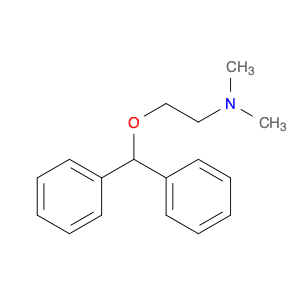
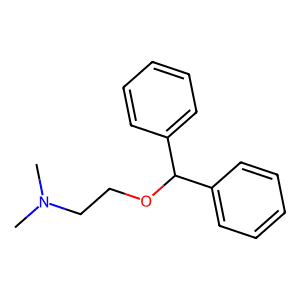
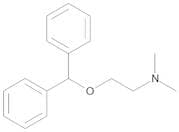
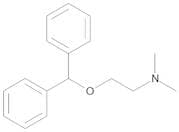
Diphenhydramine is an antihistamine commonly used to relieve symptoms of allergy, hay fever, and the common cold. It is classified as a first-generation H1 receptor antagonist, which means it blocks the action of histamine, a substance in the body that causes allergic symptoms. Chemically, diphenhydramine is characterized by its structure, which includes two phenyl rings connected by an ethylamine chain. This structure contributes to its ability to cross the blood-brain barrier, leading to sedative effects, which is why it is also used as a short-term treatment for insomnia. Diphenhydramine has a relatively low solubility in water but is soluble in organic solvents. Its pharmacological effects can include drowsiness, dry mouth, dizziness, and in some cases, paradoxical reactions such as excitability, especially in children. Due to its sedative properties, caution is advised when operating machinery or driving after consumption. Additionally, it may interact with other medications, so it is important to consult healthcare professionals before use.
Formula:C17H21NO
InChI:InChI=1/C17H21NO/c1-18(2)13-14-19-17(15-9-5-3-6-10-15)16-11-7-4-8-12-16/h3-12,17H,13-14H2,1-2H3
InChI key:InChIKey=ZZVUWRFHKOJYTH-UHFFFAOYSA-N
SMILES:C(OCCN(C)C)(C1=CC=CC=C1)C2=CC=CC=C2
Synonyms:- 2-(Benzhydryloxy)-N,N-dimethylethanamine
- 2-(Benzhydryloxy)-N,N-dimethylethylamine
- 2-(Diphenylmethoxy)-N,N-dimethylethanamine
- 2-(Diphenylmethoxy)-N,N-dimethylethylamine
- 2-Benzhydryloxyethyldimethylamine
- Benzhydramine
- DPH
- Difenhidramina
- Dimedrol base
- Diphenhydramin
- Ethanamine, 2-(diphenylmethoxy)-N,N-dimethyl-
- Ethylamine, 2-(diphenylmethoxy)-N,N-dimethyl-
- Far 90X2
- N,N-Dimethyl-2-(diphenylmethoxy)ethylamine
- N-[2-(Diphenylmethoxy)ethyl]-N,N-dimethylamine
- Nsc 665800
- O-Benzhydryldimethylaminoethanol
- Probedryl
- Restamin
- α-(2-Dimethylaminoethoxy)diphenylmethane
- β-Dimethylaminoethanol diphenylmethyl ether
- β-Dimethylaminoethyl benzhydryl ether
- β-Dimethylaminoethylbenzhydrylether
- Diphenylhydramine
- Allergeval
- 2-(Diphenylmethoxy)-N,N-dimethylethanam-ine
- Allergical
- Aleryl
- Allergival
- Allergan B
- 2-(diphenylmethoxy)-n,n-dimethyl-ethanamin
- DIPHENHYDRAMINE BASE
- 2-(Benzohydryloxy)-N,N-dimethylethylamine
- AURORA KA-7664
- 2-(diphenylmethoxy)-n,n-dimethyl-ethylamin
- Alledryl
- DIPHENHYDRAMINE
- See more synonyms
Sort by
Purity (%)
0
100
|
0
|
50
|
90
|
95
|
100
Found 11 products.
Diphenhydramine
CAS:Formula:C17H21NOPurity:>98.0%(GC)(T)Color and Shape:Colorless to Yellow clear liquidMolecular weight:255.36Ethanamine, 2-(diphenylmethoxy)-N,N-dimethyl-
CAS:Formula:C17H21NOPurity:98%Color and Shape:LiquidMolecular weight:255.3547Orphenadrine EP Impurity D (Diphenhydramine)
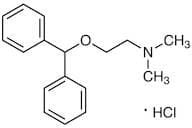
CAS:Formula:C17H21NOColor and Shape:Yellow LiquidMolecular weight:255.36Diphenhydramine Hydrochloride
CAS:Formula:C17H21NO·HClPurity:>98.0%(T)(HPLC)Color and Shape:White powder to crystalMolecular weight:291.82Diphenhydramine
CAS:Diphenhydramine (Syntedril): first-gen antihistamine for allergies, antiemetic, antitussive, anticholinergic, sedative, treats drug-induced parkinsonism.Formula:C17H21NOPurity:98.07%Color and Shape:SolidMolecular weight:255.35Diphenhydramine
CAS:Controlled ProductApplications Diphenhydramine can be used for improving dry skin with itching.
References Takeshima, H., et.al.: Jpn. Kokai Tokkyo Koho, 12, (2021);Formula:C17H21NOColor and Shape:NeatMolecular weight:255.3612-(Benzhydryloxy)-N,N-dimethylethanamine
CAS:Formula:C17H21NOPurity:95%Color and Shape:LiquidMolecular weight:255.361Diphenhydramine
CAS:Controlled ProductDiphenhydramine is a drug that belongs to the class of antihistamines, and is used to treat allergic symptoms such as hay fever, urticaria, and other allergic reactions. It has been shown to inhibit the production of hydrogen fluoride in analytical methods for measuring this compound. Diphenhydramine is also known to have potential interactions with other drugs, including α1-adrenergic antagonists (i.e., h1-antagonists), cyclic peptides, and surfactants. In addition, it has been shown to bind to the α1 subunit of G protein receptors within the gastrointestinal tract in a reaction mechanism that is not yet fully understood. This binding inhibits the response of these receptors to certain stimuli from neurotransmitters and hormones, which can lead to bowel disease.Formula:C9H18CINOPurity:Min. 95%Molecular weight:295.16 g/mol