CAS 59-23-4
:Galactose
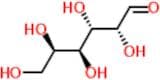
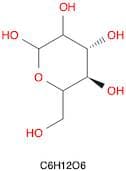
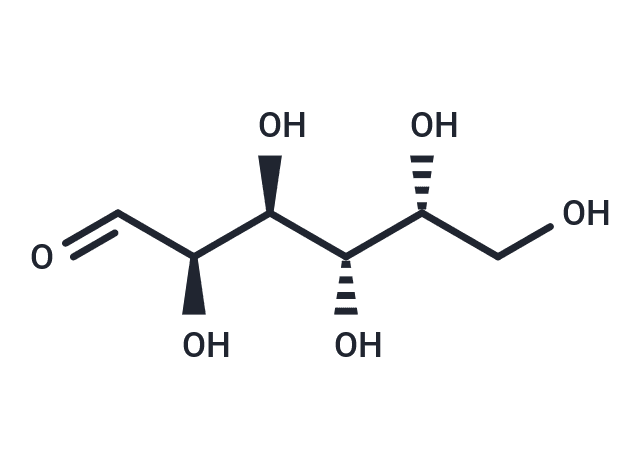
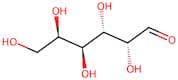
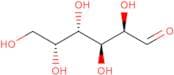
- 2,3,4,5,6,-Pentahydroxy-hexanal
- <span class="text-smallcaps">D</span>-(+)-Galactose
- D(+)Galactose anhydrous
- D(+)galactose sigmaultra
- Gal
- Galactosa
- Galactose
- Galactose, <span class="text-smallcaps">D</span>-
- Galactose, D-
- Galactose, Pure
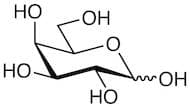
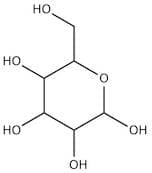
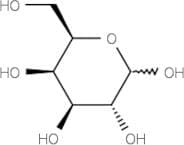
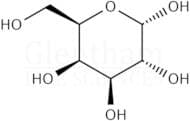
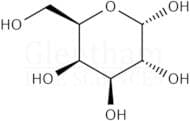
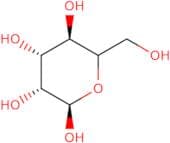
- alpha-D-galactopyranose
- alpha-Galactose(D)
- D-Glactose
- D-(+)-Galactose
- D(+)-Galactose
- D-(+)-Galactose
- D-Galactose
- See more synonyms
D-(+)-Galactose Anhydrous
CAS:Formula:C6H12O6Purity:>98.0%(HPLC)Color and Shape:White powder to crystalMolecular weight:180.16D-(+)-Galactose, 98%
CAS:D(+)-galactose, 56-40-6, also known as aldehydo-D-galacto-hexose, is a monosaccharide and a component of glycolipids and glycoproteins. Learn more at Thermo Fisher Scientific.
Formula:C6H12O6Purity:98%Color and Shape:White, Powder or crystalline powderMolecular weight:180.16D(+)-Galactose
CAS:Formula:C6H12O6Purity:98.0%Color and Shape:Solid, White crystalline powderMolecular weight:180.156D-(+)-Galactose
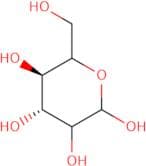
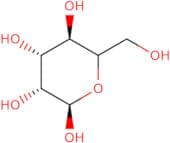
CAS:D-(+)-Galactose analytical standardFormula:C6H12O6Purity:(HPLC) ≥95%Color and Shape:PowderMolecular weight:180.17Galactose (D-Galactopyranose)
CAS:Sugars, chemically pure, other than sucrose, lactose, maltose, glucose and fructose; sugar ethers and sugar esters, and their salts, nesoiFormula:C6H12O6Color and Shape:White Crystals PrismsMolecular weight:180.06339D-Galactose
CAS:D-Galactose (Alpha-D-galactose) is an aldohexose that exists naturally in the D-form in lactose, cerebrosides, gangliosides, and mucoproteins.Formula:C6H12O6Purity:99.29% - 99.782%Color and Shape:WhiteMolecular weight:180.16D-Galactose
CAS:D-GalactoseFormula:C6H12O6Purity:99% (Typical Value in Batch COA)Color and Shape: white powderMolecular weight:180.15588g/molD-(+)-Galactose, non-animal origin
CAS:Formula:C6H12O6Purity:≥ 98.0%Color and Shape:White to almost white crystalline powderMolecular weight:180.16D-(+)-Galactose, 98%
CAS:Formula:C6H12O6Purity:≥ 98.0%Color and Shape:White crystalline powderMolecular weight:180.16D-(+)-Galactose
CAS:Formula:C6H12O6Purity:≥ 99.0%Color and Shape:White to off-white crystalline powderMolecular weight:180.16D-Galactose
CAS:Applications A C-4 epimer of Glucose (G595000) found in milk and sugar beets as well as being synthesized by the body. Potential use in oral therapy for nephrotic syndrome in focal and segmental glomerulosclerosis.
References De Smet, E. et al.: Nephrol. Dial. Transplant., 24, 2938 (2009); Kivele, R. et al.: Carb. Pol., 85, 645 (2011);Formula:C6H12O6Color and Shape:NeatMolecular weight:180.16D-Galactose non-animal origin
CAS:Galactose from plant origin, animal free productionFormula:C6H12O6Purity:Min. 99.0 Area-%Color and Shape:White PowderMolecular weight:180.16 g/molD-Galactose non-animal origin
CAS:D-Galactose is a monosaccharide that is found in the cells of plants and animals. It can be synthesized from D-glucose by adding a D-galactose molecule to the alpha carbon of an existing glucose molecule. The resulting bond is called a glycosidic linkage. This process is called glycosylation. Glycosylation occurs when a sugar molecule reacts with another molecule, such as an amino acid, lipid, or nucleotide, to form what is known as a glycoside linkage. In this case, the sugar is D-galactose and the other molecules are either amino acids or lipids. The reaction between D-galactose and other molecules often results in polysaccharides and complex carbohydrates such as cellulose, chitin, and glycogen.
Methylation of D-galactose can produce methyl galactoside (CAS No. 1881-42-7), whichFormula:C6H12O6Purity:Min. 98 Area-%Molecular weight:180.16 g/molD-Galactose - anhydrous
CAS:Galactose (Gal) is the C4 epimer of glucose with one hydroxyl group axial which by Hudsons rules makes it slightly less stable than glucose (Hudson, 1948). However, galactose is very common in plants and animals, and occurs in many polysaccharides, such as, galactomannans (e.g. Guar, Locust Bean Gum), Carrageenans , Agar (L-Galactose), Hemicellulose, Gum Arabic [link] and galactans (e.g. from Lupin) (Whistler, 1993). Galactose is one of the key mammalian monosaccharides (glucose, galactose, mannose, fucose, N-acetyl glucosamine, N-acetyl galactosamine and sialic acid) and it occurs in blood, milk, gangliosides, N- and O-linked glycans (Gabius, 2009). Like glucose, galactose exhibits mutarotation (Acree, 1968) and is optically active (dextrorotary) with L-galactose as its enantiomer (levorotary).Formula:C6H12O6Purity:Min. 98 Area-%Color and Shape:White PowderMolecular weight:180.16 g/molD-Galactose - non-animal origin
CAS:D-Galactose is a monosaccharide that is found in the form of a white, odorless powder. It has many applications, including as an additive in foods and beverages, as an intermediate in the production of other modified sugars, and as an important component of glycoproteins. D-Galactose is also used to produce glycogen or lactose by modifying it with phosphate or acetate groups. The synthesis of D-galactose is done by methylation of D-glucose followed by glycosylation reactions. This product can be custom synthesized to meet your needs.Formula:C6H12O6Purity:Min. 99 Area-%Molecular weight:180.16 g/molD-Galactose extrapure, 98%
CAS:Formula:C6H12O6Purity:min. 98%Color and Shape:White to off white, Crystalline powder, Clear, Colourless to Pale yellowMolecular weight:180.16D-Galactose ExiPlus, Multi-Compendial, 98%
CAS:Formula:C6H12O6Purity:min. 98%Color and Shape:White to off white, Crystalline powder, Clear, Colourless to pale yellowMolecular weight:180.16