CAS 616-23-9
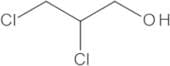
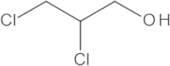
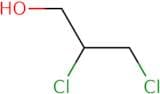
:(±)-2,3-Dichloro-1-propanol
Description:
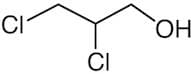
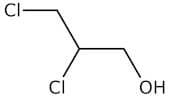
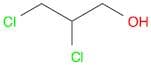
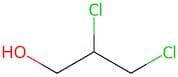
(±)-2,3-Dichloro-1-propanol, with the CAS number 616-23-9, is an organic compound characterized by the presence of two chlorine atoms attached to the second and third carbon atoms of a three-carbon alcohol chain. This compound exists as a racemic mixture, meaning it contains equal parts of both enantiomers, which can exhibit different properties in biological systems. It is a colorless to pale yellow liquid with a distinctive odor and is soluble in water due to the presence of the hydroxyl (-OH) group. The dichlorination introduces significant polarity, influencing its reactivity and interactions with other substances. (±)-2,3-Dichloro-1-propanol is primarily used in chemical synthesis and as an intermediate in the production of various pharmaceuticals and agrochemicals. However, it is important to handle this compound with care, as it may pose health risks, including potential toxicity and environmental hazards. Proper safety measures should be observed when working with this substance in laboratory or industrial settings.
Formula:C3H6Cl2O
InChI:InChI=1S/C3H6Cl2O/c4-1-3(5)2-6/h3,6H,1-2H2
InChI key:InChIKey=ZXCYIJGIGSDJQQ-UHFFFAOYSA-N
SMILES:C(CCl)(CO)Cl
Synonyms:- (2R)-2,3-dichloropropan-1-ol
- (2S)-2,3-dichloropropan-1-ol
- (RS)-2,3-Dichloro-1-propanol
- 1,2-Dichloro-3-Propanol
- 1,2-Dichlorohydrin
- 1,2-Dichloropropanol-3
- 1-Propanol,2,3-Dichloro-
- 2,3-Dichloro-1-Propano
- 2,3-Dichlorohydrin
- 2,3-Dichloropropanol
- 2,3-Dichloropropyl Alcohol
- 2,3-dichloro-1-Propanol
- Alpha,Beta-Dichlorohydrin
- B-Dichlorohydrin
- Beta,Gamma-Dichlorohydrin
- Beta-Dichlorohydrin
- Glycerol 1,2-Dichlorohydrin
- Glycerol Alpha,Beta-Dichlorohydrin
- Glycerol α,β-dichlorohydrin
- α,β-Dichlorohydrin
- See more synonyms
Sort by
Purity (%)
0
100
|
0
|
50
|
90
|
95
|
100
Found 9 products.
2,3-Dichloro-1-propanol
CAS:Formula:C3H6Cl2OPurity:>98.0%(GC)Color and Shape:Colorless to Almost colorless clear liquidMolecular weight:128.982,3-Dichloro-1-propanol, 97+%
CAS:This Thermo Scientific Chemicals brand product was originally part of the Alfa Aesar product portfolio. Some documentation and label information may refer to the legacy brand. The original Alfa Aesar product / item code or SKU reference has not changed as a part of the brand transition to Thermo SciFormula:C3H6Cl2OPurity:97+%Color and Shape:Clear colorless, LiquidMolecular weight:128.982,3-Dichloropropan-1-ol
CAS:Formula:C3H6Cl2OPurity:98%Color and Shape:LiquidMolecular weight:128.98512,3-Dichloro-1-propanol
CAS:Controlled ProductFormula:C3H6Cl2OColor and Shape:NeatMolecular weight:128.992,3-Dichloro-1-propanol
CAS:Controlled ProductFormula:C3H6Cl2OColor and Shape:NeatMolecular weight:128.992,3-Dichloro-1-propanol
CAS:2,3-Dichloro-1-propanol is a metabolic byproduct of chlorinated solvents. It has been shown to be toxic to mitochondria and can cause mitochondrial membrane potential disruption in rat liver cells. The chemical reacts with fatty acids to form a reactive carbonyl group that can react with the hydrogen bond of membrane phospholipids. This reaction disrupts the structure of the lipid bilayer, leading to mitochondrial degeneration. 2,3-Dichloro-1-propanol also reacts with glutathione and carbonic anhydrase, which leads to the formation of reactive intermediates that react with DNA or proteins. These reactions are responsible for the observed toxicity effects in animals.Formula:C3H6Cl2OPurity:Min. 95%Color and Shape:Clear LiquidMolecular weight:128.98 g/mol