CAS 7014-39-3
:Neoisoliquiritin
Description:
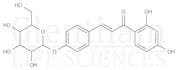
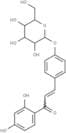
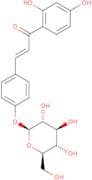
Neoisoliquiritin, with the CAS number 7014-39-3, is a flavonoid compound primarily derived from licorice root (Glycyrrhiza glabra). It is known for its potential health benefits, including antioxidant, anti-inflammatory, and anti-cancer properties. Structurally, neoisoliquiritin is characterized by its flavanone backbone, which contributes to its biological activity. The compound exhibits solubility in organic solvents and has limited solubility in water, typical of many flavonoids. Neoisoliquiritin has garnered interest in pharmacological research due to its ability to modulate various biochemical pathways, making it a subject of study for potential therapeutic applications. Additionally, it may play a role in enhancing the bioavailability of other compounds when used in formulations. Its safety profile is generally considered favorable, but further studies are necessary to fully understand its effects and mechanisms of action in biological systems. Overall, neoisoliquiritin represents a promising area of research in natural product chemistry and its applications in health and medicine.
Formula:C21H22O9
Synonyms:- 1-(2,4-Dihydroxyphenyl)-3-[4-(beta-D-glucopyranosyloxy)phenyl]-2-propen-1-one
Sort by
Purity (%)
0
100
|
0
|
50
|
90
|
95
|
100
Found 3 products.
Neoisoliquritin
CAS:Neoisoliquiritin from Spatholobus suberectus halts breast cancer growth by targeting GRP78 and β-catenin.Formula:C21H22O9Purity:98%Color and Shape:SolidMolecular weight:418.398Neoisoliquiritin
CAS:Neoisoliquiritin is a bioactive flavonoid glycoside, which is a derivative of isoliquiritin. It is primarily sourced from the roots of Glycyrrhiza species, commonly known as licorice plants. This compound is formed through the natural modifications of flavonoids within the plant, involving glycosylation processes that enhance its solubility and stability.
Formula:C21H11O9Purity:Min. 95%Color and Shape:PowderMolecular weight:418.39 g/molRef: 3D-FN74246
Discontinued product