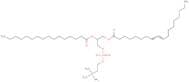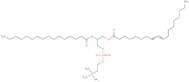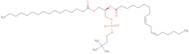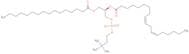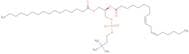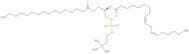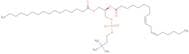
CAS 8002-43-5
:Lecithins
- 3F-Ub
- Adlec
- Airlink
- BioBlatt
- Cetinol
- Giralec
- Gliddex
- Granulestin
- Kelecin
- Lecion
- Lecithin
- Lecithine
- Lecithines
- Lecithinon
- Lecithol
- Lecitinas
- Phospholutein
- Planticin
- Sico-Ns
- Slpw-Sp
- Ultralec
- See more synonyms
Lecithin ex. Egg, 60%
CAS:Purity:60%Color and Shape:Yellowish brown, Waxy solid/lump, Clear, Yellowish brownLecithin, from sunflower
CAS:Please enquire for more information about Lecithin, from sunflower including the price, delivery time and more detailed product information at the technical inquiry form on this pageFormula:C42H80NO8PMolecular weight:758.1 g/molLecithin, from sunflower
CAS:Please enquire for more information about Lecithin, from sunflower including the price, delivery time and more detailed product information at the technical inquiry form on this page
Formula:C42H80NO8PPurity:(%) Min. 96%Color and Shape:PowderMolecular weight:758.1 g/molL-a-Phosphatidylcholine - PC30
CAS:L-A-Phosphatidylcholine is a natural product that is extracted from the Chinese herb Salvia miltiorrhizae. It is a phospholipid that has been shown to inhibit the growth of colorectal adenocarcinoma cells in vitro. The mechanism of action for L-A-Phosphatidylcholine is unclear, but it may be due to its ability to inhibit the activity of polymerase chain reaction (PCR) and nitrite ion. L-A-Phosphatidylcholine also inhibits fatty acid uptake and acyl chain synthesis in vitro, as well as hydrogen bond formation with the hydroxyl group and water vapor uptake. L-A-Phosphatidylcholine also has a strong affinity for nitrate ions, which may be related to its anti-inflammatory effects.
Formula:C42H80NO8PPurity:Min. 95%Molecular weight:758.06 g/molL-a-Phosphatidylcholine - PC 20
CAS:L-a-Phosphatidylcholine (PC) is a phospholipid that is present in all living cells. It is the major component of biological membranes and is essential for maintaining cell membrane integrity. PC 20 is a purified form of L-a-Phosphatidylcholine, made from soybean extract. The purity of PC 20 has been shown by its ability to inhibit nitrite ion production from soybean extract in vitro. PC 20 also has low bioavailability, meaning that it may not be absorbed well into the bloodstream following oral consumption. This may be due to the uptake of PC 20 by other organs and tissues in the body, such as the liver or spleen, before it can be transported to the blood stream. Further research is needed to determine how PC 20 affects colorectal adenocarcinoma cells.Formula:C42H80NO8PPurity:Min. 95%Molecular weight:758.06 g/molLecithin
CAS:Lecithin is a fat-like substance that consists of a glycerol molecule with three fatty acids attached to it. It is found in the membranes of cells and has many biological functions, including acting as an emulsifier and being involved in the uptake of cholesterol from the blood stream. Lecithin also has antioxidant properties, which have been shown by its ability to inhibit oxidation of α-tocopherol. Lecithin can be used as a therapeutic agent for inflammatory diseases and other conditions linked to oxidative stress.
Formula:C42H80NO8PPurity:Min. 97%Color and Shape:Yellow PowderMolecular weight:758.06 g/molRef: 3D-FP11769
Discontinued productL-a-Phosphatidylcholine - Liquid
CAS:L-a-Phosphatidylcholine is a phospholipid that is present in all cell membranes and is the most abundant phospholipid in the body. L-a-Phosphatidylcholine is used to increase lipoprotein levels and improve blood circulation. This product has been shown to have low bioavailability, which may be due to its water solubility. L-a-Phosphatidylcholine can be obtained from soybean extract or salvia miltiorrhizae. This product contains a polymerase chain reaction method for nitrite ion, fatty acid, and chinese herb extraction with a yield of up to 98%.
Formula:C42H80NO8PPurity:Min. 95%Molecular weight:758.06 g/molLecithin
CAS:Lecithin is a phospholipid normally derived from sources like soybeans, sunflower seeds, or egg yolks. Widely used as an excipient in pharmaceutical formulations, lecithin is used as an emulsifier to ensure a uniform dispersion of the active ingredients, as a solubilizing agent to enhance the bioavailability of poorly water-soluble drugs, and as a dispersing agent in liposomes or lipid-based drug delivery systems.
Purity:Min. 80 Area-%Color and Shape:PowderMolecular weight:758.06Ref: 3D-FP168160
Discontinued product