Amino Acid Derivatives
Amino acid derivatives are compounds that are structurally related to amino acids but have been chemically modified to introduce new functional groups or alter their properties. These derivatives are widely used in peptide synthesis, drug development, and biochemical research. At CymitQuimica, we offer a broad range of high-quality amino acid derivatives to support your research and industrial applications, ensuring precise and effective results in your experiments and synthesis projects.
Found 3955 products of "Amino Acid Derivatives"
Sort by
Purity (%)
0
100
|
0
|
50
|
90
|
95
|
100
N-[(9H-Fluoren-9-ylmethoxy)carbonyl]-L-norvaline
CAS:Formula:C20H21NO4Purity:>98.0%(T)(HPLC)Color and Shape:White to Almost white powder to crystalMolecular weight:339.39Lactoferrin (322-329) (human)
CAS:<p>A highly amyloidogenic region of lactoferrin.</p>Formula:C35H53N9O12Purity:98.2%Color and Shape:White PowderMolecular weight:791.86Suc-Ala-Glu-Pro-Phe-AMC
CAS:<p>Suc-AEPF-AMC, fluorogenic substrate for the peptidylprolyl isomerase Pin1.</p>Formula:C36H41N5O11Purity:99.1%Molecular weight:719.75Biotinyl-(Gln¹)-LHRH
CAS:<p>This biotinylated LHRH derivative has been used in a functional analysis of the LHRH receptor ligand binding.</p>Formula:C65H92N20O15SPurity:97.9%Color and Shape:WhiteMolecular weight:1425.64Histone H3 (1-21)-Gly-Gly-Lys(biotinyl) amide
CAS:<p>Bachem ID: 4096115.</p>Formula:C114H205N43O32SPurity:97.7%Color and Shape:White LyophilisateMolecular weight:2722.22HIV-1 gag Protein p24 (194-210)
CAS:<p>Bachem ID: 4030725.</p>Formula:C73H126N20O23SPurity:> 97%Color and Shape:White PowderMolecular weight:1683.99(Leu¹³)-Motilin (human, porcine)
CAS:<p>(Leu¹³)-Motilin (human, porcine) has been shown to produce an excitory response in the chicken gastrointestinal tract with a different sensitivity from region to region. The mechanisms of action were different between the proventriculus and the intestinal segments. The motilin analog contracted the intestinal segments by direct action on the smooth muscle cells whereas in the proventriculus it caused contraction and enhancement of electrical field stimulation-induced response through an action on the intramural cholinergic neurons.</p>Formula:C121H190N34O35Molecular weight:2681.05Myelin Oligodendrocyte Glycoprotein (35-55) amide (rat, mouse)
CAS:<p>Bachem ID: 4041119.</p>Formula:C118H178N36O28SPurity:92.4%Color and Shape:White PowderMolecular weight:2581.0FSL-1-DYKDDDDK
CAS:<p>The lipopeptide FSL-1, synthesized on the basis of the N-terminal structure of a M. salivarium lipoprotein, is capable of inducing the cell surface expression of ICAM-1 in human gingival fibroblasts. It furthermore revealed an activity to induce production of monocyte chemoattractant protein 1, interleukin-6 (IL-6), and IL-8. FSL-1 also activated macrophages to produce tumor necrosis factor alpha. Overall, results by Okusawa and coworkers suggest that the diacylglyceryl and the peptide portions of FSL-1 are indispensable for the expression of biological activities and for the recognition by Toll-like receptors 2 and 6. Furthermore, the same authors conclude that the recognition of FSL-1 by Toll-like receptors 2 and 6 apparently is hydrophobic.</p>Formula:C125H198N24O37SPurity:97.0%Color and Shape:White PowderMolecular weight:2661.15Myelin Oligodendrocyte Glycoprotein (35-55) (human)
CAS:<p>In contrast to the encephalitogenic rat homolog, myelin oligodendrocyte glycoprotein (35-55) (human) does not appear to be a major T-cell epitope in multiple sclerosis propably due to its lower amount of helical structure formed when dissolved in micellar sodium dodecyl sulfate, a membrane mimicking solvent.</p>Formula:C120H179N35O28SPurity:97.6%Color and Shape:WhiteMolecular weight:2592.03Uroguanylin Topoisomer B (human)
<p>Short peptides containing two disulfide bridges can form interconvertible topoisomers with the same disulfide connectivity. In case of uroguanylin (UGN), both are relatively stable and can be separated, and interconversion is slow. The topoisomers differ in biological activity: The UGN A topomer potently activates the guanylate cyclase C receptor found primarily in the intestine. The B topomer is a very weak agonist of this receptor. Moss et al. could show that UGN B has potent natriuretic activity in the kidney.</p>Formula:C64H102N18O26S4Purity:89.0%Color and Shape:White LyophilisateMolecular weight:1667.88(D-Asn²⁸)-Exenatide
CAS:<p>Potential impurity of exenatide.</p>Formula:C184H282N50O60SPurity:95.4%Color and Shape:White PowderMolecular weight:4186.63Oxytocin (free acid)
CAS:<p>Degradation product of oxytocin.</p>Formula:C43H65N11O13S2Purity:95.1%Molecular weight:1008.19β-Endorphin (bovine, camel, mouse)
CAS:<p>Bachem ID: 4007396.</p>Formula:C155H250N42O44SPurity:90.8%Color and Shape:White PowderMolecular weight:3438.01(Lys(Me)₂²⁷)-Histone H3 (21-44)-Gly-Lys(biotinyl)
CAS:<p>Bachem ID: 4099858.</p>Formula:C129H218N44O33SPurity:97.2%Molecular weight:2945.49(Lys(Me)₃⁹)-Histone H3 (1-21)-Gly-Gly-Lys(biotinyl) amide
CAS:<p>Bachem ID: 4097932.</p>Formula:C117H212N43O32SPurity:97.1%Color and Shape:White PowderMolecular weight:2765.31(Lys(Ac)⁵·⁸·¹²·¹⁶)-Histone H4 (1-25)-Gly-Ser-Gly-Ser-Lys(biotinyl)
CAS:<p>Bachem ID: 4097460.</p>Formula:C141H243N53O43SColor and Shape:White PowderMolecular weight:3400.88Procathepsin B (26-50) (rat)
CAS:<p>This 25 residue peptide was completely resistant to proteolysis by cathepsin B even after incubation overnight. It inhibited human cathepsin B with Ki = 2.8 µM and rat cathepsin B with Ki = 2 µM.</p>Formula:C123H198N34O33SPurity:94.0%Molecular weight:2713.2(Ser(Ac)³)-Ghrelin (mouse, rat)
CAS:<p>Bachem ID: 4095528.</p>Formula:C141H233N45O42Purity:98.0%Color and Shape:White LyophilisateMolecular weight:3230.64L-trans-Epoxysuccinyl-Ile-Pro-OH propylamide
CAS:<p>CA074, a potent inhibitor specific for cathepsin B in vitro (IC₅₀= 2.24 nM for rat liver cathepsin B) and in vivo.</p>Formula:C18H29N3O6Purity:98.3%Molecular weight:383.45(Leu³¹,Pro³⁴)-Neuropeptide Y (porcine)
CAS:<p>This NPY analog is a highly potent and selective ligand for Y₁ receptors in different cell lines and tissues. It has therefore been used to detect the NPY/PYY receptor subtype distribution, e.g., in rat brain. The peptide is also active in vivo, showing an even higher potency than NPY in increasing blood pressure in anesthetized rats.</p>Formula:C190H286N54O56Purity:98.5%Color and Shape:White PowderMolecular weight:4222.69Pancreatic Polypeptide (bovine)
CAS:<p>Bachem ID: 4012218.</p>Formula:C186H287N53O56S2Purity:99.2%Color and Shape:White PowderMolecular weight:4225.78Neuropeptide Y (3-36) (human, rat)
CAS:<p>Main degradation product of NPY in serum and Y2/Y5 receptor agonist.</p>Formula:C175H269N53O54SPurity:> 99%Color and Shape:White PowderMolecular weight:4011.45H-Trp-Phe-Tyr-Ser(PO₃H₂)-Pro-Arg-pNA
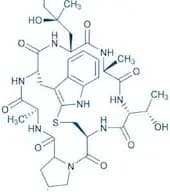
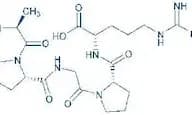
CAS:<p>WFYpSPR-pNA, chromogenic substrate for Pin1, an essential and conserved mitotic peptidyl-prolyl isomerase (PPIase), that specifically recognizes the phosphoserine-proline bonds present in mitotic phosphoproteins (kcat/Km = 20160 mM⁻¹s⁻¹).</p>Formula:C49H59N12O13PPurity:96.7%Color and Shape:Light Yellow PowderMolecular weight:1055.05((R)-4-Hydroxy-4-methyl-Orn⁷)-Phalloidin
CAS:<p>Bachem ID: 4095647.</p>Formula:C35H49N9O10SPurity:92.2%Color and Shape:WhiteMolecular weight:787.88Enterostatin (human, mouse, rat)
CAS:<p>Bachem ID: 4011240.</p>Formula:C21H36N8O6Purity:97.7%Color and Shape:Light YellowMolecular weight:496.57Cyclolinopeptide B
CAS:<p>Cyclolinopeptide B has been isolated from the seeds of Linum usitatissimum. It showed potent immunosuppressive activity comparable with that of cyclosporin A.</p>Formula:C56H83N9O9SPurity:98.6%Color and Shape:White PowderMolecular weight:1058.4Ac-Arg-pNA · HCl
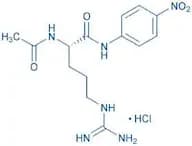
CAS:<p>Chromogenic substrate for trypsin and papain.</p>Formula:C14H20N6O4·HClPurity:>99%Color and Shape:Light YellowMolecular weight:372.81Z-Leu-Leu-Tyr-α-keto aldehyde
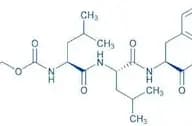
CAS:<p>Z-LLY-α-keto aldehyde (peptidyl glyoxal), previously shown to be an excellent inhibitor of the serine and cysteine proteases, was found to be an excellent inhibitor of the chymotryptic-like activity of proteasome exhibiting a Ki value of approximately 3.0 nM. Such inhibitor might be valuable in the characterization of the role of proteasome in normal and aberrant pathways of protein catabolism in the cell.</p>Formula:C30H39N3O7Color and Shape:WhiteMolecular weight:553.66H-Phe-chloromethylketone · HCl
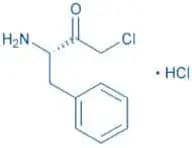
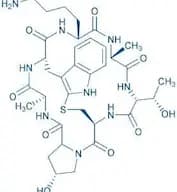
CAS:<p>Phe-CMK, inhibitor of gramicidin S synthetase 2.</p>Formula:C10H12ClNO·HClMolecular weight:234.13(Lys⁷)-Phalloidin
CAS:<p>Bachem ID: 4095648.</p>Formula:C35H49N9O9SPurity:96.8%Color and Shape:Whitish LyophilisateMolecular weight:771.88Fmoc-pentafluoro-D-Phe-OH
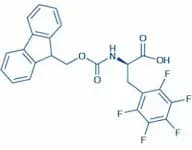
CAS:Formula:C24H16F5NO4Purity: 96.2%Color and Shape:WhiteMolecular weight:477.38H-Arg-Val-Leu-psi(CH₂NH)Phe-Glu-Ala-Nle-NH₂
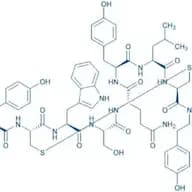
CAS:<p>The peptide RVL-psi[CH2NH]FEA-Nle-amide containing a reduced peptide bond was found to be a competitive inhibitor of the HIV-1 protease (Ki = 50 nM).</p>Formula:C40H69N11O8Purity:> 96%Color and Shape:WhiteMolecular weight:832.06H-Tyr-Cys-Trp-Ser-Gln-Tyr-Leu-Cys-Tyr-OH
CAS:<p>The TNF-α antagonist WP9QY inhibited TNF-α mediated apoptosis and exhibited an IC₅₀ of 5 µM in the binding assay. YCWSQYLCY is the smallest peptidomimetic developed to date that might be used as a lead compound for the next generation of non-peptidic inhibitors. The name WP9QY arises from the binding to the site observed in the TNF-β/TNF-receptor(I) complex designated WP9 and the introduction of the amino acids Gln and Tyr.</p>Formula:C58H71N11O15S2Purity:97.9%Molecular weight:1226.4(8R,9S,10R,13S,14S)-10,13-Dimethyl-6-methylene-7,8,9,11,12,13,15,16-octahydro-6H-cyclopenta[a]phenanthrene-3,17(10H,14H)-dione
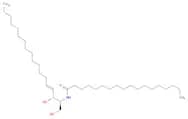
CAS:Formula:C20H24O2Purity:99%Color and Shape:SolidMolecular weight:296.4034N-Stearoyl-D-Sphingosine
CAS:Formula:C36H71NO3Purity:97%Color and Shape:SolidMolecular weight:565.9538399999999Ref: IN-DA007P0G
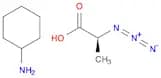
Discontinued productPropanoic acid, 2-azido-, compd. with cyclohexanamine (1:1), (2S)-
CAS:Formula:C9H18N4O2Purity:97%Color and Shape:SolidMolecular weight:214.2648Ref: IN-DA00BCVH
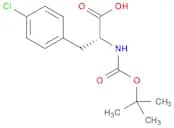
Discontinued productBOC-4-chloro-D-phenylalanine
CAS:Formula:C14H18ClNO4Purity:98%Color and Shape:SolidMolecular weight:299.7500Ref: IN-DA0034JQ
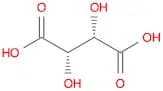
Discontinued product(2S,3S)-2,3-Dihydroxysuccinic acid
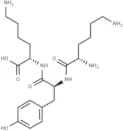
CAS:Formula:C4H6O6Purity:98%Color and Shape:SolidMolecular weight:150.0868Lysyl-tyrosyl-lysine
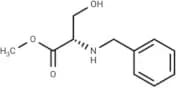
CAS:<p>Lysyl-tyrosyl-lysine is a bioactive chemical.</p>Formula:C21H35N5O5Purity:98%Color and Shape:SolidMolecular weight:437.54Methyl 2-(benzylamino)-3-hydroxypropanoate
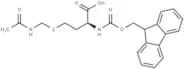
CAS:<p>Methyl 2-(benzylamino)-3-hydroxypropanoate, catalog number T66013 and CAS number 144001-42-3, is a valuable organic compound for life sciences research.</p>Formula:C11H15NO3Color and Shape:SolidMolecular weight:209.245Fmoc-HoCys(ACM)-OH
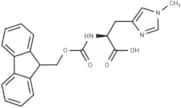
CAS:<p>Fmoc-HoCys(ACM)-OH is an amino acid derivative and has a wide range of applications in life science related research.</p>Formula:C22H24N2O5SColor and Shape:SolidMolecular weight:428.5Fmoc-1-methyl-L-histidine
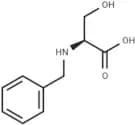
CAS:<p>Fmoc-1-methyl-L-histidine is a valuable organic compound for life sciences research (Catalog No.: T66680, CAS: 202920-22-7).</p>Formula:C22H21N3O4Color and Shape:SolidMolecular weight:391.427L-N-Benzylserine
CAS:<p>L-N-Benzylserine is a useful organic compound for research related to life sciences. The catalog number is T65056 and the CAS number is 17136-45-7.</p>Formula:C10H13NO3Color and Shape:SolidMolecular weight:195.2183-Amino-N-benzyloxycarbonyl-L-alanine
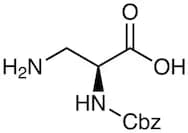
CAS:Formula:C11H14N2O4Purity:>98.0%(T)(HPLC)Color and Shape:White to Almost white powder to crystalMolecular weight:238.245-Benzyl D-Glutamate
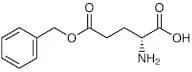
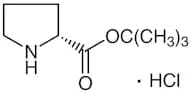
CAS:Formula:C12H15NO4Purity:>98.0%(T)(HPLC)Color and Shape:White to Almost white powder to crystalMolecular weight:237.26D-Proline tert-Butyl Ester Hydrochloride
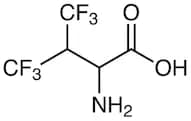
CAS:Formula:C9H17NO2·HClPurity:>98.0%(GC)(T)Color and Shape:White to Almost white powder to crystalMolecular weight:207.704,4,4,4',4',4'-Hexafluoro-DL-valine
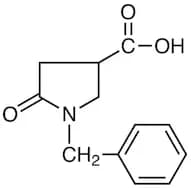
CAS:Formula:C5H5F6NO2Purity:>98.0%(T)Color and Shape:White to Almost white powder to crystalMolecular weight:225.091-Benzyl-5-oxopyrrolidine-3-carboxylic Acid
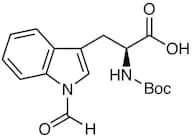
CAS:Formula:C12H13NO3Purity:>98.0%(GC)(T)Color and Shape:White to Almost white powder to crystalMolecular weight:219.24Nα-(tert-Butoxycarbonyl)-N1-formyl-L-tryptophan
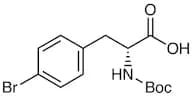
CAS:Formula:C17H20N2O5Purity:>98.0%(T)Color and Shape:White to Light gray to Light yellow powder to crystalMolecular weight:332.36N-(tert-Butoxycarbonyl)-4-bromo-D-phenylalanine
CAS:Formula:C14H18BrNO4Purity:>98.0%(HPLC)Color and Shape:White to Almost white powder to crystalMolecular weight:344.21N-Hippuryl-His-Leu hydrate
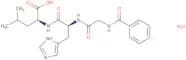
CAS:<p>N-Hippuryl-His-Leu hydrate is a synthetic inhibitor that binds to the active site of mitochondrial ATP synthase and blocks the synthesis of ATP. This molecule has shown an inhibitory effect on the mitochondrial membrane potential, which may be due to its inhibition of ATP synthesis. N-Hippuryl-His-Leu hydrate also inhibits hydrochloric acid and galactose induced angiotensin II formation in rat vascular tissues. It has been used as a pharmaceutical preparation for the treatment of high blood pressure, however it does not have any biological properties that are related to uronic acid or blood pressure regulation.</p>Formula:C21H27N5O5·xH2OPurity:Min. 95%Molecular weight:429.48 g/molRef: 3D-HIA38683
Discontinued product
![N-[(9H-Fluoren-9-ylmethoxy)carbonyl]-L-norvaline](/_next/image/?url=https%3A%2Fstatic.cymitquimica.com%2Fproducts%2F3B%2Fthumb-webp%2FF1117.webp&w=3840&q=75)












![(8R,9S,10R,13S,14S)-10,13-Dimethyl-6-methylene-7,8,9,11,12,13,15,16-octahydro-6H-cyclopenta[a]phen…](/_next/image/?url=https%3A%2Fstatic.cymitquimica.com%2Fproducts%2FIN%2Fthumb-webp%2FDA003BZ2.webp&w=3840&q=75)