Amino Acid Derivatives
Amino acid derivatives are compounds that are structurally related to amino acids but have been chemically modified to introduce new functional groups or alter their properties. These derivatives are widely used in peptide synthesis, drug development, and biochemical research. At CymitQuimica, we offer a broad range of high-quality amino acid derivatives to support your research and industrial applications, ensuring precise and effective results in your experiments and synthesis projects.
Found 3955 products of "Amino Acid Derivatives"
Sort by
Purity (%)
0
100
|
0
|
50
|
90
|
95
|
100
N-Methyl-β-alaninenitrile
CAS:<p>N-Methyl-beta-alaninenitrile is a fine chemical that is used as a versatile building block in the synthesis of complex compounds. It can be used as a reagent to synthesize other chemicals, or as an intermediate in the production of pharmaceuticals. N-Methyl-beta-alaninenitrile is also useful in the synthesis of high quality and useful scaffolds.</p>Formula:C4H8N2Purity:Min. 98.0 Area-%Molecular weight:84.12 g/molD-Tryptophan
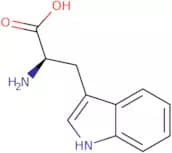
CAS:<p>D-amino acid</p>Formula:C11H12N2O2Purity:Min. 95%Color and Shape:PowderMolecular weight:204.23 g/mol5-Methoxy-D-tryptophan
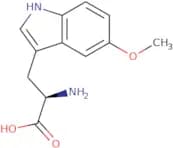
CAS:<p>5-Methoxy-D-tryptophan is a biaryl amino acid derivative that belongs to the class of alkaloids. It is a chiral monomeric building block derived from D-tryptophan. 5-Methoxy-D-tryptophan is commonly used in research chemicals and has been found in natural products such as lochnerine and indole. This compound exhibits unique properties and can be utilized for various applications in the field of chemistry and biochemistry. Its versatility makes it an essential component for researchers and scientists looking to explore new avenues in their studies.</p>Formula:C12H14N2O3Purity:Min. 95%Color and Shape:PowderMolecular weight:234.25 g/molL-Valine
CAS:<p>Amino acid</p>Formula:C5H11NO2Purity:min 98%Color and Shape:White PowderMolecular weight:117.15 g/molL-Tryptophan
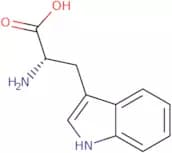
CAS:<p>L-tryptophan is a non-essential amino acid that is used as a building block in the synthesis of proteins. It has been used in research and as a starting material for the production of other chemicals. L-tryptophan has also been shown to have antidepressant effects, although it is not approved by the FDA for this use. L-tryptophan can be found in protein-rich foods such as meat, eggs, and soybeans.</p>Formula:C11H12N2O2Purity:Min. 98.0 Area-%Molecular weight:204.23 g/molRef: 3D-T-8320
1kgTo inquire100gTo inquire250gTo inquire500gTo inquire2500gTo inquire-Unit-kgkgTo inquireβ-Fluoro-DL-alanine
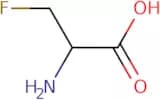
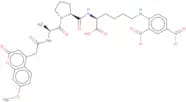
CAS:<p>b-Fluoro-DL-alanine is an amino acid that is synthesized by the asymmetric synthesis of hydrogen fluoride and acetic anhydride. b-Fluoro-DL-alanine has a deuterium isotope effect on the NMR spectra, which can be used to determine the structure of the molecule. It has been found that this amino acid inhibits ribonucleotide reductase activity. The inhibition constant for b-fluoro-DL-alanine is 1.6 mM with a kinetic rate of 0.0012 min−1 M−1, which can be used to compare its inhibitory effect with other chemicals. This chemical also has inhibitory effects on transcriptase polymerase chain and protein synthesis by binding to the A site on RNA polymerase and preventing transcription from occurring.</p>Formula:C3H6FNO2Purity:Min. 95%Color and Shape:PowderMolecular weight:107.08 g/molMca-Ala-Pro-Lys(Dnp)-OH trifluoroacetate salt
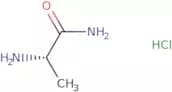
CAS:<p>Mca-Ala-Pro-Lys(Dnp)-OH trifluoroacetate salt is a high quality, versatile, and speciality chemical that is used as an intermediate in the synthesis of complex compounds. Mca-Ala-Pro-Lys(Dnp)-OH trifluoroacetate salt is also a useful scaffold for building block molecules and a versatile building block for peptide synthesis. This compound can be utilized in the manufacture of research chemicals and speciality chemicals.</p>Purity:Min. 98 Area-%Color and Shape:PowderMolecular weight:696.66 g/molL-Alaninamide hydrochloride
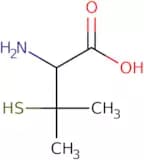
CAS:<p>L-Alaninamide hydrochloride is a hydrogen bond donor that has been shown to have anti-inflammatory properties. L-Alaninamide hydrochloride is able to crosslink hyaluronic acid, which can act as an immunosuppressant and inhibit the production of proinflammatory cytokines. In addition, L-alaninamide hydrochloride has been found to be effective in the treatment of amyloid protein aggregation diseases such as Alzheimer's disease. The drug binds to amyloid proteins by binding to their receptor site and inhibits the formation of amyloid fibrils by preventing cross-linking reactions between polypeptides. L-alaninamide hydrochloride also inhibits the formation of benzimidazole compounds, which are used in the treatment of rheumatoid arthritis.br>br><br>The structure of L-alaninamide hydrochloride is an intramolecular hydrogen bond donor with a carbonyl group. It</p>Formula:C3H8N2O•HClPurity:(Titration) Min 98%Color and Shape:PowderMolecular weight:124.57 g/molDL-Penicillamine
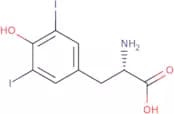
CAS:<p>DL-Penicillamine is a penicillamine that is used in the treatment of various diseases such as rheumatoid arthritis and primary sclerosing cholangitis. It has been shown to inhibit the production of inflammatory prostaglandins, which are responsible for pain and swelling. DL-Penicillamine has been used as a fluorescence probe for the detection of nonsteroidal anti-inflammatory drugs in water samples. DL-Penicillamine is also used to study coordination geometry and rate constants in solid tumours using fluorescence spectroscopy. This drug can be analyzed using chromatographic techniques or by X-ray diffraction data obtained with an electrochemical impedance spectroscopy system. The analytical method was published in 1981 by J.D. Hamer, et al., in "Analytical Chemistry".</p>Formula:C5H11NO2SPurity:Min. 95%Color and Shape:White PowderMolecular weight:149.21 g/mol3,5-Diiodo-L-tyrosine dihydrate
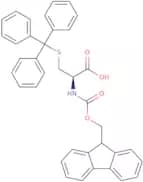
CAS:<p>There are many good reasons to eat fish and seafood, one of them is certainly the fact that they are rich in iodine salts, which are a fundamental for the endocrine activity of the thyroid gland. Iodine salts are enzymatically converted into molecular iodine, which adds to tyrosine residues in thyroglobulin forming diiodotyrosine. This is the first step towards the biosynthesis of thyroid hormones triodityronine T3 and tetraiodotyronine T4 which serve important regulatory functions in body metabolism and energy expenditure. Recently, the dietary introduction of potassium iodide and diiodotyrosine were compared in mice showing that diiodotyrosine can also be used effectively as food supplement preventing the potential damage from excessive intake of inorganic iodine salts.</p>Formula:C9H13I2NO5Purity:Min. 95.0 Area-%Molecular weight:469.02 g/molFmoc-Cys(Trt)-OH
CAS:<p>Fmoc-Cys(Trt)-OH is a cyclic peptide that has potent antitumor activity. It binds to albumin and inhibits protein synthesis, leading to cell death by inhibiting the production of proteins vital for cell division. Fmoc-Cys(Trt)-OH has been shown to be effective against cancer cells in vitro and in vivo. Fmoc-Cys(Trt)-OH also binds the plasma glucose, which may be due to its ability to impede insulin release from the pancreas. This compound is synthesized by a stepwise light-induced solid-phase synthesis with trifluoroacetic acid as a solvent.</p>Formula:C37H31NO4SPurity:Min. 98 Area-%Color and Shape:White PowderMolecular weight:585.71 g/molN-Acetyl-L-tyrosine
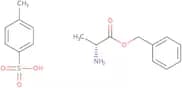
CAS:<p>N-Acetyl-L-tyrosine is a tyrosine derivative with a chemical structure similar to that of an amino acid. It is used as a model system in biochemistry and molecular biology to study the transfer reactions of tyrosine, which are important for energy metabolism, protein synthesis, and metal chelation. N-Acetyl-L-tyrosine is also an effective substrate molecule for many analytical methods, such as thin layer chromatography or liquid chromatography.</p>Formula:C11H13NO4Purity:Min. 95%Color and Shape:White PowderMolecular weight:223.23 g/molD-Alanine benzyl ester p-toluenesulfonate salt
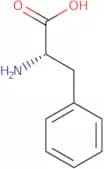
CAS:<p>D-Alanine benzyl ester p-toluenesulfonate salt is a fine chemical that is used in research and development. It is a versatile building block that can be used as an intermediate or a reaction component. D-Alanine benzyl ester p-toluenesulfonate salt has been shown to have high quality, which makes it useful for the production of complex compounds. This compound can be used as a speciality chemical or as a reagent in research.</p>Formula:C10H13NO2·C7H8O3SPurity:Min. 95%Color and Shape:PowderMolecular weight:351.42 g/molL-Phenylalanine
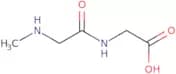
CAS:<p>L-phenylalanine is an amino acid that is naturally present in the human body. It is an essential amino acid, meaning it cannot be synthesized by the body and must be obtained through diet or supplementation. L-Phenylalanine has been shown to inhibit oxidative injury by scavenging reactive oxygen species (ROS) and reducing lipid peroxidation. It also has a protective effect on the intestinal tract by increasing the activity of bowel enzymes and preventing intestinal ulcers. L-Phenylalanine is used in biochemical studies to measure the activities of various enzymes, such as chymotrypsin, aminopeptidase, and carboxypeptidase. L-Phenylalanine can be converted into dopamine and norepinephrine, which are neurotransmitters in the brain that are important for memory, learning, mood regulation, sleep cycles, and other brain functions. L-Phenylalanine toxicity can lead to liver failure</p>Formula:C9H11NO2Color and Shape:White PowderMolecular weight:165.19 g/molSar-Gly-OH
CAS:<p>Sar-Gly-OH is a high quality, reagent chemical that is a useful intermediate in the production of complex compounds. It has CAS No. 38082-72-3 and can be used as a fine chemical, speciality chemical, or research chemical. Sar-Gly-OH is also a versatile building block that can be used in the production of many different types of compounds. It has been shown to be an important reaction component in the synthesis of several types of pharmaceuticals and other organic materials.</p>Formula:C5H10N2O3Purity:Min. 95%Color and Shape:PowderMolecular weight:146.14 g/mol5-Hydroxy-L-tryptophan
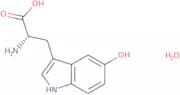
CAS:<p>5-hydroxy-L-tryptophan (5HTP) is a naturally occurring amino acid that is an intermediate in the synthesis of the neurotransmitter serotonin. 5HTP appears to be able to increase levels of serotonin in the brain and may be used to treat mood disorders, including depression and anxiety. In clinical trials, 5HTP was found to be as effective as some antidepressant drugs for treating depression. Studies have shown that 5HTP increases locomotor activity and dopamine concentrations. It also increases physiological functions such as temperature regulation, heart rate, blood pressure, and respiration rate. The mechanism by which 5HTP achieves these effects is not yet fully understood but may involve its ability to bind to specific receptors on cells in different regions of the brain.<br>5HTP has been shown to inhibit polymerase chain reactions (PCR) in vitro by binding to DNA gyrase and topoisomerase IV enzyme activities. It also inhibits fatty acid oxidation in vitro by binding</p>Formula:C11H12N2O3Purity:Min. 95%Color and Shape:PowderMolecular weight:220.22 g/molTaurine
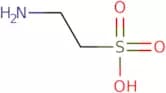
CAS:<p>Taurine is an amino acid that is found in the body and plays a number of different roles, including in biochemical composition, energy metabolism, and cell signaling. Taurine has been shown to be effective for the treatment of bowel disease and can be used as a reaction solution. It has also been shown to increase mitochondrial membrane potential and prevent cellular death in 3T3-L1 preadipocytes. Taurine inhibits growth factor-β1, which may be responsible for the inhibition of cellular proliferation and apoptosis induction. Taurine also decreases tubulointerstitial injury by increasing the synthesis of collagen type II and decreasing the production of reactive oxygen species. Taurine may play a role in reversing neuronal death through its interactions with intracellular targets such as tubulin.</p>Formula:C2H7NO3SColor and Shape:PowderMolecular weight:125.15 g/molD-Isoserine
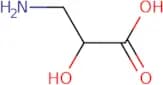
CAS:<p>D-Isoserine is a stereoselective synthetic amino acid that can be used as a structural analog of l-serine. D-Isoserine is synthesized from d-threonine and has been shown to inhibit the bacterial enzyme tyrosine kinase, which is important in cell signaling. D-Isoserine is also being investigated as a treatment for inflammatory diseases such as rheumatoid arthritis and Crohn's disease. The marine sponge Aerogenes sp. produces this compound, which is also produced by the microbial species Aerobacter aerogenes and Staphylococcus aureus.</p>Formula:C3H7NO3Purity:Min. 95%Molecular weight:105.09 g/molH-Lys(Boc)-AMC
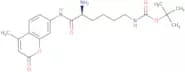
CAS:<p>H-Lys(Boc)-AMC is a useful building block for the synthesis of peptides, nucleic acids, and other complex molecules. It is a fine chemical that can be used as a reagent or speciality chemical in research laboratories. H-Lys(Boc)-AMC is also a versatile building block that can be used to synthesize complex compounds and scaffolds. This compound has been assigned CAS number 222037-62-9.</p>Formula:C21H29N3O5Purity:Min. 95%Color and Shape:PowderMolecular weight:403.47 g/molVal-Cit-PAB-MMAE
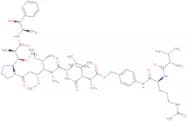
CAS:<p>Val-Cit-PAB-MMAE is a linker that has been conjugated to a monoclonal antibody (Val-Cit) and a cytotoxic agent (MMAE). This linker is designed to provide predictable strategies for site-specific conjugation of therapeutic agents to antibodies. The Val-Cit sequence facilitates the attachment of the linker to the antibody, while MMAE targets cancer cells through its chemotherapeutic effect. The linker provides an anti-cancer drug with an increased halflife in vivo, which may be due to its physicochemical properties. Val-Cit-PAB-MMAE also has the potential for use in other applications such as diagnostics and biosensors.</p>Formula:C58H94N10O12Purity:Min. 95 Area-%Color and Shape:PowderMolecular weight:1,123.43 g/molcis-4-Hydroxy-L-proline
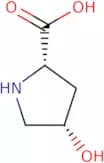
CAS:<p>Cis-4-Hydroxy-L-proline is a bound form of proline that is formed by the condensation of two molecules of glyoxylate. It is a basic structure and an intermediate in the synthesis of collagen, which is a protein found in connective tissue. Cis-4-Hydoxy-L-proline has been shown to be an active form of proline for the treatment of primary sclerosing cholangitis, as it can decrease bile acid levels. This compound has also been used as an analytical method for determining collagen content in biological samples. The polymerase chain reaction technique uses cis-4-Hydroxy-L-proline as a matrix effect to amplify DNA sequences. Cis-4-Hydroxy-L-proline has also been shown to have optimum concentrations at 3mM and 0.5mM in model systems.br></p>Formula:C5H9NO3Purity:Min. 95%Color and Shape:White PowderMolecular weight:131.13 g/molCyclo(L-His-L-Pro)
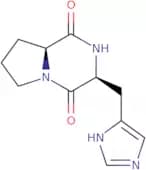
CAS:<p>Cyclo(L-His-L-Pro) is a dipeptide molecule that is part of the thyroid hormone thyrotropin-releasing hormone. It has been shown to have physiological effects on experimental models, such as increased thyrotropin release and decreased calcium levels in cells. Cyclo(L-His-L-Pro) is synthesized by the enzyme prohormone convertase in the cytosol of cells. The cyclic structure of this molecule is due to intermolecular hydrogen bonding between His and Pro residues. This peptide can be metabolized into a number of metabolites, including cyclic, diketopiperazines.</p>Formula:C11H14N4O2Purity:Min. 98 Area-%Color and Shape:PowderMolecular weight:234.25 g/molFurosine hydrochloride
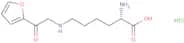
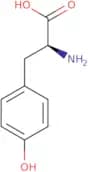
CAS:<p>Furosine hydrochloride is a white crystalline chemical with a molecular formula of C6H7N3O4S. It is soluble in water and has a melting point of about 140 degrees Celsius. Furosine hydrochloride is a useful building block for the synthesis of polymers, pharmaceuticals, organic semiconductors and other organic compounds. Furosine hydrochloride is used as an intermediate to produce fine chemicals such as polyurethanes, polyamides and amino acids. It can also be used as a reaction component in the synthesis of complex compounds such as 2-amino-5-nitrothiophene or 2,2'-dithiobis(benzothiazole). Furosine hydrochloride can be used as a scaffold for the production of various drugs such as antihypertensives or antidepressants.</p>Formula:C12H18N2O4·xHClPurity:Min. 98 Area-%Color and Shape:PowderMolecular weight:254.28 g/molL-Tyrosine - non-animal origin
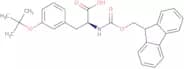
CAS:<p>Amino acid; precursor to neurotransmitters, hormones, pigments, natural phenols</p>Formula:C9H11NO3Color and Shape:White Off-White PowderMolecular weight:181.19 g/molFmoc-L-m-Tyrosine(tBu)-OH
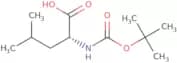
CAS:<p>Fmoc-L-m-Tyrosine is a reagent that is used in organic synthesis. It is a complex compound that can be synthesized from m-tyrosine and t-butyl bromoacetate. Fmoc-L-m-Tyrosine is also a useful intermediate for the preparation of other compounds, such as pharmaceuticals and agrochemicals. It has been shown to be a fine chemical that has a wide range of applications in the field of biotechnology and pharmaceuticals. Fmoc-L-m Tyrosine is also a versatile building block with many possible reactions, making it an excellent candidate for research chemicals, including speciality chemicals. The CAS number for this compound is 204384-71-4 and it's molecular weight is 262.3 g/mol.br></p>Formula:C28H29NO5Purity:Min. 97 Area-%Color and Shape:Off-White PowderMolecular weight:459.53 g/molBoc-D-Leu-OH
CAS:<p>Boc-D-Leu-OH is a cyclic peptide that has been shown to have antibacterial activity. It is a monomer with a hydroxy group and a cavity. Boc-D-Leu-OH was found to be able to transport hydrophobic compounds across membranes, which may be due to its hydrophobic nature. Boc-D-Leu-OH also induces apoptosis in cells, which can lead to cancer. This compound has been optimized by structural modifications and residue substitutions, which have led to improved properties such as enhanced stability and increased antimicrobial activity.</p>Formula:C11H21NO4Purity:Min. 95%Color and Shape:PowderMolecular weight:231.29 g/molFmoc-Pro-Gly-Gly-OH
<p>Fmoc-Pro-Gly-Gly-OH is a synthetic peptide that is used in the manufacture of bivalirudin, an anticoagulant. It is a large molecule that can be dissolved in water or acetonitrile. The impurities may include ammonium and acetate ions. Fmoc-Pro-Gly-Gly-OH is insoluble in trifluoroacetic acid and trifluoroacetic acid/ammonium acetate mixture, but can be recrystallized from these solvents. The lyophilized product should be stored at 4°C to avoid hydrolysis. Polypeptides are not stable under acidic conditions, so care must be taken when handling this material.</p>Formula:C24H25N3O6Purity:Min. 95%Color and Shape:PowderMolecular weight:451.47 g/moltrans-4-Hydroxy-L-proline
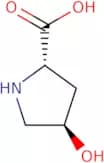
CAS:<p>Proline is a non-essential amino acid that is found in the basic structure of collagen. Proline has been shown to have physiological effects, including a protective effect on the myocardium, and can be used as an analytical method for detecting proline residues in biological samples. Trans-4-Hydroxy-L-proline is a proline derivative that has been shown to inhibit collagenase activity in vitro. It was also shown to have an optimum concentration of 1 mM and a matrix effect at pH 6.5. The model system used to study trans-4-hydroxy-l-proline was the enzyme extracted from rat liver.</p>Formula:C5H9NO3Color and Shape:White PowderMolecular weight:131.13 g/molN-α-Benzoyl-L-arginine ethyl ester hydrochloride
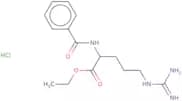
CAS:<p>Benzoyl-L-arginine ethyl ester hydrochloride is a white or beige crystalline solid with a melting point of 85°C. It is soluble in water and ethanol. It has been used as a reagent, speciality chemical, and reaction component for the synthesis of complex compounds. Benzoyl-L-arginine ethyl ester hydrochloride is used as a building block in the synthesis of an intermediate, which is then used to create scaffold drugs.</p>Formula:C15H23ClN4O3Purity:Min. 98 Area-%Color and Shape:White PowderMolecular weight:342.82 g/molFmoc-Gln(Trt)-OH
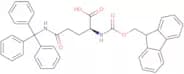
CAS:<p>Fmoc-Gln(Trt)-OH is a synthetic amino acid that contains a hydroxyl group in its side chain. The hydroxyl group of Fmoc-Gln(Trt)-OH can react with other molecules and form conjugates, which leads to impurities in the final product. In the synthesis of Fmoc-Gln(Trt)-OH, the reaction time can affect the efficiency of the synthesis. In order to produce a high concentration of Fmoc-Gln(Trt)-OH, it is necessary to use chromatographic methods for purification. Fmoc-Gln(Trt)-OH has been shown to be beneficial as an anticancer agent due to its ability to inhibit serine proteases.</p>Formula:C39H34N2O5Purity:Min. 98 Area-%Color and Shape:White Off-White PowderMolecular weight:610.7 g/molO-Methyl-L-tyrosine
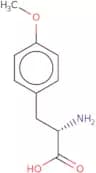
CAS:<p>O-Methyl-L-tyrosine is a non-protein amino acid that inhibits protein synthesis by preventing the formation of peptide bonds. It has been shown to be an effective inhibitor of methionyl and cysteyl synthetases, which are enzymes that synthesize proteins. O-Methyl-L-tyrosine has also been used in clinical studies to treat translation defects associated with Duchenne muscular dystrophy (DMD) and spinal muscular atrophy (SMA). This drug is a synthetic amino acid that is not found in nature. Its structure consists of two methyl groups bonded to the oxygen atom on the tyrosine side chain, making it more stable than L-tyrosine. OMT binds to the enzyme methionyl synthetase in its active site, preventing formation of peptide bonds during protein synthesis. In addition, this drug has been shown to inhibit methyltetrahydrofolate reductase, an enzyme involved</p>Formula:C10H13NO3Purity:Min. 95%Color and Shape:White PowderMolecular weight:195.22 g/molN-Acetyl-L-alanine
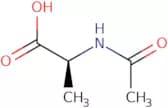
CAS:<p>N-Acetyl-L-alanine is the N-acetylated form of L-alanine and is a nonessential amino acid. It is an amide containing one nitrogen atom and two carbonyl groups. The nitrogen can be found in either the alpha or beta position on the amide. The biological properties of N-acetyl-L-alanine are similar to those of L-alanine, as it is used as a substrate for protein synthesis and has been shown to inhibit p21 and epidermal growth factor. The conformational properties of N-acetyl-L-alanine are different from that of L-alanine due to its changed shape, which may affect its biological activity.</p>Formula:C5H9NO3Purity:Min. 95%Color and Shape:White PowderMolecular weight:131.13 g/molH-Pro-2Cl-Trt resin
<p>Please enquire for more information about H-Pro-2Cl-Trt resin including the price, delivery time and more detailed product information at the technical inquiry form on this page</p>Purity:Min. 95%Furosine dihydrochloride
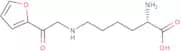
CAS:<p>Reference material for food analysis</p>Formula:C12H18N2O4•2HClPurity:Min. 98 Area-%Color and Shape:PowderMolecular weight:327.20 g/molN6-Trifluoroacetyl-L-lysine N-carboxyanhydride
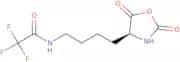
CAS:<p>Trifluoroacetyl-L-lysine N-carboxyanhydride is an N6-trifluoroacetylated lysine derivative that is used in the synthesis of peptides. It is a racemic mixture of L and D forms, which is hydrolyzed to form L-glutamic acid, NH4Cl, and CO2. Trifluoroacetyl-L-lyside N-carboxyanhydride has been shown to be useful in the formation of bonds between amino acids, such as lysine and dipeptides. The compound is also used for the protection of lysine against oxidation during peptide synthesis.</p>Formula:C9H11F3N2O4Purity:Min. 95%Color and Shape:White PowderMolecular weight:268.19 g/molL-Allylglycine
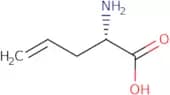
CAS:<p>L-Allylglycine is an antimicrobial agent that inhibits the growth of bacteria by binding to the glutamate receptor. L-Allylglycine has been shown to inhibit the locomotor activity in rats, which may be due to its ability to bind with the serotonergic system and dopamine receptors. L-Allylglycine also binds to Toll-like receptor 4, a protein found on macrophages and microglia in the brain, which may contribute to its neuroprotective effects. It has been shown that L-allylglycine can inhibit a glutamate receptor in mitochondria, which is responsible for the production of ATP. This inhibition prevents DNA replication and cell division, leading to cell death. The asymmetric synthesis of this molecule allows it to have a greater affinity for bacterial cells than mammalian cells.</p>Formula:C5H9NO2Purity:Min. 95%Color and Shape:White PowderMolecular weight:115.13 g/mol2-(Pyridin-4-ylformamido)acetic acid
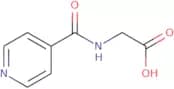
CAS:<p>2-(Pyridin-4-ylformamido)acetic acid is a chemical intermediate that is used in the synthesis of other compounds. It is a chemical building block, useful for the production of fine chemicals and speciality chemicals. 2-(Pyridin-4-ylformamido)acetic acid can be used as a reaction component or reagent in organic synthesis. It has been shown to have high purity and quality for research purposes. CAS No. 2015-20-5.br><br>2-(Pyridin-4-ylformamido)acetic acid can be used to synthesize a variety of compounds with different properties, such as antihistamines, antibiotics, antihypertensives, and antipsychotics.</p>Formula:C8H8N2O3Purity:Min. 95 Area-%Color and Shape:PowderMolecular weight:180.16 g/molFmoc-D-Val-OH
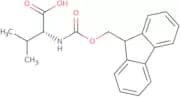
CAS:<p>Fmoc-D-Val-OH is a synthetic acetal that is used as a substrate for protein modification. It has been shown to bind to the active site of enzymes such as butyrylcholinesterase and esterases, which are involved in the metabolism of fatty acids. Fmoc-D-Val-OH also binds to mammalian cells and can be conjugated with other molecules, such as nanoribbons, to improve their solubility in water.</p>Formula:C20H21NO4Purity:Min. 98 Area-%Color and Shape:PowderMolecular weight:339.39 g/molFmoc-Ala-OH
CAS:<p>Fmoc-Ala-OH is a bioactive molecule with a molecular weight of 195.2 Daltons. It has been shown to have receptor activity and cyclic peptide properties. Fmoc-Ala-OH is soluble in chloroform and methanol, but insoluble in water. It can be used as a substrate for the chemical ligation reaction, which involves the joining of two peptides by forming an amide bond between their carboxyl groups. This process is known as "Fmoc chemistry". Fmoc-Ala-OH has also been shown to have anti-inflammatory effects in animal models of autoimmune diseases such as rheumatoid arthritis and multiple sclerosis.</p>Formula:C18H17NO4Purity:Min. 98 Area-%Color and Shape:White PowderMolecular weight:311.33 g/molL-Cysteine ethyl ester hydrochloride
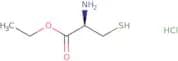
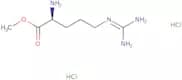
CAS:<p>L-Cysteine ethyl ester HCl is a disulfide bond that is used in the synthesis of proteins. It is also used to prevent hair loss and to treat baldness. L-Cysteine ethyl ester HCl has potent antitumor activity, which may be due to its ability to react with nucleophilic substitutions. In addition, L-Cysteine ethyl ester HCl can induce apoptosis by binding to the apoptosis protein. The reaction mechanism is not well understood but it may involve hydroxide ion and organometallic complexes. L-Cysteine ethyl ester HCl is soluble in water at neutral pH and poorly soluble in ethanol. It hydrolyzes in the presence of acid or base, forming trifluoroacetic acid or sodium hydroxide solution respectively.</p>Formula:C5H11NO2S•HClPurity:Min. 95%Color and Shape:PowderMolecular weight:185.67 g/molL-Arginine methyl ester dihydrochloride
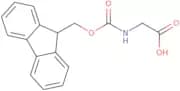
CAS:<p>L-Arginine methyl ester dihydrochloride is a bioactive form of L-arginine, which is an amino acid. L-Arginine methyl ester dihydrochloride has been shown to increase the production of cyclic guanosine monophosphate (cGMP) in mammalian cells. It also causes protein synthesis and cell division in C. neoformans and is a substrate for nitric oxide synthase (NOS). It has been shown to have opioid receptor activity and can act as an alpha-2 adrenergic agonist. L-Arginine methyl ester dihydrochloride can inhibit serine proteases by binding to their active site and preventing them from breaking down proteins such as collagen and elastin.</p>Formula:C7H16N4O2·2HClPurity:Min. 95%Color and Shape:White PowderMolecular weight:261.15 g/molFmoc-Gly-OH
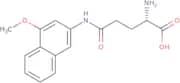
CAS:<p>Fmoc-Gly-OH is a peptide that has been shown to have anti-inflammatory properties. It inhibits the production of inflammatory cytokines by binding to the receptor for IL-1β on du145 cells, which are prostate cancer cells. The synthesis of Fmoc-Gly-OH is achieved through an ester hydrochloride and amide bond formation. This synthesis method is not efficient and requires high amounts of reagents and solvents. Fmoc-Gly-OH has been shown to be effective in inhibiting the inflammatory response in human serum with a dose of 10 μM, but it does not inhibit inflammation in chronic exposure studies with rats or mice.!--</p>Formula:C17H15NO4Purity:Min. 98 Area-%Color and Shape:White Off-White PowderMolecular weight:297.31 g/molγ-Glutamyl-4-methoxy-β-naphthylamide
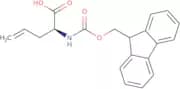
CAS:<p>Gamma-Glutamyl-4-methoxy-beta-naphthylamide is a versatile building block that can be used in the synthesis of a variety of complex compounds. It is a high quality chemical that is useful as an intermediate in organic syntheses and as a reagent in research. Gamma-Glutamyl-4-methoxy-beta-naphthylamide has been shown to be an effective scaffold for the preparation of other chemical substances.</p>Formula:C16H18N2O4Purity:Min. 95%Molecular weight:302.33 g/molFMoc-L-Allylglycine
CAS:<p>FMoc-L Allylglycine is a synthetic reactive molecule that binds to the P2Y receptor. It is active in the cell maturation process and stimulates receptor activity. FMoc-L-Allylglycine has been shown to have anticancer properties, as well as an effect on human serum and bovine fetal serum. The nitrogen atoms in FMoc-L-Allylglycine are capable of forming strong bonds with buffers and imprinting agents, which can be used to study biomolecules. The disulfide bond in FMoc-L-Allylglycine can be cleaved with reductive conditions, making it a useful tool for the synthesis of peptides.</p>Formula:C20H19NO4Purity:Min. 95%Color and Shape:White PowderMolecular weight:337.37 g/molL-Tryptophan β-naphthylamide
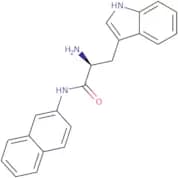
CAS:<p>L-Tryptophan beta-naphthylamide is a fine chemical that is useful for research purposes. It can be used as a versatile building block in the synthesis of other chemicals and can also be used as a reaction component. L-Tryptophan beta-naphthylamide has been used to synthesize complex compounds such as 5,6-dihydroindolizine, which has been shown to have anti-inflammatory properties. This compound can also be used as a reagent in organic synthesis.</p>Formula:C21H19N3OPurity:Min. 95%Color and Shape:PowderMolecular weight:329.4 g/molBetonicine
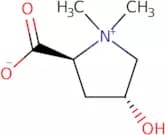
CAS:<p>Betonicine is a natural compound that has been shown to have therapeutic effects in autoimmune diseases. It has been used as a model system for studying plant physiology and to determine the transport properties of hydroxyl groups. Betonicine has also been shown to have receptor activity, which is responsible for its disease-modifying effects in autoimmune diseases. Betonicine is an inorganic acid that can be synthesized from the reaction between ammonia and nitric acid. It can also be extracted from plants such as cress seeds, which are rich in nitrogen atoms. The titration calorimetry method was used to measure the concentration of betonicine in coli K-12 cells.</p>Formula:C7H13NO3Purity:Min. 95%Color and Shape:PowderMolecular weight:159.18 g/molFmoc-Leu-OH
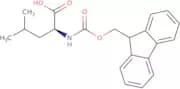
CAS:<p>Fmoc-Leu-OH is a fatty acid that contains a hydroxyl group. It is used in the synthesis of polymer drugs, especially sodium salt polymers. The activity of Fmoc-Leu-OH can be reversed with degarelix acetate, an irreversible inhibitor of ns3 protease. In addition to its use as an antidiabetic agent, Fmoc-Leu-OH has been shown to have immunomodulatory effects and antiinflammatory activity. In tumor treatment, Fmoc-Leu-OH has been shown to inhibit the growth of fat cells without affecting normal cells or causing any toxic side effects.</p>Formula:C21H23NO4Purity:Min. 98 Area-%Color and Shape:White PowderMolecular weight:353.41 g/molL-Histidine methyl ester dihydrochloride
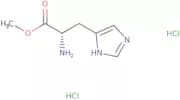
CAS:<p>L-Histidine methyl ester dihydrochloride is a β-amino acid with the chemical formula HNCH2CH(CH3)CO2H. It has the functional group of an isopropyl group and a chloride ion. L-Histidine methyl ester dihydrochloride has been shown to bind to receptors in the central nervous system that are involved in pain perception. As a result, it can be used for the treatment of neuropathic pain, chronic pain, and cancer pain. This drug also inhibits nitric oxide production by binding to iron ions or copper ions. L-Histidine methyl ester dihydrochloride has been shown to have antiinflammatory effects as well as antioxidant properties.</p>Formula:C7H11N3O2•(HCl)2Purity:Min. 95%Color and Shape:PowderMolecular weight:242.1 g/moltrans-3-Hydroxy-L-proline
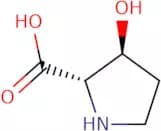
CAS:<p>Please enquire for more information about trans-3-Hydroxy-L-proline including the price, delivery time and more detailed product information at the technical inquiry form on this page</p>Formula:C5H9NO3Purity:Min. 95%Color and Shape:White PowderMolecular weight:131.13 g/molD,L-Homotryptophan
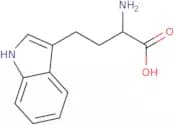
CAS:<p>D,L-Homotryptophan is a fine chemical that is used as a building block in the synthesis of complex compounds. It has been used as a reagent, speciality chemical, and intermediate. D,L-Homotryptophan is also versatile in its use as a building block for the synthesis of various chemicals. This compound has been shown to react with other chemicals to form useful scaffolds.</p>Formula:C12H14N2O2Purity:Min. 95%Color and Shape:PowderMolecular weight:218.25 g/mol