PAFR
The platelet-activating factor receptor (PAFR) is a GPCR that binds to platelet-activating factor (PAF), a potent phospholipid mediator involved in inflammation, thrombosis, and allergic responses. PAFR signaling plays a critical role in immune responses, cardiovascular health, and the pathogenesis of inflammatory diseases. Modulation of PAFR activity is of interest in the development of anti-inflammatory and antithrombotic therapies. At CymitQuimica, we offer a variety of high-quality PAFR modulators to support your research in immunology, cardiovascular biology, and inflammation.
Found 14 products of "PAFR"
Sort by
Purity (%)
0
100
|
0
|
50
|
90
|
95
|
100
Kadsurenin C
CAS:Kadsurenin C (compound 1), a neolignan isolated from the aerial parts of Piper kadsura, exhibits anti-inflammatory properties and significant PAF (Platelet Activating Factor) antagonistic activity, with an IC50 value of 5.1 μM [1].Formula:C21H26O5Molecular weight:358.43Oxopurpureine
CAS:Oxopurpureine, classified as an oxoaporphine compound, functions to inhibit plant pathogens.Formula:C21H19NO6Color and Shape:SolidMolecular weight:381.38PAF C-18
CAS:PAF C-18 is a natural phospholipid molecule belonging to the platelet-activating factor (PAF) family,, involved in hemostasis and thrombosis by binding to PAFR.Formula:C28H58NO7PPurity:>99.99%Color and Shape:SolidMolecular weight:551.74α-Bulnesene
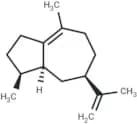
CAS:α-Bulnesene, a novel PAF (platelet-activating factor) receptor antagonist, exhibits an IC50 of 17.62 μM. It can be isolated from patchouli. α-Bulnesene inhibits both PAF and arachidonic acid-induced aggregation of rabbit platelets.Formula:C15H24Color and Shape:SolidMolecular weight:204.35PAF-AN-1
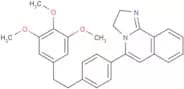
CAS:PAF-AN-1 is a novel potent platelet-activating factor receptor (PAF) antagonist involved in the study of anaphylactic death.Formula:C28H28N2O3Purity:98.06%Color and Shape:SolidMolecular weight:440.532-Acetylbenzoic acid
CAS:2-Acetylbenzoic acid outperforms 2-propionyloxybenzoic in hindering platelet function and PG synthesis; both similar in blocking PGI2 creation.Formula:C9H8O3Purity:99.62%Color and Shape:Off-White SolidMolecular weight:164.16Tulopafant
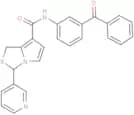
CAS:Tulopafant (RP 59227) is a potent platelet-activating factor (PAF) antagonist that increases capillary patency and prolongs allograft heart survival.Formula:C25H19N3O2SPurity:99.38%Color and Shape:SolidMolecular weight:425.5Methylcarbamyl PAF C-16
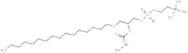
CAS:Methylcarbamyl PAF C-16 (Carbamyl-PAF) is a PAF analog with PAF agonistic properties, activating inflammation in pregnancy tissues and promoting preterm birth.Formula:C26H55N2O7PColor and Shape:SolidMolecular weight:538.7Rocepafant
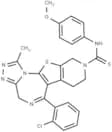
CAS:Rocepafant (LAU8080), a PAF antagonist, reduces neonatal rat brain damage and inhibits TNF-α toxicity in L929 cells.Formula:C26H23ClN6OS2Purity:97.31% - 98.95%Color and Shape:SolidMolecular weight:535.08SDZ-62-434
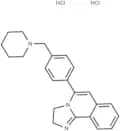
CAS:SDZ-62-434 is a platelet-activating factor inhibitor with antitumor activity and may be used in the study of leukemia.Formula:C23H27Cl2N3Purity:98.38%Color and Shape:SolidMolecular weight:416.3948740 RP
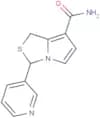
CAS:48740 RP (RP 55779) is an antagonist of platelet-activating factor.Formula:C12H11N3OSPurity:99.79%Color and Shape:SolidMolecular weight:245.3Ref: TM-T10159
1mg356.00€5mg567.00€10mg907.00€25mg1,339.00€50mg1,815.00€100mg2,432.00€1mL*10mM (DMSO)567.00€Foropafant
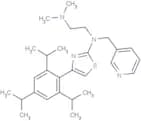
CAS:Foropafant (SR27417) is a highly potent and selective platelet-activating factor (PAF) receptor antagonist (Ki: 57 pM).Formula:C28H40N4SPurity:99.67%Color and Shape:SolidMolecular weight:464.71Apafant
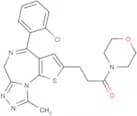
CAS:Apafant (WEB 2086) is a PAF antagonist that blocks eosinophil activation and can be used to study experimental allergic conjunctivitis in guinea pigs.Formula:C22H22ClN5O2SPurity:99.56%Color and Shape:SolidMolecular weight:455.96ST-899
CAS:ST-899 is an innovative platelet-activating factor (PAF) receptor antagonist. It significantly reduces the mortality rate in mice experiencing shock induced by endotoxins (LPS). The compound markedly inhibits the LPS-induced increase in serum tumor necrosis factor (TNF) levels while leaving interleukin-6 (IL-6) unaffected. The mechanism by which ST-899 operates involves disrupting the positive feedback loop between PAF and TNF, thereby mitigating inflammatory responses. ST-899 is applicable for studies related to inflammatory diseases such as septic shock.Formula:C22H29BrClNO6Color and Shape:SolidMolecular weight:518.83