Dyes, Stains and Tinctures
Dyes, stains, and tinctures are essential tools in molecular biology, crucial for visualizing and studying DNA, chromosomes, and cell nuclei. These compounds enable researchers to highlight specific cellular components, facilitating detailed observation and analysis under a microscope. In this category, you will find a wide range of high-quality dyes and stains used in various staining techniques, including fluorescent dyes for DNA and chromosomal analysis, histological stains for tissue samples, and specific stains for cellular structures. These tools are indispensable in genetic research, cytology, histology, and diagnostics, providing clarity and contrast in biological specimens. At CymitQuimica, we offer a comprehensive selection of dyes, stains, and tinctures to support your molecular biology research and ensure precise and reliable results in your studies.
Subcategories of "Dyes, Stains and Tinctures"
- Acid Dyes(49 products)
- Azobenzenes(270 products)
- Azoic Dyes(7 products)
- Basic Dyes(27 products)
- Coumarin Dyes(71 products)
- Cyanine Dyes, Squarylium Dyes(53 products)
- DCM Dyes(4 products)
- Diarylethenes(12 products)
- Dipyrromethene Dyes(26 products)
- Direct Dyes(17 products)
- Disperse Dyes(2 products)
- Dye Sensitizers(12 products)
- Dyes(416 products)
- Dyes & Stains(911 products)
- Generating Insoluble Dyes(14 products)
- Generating Soluble Dyes(11 products)
- Hexaarylbiimidazole(4 products)
- Indicators(575 products)
- Mordant Dyes(10 products)
- Near-Infrared (NIR) Dyes(28 products)
- Oil Dyes(15 products)
- Other Stains and Dyes(2 products)
- Perylene Dyes(17 products)
- Photochromic Dyes(40 products)
- Phthalocyanine Dyes, Porphyrin Dyes(101 products)
- Quinacridone Dyes(8 products)
- Spiropyrans(16 products)
- Stains and Dyes(243 products)
- Stains and Dyes for Microscopy(5 products)
- Vat Dyes(5 products)
- Xanthene Dyes(65 products)
Show 23 more subcategories
Found 755 products of "Dyes, Stains and Tinctures"
Sort by
Purity (%)
0
100
|
0
|
50
|
90
|
95
|
100
C.I.Vat Orange 15
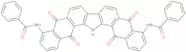
CAS:<p>C.I. Vat Orange 15 is a polymerization inhibitor that prevents polymerization by reacting with the hydrogen peroxide, which is generated during the chemical reaction. The addition of C.I. Vat Orange 15 to a polymerization system will slow down the reaction and increase the yield of the desired product. This chemical can also be used in organic solvents and a variety of other reactions, such as light resistance and surfactant production. It is not soluble in water and requires an organic solvent for use in coatings or resins, but it does not react with esters or ethers. C.I. Vat Orange 15 has been shown to have high concentrations, but it is not toxic to animals or humans.>>END>></p>Purity:Min. 95%16a-Hydroxyprednisolone
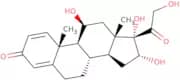
Controlled Product<p>16a-Hydroxyprednisolone is a synthetic corticosteroid that has been used in the treatment of inflammatory diseases. It has a potency of 1/10th that of prednisolone and is used as an industrial preparation, such as for the production of plastics. 16a-Hydroxyprednisolone is prepared by reacting phthalic anhydride with hydrocortisone or hydrocortisone acetate. Impurities are removed by preparative thin-layer chromatography using silica gel plates. The product can be purified further by recrystallization from water or from chloroform/methanol mixtures. The presence of virulent microorganisms can be detected by adding a small amount to tissue samples and then examining them for signs of lysis or death. Acid catalysis is required in the sample preparation, which involves the use of an inorganic acid (e.g., hydrochloric acid) to remove any traces</p>Formula:C21H28O6Purity:Min. 98 Area-%Color and Shape:White PowderMolecular weight:376.44 g/molC.I.Disperse Orange 89
CAS:<p>Please enquire for more information about C.I.Disperse Orange 89 including the price, delivery time and more detailed product information at the technical inquiry form on this page</p>Purity:Min. 95%Propyl red
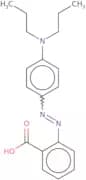
CAS:<p>Propyl red is a diacetate that is used in the diagnosis of infectious diseases. The color of propyl red is due to the presence of an acetate group and its affinity for nucleic acids, which allows it to be used as a stain in blood culture. Propyl red has been shown to have a catalytic effect on the oxidation of hydrogen peroxide and can be used as a chromophore in the detection of radiation. The optical properties of propyl red are dependent on pH, with the maximum absorbance at pH 3.5-4.5 and minimum absorbance at pH 7-8.<br>The molecular weight and protonation state are also important factors for determining optical properties. It has been shown that propyl red can be used to highlight mastitis by visualizing milk fat globules within cells.END>></p>Formula:C19H23N3O2Purity:Min. 95%Color and Shape:PowderMolecular weight:325.4 g/molC.I.Disperse Blue 87:1
CAS:<p>Please enquire for more information about C.I.Disperse Blue 87:1 including the price, delivery time and more detailed product information at the technical inquiry form on this page</p>Purity:Min. 95%C.I.Mordant Orange 3
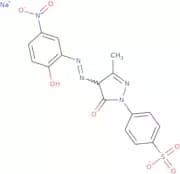
CAS:<p>Please enquire for more information about C.I.Mordant Orange 3 including the price, delivery time and more detailed product information at the technical inquiry form on this page</p>Formula:C16H13N5O7S·NaPurity:Min. 95%Molecular weight:442.36 g/molAcid Orange 33
CAS:<p>Acid Orange 33 is a synthetic diazo dye used as a colorant and a dye intermediate. It is soluble in water and organic solvents, but insoluble in oils. Acid Orange 33 can be used as an ophthalmic or topical agent for the treatment of various skin conditions, such as acne. The mechanism of action of this drug is not yet fully understood, but it is known to cleave collagen at specific sites. Acid Orange 33 may also have anti-inflammatory properties, which are due to its cationic character and ability to bind with amines.<br>The reaction time for Acid Orange 33 varies depending on the type of amine that it binds to, with lower reactivity observed when it binds to more basic amines (e.g., methylamine).</p>Purity:Min. 95%C.I.Solvent Orange 56
CAS:<p>Please enquire for more information about C.I.Solvent Orange 56 including the price, delivery time and more detailed product information at the technical inquiry form on this page</p>Purity:Min. 95%Pigment Yellow 110
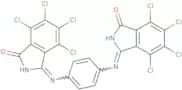
CAS:<p>Pigment Yellow 110 is a colorant that is used in coatings, plastics, and rubber. Pigment Yellow 110 is a derivative of the pigment barium sulfate, which exhibits thermal expansion. Pigment Yellow 110 has an absorption maximum at 590 nm, with a particle size of approximately 8 µm. This product also has reactive functional groups that can cross-link to calcium carbonate and glycol esters.</p>Formula:C22H6Cl8N4O2Color and Shape:PowderMolecular weight:641.93 g/molAlizarin red S
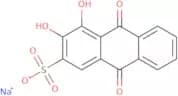
CAS:<p>Alizarin red is used in histology and medicine to stain calcium-containing specimens, e.g. bones and calcifications. Chromogenic substrates for enzymes based on alizarin have been developed and, as an example, alizarin-beta-D-galactoside (Aliz-gal) has been reported for the detection of bacterial beta-galactosidase by researchers at the University of Northumbria and the Freeman Hospital, Newcastle upon Tyne in the UK (James, 2000).</p>Formula:C14H7O7SNaColor and Shape:PowderMolecular weight:342.26 g/molMalachite green oxalate
CAS:<p>Malachite green oxalate is an adsorbent that can be used for wastewater treatment. It has a high affinity for organic molecules, which allows it to remove the substances from water. Malachite green oxalate reacts with the dissolved organic molecules and forms a strong bond with them, which prevents them from being redeposited in the water. The reaction mechanism of malachite green oxalate is based on its ability to adsorb onto the surface of organic molecules and react with them. The Langmuir adsorption isotherm shows that malachite green oxalate has a significant cytotoxicity and toxicological effect on human cells. Malachite green oxalate also binds to p-nitrophenyl phosphate (PNPP) in human serum, which is an enzyme substrate that is involved in many metabolic processes such as glycolysis and gluconeogenesis. The optical sensor was used to measure the redox potential of malachite green</p>Formula:C23H25N2•(C2H2O4)0•C2HO4Purity:Min. 95%Color and Shape:PowderMolecular weight:927 g/molICG-alkyne
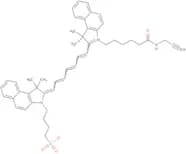
CAS:<p>The non-invasive near-infrared fluorescence imaging dye ICG is used in ophthalmologic angiography to determine cardiac output and liver blood flow and function. The ICG alkyne can be used to label azido functionalised biomolecules eg glycans, lipids and peptides via click chemistry protocols.</p>Formula:C48H53N3O4SPurity:Min. 95%Color and Shape:PowderMolecular weight:768 g/molC.I.Acid Yellow 158:1
CAS:<p>Please enquire for more information about C.I.Acid Yellow 158:1 including the price, delivery time and more detailed product information at the technical inquiry form on this page</p>Purity:Min. 95%Acid blue 1
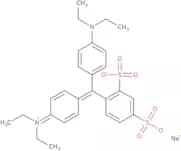
CAS:<p>Acid blue 1 is a reactive dye that reacts with metal hydroxides to form a precipitate. It is used in analytical chemistry as a reagent for the detection of hydroxyl groups, lymphatic vessels, and sodium salts. Acid blue 1 has been shown to have toxic effects on the heart and lungs, but not in all cases. Acid blue 1 has also been shown to be an effective synchronous fluorescence indicator for radiation and light exposure. It is also used as a cationic surfactant in detergent compositions.</p>Formula:C27H31N2NaO6S2Color and Shape:PowderMolecular weight:566.67 g/molC.I.Acid Red 410
CAS:<p>Please enquire for more information about C.I.Acid Red 410 including the price, delivery time and more detailed product information at the technical inquiry form on this page</p>Purity:Min. 95%C.I.Direct Blue 72
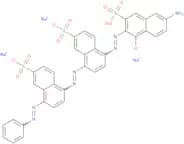
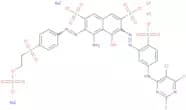
CAS:<p>C.I. Direct Blue 72 is a versatile compound with various applications. It is used in the field of molybdenum crystallization and photocatalytic reactions. Additionally, it has cholinergic properties, which means it can interact with choline receptors in the body. This compound also contains secoisolariciresinol and sphingosine, which are both phytoestrogens known for their potential health benefits.</p>Formula:C36H22N7Na3O10S3Purity:Min. 95%Molecular weight:877.8 g/molPrussian blue insoluble - Technical grade
CAS:Controlled Product<p>Prussian blue insoluble is a natural compound that is used as an industrial dye in the textile industry and as an analytical reagent in the chemical industry. It consists of ferric iron, potassium ferrocyanide, and varying amounts of copper. Prussian blue insoluble has been shown to have genotoxic properties, with x-ray diffraction data indicating it can cause DNA damage. The rate constant for the thermal expansion of Prussian blue insoluble has been determined by measuring the change in volume over time. This reaction solution also has michaelis–menten kinetics and glycol esters. Prussian blue insoluble can be used for wastewater treatment due to its ability to bind heavy metals and radioactive isotopes. It has also been observed that this compound can be used for biological sample testing.</p>Formula:C18Fe7N18Purity:Min. 95%Color and Shape:PowderMolecular weight:859.23 g/mol2-Naphthol violet
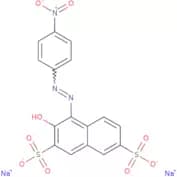
CAS:<p>2-Naphthol violet is a versatile building block that can be used as a reagent, intermediate and scaffold in various chemical reactions. It is a high-quality product and is available at competitive prices. 2-Naphthol violet has been shown to be useful in the synthesis of many different compounds, including pharmaceuticals, fine chemicals, dyes and other specialty chemicals. It is also an important building block for organic synthesis due to its ability to form complex structures. 2-Naphthol violet has CAS number 7143-21-7.</p>Formula:C16H9N3Na2O9S2Purity:Min. 95%Color and Shape:PowderMolecular weight:497.36 g/molReactive Red 195
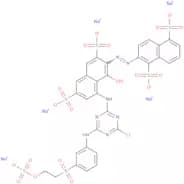
CAS:<p>Reactive Red 195 is a synthetic dye that reacts with mineralization. It is used in wastewater treatment to remove organic compounds by oxidation and complexation. Reactive Red 195 undergoes a number of reactions, including hydroxylation, hydrolysis, and photo-degradation. Reactive Red 195 has been shown to have photocatalytic activity, which can be increased by the addition of iron oxides or triazine. The rate of these reactions can be determined using surface methodology such as X-ray photoelectron spectroscopy (XPS).</p>Formula:C31H19ClN7Na5O19S6Purity:Min. 95%Color and Shape:PowderMolecular weight:1,136.32 g/molDihydrofolate reductase
CAS:<p>Dihydrofolate reductase (DHFR, 1.5.1.3) is a NADP+/NADPH-dependent oxidoreductase, that reduces dihydrofolate to tetrahydrofolate in the following reaction: dihydrofolate + NADPH + H+ ⇌ tetrahydrofolate + NADP+One unit of dihydrofolate reductase will convert 1.0 μmole of dihydrofolic acid into tetrahydrofolic acid in 1 minute at pH 7.5, 22°C and presence of NADPH.</p>Purity:Min. 95%C.I.Direct Yellow 107
CAS:<p>C.I.Direct Yellow 107 is a versatile dye that can be used for various applications. It is commonly used in the textile industry to dye cellulose-based fabrics, providing vibrant and long-lasting colors. This dye is also used as a stain in laboratory settings, particularly in histology and microscopy, where it helps visualize specific structures or cells.</p>Purity:Min. 95%C.I.Solvent Orange 41
CAS:<p>Please enquire for more information about C.I.Solvent Orange 41 including the price, delivery time and more detailed product information at the technical inquiry form on this page</p>Purity:Min. 95%C.I.Reactive blue 225
CAS:<p>Please enquire for more information about C.I.Reactive blue 225 including the price, delivery time and more detailed product information at the technical inquiry form on this page</p>Formula:C28H17ClF2Li2N8Na2O16S5Purity:Min. 95%Molecular weight:1,015.12 g/molC.I.Basic Yellow 24
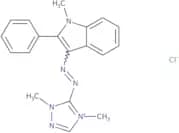
CAS:<p>Please enquire for more information about C.I.Basic Yellow 24 including the price, delivery time and more detailed product information at the technical inquiry form on this page</p>Purity:Min. 95%Indocyanine green
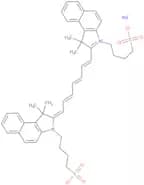
CAS:<p>Indocyanine green is a fluorescent dye with a variety of applications in medical imaging. It has been used to diagnose and evaluate the activity of cancer cells and brain functions. Indocyanine green has also been used as an angiographic agent for diagnosis of solid tumours. In addition, it can be used to evaluate liver function and the blood flow in the brain. The biological properties of indocyanine green have not yet been fully elucidated, but it is known that it binds to hepatocyte-like cells in culture and is found at high levels in human serum. This dye shows fluorescence when bound to DNA or RNA, which indicates its possible use as a molecular probe for detecting carcinoma cells. <br>Indocyanine green is a STT3B inhibitor and has been shown to prevent α-amanitin toxicity in mice (Wang et al, 2023). This means it could be a possible antidote to poisoning by Amanita, such as death cap mushroom Amanita phalloides, which is the cause of over 90% of fatal mushroom poisoning.</p>Formula:C43H47N2O6S2·NaPurity:(%) Min. 95%Color and Shape:Green PowderMolecular weight:774.96 g/molHydroxy naphthol blue
CAS:<p>羟基萘酚蓝是一种合成偶氮染料,是一种含有官能团RN=N-R的化合物。羟基萘酚蓝三钠盐和二钠盐用作分光光度法测定碱土和镧系元素含量的指示剂,最长为~650 nm(λ麦克斯= 647.6 纳米)。羟基萘酚蓝钠盐的常见用途的一个例子是通过测量钙和镁的浓度来确定水的硬度。在碱性或碱性pH值下,羟基萘酚蓝与金属离子形成粉红色/红色络合物,用EDTA滴定后,羟基萘酚蓝被释放出来,使溶液变成蓝色,指示终点。</p>Formula:C20H11N2O11S3·3NaColor and Shape:Black Blue PowderMolecular weight:620.48 g/molC.I.Direct green 28
CAS:<p>C.I.Direct green 28 is a site-specific fluorescent dye that binds to guanine nucleotide-binding proteins, which are involved in the regulation of heart function and signal pathways. The α subunit of these proteins has been shown to bind C.I.Direct green 28, with a hydroxyl group on the amino terminus and an ubiquitin ligase at the carboxyl terminus. This binding inhibits polymerase chain reaction (PCR) amplification by interfering with the ubiquitin proteasome pathway, which results in decreased light emission and hematopoietic cell production. This activity is hypothesized to be due to the inhibition of ATPase activity by C.I.Direct green 28, which leads to decreased phosphorylation of E1A-activating enzyme and increased phosphorylation of E2F-repressing enzyme, preventing DNA replication through transcriptional activation of erythroid transcription factors and halting progression through G1/S phase</p>Purity:Min. 95%Disperse yellow 56, technical grade
CAS:<p>Disperse yellow 56 is a high quality, useful intermediate that has been used in research chemicals and speciality chemical production. It is a versatile building block that can be used in the synthesis of complex compounds, and is often used as a reagent or reaction component. Disperse yellow 56 has also been shown to be a useful scaffold for organic synthesis.</p>Formula:C21H15N5O2Purity:90%Color and Shape:Red PowderMolecular weight:369.38 g/molMethyl green, zinc chloride
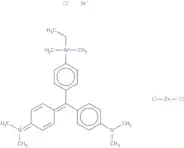
CAS:<p>Methyl green zinc chloride is a reagent that is used as a building block for research chemicals, speciality chemicals, and fine chemicals. It is also an intermediate in the synthesis of many biologically active compounds. Methyl green zinc chloride can be used as a versatile building block in the preparation of complex compounds. It is soluble in water and has CAS number 7114-03-6.</p>Formula:C27H35BrClN3•ZnCl2Purity:Min. 95%Color and Shape:PowderMolecular weight:653.23 g/molPigment YellOw 5;2-[(2-NitrOphenyl)azO]-3-OxO-N-phenylbutanamide
CAS:<p>Please enquire for more information about Pigment YellOw 5;2-[(2-NitrOphenyl)azO]-3-OxO-N-phenylbutanamide including the price, delivery time and more detailed product information at the technical inquiry form on this page</p>Purity:Min. 95%Pigment Red 38;Diethyl 4,4'-[(3,3'-dichlOrO[1,1'-biphenyl]-4,4'-diyl)bis(azO)]bis[4,5-dihydrO-5-OxO-1-phenyl-1H-pyrazOle-3-carbOxyla te]
CAS:<p>Pigment Red 38 is a red dye that is used in the production of magnetic particles, cross-linking agents, and fluorescent dyes. Pigment Red 38 has a hydroxyl group at the 4 position and a methyl ethyl group at the 2 position. It can be synthesized from diethyl 4,4'-(3,3'-dichlorobiphenyl)-4,4'-diylbisazolate. Pigment Red 38 is thermoreversible because it can be converted to its anhydrous form when heated or dissolved in water and then reconverted back to its original form when cooled or dried. The pigment was named for its ability to produce light emission when exposed to ultraviolet radiation. Pigment Red 38 has a diameter of 6 nm and reacts with coordination complexes to form particle clusters with diameters ranging from 10-200 nm.</p>Purity:Min. 95%C.I.Reactive Red 152
CAS:<p>C.I.Reactive Red 152 is a dye that is used to detect the presence of t-DNA in plant tissue and protoplasts. C.I.Reactive Red 152 has been shown to increase the frequency of germination in halophytes, such as Portulacastrum, when used at concentrations between 20 and 50 mg/l, and also has a stimulating effect on seed germination in Portulacastrum, which can be observed by an increased number of root cultures. It is extracted with an organic solvent such as dichloromethane or chloroform, and is then mixed with an equal volume of distilled water before use. The dye should be added to the culture medium just before the explants are placed into it so that it does not interfere with their metabolism. C.I.Reactive Red 152 has been found to amplify the number of rhizogenes when used at a concentration between 10 and 20 mg/l for 5 minutes, but</p>Purity:Min. 95%C.I.Reactive Orange 2
CAS:<p>Please enquire for more information about C.I.Reactive Orange 2 including the price, delivery time and more detailed product information at the technical inquiry form on this page</p>Purity:Min. 95%Pigment Red 254
CAS:<p>Pigment Red 254 is a red dyestuff with the chemical formula of C. It is a basic dye that has a hydroxyl group, malonic acid, and diethyl succinate. Pigment Red 254 is usually used in wastewater treatment as it has an affinity for chlorinated organic compounds such as dichlorophenol indophenol, which are commonly found in wastewater. It also absorbs ultraviolet light very well and can be used as a polarizer in liquid chromatography experiments. Pigment Red 254 contains an aromatic hydrocarbon and particle, which makes it useful for organic solutions and liquid chromatography methods.</p>Formula:C18H10Cl2N2O2Purity:Min. 95%Color and Shape:PowderMolecular weight:357.19 g/molBasic blue 9
CAS:<p>Basic blue 9 is a reactive dye that has been used in wastewater treatment and biological treatment. The adsorption of Basic blue 9 is based on the basicity of the dye, which causes it to have high resistance to degradation by light. It has also been shown to be effective for removal of organic contaminants from water, due to its strong affinity for particle surfaces. Basic blue 9 is an acrylic acid ester with a fatty acid group that can be removed by hydrolysis. The adsorption mechanism of Basic blue 9 is related to kinetic data, which can be obtained through FT-IR spectroscopy.</p>Purity:Min. 95%C.I.Mordant green 4
CAS:<p>C.I.Mordant green 4 is a dye that is used in the textile industry for dyeing wool and silk. It is an organic compound classified as an azo dye. C.I. Mordant green 4 is used to dye wool, cotton, and other natural fibers in shades of green or blue-green depending on the pH of the solution. The color can also be changed by adding different chemicals such as potassium bichromate or hydrogen peroxide. This product has a particle size of less than 0.1 microns and its color varies depending on the pH of the solution it is added to.br><br>br><br>C.I. Mordant green 4 may be absorbed through skin contact and may cause irritation, dermatitis, allergic reactions, or photosensitivity in some people.br>br><br>Coding: <br>1) Section <br>2) Plant diseases <br>3) Magnetic <br>4) Human immunodeficiency</p>Formula:C10H8NO2·HSO3Purity:Min. 95%Molecular weight:255.25 g/molC.I.Direct Blue 70
CAS:<p>Please enquire for more information about C.I.Direct Blue 70 including the price, delivery time and more detailed product information at the technical inquiry form on this page</p>Purity:Min. 95%C.I.Vat Yellow 2
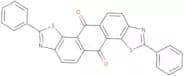
CAS:<p>C.I.Vat Yellow 2 is an organic solvent that is used in the formulation of sulfate solutions and additives for various industrial applications. It has been used as a diluent to prepare polycarboxylic acid, which is a reactive compound that can be thermally decomposed to produce polyvinyl pyrrolidone (PVP). C.I.Vat Yellow 2 has shown mitochondrial membrane potential disruption in the presence of light exposure and high concentrations of potassium sulfate.</p>Formula:C28H14N2O2S2Purity:Min. 95%Color and Shape:PowderMolecular weight:474.56 g/molThiazole orange
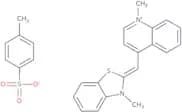
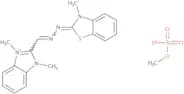
CAS:<p>Thiazole orange is an organic compound that has been used to detect acid in various liquids. It is a stable complex that can be formed with thiazole-5-carboxylic acid and 4,4'-dimethoxybenzhydrol. Thiazole orange changes color from yellow to red at pH values less than 2.0. The detection of the red form of Thiazole orange can be used to identify samples containing low levels of acid. The molecule is also useful for determining the pH of blood samples. This can be done by adding it to a sample and measuring its absorbance at different wavelengths using a spectrophotometer or confocal microscope.</p>Formula:C26H24N2O3S2Color and Shape:Orange PowderMolecular weight:476.61 g/molChicago sky blue 6B
CAS:<p>Chicago sky blue 6B is a water-soluble polymer that is used in the treatment of wastewater. It has been shown to have a high capacity for binding organic compounds, such as benzalkonium chloride, and has been found to be toxic to neuro2a cells. Chicago sky blue 6B can be used as an anti-inflammatory agent due to its ability to inhibit the release of inflammatory mediators such as glutamate.</p>Formula:C34H24N6O16S4•(Na)4Color and Shape:PowderMolecular weight:992.81 g/molDisperse Violet 27, Technical grade Dye content
CAS:<p>Disperse Violet 27 is a sodium carbonate dye that is used as a colorant in detergent compositions. Disperse Violet 27 has excellent film-forming properties and can be used in powder, granular, liquid, or paste form. It is insoluble in water and soluble in organic solvents such as alcohols, ketones, esters, ethers, and chlorinated hydrocarbons. Disperse Violet 27 has a low thermal expansion coefficient and good stability to pH changes. This dye also has an excellent lightfastness rating of I. Disperse Violet 27 is available in the form of technical grade dye content with an approximate particle size of 0.1 microns. br></p>Formula:C20H13NO3Purity:Min. 95%Molecular weight:315.32 g/molC.I.Direct Red 89
CAS:<p>C.I. Direct Red 89 is a water-soluble dye that belongs to the group of organic compounds called sulfonated naphthol dyes. It has an absorption spectrum in the region of 540-580 nm and is used as a neutral red dye for inkjet and recording applications, as well as for textile printing. C.I. Direct Red 89 can be used with other dyes for pigments, especially blue, green, and violet dyes, to produce a wide range of colors from yellow through green to blue-green. The dye is also used in pharmaceuticals, cosmetics, food coloring agents, and industrial paints.</p>Purity:Min. 95%Naphthol Green B
CAS:<p>Naphthol Green B is a highly fluorescent dye that is used in organic light-emitting diodes. It can be synthesized to form nanosheets that are stable and of high quality. The sodium salt of Naphthol Green B has been shown to stabilize the structure of liposomes and increase their stability. This product is also able to cross-link collagen, which may have bifunctional properties. Naphthol Green B can be used as a surfactant or a membrane stabilizer, as well as for its coordination chemistry.</p>Formula:C30H15FeN3O15S3·3NaPurity:Min. 95%Color and Shape:Dark Green To Black SolidMolecular weight:878.47 g/molC.I.Reactive Orange 12
CAS:<p>C.I.Reactive Orange 12 is a reactive dye that belongs to the class of alcohols. It is used in wastewater treatment because it can bind to organic matter, such as polysaccharides and proteins, and has a high affinity for multi-walled carbon. C.I.Reactive Orange 12 is also an active substance that can be used in the production of activated carbon filters for water purification or as a fungicide on fungal biomass. The adsorption mechanism of C.I.Reactive Orange 12 is not yet fully understood, but it has been shown that this compound reacts with methyl glycine under acidic conditions to form an ion pair and then react with activated benzalkonium chloride to form a monolayer on the surface of activated carbon particles, which prevents the adsorption of other substances</p>Purity:Min. 95%Pigment Blue 1
CAS:<p>Pigment Blue 1 is a reactive dye that is used for optical sensing in biological samples. This dye changes its color depending on the redox potential of the environment. It has been shown to bind to amines, which can be useful in drug interactions. Pigment Blue 1 has also been shown as an optical sensor for choroidal neovascularization and synchronous fluorescence.<br>!--</p>Purity:Min. 95%Pigment Yellow 14
CAS:<p>Pigment Yellow 14 is a yellow pigment that belongs to the group of polyaromatic hydrocarbons. It has a particle size of 0.1-0.5 microns and consists of nitrogen atoms, intramolecular hydrogen, and magnetic particles. Pigment Yellow 14 is insoluble in water but soluble in organic solvents such as glycol ethers, fatty acids, and polycarboxylic acids. It has been detected using analytical chemistry methods such as spectroscopy, X-ray diffraction, and electron microscopy (EM). Pigment Yellow 14 is used in paints for plastics and textiles because it does not fade or lose its color when exposed to radiation or light.</p>Formula:C34H30Cl2N6O4Purity:Min. 95%Color and Shape:PowderMolecular weight:657.55 g/molPigment Yellow 168
CAS:<p>Pigment Yellow 168 is a synthetic organic pigment that is used in paints and varnishes. It is an oil-soluble, reactive dye that can be used as a colorant in plastics. Pigment Yellow 168 has been shown to be stable under UV radiation and light exposure, which makes it ideal for use in outdoor paints.</p>Formula:C32H24CaCl2N8O14S2Purity:Min. 95%Molecular weight:919.69 g/molCoomassie brilliant blue G
CAS:<p>Coomassie Brilliant Blue G is a dye that is used to stain proteins. This dye binds to proteins and can be detected by the use of a fluorescence probe. Coomassie Brilliant Blue G has been shown to have an inhibitory effect on methyltransferase, which is an enzyme that catalyzes the transfer of methyl groups from one molecule to another. It also inhibits ubiquitin ligases, which are enzymes that catalyze the addition of ubiquitin molecules to other proteins. Coomassie Brilliant Blue G has been shown to cause synchronous fluorescence in vivo models and in vitro cell lines.</p>Formula:C47H49N3O7S2·NaColor and Shape:PowderMolecular weight:855.03 g/molC.I.Basic Yellow 25
CAS:<p>C.I. Basic Yellow 25 is a methoxylated, basic dye that belongs to the class of cationic surfactants. It is used as a cross-linking agent in coatings, adhesives, and inks. The chromophore of this compound is hydroxyl group, which reacts with chloride to form an ion pair with a constant charge ratio of 2:1, which can be stabilized by the cross-linking reaction. This compound is reactive and is able to crosslink with other molecules containing carbonyl groups. C.I. Basic Yellow 25 can also act as a polymerization inhibitor for polyvinyl chloride (PVC) resin and has been shown to be effective in preventing the formation of chlorinated dioxins during PVC production</p>Purity:Min. 95%Pigment Red 58:2
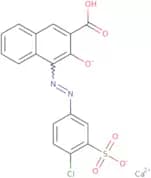
CAS:<p>Please enquire for more information about Pigment Red 58:2 including the price, delivery time and more detailed product information at the technical inquiry form on this page</p>Purity:Min. 95%







![Pigment YellOw 5;2-[(2-NitrOphenyl)azO]-3-OxO-N-phenylbutanamide](/_next/image/?url=https%3A%2Fstatic.cymitquimica.com%2Fproducts%2F3D%2Fthumb-webp%2FFP40385.webp&w=3840&q=75)
![Pigment Red 38;Diethyl 4,4'-[(3,3'-dichlOrO[1,1'-biphenyl]-4,4'-diyl)bis(azO)]bis[4,5-dihydrO-5-Ox…](/_next/image/?url=https%3A%2Fstatic.cymitquimica.com%2Fproducts%2F3D%2Fthumb-webp%2FFP43985.webp&w=3840&q=75)