Organometallic Ligands
In this category, you will be able to find a large number of organometallic molecules used as ligands in biomolecules. These organometallic ligands can be used in organic chemistry and synthesis in the laboratory. They play a critical role in forming coordination complexes and catalyzing various chemical reactions. At CymitQuimica, we offer a diverse selection of high-quality organometallic ligands to support your research and industrial needs.
Subcategories of "Organometallic Ligands"
- Buchwald Ligands(22 products)
- DPEN(4 products)
- DPHEN(4 products)
- JOSIPHOS(4 products)
- Phosphine(497 products)
- Porphirines(75 products)
Found 2887 products of "Organometallic Ligands"
Sort by
Purity (%)
0
100
|
0
|
50
|
90
|
95
|
100
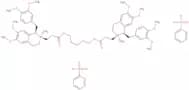
Cisatracurium besylate
CAS:<p>nAChRs nicotinic receptor antagonist; neuromuscular-blocking agent</p>Formula:C65H82N2O18S2Purity:Min. 95%Color and Shape:White PowderMolecular weight:1,243.48 g/molDooku1
CAS:<p>Dooku1 is a synthetic biochemical compound designed for advanced research applications. It is derived through a complex series of organic synthesis processes that utilize specialized reactants and catalysts to achieve high purity and specificity. The compound functions by selectively binding to molecular targets, allowing researchers to investigate cellular pathways and molecular interactions with greater precision.</p>Formula:C13H9Cl2N3OSPurity:Min. 95%Molecular weight:326.2 g/molMozavaptan
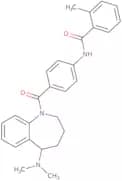
CAS:Controlled Product<p>Mozavaptan is a pharmacological agent that acts as a vasopressin V2 receptor antagonist. It is derived through synthetic chemical processes designed to target specific neurohormonal pathways in the body. Mozavaptan exerts its effects by inhibiting the action of vasopressin, a hormone that promotes water reabsorption in the kidneys. By blocking the vasopressin receptors, it enhances water excretion and corrects imbalances in electrolyte levels, particularly addressing conditions like hyponatremia.</p>Formula:C27H29N3O2Purity:Min. 98 Area-%Color and Shape:PowderMolecular weight:427.54 g/molAM 4668
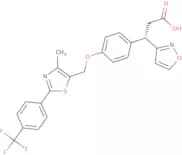
CAS:<p>AM 4668 is a biochemical compound, which is derived from synthetic origins with complex organic synthesis processes. Its primary mode of action involves targeted enzymatic inhibition, effectively interacting with specific enzyme active sites to modulate biochemical pathways.</p>Formula:C24H19F3O4SPurity:Min. 95%Molecular weight:488.48 g/molCID 16020046
CAS:<p>Puromycin is an aminonucleoside antibiotic, derived from the bacterium Streptomyces albus, with its primary mode of action involving the inhibition of protein synthesis. During translation, puromycin mimics the aminoacyl end of tRNA, enabling its incorporation into the growing polypeptide chain within the ribosome. This incorporation disrupts further chain elongation, ultimately leading to premature termination of protein synthesis.</p>Formula:C25H19N3O4Purity:Min. 95%Molecular weight:425.44 g/molBAY-069
CAS:<p>BAY-069 is a small-molecule inhibitor, derived through advanced chemical synthesis, designed to selectively target critical molecular pathways in cancer cells. The compound is synthesized using a series of intricate organic reactions that ensure its specificity and potency. Its mode of action involves binding to and inhibiting the activity of key enzymes involved in the regulation of the cell cycle, thereby disrupting the proliferative capacity of malignant cells.</p>Formula:C22H14ClF3N2O3Purity:Min. 95%Molecular weight:446.81 g/molBerubicin
CAS:<p>Berubicin is an anthracycline-based chemotherapeutic agent, which is a semi-synthetic derivative sourced primarily from the bacterium Streptomyces peucetius. It operates by intercalating into DNA strands, disrupting the replication and transcription processes, which ultimately induces apoptosis in rapidly dividing tumor cells.</p>Formula:C34H35NO11Purity:Min. 95%Color and Shape:PowderMolecular weight:633.6 g/molLiarozole
CAS:<p>Liarozole is an imidazole derivative that functions as a non-specific inhibitor of cytochrome P450-dependent retinoic acid metabolism. It primarily acts by inhibiting the cytochrome P450 enzyme family, particularly affecting the 4-hydroxylation process. This inhibition increases the local concentration of retinoic acid in tissues, which can lead to a modulation of transcriptional activity by retinoic acid receptors and ultimately influence cellular proliferation and differentiation.</p>Formula:C17H13ClN4Purity:Min. 95%Molecular weight:308.8 g/molOltipraz metabolite M2
CAS:<p>Oltipraz metabolite M2 is a pharmacologically active compound, which is derived from the metabolism of Oltipraz, a well-known chemopreventive agent. This metabolite is produced through hepatic biotransformation processes and plays a critical role in mediating the biological effects associated with its parent compound.</p>Formula:C10H12N2S2Purity:Min. 95%Molecular weight:224.4 g/molE3 Ligase ligand 1a
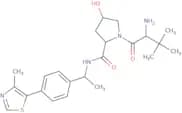
CAS:<p>E3 Ligase Ligand 1a is a small molecule ligand, which is typically synthesized in a laboratory setting. The ligand acts as a recruiter for E3 ubiquitin ligases, proteins that play a pivotal role in the ubiquitin-proteasome pathway. By binding to an E3 ligase, the ligand can facilitate the ubiquitination and subsequent degradation of target proteins. This mechanism is central to modulating protein levels within a cell, enabling researchers to study protein function and regulation dynamically.</p>Formula:C23H32N4O3SPurity:Min. 95%Molecular weight:444.6 g/molAtorvastatin sodium
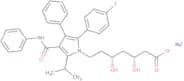
CAS:<p>HMG-CoA reductase antagonist</p>Formula:C33H35FN2O5•NaPurity:Min. 95%Color and Shape:PowderMolecular weight:581.63 g/molMEDICA16
CAS:<p>MEDICA16: GPR40 agonist, GPR120 partial agonist, ATP-citrate lyase inhibitor, lowers TG, boosts insulin sensitivity in muscle.</p>Formula:C20H38O4Purity:99.62% - 99.87%Color and Shape:White SolidMolecular weight:342.51Vasopressin
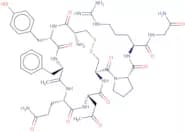
CAS:<p>Vasopressin receptor agonist; antidiuretic</p>Formula:C46H65N15O12S2Purity:Min. 95%Color and Shape:White PowderMolecular weight:1,084.23 g/molUK 383367
CAS:<p>UK 383367 is a chemical compound classified as a synthetic small molecule, which is derived from a meticulously controlled chemical synthesis process. Its mode of action involves modulating specific biochemical pathways by binding to target receptors, thereby influencing cellular processes at a molecular level. This compound is utilized extensively in pharmaceutical research for its potential therapeutic effects, particularly in the context of investigating receptor activity and signaling pathways. Additionally, UK 383367 finds applications in various industrial processes, serving as an intermediate in the synthesis of more complex compounds. Due to its precision in targeting and influencing biological systems, UK 383367 is a valuable tool for scientists seeking to elucidate the mechanistic pathways underlying disease and for the development of novel therapeutic strategies.</p>Formula:C15H24N4O4Purity:Min. 95%Molecular weight:324.38 g/mol2-Benzyl-2,8-diazaspiro[4.5]decan-1-one hydrochloride
CAS:<p>2-Benzyl-2,8-diazaspiro[4.5]decan-1-one hydrochloride is a chemical compound utilized chiefly in pharmacological research. It is synthesized through organic chemical processes designed to produce spirocyclic frameworks that can interact specifically with biological macromolecules. The compound acts as a ligand in receptor studies, allowing researchers to investigate the binding properties and activities at selective receptor subtypes.</p>Formula:C15H20N2O•HClPurity:Min. 95%Molecular weight:280.79 g/molAlprostadil alfadex
CAS:<p>Alprostadil alfadex is a medicinal drug that has been found to have anticancer properties. It works by inhibiting the growth of cancer cells and inducing apoptosis, or programmed cell death. This drug is an analog of a naturally occurring protein that acts as a tumor inhibitor in humans. Alprostadil alfadex has been shown to be effective against various types of cancer, including those found in the urinary tract and prostate. It works by blocking the action of certain enzymes and proteins involved in the cell cycle, thereby preventing cancer cells from dividing and multiplying. Chinese researchers have also found that this drug has a kinase-inhibiting effect, which may contribute to its anticancer activity.</p>Formula:C36H60O30•C20H34O5Purity:Min. 95%Color and Shape:PowderMolecular weight:1,327.3 g/molROPA
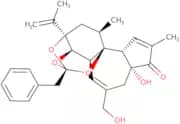
CAS:<p>ROPA or resiniferonol 9,13,14-orthophenylacetate is an analogue of resiniferatoxin that has been shown to have synergistic interactions with detergents, such as Tween-80, in the removal of wheat germ agglutinin (WGA) from Brucella. ROPA is also active against herpes simplex virus and tumour necrosis factor-alpha (TNF-α). When combined with a basic protein, it can activate the receptor and inhibits the formation of dry weight. ROPA has been shown to be able to inhibit the growth of infectious bacteria, such as those that cause tuberculosis or brucellosis. The mechanism for this inhibition is not clear, but may be due to its ability to bind to water molecules and inhibit their binding with bacterial cytoplasmic membranes.</p>Formula:C28H32O6Purity:Min. 95%Molecular weight:464.55 g/molPI3K-γ inhibitor 1
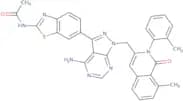
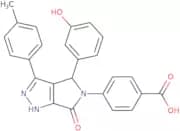
CAS:<p>PI3K-gamma inhibitor 1 is a small molecule inhibitor, which is selectively synthesized for targeting the PI3K-gamma isoform. This inhibitor is derived through precise medicinal chemistry, involving the synthesis of compounds that specifically interact with the catalytic domain of the phosphoinositide 3-kinase gamma (PI3K-γ) enzyme. Its mode of action involves the selective inhibition of the PI3K-γ pathway, a critical signaling route responsible for modulating immune cell functions and inflammatory responses.</p>Formula:C32H26N8O2SPurity:Min. 95%Molecular weight:586.67 g/molALX-1393
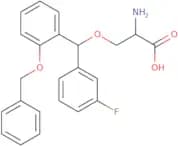
CAS:<p>ALX-1393 is a synthetic compound that acts as an inhibitor, specifically targeting the glycine transporter 1 (GlyT1). As a small molecule inhibitor derived from chemical synthesis, it modulates neurotransmitter systems by blocking the reuptake of glycine, an important co-agonist of the NMDA receptor, in the central nervous system. The mode of action of ALX-1393 involves binding to the GlyT1 transporter, thereby increasing the synaptic concentration of glycine. This elevation in glycine levels enhances NMDA receptor function, which is crucial for synaptic plasticity, learning, and memory.</p>Formula:C23H22FNO4Purity:Min. 95%Molecular weight:395.4 g/molUM729
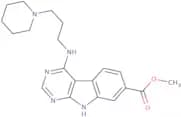
CAS:<p>UM729 is an advanced surface coating, which is a chemical formulation with the aim of enhancing surface durability and protection. Sourced from novel polymeric materials, UM729 is designed to form a robust and resilient layer when applied to various substrates. Its mode of action involves cross-linking at the molecular level, creating a cohesive barrier that offers resistance to environmental factors such as abrasion, moisture, and UV radiation.</p>Formula:C20H25N5O2Purity:Min. 95%Molecular weight:367.44 g/mol






![2-Benzyl-2,8-diazaspiro[4.5]decan-1-one hydrochloride](/_next/image/?url=https%3A%2Fstatic.cymitquimica.com%2Fproducts%2F3D%2Fthumb-webp%2FVSB16608.webp&w=3840&q=75)