Organometallic Ligands
In this category, you will be able to find a large number of organometallic molecules used as ligands in biomolecules. These organometallic ligands can be used in organic chemistry and synthesis in the laboratory. They play a critical role in forming coordination complexes and catalyzing various chemical reactions. At CymitQuimica, we offer a diverse selection of high-quality organometallic ligands to support your research and industrial needs.
Subcategories of "Organometallic Ligands"
- Buchwald Ligands(22 products)
- DPEN(4 products)
- DPHEN(4 products)
- JOSIPHOS(4 products)
- Phosphine(497 products)
- Porphirines(75 products)
Found 2887 products of "Organometallic Ligands"
Sort by
Purity (%)
0
100
|
0
|
50
|
90
|
95
|
100
ST-836
CAS:<p>ST-836 is an advanced agricultural chemical, which is derived from synthetic organic chemistry with precise molecular engineering. It operates primarily through biochemical interactions that enhance nutrient uptake and promote plant growth. By targeting specific plant enzymes, ST-836 enhances metabolic pathways, leading to improved resilience and productivity in crops.</p>Formula:C23H34N4OSPurity:Min. 95%Molecular weight:414.61 g/molN-(2-Chloro-6-methylphenyl)-N'-4-pyridinylurea
CAS:<p>N-(2-Chloro-6-methylphenyl)-N'-4-pyridinylurea is a systemic herbicide, which is synthesized from chloro- and methyl-substituted phenyl compounds. It exhibits its mode of action by inhibiting the photosystem II complex, thereby disrupting the electron transport chain during photosynthesis in susceptible plants. This leads to a decline in ATP and NADPH production, essential for plant growth and survival.</p>Formula:C13H12ClN3OPurity:Min. 95%Molecular weight:261.7 g/molSpirapril hydrochloride
CAS:<p>Spirapril hydrochloride is an antihypertensive agent, which is a synthetic pharmaceutical compound designed to treat high blood pressure. The compound is derived from laboratory synthesis aimed at modulating the renin-angiotensin-aldosterone system. Its mode of action involves the inhibition of angiotensin-converting enzyme (ACE), which is crucial for the conversion of angiotensin I to the vasoconstrictor peptide angiotensin II. Angiotensin II is responsible for the constriction of blood vessels and an increase in blood pressure. By inhibiting this enzyme, Spirapril hydrochloride effectively reduces vascular resistance and lowers blood pressure.</p>Formula:C22H30N2O5S2•HClPurity:Min. 95%Molecular weight:503.08 g/molAt-9283 L-lactate
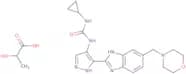
CAS:<p>AT-9283 L-lactate is a potent small-molecule inhibitor, which is derived from synthetic sources and designed to target specific protein kinases involved in critical signaling pathways. As a multi-targeted kinase inhibitor, it has a particular affinity for the JAK2, JAK3, Aurora A, and Aurora B kinases, acting to disrupt the JAK/STAT pathway alongside other crucial cellular processes. The specificity and potency of AT-9283 L-lactate allow it to modulate these pathways effectively by preventing phosphorylation events that are essential for cellular proliferation and survival.</p>Formula:C22H29N7O5Purity:Min. 95%Molecular weight:471.5 g/molFQI1
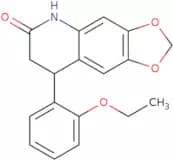
CAS:<p>FQI1 is a fungal quinazolinone inhibitor, which is a synthetic compound derived from quinazolinone structures. These compounds are designed through chemical synthesis for targeted interactions with fungal cell components. FQI1 operates by inhibiting specific enzymes that are critical for the biosynthesis and maintenance of the fungal cell wall. By targeting these enzymes, FQI1 disrupts the integrity and viability of the fungal cell, leading to inhibited cell growth and eventual cell death.</p>Formula:C18H17NO4Purity:Min. 95%Molecular weight:311.33 g/molIfenprodil
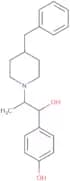
CAS:Controlled Product<p>Ifenprodil is a selective NMDA (N-Methyl-D-aspartate) receptor antagonist, which is a synthetic compound designed to modulate glutamatergic neurotransmission. It is derived from a class of organic compounds known as phenylethanolamines. Its primary mode of action involves the inhibition of NMDA receptors containing the GluN2B subunit, which leads to a reduction in excitatory neurotransmission. This specific antagonism is crucial for modulating synaptic plasticity and protecting neural tissue from excitotoxic damage.</p>Formula:(C21H27NO2)·C4H6O6Purity:Min. 95%Molecular weight:800.98 g/molSHIN 1New
CAS:<p>SHIN 1New is an advanced therapeutic compound, originating from synthetic chemical processes, designed for intricate bioactivity modulation. It operates through a selective mechanism of action that targets and modulates specific molecular pathways, allowing scientists to investigate biological processes with high precision. This compound is utilized primarily in pharmaceutical research and development, where it serves as a critical tool for understanding the pathways and molecular interactions implicated in disease mechanisms. The precision and specificity it offers make it invaluable for experimental therapeutics, and its applications extend to drug discovery and the development of personalized medicine approaches. SHIN 1New's unique attributes allow for enhanced interaction studies within cellular environments, facilitating breakthroughs in the comprehension and manipulation of complex biological systems.</p>Formula:C24H24N4O2Purity:Min. 95%Molecular weight:400.48 g/mol6-[3-[(4-Fluorophenyl)methyl]-3-(hydroxymethyl)-1-piperidinyl]-2-pyrazinecarboxamide
CAS:<p>6-[3-[(4-Fluorophenyl)methyl]-3-(hydroxymethyl)-1-piperidinyl]-2-pyrazinecarboxamide is a synthetic compound, which is primarily utilized in neurological research. This compound is derived from chemical synthesis involving complex organic reactions that integrate the piperidine and pyrazine moieties, known for their significance in pharmacological development.</p>Formula:C18H21FN4O2Purity:Min. 95%Molecular weight:344.38 g/molSorafenib
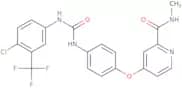
CAS:<p>Sorafenib is a drug that belongs to the class of multikinase inhibitors. It inhibits a number of kinases, including the Mcl-1 protein, which is involved in apoptosis along with blocking picolinic acid (PA), an endogenous metabolite involved in apoptosis signal transduction. Sorafenib also binds to epidermal growth factor receptor (EGFR) on the surface of cancer cells, inhibiting the production of proteins that are required for angiogenesis, thus blocking the formation of new blood vessels. Sorafenib may also inhibit P-glycoprotein (Pgp) activity. Overall, these cytotoxic effects give Sorafenib anti-tumor properties, inhibiting angiogenesis and cellular transformation, which are the two main processes of tumor growth and metastasis. Sorafenib has been shown to be effective against a range of solid tumors such as breast, prostate and lung cancers and is also used for the treatment of metastatic colorectal cancer and renal cell carcinoma. A combination therapy group found that sorafenib was more effective when used with interferon alfa-2b for the treatment of advanced renal cell carcinoma. Sorafenib also has the potential for drug interactions with other drugs that are metabolized by cytochrome P450 enzymes.</p>Formula:C21H16ClF3N4O3Purity:Min. 98.0 Area-%Color and Shape:White PowderMolecular weight:464.82 g/molKipukasin A
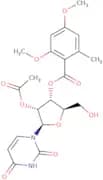
CAS:<p>Kipukasin A is a secondary metabolite produced by the bacterium *Streptomyces* species, which is a genus well-known for its rich capacity to produce bioactive compounds. The source of this compound is a soil-dwelling microorganism, which is often explored for its diverse and potent natural products. Kipukasin A operates by inhibiting specific bacterial enzymes, disrupting essential pathways necessary for bacterial cell survival and replication. This mode of action indicates its potential as an antibacterial agent.</p>Formula:C21H24N2O10Purity:Min. 95%Molecular weight:464.42 g/molAPX-115
CAS:<p>APX-115 is a small-molecule inhibitor, which is derived from chemical synthesis with a focus on oxidative stress pathway modulation. Its mode of action involves the inhibition of NADPH oxidase activity, which leads to a reduction in the production of reactive oxygen species (ROS) within cancer cells. This mechanism disrupts the balance of oxidative stress in tumor microenvironments, ultimately inducing apoptosis and inhibiting tumor growth.</p>Formula:C17H18ClN3OPurity:Min. 95%Molecular weight:315.8 g/molCOR 170
CAS:<p>COR 170 is an advanced corrosion inhibitor, which is a crucial chemical agent designed to prevent the degradation and deterioration of metal surfaces. It is synthesized from proprietary chemical compounds that form a protective layer over metal substrates, effectively inhibiting the electrochemical reactions responsible for corrosion. The mode of action involves the adsorption of inhibitor molecules onto the metal surface, creating a barrier that slows down or prevents the corrosive attack by environmental elements such as oxygen, moisture, and salts.</p>Formula:C31H36N2O2Purity:Min. 95%Molecular weight:468.6 g/molEncequidar mesylate
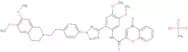
CAS:<p>Encequidar mesylate is a pharmaceutical compound, which is a small-molecule inhibitor of P-glycoprotein (P-gp), a crucial membrane transporter involved in drug efflux. This compound is synthetically derived and functions by specifically binding to and inhibiting the P-gp transporter.</p>Formula:C39H40N6O10SPurity:Min. 95%Molecular weight:784.8 g/molAnandamide - d4
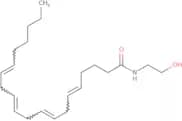
CAS:<p>Anandamide - d4 is a stable isotope-labeled analog of anandamide, which is an endocannabinoid naturally occurring in the human body. This particular compound is synthesized, allowing for precise structural modifications while providing a stable isotopic label, deuterium. Anandamide - d4 interacts with the cannabinoid receptors, CB1 and CB2, mimicking the biological activities of endogenous anandamide but allowing for enhanced traceability in analytical studies.</p>Formula:C22H37NO2Purity:Min. 95%Molecular weight:347.5 g/molLifirafenib
CAS:<p>Lifirafenib is a potent and selective kinase inhibitor, which is synthetically derived. It operates by targeting and inhibiting specific pathways involving the RAF kinases within the MAPK/ERK signaling cascade. This interruption is critical in the control of cellular proliferation and survival, pathways often dysregulated in various cancers. Lifirafenib is particularly effective against BRAF-mutant cancers, including melanoma and certain types of thyroid and colorectal cancers.</p>Formula:C25H17F3N4O3Purity:Min. 95%Molecular weight:478.42 g/molMRN-ATM Pathway Inhibitor, Mirin
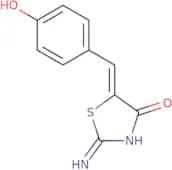
CAS:<p>MRN-ATM Pathway Inhibitor, Mirin, is a small molecule inhibitor, which is chemically synthesized to specifically target the MRN complex and ATM kinase pathway. It functions by disrupting the activation of ATM (Ataxia-Telangiectasia Mutated) kinase, a crucial player in the DNA damage response and repair mechanism, which is activated by the MRN complex in response to DNA double-strand breaks. Mirin's mode of action involves inhibiting the interaction between the MRN complex and ATM, thus preventing the phosphorylation of ATM substrates involved in DNA repair.</p>Formula:C10H8N2O2SPurity:Min. 95%Molecular weight:220.25 g/molSM-276001
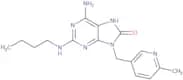
CAS:<p>SM-276001 is a selective androgen receptor modulator (SARM), which is a non-steroidal compound derived from an extensive process of chemical synthesis focused on creating receptor-specific agonists. Designed to bind selectively to androgen receptors, its mode of action leverages differential tissue selectivity, aiming to stimulate anabolic activity in muscle and bone while minimizing androgenic effects in other tissues. This selectivity is achieved by modulating receptor configurations to induce distinct transcriptional pathways compared to traditional anabolic steroids.</p>Formula:C16H21N7OPurity:Min. 95%Molecular weight:327.38 g/molRS 23597-190 Hydrochloride
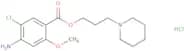
CAS:<p>RS 23597-190 Hydrochloride is a selective serotonin receptor antagonist, which is a synthetic compound. It is derived from a targeted synthesis process designed to interact explicitly with serotonin receptors in the central nervous system. The mode of action involves binding to serotonin receptors, specifically targeting serotonin subtype receptors, thereby inhibiting their activity. This modulation can impact neurotransmission, influencing serotonin pathways which are foundational to various physiological and psychological processes.</p>Formula:C16H23ClN2O3·HClPurity:Min. 95%Molecular weight:326.82 g/molRubrofusarin gentiobioside
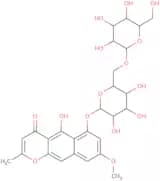
CAS:<p>Rubrofusarin gentiobioside is a naturally occurring bioactive compound, which is a phenolic glucoside derived from various species of fungi, particularly those in the genus Fusarium. This compound exhibits its mode of action through antioxidant activity, potentially interfering with oxidative stress pathways and inhibiting free radical formation. Its structure allows it to scavenge reactive oxygen species effectively, which may contribute to its protective effects in biological systems.</p>Formula:C27H32O15Purity:Min. 95%Molecular weight:596.5 g/molPKG drug G1
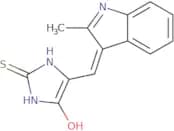
CAS:<p>PKG drug G1 is a synthetic small-molecule inhibitor, which is a laboratory-engineered compound designed to interfere with the signaling pathways involved in cell cycle regulation. It is specifically sourced through chemical synthesis, allowing for precise modifications to enhance its stability and efficacy in cellular systems. The mode of action of PKG drug G1 involves selectively targeting and inhibiting certain protein kinases that play a crucial role in the progression of the cell cycle, particularly the G1 phase. By inhibiting these kinases, the drug effectively halts cell division, making it a potential candidate for research in cancer treatment.</p>Formula:C13H11N3OSPurity:Min. 95%Molecular weight:257.31 g/mol


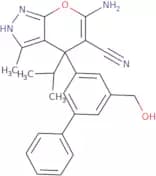
![6-[3-[(4-Fluorophenyl)methyl]-3-(hydroxymethyl)-1-piperidinyl]-2-pyrazinecarboxamide](/_next/image/?url=https%3A%2Fstatic.cymitquimica.com%2Fproducts%2F3D%2Fthumb-webp%2FBF184015.webp&w=3840&q=75)