Organometallic Ligands
In this category, you will be able to find a large number of organometallic molecules used as ligands in biomolecules. These organometallic ligands can be used in organic chemistry and synthesis in the laboratory. They play a critical role in forming coordination complexes and catalyzing various chemical reactions. At CymitQuimica, we offer a diverse selection of high-quality organometallic ligands to support your research and industrial needs.
Subcategories of "Organometallic Ligands"
- Buchwald Ligands(22 products)
- DPEN(4 products)
- DPHEN(4 products)
- JOSIPHOS(4 products)
- Phosphine(497 products)
- Porphirines(75 products)
Found 2887 products of "Organometallic Ligands"
Sort by
Purity (%)
0
100
|
0
|
50
|
90
|
95
|
100
TPPB
CAS:<p>TPPB is a small molecule inhibitor, which is synthetically derived for targeted biochemical studies. It functions by selectively modulating G-protein-coupled receptor (GPCR) signaling pathways through the inhibition of specific protein-protein interactions. This mode of action makes TPPB an insightful tool for dissecting the complex mechanisms by which G-proteins relay extracellular signals to intracellular responses.</p>Formula:C27H30F3N3O3Purity:Min. 95 Area-%Color and Shape:PowderMolecular weight:501.54 g/molBAY-876
CAS:<p>BAY-876 is a small-molecule inhibitor, which is a synthesized compound with a specific mode of action targeting the glucose transporter 1 (GLUT1). GLUT1 is primarily responsible for glucose uptake across the plasma membranes of mammalian cells, a critical process for cellular metabolism and energy production. BAY-876 inhibits GLUT1 by binding to its active site, thus preventing glucose transport into cells. This inhibition disrupts the metabolic processes within cancer cells, as they heavily rely on glucose for growth and proliferation due to the Warburg effect.</p>Formula:C24H23NO3Purity:Min. 95%Molecular weight:373.4 g/molICI 192605
CAS:<p>ICI 192605 is a leukotriene receptor antagonist, which is a synthetic compound that specifically inhibits leukotriene activity. Leukotrienes are lipid compounds derived from arachidonic acid through the 5-lipoxygenase pathway. ICI 192605 functions by selectively blocking the cysteinyl leukotriene receptor 1 (CysLT1), thereby preventing leukotrienes from binding to this receptor.</p>Formula:C22H23ClO5Purity:Min. 95%Molecular weight:402.87 g/molγ-Globulins
CAS:<p>γ-Globulins are a class of immunoproteins, which are derived from human blood plasma with critical importance in the immune response. The mode of action of γ-Globulins involves their specific ability to recognize, bind to, and neutralize foreign antigens such as bacteria, viruses, and other pathogens. This process involves the activation of various immunological pathways that lead to the clearance of pathogenic entities from the host system. Furthermore, they can modulate immune activity and mediate effects such as opsonization, complement activation, and antibody-dependent cellular cytotoxicity. The primary applications of γ-Globulins are in treating and managing immune deficiencies, autoimmune disorders, and infectious diseases. They are employed in clinical settings to provide passive immunity and boost the immunological capacity of individuals who are unable to produce adequate antibodies due to inherent deficiencies or during acute infections. Additionally, γ-Globulins are utilized in therapeutic interventions for conditions such as Kawasaki disease, idiopathic thrombocytopenic purpura, and chronic inflammatory demyelinating polyneuropathy. Their versatility makes them invaluable in both prophylactic and therapeutic regimens.</p>Purity:Min. 95%W-84 dibromide
CAS:<p>W-84 dibromide is a chemical compound often categorized as a pharmacological research tool, which is typically synthesized in specialized laboratories focusing on medicinal chemistry and receptor research. This compound functions as a modulator, interacting with specific neurotransmitter receptors to influence signal transduction pathways. Researchers utilize W-84 dibromide to investigate the physiological roles of these receptors and their related pathways, helping to elucidate mechanisms of action at the molecular level.</p>Formula:C32H44Br2N4O4Purity:Min. 95%Molecular weight:708.52 g/molNortriptyline
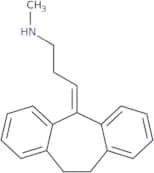
CAS:Controlled Product<p>Serotonin and norepinephrine reuptake inhibitor; anti-depressant</p>Formula:C19H21NPurity:Min. 95%Color and Shape:PowderMolecular weight:263.38 g/molRecilisib sodium
CAS:<p>Recilisib sodium is a synthetic compound, which is a stabilized sodium salt of a novel chemical entity developed through chemical synthesis. Its mode of action involves the modulation of cellular signaling pathways related to the DNA damage response. By enhancing the repair of radiation-induced DNA damage and mitigating apoptosis, it assists in maintaining genomic integrity under stress conditions.</p>Formula:C16H12ClNaO4SPurity:Min. 95%Molecular weight:358.8 g/molBMS-665053
CAS:<p>BMS-665053 is an investigational antiviral compound, which is a synthetic small molecule derived through chemical synthesis techniques. This compound is designed to interfere with the entry process of viral pathogens into host cells, specifically targeting the mechanisms that facilitate viral fusion and entry. By inhibiting these processes, BMS-665053 effectively blocks the initial stages of viral infection, preventing the virus from replicating within the host.</p>Formula:C16H14Cl3F2N3O2Purity:Min. 95%Molecular weight:424.66 g/molAS 2863619
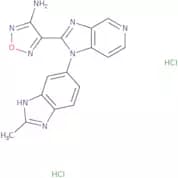
CAS:<p>Cyclin-dependent kinase 8 (CDK8) and CDK19 inhibitor</p>Formula:C16H14Cl2N8OPurity:Min. 95%Molecular weight:405.24 g/molNicotinamide-13C6
CAS:<p>Nicotinamide-13C6 is an isotopically labeled compound, which is a stable isotope variant of the naturally occurring nicotinamide. This compound is synthesized through advanced chemical processes that incorporate six carbon-13 isotopes, replacing the common carbon-12 atoms. The mode of action involves its integration into biological systems, where it serves as a tracer for metabolic studies and elucidates nicotinamide metabolism pathways with high precision.</p>Formula:C6H6N2OPurity:Min. 95%Molecular weight:128.08 g/mol5-[[5-[(4-Chlorophenyl)(cyclopropylmethyl)amino]-2-pyridinyl]carbonyl]-2-(4-methoxybenzoyl)benzoic acid
CAS:<p>5-[[5-[(4-Chlorophenyl)(cyclopropylmethyl)amino]-2-pyridinyl]carbonyl]-2-(4-methoxybenzoyl)benzoic acid is a chemical compound developed as a selective COX-2 inhibitor. It is derived from synthetic organic chemistry, specifically designed to target the cyclooxygenase-2 (COX-2) enzyme, which is a major player in inflammatory pathways. By selectively inhibiting COX-2, this compound reduces the synthesis of pro-inflammatory prostaglandins while sparing COX-1, thus minimizing gastrointestinal side effects commonly associated with non-selective NSAIDs.</p>Formula:C31H25ClN2O5Purity:Min. 95%Molecular weight:541 g/molPB 28 dihydrochloride
CAS:<p>PB 28 dihydrochloride is a selective sigma-2 receptor ligand, which is a synthetic compound targeting specific receptor sites. These receptors are predominantly found in cancer cells, implicating them in cellular proliferation and apoptosis. PB 28 dihydrochloride is synthetically derived and is employed extensively in preclinical studies. Its mode of action involves high-affinity binding to the sigma-2 receptors, allowing modulation of cellular stress responses and apoptosis pathways.</p>Formula:C24H38N2O·2HClPurity:Min. 95%Molecular weight:443.5 g/molCombretastatin A4
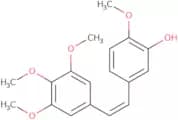
CAS:<p>Tubulin binding agent; targets tumour vasculature</p>Formula:C18H20O5Purity:Min. 95%Molecular weight:316.35 g/molMMP-2 Inhibitor II
CAS:<p>MMP-2 Inhibitor II is a synthetic inhibitor, which is a chemically synthesized compound that specifically targets and inhibits matrix metalloproteinase-2 (MMP-2) activity. MMP-2 is an enzyme involved in the degradation of extracellular matrix components, playing a crucial role in various physiological and pathological processes, such as tissue remodeling, angiogenesis, and metastasis.</p>Formula:C16H17NO6S2Purity:Min. 95%Molecular weight:383.44 g/molRimtuzalcap
CAS:<p>Rimtuzalcap is a monoclonal antibody, which is derived from a hybridoma technology involving the fusion of specific immune cells. It operates through the highly specific binding to a targeted antigen, thereby modulating immune responses or interfering with signaling pathways. This precision in action enhances its efficacy and minimizes off-target effects compared to broader immunomodulatory agents.</p>Formula:C18H24F2N6OPurity:Min. 95%Molecular weight:378.42 g/molOtaplimastat
CAS:<p>Otaplimastat is a pharmacological agent classified as a matrix metalloproteinase (MMP) inhibitor, specifically targeting MMP-9. It is derived from a structured synthetic process designed to modulate MMP activity in pathological contexts. The mode of action involves the inhibition of MMP-9, an enzyme implicated in the degradation of extracellular matrix components, thereby playing a crucial role in inflammatory and neurodegenerative processes.</p>Formula:C28H34N6O5Purity:Min. 95%Molecular weight:534.61 g/molCID-797718
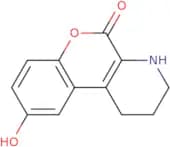
CAS:<p>CID-797718 is a synthetic small-molecule compound that functions as a ligand specifically targeting dopamine receptors. It is commonly sourced from laboratories specializing in neurotransmitter research and chemical synthesis. As an agonist or antagonist, its precise mode of interaction with dopamine receptors involves modulation of neuronal signaling pathways, often used to elucidate receptor functions and signaling cascades relevant to neuropharmacology.</p>Formula:C12H11NO3Purity:Min. 95%Molecular weight:217.22 g/molBAY-958 hydrochloride
CAS:<p>BAY-958 hydrochloride is a selective kinase inhibitor, specifically targeting Interleukin-1 receptor-associated kinase 4 (IRAK4). This compound is synthesized through chemical processes in advanced pharmaceutical research facilities. Its mode of action involves the selective inhibition of IRAK4, a crucial kinase in the signaling pathways of the innate immune system, particularly those initiated by toll-like receptors (TLRs) and interleukin-1 receptors (IL-1Rs).</p>Formula:C17H16FN5O3S·HClPurity:Min. 95%Molecular weight:425.86 g/molLY 288513
CAS:<p>LY 288513 is a synthetic small molecule compound, which is developed through rigorous chemical synthesis. It primarily originates from the advanced field of medicinal chemistry, where it has been designed and optimized for its biochemical activity and specificity. The mode of action for LY 288513 involves the modulation of certain metabolic pathways within cells, acting as a receptor antagonist to influence intracellular signaling cascades. This interaction results in altered cellular responses, potentially leading to therapeutic outcomes.</p>Formula:C22H18BrN3O2Purity:Min. 95%Molecular weight:436.3 g/molSF-22
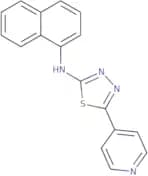
CAS:<p>SF-22 is a biosurfactant, which is derived from a specific strain of microorganisms through fermentation. It exhibits an amphiphilic structure that allows it to effectively reduce surface and interfacial tension. This unique mode of action facilitates the solubilization of hydrophobic compounds, enhancing their availability in aqueous environments.</p>Formula:C28H26N2O3SPurity:Min. 95%Molecular weight:470.6 g/molN-Naphthalen-1-yl-5-pyridin-4-yl-1,3,4-thiadiazol-2-amine
CAS:<p>N-Naphthalen-1-yl-5-pyridin-4-yl-1,3,4-thiadiazol-2-amine is a heterocyclic compound, which is a synthetic compound commonly utilized in the field of organic chemistry and pharmaceutical research. This compound is typically derived through multi-step synthetic procedures, often involving the cyclization of appropriate precursors to form the thiadiazole ring, followed by functionalization with naphthyl and pyridyl groups.</p>Formula:C17H12N4SPurity:Min. 95%Molecular weight:304.4 g/molY-33075
CAS:<p>Y-33075 is a synthetic chemical compound that functions as a selective Rho-associated protein kinase (ROCK) inhibitor, derived from laboratory synthesis processes. It primarily acts by targeting and inhibiting the activity of ROCK, an enzyme that plays a crucial role in modulating cytoskeletal dynamics and cellular contraction through the phosphorylation of downstream substrates. This inhibition effectively reduces smooth muscle contraction, cellular proliferation, and migration by altering the actin cytoskeleton.</p>Formula:C16H16N4OPurity:Min. 95%Molecular weight:280.32 g/molJMV 390-1
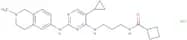
CAS:<p>JMV 390-1 is a synthetic analog that functions as a neuropeptide receptor ligand. It is derived through chemical synthesis techniques aimed at modifying the structure of native neuropeptides to enhance specificity and stability. The mode of action of JMV 390-1 involves binding to specific neural receptors, potentially exhibiting agonistic or antagonistic effects depending on the receptor subtype targeted. This interaction can modulate various physiological processes by either mimicking natural neuropeptides or inhibiting their actions.</p>Formula:C23H35N3O6Purity:Min. 95%Molecular weight:449.5 g/molN-(3-((5-Cyclopropyl-2-((2-methyl-1,2,3,4-tetrahydroisoquinolin-6-yl)amino)pyrimidin-4-yl)amino)propyl)cyclobutanecarboxamide hydroc hloride
CAS:<p>N-(3-((5-Cyclopropyl-2-((2-methyl-1,2,3,4-tetrahydroisoquinolin-6-yl)amino)pyrimidin-4-yl)amino)propyl)cyclobutanecarboxamide hydrochloride is a potent and selective kinase inhibitor, which is a synthetic small molecule. Its design leverages structure-based drug design methodologies to achieve high specificity toward targeted kinases implicated in oncogenic signaling pathways. By selectively antagonizing these kinases, the compound disrupts the phosphorylation cascade essential for tumor cell proliferation and survival.</p>Formula:C25H35ClN6OPurity:Min. 95%Molecular weight:471 g/molAgn 192403 hydrochloride
CAS:<p>Agn 192403 hydrochloride is a synthetic compound designed as a selective antagonist of the calcitonin gene-related peptide (CGRP) receptor. This product is derived through chemical synthesis, specific to modulating biological pathways related to bone metabolism. Its mode of action involves inhibiting the activity of CGRP, a neuropeptide that plays a significant role in the regulation of bone resorption and vasodilation.</p>Formula:C10H20ClNPurity:Min. 95%Molecular weight:189.72 g/molIII-31-C
CAS:<p>III-31-C is a complex chemical compound, which is synthetically derived, with specific molecular architecture designed to facilitate targeted interactions at a biochemical level. It predominantly originates from a series of controlled laboratory reactions involving precursor chemicals that are meticulously purified to ensure high efficacy and consistency.</p>Formula:C35H52N4O7Purity:Min. 95%Molecular weight:640.8 g/mol(S)-ML753286
CAS:<p>(S)-ML753286 is a chiral small molecule antagonist, which is a synthetic compound with potential applications in biochemical research. It primarily originates from the study of receptor-ligand interactions and is known for its particular efficacy in modulating specific signaling pathways.</p>Formula:C20H25N3O3Purity:Min. 95%Molecular weight:355.4 g/molPerindopril L-arginine
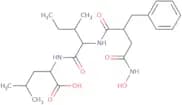
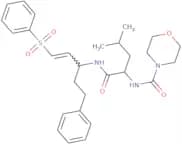
CAS:<p>Perindopril L-arginine is an angiotensin-converting enzyme (ACE) inhibitor, which is synthetically derived for pharmacological applications. Its mode of action involves the inhibition of the ACE, reducing the conversion of angiotensin I to angiotensin II, a potent vasoconstrictor. Consequently, this results in vasodilation, decreased blood pressure, and reduced cardiac workload. The addition of L-arginine aims to enhance endothelial function due to its role as a precursor to nitric oxide, a vasodilator that further complements the antihypertensive effects.</p>Formula:C25H46N6O7Purity:Min. 95%Molecular weight:542.7 g/molLHVS
CAS:<p>LHVS is a small-molecule inhibitor, synthesized for biological research, known to target protease activity. Derived from advanced chemical synthesis techniques, it serves as a potent inhibitor with specificity for lysosomal enzymes. Its mechanism of action involves the covalent modification of the active-site cysteines in proteases, effectively inhibiting their enzymatic function. By blocking these critical enzymes, LHVS disrupts protein processing and turnover within cellular environments. This makes it a valuable tool in studying autophagic and lysosomal degradation pathways, contributing to a deeper understanding of cellular homeostasis and related disorders. Researchers utilize LHVS to dissect molecular pathways in various disease models, including cancer and neurodegeneration, where protease activity and protein degradation are dysregulated.</p>Formula:C28H37N3O5SPurity:Min. 95%Molecular weight:527.7 g/molSimvastatin Na
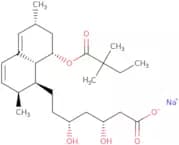
CAS:<p>Simvastatin Na is the salt form of Simvastatin. It acts as HMG-CoA reductase inhibitor and suppresses TNF-mediated NF-kappaB activation.</p>Formula:C25H39O6NaPurity:Min. 95%Color and Shape:Beige To Brown SolidMolecular weight:458.56 g/molMBQ-167
CAS:<p>MBQ-167 is a synthetic compound designed as an inhibitor, which is synthesized through complex organic chemistry techniques. Its mode of action involves the selective inhibition of Rac and Cdc42, two critical GTPases involved in cell motility and metastasis. MBQ-167 effectively disrupts signaling pathways that regulate cytoskeletal organization and migration, by impeding the interaction between these GTPases and their downstream effectors.</p>Formula:C22H18N4Purity:Min. 95%Molecular weight:338.41 g/molPF-03882845
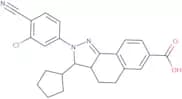
CAS:<p>PF-03882845 is a selective small molecule inhibitor of Janus kinase 3 (JAK3), which is derived from a pharmaceutical synthesis process. Its mode of action involves targeting and inhibiting the JAK3 enzyme, a crucial component of the JAK-STAT signaling pathway, which is integral to immune system function and various cellular processes. By specifically inhibiting JAK3, PF-03882845 interferes with the signaling pathways that rely on this kinase, potentially modulating immune responses.</p>Formula:C24H22ClN3O2Purity:Min. 95%Molecular weight:419.9 g/molEstradiol 3-sulfamate
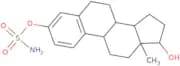
CAS:<p>Estradiol 3-sulfamate is a synthetic estrogen analogue, which is derived from the natural estrogen hormone, estradiol. Its mode of action involves the inhibition of steroid sulfatase, an enzyme responsible for converting sulfated steroid precursors into active estrogens. This inhibition reduces estrogen levels and influences the hormonal regulation pathways within the body.</p>Formula:C18H25NO4SPurity:Min. 95%Molecular weight:351.5 g/molSKF-83566
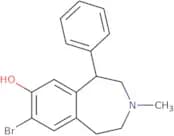
CAS:<p>SKF-83566 is a synthetic compound that acts as a selective dopamine receptor D1 antagonist, derived from organic chemical synthesis. This compound effectively binds to dopamine D1 receptors, thereby inhibiting the physiological actions mediated by these receptors in the central nervous system (CNS). SKF-83566 is instrumental in research focusing on the dopaminergic system, allowing scientists to dissect the complex role of dopamine in neurobiological processes. Its ability to selectively block D1 receptors makes it an invaluable tool in the study of neurological disorders such as schizophrenia, Parkinson's disease, and addiction, where dopamine signaling plays a crucial role. Researchers employ SKF-83566 to investigate signal transduction pathways, receptor pharmacology, and the behavioral outcomes of altered dopaminergic activity. By modulating receptor activity, SKF-83566 contributes to our understanding of neurophysiological mechanisms and furthers the development of potential therapeutic approaches. Its precise interaction with D1 receptors provides clarity in experimental outcomes, shedding light on the nuanced dynamics of brain function and dysfunction.</p>Formula:C17H18BrNOPurity:Min. 95%Molecular weight:332.2 g/molSNIPER(ABL)-039
CAS:<p>SNIPER(ABL)-039 is a heterobifunctional chemical compound, which is a synthetic molecule manufactured through advanced organic synthesis techniques. This compound functions by specifically targeting and binding to aberrant BCR-ABL fusion proteins, utilizing a protein degradation pathway. It operates through the proteolysis-targeting chimera (PROTAC) mechanism, whereby it recruits E3 ubiquitin ligase to the target protein, leading to its ubiquitination and subsequent proteasomal degradation.</p>Formula:C54H68ClN11O9S2Purity:Min. 95%Molecular weight:1,114.8 g/molB-Tribromoborazine
CAS:<p>B-Tribromoborazine is an organoboron compound that has the chemical formula BBr3. It is a colorless solid that is insoluble in water, but soluble in organic solvents. The solid dissolves to give a colorless solution with boric acid. It has two structural isomers: B-Bromoborazine and B-Dibromoborazine. The first one has a dipole moment of 0.8 D and the second one has a dipole moment of 1.2 D, which are calculated by taking into account the charge distribution on each atom in the molecule. In addition, B-Tribromoborazine has vibrational frequencies at 3287 cm-1 and 2967 cm-1, which are also calculated based on the geometry of the molecule and its bonds. Thermodynamic data shows that it is an acceptor for electrons and a structural isomer of bromine, which can be used as</p>Formula:B3Br3H3N3Purity:Min. 95%Molecular weight:317.2 g/molrac Tolterodine-d14 hydrochloride
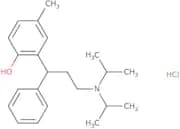
CAS:<p>rac Tolterodine-d14 hydrochloride is an isotopically labeled compound, specifically a deuterium-labeled version of tolterodine. It is synthesized for research purposes and serves as a powerful tool for studying the pharmacokinetics and metabolic pathways of tolterodine in biological systems. The deuterium isotopes in the compound allow for detailed and precise tracing during analytical studies.</p>Formula:C22H18D14ClNOPurity:Min. 95%Molecular weight:376.03 g/molBAY 826
CAS:<p>BAY 826 is a synthetic fungicidal compound, which is derived from chemical synthesis designed to inhibit the growth of pathogenic fungi. Its mode of action involves disrupting specific enzymes involved in maintaining the integrity of fungal cell membranes, leading to increased permeability and subsequent cell death. The mechanism involves targeting sterol biosynthesis pathways, thereby preventing the formation of essential membrane components, which ultimately destabilize and compromise the fungal cell structure.</p>Formula:C26H19F5N6OSPurity:Min. 95%Molecular weight:558.5 g/mol3-[4-[(1,3-Benzodioxol-5-ylmethyl)amino]-4-oxobutyl]-N-(3-chlorophenyl)-3,4-dihydro-2,4-dioxo-1(2H)-quinazolineacetamide
CAS:<p>3-[4-[(1,3-Benzodioxol-5-ylmethyl)amino]-4-oxobutyl]-N-(3-chlorophenyl)-3,4-dihydro-2,4-dioxo-1(2H)-quinazolineacetamide is a synthetic quinazoline derivative, developed for research and pharmaceutical purposes. This compound originates from a sophisticated chemical synthesis process involving the modification of quinazoline cores, which are well-known for their pharmacological activities. Its mode of action likely involves the inhibition of specific enzymatic pathways or receptor binding, typical of quinazoline compounds that interact with targets such as protein kinases or receptors involved in cellular growth and differentiation.</p>Formula:C28H25ClN4O6Purity:90%MinMolecular weight:548.98 g/molp-((4-((1-Oxotetradecyl)amino)phenyl)methyl)-phosphonic acid
CAS:<p>P-((4-((1-Oxotetradecyl)amino)phenyl)methyl)-phosphonic acid is a synthetic compound, which is a specialized reagent used primarily in chemical research. It is derived from the modification of phosphonic acid with an aryl amide and a long-chain fatty acid substituent on the phenyl group. This structural configuration imparts the compound with unique physicochemical properties that make it suitable for various scientific studies.</p>Formula:C21H36NO4PPurity:Min. 95%Molecular weight:397.5 g/mol4-[5-[2,2-Dimethyl-4-(4-methylphenyl)-2H-1-benzopyran-6-yl]-1H-pyrrol-2-yl]benzoic acid sodium
CAS:<p>4-[5-[2,2-Dimethyl-4-(4-methylphenyl)-2H-1-benzopyran-6-yl]-1H-pyrrol-2-yl]benzoic acid sodium is a sophisticated fluorescent dye, which is derived from benzopyran compounds known for their strong light-emitting properties. Its core structure is meticulously designed to maximize photo-stability and fluorescence intensity, making it highly suitable for advanced imaging applications.</p>Formula:C29H25NO3•NaPurity:Min. 95%Molecular weight:458.5 g/molDichlorodenafil
CAS:<p>Dichlorodenafil is a synthetic compound, which is an analogue of sildenafil. The source of this product is a laboratory synthesis where chemical manipulation replicates the structural characteristics of known phosphodiesterase inhibitors. Its mode of action involves the inhibition of the phosphodiesterase type 5 (PDE5) enzyme, leading to the relaxation of smooth muscle tissue and increased blood flow, primarily in the corpus cavernosum. This mechanism is similar to other compounds aimed at treating erectile dysfunction.</p>Formula:C19H20Cl2N4O2Purity:Min. 95%Molecular weight:407.3 g/molp-Hydroxymesocarb
CAS:Controlled Product<p>p-Hydroxymesocarb is an organic chemical compound, categorized as a pharmacological agent, which is derived from synthetic sources through a series of chemical reactions involving carbamate derivatives. Its mode of action primarily involves interaction with central nervous system receptors, potentially influencing neurochemical pathways by modulating neurotransmitter activity. This compound may mimic or interfere with endogenous neurotransmitters, leading to altered physiological and psychological responses.</p>Formula:C18H18N4O3Purity:Min. 95%Molecular weight:338.4 g/molAZD1208 hydrochloride
CAS:<p>AZD1208 hydrochloride is a small-molecule inhibitor, sourced from synthetic chemical production, which targets Pim kinases. Pim kinases are serine/threonine kinases implicated in the regulation of cell survival and proliferation. AZD1208 hydrochloride functions by selectively inhibiting all three Pim kinases (Pim-1, Pim-2, and Pim-3), thus disrupting pathways essential for cancer cell growth and survival, particularly in hematologic malignancies.</p>Formula:C21H22ClN3O2SPurity:Min. 95%Molecular weight:415.9 g/molGSK269962A HCl
CAS:<p>GSK269962A HCl is a potent and selective inhibitor of Rho-associated coiled-coil containing protein kinase (ROCK), which is derived from synthetic chemical sources. This inhibitor functions by targeting the ATP-binding site of ROCK I and ROCK II isoforms, thereby blocking their kinase activity. The mode of action involves interfering with the phosphorylation of downstream substrates that are crucial for cytoskeletal dynamics. <br><br>GSK269962A HCl is widely used in scientific research to elucidate the roles of ROCK signaling pathways in various cellular processes, including smooth muscle contraction, cell motility, and proliferation. It is invaluable in exploring the therapeutic potential of ROCK inhibition in conditions like hypertension, cancer metastasis, and neurodegenerative diseases. By providing insights into the mechanistic pathways, this inhibitor aids in the understanding of ROCK as a therapeutic target and paves the way for the development of drugs tailored for specific pathologies associated with ROCK dysregulation. Its application in preclinical research contributes significantly to unraveling the complexities of cell signaling and disease mechanisms.</p>Formula:C29H30N8O5·HClPurity:Min. 95%Molecular weight:607.06 g/molAZ82
CAS:<p>AZ82 is a small molecule inhibitor, which is synthetically derived, specifically targeting epigenetic regulatory pathways. It functions by inhibiting the activity of a particular class of enzymes involved in chromatin modification, thereby affecting gene expression patterns. Through its ability to modulate these epigenetic marks, AZ82 is instrumental in shifting transcriptional landscapes within cells.</p>Formula:C28H31F3N4O3SPurity:Min. 95%Molecular weight:560.63 g/molSTK16-IN-1
CAS:<p>STK16-IN-1 is a sophisticated multi-target antibody cocktail, which is a scientific tool meticulously designed to investigate signaling pathways. It consists of a collection of antibodies derived from hybridoma production to precisely target key proteins involved in cellular signal transduction. Through the simultaneous engagement of multiple pathways, STK16-IN-1 effectively enhances the detection and analysis of post-translational modifications and protein-protein interactions.</p>Formula:C17H12FN3OPurity:Min. 95%Molecular weight:293.3 g/molUCL 1684
CAS:<p>UCL 1684 is a potent chemical compound that functions as an antimicrobial agent. It is derived from natural sources and has been extensively studied for its inhibitory action on various microbial activities. The mode of action of UCL 1684 involves the disruption of microbial cell membranes, leading to the cessation of essential cell processes and ultimately resulting in cell death. This compound demonstrates strong efficacy against a broad spectrum of both gram-positive and gram-negative bacteria, as well as certain fungi.</p>Formula:C34H30Br2N4Purity:Min. 95%Molecular weight:654.4 g/molN-Methylquipazine dimaleate
CAS:<p>N-Methylquipazine dimaleate is a selective ligand product, which is a synthetically produced compound with a specific affinity for serotonin receptors, particularly the 5-HT3 subtype. It is derived from a well-established chemical synthesis process that ensures high purity and consistent activity.</p>Formula:C22H25N3O8Purity:Min. 95%Molecular weight:459.4 g/molWWL113
CAS:<p>WWL113 is a synthetic biochemical compound, which is designed to modulate enzymatic activity. It is developed through advanced organic synthesis techniques that allow for precision targeting of specific molecular pathways. The mode of action involves selective inhibition of a particular enzyme, which plays a crucial role in various biochemical processes.</p>Formula:C29H26N2O4Purity:Min. 95%Molecular weight:466.53 g/mol






![5-[[5-[(4-Chlorophenyl)(cyclopropylmethyl)amino]-2-pyridinyl]carbonyl]-2-(4-methoxybenzoyl)benzoic…](/_next/image/?url=https%3A%2Fstatic.cymitquimica.com%2Fproducts%2F3D%2Fthumb-webp%2FVZB73461.webp&w=3840&q=75)













![3-[4-[(1,3-Benzodioxol-5-ylmethyl)amino]-4-oxobutyl]-N-(3-chlorophenyl)-3,4-dihydro-2,4-dioxo-1(2H…](/_next/image/?url=https%3A%2Fstatic.cymitquimica.com%2Fproducts%2F3D%2Fthumb-webp%2FBB184123.webp&w=3840&q=75)

![4-[5-[2,2-Dimethyl-4-(4-methylphenyl)-2H-1-benzopyran-6-yl]-1H-pyrrol-2-yl]benzoic acid sodium](/_next/image/?url=https%3A%2Fstatic.cymitquimica.com%2Fproducts%2F3D%2Fthumb-webp%2FBD184121.webp&w=3840&q=75)