Organic Halides
In this category, you can find organic molecules containing one or more halogen atoms in their structure. These organic halides include brominated, iodinated, chlorinated, and cyclic halide compounds. Organic halides are widely used in organic synthesis, pharmaceuticals, agrochemicals, and materials science due to their reactivity and ability to undergo a variety of chemical transformations. At CymitQuimica, we offer a comprehensive selection of high-quality organic halides to support your research and industrial applications, ensuring reliable and effective performance in your synthetic and analytical projects.
Subcategories of "Organic Halides"
Found 20440 products of "Organic Halides"
Sort by
Purity (%)
0
100
|
0
|
50
|
90
|
95
|
100
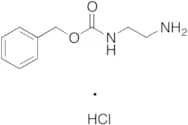
N-(Benzyloxycarbonyl)ethylenediamine Hydrochloride
CAS:Controlled Product<p>Applications N-(Benzyloxycarbonyl)ethylenediamine Hydrochloride is a reagent used to synthesize new opioid ligand as an analgesics with mixed agonist and antagonist properties to induce tolerance and dependence.<br>References Salvadori, S., et al.: Bioorg. Med. Chem., 15, 6876-6881 (2007);<br></p>Formula:C10H14N2O2•HClColor and Shape:NeatMolecular weight:194.233646Bromosuccinic Acid
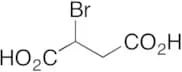
CAS:Controlled Product<p>Applications Bromosuccinic acid is prepared from Succinic acid (S688765), an important precursor in many chemicals used in the food, chemical and pharmaceutical fields. Bromosuccinic acid is also used as a reagent to prepare L-Hydrazinosuccinic acid.<br>References Gutowsky, H., et al.: J. Chem. Phys., 31, 1278 (2004); Song, H. & Lee, S.: Enzyme Microb. Tech., 39, 352 (2006); Yamada, R., et al.: BBA-Prot. Struc. Mol. Enzym., 831, 82 (1985)<br></p>Formula:C4H5BrO4Color and Shape:NeatMolecular weight:196.983-Difluoromethylaniline
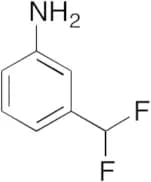
CAS:Controlled ProductFormula:C7H7F2NColor and Shape:NeatMolecular weight:143.1342,2-Difluoro-3-(trifluoromethyl)cyclopropane-1-carboxylic Acid
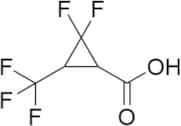
CAS:Controlled Product<p>Applications 2,2-difluoro-3-(trifluoromethyl)cyclopropane-1-carboxylic acid (cas# 2091705-41-6) is a useful research chemical.<br></p>Formula:C5H3F5O2Color and Shape:NeatMolecular weight:190.0682,5-Dichloro-2,5-dimethylhexane
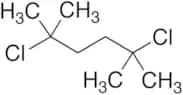
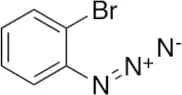
CAS:Controlled Product<p>Applications 2,5-Dichloro-2,5-dimethylhexane is a useful reagent for the preparation of substituted bis-2-indenyl metallocene compounds as catalysts for olefin polymerization.<br>References Hendriksen, C., et al.: PCT Int. Appl. (2020), WO 2020043815 A1<br></p>Formula:C8H16Cl2Color and Shape:NeatMolecular weight:183.121-Azido-2-bromobenzene
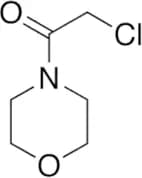
CAS:Controlled ProductFormula:C6H4BrN3Color and Shape:NeatMolecular weight:198.024-(Chloroacetyl)morpholine
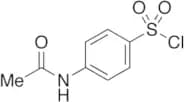
CAS:Controlled Product<p>Applications The chloroacetyl derivatives are microbicides for adhesives, cellulose foams, oil emulsions, cooling water, etc.<br>References Stephenson, G.R., et al.: J. Agric. Food Chem., 26, 137 (1978),<br></p>Formula:C6H10ClNO2Color and Shape:NeatMolecular weight:163.64-(Acetylamino)benzenesulfonyl Chloride
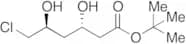
CAS:Controlled Product<p>Applications A sulfanilamide derivative of Chitosan with antifungal properties.<br> Not a dangerous good if item is equal to or less than 1g/ml and there is less than 100g/ml in the package<br>References Tashiro, T., et al.: Bioorg. Med. Chem., 16, 8896 (2008), Alcalde, E., et al.: J. Med. Chem., 52, 675 (2009),<br></p>Formula:C8H8ClNO3SColor and Shape:BeigeMolecular weight:233.67tert-Butyl (3S,5S)-6-Chloro-3,5-dihydroxyhexanoate
CAS:Controlled ProductFormula:C10H19ClO4Color and Shape:NeatMolecular weight:238.714-[4-(Trifluoromethyl)phenyl]butan-2-one
CAS:Controlled Product<p>Applications 4-[4-(trifluoromethyl)phenyl]butan-2-one (cas# 57132-19-1) is used in the study for syntheses and behavioral evaluations of fluorinated and silylated analogs of raspberry ketone as attractants for melon fly.<br>References Casana-Giner, V., et al.: J. Entomol. Sci. 38, 111 (2003)<br></p>Formula:C11H11F3OColor and Shape:NeatMolecular weight:216.23-Bromophenacyl Bromide
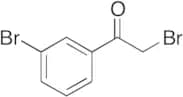
CAS:Controlled Product<p>Stability Moisture Sensitive<br>Applications 3-Bromophenacyl bromide is a useful intermediate for pharmaceutical and organic synthesis.<br>References Li, Q., et al.: Chem. Pap., 72, 651 (2018); Wei, C., et al.: Eur. J. Med. Chem., 139, 573 (2017)<br></p>Formula:C8H6Br2OColor and Shape:NeatMolecular weight:277.943,4-Dichlorobenzophenone
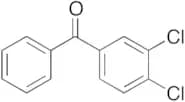
CAS:Controlled ProductFormula:C13H8Cl2OColor and Shape:Off-WhiteMolecular weight:251.118-Bromoisochroman-1-one
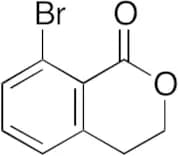
Controlled Product<p>Applications 8-Bromoisochroman-1-one us synthesized from 2,6-dibromobenzoic acid.<br></p>Formula:C9H7BrO2Color and Shape:NeatMolecular weight:227.0554-(Trimethylammonium)methyl]benzyl Alcohol Chloride
CAS:Controlled Product<p>Stability Moisture Sensitive: Desiccate<br>Applications 4-(Trimethylammonium)methyl]benzyl Alcohol Chloride is a compound useful in organic synthesis.<br></p>Formula:C11H18NO·ClColor and Shape:NeatMolecular weight:215.722-Aminothiophene Hydrochloride
CAS:Controlled ProductFormula:C4H5NS•HClColor and Shape:NeatMolecular weight:99.15+(36.46)(2-Aminoethyl)(2,2-difluoroethyl)amine Dihydrochloride
CAS:Controlled ProductFormula:C4H10F2N2HClColor and Shape:NeatMolecular weight:197.054N-[4-Bromo-3,5-(bistrifluoromethyl)phenyl]-2-hydroxy-5-nitrobenzamide
Controlled ProductFormula:C15H7BrF6N2O4Color and Shape:NeatMolecular weight:473.1222,3,4-Trifluorophenol Hydrate
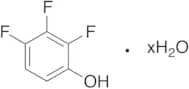
CAS:Controlled Product<p>Applications 2,3,4-Trifluorophenol Hydrate is a compound useful in organic synthesis.<br></p>Formula:C6H3F3O·xH2OColor and Shape:NeatMolecular weight:148.08 + x(18.02)3,4-Dibromo-2,5-dimethylthiophene
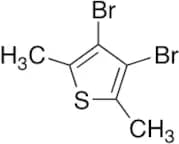
CAS:Controlled ProductFormula:C6H6Br2SColor and Shape:NeatMolecular weight:269.9853-Chloro-4-ethylphenol
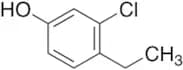
CAS:Controlled Product<p>Applications 3-chloro-4-ethylphenol (cas# 1243290-06-3) is a useful research chemical.<br></p>Formula:C8H9OClColor and Shape:NeatMolecular weight:156.61Trisphenyl(3,3,3-trifluoroprop-1-yl)phosphonium Iodide
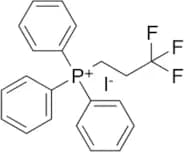
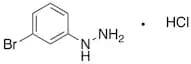
CAS:Controlled Product<p>Stability Hygroscopic<br>Applications TRISPHENYL(3,3,3-TRIFLUOROPROP-1-YL)PHOSPHONIUM IODIDE (cas# 128622-15-1) is a useful research chemical.<br></p>Formula:C21H19F3P·IColor and Shape:NeatMolecular weight:359.34 + 126.913-Bromophenylhydrazine Hydrochloride
CAS:Controlled Product<p>Applications A phenylhydrazone derivative with fungicidal activity.<br> Not a dangerous good if item is equal to or less than 1g/ml and there is less than 100g/ml in the package<br></p>Formula:C6H7BrN2·ClHColor and Shape:NeatMolecular weight:223.50α-(p-Toluenesulfonyl)-4-fluorobenzylisonitrile
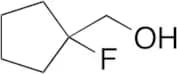
CAS:Controlled Product<p>Applications Alpha-(p-toluenesulfonyl)-4-fluorobenzylisonitrile is a useful reagent for the development of DNA-compatible method for novel functionalized imidazoles.<br>References Geigle, S. N., et al.: Org. Lett., 21, 9001 (2019)<br></p>Formula:C15H12FNO2SColor and Shape:NeatMolecular weight:289.331-Fluoro-cyclopentanemethanol
CAS:Controlled ProductFormula:C6H11FOColor and Shape:NeatMolecular weight:356.498Methyl 5-Iodoimidazo[2,1-B][1,3]thiazole-2-carboxylate
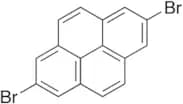
CAS:Controlled ProductFormula:C7H5IN2O2SColor and Shape:NeatMolecular weight:308.0962,7-Dibromopyrene
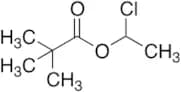
CAS:Controlled Product<p>Applications 2,7-Dibromopyrene (cas# 102587-98-4) is a useful research chemical.<br></p>Formula:C16H8Br2Color and Shape:NeatMolecular weight:360.041-Chloroethyl Pivalate
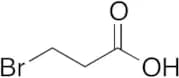
CAS:Controlled ProductFormula:C7H13ClO2Color and Shape:NeatMolecular weight:164.633-Bromopropionic Acid
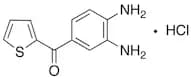
CAS:Controlled Product<p>Applications 3-Bromopropionic Acid is used as a reagent in the synthesis of nitrogen containing diselenides which exhibit antioxidant activity. Also used as a reagent in the synthesis of indolin-2-one-based multi-targeted receptor tyrosine kinase inhibitors as potential anticancer agents.<br> Not a dangerous good if item is equal to or less than 1g/ml and there is less than 100g/ml in the package<br>References Nascimento, V., et al.: Eur. J. Med. Chem., 87, 131 (2014); Zhang, L., et al.: Eur. J. Med. Chem., 82, 139 (2014)<br></p>Formula:C3H5BrO2Color and Shape:NeatMolecular weight:152.97(3,4-Diaminophenyl)-(2-thienyl)methanone Monohydrochloride
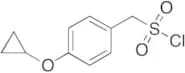
CAS:Controlled Product<p>Applications (3,4-Diaminophenyl)-(2-thienyl)methanone Monohydrochloride (cas# 61167-19-9) is a compound useful in organic synthesis.<br></p>Formula:C11H10N2OS·ClHColor and Shape:NeatMolecular weight:254.74(4-Cyclopropoxyphenyl)methanesulfonyl Chloride
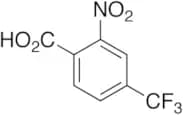
CAS:Controlled ProductFormula:C10H11ClO3SColor and Shape:NeatMolecular weight:246.712-Nitro-4-(trifluoromethyl)benzoic Acid
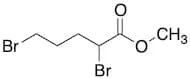
CAS:Controlled Product<p>Applications 2-Nitro-4-(trifluoromethyl)benzoic Acid (cas# 320-94-5) is a compound useful in organic synthesis.<br></p>Formula:C8H4F3NO4Color and Shape:NeatMolecular weight:235.12Methyl 2,5-Dibromopentanoate
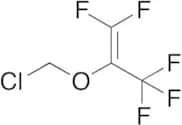
CAS:Controlled ProductFormula:C6H10Br2O2Color and Shape:NeatMolecular weight:273.952-(Chloromethoxy)-1,1,3,3,3-pentafluoro-1-propene
CAS:Controlled Product<p>Applications 2-(Chloromethoxy)-1,1,3,3,3-pentafluoro-1-propene is a reagent used as a fluoride source in halogen-exchange reactions<br>References Rozov, L.A., et al.: J. Fluorine Chem., 88, 51 (1998)<br></p>Formula:C4H2ClF5OColor and Shape:NeatMolecular weight:196.503Pentafluorophenyltrichlorosilane
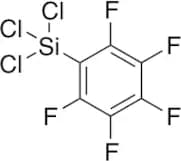
CAS:Controlled ProductFormula:C6Cl3F5SiColor and Shape:NeatMolecular weight:301.5012-Chloro-6-phenoxybenzylamine Hydrochloride
CAS:Controlled Product<p>Applications 2-chloro-6-phenoxybenzylamine (cas# 175136-89-7) is a useful research chemical.<br></p>Formula:C13H12NOCl·HClColor and Shape:NeatMolecular weight:270.1543-[2-(Trifluoromethyl)phenyl]propionic Acid
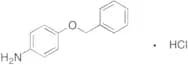
CAS:Controlled Product<p>Applications 3-[2-(Trifluoromethyl)phenyl]propionic Acid is a reactant used in the synthesis of small molecule inhibitors of anthrax toxin.<br>References Williams, J. et al.: Bioorg. Med. Chem., 22, 419 (2014);<br></p>Formula:C47H80O19Color and Shape:NeatMolecular weight:949.1274-(Benzyloxy)aniline Hydrochloride
CAS:Controlled Product<p>Applications 4-(Benzyloxy)aniline Hydrochloride is used as a reagent in the synthesis of a series of amino acid derivatives as novel chromogenic enzyme substrates for the detection of aminopeptidase activity in clinically important microorganisms.<br>References Cellier, M., et al.: Bioorg. Med. Chem., 22, 5249 (2014)<br></p>Formula:C16H20FN3O2SColor and Shape:NeatMolecular weight:337.4124-Fluoro-2-(hydroxymethyl)phenylboronic Acid
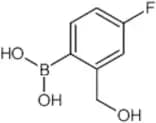
CAS:Controlled Product<p>Applications 4-Fluoro-2-(hydroxymethyl)phenylboronic Acid is a compound used in the preparation of 4,5-dihydro-1H-pyrazole derivatives as cholesterol 24 hydroxylase inhibitors.<br>References Kaku, T., et al.: Preparation of 4,5-dihydro-1H-pyrazole derivatives as cholesterol 24 hydroxylase inhibitors, WO 2010110400 (2010);<br></p>Formula:C7H8BFO3Color and Shape:NeatMolecular weight:169.951,2-Dichloroethanol Acetate
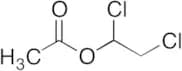
CAS:Controlled Product<p>Applications 1,2-Dichloroethanol Acetate is a by-product of water disinfection by ozone, chlorine dioxide, chloramine, and chlorine. It is also a reagent used in the synthesis of 2-Amino-5-nitrothiazole.<br>References Richardson, Susan D., et al.:Royal Soc. of Chem., 245, 46-53 (1999); Yang, Yingjie, et al.: Ranliao Gongye, 39(3), 26-27 (2002)<br></p>Formula:C4H6Cl2O2Color and Shape:NeatMolecular weight:157.04-Hydroxybenzoyl Chloride
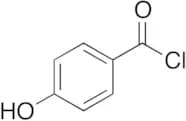
CAS:Controlled Product<p>Applications 4-Hydroxybenzoyl Chloride is used in preparation of lysine sulfonamides as HIV-protease inhibitors.<br> Not a dangerous good if item is equal to or less than 1g/ml and there is less than 100g/ml in the package<br>References Stranix, B., et al.: Bioorg. Med. Chem. Lett., 16, 3459 (2006);<br></p>Formula:C7H5ClO2Color and Shape:NeatMolecular weight:156.5664-Dimethylaminobut-2-ynoic Acid Hydrochloride
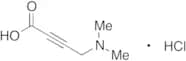
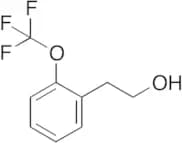
CAS:Controlled Product<p>Applications 4-Dimethylaminobut-2-ynoic Acid Hydrochloride, is used as a reactant in the synthesis of quinazoline derivatives such as (2Z)-Afatinib (A355305) which may be used in the treatment of some cancers.<br>References Tsou, H., et. al.: J. Med. Chem., 44, 2719 (2001)<br></p>Formula:C6H9NO2•HClColor and Shape:NeatMolecular weight:163.62-(Trifluoromethoxy)benzeneethanol
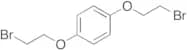
CAS:Controlled ProductFormula:C9H9F3O2Color and Shape:NeatMolecular weight:206.1621,4-Bis(2-bromoethoxy)benzene
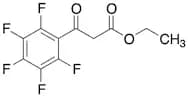
CAS:Controlled ProductFormula:C10H12Br2O2Color and Shape:NeatMolecular weight:324.009Ethyl (Pentafluorobenzoyl)acetate
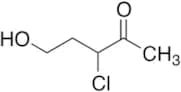
CAS:Controlled Product<p>Applications Ethyl (pentafluorobenzoyl)acetate (cas# 3516-87-8) is a useful research chemical.<br></p>Formula:C11H7O3F5Color and Shape:ColourlessMolecular weight:282.163-Chloro-5-Hydroxy-2-pentanone (~90%)
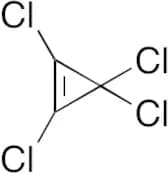
CAS:Controlled Product<p>Applications 3-Chloro-5-Hydroxy-2-pentanone is used to prepare thiothiamine.<br>References Li, L. et al.: Faming Zhuanli Shenqing (2014), CN 104140420 A<br></p>Formula:C5H9ClO2Purity:~90%Color and Shape:NeatMolecular weight:136.577Tetrachlorocyclopropene
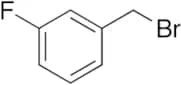
CAS:Controlled Product<p>Applications Tetrachlorocyclopropene is a useful compound in organic synthesis.<br>References Belding, Lee, et al.: J. of Org. Chem., 83(12), 6489-6497 (2018); Sanchez Garcia, Jessica J., et al.: Pure and App. Chem., 88(12), 1129-1142; (2016)<br></p>Formula:C3Cl4Color and Shape:NeatMolecular weight:177.843-Fluorobenzyl Bromide
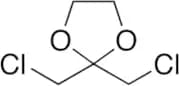
CAS:Controlled Product<p>Applications 3-Fluorobenzyl Bromide is a substituted benzyl bromide used as a reagent in the preparation of wide range of biologically active compounds such as antidiabetic drugs, anti-virals and anti-cancer agents.<br> Not a dangerous good if item is equal to or less than 1g/ml and there is less than 100g/ml in the package<br>References Zhang, Y. et al.: Eur. J. Med. Chem., 53, 356 (2012); Wang, L.-J. et al.: Bioorg. Med. Chem. Lett., 22, 3473 (2012);<br></p>Formula:C7H6BrFColor and Shape:NeatMolecular weight:189.021,3-Dichloroacetone Ethylene Ketal
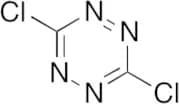
CAS:Controlled Product<p>Applications 1,3-Dichloroacetone Ethylene Ketal (cas# 26271-50-1) is a compound useful in organic synthesis.<br></p>Formula:C5H8Cl2O2Color and Shape:NeatMolecular weight:171.023,6-Dichloro-1,2,4,5-tetrazine
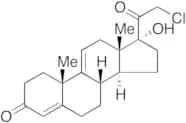
CAS:Controlled ProductFormula:C2Cl2N4Color and Shape:NeatMolecular weight:150.95421-Desacetoxy-21-Chloro Anecortave
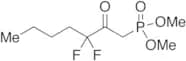
CAS:Controlled Product<p>Applications 21-Desacetoxy-21-Chloro Anecortave has been used in the preparation of pregnane derivatives.<br>References Hofmeister, H., et. al.: Ger. Offen., DE 3434448 A1 19860327 (1986)<br></p>Formula:C21H27ClO3Color and Shape:NeatMolecular weight:362.89Dimethyl(3,3-difluoro-2-oxoheptyl)phosphonate
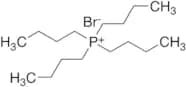
CAS:Controlled ProductFormula:C9H17F2O4PColor and Shape:NeatMolecular weight:258.199Tetrabutylphosphonium Bromide
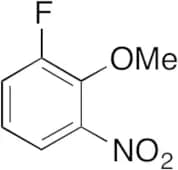
CAS:Controlled Product<p>Applications TETRABUTYLPHOSPHONIUM BROMIDE (cas# 3115-68-2) is a useful research chemical.<br> Not a dangerous good if item is equal to or less than 1g/ml and there is less than 100g/ml in the package<br></p>Formula:C16H36BrPColor and Shape:NeatMolecular weight:339.332-Fluoro-6-nitroanisole
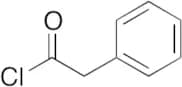
CAS:Controlled ProductFormula:C7H6FNO3Color and Shape:NeatMolecular weight:171.126Phenylacetyl Chloride(Benzeneacetyl Chloride)
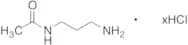
CAS:Controlled Product<p>Stability Moisture Sensitive<br>Applications Benzeneacetyl Chloride is used in the synthesis of aromatic inhibitors of HIV-1 integrase. Also used in the preparation of napthalenic ligands with high affinity for melatonin receptor.<br> Not a dangerous good if item is equal to or less than 1g/ml and there is less than 100g/ml in the package<br>References Burke, T. et al.: J. Med. Chem., 38, 4171 (1995); Yous, S. et al.: J. Med. Chem., 35, 1484 (1992);<br></p>Formula:C8H7ClOColor and Shape:NeatMolecular weight:154.59N-(3-Aminopropyl)acetamide Hydrochloride (>90%)
CAS:Controlled Product<p>Applications N-(3-Aminopropyl)acetamide Hydrochloride salt is a salt form of N-Acetyl-1,3-propanediamine (A165390), which is an protected intermediate in the synthesis of analogs of Spermidine (S680400), an antineoplastic agent.<br>References Bergeron, R. et al.: J. Med. Chem, 40, 1475 (1997);<br></p>Formula:C5H12N2O·x(HCl)Purity:>90%Color and Shape:NeatMolecular weight:116.16 + x(36.46)2-Bromo-1-cyclopropylethanone
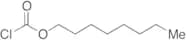
CAS:Controlled Product<p>Applications 2-Bromo-1-cyclopropylethanone is an intermediate used to prepare pyrrolo[2,1-f]purine-2,4-dione and imidazo[2,1-f]purine-2,4-dione derivatives as potent and selective human A3 adenosine receptor antagonists. It is also used to synthesize indolizine derivatives incorporating a cyclopropylcarbonyl group against Hep-G2 cancer cell line.<br> Not a dangerous good if item is equal to or less than 1g/ml and there is less than 100g/ml in the package<br>References Baraldi, P., et al.: J. Med. Chem., 48, 4697 (2005); Shen, Y., et al.: Eur. J. Med. Chem., 45, 3184 (2010)<br></p>Formula:C5H7BrOColor and Shape:NeatMolecular weight:163.01n-Octyl Chloroformate
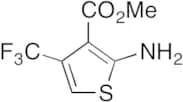
CAS:Controlled Product<p>Stability Moisture Sensitive<br>Applications n-Octyl Chloroformate is a chemical reagent used in the synthesis of surfactants derived from N-alkoxycarbonyl amino acids. Also used n the preparation of piperazinyl-glutamate-pyridines used as orally bioavailable P2Y12 antagonists in platelet aggregation.<br>References Kawase, T. et al.: J. Oleo. Sci., 59, 191 (2010); Parlow, J. et al.: Bioorg. Med. Chem. Lett., 19, 4657 (2009);<br></p>Formula:C9H17ClO2Color and Shape:NeatMolecular weight:192.68Methyl 2-Amino-4-trifluoromethylthiophene-3-carboxylate
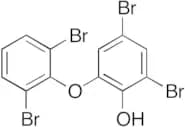
CAS:Controlled ProductFormula:C7H6F3NO2SColor and Shape:NeatMolecular weight:225.192,4-Dibromo-6-(2,6-dibromophenoxy)phenol
Controlled ProductFormula:C12H6Br4O2Color and Shape:NeatMolecular weight:501.791(2-ethoxyethyl)hydrazine xHCl salt
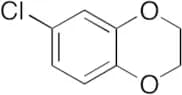
CAS:Controlled Product<p>Applications (2-ethoxyethyl)hydrazine dihydrochloride (cas# 809282-62-0) is a useful research chemical.<br></p>Formula:C4H12N2O·x(HCl)Color and Shape:NeatMolecular weight:104.15 + x(36.46)6-Chloro-2,3-dihydro-1,4-benzodioxin
CAS:Controlled ProductFormula:C8H7ClO2Color and Shape:NeatMolecular weight:170.5931-(3-Bromo-5-fluorophenyl)cyclopropane-1-carboxylic Acid
CAS:Controlled ProductFormula:C10H8BrFO2Color and Shape:NeatMolecular weight:259.0726-[4-(Trifluoromethoxy)phenyl]-3-morpholinone
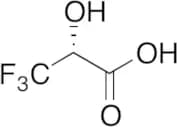
CAS:Controlled ProductFormula:C11H10F3NO3Color and Shape:NeatMolecular weight:261.2(R)-Trifluorolactic Acid
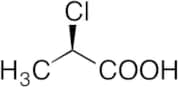
CAS:Controlled ProductFormula:C3H3F3O3Color and Shape:NeatMolecular weight:144.049(R)-(+)-2-Chloropropionic Acid
CAS:Controlled Product<p>Applications (R)-(+)-2-Chloropropionic Acid (cas# 7474-05-7) is a compound useful in organic synthesis.<br> Not a dangerous good if item is equal to or less than 1g/ml and there is less than 100g/ml in the package<br></p>Formula:C3H5ClO2Color and Shape:NeatMolecular weight:108.52trans-1-Amino-3-fluoro-cyclobutanecarboxylic Acid
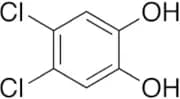
CAS:Controlled ProductFormula:C5H8FNO2Color and Shape:NeatMolecular weight:133.1214,5-Dichlorocatechol
CAS:Controlled Product<p>Applications Intermediate in the preparation of Dioxin derivatives.<br> Not a dangerous good if item is equal to or less than 1g/ml and there is less than 100g/ml in the package<br>References Liu, G., et al.: J. Chem. Res., 6, 342 (2009), Michalowicz, J., et al.: Toxicol., 268, 171 (2010),<br></p>Formula:C6H4Cl2O2Color and Shape:NeatMolecular weight:179.00Cyclobutyl bromide
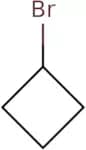
CAS:<p>Cyclobutyl bromide is a cyclopentyl compound that has an hydroxyl group. It is a potent inhibitor of the CB2 receptor, which is primarily expressed on cells of the immune system. Cyclobutyl bromide has been shown to inhibit the uptake of uv light and also has anti-inflammatory properties. Studies have confirmed that this drug inhibits the production of cytokines and chemokines in chronic bronchitis patients, as well as other inflammatory diseases such as rheumatoid arthritis.</p>Formula:C4H7BrPurity:Min. 95%Color and Shape:Clear LiquidMolecular weight:135 g/molOlodaterol hydrochloride
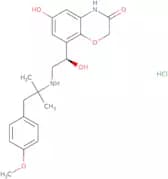
CAS:Controlled Product<p>Olodaterol hydrochloride is a long-acting β2-agonist (LABA) used to treat asthma. It is a prodrug that is hydrolyzed in vivo to olodaterol, its active form. Olodaterol hydrochloride binds to the β2 receptor and activates adenylyl cyclase, resulting in increased levels of cAMP. This drug has been shown to have statistically significant improvement in lung function and bronchial responsiveness in vivo models. The most common adverse effects include headache, dizziness, and cough. Olodaterol hydrochloride has been shown to be effective for short-term treatment of asthma but does not show long-term efficacy or reduced need for pharmacological treatments.</p>Formula:C21H26N2O5·HClPurity:Min. 95%Color and Shape:PowderMolecular weight:422.9 g/mol[3-(1-Isopropyl-1H-benzimidazol-2-yl)propyl]amine dihydrochloride
CAS:Controlled ProductPlease enquire for more information about [3-(1-Isopropyl-1H-benzimidazol-2-yl)propyl]amine dihydrochloride including the price, delivery time and more detailed product information at the technical inquiry form on this pageFormula:C13H19N3Purity:Min. 95%Molecular weight:217.31 g/mol1-(2,6-Dichlorobenzyl)piperazine
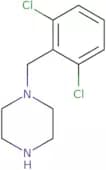
CAS:Controlled Product1-(2,6-Dichlorobenzyl)piperazine is a benzylpiperazine that emits light in the visible region. It is an acidic reagent that can be used as an electron donating agent in organic synthesis. 1-(2,6-Dichlorobenzyl)piperazine reacts with amines to form substituted phenylpiperazines. This reaction is widely used to investigate the structure and reactivity of amines. 1-(2,6-Dichlorobenzyl)piperazine reacts with phenols to form piperazines. It also reacts with aliphatic compounds to form a trifluoromethyl group.Formula:C11H14Cl2N2Purity:Min. 95%Molecular weight:245.15 g/mol7-Chloro-1,2,3,4-tetrahydrobenzo[b]azepin-5-one
CAS:<p>7-Chloro-1,2,3,4-tetrahydrobenzo[b]azepin-5-one (7CTB) is a synthetic vasopressin analogue that is used as a vasopressin receptor antagonist. It is a competitive inhibitor of the vasopressin V2 receptor and has been shown to be effective in the treatment of diabetes insipidus. 7CTB has also been shown to bind to and inhibit the binding of arginine, an acid binding agent, preventing hydrolysis reactions with other compounds. 7CTB has been shown to be an effective agent for the treatment of congestive heart failure and chronic kidney disease in animal models. The synthesis process involves sulfonylation followed by dieckmann condensation and organic solvent extraction.</p>Formula:C10H10ClNOPurity:Min. 95%Molecular weight:195.65 g/mol(S)-(+)-Epichlorohydrin
CAS:(S)-(+)-Epichlorohydrin is a chlorohydrin that is used as an industrial chemical. It can be synthesized by reacting benzyl chloride with sodium hydroxide in the presence of water. The reaction mechanism for this process involves nucleophilic addition of the chlorine atom to the carbonyl group, followed by protonation and elimination of hydrogen chloride. The stereoselective synthesis of (S)-(+)-epichlorohydrin is based on asymmetric induction by enantiomers of the reactant. This product has been shown to have a constant pressure kinetic study at 0.1 M in acetonitrile and 0.2 M in dichloromethane with a turnover number of 1.4 × 10 mol/L/s, which is comparable to other synthetic methods for epichlorohydrin. Pharmacokinetic data for this product has been shown to show good bioavailability in rats, with a half-life of 0.Formula:C3H5ClOPurity:Min. 95%Color and Shape:Colorless PowderMolecular weight:92.52 g/mol4-Chlorobenzoyl chloride
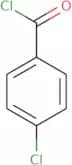
CAS:4-Chlorobenzoyl chloride (4ClBC) is an organic compound that has been used in the synthesis of new pharmaceuticals and as a chemical intermediate. 4ClBC is an asymmetric molecule that can be synthesized through a process called malonic acid synthesis. The reaction requires hydrochloric acid, hydrogen, and sodium carbonate. 4ClBC has shown antihypertensive activity in animal models. It also inhibits carcinoma cell lines and has been studied as a solid catalyst for hydrogen bonding interactions. This agent also has antimicrobial properties against bacteria such as staphylococcus and mycobacterium tuberculosis.Formula:C7H4Cl2OPurity:Min. 95%Molecular weight:175.01 g/molBeta-CIT-FP
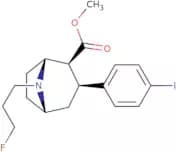
CAS:Controlled Product<p>Methyl (1R,2S,3S)-8-(3-Fluoropropyl)-3-(4-Iodophenyl)-8-Azabicyclo[3.2.1]Octane-2-Carboxylate is a potent dopamine receptor agonist with a high affinity for the D2 and D3 receptors in the brain. It has been shown to have antiparkinsonian effects in animal models of Parkinson's disease by increasing dopamine levels in the prefrontal cortex and striatum. This drug has also been shown to be effective in clinical studies for the diagnosis of Parkinson's disease. Methyl (1R,2S,3S)-8-(3-Fluoropropyl)-3-(4-Iodophenyl)-8-Azabicyclo[3.2.1]Octane-2-Carboxylate binds to both dopamine and serotonin receptors, which may account for its therapeutic effects on Parkinson</p>Formula:C18H23FINO2Purity:Min. 95%Molecular weight:431.28 g/mol1-Methyl-2-(piperazin-1-ylcarbonyl)-1H-indole hydrochloride
CAS:Controlled Product<p>Please enquire for more information about 1-Methyl-2-(piperazin-1-ylcarbonyl)-1H-indole hydrochloride including the price, delivery time and more detailed product information at the technical inquiry form on this page</p>Formula:C14H17N3OPurity:Min. 95%Molecular weight:243.3 g/mol1-Bromo-2,4,5-trifluorobenzene
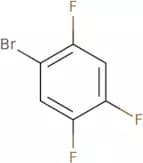
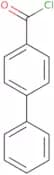
CAS:<p>1-Bromo-2,4,5-trifluorobenzene is a liquid crystal that can be used to synthesize amides in an asymmetric synthesis. It has been shown to react with nucleophiles such as β-amino acids or chloride ions to form an amide. This compound is also thermally stable and can be stored at room temperature. The structural formula of 1-bromo-2,4,5-trifluorobenzene is C6H3BrF3. Functional groups present on this molecule include a bromine atom (Br), three hydrogen atoms (H) and two fluorine atoms (F).</p>Formula:C6H2BrF3Purity:Min. 95%Molecular weight:210.98 g/mol4-Phenylbenzoyl chloride
CAS:<p>4-Phenylbenzoyl chloride is a primary amino compound that has been studied extensively in the context of biological studies and as an electroluminescent device. It is also used to study the effects of alkylation on biological systems. 4-Phenylbenzoyl chloride has been shown to be cytotoxic against monocytic cell lines, with a mechanism of action that involves its ability to react with DNA, forming adducts that interfere with DNA replication. In addition, it also reacts with amines in human tissue samples, which may lead to carcinogenic effects. This compound is also effective against protozoan parasites and Leishmania species, although not thiosemicarbazide.</p>Formula:C13H9ClOPurity:Min. 95%Color and Shape:PowderMolecular weight:216.66 g/mol4-Chloro-2-methoxy-5-methylaniline
CAS:4-Chloro-2-methoxy-5-methylaniline is a dye molecule that is used in the synthesis of other molecules, such as diketene. It is also used as a solvent, coupling agent, and a dye molecule. This compound can be synthetically prepared by reacting naphthylamine with pyrazolone. The reaction requires catalytic amounts of polyvalent metal salts, such as zinc chloride or iron(III) chloride. The halogenation of 4-chloro-2-methoxy-5-methylaniline to produce 2,4,5-trichlorophenol can be achieved by diazotising the molecule with sodium nitrite and potassium dichromate. 4-Chloro-2-methoxy-5 methylaniline's substituents are methyl groups on the phenyl ring (Cl) and chlorine atoms (C1). Derivatives of thisFormula:C8H10ClNOPurity:Min. 95%Molecular weight:171.62 g/mol2,3-Dihydro-1-(3-hydroxypropyl)-5-[(2R)-2-[[2-[2-(2,2,2-trifluoroethoxy)phenoxy]ethyl]amino]propyl]-1H-indole-7-carbonitrile
CAS:<p>Please enquire for more information about 2,3-Dihydro-1-(3-hydroxypropyl)-5-[(2R)-2-[[2-[2-(2,2,2-trifluoroethoxy)phenoxy]ethyl]amino]propyl]-1H-indole-7-carbonitrile including the price, delivery time and more detailed product information at the technical inquiry form on this page</p>Formula:C25H30F3N3O3Purity:Min. 95%Molecular weight:477.52 g/mol[2-(1,2-Dimethyl-1H-indol-3-yl)ethyl]amine hydrochloride
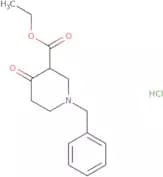
CAS:Controlled Product<p>Please enquire for more information about [2-(1,2-Dimethyl-1H-indol-3-yl)ethyl]amine hydrochloride including the price, delivery time and more detailed product information at the technical inquiry form on this page</p>Formula:C12H16N2Purity:Min. 95%Molecular weight:188.27 g/mol1-Benzyl-3-carbethoxy-4-piperidone hydrochloride
CAS:<p>1-Benzyl-3-carbethoxy-4-piperidone hydrochloride is a carboxylic acid that is used as a waterproofing agent in cyclohexane. It is absorbed by the skin and other tissues, which may lead to adverse effects on the body. Exposure to this compound has been shown to result in irritation of the skin, eyes, and respiratory tract, as well as changes in heart rate and blood pressure.</p>Formula:C15H19NO3•HClPurity:Min. 95%Molecular weight:297.78 g/mol3,3,3-Trifluoro-1-propanol
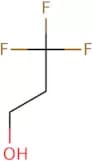
CAS:<p>3,3,3-Trifluoro-1-propanol is a chemical that is used in pharmaceutical dosage formulations. It has a relatively low toxicity and is not readily absorbed through the skin. 3,3,3-Trifluoro-1-propanol has been shown to be an effective inhibitor of fatty acid oxidation and protein synthesis. The structure of this compound consists of three carbon atoms connected by single bonds to one hydrogen atom each and one fluorine atom. This molecule also contains a hydroxyl group at one end and two nitrogen atoms at the other end. These nitrogen atoms are stabilized by intramolecular hydrogen bonds with the hydrogen atoms on the hydroxyl group. 3,3,3-Trifluoro-1-propanol can be used as a cationic polymerization catalyst for perfluoroalkyls and aromatic hydrocarbons.</p>Formula:C3H5F3OPurity:Min. 95%Molecular weight:114.07 g/mol1-(2-Fluorophenyl)piperazine HCl
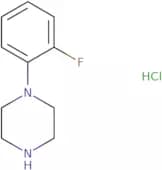
CAS:Controlled Product<p>1-(2-Fluorophenyl)piperazine HCl is a psychoactive drug that belongs to the class of piperazines. The compound has been validated for use in spectra, minimizing, and infrared spectroscopy. The compound has also been shown to be psychoactive and can be used as a screening agent for psychoactive substances. The 1-(2-fluorophenyl)piperazine molecule is approximately linear, with two amide linkages and a phenyl ring at one end. It has a calculated molecular weight of 208 g/mol and an empirical formula of C12H14FN3O.</p>Purity:Min. 95%Mercuric trifluoroacetate
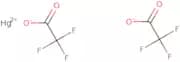
CAS:Controlled Product<p>Mercuric trifluoroacetate is an organic compound that contains mercury and a carboxylic acid. It is an acid that is formed when mercury reacts with hydrochloric acid. Mercuric trifluoroacetate has been shown to be effective in the synthesis of a number of organic compounds, including the nonsteroidal anti-inflammatory drug (NSAID) 3-hydroxyanthranilic acid. This compound also inhibits the production of prostaglandin E2 in human leukocytes, which may be related to its inhibitory properties on congestive heart failure. Mercuric trifluoroacetate can also cause autoimmune diseases in mice by suppressing the production of interleukin-4 and interleukin-10, which are cytokines involved in immune responses.</p>Formula:C4F6HgO4Purity:Min. 95%Molecular weight:426.62 g/mol2-Fluoro-3-(trifluoromethyl)benzoic acid
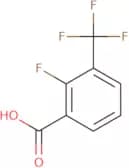
CAS:<p>2-Fluoro-3-(trifluoromethyl)benzoic acid is an amide that has been shown to inhibit the growth of Huh-7 human hepatoma cells, which express ABCA1. This compound has been shown to bind to and inhibit the activity of the enzyme acid hydrazide. It has also been shown to be active against methoxy functional assays and macrophage cell lines.</p>Formula:C8H4F4O2Purity:Min. 95%Molecular weight:208.11 g/molBis[2-(perfluorohexyl)ethyl]phosphate
CAS:Bis[2-(perfluorohexyl)ethyl] Phosphate is a perfluorinated, fluorinated chemical that is used in wastewater treatment. It is also found in human serum and organisms, as well as in the drinking water of some communities. Bis[2-(perfluorohexyl)ethyl] Phosphate has been detected in the maternal serum and urine of women who are pregnant or breast-feeding. It may be associated with adverse effects on neurodevelopmental outcomes in children. Bis[2-(perfluorohexyl)ethyl] Phosphate can be removed from drinking water by using an ultrasonic extraction system. This method uses sound waves to extract the chemical from water and other liquids and is effective at removing small amounts (less than 10 parts per billion). The analytical method for this compound is low detection, which means that it can only detect concentrations of up to 0.1 part per billion (ppb). However, this methodFormula:C16H9F26O4PPurity:Min. 95%Color and Shape:PowderMolecular weight:790.17 g/molN-Demethyltramadol hydrochloride
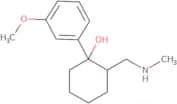
CAS:<p>N-Demethyltramadol hydrochloride is a drug that belongs to the group of opioids. It is a metabolite of tramadol, which is an analgesic and antitussive. N-Demethyltramadol hydrochloride binds to opioid receptors in the brain and spinal cord, inhibiting the perception of pain and cough reflex. Tramadol was first synthesized in Germany in 1934 as an antidepressant, but its use was limited because it caused too many side effects. N-Demethyltramadol hydrochloride has been shown to be effective for treating long-term pain relief, but can cause addiction and dependency when used for long periods of time. The transformation of tramadol to n-demethyltramadol hydrochloride occurs in fruit, which may explain why this drug is found in wastewater samples from fruit processing plants.</p>Formula:C15H23NO2·HClPurity:Min. 95%Molecular weight:285.81 g/mol4-Chlorophenylacetylene
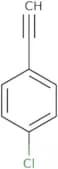
CAS:4-Chlorophenylacetylene is a compound that is created by the reaction of chloroform and acetylene. The reaction yield can be increased by using a catalytic amount of silicon, which increases the rate of hydration. Terminal alkynes react with 4-chlorophenylacetylene to form polymers, which are insoluble in most solvents. 4-Chlorophenylacetylene has been shown to have inhibitory activity against the growth of bacteria and fungi when tested in model species such as Escherichia coli and Saccharomyces cerevisiae.Formula:C8H5ClPurity:Min. 95%Color and Shape:PowderMolecular weight:136.58 g/mol2-Fluoro-4-(tributylstannyl)pyridine
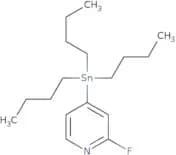
CAS:Controlled ProductPlease enquire for more information about 2-Fluoro-4-(tributylstannyl)pyridine including the price, delivery time and more detailed product information at the technical inquiry form on this pageFormula:C17H30FNSnPurity:Min. 95%Molecular weight:386.14 g/mol3-Chloro-4-nitropyridine 1-oxide
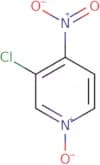
CAS:<p>3-Chloro-4-nitropyridine 1-oxide is the condensation product of 2-chloro-3-nitropyridine and nitric acid. 3-Chloro-4-nitropyridine 1-oxide has an isomeric nature and can be purified by recrystallization from water. The compound has a molecular weight of 286.1 g/mol and a monoclinic crystal structure. It has two n-oxides, which are isomers of each other, with nmr spectra that differ by the shift in the chemical shifts of the protons on the aromatic ring. 3-Chloro-4-nitropyridine 1-oxide condenses with lanthanides to form lanthanide complexes, such as Eu(III)(3,5'-ClO 4 ) 2 . This compound is also used in the synthesis of phenoxathiine derivatives that have antihypertensive activity.</p>Formula:C5H3ClN2O3Purity:Min. 95%Molecular weight:174.54 g/molBenzhexol hydrochloride
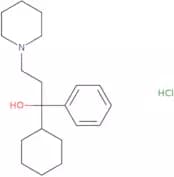
CAS:Controlled Product<p>Benzhexol hydrochloride is an ophthalmic, which is used to treat symptoms of eye diseases. It inhibits the immune system and has been shown to be effective in treating autoimmune diseases such as multiple sclerosis. Benzhexol hydrochloride blocks nerve impulses and can cause drooling and hallucinations. This drug can be used in combination with other drugs for the treatment of neurological disorders, including Parkinson's disease. Benzhexol hydrochloride is also used as a diagnostic agent for various conditions, including infectious diseases and geriatric patients with dementia. A linear calibration curve has been observed using a chemiluminescent reaction that is dependent on the concentration-time curve of benzhexol.</p>Formula:C20H32ClNOPurity:Min. 95%Color and Shape:PowderMolecular weight:337.93 g/molDibromochloromethane (stabilized with ethanol)
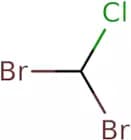
CAS:<p>Dibromochloromethane (DBCM) is a chemical that is used as a solvent and cleaning agent. It was found to be genotoxic, with the potential to cause cancer in humans. DBCM causes cardiac effects in animals, including arrhythmias and an increase in heart rate. DBCM is not volatile and has a low vapor pressure, which makes it hazardous if inhaled or ingested. DBCM can also cause renal toxicity and liver injury in rats. Dibromochloromethane has been shown to have a toxic effect on the heart, lungs, kidneys and liver when administered at high doses in animals. It has been shown to damage DNA by causing mutations or cross-linking with DNA strands.</p>Formula:CHBr2ClPurity:Min. 95%Molecular weight:208.28 g/molJ147
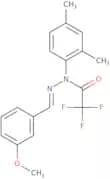
CAS:2,2,2-Trifluoroacetic acid 1-(2,4-dimethylphenyl)-2-[(3-methoxyphenyl)methylene]hydrazide is a neuroprotective drug that belongs to the class of hydrazides. It has been shown to have neurotrophic activity in vitro and in vivo and can be used for the treatment of conditions such as diabetic neuropathy or cancer tissues. 2,2,2-Trifluoroacetic acid 1-(2,4-dimethylphenyl)-2-[(3-methoxyphenyl)methylene]hydrazide also has anti-inflammatory properties and can be used for the treatment of autoimmune diseases. The drug's mechanism of action is not fully understood but is thought to involve monoamine neurotransmitters.Formula:C18H17F3N2O2Purity:Min. 95%Molecular weight:350.34 g/mol4-(Methylthio)benzylchloride
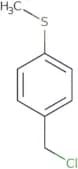
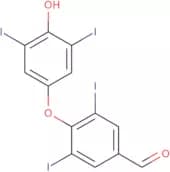
CAS:<p>4-(Methylthio)benzylchloride is a molecule that belongs to the group of dendrons. It is a synthetic molecule with an acid chloride functional group. This compound has been synthesized by decarboxylation of 4-methylthiobenzaldehyde and then chlorination of the resulting alcohol. The microextraction technique was used to extract 4-(methylthio)benzylchloride from acidic solutions. In this technique, a small amount of solvent is absorbed on a solid phase and then eluted into another solvent in a laboratory instrument called the headspace. The headspace technique is used to extract 4-(methylthio)benzylchloride from acidic solutions because it has better sensitivity and selectivity than liquid-liquid extraction. The fluorescence properties of 4-(methylthio)benzylchloride allow it to be detected using luminescence spectroscopy at wavelengths between 400 nm and 700 nm, which makes it useful as</p>Formula:C8H9ClSPurity:Min. 95%Molecular weight:172.68 g/mol3,5,3',5'-Tetraiodo thyroaldehyde
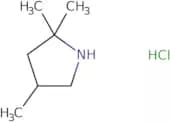
CAS:<p>Please enquire for more information about 3,5,3',5'-Tetraiodo thyroaldehyde including the price, delivery time and more detailed product information at the technical inquiry form on this page</p>Formula:C13H6I4O3Purity:Min. 95%Color and Shape:PowderMolecular weight:717.8 g/mol2,2,4-Trimethylpyrrolidine hydrochloride
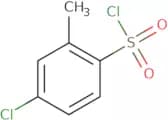
CAS:<p>Please enquire for more information about 2,2,4-Trimethylpyrrolidine hydrochloride including the price, delivery time and more detailed product information at the technical inquiry form on this page</p>Formula:C7H15NPurity:Min. 95%Molecular weight:113.2 g/mol4-Chloro-2-methylbenzenesulfonyl chloride
CAS:<p>Please enquire for more information about 4-Chloro-2-methylbenzenesulfonyl chloride including the price, delivery time and more detailed product information at the technical inquiry form on this page</p>Formula:C7H6Cl2O2SPurity:Min. 95%Molecular weight:225.09 g/molDeschloro-1,2-dihydro-2-oxo clomiphene HCl
CAS:Controlled Product<p>Please enquire for more information about Deschloro-1,2-dihydro-2-oxo clomiphene HCl including the price, delivery time and more detailed product information at the technical inquiry form on this page</p>Formula:C26H30ClNO2Purity:Min. 95%Molecular weight:423.97 g/mol

![4-[4-(Trifluoromethyl)phenyl]butan-2-one](/_next/image/?url=https%3A%2Fstatic.cymitquimica.com%2Fproducts%2FTR%2Fthumb-webp%2FT900170.webp&w=3840&q=75)
![4-(Trimethylammonium)methyl]benzyl Alcohol Chloride](/_next/image/?url=https%3A%2Fstatic.cymitquimica.com%2Fproducts%2FTR%2Fthumb-webp%2FT795910.webp&w=3840&q=75)


![N-[4-Bromo-3,5-(bistrifluoromethyl)phenyl]-2-hydroxy-5-nitrobenzamide](/_next/image/?url=https%3A%2Fstatic.cymitquimica.com%2Fproducts%2FTR%2Fthumb-webp%2FB680360.webp&w=3840&q=75)

![Methyl 5-Iodoimidazo[2,1-B][1,3]thiazole-2-carboxylate](/_next/image/?url=https%3A%2Fstatic.cymitquimica.com%2Fproducts%2FTR%2Fthumb-webp%2FM695873.webp&w=3840&q=75)

![3-[2-(Trifluoromethyl)phenyl]propionic Acid](/_next/image/?url=https%3A%2Fstatic.cymitquimica.com%2Fproducts%2FTR%2Fthumb-webp%2FT791630.webp&w=3840&q=75)



![6-[4-(Trifluoromethoxy)phenyl]-3-morpholinone](/_next/image/?url=https%3A%2Fstatic.cymitquimica.com%2Fproducts%2FTR%2Fthumb-webp%2FT790950.webp&w=3840&q=75)


![[3-(1-Isopropyl-1H-benzimidazol-2-yl)propyl]amine dihydrochloride](/_next/image/?url=https%3A%2Fstatic.cymitquimica.com%2Fproducts%2F3D%2Fthumb-webp%2FFI126427.webp&w=3840&q=75)
![7-Chloro-1,2,3,4-tetrahydrobenzo[b]azepin-5-one](/_next/image/?url=https%3A%2Fstatic.cymitquimica.com%2Fproducts%2F3D%2Fthumb-webp%2FFC51283.webp&w=3840&q=75)


![2,3-Dihydro-1-(3-hydroxypropyl)-5-[(2R)-2-[[2-[2-(2,2,2-trifluoroethoxy)phenoxy]ethyl]amino]propyl…](/_next/image/?url=https%3A%2Fstatic.cymitquimica.com%2Fproducts%2F3D%2Fthumb-webp%2FFD103483.webp&w=3840&q=75)
![[2-(1,2-Dimethyl-1H-indol-3-yl)ethyl]amine hydrochloride](/_next/image/?url=https%3A%2Fstatic.cymitquimica.com%2Fproducts%2F3D%2Fthumb-webp%2FFD135164.webp&w=3840&q=75)
![Bis[2-(perfluorohexyl)ethyl]phosphate](/_next/image/?url=https%3A%2Fstatic.cymitquimica.com%2Fproducts%2F3D%2Fthumb-webp%2FFB84246.webp&w=3840&q=75)