Organic Halides
In this category, you can find organic molecules containing one or more halogen atoms in their structure. These organic halides include brominated, iodinated, chlorinated, and cyclic halide compounds. Organic halides are widely used in organic synthesis, pharmaceuticals, agrochemicals, and materials science due to their reactivity and ability to undergo a variety of chemical transformations. At CymitQuimica, we offer a comprehensive selection of high-quality organic halides to support your research and industrial applications, ensuring reliable and effective performance in your synthetic and analytical projects.
Subcategories of "Organic Halides"
Found 20440 products of "Organic Halides"
Sort by
Purity (%)
0
100
|
0
|
50
|
90
|
95
|
100
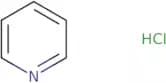
Pyridine hydrochloride
CAS:<p>Pyridine hydrochloride is a white crystalline solid. It has high values for affinity to the CB2 receptor and can be used for the treatment of metabolic disorders, such as diabetes. Pyridine hydrochloride can be synthesized in two ways: by hydrogenation of pyridine with hydrochloric acid or by reacting pyridine with hydrogen fluoride. This compound also has an effect on locomotor activity and increases glutamate levels in the brain, which may contribute to its therapeutic effects. Pyridine hydrochloride is also used as a fluorescent derivative in analytical methods that measure nucleotide levels, such as the phosphorimager technique.</p>Formula:C5H5N·HClPurity:Min. 95%Color and Shape:White To Yellow To Light Brown SolidMolecular weight:115.56 g/molRef: 3D-FP54975
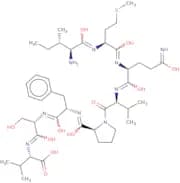
Discontinued product(Des-Asp187,Met186)-Melanocyte Protein PMEL 17 (185-193) (human, bovine, mouse) trifluoroacetate salt
CAS:<p>Please enquire for more information about (Des-Asp187,Met186)-Melanocyte Protein PMEL 17 (185-193) (human, bovine, mouse) trifluoroacetate salt including the price, delivery time and more detailed product information at the technical inquiry form on this page</p>Formula:C43H69N9O11SPurity:Min. 95%Molecular weight:920.13 g/molRef: 3D-FD109251
Discontinued product2-(2-Ethoxyphenoxy)ethyl bromide
CAS:<p>2-(2-Ethoxyphenoxy)ethyl bromide is a substance that is found as an impurity in the drug sulphonamide. It has been shown to be an optical isomer of methanol and ethanol, which have base form. The substance crystallizes in the form of white needles and its base form is tamsulosin hydrochloride. It has been used as a reagent for organic chemistry reactions, such as recrystallization, and as an impurity in organic solvents.</p>Formula:C10H13BrO2Purity:Min. 95%Molecular weight:245.11 g/molN-Allyl-n-(2-chloro-5-cyanophenyl)acetamide
CAS:<p>N-Allyl-n-(2-chloro-5-cyanophenyl)acetamide is a fine chemical that is used as a building block in the synthesis of other compounds. It is also used in research and as a reagent or speciality chemical. N-Allyl-n-(2-chloro-5-cyanophenyl)acetamide has been shown to be an excellent intermediate for complex organic reactions, such as coupling reactions with amines, alcohols, and thiols. In addition, this compound can be used to form new scaffolds for biological studies.</p>Formula:C12H11ClN2OPurity:Min. 95%Color and Shape:PowderMolecular weight:234.68 g/molRef: 3D-FA145691
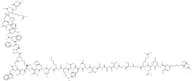
Discontinued productBiotinyl-Neuromedin S (human) trifluoroacetate salt
CAS:<p>Please enquire for more information about Biotinyl-Neuromedin S (human) trifluoroacetate salt including the price, delivery time and more detailed product information at the technical inquiry form on this page</p>Formula:C183H279N55O46SPurity:Min. 95%Molecular weight:4,017.58 g/molRef: 3D-FB109765
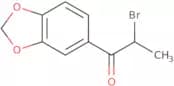
Discontinued product2-Bromo-3',4'-(methylenedioxy)propiophenone
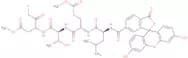
CAS:Controlled Product<p>Please enquire for more information about 2-Bromo-3',4'-(methylenedioxy)propiophenone including the price, delivery time and more detailed product information at the technical inquiry form on this page</p>Formula:C10H9BrO3Purity:Min. 95%Color and Shape:PowderMolecular weight:257.08 g/molFluorescein-6-carbonyl-Leu-Glu(OMe)-Thr-DL-Asp(OMe)-fluoromethylketone
CAS:<p>Please enquire for more information about Fluorescein-6-carbonyl-Leu-Glu(OMe)-Thr-DL-Asp(OMe)-fluoromethylketone including the price, delivery time and more detailed product information at the technical inquiry form on this page</p>Formula:C43H47FN4O15Purity:Min. 95%Molecular weight:878.85 g/molRef: 3D-FF111108
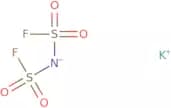
Discontinued productPotassium bis(fluorosulfonyl)imide
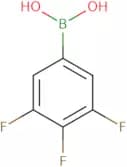
CAS:<p>Potassium bis(fluorosulfonyl)imide (K2FSI) is a reactive chemical that can be used to remove sulfur from petroleum products. It is also used in the manufacturing of ethylene and perovskite solar cells. K2FSI reacts with potassium ions to form potassium hexafluorophosphate (KHF2). This reaction reduces the vapor pressure of KHF2 and increases its solubility in water. The use of K2FSI can reduce the amount of energy needed for desulfurization, as it does not require heating. The following are some uses for potassium bis(fluorosulfonyl)imide: - As a catalyst for production of ethylene - In organic solvent to produce perovskite solar cells - To remove sulfur from petroleum products - To make hydrogen fluoride - For desulfurization</p>Formula:F2NO4S2•KPurity:Min. 95%Color and Shape:White PowderMolecular weight:219.23 g/mol(3,4,5-Trifluorophenyl)boronic acid
CAS:<p>The trifluorophenylboronic acid is a boronic acid that has been used in the synthesis of vitamin B12. This compound is often used as a catalyst for the Suzuki coupling reaction. It can also be used to synthesize amides and synthons. The trifluorophenylboronic acid is soluble in water, ethanol, and acetone. The pH of the solution depends on the type of base added. For example, when an amine is added to the solution, it increases to approximately 8-9. When a p-hydroxybenzoic acid is added to the solution, it decreases to approximately 2-3.</p>Formula:C6H4BF3O2Purity:Min. 95%Color and Shape:PowderMolecular weight:175.9 g/mol(Asp56)-pTH (1-84) (rat) trifluoroacetate salt
CAS:Please enquire for more information about (Asp56)-pTH (1-84) (rat) trifluoroacetate salt including the price, delivery time and more detailed product information at the technical inquiry form on this pageFormula:C405H668N122O126S3Purity:Min. 95%Molecular weight:9,358.58 g/molRef: 3D-FA108874
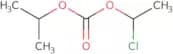
Discontinued product1-Chloroethyl isopropyl carbonate
CAS:<p>1-Chloroethyl isopropyl carbonate (CEPC) is a cefpodoxime proxetil metabolite that is formed from the chlorination of 1-chloroacetamide in the presence of isopropyl. CEPC has been shown to have a high yield and can be synthesized from readily available, inexpensive starting materials. It is metabolized by human liver microsomes and plasma, yielding 7-aminocephalosporanic acid, cefpodoxime, and thiourea. This compound can also be used as an intermediate for the synthesis of other compounds such as cefotaxime and thiourea.</p>Formula:C6H11ClO3Purity:Min. 95%Molecular weight:166.6 g/molOvalbumin (257-264) (chicken) trifluoroacetate salt
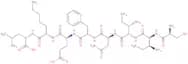
CAS:<p>Please enquire for more information about Ovalbumin (257-264) (chicken) trifluoroacetate salt including the price, delivery time and more detailed product information at the technical inquiry form on this page</p>Formula:C45H74N10O13·C2HF3O2Purity:Min. 95%Molecular weight:1,077.15 g/molRef: 3D-FO109383
Discontinued productKR-12 (human) trifluoroacetate salt
CAS:<p>Please enquire for more information about KR-12 (human) trifluoroacetate salt including the price, delivery time and more detailed product information at the technical inquiry form on this page</p>Formula:C71H127N25O15Purity:Min. 95%Molecular weight:1,570.93 g/molRef: 3D-FK109932
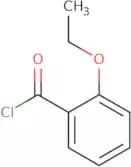
Discontinued producto-Ethoxybenzoyl chloride
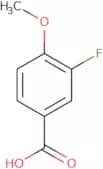
CAS:<p>O-Ethoxybenzoyl chloride is a pesticide that belongs to the group of sildenafil. It inhibits the activity of prolyl endopeptidase, an enzyme that degrades the peptide hormone vasoactive intestinal polypeptide (VIP). This inhibition prevents degradation of VIP, which is important for the regulation of blood vessel tone. The compound has been shown to be effective against Sclerotinia sclerotiorum and Claviceps purpurea. O-Ethoxybenzoyl chloride has been shown to have a high level of tolerance in plants and animals. It also has been found to be safe for humans with its low toxicity levels and low acute toxicity. It is not classified as hazardous by the World Health Organization (WHO).</p>Formula:C9H9ClO2Purity:Min. 95%Molecular weight:184.62 g/mol3-Fluoro-4-methoxybenzoic acid
CAS:<p>3-Fluoro-4-methoxybenzoic acid is a dipolar molecule with a fluorine atom. It has been synthesized experimentally and the yields are determined by the experimental conditions. 3-Fluoro-4-methoxybenzoic acid has two isomers, which can be differentiated by their resonances. The molecule also has an asymmetric C3(CF)2Cl group in the middle of its structure that can rotate freely.</p>Formula:C8H7FO3Purity:Min. 95%Color and Shape:PowderMolecular weight:170.14 g/molRef: 3D-FF55157
Discontinued productPeptide YY (3-36) (human) trifluoroacetate salt
CAS:<p>Peptide YY (3-36) (human) trifluoroacetate salt H-Ile-Lys-Pro-Glu-Ala-Pro-Gly-Glu-Asp-Ala-Ser-Pro-Glu-Glu-Leu-Asn -Arg -Tyr -Tyr -Ala -Ser -Leu -Arg <br>Peptide YY (3.36) is a peptide hormone that is secreted by L cells in the small intestine and colon. It has been shown to be an effective treatment for obesity, type 2 diabetes, and other metabolic disorders. Peptide YY (3.36) has been shown to increase insulin sensitivity, reduce food intake and body weight, increase metabolic rate, and improve glucose homeostasis in animal studies. In humans, it has been found to have similar effects on postprandial plasma levels of peptide YY (3.</p>Formula:C180H279N53O54Purity:Min. 95%Molecular weight:4,049.47 g/molRef: 3D-FP110326
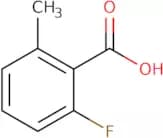
Discontinued product2-Fluoro-6-methylbenzoic acid
CAS:<p>Please enquire for more information about 2-Fluoro-6-methylbenzoic acid including the price, delivery time and more detailed product information at the technical inquiry form on this page</p>Formula:C8H7FO2Purity:Min. 98 Area-%Color and Shape:White PowderMolecular weight:154.14 g/molRef: 3D-FF67796
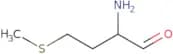
Discontinued productH-Met-2-chlorotrityl resin (200-400 mesh) (Low Substitution)
<p>Please enquire for more information about H-Met-2-chlorotrityl resin (200-400 mesh) (Low Substitution) including the price, delivery time and more detailed product information at the technical inquiry form on this page</p>Purity:Min. 95%Ref: 3D-FM111791
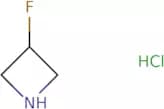
Discontinued product3-fluoroazetidine hydrochloride
CAS:<p>3-fluoroazetidine hydrochloride is a chemical compound that can be used as a building block, intermediate or reagent in the synthesis of other compounds. It has been shown to be an effective substitute for 3-fluoropyridine in the synthesis of 1,2,4-triazoles. 3-fluoroazetidine hydrochloride is also used as a reaction component in the manufacture of pharmaceuticals, dyes and pesticides.</p>Formula:C3H7ClFNPurity:Min. 95%Color and Shape:White/Off-White SolidMolecular weight:111.55 g/molRef: 3D-FF104364
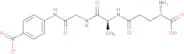
Discontinued productH-Glu(Ala-Gly-pNA)-OH trifluoroacetate salt
CAS:<p>Please enquire for more information about H-Glu(Ala-Gly-pNA)-OH trifluoroacetate salt including the price, delivery time and more detailed product information at the technical inquiry form on this page</p>Formula:C16H21N5O7Purity:Min. 95%Molecular weight:395.37 g/molRef: 3D-FG110809
Discontinued productVesicular Stomatitis Virus Nucleoprotein (52-59) trifluoroacetate salt
CAS:<p>Please enquire for more information about Vesicular Stomatitis Virus Nucleoprotein (52-59) trifluoroacetate salt including the price, delivery time and more detailed product information at the technical inquiry form on this page</p>Formula:C44H66N12O12Purity:Min. 95%Molecular weight:955.07 g/molRef: 3D-FV110198
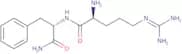
Discontinued productH-Arg-Phe-NH2 hydrochloride salt
CAS:<p>H-Arg-Phe-NH2 hydrochloride salt (H-RF) is a physiological agent that has been shown to have effects on the response element binding protein. H-RF is a small, water soluble molecule that has been shown to act as an agonist for peptides and cation channels in vitro. The peptides are involved in the regulation of cardiac function and locomotor activity, while the cation channel regulates the opening and closing of potassium channels. The binding of H-RF to these receptors leads to positive changes in energy metabolism, which may be due to its ability to activate ATPase. H-RF also binds strongly to disulfide bonds found in proteins such as peptide hormones and enzymes. These disulfide bonds are important for maintaining protein structure and function.</p>Formula:C15H24N6O2Purity:Min. 95%Molecular weight:320.39 g/molRef: 3D-FA107989
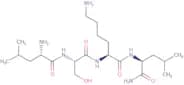
Discontinued productH-Leu-Ser-Lys-Leu-NH2 trifluoroacetate salt
CAS:L-Leu-Ser-Lys-Leu-NH2 is a cyclic peptide with the amino acid sequence H-Leu-Ser-Lys-Leu. It has been shown to have receptor activity and can be used as an experimental model of growth factors. L-Leu-Ser-Lys-Leu was found to stimulate collagen synthesis in a collagen gel, which may be due to its ability to inhibit the release of growth factor β1. L-Leu-Ser Lys Leu also has anti cancer effects by inhibiting the proliferation of malignant brain cells, as well as tubulointerstitial injury and renal cell carcinoma. This compound may also have some use in treating subarachnoid hemorrhage and fetal bovine serum (FBS) for tissue culture.Formula:C21H42N6O5Purity:Min. 95%Molecular weight:458.6 g/molRef: 3D-FL109362
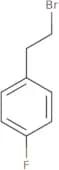
Discontinued product4-Fluorophenethyl bromide
CAS:<p>4-Fluorophenethyl bromide is an antagonist that blocks the binding of agonists to β-adrenoceptors. It has been shown to be a potent and selective antagonist of the β-adrenoceptor, with little effect on other receptors. This compound has been synthesized by reacting 4-fluorobenzeneethanol with ethyl bromoacetate, leading to a product that has a high affinity for β-adrenoceptors. In animal studies, 4-fluorophenethyl bromide was found to be selective for the trachea, inhibiting airway constriction responses in rats. This compound also had high potency, as it was able to produce an increase in heart rate in animals at low dosages.</p>Formula:C8H8BrFPurity:Min. 95%Molecular weight:203.05 g/molRef: 3D-FF23447
Discontinued product5-Bromothieno[2,3-b]pyridine
CAS:<p>Please enquire for more information about 5-Bromothieno[2,3-b]pyridine including the price, delivery time and more detailed product information at the technical inquiry form on this page</p>Formula:C7H4BrNSPurity:Min. 95%Molecular weight:214.08 g/molRef: 3D-FB111196
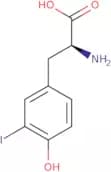
Discontinued product3-Iodo-L-tyrosine
CAS:<p>Please enquire for more information about 3-Iodo-L-tyrosine including the price, delivery time and more detailed product information at the technical inquiry form on this page</p>Formula:C9H10INO3Purity:Min. 96.0 Area-%Color and Shape:PowderMolecular weight:307.09 g/molRef: 3D-FI12110
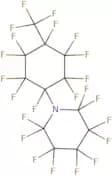
Discontinued productPerfluoro-N-(4-methylcyclohexyl)piperidine
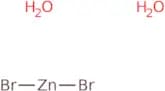
CAS:Controlled Product<p>Perfluoro-N-(4-methylcyclohexyl)piperidine (4-FPP) is a fluorine compound that has been shown to inhibit the enzymatic activity of tyrosine kinases. It is a potent inhibitor of both human and murine tyrosine kinases, but it does not bind to bacterial tyrosine kinase domains. 4-FPP has been used in clinical studies as an anti-cancer drug, although it's clinical relevance remains unclear. It has also been shown to be effective against the influenza virus by inhibiting the synthesis of viral proteins that are involved in replication. The chemical structure of 4-FPP contains a carbonyl group that can react with other compounds through a photochemical process. This reaction is thought to result in the development of new drugs with similar biochemical properties to 4-FPP.</p>Formula:C12F23NPurity:Min. 95%Color and Shape:Clear LiquidMolecular weight:595.1 g/molZinc bromide dihydrate
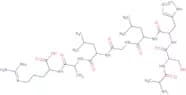
CAS:<p>Zinc bromide dihydrate is a crystalline compound that is used as a catalyst for the conversion of metalloporphyrins to hydroporphyrins. This process is used in the production of vitamin B12. Zinc bromide dihydrate can also be used to inhibit the function of ion pumps, which are proteins that pump ions across membranes. The inhibition of these pumps may lead to a decrease in intracellular calcium levels and an increase in free radicals.<br>Zinc bromide dihydrate has been shown to react with chlorophylls, vinylated heterostructures, and polyvinyl nonmetals. These reactions produce morphology changes in zinc bromide dihydrate crystals</p>Formula:ZnBr2•2H2OPurity:Min. 95%Color and Shape:PowderMolecular weight:261.22 g/molH-Gly-Arg-Gly-Asp-D-Ser-Pro-OH trifluoroacetate salt
CAS:<p>H-Gly-Arg-Gly-Asp-D-Ser-Pro-OH trifluoroacetate salt (HGGDS) is a collagen gel that is used in the treatment of autoimmune diseases, such as arthritis and lupus. HGGDS inhibits the production of fibrinogen, which is a protein involved in blood clotting, by binding to its receptor on human fibroblasts. It also inhibits the production of basic proteins needed for the generation of collagen and activation of integrin receptors, which are involved in cell adhesion and migration. HGGDS also blocks transcription polymerase chain reactions (PCRs), which are necessary for the synthesis of DNA. This can lead to a decrease in cell proliferation and an increase in apoptosis.</p>Formula:C22H37N9O10Purity:Min. 95%Molecular weight:587.58 g/molRef: 3D-FG108903
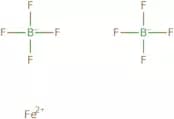
Discontinued productIron(II) tetrafluoroborate - 40-45% aqueous solution
CAS:<p>Iron(II) tetrafluoroborate is a green-yellow crystalline solid that is soluble in water. It has been shown to have structural and optical properties that are similar to those of ferric chloride, but with the advantage of being less toxic. Iron(II) tetrafluoroborate is used as a homogeneous catalyst for organic reactions such as the hydrogenation of nitroarenes and the reduction of ketones. The catalytic activity of Iron(II) tetrafluoroborate arises from its ability to form hydrogen bonding interactions with other molecules and ions in solution.<br>Iron(II) tetrafluoroborate undergoes a number of reactions with other compounds, including cleavage products such as hydrogen sulfate and nitrogen atoms, which may be due to its chelate ligand. In coordination chemistry, Iron(II) tetrafluoroborate can form coordination complexes by reacting with potassium dichromate or calcium carbonate. These complexes are</p>Formula:B2F8FePurity:About 45%Color and Shape:Slightly Green Clear LiquidMolecular weight:229.45 g/molRef: 3D-FI105721
Discontinued productC3a (70-77)
CAS:<p>C3a is a molecule that is part of the complement system. It was first discovered in leukocytes and has since been detected in other populations. C3a is a chemotactic factor for neutrophils and eosinophils, which are types of white blood cells. C3a binds to the surface of cells by means of protein-antibody interactions, and it can also act as an anaphylatoxin by binding to mast cell receptors.</p>Formula:C35H61N13O10Purity:Min. 95%Molecular weight:823.94 g/molRef: 3D-FC108495
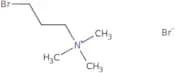
Discontinued product3-Bromo-N,N,N-trimethylpropan-1-aminium bromide
CAS:<p>3-Bromo-N,N,N-trimethylpropan-1-aminium bromide (3BMPBA) is a chemical reagent for the preparation of amino acid standards for high performance liquid chromatography. It is a solid, white crystalline powder that is stable in cell culture and has no significant effects on chemical stability and basic proteins. 3BMPBA is also used as a crosslinker in polymeric film to increase mechanical strength and chemical resistance. 3BMPBA binds to basic proteins through ionic interactions, which can be disrupted by acid or base treatment. 3BMPBA may be used to prepare aqueous solutions of amino acids with good chemical stability for analytical purposes.</p>Formula:C6H15Br2NPurity:Min. 95%Color and Shape:White PowderMolecular weight:261 g/mol3-Iodo-1H-pyrrolo[2,3-b]pyridine
CAS:<p>3-Iodo-1H-pyrrolo[2,3-b]pyridine (3IOP) is a molecule that has been shown to be cytotoxic against human ovarian carcinoma cells. It induces significant cytotoxicity in cancer cell lines and inhibits the proliferation of lung fibroblasts. 3IOP has been shown to activate cellular signaling pathways and cause multinuclear DNA damage.</p>Formula:C7H5IN2Purity:Min. 95%Color and Shape:PowderMolecular weight:244.03 g/molRef: 3D-FI42979
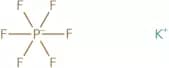
Discontinued productPotassium hexafluorophosphate
CAS:<p>Potassium hexafluorophosphate is a chemical compound that is used as an antimicrobial agent in the laboratory. It reacts with hydroxyl groups on various surfaces to form potassium hexafluorophosphate and water. The reaction solution can be used to disinfect equipment and surfaces, and is stable at room temperature. Potassium hexafluorophosphate has been shown to have biological properties such as inhibiting the growth of bacteria and fungi, but not viruses. This chemical compound has been shown to be effective against E. coli, Klebsiella pneumoniae, Staphylococcus aureus, Proteus vulgaris, Bacillus subtilis, Pseudomonas aeruginosa, Aspergillus niger, Candida albicans, or Saccharomyces cerevisiae.</p>Formula:KPF6Purity:Min. 95%Color and Shape:PowderMolecular weight:184.06 g/molLIP1 (human) trifluoroacetate salt
<p>Please enquire for more information about LIP1 (human) trifluoroacetate salt including the price, delivery time and more detailed product information at the technical inquiry form on this page</p>Formula:C133H229N45O37Purity:Min. 95%Molecular weight:3,050.52 g/molRef: 3D-FL109895
Discontinued productHCV NS4A Protein (22-33) (FDA strain) trifluoroacetate salt
CAS:<p>Please enquire for more information about HCV NS4A Protein (22-33) (FDA strain) trifluoroacetate salt including the price, delivery time and more detailed product information at the technical inquiry form on this page</p>Formula:C54H99N15O14SPurity:Min. 95%Molecular weight:1,214.52 g/molRef: 3D-FH109152
Discontinued product(1,2-Dibromoethyl)benzene
CAS:<p>(1,2-Dibromoethyl)benzene is an organic compound that belongs to the group of cationic surfactants. It can be used as a particle in analytical methods and has been shown to react with hydroxyl groups on the surface of silica gel. (1,2-Dibromoethyl)benzene has also been used in a reaction with chlorides, nitrates, and inorganic acids to form hydrochloric acid. The reaction products are hydroxyl group, chloride, nitrogen atoms, inorganic acid, hydroxy group, hydrogen chloride, diameter, water vapor.</p>Formula:C8H8Br2Purity:Min. 95%Color and Shape:PowderMolecular weight:263.96 g/molRef: 3D-FD54801
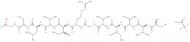
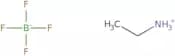
Discontinued productEthylammonium Tetrafluoroborate
CAS:Controlled Product<p>Ethylammonium tetrafluoroborate is an ionic liquid that is a colorless, nonvolatile liquid at room temperature. It has a melting point of -9 °C and a boiling point of 230 °C. This compound is soluble in water and organic solvents, but insoluble in diethyl ether. Ethylammonium tetrafluoroborate can be used as an electrolyte for lithium-ion batteries. The reversible oxidation reaction of ethylammonium tetrafluoroborate can be catalyzed by the addition of fluorine or carbonyl groups to the molecule. The NMR spectra of ethylammonium tetrafluoroborate show that it contains an alcohol group with a phase transition temperature near 35 °C and an activation energy near 15 kJ/mol. This compound also undergoes polymerization reactions with various types of monomers, such as vinyl acetate and methyl methacrylate,</p>Formula:C2H7BF4NPurity:Min. 95%Color and Shape:PowderMolecular weight:131.89 g/molRef: 3D-FE79944
Discontinued product5'-Chloro-2'-hydroxy-3'-nitro-[1,1'-biphenyl]-3-carboxylic acid
CAS:<p>Please enquire for more information about 5'-Chloro-2'-hydroxy-3'-nitro-[1,1'-biphenyl]-3-carboxylic acid including the price, delivery time and more detailed product information at the technical inquiry form on this page</p>Formula:C13H8ClNO5Purity:Min. 95%Molecular weight:293.66 g/mol(Gly21)-Amyloid b-Protein (1-40) trifluoroacetate salt
CAS:<p>Please enquire for more information about (Gly21)-Amyloid b-Protein (1-40) trifluoroacetate salt including the price, delivery time and more detailed product information at the technical inquiry form on this page</p>Formula:C193H293N53O58SPurity:Min. 95%Molecular weight:4,315.78 g/molRef: 3D-FG109937
Discontinued product





![5-Bromothieno[2,3-b]pyridine](/_next/image/?url=https%3A%2Fstatic.cymitquimica.com%2Fproducts%2F3D%2Fthumb-webp%2FFB111196.webp&w=3840&q=75)

![3-Iodo-1H-pyrrolo[2,3-b]pyridine](/_next/image/?url=https%3A%2Fstatic.cymitquimica.com%2Fproducts%2F3D%2Fthumb-webp%2FFI42979.webp&w=3840&q=75)


![5'-Chloro-2'-hydroxy-3'-nitro-[1,1'-biphenyl]-3-carboxylic acid](/_next/image/?url=https%3A%2Fstatic.cymitquimica.com%2Fproducts%2F3D%2Fthumb-webp%2FFC159731.webp&w=3840&q=75)