Organic Halides
Subcategories of "Organic Halides"
Found 20442 products of "Organic Halides"
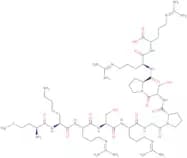
Bradykinin-Like Neuropeptide (Aplysia californica) trifluoroacetate salt
CAS:Please enquire for more information about Bradykinin-Like Neuropeptide (Aplysia californica) trifluoroacetate salt including the price, delivery time and more detailed product information at the technical inquiry form on this page
Formula:C53H98N24O14SPurity:Min. 95%Molecular weight:1,327.56 g/molRef: 3D-FB108499
Discontinued product1-Bromo-4-chlorobutane
CAS:1-Bromo-4-chlorobutane, also known as 4-bromo-1-chlorobutane, is a chemical compound with the molecular formula C6H5BrCl. It is a member of the group p2 of the periodic table and has been shown to be carcinogenic in animal studies. The compound is also used as an intermediate in the synthesis of other chemicals such as p-hydroxybenzoic acid. 1-Bromo-4-chlorobutane is used for treating infectious diseases such as malaria by interfering with purine metabolism. It can be administered orally or intravenously and has low bioavailability due to its rapid hydrolysis in the gastrointestinal tract.
Formula:C4H8BrClPurity:Min. 95%Molecular weight:171.46 g/molRef: 3D-FB00908
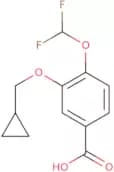
Discontinued product3-Cyclopropylmethoxy-4-difluoromethoxy-benzoic acid
CAS:3-Cyclopropylmethoxy-4-difluoromethoxy-benzoic acid is an industrial chemical that is used as a binding agent in the production of dyes, rubber, and pharmaceuticals. The compound is produced by the acylation of 3-chloromethoxybenzoic acid with cyclopropylmethanol. This reaction requires an inorganic base such as potassium carbonate or sodium bicarbonate to activate the chloride. 3-Cyclopropylmethoxy-4-difluoromethoxybenzoic acid can be used as a reactive alkylating agent for the production of amides and other organic compounds, which increases its versatility.
Formula:C12H12O4F2Purity:Min. 95%Color and Shape:White/Off-White SolidMolecular weight:258.22 g/molPACAP-38 (31-38) (human, chicken, mouse, ovine, porcine, rat) trifluoroacetate salt
CAS:Please enquire for more information about PACAP-38 (31-38) (human, chicken, mouse, ovine, porcine, rat) trifluoroacetate salt including the price, delivery time and more detailed product information at the technical inquiry form on this pageFormula:C47H83N17O11Purity:Min. 95%Molecular weight:1,062.27 g/molRef: 3D-FP109526
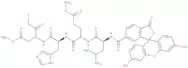
Discontinued productFluorescein-6-carbonyl-Leu-Glu(OMe)-His-DL-Asp(OMe)-fluoromethylketone
CAS:Please enquire for more information about Fluorescein-6-carbonyl-Leu-Glu(OMe)-His-DL-Asp(OMe)-fluoromethylketone including the price, delivery time and more detailed product information at the technical inquiry form on this page
Formula:C45H47FN6O14Purity:Min. 95%Molecular weight:914.89 g/molThr-Ala-Pro-Arg-Atrial Natriuretic Factor (1-28) (human, bovine, porcine) trifluoroacetate salt
CAS:Thr-Ala-Pro-Arg-Atrial Natriuretic Factor (1-28) (human, bovine, porcine) trifluoroacetate salt is a peptide hormone that regulates blood pressure by causing the kidneys to excrete sodium and water. It is used as a model system for studying the physiological effects of urodilatin and has been shown to inhibit the cyclase enzyme. Thr-Ala-Pro-Arg-Atrial Natriuretic Factor (1-28) (human, bovine, porcine) trifluoroacetate salt may also have an antihypertensive effect through its ability to reduce levels of natriuretic peptides in plasma. This drug is also being investigated as a possible treatment for congestive heart failure. The small molecular weight makes it suitable for use as a natriuretic or antihypertensive drug with minimal side effects.
Formula:C145H234N52O44S3Purity:Min. 95%Molecular weight:3,505.93 g/molRef: 3D-FT108857
Discontinued product5-Bromo-2-(methylthio)pyrimidine
CAS:5-Bromo-2-(methylthio)pyrimidine is a synthetic compound that has been used to synthesize palladium complexes. It can also be used in the synthesis of vitamin B1, which is an essential nutrient for humans and animals. 5-Bromo-2-(methylthio)pyrimidine binds with magnesium and reacts with sulfoxide, nucleophilic attack and electronegativity. 5-Bromo-2-(methylthio)pyrimidine is activated by 2-chlorobenzothiazole and hydrogen chloride, which leads to nucleophilic attack on the electrophilic carbon atom. This causes a displacement reaction with the elimination of chlorine gas and production of dihydro.
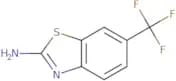
Formula:C5H5BrN2SPurity:Min. 95%Molecular weight:205.08 g/mol2-Amino-6-(trifluoromethyl)benzothiazole
CAS:2-Amino-6-(trifluoromethyl)benzothiazole is a new, optimised insecticide with alkylthio, halogen and alkoxy groups. It is highly toxic to insects and has been shown to be active against various species of Lepidoptera, Coleoptera and Diptera. 2-Amino-6-(trifluoromethyl)benzothiazole is also a broad spectrum contact insecticide that exhibits systemic properties. This insecticide can be used on plants, crops, livestock and pets.Formula:C8H5F3N2SPurity:Min. 95%Molecular weight:218.2 g/molRef: 3D-FA53923
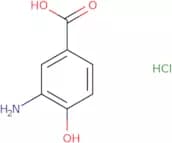
Discontinued product3-Amino-4-hydroxybenzoic acid hydrochloride
CAS:3-Amino-4-hydroxybenzoic acid hydrochloride (3ABA) is a crystalline compound with a molecular formula of C6H5NO2. It is an acidic compound that is soluble in water and alcohol, but not in ether. 3ABA has been used as the starting material for the synthesis of many other organic compounds. It can be obtained by reacting phenol with chlorobenzoyl chloride to form the chlorobenzoate salt, which on hydrolysis yields 3ABA. This compound has also been used as a reagent for synthesizing carbon nanotubes. The crystal structure of 3ABA was determined using X-ray diffraction data from crystallographic studies, and it was found to have three independent molecules per unit cell. Diffraction indicated that each molecule is composed of two benzene rings joined by a single bond between carbon atoms 1 and 2 and another bond between carbon atoms 2 and 3.
Formula:C7H8ClNO3Purity:Min. 95%Molecular weight:189.6 g/molAmyloid b-Protein (6-20) trifluoroacetate salt
CAS:Please enquire for more information about Amyloid b-Protein (6-20) trifluoroacetate salt including the price, delivery time and more detailed product information at the technical inquiry form on this page
Formula:C86H119N23O23Purity:Min. 95%Molecular weight:1,843.01 g/molRef: 3D-FA109813
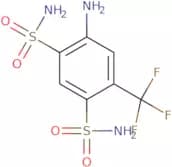
Discontinued product4-Amino-6-(trifluoromethyl)benzene-1,3-disulfonamide
CAS:4-Amino-6-(trifluoromethyl)benzene-1,3-disulfonamide (4AFBDS) is a chemical compound that can be used for the treatment of wastewater. It has shown to be effective against anhydrase, which is an enzyme that catalyzes the conversion of water to hydrogen peroxide and hydroxide ion. 4AFBDS also attenuates oxidative stress in cardiac cells and inhibits the production of active oxygen species by inhibiting the activity of carbonic anhydrase. The chromatographic method used to detect 4AFBDS was found to be more sensitive than a standard colorimetric assay, making it a better tool for detecting this compound in wastewater samples. br> br> br> br> br> This compound has been shown to have inhibitory effects on e3 ubiquitin ligase, which plays a role in protein degradation via aut
Formula:C7H8F3N3O4S2Purity:Min. 95%Molecular weight:319.28 g/molRef: 3D-FA29652
Discontinued productTrimethylsulfoxonium bromide
CAS:Trimethylsulfoxonium Bromide is a fungicide that inhibits the growth of fungal cells. It binds to the sterol biosynthesis pathway and disrupts the production of ergosterol, which is an essential component for fungal cell membranes. Trimethylsulfoxonium Bromide has been shown to be effective against chronic bronchitis and other pulmonary diseases. This drug also has a horticultural use as a plant growth regulator. The chemical formula for Trimethylsulfoxonium Bromide is C1-C4-haloalkyl, profile, tebuconazole, fluconazole, triethyl orthoformate, chronic bronchitis, carbonyl group, hydroxyl group, anti-fungal.
Formula:C3H9BrOSPurity:Min. 95%Molecular weight:173.07 g/molBiotinyl-Pancreatic Polypeptide (human) trifluoroacetate salt
CAS:Please enquire for more information about Biotinyl-Pancreatic Polypeptide (human) trifluoroacetate salt including the price, delivery time and more detailed product information at the technical inquiry form on this page
Formula:C195H301N55O56S3Purity:Min. 95%Molecular weight:4,408.01 g/molRef: 3D-FB110183
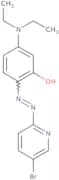
Discontinued product2-(5-Bromo-2-pyridylazo)-5-(diethylamino)phenol
CAS:2-(5-Bromo-2-pyridylazo)-5-(diethylamino)phenol is a chemical that is used for the detection of hydrochloric acid in water vapor. It reacts with zirconium oxide, which generates a red fluorescing complex. The reaction can be detected by using a fluorescence spectrometer with a test sample. 2-(5-Bromo-2-pyridylazo)-5-(diethylamino)phenol is also used to detect the presence of nitrogen atoms and sodium citrate in samples by reacting with them. This chemical reacts with an acid complex to form stable complexes. The analytical method is based on measuring the redox potential of this reaction. The flow system of this technique allows for dehydration of dehydroascorbic acid (DHA).
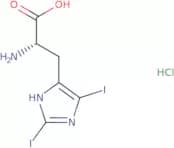
Formula:C15H17BrN4OPurity:Min. 95%Color and Shape:PowderMolecular weight:349.23 g/molH-2,5-Diiodo-His-OH·HCl
CAS:Please enquire for more information about H-2,5-Diiodo-His-OH·HCl including the price, delivery time and more detailed product information at the technical inquiry form on this page
Formula:C6H7I2N3O2·HClPurity:Min. 95%Molecular weight:443.41 g/molRef: 3D-FD107915
Discontinued productAbz-Ala-Phe-Arg-Phe-Ser-Gln-EDDnp trifluoroacetate salt
CAS:Please enquire for more information about Abz-Ala-Phe-Arg-Phe-Ser-Gln-EDDnp trifluoroacetate salt including the price, delivery time and more detailed product information at the technical inquiry form on this pageFormula:C50H63N15O13Purity:Min. 95%Molecular weight:1,082.13 g/molRef: 3D-FA110993
Discontinued product(3R)-3-[(tert-Butoxycarbonyl)amino]-4-(2,4-difluorophenyl)butanoic acid
CAS:Please enquire for more information about (3R)-3-[(tert-Butoxycarbonyl)amino]-4-(2,4-difluorophenyl)butanoic acid including the price, delivery time and more detailed product information at the technical inquiry form on this page
Formula:C15H19F2NO4Purity:Min. 95%Molecular weight:315.31 g/molRef: 3D-FB99243
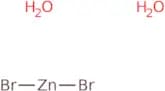
Discontinued productZinc bromide dihydrate
CAS:Zinc bromide dihydrate is a crystalline compound that is used as a catalyst for the conversion of metalloporphyrins to hydroporphyrins. This process is used in the production of vitamin B12. Zinc bromide dihydrate can also be used to inhibit the function of ion pumps, which are proteins that pump ions across membranes. The inhibition of these pumps may lead to a decrease in intracellular calcium levels and an increase in free radicals.
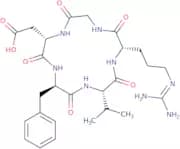
Zinc bromide dihydrate has been shown to react with chlorophylls, vinylated heterostructures, and polyvinyl nonmetals. These reactions produce morphology changes in zinc bromide dihydrate crystalsFormula:ZnBr2•2H2OPurity:Min. 95%Color and Shape:PowderMolecular weight:261.22 g/molCyclo(-Arg-Gly-Asp-D-Phe-Val) trifluoroacetate salt
CAS:Cyclo(-Arg-Gly-Asp-D-Phe-Val) trifluoroacetate salt is a basic fibroblast growth factor that has been shown to have proliferative effects on diabetic retinopathy and ocular neovascularization. It binds to integrin receptors on the surface of cells, which are involved in cell adhesion. Cyclo(-Arg-Gly-Asp-D-Phe-Val) trifluoroacetate salt also has antiangiogenic effects and blocks the angiogenesis process by inhibiting the production of epidermal growth factor (EGF). This drug may be useful for treating certain types of cancer such as malignant brain tumors or neuroblastomas, because it can cause neuronal death. Cyclo(-Arg-Gly-Asp-D-Phe-Val) trifluoroacetate salt is a cyclic peptide with a reactive amino acid side chain.Formula:C26H38N8O7Purity:Min. 95%Molecular weight:574.63 g/molRef: 3D-FC108714
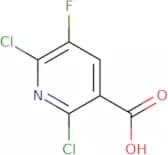
Discontinued product2,6-Dichloro-5-fluoronicotinic acid
CAS:2,6-Dichloro-5-fluoronicotinic acid (2,6-DCFNA) is a chlorinating agent that is activated in acidic solutions. It is used to produce the disinfectant peracetic acid and in the industrial process of producing phenol. 2,6-DCFNA reacts with chloride to form hypochlorous acid (HOCl), which causes inflammation in cells by activating inflammatory cells such as neutrophils and macrophages. 2,6-DCFNA also inhibits tyrosine kinase activity, which may contribute to its anti-inflammatory properties. The toxic effects of 2,6-DCFNA have been studied on hematopoietic cells in vitro. Studies show that this compound can cause apoptosis or death of these cells and may be useful for the treatment of inflammatory diseases such as rheumatoid arthritis. 2,6-DCFNA has also been shown to inhibit tumor growth when
Formula:C6H2Cl2FNO2Purity:Min. 95%Color and Shape:PowderMolecular weight:209.99 g/molRef: 3D-FD70870
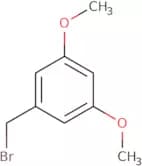
Discontinued product3,5-Dimethoxybenzyl bromide
CAS:3,5-Dimethoxybenzyl bromide is a difluoro compound that has been synthesized as a potential CB2 receptor agonist. It has been shown to bind to both CB1 and CB2 receptors in cell culture. 3,5-Dimethoxybenzyl bromide has also been shown to inhibit the growth of mouse melanoma cells by inducing apoptosis and cell cycle arrest, which may be due to its ability to demethylate pterostilbene derivatives. 3,5-Dimethoxybenzyl bromide is an example of a nucleophilic agent because it can donate a proton from the hydroxyl group on the benzene ring. The chloride ion forms an ionic bond with the negatively charged oxygen atom on the benzoic acid group. This type of bond is called an ester linkage or ester bond.
Formula:C9H11O2BrPurity:Min. 94%Color and Shape:PowderMolecular weight:231.09 g/molRef: 3D-FD12590
Discontinued productAmyloid beta-Protein (1-40) (scrambled) trifluoroacetate salt
CAS:Please enquire for more information about Amyloid beta-Protein (1-40) (scrambled) trifluoroacetate salt including the price, delivery time and more detailed product information at the technical inquiry form on this pageFormula:C194H295N53O58SPurity:Min. 95%Molecular weight:4,329.81 g/molRef: 3D-FA110091
Discontinued productAmyloid beta-Protein (1-11) trifluoroacetate salt
CAS:Please enquire for more information about Amyloid beta-Protein (1-11) trifluoroacetate salt including the price, delivery time and more detailed product information at the technical inquiry form on this page
Formula:C56H76N16O22Purity:Min. 95%Molecular weight:1,325.3 g/molRef: 3D-FA108822
Discontinued productNeuropeptide Y-Lys(biotinyl) (free acid) (human, rat) trifluoroacetate salt
Please enquire for more information about Neuropeptide Y-Lys(biotinyl) (free acid) (human, rat) trifluoroacetate salt including the price, delivery time and more detailed product information at the technical inquiry form on this page
Formula:C205H310N58O61S2Purity:Min. 95%Molecular weight:4,627.14 g/molRef: 3D-FN110180
Discontinued productNociceptin trifluoroacetate salt
CAS:Nociceptin trifluoroacetate salt is an opioid with low potency that is used in the treatment of pain. It has been shown to bind to the protein and inhibit protease, which has been proposed as a possible mechanism for its analgesic effects. Nociceptin trifluoroacetate salt may also have indirect effects on brain functions by regulating levels of nociceptin, a neuropeptide that interacts with nociceptive neurons in the brain. This drug has been shown to have nootropic effects in mice, including increased locomotor activity and improved memory retention. Nociceptin trifluoroacetate salt inhibits kappa-opioid receptors and is therefore used as a pharmacological tool for research into opioid receptor function.
Formula:C79H129N27O22Purity:Min. 95%Molecular weight:1,809.04 g/molRef: 3D-FN108853
Discontinued product(2E)-1-[5,6-Dihydro-3-(trifluoromethyl)-1,2,4-triazolo[4,3-a]pyrazin-7(8H)-yl]-4-(2,4,5-trifluorophenyl)-2-buten-1-one
CAS:Please enquire for more information about (2E)-1-[5,6-Dihydro-3-(trifluoromethyl)-1,2,4-triazolo[4,3-a]pyrazin-7(8H)-yl]-4-(2,4,5-trifluorophenyl)-2-buten-1-one including the price, delivery time and more detailed product information at the technical inquiry form on this page
Formula:C16H12F6N4OPurity:95%NmrMolecular weight:390.28 g/molAmyloid beta-Protein (40-1) trifluoroacetate salt
CAS:Trifluoroacetate salt
Formula:C194H295N53O58SPurity:Min. 95%Molecular weight:4,329.81 g/molRef: 3D-FA108830
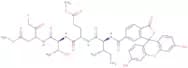
Discontinued productFluorescein-6-carbonyl-Ile-Glu(OMe)-Thr-DL-Asp(OMe)-fluoromethylketone
CAS:Please enquire for more information about Fluorescein-6-carbonyl-Ile-Glu(OMe)-Thr-DL-Asp(OMe)-fluoromethylketone including the price, delivery time and more detailed product information at the technical inquiry form on this page
Formula:C43H47FN4O15Purity:Min. 95%Molecular weight:878.85 g/molRef: 3D-FF111109
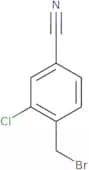
Discontinued product4-(Bromomethyl)-3-chlorobenzonitrile
CAS:4-(Bromomethyl)-3-chlorobenzonitrile is a radioactive compound that has no specific use. It is used for the production of butylamino, which is a precursor to various other compounds. 4-(Bromomethyl)-3-chlorobenzonitrile can be used as an unlabelled replacement for any other radioactive compound in a laboratory setting.
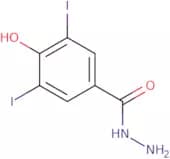
Formula:C8H5BrClNPurity:Min. 95%Color and Shape:SolidMolecular weight:230.49 g/mol3,5-Diiodo-4-hydroxybenzhydrazide
CAS:3,5-Diiodo-4-hydroxybenzhydrazide is a chemical compound that is useful as a building block in organic synthesis. It is a versatile intermediate and can be used in the preparation of heterocyclic compounds and pharmaceuticals. 3,5-Diiodo-4-hydroxybenzhydrazide reacts with alkyl halides to form alkyl iodides, which are important reagents for organic synthesis. 3,5-Diiodo-4-hydroxybenzhydrazide has been used as an effective reagent for the formation of new carbon–carbon bonds and has been shown to be an excellent starting point for the synthesis of biologically active molecules.
Formula:C7H6I2N2O2Purity:Min. 95%Color and Shape:PowderMolecular weight:403.94 g/molRef: 3D-FD67992
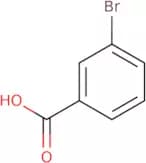
Discontinued product3-Bromobenzoic acid
CAS:3-Bromobenzoic acid is a molecule that is classified as a Group P2. It has an electronegativity of 1.3 and an acidity of 0.8, which are both in the middle range of values for this group. 3-Bromobenzoic acid is soluble in water and is soluble in ethanol, acetone, and ether. The chemical structure of 3-bromobenzoic acid can be determined by its monoclonal antibody binding sites, electrochemical impedance spectroscopy data, and Langmuir adsorption isotherm data. 3-Bromobenzoic acid reacts with hydrochloric acid to form benzoate and HCl gas. Chronic exposure to 3-bromobenzoic acid has been shown to cause glutamate dehydrogenase inhibition, leading to an accumulation of p-hydroxybenzoic acid in the body. This compound also reacts with thiourea or
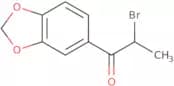
Formula:C7H5BrO2Purity:Min. 95%Color and Shape:PowderMolecular weight:201.02 g/mol2-Bromo-3',4'-(methylenedioxy)propiophenone
CAS:Controlled ProductPlease enquire for more information about 2-Bromo-3',4'-(methylenedioxy)propiophenone including the price, delivery time and more detailed product information at the technical inquiry form on this page
Formula:C10H9BrO3Purity:Min. 95%Color and Shape:PowderMolecular weight:257.08 g/mol(Des-Ser3)-ACTH (1-24) (human, bovine, rat) trifluoroacetate salt
Please enquire for more information about (Des-Ser3)-ACTH (1-24) (human, bovine, rat) trifluoroacetate salt including the price, delivery time and more detailed product information at the technical inquiry form on this pageFormula:C133H205N39O29SPurity:Min. 95%Molecular weight:2,846.36 g/molRef: 3D-FD109958
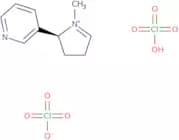
Discontinued productS-(-)-Nicotine-delta1’-(5’)-iminium diperchlorate salt
CAS:Please enquire for more information about S-(-)-Nicotine-delta1’-(5’)-iminium diperchlorate salt including the price, delivery time and more detailed product information at the technical inquiry form on this page
Formula:C10H14Cl2N2O8Purity:Min. 95%Molecular weight:361.13 g/mol2,3,5-Trichlorobenzaldehyde
CAS:2,3,5-Trichlorobenzaldehyde is a chemical compound that has been shown to have anticancer and apoptotic effects. It inhibits the growth of bacteria by chelating iron ions and inhibiting bacterial dna synthesis. 2,3,5-Trichlorobenzaldehyde has also been shown to inhibit the growth of cancer cells in culture in an experimental study. This chemical has been used as a substrate for nmr spectroscopy to study its functional groups and radical scavenging activities. 2,3,5-Trichlorobenzaldehyde can be synthesized from phenacyl chloride and benzaldehyde in the presence of hydrogen chloride gas. The carbonyl group in 2,3,5-trichlorobenzaldehyde may cause metabolic disorders such as diabetes mellitus or hyperglycemia.
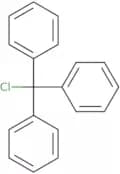
Formula:C7H3Cl3OPurity:Min. 95%Color and Shape:PowderMolecular weight:209.46 g/molTrityl chloride resin
CAS:Trityl chloride resin is a chemical compound that is used as a model system for the study of trifluoroacetic acid and its reactions. Trityl chloride resin is insoluble in water and has been used as a reaction solution for transfer reactions. It has been shown to be an effective ligand for many types of receptors, with binding constants ranging from 10 M-1 to 10 M-10. Trityl chloride resin can also be chiral, which means that it may exist in two forms that are mirror images of each other. The physiological effects of this compound are not well understood, but it has been shown to have an effect on coordination geometry.
Color and Shape:PowderRef: 3D-FT29918
Discontinued productAmmonium Undecafluorohexanoate
CAS:Undecafluorohexanoic acid is a perfluoroalkyl carboxylic acid that has been shown to disrupt steroidogenesis in vitro. It may be able to inhibit the transport of cholesterol, fats, and other lipids in cells, which causes disruption in steroidogenesis. This compound also has anti-cancer properties due to its ability to induce apoptosis and arrest cancer cell proliferation. Undecafluorohexanoic acid may also have developmental effects on animals because it can bind to estrogen receptors and disrupt the normal process of estrogen-mediated signaling pathways.
Formula:C6H4F11NO2Purity:Min. 95%Molecular weight:331.08 g/molRef: 3D-FA79593
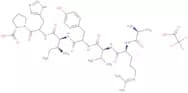
Discontinued productAngiotensin A (1-7) trifluoroacetate
CAS:Endogenous heptapetide which causes vasodilation and has anti-hypertensive properties.
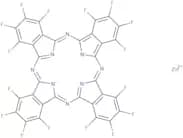
Formula:C40H62N12O9•(C2HF3O2)xPurity:Min. 95%Color and Shape:PowderMolecular weight:855 g/molZinc 1,2,3,4,8,9,10,11,15,16,17,18,22,23,24,25-hexadecafluoro-29H,31H-phthalocyanine
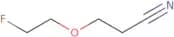
CAS:Please enquire for more information about Zinc 1,2,3,4,8,9,10,11,15,16,17,18,22,23,24,25-hexadecafluoro-29H,31H-phthalocyanine including the price, delivery time and more detailed product information at the technical inquiry form on this pageFormula:C32F16N8ZnPurity:Min. 95%Molecular weight:865.75 g/mol3-(2-Fluoroethoxy)Propanenitrile
CAS:3-(2-Fluoroethoxy)Propanenitrile is a chemical with toxic properties. It is classified as a fluoroacetic acid and has been used in the production of other chemicals. Fluoroacetic acid is toxic to humans, showing signs of skin irritation, respiratory tract irritation, and kidney damage. 3-(2-Fluoroethoxy)Propanenitrile is not found naturally and has been sponsored by many companies.
Formula:C5H8FNOPurity:Min. 95%Molecular weight:117.12 g/molRef: 3D-FF80270
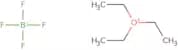
Discontinued productTriethyloxonium tetrafluoroborate
CAS:Triethyloxonium tetrafluoroborate is an antimicrobial agent that inhibits the transfer of electrons from one molecule to another. It has been shown to be effective against methicillin-resistant Staphylococcus aureus and Mycobacterium tuberculosis. Triethyloxonium tetrafluoroborate binds to the bacterial enzyme, Jak1, which is involved in the formation of cytokines and interleukins. This binding inhibits the production of these molecules, leading to cell death by apoptosis. The use of triethyloxonium tetrafluoroborate as a research tool has facilitated its discovery as a potential anti-inflammatory drug for autoimmune diseases such as type 1 diabetes mellitus and rheumatoid arthritis. Triethyloxonium tetrafluoroborate can be used to inhibit amide synthesis, which may have applications in the study of carbohydrate chemistry and nitrogen atoms in biological systems. This compound has also been used
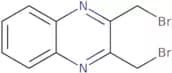
Formula:C6H15BF4OPurity:Min. 95%Color and Shape:PowderMolecular weight:189.99 g/mol2,3-Bis(bromomethyl)quinoxaline
CAS:2,3-Bis(bromomethyl)quinoxaline is a nitrogenous heterocyclic compound that has a coordination geometry of square planar. It has been used as an inhibitor for the protein p21 and the nucleophile in palladium complexes. 2,3-Bis(bromomethyl)quinoxaline is also a model system for studying reaction mechanisms and chemical structures. The electron density map of the compound was obtained by X-ray crystal structure analysis. The reaction mechanism of this molecule is proposed to be through a chelate ring cross-coupling process.
Formula:C10H8Br2N2Purity:Min. 95%Color and Shape:Brown PowderMolecular weight:315.99 g/molRef: 3D-FB04248
Discontinued product





![(3R)-3-[(tert-Butoxycarbonyl)amino]-4-(2,4-difluorophenyl)butanoic acid](/_next/image/?url=https%3A%2Fstatic.cymitquimica.com%2Fproducts%2F3D%2Fthumb-webp%2FFB99243.webp&w=3840&q=75)



![(2E)-1-[5,6-Dihydro-3-(trifluoromethyl)-1,2,4-triazolo[4,3-a]pyrazin-7(8H)-yl]-4-(2,4,5-trifluorop…](/_next/image/?url=https%3A%2Fstatic.cymitquimica.com%2Fproducts%2F3D%2Fthumb-webp%2FFD103313.webp&w=3840&q=75)