Organic Halides
Subcategories of "Organic Halides"
Found 20442 products of "Organic Halides"
Neuromedin S (rat) trifluoroacetate salt
CAS:Please enquire for more information about Neuromedin S (rat) trifluoroacetate salt including the price, delivery time and more detailed product information at the technical inquiry form on this pageFormula:C193H307N57O49SPurity:Min. 95%Molecular weight:4,241.92 g/molRef: 3D-FN109763
Discontinued productZ-Arg-p-nitrobenzyl ester mixture of hydrochloride and hydrobromide salt
CAS:Please enquire for more information about Z-Arg-p-nitrobenzyl ester mixture of hydrochloride and hydrobromide salt including the price, delivery time and more detailed product information at the technical inquiry form on this pageFormula:C21H25N5O6Purity:Min. 95%Molecular weight:443.45 g/molRef: 3D-FA111451
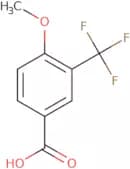
Discontinued product4-Methoxy-3-(trifluoromethyl)benzoic acid
CAS:4-Methoxy-3-(trifluoromethyl)benzoic acid is a useful scaffold that can be used as a building block for the synthesis of complex compounds. It has been shown to react with various reagents and is a versatile building block that can be used in organic synthesis. 4-Methoxy-3-(trifluoromethyl)benzoic acid is a high quality chemical and has been classified as speciality chemicals. This product is also known by the CAS number 213598-09-5.
Formula:C9H7F3O3Purity:Min. 98 Area-%Color and Shape:PowderMolecular weight:220.15 g/mol6-Bromoisoquinoline
CAS:6-Bromoisoquinoline is a tetradentate ligand that can be used as a molecular model to study the binding of metal ions and organic molecules. 6-Bromoisoquinoline has been shown to bind covalently and noncovalently with phosphate groups on the surface of Caco-2 cells and to induce surface-enhanced Raman spectroscopy. This ligand has a high nucleophilicity and reacts readily with chloride, which is an acidic functional group. The reaction products are hydrochloric acid, trifluoroacetic acid, or both. 6-Bromoisoquinoline can also act as an allosteric modulator in some enzymes, such as phosphofructokinase in glycolysis.
Formula:C9H6BrNPurity:Min. 95%Molecular weight:208.05 g/molRef: 3D-FB11908
Discontinued productN-[(RS)-1-Carboxy-3-phenyl-propyl]-Ala-Ala-Phe-4-Abz-OH trifluoroacetate salt
CAS:The N-[(RS)-1-carboxy-3-phenyl-propyl]-Ala-Ala-Phe-4-Abz-OH trifluoroacetate salt is a synthetic substrate for the study of metalloendopeptidase. This compound was used to develop a model system to study the function of human liver, and has been shown to inhibit the growth of PC12 cells. The N-[(RS)-1-Carboxy-3-phenyl-propyl]-Ala-Ala-Phe-4-Abz-OH trifluoroacetate salt is also an experimental model for congestive heart failure. This compound has been shown to increase glomerular filtration rate in experimental animals as well as basic fibroblast growth factor activity in cell culture by increasing intracellular calcium levels.Formula:C32H36N4O7Purity:Min. 95%Molecular weight:588.65 g/molRef: 3D-FR111118
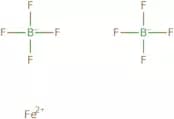
Discontinued productIron(II) tetrafluoroborate - 40-45% aqueous solution
CAS:Iron(II) tetrafluoroborate is a green-yellow crystalline solid that is soluble in water. It has been shown to have structural and optical properties that are similar to those of ferric chloride, but with the advantage of being less toxic. Iron(II) tetrafluoroborate is used as a homogeneous catalyst for organic reactions such as the hydrogenation of nitroarenes and the reduction of ketones. The catalytic activity of Iron(II) tetrafluoroborate arises from its ability to form hydrogen bonding interactions with other molecules and ions in solution.
Iron(II) tetrafluoroborate undergoes a number of reactions with other compounds, including cleavage products such as hydrogen sulfate and nitrogen atoms, which may be due to its chelate ligand. In coordination chemistry, Iron(II) tetrafluoroborate can form coordination complexes by reacting with potassium dichromate or calcium carbonate. These complexes areFormula:B2F8FePurity:About 45%Color and Shape:Slightly Green Clear LiquidMolecular weight:229.45 g/molRef: 3D-FI105721
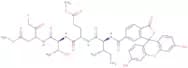
Discontinued productFluorescein-6-carbonyl-Ile-Glu(OMe)-Thr-DL-Asp(OMe)-fluoromethylketone
CAS:Please enquire for more information about Fluorescein-6-carbonyl-Ile-Glu(OMe)-Thr-DL-Asp(OMe)-fluoromethylketone including the price, delivery time and more detailed product information at the technical inquiry form on this page
Formula:C43H47FN4O15Purity:Min. 95%Molecular weight:878.85 g/molRef: 3D-FF111109
Discontinued productAQEE-30 (mouse, rat) trifluoroacetate salt
CAS:Please enquire for more information about AQEE-30 (mouse, rat) trifluoroacetate salt including the price, delivery time and more detailed product information at the technical inquiry form on this page
Formula:C156H245N47O56Purity:Min. 95%Molecular weight:3,674.9 g/molRef: 3D-FA110034
Discontinued productAbz-Lys-Pro-Leu-Gly-Leu-Dap (Dnp)-Ala-Arg-NH2 trifluoroacetate salt
CAS:Please enquire for more information about Abz-Lys-Pro-Leu-Gly-Leu-Dap (Dnp)-Ala-Arg-NH2 trifluoroacetate salt including the price, delivery time and more detailed product information at the technical inquiry form on this page
Formula:C50H77N17O13Purity:Min. 95%Molecular weight:1,124.25 g/molRef: 3D-FA108727
Discontinued product3,5-Diiodothyroformic acid
CAS:3,5-Diiodothyroformic acid is a fine chemical that is used as a versatile building block in organic synthesis. It is also an intermediate for research chemicals and speciality chemicals. In addition to its use as a reagent, 3,5-Diiodothyroformic acid has been shown to be useful as a building block for the synthesis of pharmaceuticals and agricultural chemicals.
Formula:C13H8I2O4Purity:Min. 95%Molecular weight:482.01 g/molRef: 3D-FD66758
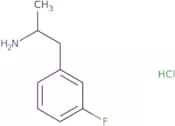
Discontinued productrac 3-fluoro amphetamine hydochloride
CAS:Controlled Product3-Fluoroamphetamine hydrochloride (3FAH) is a histological and microscopic technique used to study the effects of analgesics on human skin. 3FAH is an analgesic that has been shown to reduce pain in a number of studies. It has also been observed to enhance the effects of laser treatments on human skin, as it reduces inflammation and increases transdermal permeation. This drug is applied topically or injected for the treatment of pain, muscle spasms, or Parkinson’s disease. 3FAH can be administered by iontophoresis or permeation techniques, which are both effective ways to deliver drugs through skin.
Formula:C9H13ClFNPurity:Min. 95%Molecular weight:189.66 g/molRef: 3D-FR27448
Discontinued product(Sar 1,Ile4·8)-Angiotensin II trifluoroacetate salt
CAS:Please enquire for more information about (Sar 1,Ile4·8)-Angiotensin II trifluoroacetate salt including the price, delivery time and more detailed product information at the technical inquiry form on this page
Formula:C43H75N13O9Purity:Min. 95%Molecular weight:918.14 g/molRef: 3D-FS109771
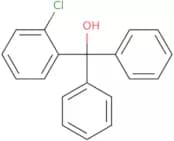
Discontinued product(2-Chlorophenyl)diphenylmethanol
CAS:2-Chlorophenyl)diphenylmethanol is an antifungal drug that blocks the function of a calcium ionophore in fungal cells. It has been shown to be effective against a variety of filamentous fungi, including Aspergillus fumigatus, Candida albicans, and Trichosporon cutaneum. This drug is used as a topical antifungal agent for treatment of skin infections caused by these fungi. 2-Chlorophenyl)diphenylmethanol has been shown to have anti-inflammatory properties in animal models of kidney fibrosis and cell binding. Clinical data suggests that it can be used for the prevention or treatment of stem cell transplantation complications such as graft versus host disease and leukemia.
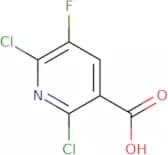
Formula:C19H15ClOPurity:Min. 95%Color and Shape:PowderMolecular weight:294.77 g/mol2,6-Dichloro-5-fluoronicotinic acid
CAS:2,6-Dichloro-5-fluoronicotinic acid (2,6-DCFNA) is a chlorinating agent that is activated in acidic solutions. It is used to produce the disinfectant peracetic acid and in the industrial process of producing phenol. 2,6-DCFNA reacts with chloride to form hypochlorous acid (HOCl), which causes inflammation in cells by activating inflammatory cells such as neutrophils and macrophages. 2,6-DCFNA also inhibits tyrosine kinase activity, which may contribute to its anti-inflammatory properties. The toxic effects of 2,6-DCFNA have been studied on hematopoietic cells in vitro. Studies show that this compound can cause apoptosis or death of these cells and may be useful for the treatment of inflammatory diseases such as rheumatoid arthritis. 2,6-DCFNA has also been shown to inhibit tumor growth when
Formula:C6H2Cl2FNO2Purity:Min. 95%Color and Shape:PowderMolecular weight:209.99 g/molRef: 3D-FD70870
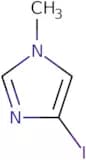
Discontinued product4-Iodo-1-methyl-1H-imidazole
CAS:4-Iodo-1-methyl-1H-imidazole is a trifluoroethylamine that inhibits the activity of tyrosine kinases. It binds to the active site of tyrosine kinase and prevents the binding of ATP, preventing phosphorylation and activation of downstream substrates. 4-Iodo-1-methyl-1H-imidazole has been shown to inhibit the proliferation of tumor xenografts in mice, as well as inhibiting headgroup binding and cellular proliferation in vitro. This agent also has a nanomolar range and high selectivity for protein kinases, which may make it suitable for therapeutic purposes.
Formula:C4H5IN2Purity:Min. 95%Molecular weight:208 g/molRef: 3D-FI140075
Discontinued productAmyloid beta-Protein (1-11) trifluoroacetate salt
CAS:Please enquire for more information about Amyloid beta-Protein (1-11) trifluoroacetate salt including the price, delivery time and more detailed product information at the technical inquiry form on this page
Formula:C56H76N16O22Purity:Min. 95%Molecular weight:1,325.3 g/molRef: 3D-FA108822
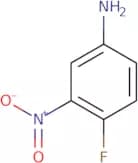
Discontinued product4-Fluoro-3-nitroaniline
CAS:4-Fluoro-3-nitroaniline is a chemical that can be used for industrial preparation. It is an efficient method for the production of 4-fluoroaniline, which is used in the manufacture of dyes and pharmaceuticals. The chemical ionization technique has been shown to be a good way to determine the presence of 4-fluoro-3 nitroaniline in animals. It has also been found to be active against infections caused by bacteria such as Salmonella enterica, Escherichia coli, and Klebsiella pneumoniae. This chemical may have adverse effects on testicular function and hematocrit levels in animals.
Formula:C6H5FN2O2Purity:Min. 95%Molecular weight:156.11 g/mol(Asp371)-Tyrosinase (369-377) (human) trifluoroacetate salt
CAS:Trifluoroacetate saltFormula:C42H66N10O16S2Purity:Min. 95%Molecular weight:1,031.16 g/molRef: 3D-FA110240
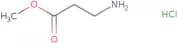
Discontinued productb-Alanine methyl ester hydrochloride
CAS:b-Alanine methyl ester hydrochloride is a fatty acid that is found in animal and plant tissues. It is a bifunctional molecule that can act as an inhibitor of serine proteases and also as an activator of fatty acid uptake by cells. This molecule has the potential to be used for the treatment of heart disease and other conditions caused by activation of serine proteases.
Formula:C4H9NO2·HClPurity:Min. 95%Color and Shape:White PowderMolecular weight:139.58 g/molRef: 3D-FA38110
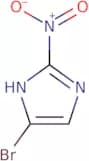
Discontinued product4-Bromo-2-nitro-1H-imidazole
CAS:4-Bromo-2-nitro-1H-imidazole (4BNI) is a synthetic drug that is used in the treatment of cancer. 4BNI inhibits the synthesis of DNA, which leads to cell death by preventing the production of proteins vital for cell division. When 4BNI is taken up by cells it becomes activated and binds to DNA, inhibiting the synthesis of RNA and protein. This process eventually leads to apoptosis (cell death). 4BNI has been shown to be effective against tumors in mice, but has not yet been tested on humans. The uptake of 4BNI in tumor tissue can be visualized using hypoxia imaging techniques such as positron emission tomography or magnetic resonance imaging.
Formula:C3H2BrN3O2Purity:Min. 95%Color and Shape:PowderMolecular weight:191.97 g/mol9-Fluorenone hydrazone
CAS:9-Fluorenone hydrazone is a compound that belongs to the group of chemical compounds known as heterocycles. It can be synthesized by reacting 9-fluorenone with hydrazine. The synthesis proceeds via an intramolecular hydrogen transfer reaction, which forms an unsymmetrical aldehyde. This aldehyde is oxidized to form the corresponding hydrazone through protonation and subsequent attack of a nitrogen nucleophile. Hydrazones are important for their antimicrobial properties and are used in the treatment of bacterial infections such as tuberculosis and leprosy. They are also used in the production of dyes and pharmaceuticals. The mechanism for this reaction involves the formation of an intermediate carbocation, followed by deprotonation to form the final product.
Formula:C13H10N2Purity:Min. 95%Color and Shape:Yellow PowderMolecular weight:194.23 g/molPHM-27 (human) trifluoroacetate salt
CAS:PHM-27 is a human protein that contains a c-terminal histidine and n-terminal lysine. It contains an amino acid composition of histidine, valine, alanine, aspartic acid, glycine, serine, threonine, arginine, and methionine. PHM-27 is present in the cardiovascular system, nervous system, gastrointestinal system, and respiratory system. It has been shown to be involved in the synthesis of peptides important for blood clotting.
Formula:C135H214N34O40SPurity:Min. 95%Molecular weight:2,985.41 g/molRef: 3D-FP109808
Discontinued productAmyloid b-Protein (6-20) trifluoroacetate salt
CAS:Please enquire for more information about Amyloid b-Protein (6-20) trifluoroacetate salt including the price, delivery time and more detailed product information at the technical inquiry form on this page
Formula:C86H119N23O23Purity:Min. 95%Molecular weight:1,843.01 g/molRef: 3D-FA109813
Discontinued product6-Bromo-pyrazolo[1,5-a]pyrimidine
CAS:6-Bromo-pyrazolo[1,5-a]pyrimidine is a bone morphogenetic protein (BMP) inhibitor. It has been shown to be a potent inhibitor of the tyrosine kinase activity of BMP receptors and may be useful for the development of new strategies for the treatment of osteoporosis. 6-Bromo-pyrazolo[1,5-a]pyrimidine is also an effective inhibitor of the proliferation and survival of cancer cells. It inhibits cell growth by interfering with cellular signaling pathways that regulate these processes. 6-Bromo-pyrazolo[1,5-a]pyrimidine was also found to inhibit the production of bone morphogenetic protein 2 (BMP2) in mouse calvaria cells without affecting other bone metabolism markers such as alkaline phosphatase or osteocalcin.
Formula:C6H4BrN3Purity:Min. 95%Color and Shape:PowderMolecular weight:198.02 g/molPAR-2 (1-6) amide (human) (scrambled) trifluoroacetate salt
CAS:Please enquire for more information about PAR-2 (1-6) amide (human) (scrambled) trifluoroacetate salt including the price, delivery time and more detailed product information at the technical inquiry form on this page
Formula:C28H54N8O7Purity:Min. 95%Molecular weight:614.78 g/molRef: 3D-FP109836
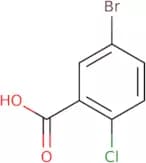
Discontinued product5-Bromo-2-chlorobenzoic acid
CAS:Intermediate in the synthesis of dapagliflozin
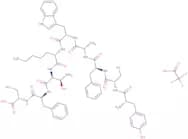
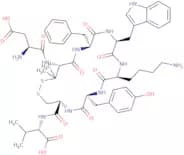
Formula:C7H4BrClO2Purity:Min. 95%Color and Shape:PowderMolecular weight:235.46 g/molH-Tyr-Cys-Phe-Ala-Trp-Lys-Thr-Phe-Cys-OH trifluoroacetate salt (Disulfide bond)
CAS:Please enquire for more information about H-Tyr-Cys-Phe-Ala-Trp-Lys-Thr-Phe-Cys-OH trifluoroacetate salt (Disulfide bond) including the price, delivery time and more detailed product information at the technical inquiry form on this page
Formula:C57H71N11O12S2Purity:Min. 95%Molecular weight:1,166.37 g/molRef: 3D-FT109717
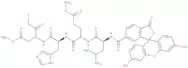
Discontinued productFluorescein-6-carbonyl-Leu-Glu(OMe)-His-DL-Asp(OMe)-fluoromethylketone
CAS:Please enquire for more information about Fluorescein-6-carbonyl-Leu-Glu(OMe)-His-DL-Asp(OMe)-fluoromethylketone including the price, delivery time and more detailed product information at the technical inquiry form on this page
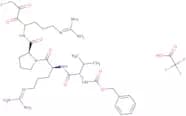
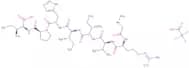
Formula:C45H47FN6O14Purity:Min. 95%Molecular weight:914.89 g/molZ-Val-Arg-Pro-DL-Arg-fluoromethylketone trifluoroacetate salt
CAS:Please enquire for more information about Z-Val-Arg-Pro-DL-Arg-fluoromethylketone trifluoroacetate salt including the price, delivery time and more detailed product information at the technical inquiry form on this pageFormula:C31H49FN10O6Purity:Min. 95%Molecular weight:676.78 g/molRef: 3D-FV111123
Discontinued productpTH (7-84) (human) trifluoroacetate salt
Please enquire for more information about pTH (7-84) (human) trifluoroacetate salt including the price, delivery time and more detailed product information at the technical inquiry form on this page
Formula:C381H629N119O115S2Purity:Min. 95%Molecular weight:8,780.94 g/molRef: 3D-FP108873
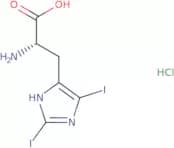
Discontinued productH-2,5-Diiodo-His-OH·HCl
CAS:Please enquire for more information about H-2,5-Diiodo-His-OH·HCl including the price, delivery time and more detailed product information at the technical inquiry form on this page
Formula:C6H7I2N3O2·HClPurity:Min. 95%Molecular weight:443.41 g/molRef: 3D-FD107915
Discontinued productVIP (3-28) (human, mouse, rat) trifluoroacetate salt
CAS:Please enquire for more information about VIP (3-28) (human, mouse, rat) trifluoroacetate salt including the price, delivery time and more detailed product information at the technical inquiry form on this pageFormula:C138H226N40O39SPurity:Min. 95%Molecular weight:3,101.58 g/molRef: 3D-FV109877
Discontinued product(Pen 5)-Urotensin II (4-11) (human) trifluoroacetate salt
CAS:Please enquire for more information about (Pen 5)-Urotensin II (4-11) (human) trifluoroacetate salt including the price, delivery time and more detailed product information at the technical inquiry form on this page
Formula:C52H68N10O12S2Purity:Min. 95%Molecular weight:1,089.29 g/molRef: 3D-FP109652
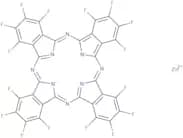
Discontinued productZinc 1,2,3,4,8,9,10,11,15,16,17,18,22,23,24,25-hexadecafluoro-29H,31H-phthalocyanine
CAS:Please enquire for more information about Zinc 1,2,3,4,8,9,10,11,15,16,17,18,22,23,24,25-hexadecafluoro-29H,31H-phthalocyanine including the price, delivery time and more detailed product information at the technical inquiry form on this pageFormula:C32F16N8ZnPurity:Min. 95%Molecular weight:865.75 g/molAmmonium Undecafluorohexanoate
CAS:Undecafluorohexanoic acid is a perfluoroalkyl carboxylic acid that has been shown to disrupt steroidogenesis in vitro. It may be able to inhibit the transport of cholesterol, fats, and other lipids in cells, which causes disruption in steroidogenesis. This compound also has anti-cancer properties due to its ability to induce apoptosis and arrest cancer cell proliferation. Undecafluorohexanoic acid may also have developmental effects on animals because it can bind to estrogen receptors and disrupt the normal process of estrogen-mediated signaling pathways.
Formula:C6H4F11NO2Purity:Min. 95%Molecular weight:331.08 g/molRef: 3D-FA79593
Discontinued product2,3,5-Trichlorobenzaldehyde
CAS:2,3,5-Trichlorobenzaldehyde is a chemical compound that has been shown to have anticancer and apoptotic effects. It inhibits the growth of bacteria by chelating iron ions and inhibiting bacterial dna synthesis. 2,3,5-Trichlorobenzaldehyde has also been shown to inhibit the growth of cancer cells in culture in an experimental study. This chemical has been used as a substrate for nmr spectroscopy to study its functional groups and radical scavenging activities. 2,3,5-Trichlorobenzaldehyde can be synthesized from phenacyl chloride and benzaldehyde in the presence of hydrogen chloride gas. The carbonyl group in 2,3,5-trichlorobenzaldehyde may cause metabolic disorders such as diabetes mellitus or hyperglycemia.
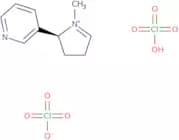
Formula:C7H3Cl3OPurity:Min. 95%Color and Shape:PowderMolecular weight:209.46 g/molS-(-)-Nicotine-delta1’-(5’)-iminium diperchlorate salt
CAS:Please enquire for more information about S-(-)-Nicotine-delta1’-(5’)-iminium diperchlorate salt including the price, delivery time and more detailed product information at the technical inquiry form on this page
Formula:C10H14Cl2N2O8Purity:Min. 95%Molecular weight:361.13 g/molTrityl chloride resin
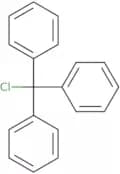
CAS:Trityl chloride resin is a chemical compound that is used as a model system for the study of trifluoroacetic acid and its reactions. Trityl chloride resin is insoluble in water and has been used as a reaction solution for transfer reactions. It has been shown to be an effective ligand for many types of receptors, with binding constants ranging from 10 M-1 to 10 M-10. Trityl chloride resin can also be chiral, which means that it may exist in two forms that are mirror images of each other. The physiological effects of this compound are not well understood, but it has been shown to have an effect on coordination geometry.
Color and Shape:PowderRef: 3D-FT29918
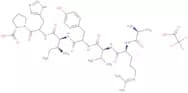
Discontinued productAngiotensin A (1-7) trifluoroacetate
CAS:Endogenous heptapetide which causes vasodilation and has anti-hypertensive properties.
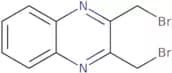
Formula:C40H62N12O9•(C2HF3O2)xPurity:Min. 95%Color and Shape:PowderMolecular weight:855 g/mol2,3-Bis(bromomethyl)quinoxaline
CAS:2,3-Bis(bromomethyl)quinoxaline is a nitrogenous heterocyclic compound that has a coordination geometry of square planar. It has been used as an inhibitor for the protein p21 and the nucleophile in palladium complexes. 2,3-Bis(bromomethyl)quinoxaline is also a model system for studying reaction mechanisms and chemical structures. The electron density map of the compound was obtained by X-ray crystal structure analysis. The reaction mechanism of this molecule is proposed to be through a chelate ring cross-coupling process.
Formula:C10H8Br2N2Purity:Min. 95%Color and Shape:Brown PowderMolecular weight:315.99 g/molRef: 3D-FB04248
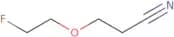
Discontinued product3-(2-Fluoroethoxy)Propanenitrile
CAS:3-(2-Fluoroethoxy)Propanenitrile is a chemical with toxic properties. It is classified as a fluoroacetic acid and has been used in the production of other chemicals. Fluoroacetic acid is toxic to humans, showing signs of skin irritation, respiratory tract irritation, and kidney damage. 3-(2-Fluoroethoxy)Propanenitrile is not found naturally and has been sponsored by many companies.
Formula:C5H8FNOPurity:Min. 95%Molecular weight:117.12 g/molRef: 3D-FF80270
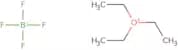
Discontinued productTriethyloxonium tetrafluoroborate
CAS:Triethyloxonium tetrafluoroborate is an antimicrobial agent that inhibits the transfer of electrons from one molecule to another. It has been shown to be effective against methicillin-resistant Staphylococcus aureus and Mycobacterium tuberculosis. Triethyloxonium tetrafluoroborate binds to the bacterial enzyme, Jak1, which is involved in the formation of cytokines and interleukins. This binding inhibits the production of these molecules, leading to cell death by apoptosis. The use of triethyloxonium tetrafluoroborate as a research tool has facilitated its discovery as a potential anti-inflammatory drug for autoimmune diseases such as type 1 diabetes mellitus and rheumatoid arthritis. Triethyloxonium tetrafluoroborate can be used to inhibit amide synthesis, which may have applications in the study of carbohydrate chemistry and nitrogen atoms in biological systems. This compound has also been used
Formula:C6H15BF4OPurity:Min. 95%Color and Shape:PowderMolecular weight:189.99 g/mol



![N-[(RS)-1-Carboxy-3-phenyl-propyl]-Ala-Ala-Phe-4-Abz-OH trifluoroacetate salt](/_next/image/?url=https%3A%2Fstatic.cymitquimica.com%2Fproducts%2F3D%2Fthumb-webp%2FFR111118.webp&w=3840&q=75)





![6-Bromo-pyrazolo[1,5-a]pyrimidine](/_next/image/?url=https%3A%2Fstatic.cymitquimica.com%2Fproducts%2F3D%2Fthumb-webp%2FFB140359.webp&w=3840&q=75)