Organic Halides
Subcategories of "Organic Halides"
Found 20442 products of "Organic Halides"
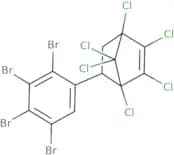
Dechlorane 604 component A
CAS:Dechlorane 604 is a chemical that is used as an additive in some plastics. It has been detected in the environment and human populations, but the low detection limits make it difficult to determine if Dechlorane 604 is endocrine disruptor. Animal experiments have shown that Dechlorane 604 can bind to hormone receptors, but there are no studies on its effects on humans. There are database records for Dechlorane 604 and its metabolites, but these do not provide information on their toxicity. The analytical method for detecting Dechlorane 604 has been developed and validated by GC/MS-ECD analysis of ethane extracts from soil samples. This method is based on dispersive microextraction (SPME) with gas chromatography/mass spectrometry (GC/MS). In vitro studies have examined the effects of Dechlorane 604 on the elongatus nematode and dry weight measurements show that this chemical alters metabolism by altering fatty acid composition.Formula:C13H4Br4Cl6Purity:Min. 95%Color and Shape:PowderMolecular weight:692.5 g/mol8-Chlorotheophylline
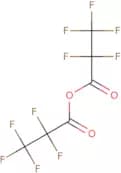
CAS:Controlled Product8-Chlorotheophylline is a chemical compound used in pharmaceutical preparations as an antispasmodic and bronchodilator. It is a derivative of theophylline and has been shown to bind to receptors in the brain, lungs, heart, and smooth muscles. 8-Chlorotheophylline has been shown to have broad-spectrum antimicrobial activity against both Gram-positive and Gram-negative bacteria. The compound is water soluble at physiological pH levels and does not require a buffer for stability. This agent can be prepared by using a sample preparation procedure that includes adding sodium carbonate followed by caffeine to extract the sample from a biological matrix such as tissue or blood. 8-Chlorotheophylline can be analyzed by chromatography with UV detection (254 nm) or fluorescence detection (365 nm).Formula:C7H7ClN4O2Purity:Min. 95%Color and Shape:White PowderMolecular weight:214.61 g/molPentafluoropropionic anhydride
CAS:Pentafluoropropionic anhydride is a chemical compound that reacts with fatty acids to form trifluoroacetic acid. In analytical chemistry, it is used to determine the amount of fatty acids in biological samples. Pentafluoropropionic anhydride has been shown to react with human serum and rat striatal tissue to form carbon disulphide and hydrochloric acid. It reacts with amines in the sample preparation phase, forming receptor molecules that can be analyzed by gas chromatography-mass spectrometry.
Formula:C6F10O3Purity:Min. 95%Molecular weight:310.05 g/molMethyl 2,6-difluoronicotinate
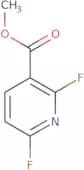
CAS:Methyl 2,6-difluoronicotinate is a regioselective dopamine receptor antagonist. It is a carboxylic acid that reacts with esters to form a nucleophilic anion. Methyl 2,6-difluoronicotinate has been shown to be an effective dopamine D2 receptor antagonist in rats and monkeys. This drug was also able to inhibit the binding of dopamine to the D3 receptor in rat striatal synaptosomes. The regioselectivity of this drug allows for preferential binding at the D2 receptor over other sites such as the D1 or D4 receptors.Formula:C7H5F2NO2Purity:Min. 95%Molecular weight:173.12 g/mol1-(3-Chlorophenyl)piperazine dihydrochloride
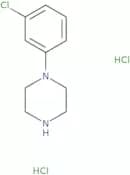
CAS:Controlled Product1-(3-Chlorophenyl)piperazine dihydrochloride is a serotonin antagonist that has been shown to cause an increase in cortisol levels. It is also a serotonergic agent, which may be related to its antidepressant activity. 1-(3-Chlorophenyl)piperazine dihydrochloride has been shown to have a matrix effect on the brain and can be used as a drug for treating primary pulmonary hypertension. It can also induce behavioral changes and stimulate ovarian activity. The compound 1-(3-Chlorophenyl)piperazine dihydrochloride is an antagonist of 5-HT2C receptors, and it has no affinity for the 5-HT2A receptor.Formula:C10H15Cl3N2Purity:Min. 95%Color and Shape:White To Yellow Or Beige SolidMolecular weight:269.6 g/mol6-Bromo-3-phenylquinazoline-2,4(1H,3H)-dione
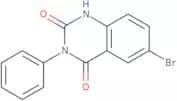
CAS:Controlled ProductPlease enquire for more information about 6-Bromo-3-phenylquinazoline-2,4(1H,3H)-dione including the price, delivery time and more detailed product information at the technical inquiry form on this pageFormula:C14H9BrN2O2Purity:Min. 95%Molecular weight:317.14 g/molL-Proline-beta-naphthylamide hydrochloride
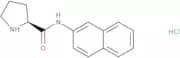
CAS:L-proline analogueFormula:C15H16N2O·HClPurity:Min. 95%Molecular weight:276.76 g/mol3-Fluoro-4-nitrobenzonitrile
CAS:3-Fluoro-4-nitrobenzonitrile is a diamine that is activated by a nitro group and a halogen. It can be used as an intermediate in the synthesis of other chemicals, such as dyes, pharmaceuticals, and pesticides. 3-Fluoro-4-nitrobenzonitrile is also used to synthesize nitroaminobenzenes, which are converted to aminonitriles by reaction with ammonia. Nitro groups on 3-fluoro-4-nitrobenzonitrile react with alcohols to form nitrosamines. 3-Fluoro-4-nitrobenzonitrile has been shown to be effective in the treatment of angina pectoris and myocardial infarction due to its ability to dilate coronary arteries.Formula:C7H3FN2O2Purity:Min. 95%Color and Shape:White PowderMolecular weight:166.11 g/molN-Ethyl-N-[(heptadecafluorooctyl)sulphonyl]glycine
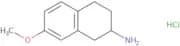
CAS:Controlled ProductN-Ethyl-N-[(Heptadecafluorooctyl)sulphonyl]glycine is a high-concentration environmental pollutant that has been detected in the environment and human blood plasma. This chemical is a member of the class of polyfluoroalkyl substances (PFASs), which are used as surfactants in many industrial processes, including the manufacture of paper, textiles, and paints. PFASs are also present in foods such as meat, butter, and eggs. N-Ethyl-N-[(Heptadecafluorooctyl)sulphonyl]glycine has been shown to have trophic effects on invertebrates and can be measured using a triple-quadrupole mass spectrometer with reaction monitoring. This chemical is not suspected to be carcinogenic or toxic to humans because it does not react with DNA or proteins. The health effects of this substance are stillFormula:C12H8F17NO4SPurity:Min. 95%Color and Shape:PowderMolecular weight:585.24 g/mol7-Methoxy-1,2,3,4-tetrahydronaphthalen-2-ylamine hydrochloride
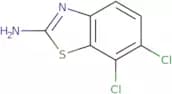
CAS:Controlled ProductPlease enquire for more information about 7-Methoxy-1,2,3,4-tetrahydronaphthalen-2-ylamine hydrochloride including the price, delivery time and more detailed product information at the technical inquiry form on this pageFormula:C11H15NO•HClPurity:Min. 95%Molecular weight:213.7 g/mol2-Amino-5,6-dichlorobenzothiazole
CAS:2-Amino-5,6-dichlorobenzothiazole is an aminobenzothiazole derivative that has been shown to have antibacterial activity. It is a hydrophobic molecule with a skeleton consisting of alternating amines and carboxylic acids. 2-Amino-5,6-dichlorobenzothiazole binds to the fatty acid ester component of bacterial cell walls by hydrogen bonding or ionic interactions, disrupting the integrity of the cell wall and inhibiting the growth of bacteria. 2-Amino-5,6-dichlorobenzothiazole can be used to decolorize dyes and textiles that have been stained by oily materials. It is also used as a surfactant in personal care products such as shampoos and conditioners.
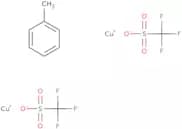
Formula:C7H4Cl2N2SPurity:Min. 95%Molecular weight:219.09 g/molCopper(I) trifluoromethanesulfonate toluene complex
CAS:Controlled ProductToluene complex
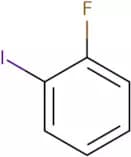
Formula:C9H8Cu2F6O6S2Purity:Min. 95%Molecular weight:517.37 g/mol1-fluoro-2-iodobenzene
CAS:1-Fluoro-2-iodobenzene is a reactive compound that can be used in the cross-coupling of terminal alkynes and aldehydes. The reaction rate is dependent on the type of halide, but with an increase in acidity, the rate increases. This reaction is efficient because it does not require any solvents and can be performed at room temperature. 1-Fluoro-2-iodobenzene has been shown to react with many different functional groups, such as alcohols, amines, ethers, nitriles, sulfides, and carboxylic acids.
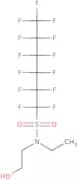
Formula:C6H4FIPurity:Min. 95%Molecular weight:222 g/molN-Ethyl-1,1,2,2,3,3,4,4,5,5,6,6,6-tridecafluoro-N-(2-hydroxyethyl)Hexane-1-sulfonamide
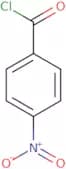
CAS:Please enquire for more information about N-Ethyl-1,1,2,2,3,3,4,4,5,5,6,6,6-tridecafluoro-N-(2-hydroxyethyl)Hexane-1-sulfonamide including the price, delivery time and more detailed product information at the technical inquiry form on this pageFormula:C10H10F13NO3SPurity:Min. 95%Color and Shape:PowderMolecular weight:471.24 g/mol4-Nitrobenzoyl chloride
CAS:4-Nitrobenzoyl chloride is an amide that has been shown to have a number of pharmacokinetic properties. It binds to the gamma-aminobutyric acid (GABA) receptor, and has been shown to be a potent inhibitor of GABA transaminase in vitro. The structure of 4-Nitrobenzoyl chloride has been determined by FT-IR spectroscopy. The kinetic data for this compound showed that it is a substrate for diazonium salt and chloride reactions. 4-Nitrobenzoyl chloride is also found in wastewater and can cause cutaneous lesions in rats with high doses. This amine reacts with nitrous acid to form nitro compounds, which are known to be carcinogenic.Formula:C7H4ClNO3Purity:Min. 95%Color and Shape:Slightly Yellow PowderMolecular weight:185.56 g/mol1-Chloro-2-(ethylthio)ethane
CAS:Controlled Product1-Chloro-2-(ethylthio)ethane (1,2-ETE) is a reactive oxygen species that inhibits the electron transport chain in mitochondria. 1,2-ETE decreases the mitochondrial membrane potential and causes oxidative damage to proteins, such as recombinant cytochrome P450. 1,2-ETE has been shown to decrease photosynthetic activity by inhibiting the light reactions of photosynthesis. It also inhibits the electron transport chain in mitochondria and causes damage to cells by reacting with sulfide to form sulfhydryl compounds. The toxic effects of 1,2-ETE are due to its ability to cause injury by reacting with other molecules.
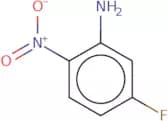
Formula:C4H9ClSPurity:Min. 95%Color and Shape:Clear Colourless To Pale Yellow LiquidMolecular weight:124.63 g/mol5-Fluoro-2-nitroaniline
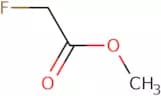
CAS:5-Fluoro-2-nitroaniline is a sulfonated compound that acts as a growth factor. It has been shown to be effective in the treatment of cancer, especially in the epidermal growth factor receptor (EGFR) signaling pathway. 5-Fluoro-2-nitroaniline has also been shown to have antithrombotic properties and may be beneficial for cardiovascular diseases. This compound is an inhibitor of the human serum albumin binding site on EGFR and inhibits the activation of EGFR by its ligand, epidermal growth factor. The sulfonation reaction increases the polarity of the molecule, which has been attributed to increased activity against cancer cells.Formula:C6H5FN2O2Purity:Min. 95%Color and Shape:PowderMolecular weight:156.11 g/molMethyl 2-fluoroacetate
CAS:Methyl 2-fluoroacetate is a nucleophilic drug that has been shown to cause conformational changes in the target protein. It has been shown to be water-soluble, and can be used as a probe for studying biological processes. Methyl 2-fluoroacetate has been shown to be effective against papillary muscle, and is a potential drug for treating cardiac conditions. The mechanism of action of methyl 2-fluoroacetate is not well understood, but it is thought to involve the formation of an alkoxy radical. The molecular structure of methyl 2-fluoroacetate was studied using vibrational spectroscopy and nuclear magnetic resonance (NMR) spectra. This drug was also found to inhibit the growth of tissue culture cells at low concentrations, which may indicate that it can affect cell function.
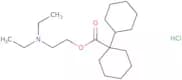
Formula:C3H5FO2Purity:Min. 95%Molecular weight:92.07 g/mol2-Diethylaminoethyl 1-cyclohexylcyclohexane-1-carboxylate hydrochloride
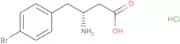
CAS:2-Diethylaminoethyl 1-cyclohexylcyclohexane-1-carboxylate hydrochloride is a methyltransferase inhibitor that blocks the synthesis of monoethyl ether, which is used to synthesize dicyclomine. It has been shown to be effective in vitro against biological samples such as rat liver and blood cells. 2-Diethylaminoethyl 1-cyclohexylcyclohexane-1-carboxylate hydrochloride also has been shown to have a pharmacological effect on rats with bowel disease, congestive heart failure, and crystalline cellulose. The chemical structure of 2-Diethylaminoethyl 1-cyclohexylcyclohexane-1-carboxylate hydrochloride is similar to that of phosphorus pentoxide, which makes it difficult for this drug to cross the blood brain barrier.Formula:C19H36ClNO2Purity:Min. 95%Molecular weight:345.95 g/mol4-Bromo-D-beta-homophenylalanine hydrochloride
CAS:Please enquire for more information about 4-Bromo-D-beta-homophenylalanine hydrochloride including the price, delivery time and more detailed product information at the technical inquiry form on this pageFormula:C10H12BrNO2·HClPurity:Min. 95%Molecular weight:294.57 g/mol



![N-Ethyl-N-[(heptadecafluorooctyl)sulphonyl]glycine](/_next/image/?url=https%3A%2Fstatic.cymitquimica.com%2Fproducts%2F3D%2Fthumb-webp%2FFE91897.webp&w=3840&q=75)