Organic Halides
In this category, you can find organic molecules containing one or more halogen atoms in their structure. These organic halides include brominated, iodinated, chlorinated, and cyclic halide compounds. Organic halides are widely used in organic synthesis, pharmaceuticals, agrochemicals, and materials science due to their reactivity and ability to undergo a variety of chemical transformations. At CymitQuimica, we offer a comprehensive selection of high-quality organic halides to support your research and industrial applications, ensuring reliable and effective performance in your synthetic and analytical projects.
Subcategories of "Organic Halides"
Found 20440 products of "Organic Halides"
Sort by
Purity (%)
0
100
|
0
|
50
|
90
|
95
|
100
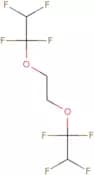
1,2-Bis(1,1,2,2-tetrafluoroethoxy)ethane
CAS:1,2-Bis(1,1,2,2-tetrafluoroethoxy)ethane is an electrolyte with a balanced composition of sulfur and fluorine. It is also a symmetric compound that can shuttle lithium ions between the two halves of the molecule. This process can be repeated many times without significant degradation. 1,2-Bis(1,1,2,2-tetrafluoroethoxy)ethane has been used as a negative electrode material in lithium ion batteries because it has high capacity and good cycling properties.Formula:C6H6F8O2Purity:Min. 99 Area-%Molecular weight:262.10 g/mol2-Bromo-5-(trifluoromethyl)benzonitrile
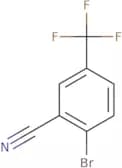
CAS:<p>The synthesis of 2-bromo-5-(trifluoromethyl)benzonitrile was achieved by an asymmetric synthesis using a modular approach. The key step in the synthesis of this compound is the protonation of the nitrile group, which is accomplished by protonating the carbon adjacent to the nitrile group. This protonation leads to a chiral intermediate that can be alkylated with either methyl bromide or ethyl bromide, giving two different products. The synthesis of these products was achieved through stereoselective alkylations, where one product is obtained as a result of a stereocontrolled reaction. This synthetic process provides an alternative to traditional methods for synthesizing 2-bromo-5-(trifluoromethyl)benzonitrile and has potential applications in the production of analgesic drugs.</p>Formula:C8H3BrF3NPurity:Min. 95%Molecular weight:250.02 g/mol6-Fluoroindole
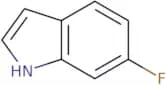
CAS:<p>6-Fluoroindole is an aromatic organic compound that has been shown to have anti-inflammatory and antioxidant properties in vitro and in vivo. 6-Fluoroindole is a 5-methoxyindole and can be synthesized from the amino acid tryptophan, which is a precursor of serotonin. 6-Fluoroindole has also been shown to be active against plant pathogens, human protein, and human pathogens. It can produce hemolytic activity at high concentrations and its chemical stability was tested by incubating it with various acids such as hydrochloric acid or acetic acid. 6-Fluoroindole showed no reaction with either of these acids. The vibrational spectra of 6-fluoroindole was measured using dipolar coupling constants and found to have a dipole moment of 0.01 D for the molecule.</p>Formula:C8H6FNPurity:Min. 98 Area-%Color and Shape:White Yellow PowderMolecular weight:135.14 g/molPerfluoro(2-butyltetrahydrofuran)
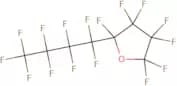
CAS:<p>Perfluoro(2-butyltetrahydrofuran) is a fluorinated, non-polar organic solvent with a high boiling point. It can be used for thermal expansion measurements of dextran sulfate solutions and in the preparation of cell culture samples prior to histological analysis. The phase transition temperature of perfluoro(2-butyltetrahydrofuran) is 4.6°C, which means that it is liquid at room temperature and can be used as a vehicle to deliver magnetic particles to lung tissue. Perfluoro(2-butyltetrahydrofuran) also has an experimental model for studying the effects of laser ablation on lung cells.</p>Formula:C8F16OPurity:Min. 85 Area-%Color and Shape:Colorless Clear LiquidMolecular weight:416.06 g/molTrichlorosan
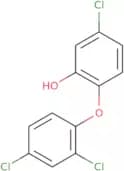
CAS:<p>Trichlorosan is a biocide that is used as a disinfectant and preservative, and has also been shown to have antibacterial properties. It is often used in industrial settings to inhibit the growth of bacteria in process water, cooling towers, and wastewater treatment systems. Trichlorosan has been shown to be genotoxic in rats at high doses. This chemical can be found in personal care products such as soaps, toothpaste, mouthwash, deodorants, or body lotion. It can also be found in some household items such as kitchenware, clothes and bedding. Triclosan is one of the active ingredients in trichlorosan that prevents bacterial growth by binding to the enzyme that catalyzes the conversion of glycerol to fatty acids and lysing cells through cell membrane disruption. The enzyme activity index for triclosan was determined by measuring the amount of time it takes for a solution containing benzalkonium chloride (B</p>Formula:C12H7Cl3O2Purity:Min. 95%Color and Shape:White PowderMolecular weight:289.54 g/molN-Bromophthalimide
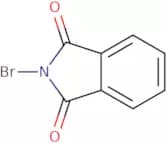
CAS:<p>N-Bromophthalimide is a hydrogen bond acceptor that is used in pharmaceutical preparations. It has been shown to be an effective cationic surfactant, which may be due to its ability to form ionic bonds with phosphotungstic acid and nitrogen atoms. N-Bromophthalimide also has reactive properties and can react with serotonin reuptake inhibitors. The reaction mechanism of this compound is not fully understood, but it has been shown to have a redox potential that is greater than the standard electron donor sodium bromide.</p>Formula:C8H4BrNO2Purity:Min. 95%Molecular weight:226.03 g/molMethyl 4-(chlorocarbonyl)benzoate
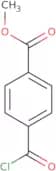
CAS:<p>Methyl 4-(chlorocarbonyl)benzoate is a synthetic retinoid that has potent inhibitory activity against the growth factor-stimulated proliferation of human HL-60 cells. It interacts with the cholesterol ester transfer protein, which inhibits the synthesis of prostaglandins and thromboxanes, resulting in an anti-inflammatory effect. Methyl 4-(chlorocarbonyl)benzoate has been shown to be effective in inhibiting the growth of cancer cells by light emission. This compound also exhibits high hydrogen bonding interactions with pyridinium ions and quinolinium ions.</p>Formula:C9H7ClO3Purity:Min. 95%Molecular weight:198.6 g/mol(2-chlorophenyl)(4-(4-fluorophenyl)(2,5-thiazolyl))amine
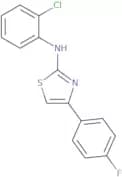
CAS:Please enquire for more information about (2-chlorophenyl)(4-(4-fluorophenyl)(2,5-thiazolyl))amine including the price, delivery time and more detailed product information at the technical inquiry form on this pagePurity:Min. 95%2-Bromocarbazole
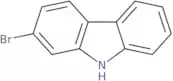
CAS:<p>2-Bromocarbazole is an organic compound that binds to the mineralocorticoid receptor. It has been shown to be a potent inhibitor of sodium transport in both anhydrous and hydrated conditions. 2-Bromocarbazole is also a cationic polymerization agent, which can be used in photophysical studies. This compound has been shown to have fluorescence properties, as well as receptor α binding capabilities. 2-Bromocarbazole was also able to inhibit the enzyme picolinic acid carboxylase, which catalyzes the conversion of picolinic acid into nicotinamide adenine dinucleotide phosphate (NADP) and CO2. The molecular docking analysis of 2-bromocarbazole with human recombinant MRAPα confirms this inhibition.</p>Formula:C12H8BrNPurity:Min. 98 Area-%Color and Shape:PowderMolecular weight:246.1 g/mol4-Chloro-2-methylbenzyl alcohol
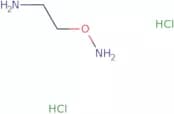
CAS:<p>4-Chloro-2-methylbenzyl alcohol is an organic compound that has a sensor and hydroxyl group. It is used in pest control as an insecticide. 4-Chloro-2-methylbenzyl alcohol has been shown to be effective against ants, cockroaches, and other insects. There are multiple instabilities of this compound, including low oxygen stability when exposed to air, which may lead to the degradation of this chemical. Impurities in 4-chloro-2-methylbenzyl alcohol may also lead to its instability as it reacts with alkali metals at high temperatures. The instability of 4-chloro-2-methylbenzyl alcohol can be reduced by storing it at low temperatures or by adding cryogenic substances such as liquid nitrogen or carbon dioxide gas.</p>Formula:C8H9ClOPurity:Min. 95%Molecular weight:156.61 g/mol2-Aminoethoxyamine dihydrochloride
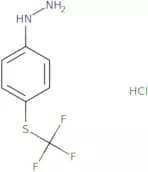
CAS:<p>2-Aminoethoxyamine dihydrochloride is a cardiotonic, which is a chemical agent that acts on the heart to increase contractility. It has been shown to be more efficient and less toxic than other cardiotonics. 2-Aminoethoxyamine dihydrochloride has been found to act as an epoxidizing agent and can be used in the synthesis of istaroxime, an inhibitor of cholesterol biosynthesis.2-Aminoethoxyamine dihydrochloride also reacts with dehydroepiandrosterone to form 2-aminoethoxyamidine hydrochloride.</p>Formula:C2H10Cl2N2OPurity:Min. 95%Color and Shape:PowderMolecular weight:149.02 g/mol4-(Trifluoromethyl)thiophenylhydrazine hydrochloride
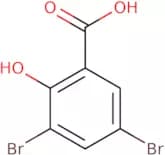
CAS:4-(Trifluoromethyl)thiophenylhydrazine hydrochloride (TFTH) is a chemical compound that belongs to the group of useful scaffolds, versatile building blocks, and reaction components. It has been used as a research chemical in the synthesis of complex compounds with high quality and is an intermediate for speciality chemicals. TFTH can be used as a reagent in organic chemistry for the preparation of amines and amino alcohols. This compound has CAS No. 162258-86-8.br>br> 4-(Trifluoromethyl)thiophenylhydrazine hydrochloride has been shown to be an excellent building block in organic synthesis because it is stable under mild conditions, reacts rapidly with nucleophiles, and is readily available from commercial sources.Formula:C7H7F3N2S·ClHPurity:Min. 95%Color and Shape:Orange PowderMolecular weight:244.67 g/mol3,5-Dibromo-2-hydroxybenzoic acid
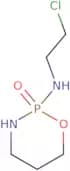
CAS:<p>3,5-Dibromo-2-hydroxybenzoic acid is a reactive, polarizable molecule that has been shown to be a useful starting material for the synthesis of 5-nitrosalicylic acid. It also is a precursor to 3,5-dinitrosalicylic acid and can react with hydrochloric acid in the presence of x-rays to form protonated molecules. The molecular structure of 3,5-dibromo-2-hydroxybenzoic acid has been determined using x-ray diffraction. This compound is not absorbed by the human body and does not have any known biological activity.</p>Formula:C7H4Br2O3Purity:Min. 95%Color and Shape:PowderMolecular weight:295.91 g/molN-Dechloroethyl cyclophosphamide
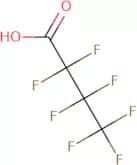
CAS:<p>N-Dechloroethyl cyclophosphamide is a metabolic inhibitor that is used in the treatment of cancer. It is classified as an alkylating agent and inhibits ribonucleotide reductase, which prevents the production of DNA, RNA, and protein. The chemical ionization technique has been used to measure the concentration of this compound in human liver and urine samples. N-Dechloroethyl cyclophosphamide can be analyzed using chromatography or mass spectrometry methods.</p>Formula:C5H12ClN2O2PPurity:Min. 95%Color and Shape:PowderMolecular weight:198.59 g/molHeptafluorobutyric acid
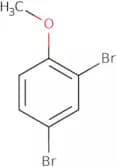
CAS:<p>Heptafluorobutyric acid is an organic compound that belongs to the group of sodium salts. It is a colorless liquid with a boiling point of -19°C. Heptafluorobutyric acid has been shown to inhibit the growth of bacteria by reacting with hydrogen fluoride and forming fluoroheptafluoropropane, which may have toxicological effects on humans. Heptafluorobutyric acid is also used as an analytical method for determining plasma mass spectrometry in human serum samples and wastewater treatment. The toxicity of heptafluorobutyric acid has been studied in rats and mice, where it was found to cause locomotor activity depression and neurotoxic effects at high doses.</p>Formula:C4HF7O2Color and Shape:Clear LiquidMolecular weight:214.04 g/mol2,4-Dibromoanisole
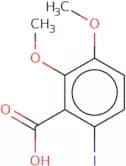
CAS:2,4-Dibromoanisole is a methoxylated aromatic compound. The compound has been shown to cleave bonds in the presence of bromophenols and other methoxylated compounds. It has also been shown to be an irreversible oxidation agent that can oxidize 2,4-dichlorobenzoic acid. The potential use for this compound is as a stopper for bottles or containers. The reactions of 2,4-dibromoanisole with trifluoroacetic acid and demethylation lead to the formation of ethylbenzene and phenol, which are used in manufacturing plastics. Mass spectrometric techniques have been used to study the reaction products that form during this process.Formula:C7H6Br2OPurity:Min. 95%Color and Shape:PowderMolecular weight:265.93 g/mol2-Iodo-5,6-dimethoxybenzoic acid
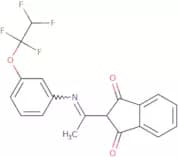
CAS:<p>2-Iodo-5,6-dimethoxybenzoic acid is a reagent that is used in the synthesis of complex compounds and fine chemicals. It has a high quality and is useful as an intermediate or building block for the synthesis of versatile compounds. This chemical can be used in research to create new compounds with special properties. 2-Iodo-5,6-dimethoxybenzoic acid can be used in various reactions to make diverse building blocks or scaffolds that are useful in organic chemistry.</p>Formula:C9H9IO4Purity:Min. 95%Molecular weight:308.07 g/mol2-(2-Aza-1-methyl-2-(3-(1,1,2,2-tetrafluoroethoxy)phenyl)vinyl)indane-1,3-dione
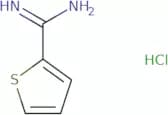
CAS:<p>Please enquire for more information about 2-(2-Aza-1-methyl-2-(3-(1,1,2,2-tetrafluoroethoxy)phenyl)vinyl)indane-1,3-dione including the price, delivery time and more detailed product information at the technical inquiry form on this page</p>Formula:C19H13F4NO3Purity:Min. 95%Color and Shape:PowderMolecular weight:379.3 g/molThiophene-2-amidine hydrochloride
CAS:<p>2-Amidinothiophene Hydrochloride is a drug that is used as an anti-inflammatory agent. It is an isoform of amidinothiophene, which inhibits the production and release of cyclic nucleotides. 2-Amidinothiophene Hydrochloride has shown activity against tracheal muscle, adenosine receptors, and phosphodiesterase isoenzymes. This drug binds to the ATP binding site of the enzyme cyclic nucleotide phosphodiesterase, blocking the breakdown of cAMP into AMP and then ADP.</p>Formula:C5H7ClN2SPurity:Min. 95%Molecular weight:162.64 g/mol4,4'-Dibromostilbene
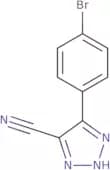
CAS:<p>4,4'-Dibromostilbene is a phthaloyl derivative of trans-stilbene. It has optical properties that are similar to those of the parent compound. 4,4'-Dibromostilbene is an acceptor for electron transfer with a redox potential of 1.8 V and can be used as a peroxide decomposition catalyst. The compound has been shown to be resistant to chlorides, peroxides and organocatalysts at temperatures up to 200°C. In addition, 4,4'-dibromostilbene has been found to have high efficiency in light emission at room temperature with quantum yields ranging from 0.1% - 2%.</p>Formula:C14H10Br2Purity:Min. 95%Color and Shape:PowderMolecular weight:338.04 g/mol4-(4-Bromophenyl)-1H-1,2,3-triazole-5-carbonitrile
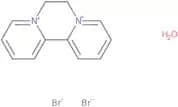
CAS:<p>4-(4-Bromophenyl)-1H-1,2,3-triazole-5-carbonitrile (1) is an organic compound with a molecular formula of C8H6BrN3 and a molar mass of 218.9 g/mol. It has been shown to be a useful scaffold for the synthesis of complex compounds with interesting biological properties, such as antibiotic activity, antiviral activity and cytotoxicity. This compound can be used as a building block in the synthesis of other chemical compounds or as an intermediate in pharmaceutical research. 1 is also used as a reagent in organic synthesis and as a reactant for the production of fine chemicals.</p>Formula:C9H5BrN4Purity:Min. 97 Area-%Color and Shape:PowderMolecular weight:249.07 g/molDiquat dibromide monohydrate
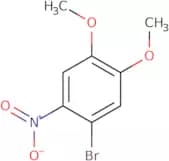
CAS:Diquat is a herbicide that belongs to the family of herbicides called contact herbicides. It is used to control weeds and grasses in many agricultural crops such as soybeans, wheat, corn, cotton, sugar cane, and sorghum. Diquat dibromide monohydrate is a chemical compound that can be prepared by reacting trifluoroacetic acid with quaternary ammonium bromide. Diquat has been shown to have a matrix effect on analytical methods for urine samples when silver ions are used for detection. It also enhances Raman spectroscopy for detecting toxicities in multi-walled carbon nanotubes (MWCNTs).Formula:C12H14Br2N2OPurity:Min. 95%Color and Shape:PowderMolecular weight:362.06 g/mol1-Bromo-3,4-dimethoxy-6-nitrobenzene
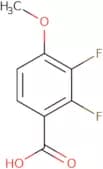
CAS:<p>1-Bromo-3,4-dimethoxy-6-nitrobenzene is a pharmacological agent that has been used as a catalyst and cleavable complex. It can be used to synthesize melamine, anilines and other moieties. The 1,2,3-triazole ring of the molecule is modified by substitution with nitroarenes or nitrobenzene to form a protoberberine alkaloid. This chemical compound has been shown to be a competitive inhibitor of topoisomerase I with an IC50 value of 0.2μM in calf thymus DNA gyrase assays. It also has thermal stability up to 90°C for at least 24 hours when treated with phenol and chloroform for purification purposes.</p>Formula:C8H8BrNO4Purity:Min. 95%Color and Shape:PowderMolecular weight:262.06 g/mol2,3-Difluoro-4-methoxybenzoic acid
CAS:2,3-Difluoro-4-methoxybenzoic acid is a versatile building block that can be used to make complex compounds. This compound is a high quality, useful intermediate and reaction component that can be used in the synthesis of pharmaceuticals and other chemical products. 2,3-Difluoro-4-methoxybenzoic acid is a reagent that can be used for research purposes or as a speciality chemical. It has been shown to have many uses as a scaffold for making new compounds with different structures.Formula:C8H6F2O3Purity:Min. 95%Color and Shape:PowderMolecular weight:188.13 g/mol1-Methyl-4-pyrrolidin-3-ylpiperazine
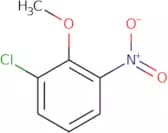
CAS:<p>1-Methyl-4-pyrrolidin-3-ylpiperazine is a versatile building block that has been used as a reagent, speciality chemical, and intermediate. It is a complex compound that has been shown to be useful in the synthesis of other compounds. 1-Methyl-4-pyrrolidin-3-ylpiperazine is also a precursor to many pharmaceuticals. The National Institute for Occupational Safety and Health (NIOSH) lists this chemical as "reasonably anticipated to be a human carcinogen."</p>Formula:C9H19N3Purity:Min. 95%Color and Shape:Clear LiquidMolecular weight:169.27 g/mol2-Chloro-6-nitroanisole
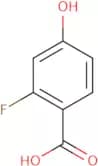
CAS:2-Chloro-6-nitroanisole is a versatile building block that can be used to make a variety of products, including pharmaceuticals, agrochemicals, plastics, and other organic compounds. It can be used as a reagent or research chemical in the synthesis of complex molecules, such as synthetic cannabinoids. 2-Chloro-6-nitroanisole is also useful for making high quality compounds and has been used in the synthesis of a number of pharmaceuticals. This compound is an intermediate that can be used to create scaffolds for drug design.Formula:C7H6ClNO3Purity:Min. 95%Color and Shape:PowderMolecular weight:187.58 g/mol2-Fluoro-4-hydroxybenzoic acid
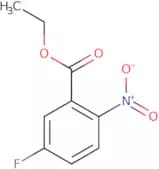
CAS:<p>The 2-fluoro-4-hydroxybenzoic acid (2F4HB) is a naturally occurring substance that has been synthesized by the process of carbon source. It is a member of the class of compounds known as flavonoids, which are found in plants and have many functions such as being an antioxidant, having anti-inflammatory properties, and being a precursor to vitamin K. The 2F4HB has been shown to have antimicrobial activity against various bacterial species including C. parapsilosis and B. cereus, with inhibitory effects on cell growth. This compound also has been shown to have birefringence properties under polarized light microscopy. It may be used as a fluorescent dye to study the structure of polymers or other organic substances that can be dissolved in water or organic solvents. The 2F4HB also shows potential as an electron spin resonance agent for magnetic resonance spectroscopy because it can act as a free radical scavenger</p>Formula:C7H5FO3Purity:Min. 95%Molecular weight:156.11 g/mol3-Fluoro-6-nitrobenzoic acid ethyl ester
CAS:<p>3-Fluoro-6-nitrobenzoic acid ethyl ester is a high quality chemical that is used as an intermediate in the synthesis of complex compounds. It is also a useful scaffold for the synthesis of other compounds and can be used as a building block in the production of speciality chemicals. 3-Fluoro-6-nitrobenzoic acid ethyl ester has many reactions that it participates in, such as being a reaction component for the synthesis of pharmaceuticals and agrochemicals. This compound is versatile enough to be used in research or for commercial purposes.</p>Formula:C9H8FNO4Purity:Min. 95%Color and Shape:PowderMolecular weight:213.16 g/molN-(3,5-Dichloro-4-Pyridinyl)-2-[1-(4-Fluorobenzyl)-5-Hydroxy-1H-Indol-3-Yl]-2-Oxoacetamide
CAS:Controlled ProductN-(3,5-Dichloro-4-Pyridinyl)-2-[1-(4-Fluorobenzyl)-5-Hydroxy-1H-Indol-3-Yl]-2-Oxoacetamide is a prodrug that is metabolized to the active form in vivo. It inhibits the activity of cyclic nucleotide phosphodiesterase (PDE), an enzyme that catalyzes the conversion of cAMP to AMP and PDE, which catalyzes the conversion of cGMP to GMP. This drug has been shown to have a potent inhibitory effect on inflammatory cytokines such as IL-6 and TNFα. N-(3,5-Dichloro-4-pyridinyl)-2-[1-(4 fluorobenzyl)-5 hydroxy 1H indol 3 yl]-2 oxoacetamide has been shown to be effective for treatment of inflammatory diseases such as bronchFormula:C22H14Cl2FN3O3Purity:Min. 95%Molecular weight:458.27 g/molL-β-Homotryptophan hydrochloride
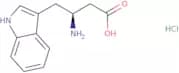
CAS:L-beta-Homotryptophan hydrochloride is a fine chemical that is used in research, as well as in the production of other chemicals. It is a useful building block for complex compounds. It can be used to react with other compounds to produce reactions components or scaffolds. L-beta-Homotryptophan hydrochloride is also a versatile building block and can be used to synthesize other fine chemicals, such as pharmaceuticals, pesticides, and herbicides. L-beta-Homotryptophan hydrochloride belongs to the category of reagents that are available in high quality and are often used in research. The CAS number for this compound is 339994-86-4.Formula:C12H14N2O2•HClPurity:Min. 95%Color and Shape:Off-White PowderMolecular weight:254.71 g/mol3-[(4-Chlorophenyl)amino]-5,5-dimethylcyclohex-2-en-1-one
CAS:The compound is a chiral molecule, meaning that it has two different structures. One side of the molecule is the mirror image of the other. The translation and conformation of this molecule are asymmetric because the carbon atoms in its chain are not lined up in a straight line. The hydrogen bonds that form between these chains are also asymmetric, as one side of the molecule has more than one hydrogen bond while the other side only has one hydrogen bond.Formula:C14H16ClNOPurity:Min. 95%Molecular weight:249.74 g/mol6-Bromo-DL-tryptophan
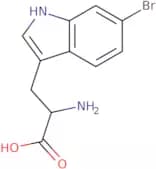
CAS:<p>6-Bromo-DL-tryptophan is an alkylating agent that has been shown to be effective in the treatment of neurodegenerative diseases. 6-Bromo-DL-tryptophan is a natural product that is synthesized from L-tryptophan by the addition of bromine. The biosynthesis of 6-bromo-DL-tryptophan occurs through a two step process, which involves conversion of L-tryptophan to L-3,4,5,6 tetrahydroisoquinoline and then to 6-(2,4dinitrophenyl)-L-tryptophan. This synthetic pathway has been optimized for industrial production using chemical and biochemical methodologies.</p>Formula:C11H11BrN2O2Purity:Min. 98 Area-%Color and Shape:White PowderMolecular weight:283.12 g/mol4-Fluoroestradiol
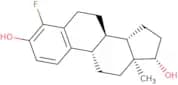
CAS:Controlled Product<p>4-Fluoroestradiol is an estrogen with a molecular weight of 270.4 g/mol that has been shown to be carcinogenic in animal models. 4-Fluoroestradiol binds to the estrogen receptor and activates the gene product, which stimulates cell growth and proliferation. This drug has been shown to induce cancer in tissues such as the liver, biliary tract, and mammary glands when administered at doses higher than 0.3 mg/kg/day. 4-Fluoroestradiol also interacts with hydrogen bonds in enzymes such as retinol dehydrogenase, all-trans-retinoic acid (ATRA), and specific agents such as retinoic acid (RA). This interaction may inhibit the catalytic rate of these enzymes or alter their substrate specificity.</p>Formula:C18H23FO2Purity:Min. 95%Color and Shape:PowderMolecular weight:290.37 g/molPhosphocholine chloride calcium salt tetrahydrate
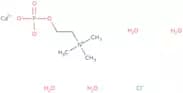
CAS:<p>Phosphocholine chloride calcium salt tetrahydrate is a lipid-regulating agent that can be used in health-care products. It has a safety profile and does not cause any adverse reactions when taken orally. The uptake of phosphocholine chloride calcium salt tetrahydrate is pH dependent, and it has been shown to inhibit lipoprotein lipase activity at acidic pH levels (below 4.5). This drug is used in the preparation of samples for fluorescence assays, such as monoclonal antibodies or density lipoprotein, which requires hydrophobic substances to bind with the fluorescent dye. Phosphocholine chloride calcium salt tetrahydrate can also be used as an emulsifying agent in enzymatic methods, such as calcium carbonate or chloride.</p>Formula:C5H13CaClNO4P·4H2OColor and Shape:White PowderMolecular weight:329.73 g/mol5-(4-((3-Chloro-4-((3-fluorobenzyl)oxy)phenyl)amino) quinazolin-6-yl)furan-2-carbaldehyde
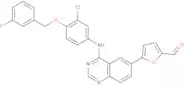
CAS:<p>5-(4-((3-Chloro-4-((3-fluorobenzyl)oxy)phenyl)amino)quinazolin-6-yl)furan-2-carbaldehyde is a heterocyclic compound that has been used to study protein tyrosine kinase activity. This drug binds to the active site of the enzyme and inhibits its function by forming an irreversible covalent bond with the enzyme's reactive cysteine residue, which prevents the transfer of phosphate groups from ATP to the substrate (tyrosine).</p>Formula:C26H17ClFN3O3Purity:Min. 95%Molecular weight:473.88 g/mol4-Bromo-2-methylbenzoic acid ethyl ester
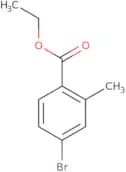
CAS:4-Bromo-2-methylbenzoic acid ethyl ester is a high quality and versatile building block. It is a useful intermediate in the synthesis of organic compounds, and can be used as a reaction component in the synthesis of complex compounds. 4-Bromo-2-methylbenzoic acid ethyl ester is also a useful scaffold for the construction of new chemical entities. It has been shown to react with potassium tert-butoxide to produce 4-(2,6-dimethylphenyl)piperidine (CAS No. 220389-34-4).Formula:C10H11BrO2Purity:Min. 95%Color and Shape:Clear LiquidMolecular weight:243.1 g/mol1-Bromobutane-2,3-dione
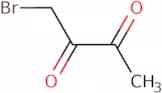
CAS:<p>1-Bromobutane-2,3-dione is a chemical reagent that is used as a building block for the synthesis of complex compounds. It is soluble in many solvents and has a boiling point of 205°C. It is also useful as an intermediate in organic chemistry. 1-Bromobutane-2,3-dione can be converted to a variety of chemicals with different functional groups such as amides, esters, nitriles, and epoxides with the use of catalysts. This compound is also used in research to create diverse chemical scaffolds or building blocks for pharmaceuticals and other fine chemicals.</p>Formula:C4H5BrO2Purity:Min. 95%Color and Shape:Clear LiquidMolecular weight:164.99 g/mol2-Bromo-N,N-diethylacetamide
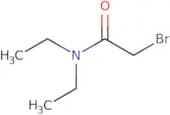
CAS:<p>2-Bromo-N,N-diethylacetamide is a chemical compound that is used as an amide. It has been shown to have anti-inflammatory properties and can be used for the treatment of inflammatory lesions. This drug also has been shown to inhibit the production of 3-bromopropylamine hydrobromide in laboratory animals. 2-Bromo-N,N-diethylacetamide binds to cellular proteins such as mt2 receptors and can be used for the treatment of nervous system diseases such as depression. The titration calorimetry shows that 2-Bromo-N,N-diethylacetamide is a good candidate for use in biomolecular applications due to its low toxicity and high thermal stability.</p>Formula:C6H12BrNOPurity:Min. 95%Color and Shape:LiquidMolecular weight:194.07 g/molEtoperidone hydrochloride
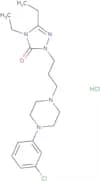
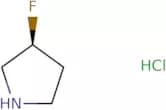
CAS:Etoperidone hydrochloride is a drug that is an antagonist of the dopamine D2 receptor. It is used to treat Parkinson's disease and psychosis. Etoperidone hydrochloride binds to the dopamine D2 receptor and blocks its function, which may be due to its ability to inhibit locomotor activity in mice. This drug also inhibits population growth by preventing antibody production, which is essential for fighting infectious diseases. Etoperidone hydrochloride has been shown to be effective in clinical trials against symptoms of Parkinson's disease and psychosis, as well as experimental models of schizophrenia.Formula:C19H29Cl2N5OPurity:Min. 95%Color and Shape:White PowderMolecular weight:414.37 g/mol(S)-(+)-3-Fluoropyrrolidine HCl
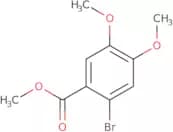
CAS:<p>(S)-(+)-3-Fluoropyrrolidine HCl is a dipeptidyl peptidase inhibitor that has been shown to inhibit the activity of dipeptidyl peptidase IV (DPP-IV). It is orally active and has a pharmacokinetic profile that includes a rapid absorption, good bioavailability, and short elimination half-life. The drug also has high selectivity for DPP-IV inhibition over other enzymes, such as aminopeptidase P. (S)-(+)-3-Fluoropyrrolidine HCl analogues have been developed, including those with substitutions on the central carbon atom or on the nitro group. These analogues are more potent than their parent compound and show increased selectivity for DPP-IV inhibition.</p>Formula:C4H9ClFNPurity:Min. 95%Molecular weight:125.57 g/molMethyl 6-bromo-3,4-dimethoxybenzoate
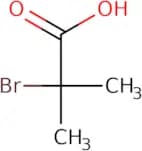
CAS:<p>Methyl 6-bromo-3,4-dimethoxybenzoate is a potent compound that inhibits topoisomerase. It is not as selective as other topoisomerase inhibitors, but it is more reactive and has been shown to be effective in the synthesis of lactones. This compound can also be used as an intermediate for the synthesis of more potent inhibitors of topoisomerase. Methyl 6-bromo-3,4-dimethoxybenzoate has been shown to react with aliphatic aldehydes and nitro compounds to form zinc powder. The reaction proceeds via a catalytic mechanism involving an initial complexation of the methyl group with the carbonyl oxygen atom followed by nucleophilic attack by zinc.</p>Formula:C10H11BrO4Purity:Min. 98 Area-%Color and Shape:PowderMolecular weight:275.1 g/mol2-Bromo-2-methylpropionic acid
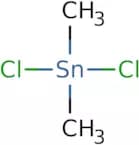
CAS:<p>2-Bromo-2-methylpropionic acid is a chemical compound that is used to stabilize nanoparticles. It also has covalent interactions with the surface of the nanoparticles, which helps to stabilize them and prevent aggregation. 2-Bromo-2-methylpropionic acid can be modified with polymers or other molecules that can help to stabilize the particles. This stabilizer is also able to create magnetic nanoparticles by using a strategy called "magnetic stabilization". In this method, the stabilizer can react with the metal ions in solution and form a stable complex, which will then coat the particles of interest. The stabilizer can also be used to circumvent mesoporous materials, such as silica gel, by coating them with a polymer layer.</p>Formula:C4H7BrO2Purity:Min. 95%Color and Shape:White Clear LiquidMolecular weight:167 g/molDimethyltin dichloride
CAS:<p>Dimethyltin dichloride is a compound that belongs to the group of organotin compounds. It is an x-ray crystal structure analysis and a coordination geometry study of the sodium salt of dimethyltin dichloride. The energy metabolism, biological studies, and analytical methods are used to study this compound. Dimethyltin dichloride has been shown to have acute toxicities in animals, and the solubility data is determined by plasma mass spectrometry.</p>Formula:C2H6Cl2SnPurity:Min. 95%Color and Shape:PowderMolecular weight:219.68 g/mol2,4,5-Trifluoroaniline
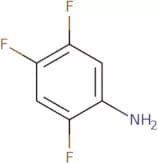
CAS:2,4,5-Trifluoroaniline (TFAA) is a synthetic chemical that belongs to the class of electrophiles. It is a hydrogenation reduction product of 2,4,5-trichloroaniline and is used as an antibacterial agent. TFAA inhibits bacterial growth by reacting with thiols in proteins and nucleic acids. This compound has shown efficiencies on the order of 99% against gram positive bacteria and 95% against gram negative bacteria. TFAA also has been shown to inhibit the production of hydrogen sulfide in Escherichia coli and Pseudomonas aeruginosa. The biological properties of TFAA are due to its ability to bind to copper ions and undergo reductive elimination or substitution reactions. The crystal structure of TFAA has been determined using x-ray diffraction techniques. In this work, it was found that TFAA adopts a planar geometry with D2d symmetry at room temperature and meltsFormula:C6H4F3NPurity:Min. 95%Color and Shape:PowderMolecular weight:147.10 g/mol1-Bromo-2-iodo-4-(trifluoromethyl)benzene
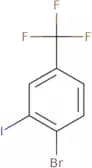
CAS:1-Bromo-2-iodo-4-(trifluoromethyl)benzene is a versatile building block that can be used as a reaction component to produce a variety of useful compounds. It is also a useful intermediate in the synthesis of organic fine chemicals. This compound is a high quality reagent that can be used in the production of research chemicals and speciality chemical products.Formula:C7H3BrF3IPurity:Min. 95%Color and Shape:Light (Or Pale) Yellow LiquidMolecular weight:350.9 g/mol4,5,6,7-Tetrabromobenzimidazole
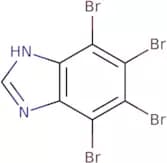
CAS:4,5,6,7-Tetrabromobenzimidazole is a brominated heterocyclic compound, which is synthesized chemically from benzimidazole. Its bromination at the 4, 5, 6, and 7 positions of the benzimidazole ring enhances its reactivity, making it a highly potent inhibitor in various enzymatic processes. This compound is primarily sourced through methods that involve controlled bromination reactions in laboratory settings.Formula:C7H2Br4N2Purity:Min. 95%Color and Shape:PowderMolecular weight:433.72 g/mol(2E)-3-(2,4-Dichlorophenyl)acrylic acid
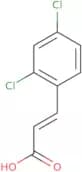
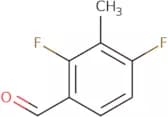
CAS:<p>Glyoxylate is an intermediate product of the shikimate pathway. It is a substrate for the enzyme tyrosinase, which catalyzes the hydroxylation of glyoxylate to form 3,4-dihydroxyphenylalanine (DOPA). This reaction is followed by the oxidation of DOPA to form o-quinone. Glyoxylate has also been shown to have neuromuscular junctions and may be involved in inhibiting muscle contraction.</p>Formula:C9H6Cl2O2Purity:Min. 95%Molecular weight:217.05 g/mol2,4-Difluoro-3-methylbenzaldehyde
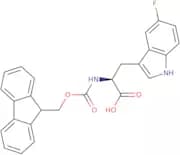
CAS:2,4-Difluoro-3-methylbenzaldehyde is a chemical compound that is used as a building block for the synthesis of other chemicals. It can be used as a research chemical or intermediate due to its versatility. 2,4-Difluoro-3-methylbenzaldehyde has a CAS number of 847502-88-9 and is classified as a speciality chemical with high quality. This compound may be useful in the synthesis of polymers and pharmaceuticals due to its ability to form covalent bonds with other molecules.Formula:C8H6F2OPurity:Min. 95%Color and Shape:Clear LiquidMolecular weight:156.13 g/molN-Fmoc-5-fluoro-L-tryptophan
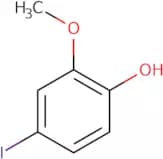
CAS:N-Fmoc-5-fluoro-L-tryptophan is a biologically active form of tryptophan that has been shown to have potent effects on the cardiovascular system. It is used as a tool for studying the function of angiotensin, collagen, and microstructural elements in the heart and lungs. N-Fmoc-5-fluoro-L-tryptophan has been shown to synergize with other heterocycles, maximizing its biological properties. This chemical is also effective at inducing muscle contraction in rats. N-Fmoc-5-fluoro-L-tryptophan binds to cardiothoracic proteins, causing changes in their structure that lead to increased muscle contractility. The covalent bond between this compound and the protein can be cleaved by enzymes such as proteases or nucleases, which can be useful for studying the interactions of drugs with these proteins.Formula:C26H21FN2O4Purity:Min. 98 Area-%Color and Shape:White PowderMolecular weight:444.45 g/mol4-Iodoguaiacol
CAS:<p>4-Iodoguaiacol is a chemical compound that has selective inhibitory effects on neuroinflammation. It is an isoquinoline alkaloid, which means that it contains nitrogen and carbon atoms in its structure. This molecule contains two vinyl ether groups and one methyl methacrylate group. The vinyl ether groups are responsible for the selectivity of 4-iodoguaiacol by binding to a protein called signal transducer and activator of transcription (STAT) 1. STAT1 is a signaling molecule that regulates inflammation in the brain. 4-Iodoguaiacol inhibits the production of amyloid beta proteins, which are linked to Alzheimer's disease, and can be used as a treatment for this condition.</p>Formula:C7H7IO2Purity:Min. 95%Color and Shape:White PowderMolecular weight:250.03 g/mol




![N-(3,5-Dichloro-4-Pyridinyl)-2-[1-(4-Fluorobenzyl)-5-Hydroxy-1H-Indol-3-Yl]-2-Oxoacetamide](/_next/image/?url=https%3A%2Fstatic.cymitquimica.com%2Fproducts%2F3D%2Fthumb-webp%2FFD101748.webp&w=3840&q=75)
![3-[(4-Chlorophenyl)amino]-5,5-dimethylcyclohex-2-en-1-one](/_next/image/?url=https%3A%2Fstatic.cymitquimica.com%2Fproducts%2F3D%2Fthumb-webp%2FFC123031.webp&w=3840&q=75)