Organic Halides
In this category, you can find organic molecules containing one or more halogen atoms in their structure. These organic halides include brominated, iodinated, chlorinated, and cyclic halide compounds. Organic halides are widely used in organic synthesis, pharmaceuticals, agrochemicals, and materials science due to their reactivity and ability to undergo a variety of chemical transformations. At CymitQuimica, we offer a comprehensive selection of high-quality organic halides to support your research and industrial applications, ensuring reliable and effective performance in your synthetic and analytical projects.
Subcategories of "Organic Halides"
Found 20440 products of "Organic Halides"
Sort by
Purity (%)
0
100
|
0
|
50
|
90
|
95
|
100
3,5-Dibromotoluene
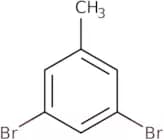
CAS:<p>3,5-Dibromotoluene is an organometallic compound that is a monomer for polymers. It has been used as a precursor for the preparation of cyclic polymers containing pendant chloride groups. The reaction time for the addition of 3,5-dibromotoluene to 1,3-cyclohexadiene is 10 minutes at room temperature and 5 hours at 100°C. Diffraction data shows that 3,5-dibromotoluene crystallizes in orthorhombic form with space group Pcma (No.43). The parameters of this molecule are: a = 8.624 Å, b = 8.624 Å, c = 7.814 Å and β = 107°. Zerovalent metals such as zinc and tin react with 3,5-dibromotoluene to give zerovalent organometallic compounds such as ethyl</p>Formula:C7H6Br2Purity:Min. 95%Color and Shape:PowderMolecular weight:249.93 g/mol6-Epidoxycycline hydrochloride
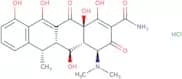
CAS:6-Epidoxycycline hydrochloride is a synthetic antibiotic that is prepared by the condensation of divinylbenzene and 6-aminopenicillanic acid. It has been found to have good antibacterial activity against Gram-positive bacteria. 6-Epidoxycycline hydrochloride has also been shown to be active against Gram-negative bacteria, but not as potent as other antibiotics in this class. The compound has been found to be stable in plasma and urine samples, but can react with acetonitrile. This reaction can lead to impurities that interfere with the analysis of the sample by chromatography. The compound has not been well studied for its side effects or toxicology, but it is thought to have similar effects to other members of this class of antibiotics.Formula:C22H24N2O8·HClPurity:Min. 90 Area-%Color and Shape:White PowderMolecular weight:480.9 g/mol2-Amino-4-bromocinnamic acid
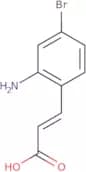
CAS:<p>2-Amino-4-bromocinnamic acid is a fine chemical with a CAS number of 914636-63-8. It is used in the synthesis of complex compounds and useful building blocks, as well as in research. This compound has been shown to be an intermediate for the preparation of derivatives with potential pharmaceutical applications, such as antihistamines, antipsychotics, and antibiotics. 2-Amino-4-bromocinnamic acid is also an important reagent for organic syntheses.</p>Formula:C9H8BrNO2Purity:Min. 98 Area-%Color and Shape:PowderMolecular weight:242.07 g/molProchloraz
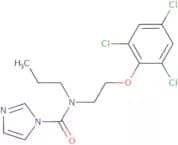
CAS:<p>Prochloraz is an antibiotic that belongs to the group of chemical pesticides. It has a synergic effect with other antibiotics such as erythromycin and tetracyclines. Prochloraz is used for the treatment of infectious diseases caused by Gram-positive bacteria, such as Streptococcus pneumoniae, Staphylococcus aureus, and Enterococcus faecalis. Prochloraz binds to the bacterial 50S ribosomal subunit, inhibiting protein synthesis by preventing the attachment of amino acids to their corresponding tRNA molecules. The use of prochloraz has been associated with increased levels of benzalkonium chloride in drinking water.</p>Formula:C15H16Cl3N3O2Purity:Min. 95%Molecular weight:376.66 g/mol2-Bromo-5-fluorobenzoic acid
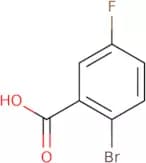
CAS:2-Bromo-5-fluorobenzoic acid is a polymerase inhibitor that inhibits the activity of the HIV-1 reverse transcriptase by competitive inhibition. It prevents the synthesis of viral DNA by binding to the RNA template and preventing chain elongation. This drug has been shown to be an effective treatment for some types of cancer, such as lung cancer, because it is not easily metabolized and can therefore reach high concentrations in tissues where it is needed. 2-Bromo-5-fluorobenzoic acid is synthesized from 5-(2′-bromophenoxy)benzothiazole and 2,3,4,5,6-pentafluorobenzoyl chloride in three steps. The synthesis involves bromination of benzothiazole with NBS followed by reaction with 4-fluoroaniline to give the intermediate which is then reacted with pentafluorobenzoyl chloride. This compoundFormula:C7H4BrFO2Purity:Min. 95%Color and Shape:PowderMolecular weight:219.01 g/mol2-((3-Fluorophenyl)amino)-1,3-thiazole-4-carboxylic acid
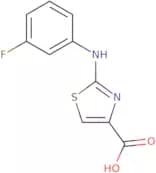
CAS:<p>Please enquire for more information about 2-((3-Fluorophenyl)amino)-1,3-thiazole-4-carboxylic acid including the price, delivery time and more detailed product information at the technical inquiry form on this page</p>Formula:C10H7FN2O2SPurity:Min. 95%Color and Shape:PowderMolecular weight:238.24 g/mol1-Benzyl-4-(chloromethyl)piperidine hydrochloride
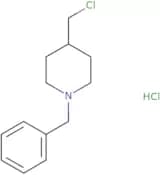
CAS:<p>1-Benzyl-4-(chloromethyl)piperidine hydrochloride is a research chemical that is a versatile building block for the synthesis of complex compounds. It is an intermediate in the preparation of other useful compounds, and has been used as a reagent for organic synthesis. 1-Benzyl-4-(chloromethyl)piperidine hydrochloride has shown to be a useful scaffold for the synthesis of fine chemicals, and can be used as a speciality chemical in many different reactions.</p>Formula:C13H18ClN·HClPurity:Min. 95 Area-%Color and Shape:White PowderMolecular weight:260.2 g/molBendamustine hydrochloride
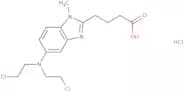
CAS:DNA alkylator; purine analogFormula:C16H22Cl3N3O2Purity:Min. 98 Area-%Color and Shape:White PowderMolecular weight:394.72 g/mol4-Bromoveratrole
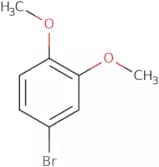
CAS:<p>4-Bromoveratrole is a triphenylene with a molecular weight of 454.42 g/mol and a melting point of 90°C. It has been shown that this molecule binds to the receptor for acetylcholine, which is found in the central nervous system and on muscles. The binding of 4-bromoveratrole to this receptor leads to the release of chloride ions from the cell, which increases the activity of acetylcholine. The detection sensitivity of 4-bromoveratrole in solution was determined by adding malonic acid or hydrochloric acid, which led to an increase in fluorescence intensity. This molecule also has fatty acid and hydroxyl groups that have been shown to have anti-inflammatory properties.</p>Formula:C8H9BrO2Purity:Min. 95%Color and Shape:Clear LiquidMolecular weight:217.06 g/mol1-Adamantanemethylamine hydrochloride
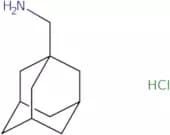
CAS:Rimantadine hydrochloride is a drug that belongs to the class of antiviral agents and is used for the prevention and treatment of influenza. It acts by blocking the uncoating of influenza virus, inhibiting viral RNA synthesis, and preventing virus-induced cytopathic effects in humans and animals. Rimantadine hydrochloride is an amantadine derivative that has been shown to be effective against influenza A viruses in humans. The drug also has a prophylactic efficacy against influenza B viruses. Rimantadine hydrochloride is localized in the lungs due to its intranasal application, which limits its effect on other parts of the body. It is metabolized into ammonium formate, chloride, and formamide before being excreted by the kidneys.Formula:C11H20ClNPurity:Min. 95%Color and Shape:PowderMolecular weight:201.74 g/mol1,1,1,2,2,3-Hexachloro-3-fluoropropane
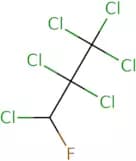
CAS:Controlled Product<p>1,1,1,2,2,3-Hexachloro-3-fluoropropane is a chemical compound that is used as a solvent and as a volatile agent in the process of vaporization. It has been shown to be toxic to the environment and has been classified as hazardous by the Environmental Protection Agency (EPA). The EPA estimates that 1,1,1,2,2,3-Hexachloro-3-fluoropropane emits about 100 million pounds per year into the atmosphere. This chemical compound is also used as an ingredient in certain pesticides.</p>Formula:C3HCl6FPurity:Min. 95%Molecular weight:268.75 g/molMethyl quinuclidine-3-carboxylate hydrochloride
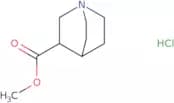
CAS:Methyl quinuclidine-3-carboxylate hydrochloride is a versatile building block that can be used to synthesize a variety of compounds. It is an intermediate in the production of high quality research chemicals and reagents. This compound has been shown to be useful as a scaffold for reactions that produce complex compounds with interesting biological activity. Methyl quinuclidine-3-carboxylate hydrochloride is a fine chemical that can be used as a reaction component or for other purposes.Formula:C9H15NO2·HClPurity:Min. 95%Molecular weight:205.68 g/mol2-Bromomethyl-1,3-dioxolane
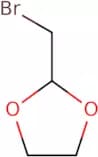
CAS:<p>2-Bromomethyl-1,3-dioxolane is an organic compound that belongs to the chemical family of diketones. It can be used for the synthesis of a wide range of organic compounds, including amines and other heterocyclic compounds. 2-Bromomethyl-1,3-dioxolane is also found in the 5HT1A receptor of the brain and has been shown to have antidepressant effects. The chemical reactions that occur when 2-bromomethyl-1,3-dioxolane is heated with hydrochloric acid are as follows: The reaction between 2-bromomethyl-1,3-dioxolane and anhydrous sodium carbonate produces sodium bromide and water. 2BrCH=CHCOONa + HCL → NaBr + H2O The reaction between 2-bromomethyl-1,</p>Formula:C4H7BrO2Purity:Min. 95 Area-%Color and Shape:Clear LiquidMolecular weight:167 g/molN-[(2-Fluorophenyl)methyl]-4-iodo-2,5-dimethoxybenzeneethanamine
CAS:Controlled ProductN-[(2-Fluorophenyl)methyl]-4-iodo-2,5-dimethoxybenzeneethanamine (25I-NBOMe) is a synthetic drug that acts as a potent agonist of the serotonin receptor 5-HT2A. It has been used in bioassays to study the function of this receptor and has been shown to be able to inhibit human liver metabolism. 25I-NBOMe is also an analytical tool for the detection and identification of cannabinoid derivatives, which are often found in synthetic cannabinoids. This compound can be analyzed by liquid chromatography tandem mass spectrometry (LC/MS/MS) methods with modifications that allow for the detection of metabolites.Formula:C17H19FINO2Purity:Min. 95%Molecular weight:415.24 g/molHydroxychloroquine sulfate
CAS:<p>Hydroxychloroquine is a 4-aminoquinolone that is used to prevent and treat malaria, caused by parasitic protozoan from the Plasmodium genus. Hydroxychloroquine is also used to treat non-infectious diseases such as rheumatoid arthritis and lupus thanks to its immunomodulatory properties. Recent studies revealed that hydroxychloroquine has beneficial effects on COVID-19 patients, as the current evidence shows that hydroxychloroquine inhibits SARS CoV-2 entry in host cells by interfering with endocytosis and affecting the glycoprofile on the spike glycoprotein.</p>Formula:C18H26ClN3O•H2SO4Purity:Min. 95%Color and Shape:White PowderMolecular weight:433.95 g/mol(Z)-3-Bromoacrylic acid
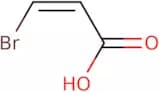
CAS:(Z)-3-Bromoacrylic acid is an organic compound that belongs to the class of terminal alkynes. It has been shown to be a potent irreversible inhibitor of enantiopure propargylation catalyzed by dehalogenases. (Z)-3-Bromoacrylic acid reacts with the active site residues of the enzyme and forms a covalent bond, which prevents the release of acetaldehyde from propargyl alcohol. This reaction is reversible, which may cause some problems in cases where it is necessary to regenerate the enzyme. (Z)-3-Bromoacrylic acid also reacts with phosphite and halides to form five-membered rings, which are not as stable as six-membered rings.Formula:C3H3BrO2Purity:Min. 95%Color and Shape:SolidMolecular weight:150.96 g/mol3-Fluoro-L-phenylalanine
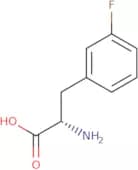
CAS:<p>3-Fluoro-L-phenylalanine is a fluorinated analog of the amino acid phenylalanine. It is an endophytic fungus that has been found in the leaves of wheat and rice plants. 3-Fluoro-L-phenylalanine is synthesized by 4-fluoro-l-phenylalanine, a plant metabolite, through the addition of a fluoride ion. This molecule can be used to produce gels with high glass transition temperatures. The synthesis of 3-fluoro-L-phenylalanine and its derivatives can be studied using NMR spectroscopy because these molecules are acidic and have low energy levels.</p>Formula:C9H10FNO2Purity:Min. 95%Color and Shape:White/Off-White SolidMolecular weight:183.18 g/mol2-Fluoro-3-nitrobenzoic acid
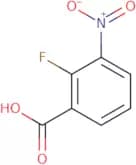
CAS:2-Fluoro-3-nitrobenzoic acid is a fine chemical that has been used as a building block for research chemicals, reagents, and speciality chemicals. It is also a versatile building block for the synthesis of complex compounds and useful scaffolds. 2-Fluoro-3-nitrobenzoic acid can be used as an intermediate in organic reactions or as a reaction component in the synthesis of pharmaceuticals. This compound has been shown to have high purity and good quality with CAS No. 317-46-4.Formula:C7H4O4NFPurity:Min. 95%Color and Shape:PowderMolecular weight:185.11 g/molTris(triphenylphosphine)rhodium(I) chloride
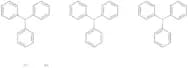
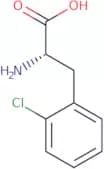
CAS:<p>Homogeneous hydrogenation catalyst</p>Formula:C54H45ClP3RhPurity:Min. 95%Color and Shape:PowderMolecular weight:925.21 g/mol2-Chloro-L-phenylalanine
CAS:<p>2-Chloro-L-phenylalanine (2CLP) is a fatty acid that can be used as a pharmacological agent. It has been shown to have an anti-inflammatory effect in the form of an inflammatory lesion in animals. 2CLP is also able to inhibit monoamine neurotransmitters, such as phenolic acid, which is involved in energy metabolism and mitochondrial functions. 2CLP has been shown to increase bile acids and decrease serum cholesterol levels. The chemical structure of 2CLP makes it difficult for the body to absorb it. This chemical has not been tested on humans, but studies have shown that it may be effective when combined with other drugs.</p>Formula:C9H10ClNO2Purity:Min. 95%Color and Shape:White PowderMolecular weight:199.63 g/mol2,3,5-Trichlorobenzoic acid
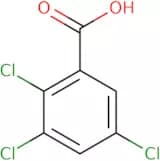
CAS:2,3,5-Trichlorobenzoic acid is a chemical compound that can be synthesized from phenacyl chloride and phthalic anhydride. The synthesis of 2,3,5-trichlorobenzoic acid is accomplished in two steps. First, the phenacyl chloride and ammonium sulfate are mixed together at a temperature of about 100°C for about 12 hours to produce 2-chloro-4-(phenylazo)benzene-1,3-diol (2). This product is then mixed with phthalic anhydride at a temperature of about 150°C for about 6 hours to produce 2,3,5-trichlorobenzoic acid (1). The synthesis of this compound has been shown to be thermophilic and reactive. It has also been shown to have single crystal x-ray diffraction properties.Formula:C7H3Cl3O2Purity:Min. 95%Color and Shape:White PowderMolecular weight:225.46 g/mol4-Fluoroaniline hydrochloride
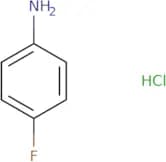
CAS:<p>4-Fluoroaniline hydrochloride is a redox-active compound that is synthesized from 4-fluorobenzene and ammonia. It has been shown to be a ligand for some transition metals, such as copper, manganese and nickel. This compound can also be used as an electrode in electrochemical studies. The magnetic properties of the 4-fluoroaniline hydrochloride are due to the presence of perchlorate ions. 4-Fluoroaniline hydrochloride reacts with elemental iodine to form a divalent carbon electrode.</p>Formula:C6H7ClFNPurity:Min. 95%Color and Shape:Off-White PowderMolecular weight:147.58 g/molPhenylphosphorodichloridite
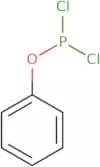
CAS:<p>Phenylphosphorodichloridite is a solid catalyst that is used in the production of polymers. It has been shown to inhibit the synthesis of glycogen, which is an important energy storage molecule, and phosphorous acid, which may play a role in the regulation of glycolysis. The antiviral effect of phenylphosphorodichloridite has been demonstrated by its ability to inhibit influenza virus replication. This agent also inhibits the production of proteins necessary for viral replication, such as covid-19 pandemic. Phenylphosphorodichloridite shows light resistance and can be used for organic synthesis in the presence of oxygen and light.</p>Formula:C6H5Cl2OPPurity:Min. 95%Color and Shape:Colorless Clear LiquidMolecular weight:194.98 g/mol2-Bromo-5-nitrothiazole
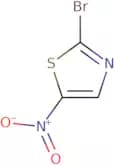
CAS:<p>2-Bromo-5-nitro thiazole (2BNIT) is a molecule that is commonly used in pharmaceutical preparations. 2BNIT has been shown to be toxic to mammalian cells, and hydrogen chloride (HCl) is produced as a result of the reaction. The HCl acts as an oxidizing agent that can react with nitrothiazole and nitro compounds, releasing ammonia gas. 2BNIT has been shown to have potent activity against three different species of bacteria, including Trichomonas vaginalis, Salmonella typhimurium, and Micrococcus luteus. The compound also has optical properties that can be observed by vibrational spectroscopy.</p>Formula:C3HBrN2O2SPurity:Min. 95%Color and Shape:PowderMolecular weight:209.02 g/mol3-Bromobenzamidine hydrochloride
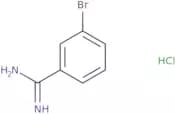
CAS:3-Bromobenzamidine hydrochloride is a pyrimidine that has been used as a medicinal agent. It is synthesized by the dehydration of 3-bromoacetamide and coupling with 2,4-dichlorobenzoyl chloride in the presence of silver nitrate. The reaction proceeds via an enaminone intermediate. This product can be used to treat malaria, which is caused by protozoa. 3-Bromobenzamidine hydrochloride also has anti-inflammatory properties and has been shown to inhibit prostaglandin synthesis.Formula:C7H7BrN2·HClPurity:Min. 95 Area-%Color and Shape:PowderMolecular weight:235.51 g/mol4-(2-Bromophenyl)-1,3-thiazol-2-amine
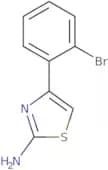
CAS:Please enquire for more information about 4-(2-Bromophenyl)-1,3-thiazol-2-amine including the price, delivery time and more detailed product information at the technical inquiry form on this pagePurity:Min. 95%Mecysteine hydrochloride
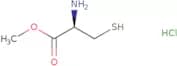
CAS:<p>Mecysteine hydrochloride is a stable complex of mecysteine and hydrochloric acid. It is an ester that is formed from the reaction of methionine and hydrochloric acid in the presence of sodium citrate. This drug has been used as a skin treatment for ichthyosis, atopic dermatitis, and other skin disorders. Mecysteine hydrochloride has also been shown to be effective against symptoms caused by oxidative stress, such as swelling, redness, pain, or itching. Mecysteine hydrochloride may act by reducing the production of reactive oxygen species (ROS) and increasing antioxidant enzymes in human serum.</p>Formula:C4H9NO2S•HClPurity:Min. 98 Area-%Color and Shape:PowderMolecular weight:171.65 g/molAnisodine hydrobromide
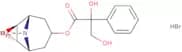
CAS:<p>Anisodine hydrobromide is a compound that modulates transcriptional regulation. It has been shown to inhibit the proliferation of cultured human renal proximal cells and to reduce the development of kidney fibrosis in rats. Anisodine also inhibits locomotor activity and improves sample preparation in a statistically significant way. Anisodine hydrobromide has not been found to be toxic at doses up to 2000 mg/kg, which is its highest dose studied so far. The study used an experimental model of neurotrophic factors, soybean extract and fluorescein angiography with LC-MS/MS method as the analytical technique.</p>Formula:C17H22BrNO5Purity:Min. 98%Color and Shape:PowderMolecular weight:400.26 g/molLabetalol hydrochloride
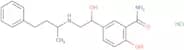
CAS:Controlled Product<p>Labetalol is a beta-adrenergic blocker that inhibits the binding of epinephrine to beta-adrenergic receptors. It has been shown to inhibit the activity of p-glycoprotein (P-gp) and prevent the movement of drugs out of cells. Labetalol also affects the activity of enzymes such as CYP3A4, CYP2D6, CYP2C9, and CYP2C19, which are responsible for metabolizing many different drugs. This drug also has a direct effect on cardiac function. Labetalol is used in treatment of high blood pressure, but should not be used in pregnant women because it can cause fetal harm. Labetalol may also interact with other cardiovascular medications (e.g., beta blockers).</p>Formula:C19H25ClN2O3Purity:95%NmrColor and Shape:White PowderMolecular weight:364.87 g/mol4-Bromo-3,5-dimethoxybenzoic acid methyl ester
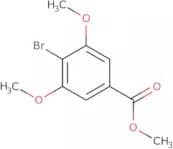
CAS:<p>4-Bromo-3,5-dimethoxybenzoic acid methyl ester is a crystalline solid that can be obtained from the reaction of 4-bromo-3,5-dimethoxybenzoic acid and methyl iodide. It has been shown to undergo an intramolecular cyclization when irradiated with ultraviolet light. This transformation is characterized by an increase in the length of the C=C bond and the appearance of a new C=O bond. The skeleton of 4-bromo-3,5-dimethoxybenzoic acid methyl ester consists of four five membered rings and two six membered rings. The molecule interacts with ligands such as styrene, mesitylene, vinylated benzyl halides, or halides.</p>Formula:C10H11BrO4Purity:Min. 95%Color and Shape:PowderMolecular weight:275.1 g/mol2-(Bromomethyl)-1h-imidazole hydrobromide
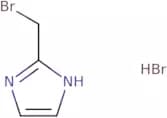
CAS:Please enquire for more information about 2-(Bromomethyl)-1h-imidazole hydrobromide including the price, delivery time and more detailed product information at the technical inquiry form on this pageFormula:C4H6Br2N2Purity:Min. 95%Color and Shape:PowderMolecular weight:241.91 g/mol5-(2-Fluorovinyl)-2'-Deoxyuridine
CAS:5-(2-Fluorovinyl)-2'-Deoxyuridine is a hydrophobic analogue of acyclovir that has potent activity against herpes simplex virus type 1. It inhibits the synthesis of viral DNA, and thus prevents the formation of plaques in tissue culture. This drug also inhibits cell proliferation and viral production by l1210 cells as well as lung fibroblasts. 5-(2-Fluorovinyl)-2'-Deoxyuridine has shown inhibitory effects against uninfected cells, but not against cells infected with herpes simplex virus type 2.Formula:C11H13FN2O5Purity:Min. 95%Molecular weight:272.23 g/molH-D-allo-Threonine methyl ester hydrochloride
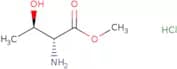
CAS:<p>H-D-allo-Threonine methyl ester hydrochloride is a speciality chemical that is used in research and development. It is an intermediate for the synthesis of other compounds, such as pharmaceuticals, pesticides, and fragrances. H-D-allo-Threonine methyl ester hydrochloride has been shown to be useful in the production of methanol and ethanol. This compound also has high quality and can be used as a reagent for other reactions.</p>Formula:C5H11NO3•HClPurity:Min. 95%Color and Shape:PowderMolecular weight:169.61 g/molPrilocaine hydrochloride
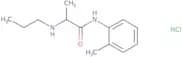
CAS:<p>Sodium channel blocker</p>Formula:C13H20N2O•HClPurity:Min. 95%Color and Shape:PowderMolecular weight:256.77 g/mol1-Fluorocyclopropane-1-carboxylic acid
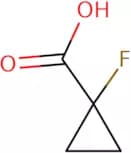
CAS:<p>1-Fluorocyclopropane-1-carboxylic acid is a fluorinated carboxylic acid that is an intermediate in the synthesis of the drug Covid-19, which has antiviral activity against pandemic influenza. The compound has a unique conformational property, which allows it to bind to the e3 ubiquitin ligase. This binding activates the ligase and leads to ubiquitin conjugation of proteins. 1-Fluorocyclopropane-1-carboxylic acid is also used as a reagent for chemical studies. It can be used as an acceptor or hydrogen donor in intramolecular reactions, and it can form strong dipole interactions with phenoxy groups. 1-Fluorocyclopropane-1-carboxylic acid is also bifunctional; it binds to two different molecules at once and has strong hydrogen bonding properties with fluorine atoms.</p>Formula:C4H5FO2Purity:Min. 95%Color and Shape:PowderMolecular weight:104.08 g/molCerium trichloride heptahydrate
CAS:Cerium trichloride heptahydrate is a reactive compound. It reacts with amines, forming salts and other compounds. Cerium trichloride heptahydrate is highly toxic and can cause death in humans by inhalation or ingestion. This chemical has been shown to be effective against choroidal neovascularization (CNV) in a mouse model of age-related macular degeneration by intravitreal injection. The preparative method for this compound is precipitation from a solution of ceric nitrate, sodium carbonate, and hydrochloric acid. Cerium trichloride heptahydrate has an average particle diameter of about 0.4 micrometers and contains functional groups that are covalently bonded to the lanthanum atom. The reaction yield for this compound is 100%.Formula:CeCl3•(H2O)7Purity:Min. 98%Color and Shape:PowderMolecular weight:372.58 g/molD-Valine ethyl ester hydrochloride
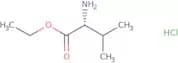
CAS:D-Valine ethyl ester hydrochloride is a reagent that is used in the synthesis of complex compounds. It can be used as an intermediate for fine chemicals and research chemicals, or as a building block for versatile building blocks. D-Valine ethyl ester hydrochloride can also be used in reactions to form other compounds, such as pharmaceuticals.Formula:C7H15NO2·HClPurity:Min. 95%Color and Shape:PowderMolecular weight:181.66 g/molcis-4-Chloro-3-nitrocinnamic acid
<p>Cis-4-Chloro-3-nitrocinnamic acid is an aromatic organic compound with potential utility in biochemical research and synthesis. This compound is typically derived from synthetic chemical processes involving chlorination and nitration reactions on cinnamic acid derivatives. Its molecular structure, characterized by both chloro and nitro functional groups, allows it to interact in unique ways with various biochemical pathways and molecular frameworks.</p>Formula:C9H6ClNO4Purity:Min. 95%Color and Shape:White PowderMolecular weight:227.6 g/mol2-Chloro-3-fluoroaniline
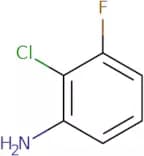
CAS:2-Chloro-3-fluoroaniline is a chemical compound that is used as a reagent, solvent, and building block in the synthesis of many other compounds. 2-Chloro-3-fluoroaniline can be used in the chemical industry to produce high quality research chemicals. This compound is also useful as an intermediate for the synthesis of pharmaceuticals and pesticides. The CAS number for this compound is 21397-08-0.Formula:C6H5ClFNPurity:Min. 95%Color and Shape:Clear LiquidMolecular weight:145.56 g/molCadmium chloride hemipentahydrate - ACS
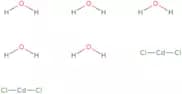
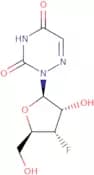
CAS:<p>Cadmium chloride hemipentahydrate is a chemical compound that has been shown to have genotoxic effects on animals and humans. Cadmium chloride hemipentahydrate has been shown to inhibit protein synthesis and enzyme activity in vitro and in vivo. It also has been shown to cause cell death and cytotoxicity in brain cells. This chemical compound is used as a model system for the study of cadmium toxicity, because it can be administered to animals without causing any adverse effects. When cadmium chloride hemipentahydrate is injected into rodents, it causes DNA damage, oxidative stress, inhibition of energy metabolism, and induction of apoptosis in brain cells.</p>Formula:CdCl2•(H2O)2Purity:(Titration) 79.5 To 81.0%Color and Shape:White PowderMolecular weight:228.35 g/mol3’-Deoxy-3’-fluoro-6-azauridine
CAS:<p>Please enquire for more information about 3’-Deoxy-3’-fluoro-6-azauridine including the price, delivery time and more detailed product information at the technical inquiry form on this page</p>Purity:Min. 95%2-Iodo-6-methylbenzoic acid
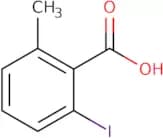
CAS:2-Iodo-6-methylbenzoic acid is a chemical used as an additive in the manufacture of plastics, paints and rubber. It is also a ligand for some transition metals. 2-Iodo-6-methylbenzoic acid has been found to be an active natural product that can be synthesized from phthalimides or other amines. 2-Iodo-6-methylbenzoic acid reacts with donepezil to form a multistep reaction intermediate called A, which is then oxidized by a transition metal to form the final product, aricept. The operational mechanism of this reaction is not yet fully understood, but it may involve an alkene intermediate.Formula:C8H7IO2Purity:Min. 95%Color and Shape:PowderMolecular weight:262.04 g/molGlutaryl-Gly-Arg-AMC hydrochloride salt
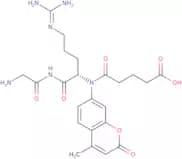
CAS:<p>Glutaryl-Gly-Arg-AMC hydrochloride salt is a high quality, fine chemical reagent that is useful as a building block, scaffold or intermediate. It has been used in the synthesis of other complex compounds and has been shown to have potential for use in drug discovery research. Glutaryl-Gly-Arg-AMC hydrochloride salt is a versatile building block that can be used in reactions that require the presence of an amine group, such as peptide coupling. This reagent can also be used to modify the functional groups on small molecules, such as aldehydes and carboxylic acids. Glutaryl-Gly-Arg-AMC hydrochloride salt is also useful as a reaction component in the synthesis of speciality chemicals, such as pharmaceuticals and agrochemicals.</p>Formula:C23H30N6O7•HClPurity:Min. 95 Area-%Color and Shape:PowderMolecular weight:538.98 g/mol2',7'-Bis(2-carboxyethyl)-5(6)-carboxyfluorescein
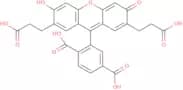
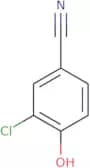
CAS:2',7'-Bis(2-carboxyethyl)-5(6)-carboxyfluorescein (BCECF) is a fluorescent probe that is used to measure the intracellular concentration of Ca2+. BCECF binds to Ca2+ and transfers its energy to a fluorophore. This process results in an increase in fluorescence intensity proportional to the amount of Ca2+ present. The BCECF dye can be used for detecting mitochondrial membrane potential, as well as monitoring changes in cellular metabolism. It has been shown to be effective in mesenchymal cells, blood sampling, and internalization assays.Formula:C27H20O11Purity:Min. 90 Area-%Color and Shape:PowderMolecular weight:520.44 g/mol3-Chloro-4-hydroxybenzonitrile
CAS:<p>3-Chloro-4-hydroxybenzonitrile (3CHBZ) is a chemical that contains chlorine and hydroxy groups. It has a basic structure with a proton and two electrons in the outer shell. 3CHBZ is an intermediate in various reactions, including electrochemical studies. 3CHBZ reacts with radiation to form a molecule that can react with other chemicals. This reaction can be used as a method for synthesizing products or destroying unwanted substances. Protonation of 3CHBZ leads to the formation of chloride ions, which are involved in thrombin inhibition.</p>Formula:C7H4ClNOPurity:Min. 95%Color and Shape:PowderMolecular weight:153.57 g/molMethyl 2-amino-4-(trifluoromethyl)benzoate
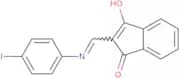
CAS:Methyl 2-amino-4-(trifluoromethyl)benzoate is a non-steroidal anti-inflammatory drug that is structurally related to anthranilic acid. It has been shown to reduce the proliferation of human breast cancer cells in vitro. This drug inhibits the activity of cellular senescence, which has been implicated in aging and cancer progression. Methyl 2-amino-4-(trifluoromethyl)benzoate binds to receptor sites on the cell nucleus and prevents the binding of ligands to these receptors, thereby inhibiting transcriptional activity. This compound also increases cell sensitivity to radiation and chemotherapeutic agents by preventing DNA repair mechanisms from functioning properly. Methyl 2-amino-4-(trifluoromethyl)benzoate inhibits the production of reactive oxygen species by inducing oxidative stress in cells and may inhibit protein synthesis through its ability to bind tightly to proteins.Formula:C9H8F3NO2Purity:Min. 95%Color and Shape:Slightly Yellow PowderMolecular weight:219.16 g/mol2-(((4-iodophenyl)amino)methylene)indane-1,3-dione
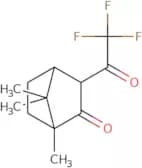
CAS:Please enquire for more information about 2-(((4-iodophenyl)amino)methylene)indane-1,3-dione including the price, delivery time and more detailed product information at the technical inquiry form on this pageFormula:C16H10INO2Purity:Min. 95%Color and Shape:PowderMolecular weight:375.16 g/mol3-Trifluoroacetyl-D-Camphor
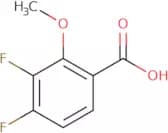
CAS:<p>3-Trifluoroacetyl-D-camphor is a ligand that binds to the quinine site on the mitochondrial membrane potential. It has been shown to have synergistic effects with metal chelates in cancer treatments. 3-Trifluoroacetyl-D-camphor is also a phosphorescent compound that emits photons when excited by light. The emission of light can be used as a probe for determining mitochondrial membrane potential and as a luminophore in devices such as gas sensors. 3-Trifluoroacetyl-D-camphor is found in the mitochondrial membranes of HL60 cells, and its concentration increases when mitochondria are exposed to hydrogen phosphine.</p>Formula:C12H15F3O2Purity:Min. 95%Color and Shape:Clear LiquidMolecular weight:248.24 g/mol3,4-Difluoro-2-methoxybenzoic acid
CAS:<p>3,4-Difluoro-2-methoxybenzoic acid is a chemical compound that can be used as a reaction component or reagent. It is also a useful scaffold for organic synthesis of complex compounds and can be used as a building block to produce fine chemicals. 3,4-Difluoro-2-methoxybenzoic acid has the CAS number 875664-52-1 and is listed under the chemical name 3,4-difluoro-2-methoxybenzoic acid.</p>Formula:C8H6F2O3Purity:Min. 95%Color and Shape:PowderMolecular weight:188.13 g/mol4'-Chloroacetanilide
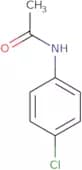
CAS:4'-Chloroacetanilide is a white, crystalline solid. It is soluble in water and has low solubility in organic solvents such as benzene, toluene, and chloroform. It also exhibits low volatility and a melting point of 148-150 degrees Celsius. 4'-Chloroacetanilide can be prepared by the reaction of acetanilide with sodium hypochlorite in the presence of an acid catalyst. The compound has been shown to have acute toxicities and hydrogen bonding interactions with proteins. The compound's biochemical properties include its ability to inhibit bacterial growth, which may be due to its inhibition of protein synthesis. 4'-Chloroacetanilide is used as a pharmaceutical preparation for the treatment of parasitic infections that are resistant to other drugs.Formula:C8H8ClNOPurity:Min. 95%Color and Shape:PowderMolecular weight:169.61 g/mol

![N-[(2-Fluorophenyl)methyl]-4-iodo-2,5-dimethoxybenzeneethanamine](/_next/image/?url=https%3A%2Fstatic.cymitquimica.com%2Fproducts%2F3D%2Fthumb-webp%2FFF97685.webp&w=3840&q=75)