Organic Halides
Subcategories of "Organic Halides"
Found 20442 products of "Organic Halides"
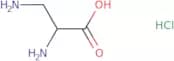
DL-2,3-Diaminopropionic acid monohydrochloride
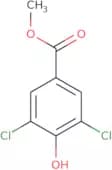
CAS:DL-2,3-Diaminopropionic acid monohydrochloride is used in the preparation of drug samples for clinical chemistry analysis. This chemical has a number of uses, including as a modifier to increase the solubility and stability of drugs in solution and as a reagent to prepare analytical standards. DL-2,3-Diaminopropionic acid monohydrochloride also has been used as an inhibitor in titration methods for the determination of pH. DL-2,3-Diaminopropionic acid monohydrochloride is an inorganic chemical that can be derived from biochemical reactions by hydrolysis or derivatization. It has been shown to have selectivities for elimination reactions involving intramolecular hydrogen transfer.Formula:C3H8N2O2•HClPurity:Min. 95%Color and Shape:White Off-White PowderMolecular weight:140.57 g/molMethyl 3,5-dichloro-4-hydroxybenzoate
CAS:Methyl 3,5-dichloro-4-hydroxybenzoate is an activated form of the drug carbamazepine. The methyl group is added to the benzoic acid in the drug to make it more soluble and increase its effectiveness in the body. Activated carbamazepine has been shown to be effective against some bacteria such as Etoac extract, Clostridium perfringens and Mycobacterium tuberculosis. It has also been used in wastewater treatment and can be used in photochemical oxidation of wastewater containing organic matter. Methyl 3,5-dichloro-4-hydroxybenzoate is also an electron donor for photocatalytic activity.Formula:C8H6Cl2O3Purity:Min. 95%Color and Shape:PowderMolecular weight:221.04 g/mol3-Chloroiminodibenzyl
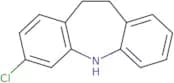
CAS:3-Chloroiminodibenzyl is a synthetic chemical that has electron-donating properties. It is used as a building block for the synthesis of other chemicals, including pharmaceuticals and pesticides. 3-Chloroiminodibenzyl is insoluble in water and can form hydrogen chloride when exposed to hydrochloric acid. The compound reacts with metal ions to form an unpaired electron, which may be responsible for its reactivity. This chemical has been shown to produce reactive aliphatic hydrocarbons when treated with hydroxide solution, which are useful in industrial chemical processes.
Formula:C14H12ClNPurity:Min. 95 Area-%Color and Shape:Off-White PowderMolecular weight:229.7 g/mol2-Chloro-3-fluorobenzoic acid
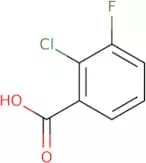
CAS:2-Chloro-3-fluorobenzoic acid is a common intermediate used in organic synthesis. It can be synthesized by the halogenation of 2,4-dichlorophenol with
chlorine or bromine followed by nitration and reduction. This compound is an important reagent for generating various heterocycles. It is characterized by a coefficient of 0.5 (palladium), which makes it useful for analytical methods that require a high level of purity, such as spectroscopic analysis. The chemical diversity descriptor demonstrates the variety of chemical reactions that this compound has undergone during its synthesis.Formula:C7H4ClFO2Purity:Min. 95%Color and Shape:PowderMolecular weight:174.56 g/mol2-Bromo-5-chlorobenzoic acid methyl ester
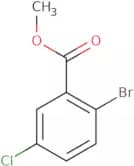
CAS:2-Bromo-5-chlorobenzoic acid methyl ester is a chemical compound that is a component of the perborate oxidant. This chemical reacts with hydrogen peroxide to produce water, oxygen, and 2-bromo-5-chlorobenzoic acid. It can also be used in cyclisation reactions to synthesise heterocyclic compounds. The reaction mechanism for this process involves the formation of an unstable intermediate that spontaneously breaks down into two bromine atoms and one carbon atom. This process is catalyzed by metal ions such as copper, silver, and zinc. 2-Bromo-5-chlorobenzoic acid methyl ester has been used as an intermediate in the synthesis of homologues of ribonucleotide reductase.Formula:C8H6BrClO2Purity:Min. 95%Color and Shape:PowderMolecular weight:249.49 g/mol3,4-Dehydro-L-proline methyl ester hydrochloride
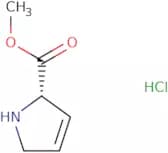
CAS:3,4-Dehydro-L-proline methyl ester hydrochloride is a reagent that is used in the synthesis of complex compounds. It is a versatile building block for the synthesis of fine chemicals and can be used as a research chemical or as a speciality chemical. 3,4-Dehydro-L-proline methyl ester hydrochloride has CAS No. 186145-08-4 and can be used as an intermediate in reactions to create high quality reaction components.
Formula:C6H9NO2•HClPurity:Min. 95%Color and Shape:SolidMolecular weight:163.6 g/mol2-Chloro-5-iodotoluene
CAS:2-Chloro-5-iodotoluene is an estrogen receptor antagonist that inhibits the activity of estrogen. 2CIT has been shown to be a potent aromatase inhibitor, and can be used for the treatment of endometriosis and breast cancer. 2CIT has been shown to inhibit the production of estrogen by binding to the aromatase enzyme and preventing it from converting testosterone into estrogen in peripheral tissues such as adipose tissue. This drug can also prevent the conversion of androgens into estrogens in target tissues, including breast tissue. As a result, this drug inhibits tumor growth by preventing the formation of new blood vessels needed for tumor growth. 2CIT may also have anti-cancer properties due to its ability to inhibit DNA synthesis in tumor cells.
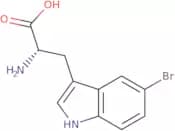
Formula:C7H6ClIPurity:Min. 95%Color and Shape:PowderMolecular weight:252.48 g/mol5-Bromo-L-tryptophan
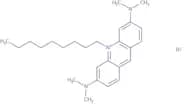
CAS:5-Bromo-L-tryptophan is a chemical compound that is an important intermediate in the biosynthesis of serotonin and melatonin. This molecule is a member of the class of compounds called indole alkaloids. 5-Bromo-L-tryptophan has been shown to be synthesized from tryptamine and secologanin by Aureol, a wild type strain of bacteria. The biosynthesis starts with the addition of two bromine atoms at the C5 position, which are then removed as volatile bromide ions. X-ray crystallography data have shown that this reaction proceeds via an asymmetric syn addition, with a reaction time on the order of milliseconds. 5-Bromo-L-tryptophan can be obtained from marine sponges such as Semenospongia sp., using x-ray data to determine its molecular structure.Formula:C11H11BrN2O2Purity:Min. 97 Area-%Color and Shape:White PowderMolecular weight:283.12 g/molAcridine orange 10-nonylbromide
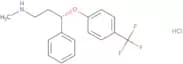
CAS:Acridine orange 10-nonylbromide is a fluorescent dye that binds to DNA and RNA. It is used in biochemistry to stain cells and tissues for examination under a microscope. Acridine orange 10-nonylbromide has been shown to bind to the mitochondria in human white blood cells, thereby inhibiting mitochondrial membrane potential, which leads to cell lysis. Acridine orange 10-nonylbromide also has an index of high values with water vapor, making it an ideal candidate for use as an indicator in ecological studies. Acridine orange 10-nonylbromide can be used as a probe for the study of biological samples because it binds reversibly to nucleic acids, giving it chemical stability. Acridine orange 10-nonylbromide also has monoclonal antibodies that are specific for the physiological function of proteins, which makes it useful as a probe for biochemical research involving protein synthesis or degradation.Formula:C26H38BrN3Purity:Min. 95%Color and Shape:SolidMolecular weight:472.5 g/mol(S)-Fluoxetine hydrochloride
CAS:Controlled ProductSelective serotonin reuptake inhibitor; anti-depressantFormula:C17H19ClF3NOPurity:Min. 98 Area-%Color and Shape:PowderMolecular weight:345.79 g/molSultopride hydrochloride
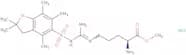
CAS:Controlled ProductSultopride hydrochloride is a drug that has been shown to be effective in treating treatment-resistant schizophrenia. It has also been shown to have cardiac effects, such as prolonging the QT interval on an electrocardiogram, and can cause amisulpride-like side effects. Sultopride hydrochloride is a dopamine receptor antagonist and it has been shown to reduce serum prolactin levels in rats. Ziprasidone, an antipsychotic drug, was found to have moderate interactions with sultopride hydrochloride. In addition, sultopride hydrochloride has been used in the past as an analytical model system for studying biological samples. This drug can also be used to treat infectious diseases, such as malaria or tuberculosis.Formula:C17H27ClN2O4SPurity:Min. 95%Color and Shape:PowderMolecular weight:390.93 g/molNomega-(2,2,4,6,7-Pentamethyldihydrobenzofuran-5-sulfonyl)-L-arginine methyl ester hydrochloride
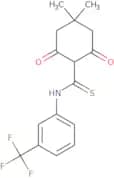
CAS:Nomega-(2,2,4,6,7-Pentamethyldihydrobenzofuran-5-sulfonyl)-L-arginine methyl ester hydrochloride is a versatile building block for the preparation of complex compounds. It is a reagent for research chemicals and speciality chemicals. Nomega-(2,2,4,6,7-Pentamethyldihydrobenzofuran-5-sulfonyl)-L-arginine methyl ester hydrochloride can be used as a high quality and useful intermediate in organic synthesis or as a reaction component in various chemical reactions. This compound has been shown to be useful as a scaffold in the design of new drugs.Formula:C20H32N4O5S·HClPurity:Min. 95%Color and Shape:PowderMolecular weight:477.02 g/mol5,5-dimethyl-2-(thioxo((3-(trifluoromethyl)phenyl)amino)methyl)cyclohexane-1,3-dione
CAS:Please enquire for more information about 5,5-dimethyl-2-(thioxo((3-(trifluoromethyl)phenyl)amino)methyl)cyclohexane-1,3-dione including the price, delivery time and more detailed product information at the technical inquiry form on this pagePurity:Min. 95%Dimethyl malonyl chloride
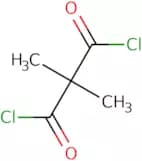
CAS:Dimethyl malonyl chloride is a carboxylic acid that is used as a solid catalyst in the production of polymers and resins. It can also be used to produce ethyl diazoacetate, which is an important component of the manufacturing process for azoxy compounds. Dimethyl malonyl chloride has been shown to react with various metal chlorides to form palladium complexes that are catalysts for hydrogenation reactions. This chemical has been found to function as an absorber in activated carbon film and can be used as a hydroxy group donor or an oxidation catalyst.Formula:C5H6Cl2O2Purity:Min. 95%Molecular weight:169.01 g/mol(E)-3-[3'-(4''-fluorophenyl)-1'-(1''-methylethyl)-1H-indol-2''-yl]-2-propnal
CAS:(E)-3-[3'-(4''-Fluorophenyl)-1'-(1''-methylethyl)-1H-indol-2''-yl]-2-propnal is an amoebicidal agent that belongs to the class of indole derivatives. It has been shown to inhibit tumor growth in animal models, and thus may be a potential anti-cancer drug. The activity index of (E)-3-[3'-(4''-fluorophenyl)-1'-(1''-methylethyl)-1H-indol-2''-yl]-2-propnal was significantly lower than those of fenoldopam, a well known antihypertensive agent, for the treatment of liver cancer. The compound also inhibits the growth of bacteria by inhibiting protein synthesis in organisms such as amoeba.Formula:C20H18FNOPurity:Min. 95%Color and Shape:Yellow PowderMolecular weight:307.36 g/mol2-(2,4-Dichlorophenoxy)-2-methylpropanoic acid
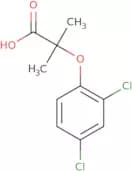
CAS:2,4-Dichlorophenoxyacetic acid is a plant growth regulator that inhibits the transfer of auxin from the shoot to the root. It does this by preventing synthesis of 2,4-dichlorophenoxyacetic acid (2,4-D) and its conversion to 2,4-dichlorophenoxypropionic acid (2,4-DP). The 2,4-D then binds to the auxin transport proteins in the plasma membrane and prevents their passage through the cell wall. The mechanism of action of 2,4-D is not well understood but it is thought that it may inhibit or interfere with indoleacetic acid production or metabolism. Auxins are also mediators of plant physiology and play a role in many processes such as phototropism and phytochrome sensitivity. 2,4-D has been shown to block photosynthesis and respiration in plants by inhibiting chlorophyll synthesis. Indoleacetic acidFormula:C10H10Cl2O3Purity:Min. 95%Color and Shape:Clear LiquidMolecular weight:249.09 g/mol3-(4-Fluorobenzoyl)-6-Methoxy-2-Methyl-1H-Indole-1-Acetic Acid
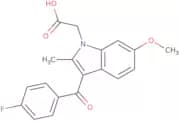
CAS:Controlled Product3-(4-Fluorobenzoyl)-6-Methoxy-2-Methyl-1H-Indole-1-Acetic Acid is a prodrug that is metabolized to 6-fluoro-3,4 dioxo tamoxifen in the liver. It has been shown to have anticholinergic, cytosolic calcium and c1-4 alkyl properties. 3-(4-Fluorobenzoyl)-6-Methoxy-2-Methylindole Acetic Acid also has a basic group, cyclopentane ring, and pyridine ring.Formula:C19H16FNO4Purity:Min. 95%Molecular weight:341.33 g/mol22-Fluorovitamin D3
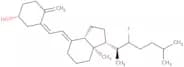
CAS:22-Fluorovitamin D3 is a synthetic analog of vitamin D3, which is derived from chemical synthesis involving fluorination at the C-22 position. This modification results in a compound that mimics the structure and activity of naturally occurring vitamin D3 but with altered pharmacokinetics and metabolic stability. The fluorine atom, due to its size and electronegativity, influences the binding affinity and activity of the compound at vitamin D receptors.Formula:C27H43FOPurity:Min. 95%Molecular weight:402.63 g/mol3,6-Dichloropyrazine-2-carbonitrile
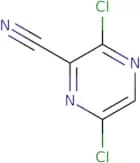
CAS:3,6-Dichloropyrazine-2-carbonitrile is a synthetic nucleophilic compound that can be used to produce antiviral drugs. This chemical belongs to the class of chlorination compounds and reacts with nucleophiles in a nucleophilic substitution reaction. 3,6-Dichloropyrazine-2-carbonitrile has been optimized for synthesis by recrystallization and solvents. The reactants are heated and then mixed, where it undergoes an acid catalyzed hydrolysis followed by a dehydration reaction. 3,6-Dichloropyrazine-2-carbonitrile is synthesized by reacting a nitrile with phosgene to form the chloroformate ester which is reacted with ammonia or amines. The final product is purified using recrystallization or solvent extraction.Formula:C5HCl2N3Purity:Min. 97 Area-%Color and Shape:PowderMolecular weight:173.99 g/mol4-(3-Chloropropyl)morpholine hydrochloride
CAS:Please enquire for more information about 4-(3-Chloropropyl)morpholine hydrochloride including the price, delivery time and more detailed product information at the technical inquiry form on this pageFormula:C7H14ClNO•HClPurity:Min. 95%Molecular weight:200.11 g/mol[5-Methyl-3-(trifluoromethyl)-1H-pyrazol-1-yl]acetic acid
CAS:[5-Methyl-3-(trifluoromethyl)-1H-pyrazol-1-yl]acetic acid is a reaction component that can be used in organic synthesis as a reagent. This chemical has been shown to have high quality, and is useful for research purposes. It is also a versatile building block and useful intermediate, which can be used in the production of complex compounds. [5-Methyl-3-(trifluoromethyl)-1H-pyrazol-1-yl]acetic acid has CAS number 345637-71-0, and is a fine chemical that is useful for chemistry research.Formula:C7H7F3N2O2Purity:Min. 95%Color and Shape:PowderMolecular weight:208.14 g/mol2,5-Diphenyl-3-(4-methoxyphenyl)pyronium tetrafluoroborate
CAS:2,5-Diphenyl-3-(4-methoxyphenyl)pyronium tetrafluoroborate is a chemical compound that can be used as a reagent or building block for the synthesis of other chemical compounds. It is also useful for research and as a versatile building block in organic chemistry. 2,5-Diphenyl-3-(4-methoxyphenyl)pyronium tetrafluoroborate is classified as a speciality chemical product. This compound has CAS Number 2907-20-2 and a molecular weight of 244.12 g/mol.Formula:C24H19O2·BF4Purity:90%Color and Shape:PowderMolecular weight:426.21 g/moltert-Butyldimethylsilyl trifluoromethanesulfonate
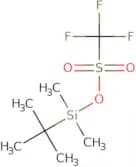
CAS:tert-Butyldimethylsilyl trifluoromethanesulfonate is a nucleophilic reagent that forms an addition product with metal carbonyls. It can be used for the synthesis of indacaterol maleate, which is a phosphite prodrug for the treatment of asthma and chronic obstructive pulmonary disease. Tert-butyldimethylsilyl trifluoromethanesulfonate has been shown to catalyze asymmetric hydrogenation reactions in the presence of ammonia as a chiral auxiliary. This reagent has also been shown to inhibit the growth of bacteria and fungi through its ability to inhibit protein synthesis.Formula:C7H15F3O3SSiColor and Shape:Colorless Clear LiquidMolecular weight:264.34 g/mol1-Chloro-1,1,2,2,3-Pentafluoropropane
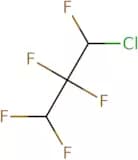
CAS:Controlled Product1-Chloro-1,1,2,2,3-Pentafluoropropane (HFC-245fa) is a fluorocarbon that has an electronegative and anisotropic nature. It is a liquid with a boiling point of -95°C. The chemical shift of the methyl group at 2.6 ppm in the 1H NMR spectrum is indicative of a trifluoromethyl group (-CF3). This compound is also soluble in many organic solvents. In addition to being used as a refrigerant and aerosol propellant, it is also used as a surfactant and optical brightener in plastics. Furthermore, 1-chloro-1,1,2,2,3-pentafluoropropane can react with caprylic acid to form HFC-245ea. This reaction occurs because of the steric effect of the trifluoromethyl group on theFormula:C3H2ClF5Purity:Min. 95%Molecular weight:168.49 g/mol4-Cyano-2-fluorobenzoic acid methyl ester
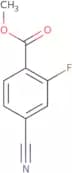
CAS:4-Cyano-2-fluorobenzoic acid methyl ester is a versatile building block for complex compounds. It can be used as a reagent to synthesize other compounds and as a speciality chemical with high quality. This chemical is also an intermediate in the synthesis of other compounds, such as 4-cyano-2-fluorobenzoic acid ethyl ester, which has been shown to be useful in the synthesis of β-lactam antibiotics.Formula:C9H6FNO2Purity:Min. 95%Color and Shape:PowderMolecular weight:179.15 g/molCyclopentyl bromide
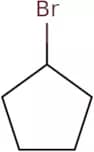
CAS:Cyclopentyl bromide is a cyclic hydrocarbon, which has a nitrogen atom in its ring. It is also an activator of the Toll-like receptor and can be used for the treatment of infectious diseases. Cyclopentyl bromide can be synthesized by reacting cyclopentanol with bromine in the presence of a base. This synthesis method is known to produce a number of side products, including alcohols and other organic compounds. Cyclopentyl bromide has been shown to have pharmacokinetic properties that are similar to those observed with other related drugs. It binds to the Toll-like receptor on macrophages and neutrophils, which leads to an increase in locomotor activity. Cyclopentyl bromide also has been found to have antidepressant effects due to its ability to bind with dopamine receptors and inhibit monoamine oxidase activity.
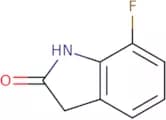
Formula:C5H9BrPurity:Min. 95%Color and Shape:Colorless Clear LiquidMolecular weight:149.03 g/mol7-Fluorooxindole
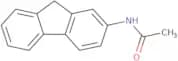
CAS:7-Fluorooxindole is an alkylating agent that can be used in the synthesis of oxindoles. This compound can be prepared by aldol condensation reaction with butyllithium, followed by alkylation with bromides or iodides. The use of 7-fluorooxindole and its derivatives has been optimized to yield high yields. The optimal conditions for this reaction are deprotonation with an organometallic reagent, such as butyllithium, followed by alkylation with bromides or iodides.Formula:C8H6FNOPurity:Min. 95%Color and Shape:SolidMolecular weight:151.14 g/mol2-Acetamidofluorene
CAS:Controlled Product2-Acetamidofluorene is a polycyclic aromatic hydrocarbon that is found in coal tar and cigarette smoke. It has been shown to bind to the dna of both prokaryotic and eukaryotic cells, with high binding activity for the cell nuclei of hepatocytes. 2-Acetamidofluorene also binds to the polypeptide components of DNA, leading to oxidative damage in the cell's protein synthesis machinery. This chemical has been shown to induce liver toxicity in animal studies as well as genotoxic effects in human cells.
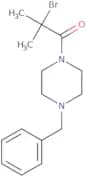
Formula:C15H13NOPurity:(%) Min. 85%Color and Shape:PowderMolecular weight:223.27 g/mol1-Benzyl-4-(2-bromo-2-methylpropanoyl)piperazine
CAS:Controlled ProductPlease enquire for more information about 1-Benzyl-4-(2-bromo-2-methylpropanoyl)piperazine including the price, delivery time and more detailed product information at the technical inquiry form on this page
Formula:C15H21BrN2OPurity:Min. 95%Molecular weight:325.24 g/mol6-Chloro-9-(tetrahydro-2H-pyran-2-yl)purine
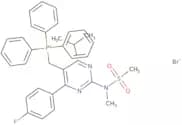
CAS:6-Chloro-9-(tetrahydro-2H-pyran-2-yl)purine is a nucleoside analog that is used to treat various types of cancer. It is a c–h bond regiospecific nucleophile that forms the 6-chloro 9-(tetrahydro-2H-pyran-2-yl)purine intermediate. The chloride ion acts as a nucleophile in the first step of this process, which results in the formation of an organocuprate and glyoxylate. 6CPP binds to DNA and inhibits RNA synthesis, leading to cell death by apoptosis or necrosis. This drug has been shown to be effective for treating human cell lines. 6CPP is also known for its antitumor effects, which may be due to its ability to inhibit phosphonates and cross-coupling reactions.Formula:C10H11ClN4OPurity:Min. 95%Color and Shape:SolidMolecular weight:238.67 g/molRosuvastatin triphenylphosphonium bromide
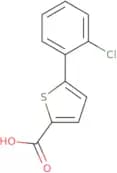
CAS:Rosuvastatin is a high-quality reagent for organic synthesis. It has a CAS number of 885477-83-8 and is used as an intermediate in the production of fine chemicals, research chemicals, and speciality chemicals. Rosuvastatin is also a versatile building block for organic synthesis because it can be used to make many different chemical compounds. It is also used as a reaction component in the production of other chemical compounds.Formula:C34H34BrFN3O2PSPurity:Min. 95%Color and Shape:White PowderMolecular weight:678.59 g/mol5-(2-Chlorophenyl)thiophene-2-carboxylic acid
CAS:5-(2-Chlorophenyl)thiophene-2-carboxylic acid is a reagent, complex compound, and useful intermediate that belongs to the class of fine chemicals. CAS No. 500604-91-1 is a speciality chemical that is used as a versatile building block in research chemicals and as a reaction component for the synthesis of new drugs. It is also an excellent building block for synthesizing 1,4-benzothiazepines and other heterocyclic compounds.
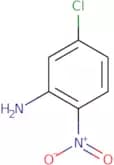
Formula:C11H7ClO2SPurity:Min. 95%Color and Shape:PowderMolecular weight:238.69 g/mol5-Chloro-2-nitroaniline
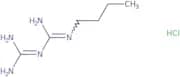
CAS:5-Chloro-2-nitroaniline is a proton transport agent that is used to dissolve the stones in the kidney and bladder. It belongs to the chemical class of anilines and has a chlorine atom. This drug is structurally similar to sorafenib, which is used for cancer treatment, and has been shown to inhibit cb2 receptor activity. 5-Chloro-2-nitroaniline also reacts with hydrochloric acid or sodium hydroxide solution to produce nitrous acid, which can be used as a reactant in organic synthesis.Formula:C6H5ClN2O2Purity:Min. 95%Molecular weight:172.57 g/molBuformin hydrochloride
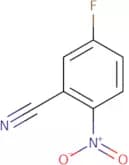
CAS:Buformin hydrochloride is an oral hypoglycemic drug that belongs to the group of biguanides. It is used for the treatment of type 2 diabetes mellitus and has been shown to have a hypoglycemic effect in patients with breast cancer. The mechanism of action of buformin hydrochloride is not fully understood, but it may involve the regulation of mitochondrial membrane potential and transcription activators. Buformin hydrochloride has been shown to decrease the number of lymphocytes, which are responsible for immune responses. This drug also inhibits the growth of c. glabrata, an opportunistic fungal pathogen, by disrupting energy metabolism. Buformin hydrochloride is metabolized in humans and animals by glucuronidation or sulfation. In analytical studies, benzalkonium chloride (BAK) was used as a crystalline cellulose carrier to increase solubility and stability.Formula:C6H16ClN5Purity:Min. 95%Color and Shape:White PowderMolecular weight:193.68 g/mol5-Fluoro-2-nitrobenzonitrile
CAS:5-Fluoro-2-nitrobenzonitrile is a synthetic compound that has been shown to inhibit the growth of tumor cells. It binds to nucleic acids and causes DNA damage, which leads to cell death. 5-Fluoro-2-nitrobenzonitrile inhibits the synthesis of proteins in cancer cells and also induces their apoptosis. The molecular modeling data indicates that this molecule has a hydrophobic pocket that can be used for targeting tumour cells. X-ray crystallography studies have confirmed that 5-fluoro-2-nitrobenzonitrile binds selectively to the minor groove of dna, suggesting its inhibitory potency against tumour cells.Formula:C7H3FN2O2Purity:Min. 95%Color and Shape:Off-White PowderMolecular weight:166.11 g/molOxybuprocaine hydrochloride
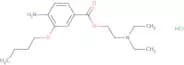
CAS:Controlled ProductOxybuprocaine hydrochloride is a local anesthetic that belongs to the group of x-ray diffraction data. It is a chemical compound that has been shown to be effective in inducing anesthesia in humans. Oxybuprocaine hydrochloride binds to proteins, such as benzalkonium chloride, and inhibits cell growth. It also has an anti-inflammatory effect by preventing the release of prostaglandins. Oxybuprocaine hydrochloride stabilizes chemical bonds and does not react with oxygen or water, making it a suitable candidate for use in eye drops and other solutions for application to skin cells. As well as this, oxybuprocaine hydrochloride can be used as a contrast agent for x-rays when dissolved in human serum or nutrient solution and can be detected using an electrochemical detector.Formula:C17H29ClN2O3Purity:Min. 95%Color and Shape:White PowderMolecular weight:344.88 g/molIpratropium bromide monohydrate
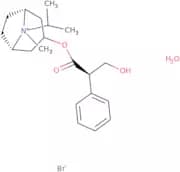
CAS:Muscarinic antagonistFormula:C20H32BrNO4Purity:Min. 95%Color and Shape:White/Off-White SolidMolecular weight:430.38 g/mol1-(4-Methoxyphenyl)piperazine hydrochloride
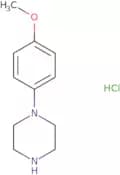
CAS:Controlled Product1-(4-Methoxyphenyl)piperazine hydrochloride is a high-potency inhibitor of the K+ channels. It has been shown to inhibit the activity of these channels in lead compound screening and optimization. The modification of potassium channels by 1-(4-Methoxyphenyl)piperazine hydrochloride has been evaluated using a patch clamp technique on rat erythrocytes. This inhibitory activity was found to be concentration dependent and voltage sensitive. 1-(4-Methoxyphenyl)piperazine hydrochloride was also shown to have pharmacological effects, such as analgesia, sedation and muscle relaxation.Formula:C11H16N2O•HClPurity:Min. 95%Molecular weight:228.72 g/mol2-Chloro-5,6,7,8-tetrahydro-1,6-naphthyridine hydrochloride
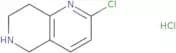
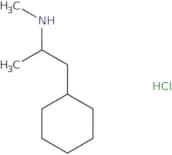
CAS:2-Chloro-5,6,7,8-tetrahydro-1,6-naphthyridine hydrochloride is a fine chemical that can be used as a versatile building block in the synthesis of complex compounds. It is also an important reagent for research purposes and a speciality chemical. It has been reported to show high quality and be a useful intermediate for organic reactions. 2-Chloro-5,6,7,8-tetrahydro-1,6-naphthyridine hydrochloride is also a useful scaffold in the synthesis of novel drugs.Formula:C8H10Cl2N2Purity:Min. 97 Area-%Color and Shape:White Slightly Yellow PowderMolecular weight:205.08 g/molDL-Propylhexedrine hydrochloride
CAS:Controlled ProductDL-Propylhexedrine hydrochloride is a lipase inhibitor that binds to the active site of the enzyme, blocking access by substrate or competitive inhibitors. It also binds to calcium ions within the enzyme's active site, which may alter the enzyme's conformation and reduce its activity. DL-Propylhexedrine hydrochloride has been shown to inhibit fatty acid binding to cevimeline hydrochloride, an inhibitor molecule for lipases, as well as receptor activity and receptor binding in vitro. The kinetic data was obtained using a model system of human erythrocytes. This drug also has transport properties and can be used in sample preparation techniques such as hydrolysis with hydrochloric acid or amines.Formula:C10H22ClNPurity:Min. 95%Color and Shape:PowderMolecular weight:191.74 g/mol2-Chloro-5-hydroxybenzoic acid ethyl ester
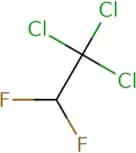
CAS:2-Chloro-5-hydroxybenzoic acid ethyl ester is synthesized by the substitution of anthranilic acid with an aryl ring. The substituents on the aryl ring are chloro and hydroxy, which are attached to carbon atoms. 2-Chloro-5-hydroxybenzoic acid ethyl ester can be metabolized into a number of different metabolites. For example, it can be converted into acid metabolites that have substituents on the benzene ring such as nitro or nitroso groups. These metabolites are then excreted in urine or bile.Formula:C9H9ClO3Purity:Min. 95%Color and Shape:Off-White To Yellow To Brown SolidMolecular weight:200.62 g/mol1,1,1-Trichloro-2,2-Difluoroethane
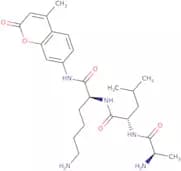
CAS:Controlled Product1,1,1-Trichloro-2,2-difluoroethane is a high molecular weight compound used as a refrigerant. It is not flammable and does not pose an explosion hazard at normal temperatures. 1,1,1-Trichloro-2,2-difluoroethane has a vapor pressure of 19.7 kPa at 20 °C and a boiling point of -41 °C. The viscosity of 1,1,1-trichloro-2,2-difluoroethane is 4.3 centipoise at 20 °C and the density is 1.07 g/cm3 at 20 °C. The chemical formula for 1,1,1-trichloro-2,2-difluoroethane is CClF 2 Cl 2 .Formula:C2HCl3F2Purity:Min. 95%Molecular weight:169.38 g/molH-D-Ala-Leu-Lys-AMC hydrochloride salt
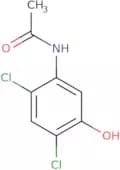
CAS:H-D-Ala-Leu-Lys-AMC hydrochloride salt is a zymogen that is the substrate for tissue plasminogen activator (tPA). It has been shown to inhibit the activity of fibrinogen and thrombin, two proteins involved in coagulation. H-D-Ala-Leu-Lys-AMC hydrochloride salt also inhibits the hydrolysis of fibrin clots by serine proteases and prevents the formation of new clots by inhibiting the activation of annexin. This drug has been shown to be effective in animal models with established atherosclerosis.Formula:C25H37N5O5•HClPurity:Min. 95%Color and Shape:PowderMolecular weight:524.05 g/mol2,4-Dichloro-5-hydroxyacetanilide
CAS:2,4-Dichloro-5-hydroxyacetanilide is a gaseous compound that has a carboxylic acid and carboxylic functional group. It is produced by the reaction of chlorosulfonyl chloride with an aromatic carboxylic acid in the presence of carbon atoms. 2,4-Dichloro-5-hydroxyacetanilide has been used in the synthesis of sulfonamides, which are organic compounds that contain a sulfonyl group. The chemical has also been used to make herbicides such as atrazine and simazine.
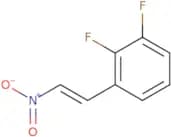
Formula:C8H7Cl2NO2Purity:Min. 95%Color and Shape:PowderMolecular weight:220.05 g/mol1-(2',3'-Difluorophenyl)-2-nitroethene
CAS:1-(2',3'-Difluorophenyl)-2-nitroethene (1,2-DFNE) is a speciality chemical that is used as an intermediate for the synthesis of a wide variety of organic compounds. It has been found to be a useful scaffold for the synthesis of complex compounds and can also be used as a building block for the synthesis of fine chemicals, research chemicals, and versatile building blocks. 1,2-DFNE is soluble in many organic solvents and can be handled without special precautions. This reagent is a high quality compound with purity greater than 99%.Formula:C8H5F2NO2Purity:Min. 95%Color and Shape:PowderMolecular weight:185.13 g/mol2-Chloro-5-methyl-1,4-benzoquinone
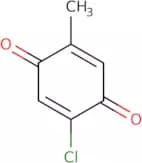
CAS:2-Chloro-5-methyl-1,4-benzoquinone is a heterocyclic organic compound with the molecular formula CHClO. It is a crystalline solid that occurs in two forms, the alpha and beta forms. The alpha form consists of an asymmetric unit containing two fused rings, one with five carbon atoms and another with six. The beta form has a similar structure but the ring with six carbon atoms is replaced by a carbon atom substituted for sulfur. 2-Chloro-5-methyl-1,4-benzoquinone can be used as an emulsifying agent or to produce benzoquinone by oxidation of hydroquinone or by electrochemical reduction of methylene blue. This chemical also has been used as an electron acceptor in supramolecular chemistry studies.Formula:C7H5ClO2Purity:Min. 95%Color and Shape:PowderMolecular weight:156.57 g/mol4-Chlorobenzhydrazide
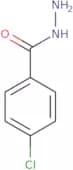
CAS:4-Chlorobenzhydrazide is a potential anticancer agent that has shown to have inhibitory effects on cancer cells in vitro. It binds to copper, forming a copper complex which inhibits the activity of the enzyme tyrosinase. This leads to a decrease in melanin synthesis and reduced pigmentation. The chemical structure of 4-chlorobenzhydrazide is similar to that of phenacetin and acetanilide, two drugs that were removed from the market due to their adverse side effects on the liver. 4-Chlorobenzhydrazide has been found to be toxic for animal cells at high concentrations, but does not show any toxicity for human cells.Formula:C7H7ClN2OPurity:Min. 95%Color and Shape:PowderMolecular weight:170.6 g/molDL-Ethyl 2-bromovalerate
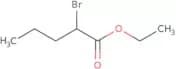
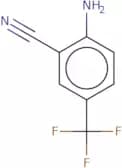
CAS:DL-Ethyl 2-bromovalerate is a fatty acid that inhibits the activity of enzymes involved in fatty acid synthesis. DL-Ethyl 2-bromovalerate has been shown to have anti-inflammatory properties, which may be due to its ability to inhibit prostaglandin synthesis. It also has been found to inhibit the growth of microorganisms such as HIV and Mycobacterium tuberculosis. DL-Ethyl 2-bromovalerate has been used in the treatment of inflammatory bowel disease, as well as congestive heart failure and cardiovascular diseases. This drug also has a pharmacokinetic effect on human population growth, because it can inhibit cell proliferation.Formula:C7H13BrO2Purity:Min. 95%Color and Shape:Clear LiquidMolecular weight:209.08 g/mol2-Amino-5-(trifluoromethyl)benzonitrile
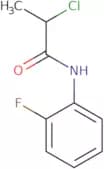
CAS:2-Amino-5-(trifluoromethyl)benzonitrile is a versatile chemical building block that can be used in a variety of reactions. It has been used as a reagent and intermediate for research, as well as a speciality chemical. This compound has been found to have applications in the synthesis of complex compounds, such as pharmaceuticals and agrochemicals. 2-Amino-5-(trifluoromethyl)benzonitrile is also a useful scaffold for organic synthesis, due to its high quality and versatility.Formula:C8H5F3N2Purity:Min. 95%Color and Shape:solid.Molecular weight:186.13 g/mol2-Chloro-N-(2-fluorophenyl)propanamide
CAS:Please enquire for more information about 2-Chloro-N-(2-fluorophenyl)propanamide including the price, delivery time and more detailed product information at the technical inquiry form on this pageFormula:C9H9ClFNOPurity:Min. 95%Molecular weight:201.63 g/mol



![(E)-3-[3'-(4''-fluorophenyl)-1'-(1''-methylethyl)-1H-indol-2''-yl]-2-propnal](/_next/image/?url=https%3A%2Fstatic.cymitquimica.com%2Fproducts%2F3D%2Fthumb-webp%2FFF37514.webp&w=3840&q=75)

![[5-Methyl-3-(trifluoromethyl)-1H-pyrazol-1-yl]acetic acid](/_next/image/?url=https%3A%2Fstatic.cymitquimica.com%2Fproducts%2F3D%2Fthumb-webp%2FFM54360.webp&w=3840&q=75)