Organic Halides
Subcategories of "Organic Halides"
Found 20442 products of "Organic Halides"
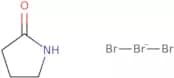
Pyrrolidone hydrotribromide
CAS:Pyrrolidone hydrotribromide is a compound that has been used as a solvent in the production of trifluoroacetic acid. It is also used to synthesize β-unsaturated ketones and methyl ketones, which are often found in perfumes. Pyrrolidone hydrotribromide has been shown to inhibit melanocortin-1 receptor (MC1R), which is involved in the development of cancer. This inhibition may be due to its ability to interact with the c1-6 alkyl group on MC1R and disrupt hydrogen bonding between this group and the benzyl group on the melanocortin molecule.Formula:C12H22Br3N3O3Purity:Min. 95%Molecular weight:496.03 g/molGlycyl-H 1152 dihydrochloride
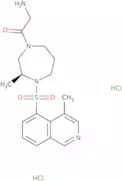
CAS:Please enquire for more information about Glycyl-H 1152 dihydrochloride including the price, delivery time and more detailed product information at the technical inquiry form on this pageFormula:C18H24N4O3S•(HCl)2Purity:Min. 95%Color and Shape:PowderMolecular weight:449.4 g/molChloromethyl ethyl ether
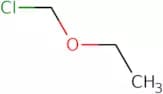
CAS:Chloromethyl ethyl ether is a trifluoroacetic acid derivative that is used as a solvent. It reacts with radiation and forms the highly reactive hydroxyl radical. Chloromethyl ethyl ether can be used to destroy brain infarction from radiation treatment, although it has no use in clinical medicine. Chloromethyl ethyl ether also has high values for transport properties and is resistant to hydrolysis by acids. This compound is synthesized by reacting chloroethanol with methyl chloroformate in the presence of hydrochloric acid. The biological properties of chloromethyl ethyl ether are not well understood; however, it has been shown to bind with receptors on cells and inhibit protein synthesis.Formula:C3H7ClOPurity:Min. 95%Molecular weight:94.54 g/molrac benzodioxole-5-butanamine hydrochloride
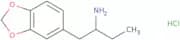
CAS:Controlled ProductRacemic benzodioxole-5-butanamine hydrochloride (RAC) is a pharmacologic agent that has been shown to bind to dopamine receptors, thereby activating them. It has been shown to be an effective treatment for depression and other mental illnesses. Racemic benzodioxole-5-butanamine hydrochloride is also used in analytical toxicology as a chromatographic standard. This compound has been synthesized using the asymmetric synthesis of primary amines. RAC is also an enantiomer and can exist in two forms: (+)-RAC and (-)-RAC, which are mirror images of each other. The (+) form of racemic benzodioxole-5-butanamine hydrochloride is the more active form, with greater binding affinity for dopamine receptors than the (-) form.Formula:C11H16ClNO2Purity:Min. 95%Molecular weight:229.7 g/mol4-Chlorobutyric acid
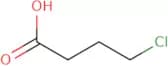
CAS:4-Chlorobutyric acid is a fatty acid with the chemical formula CH3ClC(O)CH2CO2H. It can be found in animal fats, vegetable oils, and butter. 4-Chlorobutyric acid has been shown to inhibit the growth of PC12 cells by hydrogen bonding to the cell membrane. This inhibition results in an increase in sodium hydroxide solution activity, which leads to increased production of gamma-aminobutyric acid. The butyrolactone that is produced inhibits nerve function and has been shown to have biological treatment potential for hydrochloric acid and cell culture models.
Formula:C4H7ClO2Purity:Min. 95%Color and Shape:Clear LiquidMolecular weight:122.55 g/mol1-Pyrrolidinecarbonylchloride
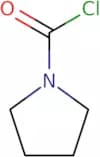
CAS:1-Pyrrolidinecarbonylchloride (1PC) is a chloride-containing compound that has been shown to be a potent inhibitor of inflammatory bowel disease (IBD). It binds to the nicotinic acetylcholine receptors and inhibits inflammatory diseases through its anti-inflammatory properties. 1PC has also been shown to inhibit cancer cell growth, as well as uv absorption in the skin. This compound is not toxic at high doses and does not have any known side effects.Formula:C5H8ClNOPurity:Min. 95%Color and Shape:Clear Colourless To Yellow LiquidMolecular weight:133.58 g/molBis(tricyclohexylphosphine)palladium(II) Dichloride
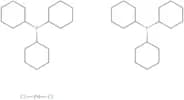
CAS:Controlled ProductBis(tricyclohexylphosphine)palladium(II) Dichloride is a cross-coupling agent that is used for the synthesis of organic and organometallic compounds. It reacts with terminal alkynes to form a phosphine oxide, which can then be converted into an arylated product. The reaction proceeds by the formation of a palladium-carbon bond and subsequent cleavage of the carbon-palladium bond in the presence of ammonium formate. Bis(tricyclohexylphosphine)palladium(II) Dichloride is insoluble in water, but soluble in organic solvents such as dichloromethane, 1,2-dichloroethane, or chloroform. This reagent has been shown to enhance the rate of transfer reactions between monomers.Formula:C36H66Cl2P2PdPurity:Min. 95%Molecular weight:738.18 g/mol3,5-difluoro-4-formylbenzoic Acid
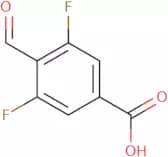
CAS:3,5-Difluoro-4-formylbenzoic acid is a sulfamic acid derivative that is used as a catalyst in the synthesis of aldehydes. The catalytic activity of 3,5-difluoro-4-formylbenzoic acid is due to its ability to be oxidized by air and light to give an active form. It also has other uses in the synthesis of dihydropyrans and regioselectivity studies.Formula:C8H4F2O3Purity:Min. 95%Molecular weight:186.11 g/mol1-[(2-Chlorophenyl)-N-(methylimino)methyl]cyclopentanol hydrochloride
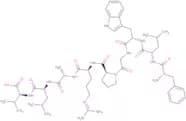
CAS:Controlled ProductPlease enquire for more information about 1-[(2-Chlorophenyl)-N-(methylimino)methyl]cyclopentanol hydrochloride including the price, delivery time and more detailed product information at the technical inquiry form on this pageFormula:C13H16ClNO•HClPurity:Min. 95%Molecular weight:274.19 g/molMAGE-3 Antigen (271-279) (human) trifluoroacetate salt
CAS:ALPHA FACTOR SIGNALING PEPTIDEFormula:C53H79N13O10Purity:Min. 95%Molecular weight:1,058.28 g/molDorzolamide hydrochloride related compound A
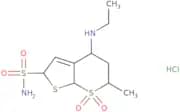
CAS:Please enquire for more information about Dorzolamide hydrochloride related compound A including the price, delivery time and more detailed product information at the technical inquiry form on this pageFormula:C10H16N2O4S3·HClPurity:Min. 95%Molecular weight:360.9 g/mol2-Bromo-4-methoxybenzaldehyde
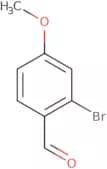
CAS:2-Bromo-4-methoxybenzaldehyde is a cyclic, stereoselectively eliminable, acrylate that can be used in the asymmetric synthesis of sulfamidate and lactam. It can also be used to synthesize quinoline derivatives with aluminium chloride. This product has been shown to yield good yields when reacted with functional groups such as halides and nature. 2-Bromo-4-methoxybenzaldehyde is found in biomolecular reactions.Formula:C8H7BrO2Color and Shape:PowderMolecular weight:215.04 g/mol4-Chloro-2-hydroxypyridine
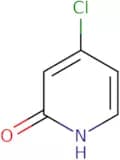
CAS:4-Chloro-2-hydroxypyridine is a chemical substance that has been shown to inhibit the replication of viruses in cell culture. It has demonstrated antiobesity effects in animal studies, but its mechanism is not well understood. This substance may be a thioxanthone derivative, which are heterocyclic compounds containing oxygen and sulfur. 4-Chloro-2-hydroxypyridine can crosslink DNA and form adducts with deoxyribose sugars. It also has affinity for sequences containing pyridones and imidazopyridines.
Formula:C5H4ClNOPurity:Min. 95%Molecular weight:129.54 g/mol5-Chloropentanol
CAS:5-Chloropentanol is a reactive compound that can be used as an epidermal growth factor. It has been shown to have potentiating effects on the production of epidermal growth factor in a biological sample. 5-Chloropentanol has also been shown to increase the rate of cell proliferation, which could be due to its ability to generate reactive chloroform in cells. It is not known whether 5-Chloropentanol has any carcinogenic properties.Purity:Min. 95%1,3-Distearoyl-2-chloropropanediol-d5
CAS:Please enquire for more information about 1,3-Distearoyl-2-chloropropanediol-d5 including the price, delivery time and more detailed product information at the technical inquiry form on this pageFormula:C39H70D5CIO4Purity:Min. 95%Molecular weight:751.95 g/molN-Desmethyl prochlorperazine dimaleate
CAS:Please enquire for more information about N-Desmethyl prochlorperazine dimaleate including the price, delivery time and more detailed product information at the technical inquiry form on this pageFormula:C27H30ClN3O8SPurity:Min. 95%Molecular weight:592.06 g/molFluorescein-sp-biotin
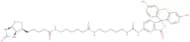
CAS:Fluorescein-sp-biotin is a biotinylated derivative of fluorescein. The conjugate is used to measure the amount of free d-biotin in samples. Fluorescein-sp-biotin binds to streptavidin, which has a high affinity for biotin, and then emits light at an excitation wavelength of 488 nm when excited with a laser. The intensity of the emitted light is proportional to the concentration of free d-biotin in the sample. The following product descriptions have been generated from this information: Rifapentine Rifapentine is an anti-tuberculosis drug that belongs to the class of rifamycins. It is the most active of the rifamycins for the treatment of tuberculosis. Rifapentine inhibits bacterial growth by binding to DNA-dependent RNA polymerase, thereby preventing transcription and replication.Formula:C42H50N6O8S2Purity:Min. 95%Molecular weight:831.01 g/molRac 1,2-bis-palmitoyl-3-chloropropanediol
CAS:Rac-1,2-bis-palmitoyl-3-chloropropanediol is a dispersive molecule that is composed of a fatty acid and a chlorinated derivative of palmitic acid. It is used to calibrate the mass spectrometer and as an internal standard in quantitative analysis. Rac-1,2-bis-palmitoyl-3-chloropropanediol reacts with electrospray ionization with a dose-dependent response. It has been shown to be toxic to kidney cells at high doses but not at low doses. This chemical has been detected in food samples after being absorbed from the gastrointestinal tract. Rac 1,2-bis-palmitoyl 3 chloropropanediol can be found in the dipalmitate form or as formic acid.
Formula:C35H67ClO4Purity:95%NmrColor and Shape:PowderMolecular weight:587.36 g/molAdiphenine hydrochloride
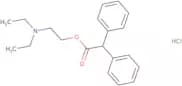
CAS:Controlled ProductAdiphenine hydrochloride is a hydrogen-bonded molecule that is soluble in water. This drug has been used as an occlusive agent in the management of cervical cancer and synchronous fluorescence diagnosis. Adiphenine hydrochloride exhibits thermodynamic data that can be used to calculate its solubility, vapor pressure, and log octanol-water partition coefficient (log Kow). It can also be used as a fluorescent probe for diagnosing cancer by measuring the fluorescence resonance of adiponitrile.
Purity:Min. 95%2-Amino-5-nitroindan hydrochloride
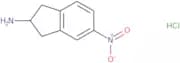
CAS:Controlled ProductPlease enquire for more information about 2-Amino-5-nitroindan hydrochloride including the price, delivery time and more detailed product information at the technical inquiry form on this page
Formula:C9H10N2O2·HClPurity:Min. 95%Molecular weight:214.65 g/molN-Methylcarbonyl-2-chloroacetamidrazone
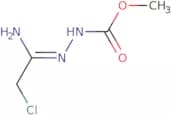
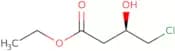
CAS:Please enquire for more information about N-Methylcarbonyl-2-chloroacetamidrazone including the price, delivery time and more detailed product information at the technical inquiry form on this pageFormula:C4H8ClN3O2Purity:Min. 95%Molecular weight:165.58 g/molEthyl (R)-(+)-4-chloro-3-hydroxybutyrate
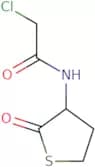
CAS:Ethyl (R)-(+)-4-chloro-3-hydroxybutyrate is a chiral compound with two stereoisomers, one of which is the natural form. It can be synthesized by asymmetric synthesis from ethylene diamine and acetaldehyde. This reaction is catalysed by enzymes such as dehydrogenase, which are used in the biosynthesis of other compounds. The enzyme catalysis results in a high activation energy. Ethyl (R)-(+)-4-chloro-3-hydroxybutyrate also has an organic solvent that is required for its synthesis, d-xylose. The enzyme expression plasmid that is used to express this compound requires recombinant cells.Formula:C6H11ClO3Purity:Min. 95%Color and Shape:Clear LiquidMolecular weight:166.6 g/mol2-Chloro-N-(2-oxotetrahydro-3-thienyl)acetamide
CAS:2-Chloro-N-(2-oxotetrahydro-3-thienyl)acetamide is a chemical compound that is used as an intermediate in the synthesis of other organic compounds. The impurities are minimized by using organic solvents such as acetone, pyridine, and tetrahydrofuran. The product can be precipitated by adding sodium carbonate or potassium carbonate to the solution, or it can be crystallized from a mixture of methanol and water. 2-Chloro-N-(2-oxotetrahydro-3-thienyl)acetamide is also soluble in ethers such as erdosteine and acetonitrile, which can be used to remove the last traces of water.Formula:C6H8ClNO2SPurity:Min. 95%Molecular weight:193.65 g/molBromoacetic acid-13C2
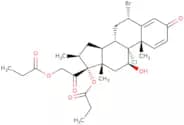
CAS:Please enquire for more information about Bromoacetic acid-13C2 including the price, delivery time and more detailed product information at the technical inquiry form on this pageFormula:C2H3BrO2Purity:Min. 95%Color and Shape:PowderMolecular weight:140.95 g/mol6a-Bromo beclomethasone dipropionate
CAS:Controlled ProductPlease enquire for more information about 6a-Bromo beclomethasone dipropionate including the price, delivery time and more detailed product information at the technical inquiry form on this page
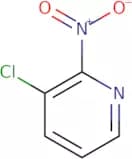
Formula:C28H36BrClO7Purity:Min. 95%Molecular weight:599.94 g/mol3-Chloro-2-nitropyridine
CAS:3-Chloro-2-nitropyridine is a chemical compound that has been shown to have anticancer activity. It is a structural analog of the nucleophilic piperazine, which can react with hydrogen fluoride in an electrophilic substitution reaction to form 3-chloro-2-nitropyridine oxide. The anticancer activity of this compound may be due to its ability to inhibit the growth of tumor cells by binding to the d4 receptor, inhibiting the production of inflammatory cytokines and growth factors. 3-Chloro-2-nitropyridine has also been shown to have antiinflammatory activities, which may be due to its inhibition of nitric oxide synthesis and 5'-lipoxygenase.Formula:C5H3N2O2ClPurity:Min. 95%Color and Shape:PowderMolecular weight:158.54 g/molalpha-Bromo-m-tolunitrile
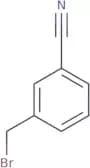
CAS:Silver trifluoromethanesulfonate (AgOTf) is a precursor in the synthesis of alpha-bromo-m-tolunitrile. It is a colorless, odorless solid that can be prepared by the reaction of silver ions with bromine and toluene in an aqueous medium. The profile of AgOTf has been studied by titration method and it has been shown to have an oxadiazole group. This molecule also has anticancer activity against cancer cells. Alpha-Bromo-m-tolunitrile is currently being investigated for its potential use as a drug candidate for the treatment of cancer, with particular interest in the inhibition of angiogenesis and metastasis.
Formula:C8H6BrNPurity:Min. 95%Color and Shape:PowderMolecular weight:196.04 g/molPhenyl chloroformate
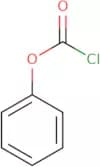
CAS:Phenyl chloroformate is a phenyl compound that is used as a reagent for cationic polymerization. This chemical reacts with amines to form an N-substituted amide in the presence of hydrogen chloride. The mechanism of this reaction is based on nucleophilic substitutions by the hydroxyl group of the phenyl group. Phenyl chloroformate has been used in the synthesis of fatty acids, which are important components of metabolic disorders such as diabetes mellitus type 2.Formula:C7H5ClO2Purity:Min. 95%Color and Shape:PowderMolecular weight:156.57 g/molPinaverium bromide
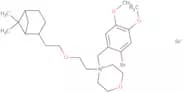
CAS:Pinaverium bromide is a drug with anti-inflammatory properties. It is used in the treatment of bowel disease and as a muscle relaxant. Pinaverium bromide has shown efficacy in treating bowel syndrome, but it also reduces blood flow to the bowel. Pinaverium bromide inhibits voltage-dependent calcium channels, leading to muscle relaxation. This drug also has been shown to inhibit the production of inflammatory mediators such as prostaglandins and leukotrienes, which may be due to its ability to inhibit basic fibroblast growth factor production. Pinaverium bromide is an effective drug that is used for the treatment of bowel disease and muscle spasms. It blocks voltage-dependent calcium channels, which leads to muscle relaxation without affecting heart function. The inhibition of basic fibroblast growth factor production may contribute to this drug's anti-inflammatory effects.!-- START: Description --> Pinaverium bromideFormula:C26H41Br2NO4Purity:Min. 95%Color and Shape:PowderMolecular weight:591.42 g/mol6-Fluoro-3-oxo-3,4-dihydro-2-pyrazinecarbonitrile
CAS:Dibenzylamine is a tertiary amine with the chemical formula C6H12N2. Dibenzylamine is a colorless liquid that boils at 110°C and freezes at -50°C. It has a density of 0.859 g/mL and a refractive index of 1.539. When heated, it decomposes to form dipropylamine, dibutylamine, and dicyclohexylamine. It also reacts with nitric acid to form an explosive compound called nitrobenzene or dinitrobenzene. Dipropylamine is a colorless volatile liquid that has the chemical formula C6H12N2 and boils at 130°C. When heated, it decomposes to form dibutylamine and dicyclohexylamine. Dibutylamine is a colorless volatile liquid that has the chemical formula C6Formula:C5H2FN3OPurity:Min. 95%Molecular weight:139.09 g/molPhenylpropylmethylamine hydrochloride
CAS:Controlled ProductPhenylpropylmethylamine hydrochloride is a chemical compound with the molecular formula CHClN. It is soluble in water and organic solvents. Phenylpropylmethylamine hydrochloride can be prepared by reacting chloropropane with hydrogen chloride, or by reacting phenylpropanolamine with hydrochloric acid in the presence of dodecyl mercaptan and sodium hydroxide solution. The impurities present in this product include chloropropane, chloride gas, and hydroxide ions. The reactions involved are exothermic reactions that require cooling to prevent overheating. Impurities may also form if this product is not reacted under an inert atmosphere of nitrogen gas. The following are some common uses for Phenylpropylmethylamine hydrochloride: -as a solvent in the production of certain types of plastics -in the manufacture of dyes, drugs, rubber products, and soaps -in researchFormula:C10H16ClNPurity:Min. 95%Color and Shape:PowderMolecular weight:185.69 g/mol(2S)-2-Amino-2-[(5S)-3-chloro-4,5-dihydroisoxazol-5-Yl]acetic acid
CAS:(2S)-2-Amino-2-[(5S)-3-chloro-4,5-dihydroisoxazol-5-Yl]acetic acid is an inhibitor of the enzyme glutathione reductase (GR) and cytochrome P450. GR activates glutathione in cells to form a powerful antioxidant that protects against oxidative stress. (2S)-2-Amino-2-[(5S)-3-chloro-4,5-dihydroisoxazol-5-Yl]acetic acid inhibits GR and cytochrome P450 activity, leading to increased oxidative stress and neuronal death. This drug has been shown to have inhibitory properties on bowel disease by reducing the production of proinflammatory cytokines IL1β and TNFα. The compound also exhibits anti tumor response against mouse tumors by inducing apoptosis and inhibiting cell proliferation. The compound targets intracellular targets
Formula:C5H7ClN2O3Purity:Min. 95%Color and Shape:White PowderMolecular weight:178.57 g/molCyclohexyl chloroformate
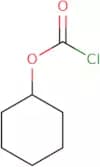
CAS:Cyclohexyl chloroformate is a hydroxyl group that is used as a catalyst for organic reactions. It can also be used to prepare 5-ht2a receptor agonists, which are drugs that stimulate the activity of serotonin in the brain. Cyclohexyl chloroformate has been shown to induce chemiluminescence and has an inhibition constant of 2.6x10 M.
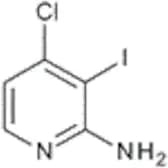
Formula:C7H11ClO2Purity:Min. 95%Molecular weight:162.61 g/mol4-Chloro-3-iodopyridin-2-amine
CAS:Please enquire for more information about 4-Chloro-3-iodopyridin-2-amine including the price, delivery time and more detailed product information at the technical inquiry form on this pageFormula:C5H4ClIN2Purity:Min. 95%Molecular weight:254.46 g/mol[5-(Trifluoromethyl)-1,2-Oxazol-3-Yl]Methanol
CAS:Please enquire for more information about [5-(Trifluoromethyl)-1,2-Oxazol-3-Yl]Methanol including the price, delivery time and more detailed product information at the technical inquiry form on this pageFormula:C5H4F3NO2Purity:Min. 95%Molecular weight:167.09 g/molOlodaterol hydrochloride
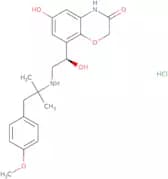
CAS:Controlled ProductOlodaterol hydrochloride is a long-acting β2-agonist (LABA) used to treat asthma. It is a prodrug that is hydrolyzed in vivo to olodaterol, its active form. Olodaterol hydrochloride binds to the β2 receptor and activates adenylyl cyclase, resulting in increased levels of cAMP. This drug has been shown to have statistically significant improvement in lung function and bronchial responsiveness in vivo models. The most common adverse effects include headache, dizziness, and cough. Olodaterol hydrochloride has been shown to be effective for short-term treatment of asthma but does not show long-term efficacy or reduced need for pharmacological treatments.Formula:C21H26N2O5·HClPurity:Min. 95%Color and Shape:PowderMolecular weight:422.9 g/molBeta-CIT-FP
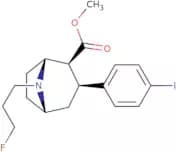
CAS:Controlled ProductMethyl (1R,2S,3S)-8-(3-Fluoropropyl)-3-(4-Iodophenyl)-8-Azabicyclo[3.2.1]Octane-2-Carboxylate is a potent dopamine receptor agonist with a high affinity for the D2 and D3 receptors in the brain. It has been shown to have antiparkinsonian effects in animal models of Parkinson's disease by increasing dopamine levels in the prefrontal cortex and striatum. This drug has also been shown to be effective in clinical studies for the diagnosis of Parkinson's disease. Methyl (1R,2S,3S)-8-(3-Fluoropropyl)-3-(4-Iodophenyl)-8-Azabicyclo[3.2.1]Octane-2-Carboxylate binds to both dopamine and serotonin receptors, which may account for its therapeutic effects on ParkinsonFormula:C18H23FINO2Purity:Min. 95%Molecular weight:431.28 g/mol[2-(1,2-Dimethyl-1H-indol-3-yl)ethyl]amine hydrochloride
CAS:Controlled ProductPlease enquire for more information about [2-(1,2-Dimethyl-1H-indol-3-yl)ethyl]amine hydrochloride including the price, delivery time and more detailed product information at the technical inquiry form on this page
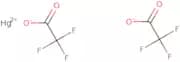
Formula:C12H16N2Purity:Min. 95%Molecular weight:188.27 g/molMercuric trifluoroacetate
CAS:Controlled ProductMercuric trifluoroacetate is an organic compound that contains mercury and a carboxylic acid. It is an acid that is formed when mercury reacts with hydrochloric acid. Mercuric trifluoroacetate has been shown to be effective in the synthesis of a number of organic compounds, including the nonsteroidal anti-inflammatory drug (NSAID) 3-hydroxyanthranilic acid. This compound also inhibits the production of prostaglandin E2 in human leukocytes, which may be related to its inhibitory properties on congestive heart failure. Mercuric trifluoroacetate can also cause autoimmune diseases in mice by suppressing the production of interleukin-4 and interleukin-10, which are cytokines involved in immune responses.
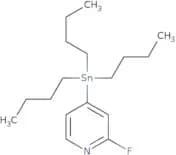
Formula:C4F6HgO4Purity:Min. 95%Molecular weight:426.62 g/mol2-Fluoro-4-(tributylstannyl)pyridine
CAS:Controlled ProductPlease enquire for more information about 2-Fluoro-4-(tributylstannyl)pyridine including the price, delivery time and more detailed product information at the technical inquiry form on this pageFormula:C17H30FNSnPurity:Min. 95%Molecular weight:386.14 g/molJ147
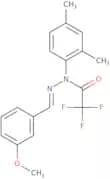
CAS:2,2,2-Trifluoroacetic acid 1-(2,4-dimethylphenyl)-2-[(3-methoxyphenyl)methylene]hydrazide is a neuroprotective drug that belongs to the class of hydrazides. It has been shown to have neurotrophic activity in vitro and in vivo and can be used for the treatment of conditions such as diabetic neuropathy or cancer tissues. 2,2,2-Trifluoroacetic acid 1-(2,4-dimethylphenyl)-2-[(3-methoxyphenyl)methylene]hydrazide also has anti-inflammatory properties and can be used for the treatment of autoimmune diseases. The drug's mechanism of action is not fully understood but is thought to involve monoamine neurotransmitters.Formula:C18H17F3N2O2Purity:Min. 95%Molecular weight:350.34 g/mol3-(trifluoromethoxy)aniline
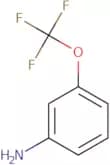
CAS:3-(trifluoromethoxy)aniline is a compound that contains a trifluoromethoxy group. It has been shown to have antiproliferative effects in prostate cancer cells. 3-(trifluoromethoxy)aniline inhibits the activity of pim-1, which is important for cell proliferation and differentiation. The synthesis of 3-(trifluoromethoxy)aniline can be accomplished by one of two methods. In the first method, 3-chloroaniline is reacted with trifluoroacetic acid and bis(trimethylsilyl)acetamide in dichloromethane to form 3-hydroxy-4-chlorobenzenesulfonyl chloride (3HCBSCl). In the second method, the desired product is synthesized from 3-aminophenol and trifluoroacetic acid in acetonitrile. These two methods produce different isomers
Formula:C7H6F3NOPurity:Min. 95%Color and Shape:PowderMolecular weight:177.12 g/mol7-Chloro-5-(2-chlorophenyl)-2-hydrazinyl-3H-1,4-benzodiazepine
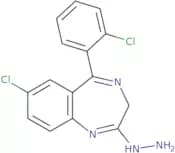
CAS:Controlled ProductPlease enquire for more information about 7-Chloro-5-(2-chlorophenyl)-2-hydrazinyl-3H-1,4-benzodiazepine including the price, delivery time and more detailed product information at the technical inquiry form on this pageFormula:C15H12Cl2N4Purity:Min. 95%Molecular weight:319.19 g/mol3-[4-(3,4-Dichlorophenyl)piperazin-1-yl]-3-oxopropanenitrile
CAS:Controlled ProductPlease enquire for more information about 3-[4-(3,4-Dichlorophenyl)piperazin-1-yl]-3-oxopropanenitrile including the price, delivery time and more detailed product information at the technical inquiry form on this page
Formula:C13H13Cl2N3OPurity:Min. 95%Molecular weight:298.17 g/mol7-[(3R)-3-[(N-Acetyl)amino]-1-oxo-4-(2,4,5-trifluorophenyl)butyl]-5,6,7,8-tetrahydro-3-(trifluoromethyl)-1,2,4-triazolo[4,3-a]pyrazi ne
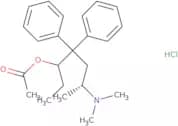
CAS:Please enquire for more information about 7-[(3R)-3-[(N-Acetyl)amino]-1-oxo-4-(2,4,5-trifluorophenyl)butyl]-5,6,7,8-tetrahydro-3-(trifluoromethyl)-1,2,4-triazolo[4,3-a]pyrazi ne including the price, delivery time and more detailed product information at the technical inquiry form on this pageFormula:C18H17F6N5O2Purity:Min. 95%Molecular weight:449.35 g/molBetacetylmethadol hydrochloride
CAS:Controlled ProductBetacetylmethadol hydrochloride is a pharmaceutical that belongs to the group of opioid analgesics. It is an active form of the prodrug, betacetylmethadol. Betacetylmethadol hydrochloride has a high addictive potential and can lead to overdose. The active agent in betacetylmethadol hydrochloride is oxycodone, which has been shown to have physiological activity. Oxycodone is metabolized by the liver into oxymorphone, which has similar effects as morphine. Oxymorphone binds to opioid receptors in the gastrointestinal tract and brain, decreasing pain and producing feelings of euphoria or pleasure. Betacetylmethadol hydrochloride also acts on other opioid receptors in the body such as those found in the central nervous system, spinal cord, and peripheral nervous system.Formula:C23H32ClNO2Purity:Min. 95%Molecular weight:389.96 g/molMethyl bromopyruvate
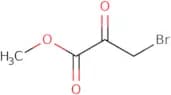
CAS:Methyl bromopyruvate is a medication with various functions. It can be used to treat viral infections such as hepatitis and AIDS, as well as to treat psychosis and depression. Methyl bromopyruvate has been shown to be an effective antiviral agent that inhibits the synthesis of viral proteins by methylating their amino acids. Methyl bromopyruvate also inhibits the production of fatty acids by blocking the enzyme enolase, which catalyzes the conversion of 2-phosphoglycerate into phosphoenolpyruvate. This drug is metabolized in the liver through conjugation with glutathione or glucuronide or by oxidation to a reactive carbon-centered species. Methyl bromopyruvate is also used for treatment of insulin resistance in patients with type II diabetes mellitus.Formula:C4H5BrO3Purity:Min. 95%Color and Shape:Colourless To Yellow LiquidMolecular weight:180.98 g/molBarium chloride anhydrous
CAS:Barium chloride anhydrous is a chemical compound with the formula BaCl2. It is soluble in water and has been used for wastewater treatment. The solubility of this compound increases as temperature decreases. Barium chloride anhydrous can also be used to measure the levels of calcium ions in cells and tissues, by measuring the fluorescence intensity produced when the compound reacts with Ca2+. This property has been utilized to study neuronal death and Ca2+ overload. Barium chloride anhydrous also exhibits biological properties, such as enzyme activity or the ability to bind coumarin derivatives. X-ray diffraction data have shown that BaCl2 consists of a cubic crystalline structure, with each barium ion coordinated by six chloride ions. In solution, BaCl2 dissociates into Ba2+ and Cl-. Water vapor may cause the formation of anhydrous sodium carbonate on surfaces of objects exposed to it. The structural analysis of this compound has been modeled using particle methods.
Formula:BaCl2Purity:Min. 95%Molecular weight:208.23 g/mol2,4,6-Trichloro-5-nitropyrimidine
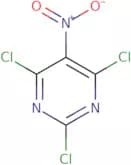
CAS:2,4,6-Trichloro-5-nitropyrimidine is a purine derivative that inhibits the cell proliferation of cancer cells. It has been shown to inhibit the activity of kinases and to induce apoptosis in human cancer cells in vitro. This drug also has antiproliferative potential against erythrocytes and is being investigated as a treatment for renal disease. 2,4,6-Trichloro-5-nitropyrimidine shows inhibitory effects on the phosphorylation of roscovitine by ATP and may be used to treat patients with glomerulonephritis. 2,4,6-Trichloro-5-nitropyrimidine can be synthesized from 2,4,6-trichloropyrimidinethiol and nitric acid according to the following equation: CClNO + HNO → CClNOH + NO 2 Cl + 3 HNO
Formula:C4Cl3N3O2Purity:Min. 97 Area-%Molecular weight:228.42 g/mol2,5-Bis(2,2,2-trifluoroethoxy)benzoic acid
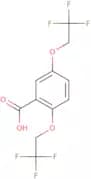
CAS:Please enquire for more information about 2,5-Bis(2,2,2-trifluoroethoxy)benzoic acid including the price, delivery time and more detailed product information at the technical inquiry form on this pageFormula:C11H8F6O4Purity:Min. 95%Color and Shape:PowderMolecular weight:318.17 g/mol

![1-[(2-Chlorophenyl)-N-(methylimino)methyl]cyclopentanol hydrochloride](/_next/image/?url=https%3A%2Fstatic.cymitquimica.com%2Fproducts%2F3D%2Fthumb-webp%2FFC146990.webp&w=3840&q=75)







![(2S)-2-Amino-2-[(5S)-3-chloro-4,5-dihydroisoxazol-5-Yl]acetic acid](/_next/image/?url=https%3A%2Fstatic.cymitquimica.com%2Fproducts%2F3D%2Fthumb-webp%2FFA17203.webp&w=3840&q=75)
![[5-(Trifluoromethyl)-1,2-Oxazol-3-Yl]Methanol](/_next/image/?url=https%3A%2Fstatic.cymitquimica.com%2Fproducts%2F3D%2Fthumb-webp%2FFT89239.webp&w=3840&q=75)
![[2-(1,2-Dimethyl-1H-indol-3-yl)ethyl]amine hydrochloride](/_next/image/?url=https%3A%2Fstatic.cymitquimica.com%2Fproducts%2F3D%2Fthumb-webp%2FFD135164.webp&w=3840&q=75)
![3-[4-(3,4-Dichlorophenyl)piperazin-1-yl]-3-oxopropanenitrile](/_next/image/?url=https%3A%2Fstatic.cymitquimica.com%2Fproducts%2F3D%2Fthumb-webp%2FFD118649.webp&w=3840&q=75)
![7-[(3R)-3-[(N-Acetyl)amino]-1-oxo-4-(2,4,5-trifluorophenyl)butyl]-5,6,7,8-tetrahydro-3-(trifluorom…](/_next/image/?url=https%3A%2Fstatic.cymitquimica.com%2Fproducts%2F3D%2Fthumb-webp%2FFA104169.webp&w=3840&q=75)