Organic Halides
In this category, you can find organic molecules containing one or more halogen atoms in their structure. These organic halides include brominated, iodinated, chlorinated, and cyclic halide compounds. Organic halides are widely used in organic synthesis, pharmaceuticals, agrochemicals, and materials science due to their reactivity and ability to undergo a variety of chemical transformations. At CymitQuimica, we offer a comprehensive selection of high-quality organic halides to support your research and industrial applications, ensuring reliable and effective performance in your synthetic and analytical projects.
Subcategories of "Organic Halides"
Found 20440 products of "Organic Halides"
Sort by
Purity (%)
0
100
|
0
|
50
|
90
|
95
|
100
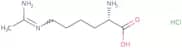
N6-(1-Iminoethyl)-L-lysine hydrochloride
CAS:<p>N6-(1-Iminoethyl)-L-lysine hydrochloride is an experimental drug that inhibits bacterial translocation, a process which occurs when bacteria from the gastrointestinal tract invade organs and tissues in the body that are not protected by a mucous barrier. It has been shown to be effective in reducing chronic pulmonary inflammation and fibrosis, as well as inhibiting emphysema-like lesions, in mice. N6-(1-Iminoethyl)-L-lysine hydrochloride also has anti-inflammatory effects on the skin and reduces the production of proinflammatory cytokines such as PGE2.</p>Formula:C8H18ClN3O2Purity:Min. 95%Molecular weight:223.7 g/molMethyl 4-amino-2-fluorobenzoate
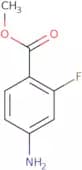
CAS:<p>Please enquire for more information about Methyl 4-amino-2-fluorobenzoate including the price, delivery time and more detailed product information at the technical inquiry form on this page</p>Formula:C8H8FNO2Purity:Min. 95%Molecular weight:169.15 g/mol1-(2-Methoxylphenyl)-piperazine monohydrobromide
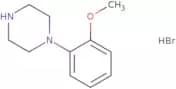
CAS:Controlled ProductPlease enquire for more information about 1-(2-Methoxylphenyl)-piperazine monohydrobromide including the price, delivery time and more detailed product information at the technical inquiry form on this pagePurity:Min. 95%3-Bromo-2,4-dimethylthiophene
CAS:3-Bromo-2,4-dimethylthiophene is a reactive chemical that can reversibly change its color in the presence of uv light. The isomers of 3-bromo-2,4-dimethylthiophene are easily separated by uv irradiation and are characterized by their different spectral properties. This compound fluoresces with a maximum at 370 nm under a uv light source and has an absorption maximum at 360 nm. The photochromic properties of 3-bromo-2,4-dimethylthiophene are related to changes in the crystalline phase and light source. 3-Bromo-2,4-dimethylthiophene is used as a photochromic agent for uv radiation protection in glasses and contact lenses.Formula:C6H7BrSPurity:Min. 95%Molecular weight:191.09 g/molDechlorane 604 component A
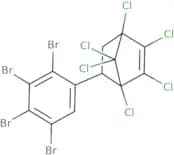
CAS:<p>Dechlorane 604 is a chemical that is used as an additive in some plastics. It has been detected in the environment and human populations, but the low detection limits make it difficult to determine if Dechlorane 604 is endocrine disruptor. Animal experiments have shown that Dechlorane 604 can bind to hormone receptors, but there are no studies on its effects on humans. There are database records for Dechlorane 604 and its metabolites, but these do not provide information on their toxicity. The analytical method for detecting Dechlorane 604 has been developed and validated by GC/MS-ECD analysis of ethane extracts from soil samples. This method is based on dispersive microextraction (SPME) with gas chromatography/mass spectrometry (GC/MS). In vitro studies have examined the effects of Dechlorane 604 on the elongatus nematode and dry weight measurements show that this chemical alters metabolism by altering fatty acid composition.</p>Formula:C13H4Br4Cl6Purity:Min. 95%Color and Shape:PowderMolecular weight:692.5 g/molD-(+)-2-ChlorophenylglycIne
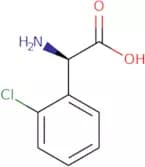
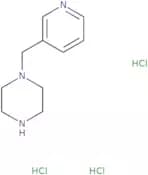
CAS:<p>D-(+)-2-Chlorophenylglycine is a synthetic, chiral aldehyde that serves as an industrial solvent. It is used to produce other organic compounds and has been shown to cause environmental pollution. D-(+)-2-Chlorophenylglycine is also used in the synthesis of thiourea and organocatalysts. This compound is synthesized from quinidine and enantiomeric (D or L) thionyl chloride, which are both manufactured on an industrial scale. The stereoselective process for D-(+)-2-chlorophenylglycine involves the use of a chiral catalyst.</p>Purity:Min. 95%1-(Pyridin-3-ylmethyl)piperazinetrihydrochloride
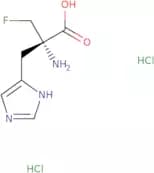
CAS:Controlled Product<p>Please enquire for more information about 1-(Pyridin-3-ylmethyl)piperazinetrihydrochloride including the price, delivery time and more detailed product information at the technical inquiry form on this page</p>Formula:C10H18Cl3N3Purity:Min. 95%Molecular weight:286.63 g/mol(S)-(+)-α-Fluoromethylhistidine dihydrochloride
CAS:<p>(S)-(+)-a-Fluoromethylhistidine dihydrochloride is a maleate salt of (S)-(+)-a-fluoromethylhistidine that has been shown to have analgesic effects in rats. According to the plate test, the antinociceptive effect of (S)-(+)-a-fluoromethylhistidine dihydrochloride is dose-dependent and can be antagonized by histamine. Histamine levels were found to be statistically significantly elevated in response to the administration of (S)-(+)-a-fluoromethylhistidine dihydrochloride, suggesting that its antinociceptive effect may be due to an endogenous histamine release. The antagonist activity of this compound was also confirmed in vivo by blocking the modulatory effect of histamine on abdominal contractions in rats.</p>Formula:C7H10FN3O2•(HCl)2Purity:Min. 95%Molecular weight:260.09 g/molNesfatin-1 (rat) trifluoroacetate salt
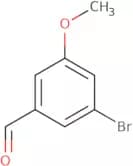
CAS:Please enquire for more information about Nesfatin-1 (rat) trifluoroacetate salt including the price, delivery time and more detailed product information at the technical inquiry form on this pageFormula:C424H684N116O136Purity:Min. 95%Molecular weight:9,582.67 g/mol5-Bromo-3-methoxybenzaldehyde
CAS:5-Bromo-3-methoxybenzaldehyde is a type of growth factor that is synthesized by cancer cells. It has been shown to have anticancer activity when used in conjunction with other drugs. 5-Bromo-3-methoxybenzaldehyde has been shown to inhibit tumor growth in mice, which may be due to its ability to prevent the activation of PD-L1. This compound interacts with a tetranuclear ligand and can be activated by light.Formula:C8H7BrO2Purity:Min. 95%Color and Shape:PowderMolecular weight:215.04 g/mol3-bromo-o-xylene
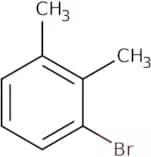
CAS:<p>3-bromo-o-xylene is a xylene that has been shown to react with nucleophiles, such as ammonia and alcohols, by way of nucleophilic substitution. It can be used as a solvent for carboxylic acid derivatives and is also used in the production of ethyl formate. The most important use of 3-bromo-o-xylene is its conversion to 3-bromopropanoic acid (3BPA). This conversion can be achieved through a reaction with an inorganic acid or an organic acid, such as sulfamic acid or trifluoroacetic acid. Another method of conversion is called Grignard reagent synthesis. This process involves the reaction of 3-bromopropene with magnesium metal and an alkyl halide, such as methyl chloride. In addition, 3BPA can be prepared by hydrolysis using hydrochloric acid or potassium phosphate in the presence of b</p>Formula:C8H9BrPurity:Min. 95%Color and Shape:Clear LiquidMolecular weight:185.06 g/mol2-Chloro-4-fluoropyridine-5-boronic acid, pinacol ester
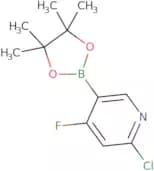
CAS:Please enquire for more information about 2-Chloro-4-fluoropyridine-5-boronic acid, pinacol ester including the price, delivery time and more detailed product information at the technical inquiry form on this pageFormula:C11H14BClFNO2Purity:Min. 95%Molecular weight:257.5 g/molEthyl 4-chloroacetoacetate
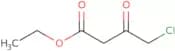
CAS:<p>Ethyl 4-chloroacetoacetate is a chiral organic compound that is synthesized by the asymmetric synthesis of ethyl chloroacetate. This reaction is performed in an organic solution, using sodium salts as the solvent. The expression plasmid and logarithmic growth phase are needed for the enzyme catalysis and stereoselective reactions. The reaction solution is recombined with hydrochloric acid and chiral compound to produce high yields of ethyl 4-chloroacetoacetate.</p>Formula:C6H9ClO3Purity:Min. 95%Color and Shape:Colorless Clear LiquidMolecular weight:164.59 g/mol4-Fluoroaniline
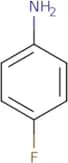
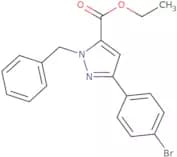
CAS:<p>4-Fluoroaniline is an antimicrobial agent that inhibits microbial metabolism by binding to enzymes and blocking their activity. The enzyme activities are affected by the hydrogen bonding interactions between the 4-fluoroaniline molecule and other molecules in the enzyme active site. 4-Fluoroaniline can be used for wastewater treatment, as it has been shown to inhibit bacterial growth and help remove nitrogen from wastewater. Hydrogen fluoride (HF) is generated when 4-fluoroaniline is exposed to water, which may be toxic to aquatic life. The reaction mechanism of 4-fluoroaniline with a tetrazolium dye is dependent on the presence of nitrogens. Nitrogen atoms in the 4-fluoroaniline react with diazonium salt to form a diazonium intermediate, which reacts with a tetrazolium dye to produce a red compound that can be detected at low concentrations. A model system of 4-fluoro</p>Formula:C6H6FNPurity:Min. 95%Molecular weight:111.12 g/molEthyl 1-benzyl-3-(4-bromophenyl)-1H-pyrazole-5-carboxylate
CAS:Controlled Product<p>Please enquire for more information about Ethyl 1-benzyl-3-(4-bromophenyl)-1H-pyrazole-5-carboxylate including the price, delivery time and more detailed product information at the technical inquiry form on this page</p>Formula:C19H17BrN2O2Purity:Min. 95%Molecular weight:385.25 g/mol1,3-Thiazol-5-ylmethylamineHydrochloride
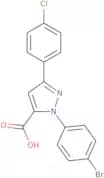
CAS:Please enquire for more information about 1,3-Thiazol-5-ylmethylamineHydrochloride including the price, delivery time and more detailed product information at the technical inquiry form on this pageFormula:C4H7ClN2SPurity:Min. 95%Molecular weight:150.63 g/mol1-(4-Bromophenyl)-3-(4-chlorophenyl)-1H-pyrazole-5-carboxylic acid
CAS:Controlled Product<p>Please enquire for more information about 1-(4-Bromophenyl)-3-(4-chlorophenyl)-1H-pyrazole-5-carboxylic acid including the price, delivery time and more detailed product information at the technical inquiry form on this page</p>Formula:C16H10BrClN2O2Purity:Min. 95%Molecular weight:377.62 g/molTetrakis[N-tetrachlorophthaloyl-(S)-tert-leucinato]dirhodium Bis(ethyl Acetate) Adduct
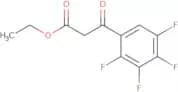
CAS:<p>Please enquire for more information about Tetrakis[N-tetrachlorophthaloyl-(S)-tert-leucinato]dirhodium Bis(ethyl Acetate) Adduct including the price, delivery time and more detailed product information at the technical inquiry form on this page</p>Formula:C56H40Cl16N4O16Rh2·C8H16O4Purity:Min. 95%Molecular weight:1,974.2 g/molEthyl (2,3,4,5-tetrafluorobenzoyl)acetate
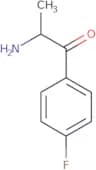
CAS:<p>Ethyl (2,3,4,5-tetrafluorobenzoyl)acetate is a new oxazine derivative that inhibits bacterial growth by binding to the DNA gyrase and topoisomerase IV. It also exhibits antibacterial activity against Gram-positive bacteria such as methicillin-resistant Staphylococcus aureus (MRSA). This compound is an analog of the quinolone antibacterials. The most efficient example of this class of compounds is ofloxacin.</p>Formula:C11H8F4O3Purity:Min. 95%Color and Shape:PowderMolecular weight:264.17 g/mol2-Amino-1-(4-fluorophenyl)-1-propanone
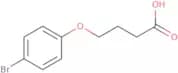
CAS:Controlled Product<p>2-Amino-1-(4-fluorophenyl)-1-propanone (Fluoroamphetamine) is a chemical that binds to the serotonin transporter, which is responsible for the reuptake of serotonin into the presynaptic neuron. Fluoroamphetamine has been shown to lower empathy and increase feelings of reward in animals. This drug has no significant effect on dopamine and noradrenaline levels but does cause an increase in metabolic acidosis. Fluoroamphetamine is most often used by analytical laboratories as a synthetic intermediate, but it can also be used as a strategy to develop specific antidotes against serotonin blockers. Fluoroamphetamine's health effects are similar to those of amphetamine with regards to cardiovascular risks and addictive potential.</p>Formula:C9H10FNOPurity:Min. 95%Molecular weight:167.18 g/mol4-(4-Bromophenoxy)butanoic acid
CAS:Controlled ProductPlease enquire for more information about 4-(4-Bromophenoxy)butanoic acid including the price, delivery time and more detailed product information at the technical inquiry form on this pageFormula:C10H11BrO3Purity:Min. 95%Molecular weight:259.1 g/mol2-(Chloromethyl)-1-(2-phenylethyl)-1H-benzimidazole
CAS:Controlled Product<p>Please enquire for more information about 2-(Chloromethyl)-1-(2-phenylethyl)-1H-benzimidazole including the price, delivery time and more detailed product information at the technical inquiry form on this page</p>Formula:C16H15ClN2Purity:Min. 95%Molecular weight:270.76 g/mol7-Chlorothieno[3,2-B]Pyridine
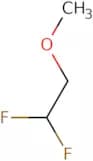
CAS:<p>7-Chlorothieno[3,2-B]pyridine is a nucleophilic compound that is used as an inhibitor of the tyrosine kinase enzyme. It binds to the ATP binding site and blocks the enzymatic activity of the enzyme, preventing cell proliferation. 7-Chlorothieno[3,2-B]pyridine has been shown to inhibit growth in tumour cell lines and has been shown to be effective against tyrosine kinase receptor positive cancer cells. This drug also shows a cytotoxic activity against tumour cells in vivo, which may be due to its ability to inhibit factor receptor and receptor tyrosine.</p>Formula:C7H4ClNSPurity:Min. 95%Molecular weight:169.63 g/mol2,2-Difluoroethyl methyl ether
CAS:2,2-Difluoroethyl methyl ether (DEFME) is a nonpolar, hydrophobic compound that can be used as an alternative to isopentane. Radiative data show that DEFME has a higher thermal stability than isopentane, which makes it more suitable for use in high-temperature applications. DEFME has been shown to have synergistic effects with chlorine and amines in the presence of radiation. Furthermore, DEFME can be used to remove chlorinated organic compounds from contaminated water and soil. The chemical properties of DEFME are also ideal for use in polyolefin production and other polymerization processes. The chemical structure of DEFME is similar to that of methylamine and amines, which make it useful as an actuation gas in aerosol cans and other pressurized containers. The atmospheric lifetime of DEFME is long enough that it does not accumulate in the environment or cause environmental pollution when released into the atmosphere.Formula:C3H6F2OPurity:Min. 95%Molecular weight:96.08 g/mol7-Fluoro-imidazo[1,2-a]pyridine
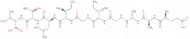
CAS:<p>Please enquire for more information about 7-Fluoro-imidazo[1,2-a]pyridine including the price, delivery time and more detailed product information at the technical inquiry form on this page</p>Formula:C7H5FN2Purity:95%NmrColor and Shape:SolidMolecular weight:136.13 g/molMART-1 (26-35) (human) trifluoroacetate salt
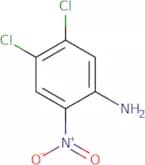
CAS:Native Melan-A (26-35) decapeptide derives from the melanocyte lineage-specific protein Melan-A/MART-1, which is expressed in almost 75-100% of primary and metastatic melanomas. The region 26-35 of Melan-A protein acts as an antigenic peptide that is recognized by CD8+ tumor-reactive cytolytic T lymphocytes (CTLs) for designing antigen-specific cancer vaccines1. It has been shown that CD8+ Melan-A-specific CTLs isolated from melanoma patients efficiently lyse the Melan-A-expressing HLA-A*0201+ melanoma cell line. However, CTLs preferentially recognize the Melan-A (26-35) peptide as compared with the Melan-A (27-35) peptide. Moreover, the Melan-A (26-35) A27L analog (ELAGIGILTV) has a higher binding affinity to HLA-A*0201 than the native Melan-A (26-35) peptide (EAAGIGILTV), and consequently displays more potent antigenicity and immunogenicity. It has been reported that the concentration of Melan-A (26-35) A27L analog required to obtain 50% of maximal antigenic activity (EC50) is 0.01nM, whereas that of the native Melan-A (26-35) peptide is 0.25nM1. Therefore, the relative activity of Melan-A (26-35) A27L analog is 25 fold higher than that of the native Melan-A (26-35) peptide. Furthermore, functional competition assay has shown that the concentration of Melan-A (26-35) A27L analog required to achieve 50% inhibition (IC50) of tumor lysis is 2nM, which is 10 fold lower than that of the native Melan-A (26-35) peptide. Regarding peptide stability in human serum, the half-lifes (t1/2) of the native Melan-A (26-35) peptide and the A27L analog are quite similar (45 and 40min, respectively) as measured by HPLC-ESI-MS, but much higher than that of the Melan-A (27-35) nonapeptide (5min).Formula:C42H74N10O14Purity:Min. 95%Molecular weight:943.1 g/mol4,5-Dichloro-2-nitroaniline
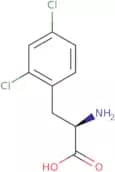
CAS:<p>4,5-Dichloro-2-nitroaniline is a chemical compound that has been shown to be an uncoupler of oxidative phosphorylation in ciliates. It is experimentally shown that the reaction yield for 4,5-Dichloro-2-nitroaniline is much higher than that of the corresponding methylbenzene. The two isomers are not detected in the gaseous phase, but only as products of thermal decomposition at high temperatures. Linear regression analysis and predictive models were used to evaluate the transfer and population growth rates at different temperatures. Narcosis was observed in rats exposed to 4,5-Dichloro-2-nitroaniline at concentrations greater than 0.1 ppm (0.1 mg/L).</p>Formula:C6H4Cl2N2O2Purity:Min. 95%Molecular weight:207.01 g/molD-2,4-Dichlorophenylalanine
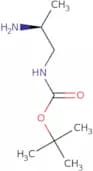
CAS:Please enquire for more information about D-2,4-Dichlorophenylalanine including the price, delivery time and more detailed product information at the technical inquiry form on this pageFormula:C9H9NO2Cl2Purity:95%NmrMolecular weight:234.08 g/mol(S)-1-N-Boc-Propane-1,2-diamine hydrochloride
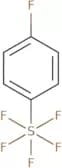
CAS:Please enquire for more information about (S)-1-N-Boc-Propane-1,2-diamine hydrochloride including the price, delivery time and more detailed product information at the technical inquiry form on this pageFormula:C8H19ClN2O2Purity:Min. 95%Molecular weight:210.7 g/mol4-Fluoro(pentafluorosulfanyl)benzene
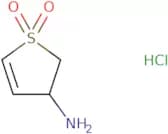
CAS:<p>4-Fluoro(pentafluorosulfanyl)benzene is a fluorinating agent that can be used to produce fluorides, including the trifluoroacetic acid. The cost-effective nature of this compound makes it an attractive alternative to hydrogen fluoride and other fluorinating agents.</p>Formula:C6H4F6SPurity:Min. 95%Molecular weight:222.15 g/mol3-Amino-2,3-dihydro-1λ6-thiophene-1,1-dione hydrochloride
CAS:<p>Please enquire for more information about 3-Amino-2,3-dihydro-1λ6-thiophene-1,1-dione hydrochloride including the price, delivery time and more detailed product information at the technical inquiry form on this page</p>Formula:C4H7NO2S•HClPurity:Min. 95%Molecular weight:169.63 g/mol3,4-Diaminobenzotrifluoride
CAS:3,4-Diaminobenzotrifluoride is a photophysical agent that emits light of a specific wavelength when irradiated with ultraviolet light. It has been shown to inhibit the growth of human cervical carcinoma cells in vitro and to cause apoptosis in these cells. 3,4-Diaminobenzotrifluoride also inhibits the proliferation of human liver and lung cancer cells in vitro. The mechanism by which this agent causes cell death is unknown. 3,4-Diaminobenzotrifluoride is an acid catalyst and stabilizes the chloride ion. This agent may inhibit DNA synthesis or affect proteins that are involved in signal transduction pathways for cell proliferation.Formula:C7H7F3N2Purity:Min. 95%Color and Shape:PowderMolecular weight:176.14 g/mol2-Chloro-1-[4-(4-Fluorophenyl)-1-Piperazinyl]Ethanone
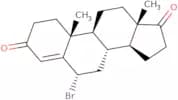
CAS:Controlled Product<p>Please enquire for more information about 2-Chloro-1-[4-(4-Fluorophenyl)-1-Piperazinyl]Ethanone including the price, delivery time and more detailed product information at the technical inquiry form on this page</p>Formula:C12H14ClFN2OPurity:Min. 95%Molecular weight:256.7 g/mol6a-Bromo androstenedione
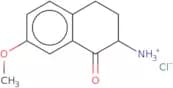
CAS:Controlled Product6a-Bromo androstenedione is a nonsteroidal, non-aromatizable, competitive inhibitor of aromatase. It binds to the active site of the enzyme and blocks the conversion of testosterone to estradiol. 6a-Bromo androstenedione has been shown to inhibit aromatase activity in vitro at an IC50 of about 5 nM. The affinity for the enzyme is about 10 times higher than that for aminoglutethimide, which is another competitive inhibitor of aromatase. 6a-Bromo androstenedione has also been shown to have inhibitory activity against estrogen synthetase in rats.Formula:C19H25BrO2Purity:Min. 95%Molecular weight:365.3 g/mol2-Amino-3,4-dihydro-7-methoxy-2H-1-naphthalenone, hydrochloride
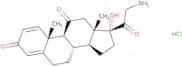
CAS:Controlled ProductPlease enquire for more information about 2-Amino-3,4-dihydro-7-methoxy-2H-1-naphthalenone, hydrochloride including the price, delivery time and more detailed product information at the technical inquiry form on this pageFormula:C11H14ClNO2Purity:Min. 95%Molecular weight:227.69 g/mol21-Amino-17-hydroxypregna-1,4-diene-3,11,20-trioneHydrochloride
CAS:Controlled ProductPlease enquire for more information about 21-Amino-17-hydroxypregna-1,4-diene-3,11,20-trioneHydrochloride including the price, delivery time and more detailed product information at the technical inquiry form on this pageFormula:C21H28ClNO4Purity:Min. 95%Molecular weight:393.9 g/mol[2-(1-Isobutyl-1H-benzimidazol-2-yl)ethyl]amine dihydrochloride
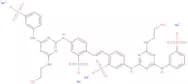
CAS:Controlled Product<p>Please enquire for more information about [2-(1-Isobutyl-1H-benzimidazol-2-yl)ethyl]amine dihydrochloride including the price, delivery time and more detailed product information at the technical inquiry form on this page</p>Formula:C13H19N3Purity:Min. 95%Molecular weight:217.31 g/molFluorescent Brightener 251
CAS:<p>Fluorescent Brightener 251 is a quaternary ammonium salt that is used as a fluorescent whitening agent. It has been shown to be safe for use with human keratin and can be identified by its ultraviolet-visible spectra. This compound is a polybasic, anionic compound that is neutralized with a diluent and then chloride. The radiation emitted by the compound triggers the emission of visible light, which is what makes it fluorescent. Fluorescent Brightener 251 emits radiation in three wavelengths: 280 nm, 350 nm, and 420 nm. The evaporation rate of this compound depends on the counterions present in the solution. Fluorescent Brightener 251 undergoes a stepwise reaction with reactive compounds.</p>Formula:C36H36N12O14S4•Na4Purity:Min. 95%Color and Shape:PowderMolecular weight:1,080.97 g/mol4-Bromo-2-phenylthiazole
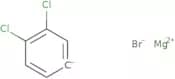
CAS:4-Bromo-2-phenylthiazole is a reactive arylating agent that has been used in the Suzuki reaction to form biaryl compounds. It is also used in the synthesis of heterocycles and alkene cross-coupling reactions. The 4-bromo group can be replaced by other halides, such as chlorides, bromides, or iodides. The substituents on the phenyl ring can be varied to yield different products. Reactive groups are an important factor in optimizing yields and preventing side reactions. This molecule is a useful starting point for the synthesis of complex molecules with functional groups.Formula:C9H6BrNSPurity:Min. 95%Molecular weight:240.12 g/mol3,4-Dichlorophenylmagnesium bromide - 0.5M solution in tetrahydrofuran
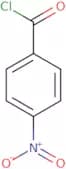
CAS:<p>3,4-Dichlorophenylmagnesium bromide - 0.5M solution in tetrahydrofuran is a chemical reagent that is used to produce methyl compounds. It is often used in the production of chlorinated compounds by substitution of chlorine atoms for hydrogen atoms on the carbon chain. 3,4-Dichlorophenylmagnesium bromide - 0.5M solution in tetrahydrofuran has a molecular structure that includes an electronegative chloro group and a titanium ligand. Acid catalysts are often used with this chemical to promote the reaction between the magnesium and halide ions, which produces methylation products. This may be done through x-ray analysis to determine the progress of the reaction.</p>Formula:C6H3BrCl2MgPurity:Min. 95%Color and Shape:Clear LiquidMolecular weight:250.2 g/mol4-Nitrobenzoyl chloride
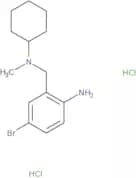
CAS:4-Nitrobenzoyl chloride is an amide that has been shown to have a number of pharmacokinetic properties. It binds to the gamma-aminobutyric acid (GABA) receptor, and has been shown to be a potent inhibitor of GABA transaminase in vitro. The structure of 4-Nitrobenzoyl chloride has been determined by FT-IR spectroscopy. The kinetic data for this compound showed that it is a substrate for diazonium salt and chloride reactions. 4-Nitrobenzoyl chloride is also found in wastewater and can cause cutaneous lesions in rats with high doses. This amine reacts with nitrous acid to form nitro compounds, which are known to be carcinogenic.Formula:C7H4ClNO3Purity:Min. 95%Color and Shape:Slightly Yellow PowderMolecular weight:185.56 g/mol2-Amino-5-bromo-N-cyclohexyl-N-methylbenzylamine dihydrochloride
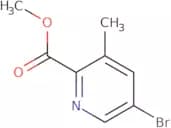
CAS:Please enquire for more information about 2-Amino-5-bromo-N-cyclohexyl-N-methylbenzylamine dihydrochloride including the price, delivery time and more detailed product information at the technical inquiry form on this pageFormula:C14H23BrCl2N2Purity:Min. 95%Color and Shape:PowderMolecular weight:370.16 g/molMethyl 5-bromo-3-methylpicolinate
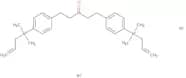
CAS:<p>Please enquire for more information about Methyl 5-bromo-3-methylpicolinate including the price, delivery time and more detailed product information at the technical inquiry form on this page</p>Formula:C8H8BrNO2Purity:Min. 95%Molecular weight:230.06 g/mol1,5-Bis(4-allyldimethylammoniumphenyl)pentan-3-one, dibromide
CAS:<p>1,5-Bis(4-allyldimethylammoniumphenyl)pentan-3-one, dibromide is a reversible inhibitor of acetylcholinesterase. It has been shown to inhibit the enzyme activity in vitro and in vivo. 1,5-Bis(4-allyldimethylammoniumphenyl)pentan-3-one, dibromide has been shown to be an effective inhibitor of nicotinic acetylcholine receptors in model organisms such as Xenopus oocytes and Acetylcholine esterase activated rat pheochromocytoma cells. The molecule also inhibits the phosphorylation of pnitrophenyl phosphate by choline kinase. This inhibiting effect on choline kinase leads to a decrease in the concentration of choline available for neurotransmitter synthesis. Monoclonal antibodies against acetylcholinesterase are used to detect this</p>Formula:C27H38Br2N2OPurity:Min. 95%Molecular weight:566.41 g/mol8-Bromo-imidazo[1,2-a]pyridine
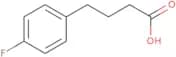
CAS:<p>8-Bromo-imidazo[1,2-a]pyridine is a neutralizing agent that can be used in the synthesis of succinimide. It reacts with chloroacetaldehyde to yield the imidate ester. This reaction is catalyzed by alkali and requires filtration to remove the bromine and any other impurities. The reaction generates heat, so it must be performed in a well-ventilated area.</p>Formula:C7H5BrN2Purity:Min. 95%Molecular weight:197.03 g/mol4-(4-fluorophenyl)butanoic Acid
CAS:Please enquire for more information about 4-(4-fluorophenyl)butanoic Acid including the price, delivery time and more detailed product information at the technical inquiry form on this pageFormula:C10H11FO2Purity:Min. 95%Molecular weight:182.19 g/mol4-(Trifluoromethylsulfonyl)Benzonitrile
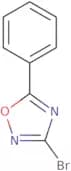
CAS:<p>4-(Trifluoromethylsulfonyl)benzonitrile is a coupling agent that is used to catalyze cross-coupling reactions between organoboranes and organic electrophiles. It is compatible with a wide range of functional groups, including phosphine and phosphite. 4-(Trifluoromethylsulfonyl)benzonitrile has been shown to be an excellent catalyst for the Suzuki and Miyaura reactions, as well as for arylation reactions. 4-(Trifluoromethylsulfonyl)benzonitrile is not active in the presence of water or oxygen and should be stored in a dry place at room temperature.</p>Formula:C8H4F3NO2SPurity:Min. 95%Molecular weight:235.18 g/mol3-Bromo-5-phenyl-1,2,4-oxadiazole
CAS:<p>3-Bromo-5-phenyl-1,2,4-oxadiazole (3BrO) is an organic compound that can be synthesized by coupling a benzoyl chloride with a cyanide salt. 3BrO is also produced in the pyrolysis of benzophenone and 1,2,4-triazole. The fragmentation of 3BrO produces catechol and phenylhydrazine. The deoxygenative coupling reaction of 3BrO with sodium azide produces the explosive compound 2,4,6-trinitrobenzamide. This chemical has been used as the starting material for the synthesis of many other explosives such as RDX and TNT.</p>Formula:C8H5BrN2OPurity:Min. 95%Molecular weight:225.04 g/mol3,4-Dichloropropiophenone
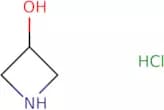
CAS:<p>3,4-Dichloropropiophenone is an organic solvent that contains a chlorine atom. 3,4-Dichloropropiophenone exhibits significant activity for the removal of chlorinated phenols and other halogenated organic compounds from wastewater. The reaction mechanism of this process involves the conversion of 3,4-dichloropropiophenone to a tetranuclear thiolate complex which then reacts with the halogenated compound to form an imine. This imine is hydrolyzed by hydroxide ion to produce a chlorine-containing product and ammonia. 3,4-Dichloropropiophenone has also been shown to have antimalarial activity.</p>Formula:C9H8Cl2OPurity:Min. 95%Color and Shape:PowderMolecular weight:203.06 g/mol3-Hydroxyazetidine hydrochloride
CAS:3-Hydroxyazetidine hydrochloride is an amide that interacts with hydrogen bonding. It is used as a drug for the treatment of hypertension and edema, especially in patients with long-term diseases such as autoimmune diseases. 3-Hydroxyazetidine hydrochloride inhibits the production of fatty acids and chloride ions, thereby reducing the amount of sodium ions in the body. 3-Hydroxyazetidine hydrochloride has been shown to be effective in treating high blood pressure and edema by inhibiting the enzyme regulatory protein phosphatase 2A.Formula:C3H7NO·HClPurity:Min. 97 Area-%Color and Shape:White Yellow PowderMolecular weight:109.55 g/mol



![Tetrakis[N-tetrachlorophthaloyl-(S)-tert-leucinato]dirhodium Bis(ethyl Acetate) Adduct](/_next/image/?url=https%3A%2Fstatic.cymitquimica.com%2Fproducts%2F3D%2Fthumb-webp%2FFT60020.webp&w=3840&q=75)

![7-Chlorothieno[3,2-B]Pyridine](/_next/image/?url=https%3A%2Fstatic.cymitquimica.com%2Fproducts%2F3D%2Fthumb-webp%2FFC53344.webp&w=3840&q=75)
![7-Fluoro-imidazo[1,2-a]pyridine](/_next/image/?url=https%3A%2Fstatic.cymitquimica.com%2Fproducts%2F3D%2Fthumb-webp%2FFF165964.webp&w=3840&q=75)

![2-Chloro-1-[4-(4-Fluorophenyl)-1-Piperazinyl]Ethanone](/_next/image/?url=https%3A%2Fstatic.cymitquimica.com%2Fproducts%2F3D%2Fthumb-webp%2FFC93551.webp&w=3840&q=75)
![[2-(1-Isobutyl-1H-benzimidazol-2-yl)ethyl]amine dihydrochloride](/_next/image/?url=https%3A%2Fstatic.cymitquimica.com%2Fproducts%2F3D%2Fthumb-webp%2FFI135795.webp&w=3840&q=75)

![8-Bromo-imidazo[1,2-a]pyridine](/_next/image/?url=https%3A%2Fstatic.cymitquimica.com%2Fproducts%2F3D%2Fthumb-webp%2FFB54448.webp&w=3840&q=75)