Organic Halides
In this category, you can find organic molecules containing one or more halogen atoms in their structure. These organic halides include brominated, iodinated, chlorinated, and cyclic halide compounds. Organic halides are widely used in organic synthesis, pharmaceuticals, agrochemicals, and materials science due to their reactivity and ability to undergo a variety of chemical transformations. At CymitQuimica, we offer a comprehensive selection of high-quality organic halides to support your research and industrial applications, ensuring reliable and effective performance in your synthetic and analytical projects.
Subcategories of "Organic Halides"
Found 20440 products of "Organic Halides"
Sort by
Purity (%)
0
100
|
0
|
50
|
90
|
95
|
100
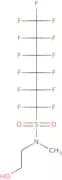
Tridecafluoro-N-(2-Hydroxyethyl)-N-Methylhexanesulphonamide
CAS:Please enquire for more information about Tridecafluoro-N-(2-Hydroxyethyl)-N-Methylhexanesulphonamide including the price, delivery time and more detailed product information at the technical inquiry form on this pageFormula:C9H8F13NO3SPurity:Min. 95%Molecular weight:457.21 g/molN-[3-Fluoro-4-[(methylamino)carbonyl]phenyl]-2-methylalanine
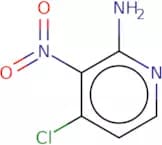
CAS:Please enquire for more information about N-[3-Fluoro-4-[(methylamino)carbonyl]phenyl]-2-methylalanine including the price, delivery time and more detailed product information at the technical inquiry form on this pageFormula:C12H15FN2O3Purity:Min. 95%Molecular weight:254.26 g/mol2-Amino-4-chloro-3-nitropyridine
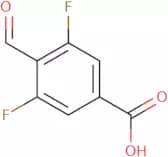
CAS:2-Amino-4-chloro-3-nitropyridine is a potent inhibitory molecule that inhibits the activity of the enzyme acetylcholinesterase. It has been used in the treatment of chronic pain, and has been shown to be effective for inhibiting malonate esters and amino acid esters. This drug is an ethyl ester that can be synthesized from chlorobenzene and malonic acid by chlorinating it with chlorine gas. 2-Amino-4-chloro-3-nitropyridine has also been shown to have a high affinity for malonic acid diethyl esters.Formula:C5H4ClN3O2Purity:Min. 98 Area-%Color and Shape:PowderMolecular weight:173.56 g/mol3,5-difluoro-4-formylbenzoic Acid
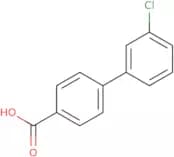
CAS:<p>3,5-Difluoro-4-formylbenzoic acid is a sulfamic acid derivative that is used as a catalyst in the synthesis of aldehydes. The catalytic activity of 3,5-difluoro-4-formylbenzoic acid is due to its ability to be oxidized by air and light to give an active form. It also has other uses in the synthesis of dihydropyrans and regioselectivity studies.</p>Formula:C8H4F2O3Purity:Min. 95%Molecular weight:186.11 g/mol3'-Chloro-biphenyl-4-carboxylic acid
CAS:<p>Please enquire for more information about 3'-Chloro-biphenyl-4-carboxylic acid including the price, delivery time and more detailed product information at the technical inquiry form on this page</p>Purity:Min. 95%9,12-Diiodo-1,2-carborane
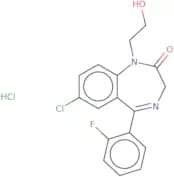
CAS:Controlled ProductPlease enquire for more information about 9,12-Diiodo-1,2-carborane including the price, delivery time and more detailed product information at the technical inquiry form on this pageFormula:I2C2B10H10Purity:Min. 95%Molecular weight:396.02 g/molN1-(2-Hydroxyethyl) flurazepam hydrochloride
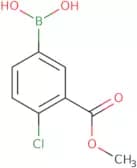
CAS:Controlled ProductPlease enquire for more information about N1-(2-Hydroxyethyl) flurazepam hydrochloride including the price, delivery time and more detailed product information at the technical inquiry form on this pageFormula:C17H15Cl2FN2O2Purity:Min. 95%Molecular weight:369.22 g/mol(4-Chloro-3-(methoxycarbonyl)phenyl)boronic acid
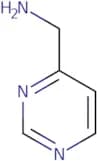
CAS:<p>Please enquire for more information about (4-Chloro-3-(methoxycarbonyl)phenyl)boronic acid including the price, delivery time and more detailed product information at the technical inquiry form on this page</p>Formula:C8H8BClO4Purity:Min. 95%Molecular weight:214.41 g/mol(Pyrimidin-4-ylmethyl)amine dihydrochloride
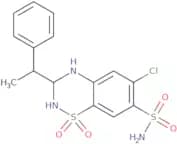
CAS:<p>Pyrimidin-4-ylmethyl)amine dihydrochloride is a drug that belongs to the class of drugs known as kinase inhibitors. Pyrimidin-4-ylmethyl)amine dihydrochloride inhibits the kinase activity of Jak3, which is involved in regulating inflammation and immune response. This inhibitor has been shown to be effective against chronic inflammatory diseases such as asthma, psoriasis, and rheumatoid arthritis. Pyrimidin-4-ylmethyl)amine dihydrochloride has an affinity for ATP binding sites and can be used to regulate kinase activity by competing with ATP for these binding sites.</p>Formula:C5H7N3Purity:Min. 95%Molecular weight:109.13 g/mol6-Chloro-3,4-dihydro-3-(a-methylbenzyl)-2H-1,2,4-benzothiadiazine-7-sulfonamide 1,1-dioxide
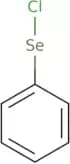
CAS:6-Chloro-3,4-dihydro-3-(a-methylbenzyl)-2H-1,2,4-benzothiadiazine-7-sulfonamide 1,1-dioxide is an active metabolite of the drug benzbromarone. It is primarily administered as a diuretic to treat high blood pressure and congestive heart failure. The pharmacodynamics of this drug are related to its ability to inhibit the activity of sodium channels in vascular smooth muscle cells and thereby reduce the force of contraction and relax the vessel wall. 6CBDMTD has shown an increase in glomerular filtration rate in patients with congestive heart failure. This drug also decreases the plasma concentration of fatty acids by inhibiting the formation of lipoprotein particles. 6CBDMTD has been shown to be effective at lowering diastolic and systolic blood pressure levels in patients with hypertension.Formula:C15H16ClN3O4S2Purity:Min. 95%Molecular weight:401.89 g/molPhenylselenenyl chloride
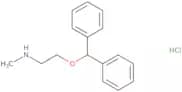
CAS:<p>Phenylselenenyl chloride is an organoselenium compound with the chemical formula CHSeCl. It has been shown to have a low redox potential, which makes it a good candidate for use in organic synthesis. Phenylselenenyl chloride is used as a catalyst in palladium-catalyzed coupling reactions and has been shown to be effective in the synthesis of epoxy hydroxy compounds. The x-ray crystal structures of phenylselenenyl chloride have been determined, revealing that the molecule contains steric interactions between the chloride and hydroxyl groups. This discovery explains why phenylselenenyl chloride is so selective for these two groups and may lead to improved synthetic methods for this molecule.</p>Formula:C6H5ClSePurity:Min. 95%Color and Shape:PowderMolecular weight:191.52 g/molN-Desmethyl diphenhydramine hydrochloride
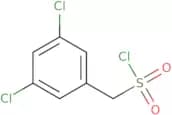
CAS:N-Desmethyl diphenhydramine hydrochloride is a high quality, complex compound with CAS No. 53499-40-4 that can be used as a useful intermediate, speciality chemical, or research chemicals. It is a versatile building block and reaction component.Formula:C16H20ClNOPurity:Min. 95 Area-%Color and Shape:PowderMolecular weight:277.79 g/mol(3,5-Dichlorophenyl)methanesulfonyl chloride
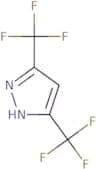
CAS:Please enquire for more information about (3,5-Dichlorophenyl)methanesulfonyl chloride including the price, delivery time and more detailed product information at the technical inquiry form on this pageFormula:C7H5Cl3O2SPurity:Min. 95%Molecular weight:259.54 g/mol3,5-Bis(trifluoromethyl)pyrazole
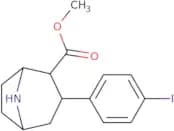
CAS:3,5-Bis(trifluoromethyl)pyrazole is a pyrazole derivative that can be used in coordination chemistry. It has been shown to act as a ligand for the copper oxide ion channel. The binding of 3,5-bis(trifluoromethyl)pyrazole to the copper oxide ion channel leads to an increase in the amount of Ca2+ ions that enter the cell. This compound has also been shown to inhibit the activity of x-ray crystal structures and cation channels with nanomolar concentrations. These properties make 3,5-bis(trifluoromethyl)pyrazole an effective agent for treating various diseases like cancer, Alzheimer's disease, and epilepsy.Formula:C5H2F6N2Purity:Min. 95%Molecular weight:204.07 g/mol(-)-2β-Carbomethoxy-3β-(4-iodophenyl)nortropane
CAS:Controlled Product(-)-2b-Carbomethoxy-3b-(4-iodophenyl)nortropane is a serotonin agonist that has been shown to be effective in the treatment of dysthymia and depression in women. It is a serotonergic agent that binds to serotonin receptors, as well as dopamine receptors, which are involved in the regulation of mood. (-)-2b-Carbomethoxy-3b-(4-iodophenyl)nortropane inhibits the reuptake of serotonin, which leads to an increase in the extracellular concentration of serotonin. This agent also has alkylation properties and can form adducts with thiol groups on proteins, such as 5-HT receptors. A positron emission tomography (PET) study found that (-)-2b-Carbomethoxy-3b-(4-iodophenyl)nortropane is a potent radiotracer for mapping the serotonin transporter systemFormula:C15H18INO2Purity:Min. 95%Color and Shape:PowderMolecular weight:371.21 g/mol2,5-Dibromofuran
CAS:2,5-Dibromofuran is a synthetic chemical that is synthesized from acetonitrile and palladium-catalyzed cross-coupling reaction. It can be obtained by the reaction of sodium in anhydrous form with bromine and subsequent evaporation to dryness. 2,5-Dibromofuran has been shown to reversibly react with chloride at room temperature for one hour, which can be attributed to its electron withdrawing properties. The FTIR spectra of 2,5-dibromofuran show bands corresponding to carbonyl and hydroxyl groups. This chemical has been used in synthesis methods involving surfactants and anhydrous sodium chloride as well as uv irradiation.Formula:C4H2Br2OPurity:Min. 95%Molecular weight:225.87 g/mol[2-(2,5-Dimethyl-1H-indol-3-yl)ethyl]amine hydrochloride
CAS:Controlled ProductPlease enquire for more information about [2-(2,5-Dimethyl-1H-indol-3-yl)ethyl]amine hydrochloride including the price, delivery time and more detailed product information at the technical inquiry form on this pageFormula:C12H16N2Purity:Min. 95%Molecular weight:188.27 g/mol2-Iodo-4-nitroanisole
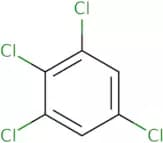
CAS:<p>2-Iodo-4-nitroanisole is a reagent that catalyzes the labeling of proteins with iodine. The reaction is anomalously slow in the presence of bovine serum albumin and results in an increase in the amount of labeled protein. This reagent can also be used to study the kinetics of reactions involving nitrous oxide. The rate of reaction is dependent on the concentration of hydrogen ions, which is why this reagent is often used in assays that have acidic conditions. 2-Iodo-4-nitroanisole can also be used to label lysine residues on proteins by reacting with nitrous oxide and dinitrogen tetroxide, which react at high rates when they are mixed together.</p>Formula:C7H6INO3Purity:Min. 95%Molecular weight:279.03 g/mol1,2,3,5-Tetrachlorobenzene
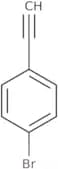
CAS:<p>1,2,3,5-Tetrachlorobenzene (1,2,3,5-TCB) is a chlorinated aromatic compound that inhibits the growth of bacteria. It has been used as a model system to study the inhibition of aniline-dependent enzymes by 1,2,3,5-TCB. The rate of elimination of 1,2,3,5-TCB from human and rat tissues varies with the type of tissue and the type of fatty acid present in the tissue. In addition to its effects on enzyme activity and bacterial growth rate, 1,2,3,5-TCB can also inhibit mitochondrial electron transport chain function and vitamin B12 absorption.</p>Formula:C6H2Cl4Purity:Min. 95%Molecular weight:215.89 g/mol4-Bromophenylacetylene
CAS:<p>4-Bromophenylacetylene is a molecule that can be activated by nucleophilic attack, which is the process of reacting with a nucleophile. It is used in clinical studies to determine the activity of pancreatic lipase in humans and animals. 4-Bromophenylacetylene has been shown to have a high degree of regiospecificity, meaning that it only reacts with certain carbon atoms on the molecule, and not all of them. This allows for selective reactions to take place. 4-Bromophenylacetylene also reacts with amines, which are organic molecules containing nitrogen and hydrogen, through an X-ray absorption process. X-ray absorption is defined as an x-ray photon being absorbed by an electron in a molecule, causing the electron to change its energy level and state. The energy level and state changes are characterized by x-ray emission spectroscopy (XES).</p>Formula:C8H5BrPurity:Min. 95%Molecular weight:181.03 g/mol1-(2-Chlorobenzyl)piperazine
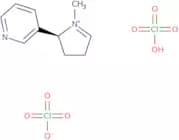
CAS:Controlled Product<p>1-(2-Chlorobenzyl)piperazine is a drug that binds to the adenosine receptor with high affinity. It has been shown to produce a bell-shaped dose-response curve, meaning that at low doses it increases the activity of adenosine receptors and at high doses it decreases the activity of these receptors. 1-(2-Chlorobenzyl)piperazine is an atypical agonist for this receptor because it does not have the typical skeleton structure of other drugs that bind to this receptor. It is also used as a research tool in assays to study the effects of drugs on adenosine receptors.</p>Formula:C11H15ClN2Purity:Min. 95%Molecular weight:210.7 g/molS-(-)-Nicotine-δ1’-(5’)-iminium diperchlorate salt
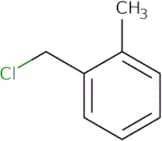
CAS:<p>Please enquire for more information about S-(-)-Nicotine-delta1’-(5’)-iminium diperchlorate salt including the price, delivery time and more detailed product information at the technical inquiry form on this page</p>Formula:C10H14Cl2N2O8Purity:Min. 95%Molecular weight:361.13 g/mol2-Methylbenzyl chloride
CAS:<p>2-Methylbenzyl chloride is a reactive compound that has been shown to have inhibitory properties against cancer cells. It is an aromatic compound that is synthesized by the reaction of benzene and methyl chloride. This chemical appears as a white solid at room temperature. 2-Methylbenzyl chloride has been shown to have antimicrobial properties, which are due to its ability to react with fatty acids. The addition of 2-methylbenzyl chloride to fatty acid esters leads to the formation of hydroxylated derivatives, which are reactive and inhibit the growth of bacteria and fungi. This chemical also reacts with carbon disulphide, hydrogen chloride, and chloride in the presence of light or heat. The metabolic profiles of this chemical have not been well characterized, but it has been shown to be reactive with Mcf-7 cells.br>br> The following product details are for a product called "3DCTKP." br>br</p>Formula:C8H9ClPurity:Min. 95%Color and Shape:Clear LiquidMolecular weight:140.61 g/molIodoethane-d5
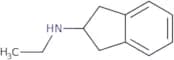
CAS:Controlled ProductIodoethane-d5 is a chromatographic reagent that is used for the determination of bond cleavage reactions. The reaction yield for bond cleavage reactions with iodoethane-d5 has been determined to be approximately 50%. Iodoethane-d5 is used in magnetic resonance spectroscopy, where it has been shown to be an effective probe for the measurement of proton and resonance mass. Iodoethane-d5 can also be used as a pharmacokinetic marker. It has been found that iodoethane-d5 is better than ethane at calculating pharmacokinetic parameters such as volume of distribution and clearance.Formula:CD3CD2IPurity:Min. 95%Color and Shape:Colourless LiquidMolecular weight:160.99 g/molN-2,3-Dihydro-1H-inden-2-yl-N-ethylamine hydrochloride
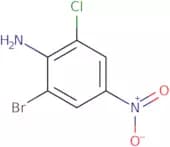
CAS:Controlled ProductPlease enquire for more information about N-2,3-Dihydro-1H-inden-2-yl-N-ethylamine hydrochloride including the price, delivery time and more detailed product information at the technical inquiry form on this pageFormula:C11H15NPurity:Min. 95%Molecular weight:161.24 g/mol2-Chloro-4-nitro-6-bromoaniline
CAS:2-Chloro-4-nitro-6-bromoaniline is a dispersive, linear range, ammonolysis and chloride free oxidant for wastewater treatment. This compound is effective at removing organic pollutants from wastewater and has been shown to be both environmentally safe and cost effective. 2-Chloro-4-nitro-6-bromoaniline is also used as a polymerization initiator in the production of polyester resins. It can be manufactured by recycling anilines by reacting them with bromine in the presence of an acid catalyst. 2CNBBA is used as a hydrogen bond acceptor in microextraction of chlorinated compounds from water samples.Formula:C6H4BrClN2O2Purity:Min. 95%Molecular weight:251.46 g/mol5-(4-Fluorophenyl)-3-isoxazolecarboxylic acid
CAS:5-(4-Fluorophenyl)-3-isoxazolecarboxylic acid is a high quality reagent with CAS No. 33282-24-5. It is a complex compound that is useful as an intermediate for the synthesis of various fine chemicals. 5-(4-Fluorophenyl)-3-isoxazolecarboxylic acid also has a number of uses in the synthesis of speciality chemicals, research chemicals, and versatile building blocks for organic chemistry. As a reaction component, it can be used to synthesize compounds with different functional groups on their molecules.Formula:C10H6FNO3Purity:Min. 95%Color and Shape:White/Off-White SolidMolecular weight:207.16 g/mol(5-Chloropyridin-3-yl)boronic acid
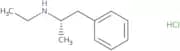
CAS:<p>Please enquire for more information about (5-Chloropyridin-3-yl)boronic acid including the price, delivery time and more detailed product information at the technical inquiry form on this page</p>Formula:C5H5BClNO2Purity:Min. 95%Molecular weight:157.36 g/mol(S)-N-Ethyl amphetamine hydrochloride
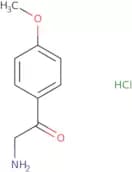
CAS:Controlled ProductPlease enquire for more information about (S)-N-Ethyl amphetamine hydrochloride including the price, delivery time and more detailed product information at the technical inquiry form on this pageFormula:C11H18ClNPurity:Min. 95%Molecular weight:199.72 g/mol2-Amino-4'-methoxyacetophenone hydrochloride
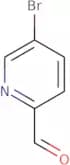
CAS:Controlled ProductPlease enquire for more information about 2-Amino-4'-methoxyacetophenone hydrochloride including the price, delivery time and more detailed product information at the technical inquiry form on this pageFormula:C9H11NO2·HClPurity:Min. 95%Color and Shape:PowderMolecular weight:201.65 g/mol5-Bromopyridine-2-carbaldehyde
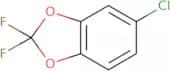
CAS:<p>5-Bromopyridine-2-carbaldehyde is a water soluble organic molecule that has been shown to inhibit the mitochondrial respiratory chain. It is a structural analog of the natural substrate for mitochondrial cytochrome c oxidase, 5-aminolevulinic acid. This compound has been shown to be selective against cancer cells and has anti-viral properties. The photophysical properties of 5-bromopyridine-2-carbaldehyde have been studied extensively. The fluorescence quantum yield of this molecule in aqueous solution is 0.06%.</p>Formula:C6H4BrNOPurity:Min. 95%Color and Shape:White PowderMolecular weight:186.01 g/mol5-Chloro-2,2-difluoro-1,3-benzodioxole
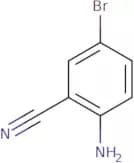
CAS:5-Chloro-2,2-difluoro-1,3-benzodioxole (5CFD) is an antifungal agent that is used to treat bowel disease. It inhibits the synthesis of DNA and RNA by binding to the enzyme RNA polymerase. 5CFD is also used as a precursor for diazonium salt analogs, which are used in antibacterial agents. The analogs are synthesized using deuterated 5CFD. This drug has been shown to have antitumor activity against human cervical carcinoma cells in culture.Formula:C7H3ClF2O2Purity:Min. 95%Molecular weight:192.55 g/mol2-Amino-5-bromobenzonitrile
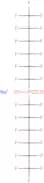
CAS:<p>2-Amino-5-bromobenzonitrile is a bioactive substance that belongs to the class of amines. It is used as an intermediate in the production of other industrial chemicals, such as polyurethanes and polyamides. 2-Amino-5-bromobenzonitrile can be found in faeces at a concentration of approximately 1 µg/g. The metabolic pathway for 2-amino-5-bromobenzonitrile has been shown to be cyp3a5 dependent.</p>Formula:C7H5BrN2Purity:Min. 95%Color and Shape:Brown PowderMolecular weight:197.03 g/molBis(perfluorohexyl)phosphinic acid sodium salt
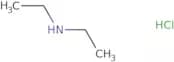
CAS:Please enquire for more information about Bis(perfluorohexyl)phosphinic acid sodium salt including the price, delivery time and more detailed product information at the technical inquiry form on this pageFormula:C12F26NaO2PPurity:Min. 95%Molecular weight:724.05 g/molDiethylamine hydrochloride
CAS:Controlled Product<p>Diethylamine hydrochloride is a chemical compound that is used as an intermediate in the manufacture of other chemicals. It can be used to treat metabolic disorders such as diabetes, hypothyroidism, and osteoporosis. Diethylamine hydrochloride has been shown to inhibit group P2 phosphodiesterases (PDEs) and prevent their degradation by the enzyme dipeptidyl peptidase-IV (DPP-IV). This inhibition leads to increased levels of cyclic AMP in cells, which contributes to its anti-inflammatory activity. The structural analysis of diethylamine hydrochloride has been performed using x-ray diffraction data and x-ray crystal structures.</p>Formula:C4H12ClNPurity:Min. 95%Molecular weight:109.6 g/mol[1,3-Bis(diphenylphosphino)propane]palladium(II) dichloride
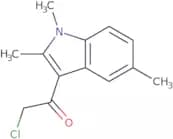
CAS:Controlled Product<p>Please enquire for more information about [1,3-Bis(diphenylphosphino)propane]palladium(II) dichloride including the price, delivery time and more detailed product information at the technical inquiry form on this page</p>Formula:C27H26Cl2P2PdPurity:Min. 95%Molecular weight:589.77 g/mol2-Chloro-1-(1,2,5-trimethyl-1H-indol-3-yl)ethanone
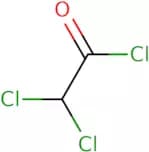
CAS:Controlled Product<p>Please enquire for more information about 2-Chloro-1-(1,2,5-trimethyl-1H-indol-3-yl)ethanone including the price, delivery time and more detailed product information at the technical inquiry form on this page</p>Formula:C13H14ClNOPurity:Min. 95%Molecular weight:235.71 g/molDichloroacetyl chloride
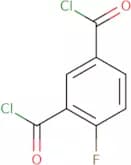
CAS:<p>Dichloroacetyl chloride is a reactive chlorine compound that is used in the synthesis of pharmaceuticals, dyes, and pesticides. It reacts with hydrochloric acid to produce hydrochloric acid and dichloroacetic acid. Dichloroacetyl chloride can react with zirconium oxide to produce chlorides and zirconates. This reaction can be conducted at room temperature. The reaction mechanism for this reaction is not well understood; however, it has been shown that the hydroxyl group on the dichloroacetyl chloride molecule plays a significant role in this process. The phase transition temperature of dichloroacetyl chloride is -60°C. This compound has physiological activities such as reducing inflammation and fighting autoimmune diseases.</p>Formula:C2HCl3OPurity:Min. 95%Molecular weight:147.39 g/mol4-Fluorobenzene-1,3-dioyl dichloride
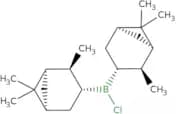
CAS:<p>Please enquire for more information about 4-Fluorobenzene-1,3-dioyl dichloride including the price, delivery time and more detailed product information at the technical inquiry form on this page</p>Formula:C8H3Cl2FO2Purity:Min. 95%Molecular weight:221.01 g/mol(-)-B-Chlorodiisopinocampheylborane, 60% in Hexane, ca. 1.7mol/L
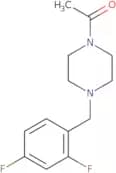
CAS:(-)-B-Chlorodiisopinocampheylborane is a carbonyl group that can be used for asymmetric synthesis. It was synthesized from the reaction of chlorodiisopinocampheylborane with butyllithium and allyl bromide, followed by aqueous workup. The enantiomers were separated through thin layer chromatography on silica gel plates with hexane as the eluent. The resolution of racemic latanoprost lactol was achieved in the same manner. (-)-B-Chlorodiisopinocampheylborane is also a diketone that can be prepared from para-chloroacetophenone and sodium hydroxide in ethanol. This diketone undergoes an intramolecular cyclization to produce noradrenaline (norepinephrine) and hydrochloric acid, which can then be converted into dioxolanes or other products.Formula:C20H34BClPurity:Min. 95%Color and Shape:Clear LiquidMolecular weight:320.75 g/mol1-Acetyl-4-(2,4-difluorobenzyl)piperazine
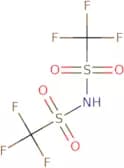
CAS:Controlled Product<p>Please enquire for more information about 1-Acetyl-4-(2,4-difluorobenzyl)piperazine including the price, delivery time and more detailed product information at the technical inquiry form on this page</p>Formula:C13H16F2N2OPurity:Min. 95%Molecular weight:254.28 g/molBistrifluoromethanesulfonimide
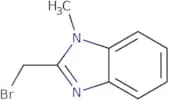
CAS:<p>Bistrifluoromethanesulfonimide is a cationic ionic liquid that has been shown to have a high thermal expansion coefficient. It has been used in the synthesis of copper chloride and as an electrolyte for electrochemical impedance spectroscopy. The solubility of bistrifluoromethanesulfonimide can be increased by adding lithium ions, which results in a higher activation energy for intramolecular hydrogen bonding interactions. Bistrifluoromethanesulfonimide can also be used as a surfactant in the synthesis of ionic liquids through the addition of sodium dodecyl sulfate, which leads to hydrogen bonding interactions with other molecules.</p>Formula:C2HF6NO4S2Purity:Min. 95%Color and Shape:PowderMolecular weight:281.16 g/mol2-(Bromomethyl)-1-methyl-1H-benzimidazole hydrobromide
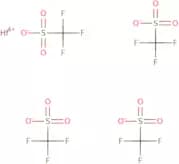
CAS:Controlled ProductPlease enquire for more information about 2-(Bromomethyl)-1-methyl-1H-benzimidazole hydrobromide including the price, delivery time and more detailed product information at the technical inquiry form on this pageFormula:C9H9BrN2Purity:Min. 95%Molecular weight:225.09 g/molHafnium(IV) Trifluoromethanesulfonate
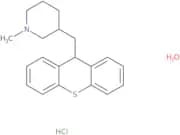
CAS:Controlled Product<p>Hafnium(IV) trifluoromethanesulfonate is a compound that has been used as an inhibitor in carbohydrate chemistry. Hafnium(IV) trifluoromethanesulfonate inhibits the reaction between malonic acid and acetic anhydride in an asymmetric synthesis, which results in a mixture of diastereomers. It also suppresses apoptosis by inhibiting the activation of caspase-3, which is one of the primary pathways for apoptosis. The mechanism behind this inhibition is not entirely clear but may be due to the hydroxyl group present on the aromatic hydrocarbon or its acidic nature. Hafnium(IV) trifluoromethanesulfonate has anticancer activity and has been shown to inhibit tumor growth in vivo with low toxicity.</p>Formula:C4F12HfO12S4Purity:Min. 95%Molecular weight:774.77 g/molMethixene hydrochloride hydrate
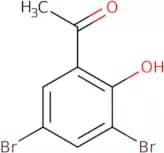
CAS:Controlled Product<p>Methixene hydrochloride hydrate is a drug that is used to treat inflammatory bowel disease. It works by inhibiting the activity of enzymes involved in the production of epidermal growth factor, which is a protein that stimulates the growth of cells in the lining of the intestine. Methixene hydrochloride hydrate may also be used for other purposes not listed here. Methixene hydrochloride hydrate can cause liver damage and bone cancer and should not be taken by people with infectious diseases or those who are pregnant. This medication has an effect on dopamine levels and may help with Parkinson's disease. Although methixene hydrochloride hydrate is used to treat many different illnesses, it cannot cure them all.</p>Formula:C20H26ClNOSPurity:Min. 95%Color and Shape:PowderMolecular weight:363.95 g/mol3',5'-Dibromo-2'-hydroxyacetophenone
CAS:Please enquire for more information about 3',5'-Dibromo-2'-hydroxyacetophenone including the price, delivery time and more detailed product information at the technical inquiry form on this pageFormula:C8H6Br2O2Purity:Min. 95%Molecular weight:293.94 g/mol[2-(1,2,6-Trimethyl-1H-indol-3-yl)ethyl]amine hydrochloride
CAS:Controlled ProductPlease enquire for more information about [2-(1,2,6-Trimethyl-1H-indol-3-yl)ethyl]amine hydrochloride including the price, delivery time and more detailed product information at the technical inquiry form on this pageFormula:C13H18N2Purity:Min. 95%Molecular weight:202.3 g/mol[1-(2-Chlorobenzyl)-1H-benzimidazol-2-yl]methanol
CAS:Controlled ProductPlease enquire for more information about [1-(2-Chlorobenzyl)-1H-benzimidazol-2-yl]methanol including the price, delivery time and more detailed product information at the technical inquiry form on this pageFormula:C15H13ClN2OPurity:Min. 95%Molecular weight:272.73 g/mol4-(3-Phenyl-1,2,4-oxadiazol-5-yl)piperidine hydrochloride
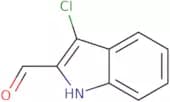
CAS:<p>Please enquire for more information about 4-(3-Phenyl-1,2,4-oxadiazol-5-yl)piperidine hydrochloride including the price, delivery time and more detailed product information at the technical inquiry form on this page</p>Formula:C13H15N3OPurity:Min. 95%Molecular weight:229.28 g/mol3-Chloro-1H-indole-2-carbaldehyde
CAS:<p>3-Chloro-1H-indole-2-carbaldehyde is a bifunctional reagent that can be used to form amides. It reacts with primary and secondary amines, as well as dialkyl and methylene amines, to produce the corresponding chloro-, phenylhydrazine-, or nitrosoaminoureas. This reaction is intramolecular and yields the desired product in high yield. The reactant can also be used as a chloride source. 3-Chloro-1H-indole-2-carbaldehyde is manufactured by reacting phenylhydrazine with chloroacetic acid in an organic solvent at room temperature (25°C).</p>Formula:C9H6ClNOPurity:Min. 95%Molecular weight:179.6 g/mol

![N-[3-Fluoro-4-[(methylamino)carbonyl]phenyl]-2-methylalanine](/_next/image/?url=https%3A%2Fstatic.cymitquimica.com%2Fproducts%2F3D%2Fthumb-webp%2FFF99416.webp&w=3840&q=75)

![[2-(2,5-Dimethyl-1H-indol-3-yl)ethyl]amine hydrochloride](/_next/image/?url=https%3A%2Fstatic.cymitquimica.com%2Fproducts%2F3D%2Fthumb-webp%2FFD118369.webp&w=3840&q=75)




![[1,3-Bis(diphenylphosphino)propane]palladium(II) dichloride](/_next/image/?url=https%3A%2Fstatic.cymitquimica.com%2Fproducts%2F3D%2Fthumb-webp%2FFB46063.webp&w=3840&q=75)
![[2-(1,2,6-Trimethyl-1H-indol-3-yl)ethyl]amine hydrochloride](/_next/image/?url=https%3A%2Fstatic.cymitquimica.com%2Fproducts%2F3D%2Fthumb-webp%2FFT118335.webp&w=3840&q=75)
![[1-(2-Chlorobenzyl)-1H-benzimidazol-2-yl]methanol](/_next/image/?url=https%3A%2Fstatic.cymitquimica.com%2Fproducts%2F3D%2Fthumb-webp%2FFC135810.webp&w=3840&q=75)