Organic Halides
In this category, you can find organic molecules containing one or more halogen atoms in their structure. These organic halides include brominated, iodinated, chlorinated, and cyclic halide compounds. Organic halides are widely used in organic synthesis, pharmaceuticals, agrochemicals, and materials science due to their reactivity and ability to undergo a variety of chemical transformations. At CymitQuimica, we offer a comprehensive selection of high-quality organic halides to support your research and industrial applications, ensuring reliable and effective performance in your synthetic and analytical projects.
Subcategories of "Organic Halides"
Found 20440 products of "Organic Halides"
Sort by
Purity (%)
0
100
|
0
|
50
|
90
|
95
|
100
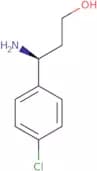
(S)-3-Amino-3-(4-chlorophenyl)-propan-1-ol
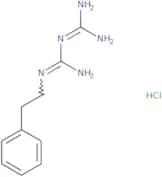
CAS:<p>Please enquire for more information about (S)-3-Amino-3-(4-chlorophenyl)-propan-1-ol including the price, delivery time and more detailed product information at the technical inquiry form on this page</p>Formula:C9H12ClNOPurity:Min. 95%Molecular weight:185.65 g/molPhenformin hydrochloride
CAS:<p>Phenformin hydrochloride is a phenformin derivative that is used as an oral hypoglycemic. It has been shown to inhibit the synthesis of fatty acids in the liver and to reduce the size of lipid droplets, which are a hallmark of hepatic steatosis. Phenformin hydrochloride also inhibits the polymerase chain reaction and mitochondrial membrane potential, which results in reduced oxidative stress and apoptosis. This drug has been shown to have anti-infectious effects against infectious diseases such as typhoid fever, tuberculosis, and malaria. Phenformin hydrochloride may also be carcinogenic, due to its ability to induce skin cancer in mice with a genetic predisposition for this type of cancer. The drug should not be administered to patients with metabolic disorders or patients who are receiving chemotherapy agents that affect cell proliferation because it can exacerbate these conditions.</p>Formula:C10H16ClN5Purity:Min. 95 Area-%Color and Shape:PowderMolecular weight:241.72 g/molTris[4-(trifluoromethyl)phenyl]phosphine
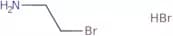
CAS:<p>Tris[4-(trifluoromethyl)phenyl]phosphine (TFPP) is a diphosphine ligand that binds to metal ions in the active site of enzymes. It has been shown to bind to methylenecyclopropanes, which are intermediates in the reaction of Grignard reagents with quinoline derivatives. TFPP is also able to form complexes with phosphines and other ligands, such as borane. The crystal structures of TFPP have been determined by x-ray diffraction studies. These structures show that TFPP is monosubstituted with four trifluoromethyl groups and one phosphorus atom.br>br> TFPP has also been shown to be an effective catalyst for reactions involving amides, such as hydroamination and acylation reactions. In addition, it was found that TFPP inhibits the growth of bacteria by inhibiting</p>Formula:C21H12F9PPurity:Min. 95%Color and Shape:SolidMolecular weight:466.28 g/mol2-Bromoethylamine hydrobromide
CAS:<p>2-Bromoethylamine HBr is a nonsteroidal anti-inflammatory drug that is used to treat inflammation and pain. It is a prodrug that is hydrolyzed in vivo to its active form, 2-bromoethylamine. The bound form of this drug has been shown to inhibit the development of cell nuclei in the nucleus of cells. This drug also inhibits the production of nitric oxide, which leads to cell death by necrosis. 2-Bromoethylamine HBr has been shown to have an inhibitory effect on the activity of glycol ethers, which are used as solvents for resins in coatings and adhesives. It also has the ability to form body tissue (e.g., papillary) and can be used as an experimental model for studying necrosis.</p>Formula:C2H6BrN•HBrPurity:Min. 95%Color and Shape:White PowderMolecular weight:204.89 g/molEuropium tris[3-(heptafluoropropylhydroxymethylene)-(+)-camphorate]
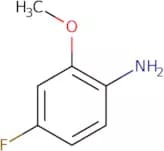
CAS:<p>Europium Tris[3-(Heptafluoropropylhydroxymethylene)-(+)-Camphorate] is a chiral compound that can be used as a catalyst for the asymmetric synthesis of spiroketals. The catalyst is immobilized on a monolayer and has been shown to work with nitrogen nucleophiles such as ammonia and amines. It also shows catalytic activity in hydrosilylation reactions, which are used in the production of polymers. Europium Tris[3-(Heptafluoropropylhydroxymethylene)-(+)-Camphorate] is soluble in organic solvents such as ethyl diazoacetate, styrene, and tetrahydrofuran.</p>Formula:C42H42EuF21O6Purity:Min. 95%Molecular weight:1,193.71 g/mol4-Fluoro-2-methoxyaniline
CAS:<p>4-Fluoro-2-methoxyaniline is an inhibitor of tyrosine kinase. It is a molecule that has been isolated from the ground leaves of erythroxylon coca and is used in the treatment of diabetes mellitus. 4-Fluoro-2-methoxyaniline inhibits the growth factor receptor, epidermal growth factor (EGF), and its receptor, EGF receptor. This inhibition leads to decreased proliferation of epidermal cells and decreased insulin production by pancreatic beta cells. 4-Fluoro-2-methoxyaniline also has antioxidant properties, which may be due to its ability to scavenge free radicals.</p>Formula:C7H8FNOPurity:Min. 95%Color and Shape:Light Brown To Brown LiquidMolecular weight:141.14 g/mol3,5-Difluorobenzoic acid
CAS:<p>3,5-Difluorobenzoic acid is a pharmaceutical preparation that has been used in the treatment of inflammatory diseases and cancer. It is an enantiomer of 5-Fluorobenzoic acid. 3,5-Difluorobenzoic acid can be synthesized from 2,4-dichlorophenoxyacetic acid by cycloaddition process with fluorine. Magnetic resonance spectroscopy has shown that 3,5-Difluorobenzoic acid binds to oxytocin receptor. The binding of 3,5-Difluorobenzoic acid to oxytocin receptor leads to the activation of its G protein coupled receptor activity. This causes an increase in intracellular cAMP levels and subsequently leads to the inhibition of bacterial enzyme ns3 protease and cardiac hypertrophy induced by chronic angiotensin II infusion.</p>Purity:Min. 95%tert-Butyl6-[(1e)-2-[4-(4-fluorophenyl)-6-(1-methylethyl)-2-[methyl(methylsulfonyl)amino]-5-pyrimidinyl]ethenyl]-2,2-dimethyl-1,3-di oxane-4-acetate
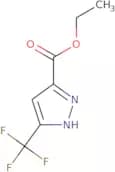
CAS:<p>Please enquire for more information about tert-Butyl6-[(1e)-2-[4-(4-fluorophenyl)-6-(1-methylethyl)-2-[methyl(methylsulfonyl)amino]-5-pyrimidinyl]ethenyl]-2,2-dimethyl-1,3-di oxane-4-acetate including the price, delivery time and more detailed product information at the technical inquiry form on this page</p>Formula:C29H40FN3O6SPurity:Min. 95%Molecular weight:577.71 g/mol5-(Trifluoromethyl)-1H-Pyrazole-3-carboxylic Acid Ethyl Ester
CAS:<p>Please enquire for more information about 5-(Trifluoromethyl)-1H-Pyrazole-3-carboxylic Acid Ethyl Ester including the price, delivery time and more detailed product information at the technical inquiry form on this page</p>Formula:C7H7F3N2O2Purity:Min. 95%Molecular weight:208.14 g/molFurin Inhibitor II trifluoroacetate salt
CAS:<p>Furin inhibitor II is a small molecule that inhibits the activity of furin, which is an enzyme used in the processing of growth factor-β1. Furin inhibitor II binds to human receptors and blocks their binding to the surface glycoprotein on cancer cells. Furin inhibitor II also has physiological activities, such as reducing inflammation, inhibiting viral replication, and inhibiting the growth of bacteria. Furin inhibitor II may be useful for treating cancer or infectious diseases.</p>Formula:C36H75N25O6Purity:Min. 95%Molecular weight:954.15 g/mol((R)-4-Hydroxy-4-methyl-Orn (FITC)7)-Phalloidin trifluoroacetate salt
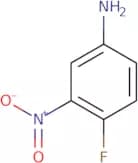
CAS:<p>Please enquire for more information about ((R)-4-Hydroxy-4-methyl-Orn (FITC)7)-Phalloidin trifluoroacetate salt including the price, delivery time and more detailed product information at the technical inquiry form on this page</p>Formula:C56H60N10O15S2Purity:Min. 95%Molecular weight:1,177.27 g/mol4-Fluoro-3-nitroaniline
CAS:<p>4-Fluoro-3-nitroaniline is a chemical that can be used for industrial preparation. It is an efficient method for the production of 4-fluoroaniline, which is used in the manufacture of dyes and pharmaceuticals. The chemical ionization technique has been shown to be a good way to determine the presence of 4-fluoro-3 nitroaniline in animals. It has also been found to be active against infections caused by bacteria such as Salmonella enterica, Escherichia coli, and Klebsiella pneumoniae. This chemical may have adverse effects on testicular function and hematocrit levels in animals.</p>Formula:C6H5FN2O2Purity:Min. 95%Molecular weight:156.11 g/mol2-Aminoindole hydrochloride
CAS:<p>2-Aminoindole hydrochloride is a heterocyclic amine that is formed by the reaction of benzene and an aminoindole. It is a difunctional compound that can react with alcohols to form amides, carbonyl groups to form ketones, or carbamate groups to form ureas. This compound has been shown to act as an activated aromatic amine that reacts with oxygen in the atmosphere to form a variety of products, including chlorinated aromatic amines. 2-Aminoindole hydrochloride has been shown to have carcinogenic effects in rats when administered orally at high doses.</p>Formula:C8H9ClN2Purity:Min. 95%Color and Shape:Slightly Yellow PowderMolecular weight:168.62 g/molThr-Ala-Pro-Arg-Atrial Natriuretic Factor (1-28) (human, bovine, porcine) trifluoroacetate salt
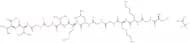
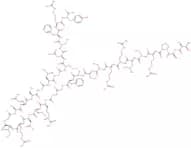
CAS:<p>Thr-Ala-Pro-Arg-Atrial Natriuretic Factor (1-28) (human, bovine, porcine) trifluoroacetate salt is a peptide hormone that regulates blood pressure by causing the kidneys to excrete sodium and water. It is used as a model system for studying the physiological effects of urodilatin and has been shown to inhibit the cyclase enzyme. Thr-Ala-Pro-Arg-Atrial Natriuretic Factor (1-28) (human, bovine, porcine) trifluoroacetate salt may also have an antihypertensive effect through its ability to reduce levels of natriuretic peptides in plasma. This drug is also being investigated as a possible treatment for congestive heart failure. The small molecular weight makes it suitable for use as a natriuretic or antihypertensive drug with minimal side effects.</p>Formula:C145H234N52O44S3Purity:Min. 95%Molecular weight:3,505.93 g/molTRAF6 Peptide trifluoroacetate salt
CAS:<p>Please enquire for more information about TRAF6 Peptide trifluoroacetate salt including the price, delivery time and more detailed product information at the technical inquiry form on this page</p>Formula:C145H238N34O44Purity:Min. 95%Molecular weight:3,161.64 g/mol4-Fluoromethyl-alpha-methylbenzyl alcohol
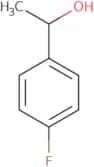
CAS:<p>4-Fluoromethyl-alpha-methylbenzyl alcohol is a nonclassical molecule that has been synthesized. This molecule has been modeled computationally and the results indicate that it exhibits a planar geometry with a diastereomeric ratio of 1:1. The theoretical calculations show that the reaction of 4-fluoromethyl-alpha-methylbenzyl alcohol with water is exothermic, which would result in the formation of an intermediate hydroxide ion. Kinetic studies have shown that this molecule can undergo transfer reactions and dehydrogenation reactions, both of which are possible mechanisms for its reactivity.</p>Formula:C8H9FOPurity:Min. 95%Molecular weight:140.15 g/molSomatostatin-14 (3-14) trifluoroacetate salt
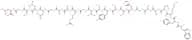
CAS:<p>Please enquire for more information about Somatostatin-14 (3-14) trifluoroacetate salt including the price, delivery time and more detailed product information at the technical inquiry form on this page</p>Formula:C71H96N16O17S2Purity:Min. 95%Molecular weight:1,509.75 g/molent-[Amyloid b-Protein (20-16)]-b-Ala-D-Lys(ent-[Amyloid b-Protein (16-20)]) trifluoroacetate salt
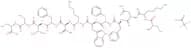
CAS:<p>Please enquire for more information about ent-[Amyloid b-Protein (20-16)]-b-Ala-D-Lys(ent-[Amyloid b-Protein (16-20)]) trifluoroacetate salt including the price, delivery time and more detailed product information at the technical inquiry form on this page</p>Formula:C79H119N15O13Purity:Min. 95%Molecular weight:1,486.88 g/molDansyl-Ala-Arg-OH trifluoroacetate salt
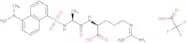
CAS:Please enquire for more information about Dansyl-Ala-Arg-OH trifluoroacetate salt including the price, delivery time and more detailed product information at the technical inquiry form on this pageFormula:C21H30N6O5SPurity:Min. 95%Molecular weight:478.57 g/mol3-Bromo-2-methylaniline
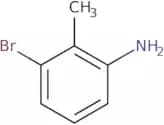
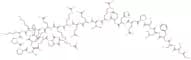
CAS:<p>3-Bromo-2-methylaniline is a six membered, planar, planar conformation with a dihedral angle of 120°. The molecule has two dimers that are connected by hydrogen bonds. It has a crystal structure that is made up of molecules arranged in a hexagonal grid. The molecule is made up of three atoms: one carbon atom, one nitrogen atom, and one bromine atom. The three atoms are arranged in the following order: bromine, carbon, nitrogen.</p>Formula:C7H8BrNPurity:Min. 95%Color and Shape:Clear Colourless To Yellow To Brown Or Red-BrownMolecular weight:186.05 g/molH-D-Phe-His-Leu-Leu-Arg-Glu-Val-Leu-Glu-Nle-Ala-Arg-A la-Glu-Gln-Leu-Ala-Gln-Gln-Ala-His-Ser-Asn-Arg-Lys-a-Me-Leu-Nle-Glu-Ile-Ile-NH 2 trifluoroacetate salt
CAS:<p>Please enquire for more information about H-D-Phe-His-Leu-Leu-Arg-Glu-Val-Leu-Glu-Nle-Ala-Arg-A la-Glu-Gln-Leu-Ala-Gln-Gln-Ala-His-Ser-Asn-Arg-Lys-a-Me-Leu-Nle-Glu-Ile-Ile-NH 2 trifluoroacetate salt including the price, delivery time and more detailed product information at the technical inquiry form on this page</p>Formula:C159H267N49O43Purity:Min. 95%Molecular weight:3,553.13 g/molGlycinamide hydrochloride
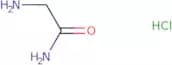
CAS:<p>Glycinamide hydrochloride is an inhibitor that binds to the glycine-binding site of the protein synthetase and inhibits the formation of glycinamide ribonucleotide. It has been shown to inhibit human glycinamide ribonucleotide synthetase in vitro. Glycinamide hydrochloride is also a glycinamide amide, which was synthesized by linking two molecules of glycine with an amide bond. This molecule is cross-linked with a macrogel, forming a hydrogel. The hydrogel can be used in biomedical applications, such as tissue engineering and drug delivery systems.</p>Formula:C2H7ClN2OColor and Shape:White PowderMolecular weight:110.54 g/mol3,5-Bis(trifluoromethyl)phenol
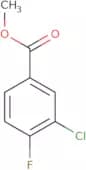
CAS:<p>3,5-Bis(trifluoromethyl)phenol (3,5-TFMP) is a nucleophilic compound that is soluble in organic solvents. It has acidic properties and enhances the rate of nucleophilic substitution reactions. 3,5-Bis(trifluoromethyl)phenol has been shown to be a size-exclusion chromatography stationary phase for separation of organic compounds. 3,5-TFMP has also been shown to have magnetic resonance spectroscopy properties. This compound is stable in supercritical carbon dioxide and can be used as a gravimetric analysis reagent. 3,5-Bis(trifluoromethyl)phenol is also able to form hydrogen bonds with other molecules and has the ability to bind fluorine atoms.</p>Formula:C8H4F6OPurity:Min. 95%Color and Shape:Colorless Clear LiquidMolecular weight:230.11 g/molMethyl 3-chloro-4-fluorobenzoate
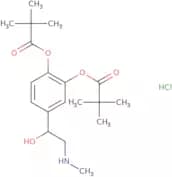
CAS:<p>Methyl 3-chloro-4-fluorobenzoate is a white crystalline solid with a melting point of 61°C. It is soluble in ethyl acetate, ether, and chloroform. Methyl 3-chloro-4-fluorobenzoate is used as a reagent in the synthesis of polymers, pharmaceuticals, and pesticides. It has been shown to be useful as a building block for the synthesis of complex compounds such as heterocycles and polymers. Methyl 3-chloro-4-fluorobenzoate is also used as an intermediate in the production of other chemicals such as pharmaceuticals, catalysts, and herbicides.</p>Formula:C8H6ClFO2Purity:Min. 95%Molecular weight:188.58 g/molDipivefrin hydrochloride
CAS:<p>Dipivefrin hydrochloride is a drug that belongs to the class of prostaglandin analogues. It is used as a topical ophthalmic solution for the treatment of glaucoma and other intraocular disorders. Dipivefrin hydrochloride is not active against microbial infection or choroidal neovascularization, but has been shown to be effective in the pharmacological treatment of metabolic disorders. This drug interacts with the prostaglandin receptors in the eye, which can lead to increased production of cyclic GMP (cGMP), a second messenger that causes relaxation of smooth muscles in blood vessels and leads to decreased intraocular pressure. Dipivefrin hydrochloride also has antimicrobial properties due to its ability to inhibit bacterial growth through binding with microbial cell membranes, thereby inhibiting protein synthesis.</p>Formula:C19H30ClNO5Purity:Min. 95%Molecular weight:387.9 g/mol(Des-octanoyl)-Ghrelin (human) trifluoroacetate salt
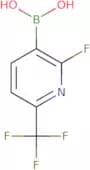
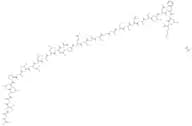
CAS:Trifluoroacetate saltFormula:C141H235N47O41Purity:Min. 95%Molecular weight:3,244.67 g/mol2-Fluoro-6-(trifluoroMethyl)pyridine-3-boronic acid
CAS:<p>Please enquire for more information about 2-Fluoro-6-(trifluoroMethyl)pyridine-3-boronic acid including the price, delivery time and more detailed product information at the technical inquiry form on this page</p>Formula:C6H4BF4NO2Purity:Min. 95%Molecular weight:208.91 g/molH-D-Arg(Pbf)-2-chlorotrityl resin (200-400 mesh)
<p>Please enquire for more information about H-D-Arg(Pbf)-2-chlorotrityl resin (200-400 mesh) including the price, delivery time and more detailed product information at the technical inquiry form on this page</p>Purity:Min. 95%Cys-Gly-Lys-Lys-Gly-Amyloid b-Protein (33-40) trifluoroacetate salt
CAS:Please enquire for more information about Cys-Gly-Lys-Lys-Gly-Amyloid b-Protein (33-40) trifluoroacetate salt including the price, delivery time and more detailed product information at the technical inquiry form on this pageFormula:C51H93N15O14S2Purity:Min. 95%Molecular weight:1,204.51 g/mol4-Fluoro-4'-hydroxybiphenyl
CAS:<p>4-Fluoro-4'-hydroxybiphenyl is a reactive chemical that belongs to the group of halogenated hydrocarbons. It is used in the synthesis of medicines and has been shown to have high viscosity. 4-Fluoro-4'-hydroxybiphenyl can be synthesized by reacting with chloride in the liquid phase, resulting in a viscous liquid. This compound has also been used as an intermediate for the synthesis of other compounds. 4-Fluoro-4'-hydroxybiphenyl is used as a ligand for metal complexes and reacts with phosphine to form a phosphine oxide, which is then converted into a crystal compound. It has been shown to have anti-inflammatory properties, which may be due to its ability to inhibit prostaglandin synthesis.</p>Formula:C12H9FOPurity:Min. 95%Molecular weight:188.2 g/mol3-Bromo-5-chlorobenzaldehyde
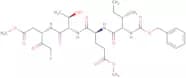
CAS:<p>3-Bromo-5-chlorobenzaldehyde is a fine chemical that is used as a building block in the synthesis of other chemicals. It is also a reagent and speciality chemical with high quality and versatility. 3-Bromo-5-chlorobenzaldehyde has been shown to be useful in the preparation of complex compounds, such as heterocyclic aromatic compounds, which are versatile scaffolds for drug discovery. 3-Bromo-5-chlorobenzaldehyde has a CAS No. 188813-05-0.</p>Formula:C7H4BrClOPurity:Min. 95%Color and Shape:PowderMolecular weight:219.46 g/molZ-Ile-Glu(OMe)-Thr-DL-Asp(OMe)-fluoromethylketone
CAS:<p>Z-Ile-Glu(OMe)-Thr-DL-Asp(OMe)-fluoromethylketone is an apoptosis inducer that belongs to the category of small molecules. It has been shown to induce apoptosis in cells by binding to DNA and inhibiting transcription, leading to DNA fragmentation and the activation of caspase-8. Z-Ile-Glu(OMe)-Thr-DL-Asp(OMe)-fluoromethylketone has also been shown to have a synergistic effect on cells when combined with other potent inducers of apoptosis. This drug binds to toll receptors (TLR) and IL2 receptors, which are important for cell signaling pathways.</p>Formula:C30H43FN4O11Purity:Min. 95%Molecular weight:654.68 g/molLactoferricin B (4-14) (bovine) trifluoroacetate salt
CAS:<p>Lactoferricin B (4-14) (bovine) trifluoroacetate salt is a peptide derivative, which is a fragment derived from bovine lactoferrin. It is obtained by enzymatic digestion of lactoferrin, a glycoprotein with a well-established role in the innate immune system. This specific peptide, Lactoferricin B (4-14), is known for its potent antimicrobial properties, attributed to its amphipathic structure that facilitates the disruption of microbial membranes. Additionally, it can modulate immune responses through interactions with immune cells, thereby influencing inflammatory processes.</p>Formula:C70H113N25O13SPurity:Min. 95%Molecular weight:1,544.87 g/molTRAP-6 (2-6) trifluoroacetate salt
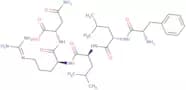
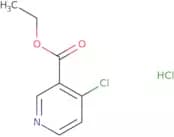
CAS:<p>TRAP-6 (2-6) is a monoclonal antibody that binds to the enzyme collagenase, which is an important factor in tumor invasion and metastasis. The antibody binds to the active site of collagenase, thereby inhibiting its activity. TRAP-6 (2-6) has been shown to reduce the growth of cancer cells by inhibiting the production of β-amino acids and zymogens, which are required for tumor cell proliferation. It also inhibits serine proteases, such as thrombin receptor, which play an important role in tumor invasion and metastasis. TRAP-6 (2-6) also has anti-inflammatory properties and can be used for the treatment of basophilic leukemia.</p>Formula:C31H51N9O7Purity:Min. 95%Molecular weight:661.79 g/mol4-Chloro-Nicotinic acid ethyl ester hydrochloride
CAS:<p>4-Chloro-Niacin is a lead compound for the treatment of diabetes. The drug is an agonist of the G protein coupled receptor, which is involved in glucose homeostasis and insulin secretion. 4-Chloro-Niacin has been shown to decrease blood glucose levels in diabetic rats by activating the G protein coupled receptor, thereby increasing the release of insulin from pancreatic beta cells. This compound also has an affinity for pyridine nucleotide receptors, suggesting that it may be useful for treating metabolic syndromes.</p>Formula:C8H8ClNO2·HClPurity:Min. 95%Molecular weight:222.07 g/molDL-Alanine ethyl ester hydrochloride
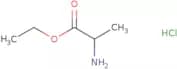
CAS:<p>DL-Alanine ethyl ester hydrochloride is a byproduct of the reaction between ethylene and amines. It can be produced through the addition of l-phenylalanine to acetonitrile. This compound is an organic ester that has been shown to have a variety of reactions with metal ions, such as aluminium, l-glutamic acid, and primary amines. The product can be used in thermodynamic data for reaction systems involving DL-alanine ethyl ester hydrochloride.</p>Formula:C5H11NO2·HClPurity:Min. 95%Color and Shape:White To Off-White SolidMolecular weight:153.61 g/molTIP-39 trifluoroacetate salt
CAS:Please enquire for more information about TIP-39 trifluoroacetate salt including the price, delivery time and more detailed product information at the technical inquiry form on this pageFormula:C202H325N61O54SPurity:Min. 95%Molecular weight:4,504.19 g/molN-(3-Bromopropyl)phthalimide
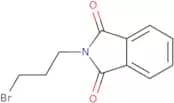
CAS:<p>N-(3-Bromopropyl)phthalimide is a chiral compound that can be used as a linker in the synthesis of ornithine. It is also an antibacterial agent. N-(3-Bromopropyl)phthalimide binds to the N-terminal amino group of ornithine and reacts with nucleophilic attack on the carbonyl carbon, forming the corresponding amide. The second-order rate constant for this reaction was measured to be 0.037 M-1s-1 at 25°C and pH 7. Photosensitizers such as silver nitrate are added to react with N-(3-bromopropyl)phthalimide and generate reactive oxygen species (ROS), which leads to surface-enhanced Raman scattering (SERS). SERS has been shown to be a useful technique for detecting N-(3-bromopropyl)phthalimide in food products.</p>Formula:C11H10BrNO2Color and Shape:PowderMolecular weight:268.11 g/molCinchonine Hydrochloride Hydrate
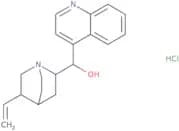
CAS:<p>Cinchonine hydrochloride hydrate is a compound that belongs to the class of amines. It is used as an anti-malarial drug, an anti-arrhythmic agent, and a vasodilator. Cinchonine hydrochloride hydrate has been shown to be heat resistant and can be used in pharmaceutical preparations such as gel permeation chromatography. This compound also has a catalytic effect on reactions with glycerin and piperidone, which are used in the production of various dyes. Cinchonine hydrochloride hydrate can also be used as a solid catalyst for viscosity measurements in wastewater treatment plants.</p>Formula:C19H22N2O·HCl·xH2OPurity:Min. 95%Molecular weight:330.85 g/molBNP-32 (human) hydrochloride
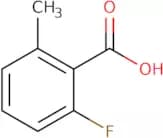
CAS:<p>BNP-32 is a peptide hormone that regulates the volume of blood in the heart and lungs. It is used to diagnose congestive heart failure, and also as a treatment for decompensated congestive heart failure. When given as an intravenous infusion, BNP-32 reduces the levels of natriuretic peptides in the blood stream by increasing their breakdown in the kidneys. The disulfide bond between cysteine residues (Cys-Cys) is essential for its activity. BNP-32 has been shown to be effective against infectious diseases such as HIV, hepatitis C, and tuberculosis. It is also used in combination with other drugs to treat high blood pressure. This drug can be administered orally or intravenously and is biocompatible with human tissue because it is chemically stable and non-toxic at therapeutic doses.</p>Formula:C143H244N50O42S4Purity:Min. 95%Molecular weight:3,464.04 g/mol2-Fluoro-6-methylbenzoic acid
CAS:<p>Please enquire for more information about 2-Fluoro-6-methylbenzoic acid including the price, delivery time and more detailed product information at the technical inquiry form on this page</p>Formula:C8H7FO2Purity:Min. 98 Area-%Color and Shape:White PowderMolecular weight:154.14 g/mol(Des-acetyl)-a-MSH trifluoroacetate salt
CAS:<p>Please enquire for more information about (Des-acetyl)-a-MSH trifluoroacetate salt including the price, delivery time and more detailed product information at the technical inquiry form on this page</p>Formula:C75H107N21O18SPurity:Min. 95%Molecular weight:1,622.85 g/molHTLV-1 Tax (11-19) trifluoroacetate salt
CAS:<p>Please enquire for more information about HTLV-1 Tax (11-19) trifluoroacetate salt including the price, delivery time and more detailed product information at the technical inquiry form on this page</p>Formula:C56H79N9O12Purity:Min. 95%Molecular weight:1,070.28 g/molGW 3965 hydrochloride
CAS:<p>GW 3965 hydrochloride is a selective liver X receptor (LXR) agonist, which is a synthetic compound derived through pharmaceutical research aimed at modulating lipid metabolism. It functions by binding to and activating LXRs, which are nuclear receptors that regulate the expression of genes involved in cholesterol, fatty acid, and glucose homeostasis. Upon activation, these receptors influence the transcription of various target genes, leading to increased cholesterol efflux, decreased intestinal cholesterol absorption, and modulation of inflammatory responses.</p>Formula:C33H31ClF3NO3•HClPurity:Min. 95%Molecular weight:618.51 g/molH-Arg(Pmc)-2-chlorotrityl resin (200-400 mesh)
<p>Please enquire for more information about H-Arg(Pmc)-2-chlorotrityl resin (200-400 mesh) including the price, delivery time and more detailed product information at the technical inquiry form on this page</p>Purity:Min. 95%(Sar 1,Val5,Ala8)-Angiotensin II trifluoroacetate salt
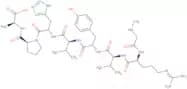
CAS:<p>Angiotensin II is a peptide hormone that is also known as angiotensin II trifluoroacetate salt. It has been shown to have cardioprotective effects in vivo and in vitro models. Angiotensin II has been shown to induce follicular growth, inhibit atherosclerotic lesion formation, and improve cardiac function. Angiotensin II can be used to treat patients with congestive heart failure or cardiovascular disease due to its ability to increase blood pressure and the rate of cardiac contractions. The drug also reduces systolic pressure by acting on receptors in the kidneys and vasculature, which are involved in the renin-angiotensin system.</p>Formula:C42H65N13O10•C2HF3O2Purity:Min. 95%Color and Shape:PowderMolecular weight:1,026.07 g/molAcetyl-ACTH (2-24) (human, bovine, rat) trifluoroacetate salt
CAS:Please enquire for more information about Acetyl-ACTH (2-24) (human, bovine, rat) trifluoroacetate salt including the price, delivery time and more detailed product information at the technical inquiry form on this pageFormula:C135H207N39O30SPurity:Min. 95%Molecular weight:2,888.4 g/mol(Des-Bromo)-Neuropeptide B (1-23) (human) trifluoroacetate salt
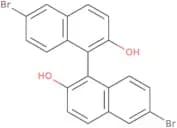
CAS:<p>Please enquire for more information about (Des-Bromo)-Neuropeptide B (1-23) (human) trifluoroacetate salt including the price, delivery time and more detailed product information at the technical inquiry form on this page</p>Formula:C107H162N30O30Purity:Min. 95%Molecular weight:2,348.62 g/mol(S)-(+)-6,6'-Dibromo-1,1'-bi-2-naphthol
CAS:<p>Used in the synthesis of 6,6'-substituted BINOL chiral ligands</p>Formula:C20H12Br2O2Purity:Min. 95%Color and Shape:PowderMolecular weight:444.12 g/mol6-Bromo-1,4-benzodioxane
CAS:<p>6-Bromo-1,4-benzodioxane is an organometallic compound that is used as a ligand in asymmetric hydrogenation reactions. 6-Bromo-1,4-benzodioxane has been shown to catalyze the hydrogenation of 1,2-diphenylacetylene with a high degree of stereoselectivity. The dihedral angles and molecular modeling have been studied for the ligand and catalyst complexes. This prochiral ligand has also been used to mediate the asymmetric hydrogenation of biphenyls in multigram scale.</p>Formula:C8H7BrO2Purity:Min. 95%Color and Shape:PowderMolecular weight:215.04 g/mol

![Tris[4-(trifluoromethyl)phenyl]phosphine](/_next/image/?url=https%3A%2Fstatic.cymitquimica.com%2Fproducts%2F3D%2Fthumb-webp%2FFT100710.webp&w=3840&q=75)
![Europium tris[3-(heptafluoropropylhydroxymethylene)-(+)-camphorate]](/_next/image/?url=https%3A%2Fstatic.cymitquimica.com%2Fproducts%2F3D%2Fthumb-webp%2FFE98265.webp&w=3840&q=75)

![tert-Butyl6-[(1e)-2-[4-(4-fluorophenyl)-6-(1-methylethyl)-2-[methyl(methylsulfonyl)amino]-5-pyrimi…](/_next/image/?url=https%3A%2Fstatic.cymitquimica.com%2Fproducts%2F3D%2Fthumb-webp%2FFB148489.webp&w=3840&q=75)


![ent-[Amyloid b-Protein (20-16)]-b-Ala-D-Lys(ent-[Amyloid b-Protein (16-20)]) trifluoroacetate salt](/_next/image/?url=https%3A%2Fstatic.cymitquimica.com%2Fproducts%2F3D%2Fthumb-webp%2FFE109711.webp&w=3840&q=75)