


Organic Halides
Subcategories of "Organic Halides"
Found 20442 products of "Organic Halides"
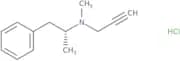
Selegiline hydrochloride
CAS:Controlled ProductMonoamine oxidase B inhibitor
Formula:C13H18ClNPurity:(Hplc) Min. 98 Area-%Color and Shape:White PowderMolecular weight:223.74 g/molRef: 3D-FD21064
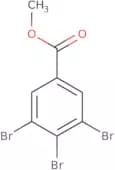
Discontinued product3,4,5-Tribromobenzoic acid methyl ester
CAS:3,4,5-Tribromobenzoic acid methyl ester is a versatile building block for organic synthesis. It is a boron compound with the chemical formula C6H3Br3O2. It has been shown to be useful as a reagent, reaction component, and intermediate in organic synthesis. 3,4,5-Tribromobenzoic acid methyl ester is a complex compound that can be used as a speciality chemical or fine chemical.Formula:C8H5Br3O2Purity:Min. 95%Color and Shape:PowderMolecular weight:372.84 g/molRef: 3D-FT67722
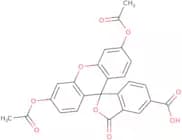
Discontinued product5-Carboxyfluorescein diacetate
CAS:5-Carboxyfluorescein diacetate is a reactive dye that can be used as a model system to study the effects of reactive species on biological molecules. It has been shown to inhibit mitochondrial membrane potential and activate detoxification enzymes in rats. 5-Carboxyfluorescein diacetate also induces apoptosis in human leukemia cells and inhibits the proliferation of human breast cancer cells. The effect of 5-carboxyfluorescein diacetate on collagen synthesis in a rat wound healing model has been investigated, with an increase in collagen found after treatment. This drug can also cause immunomodulatory effects by inhibiting macrophage activity and increasing T lymphocytes.
Formula:C25H16O9Purity:Min. 95 Area-%Color and Shape:White PowderMolecular weight:460.39 g/molRef: 3D-FC19776
Discontinued product2-Chloro-6-(trichloromethyl)pyridine
CAS:2-Chloro-6-(trichloromethyl)pyridine (2CTCP) is an inorganic acid that is used as a synthetic reagent in the synthesis of pharmaceuticals, such as antihistamines, vasodilators and antipsychotics. 2CTCP inhibits the process of nitrification by competing with nitrite for the enzyme nitrate reductase. It also inhibits plant metabolism by inhibiting nitrogen fixation and hydrogen production. 2CTCP is not toxic to humans or animals under normal conditions; however, it may be hazardous if inhaled or ingested. 2CTCP can be synthesized by reacting sodium carbonate with chloroacetyl chloride followed by hydrolysis of the resulting intermediate. The analytical method for 2CTCP involves gas chromatography with electron capture detection (GC-ECD). The compound can also be analyzed using high performance liquid chromatography (HPLC).
Formula:C6H3Cl4NPurity:Min. 95%Molecular weight:230.91 g/molRef: 3D-FC55179
Discontinued product(-)-Scopolamine N-butyl bromide
CAS:(-)-Scopolamine N-butyl bromide is an anti-cholinergic drug that is used for the diagnosis and treatment of bowel diseases. It has been shown to be effective in two different animal models of bowel disease, one of which was induced by dextran sulfate sodium. (-)-Scopolamine N-butyl bromide has been shown to decrease motility and increase tone in the colon, as well as reduce the severity of diarrhea in animals with experimental colitis. It also has a sedative effect on the gastrointestinal tract that may be due to its ability to bind to acetylcholine receptors.
Formula:C21H30NO4BrPurity:Min. 98 Area-%Color and Shape:White PowderMolecular weight:440.37 g/molRef: 3D-FS10191
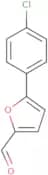
Discontinued product5-(4-Chlorophenyl)-2-furaldehyde
CAS:5-(4-Chlorophenyl)-2-furaldehyde (5-CPFA) is an antitubercular drug that inhibits the growth of tuberculosis bacteria by disrupting the synthesis of DNA. It is a functional theory that 5-CPFA inhibits the bacterial enzyme, chalcone hydroxylase, which is involved in the conversion of chalcones to flavones. This inhibition prevents the formation of reactive oxygen species and leads to cell death. The mechanism of action for 5-CPFA has been shown to be due to its ability to form covalent bonds with metal ions such as copper, zinc, and iron. When exposed to ultraviolet radiation, this compound reacts with these metal ions and causes bond cleavage in DNA strands. The resulting damage in DNA strands leads to cell death within hours.
Formula:C11H7ClO2Purity:Min. 95%Color and Shape:PowderMolecular weight:206.62 g/molRef: 3D-FC131390
Discontinued product4-Chloropyridine-3-carboxaldehyde
CAS:4-Chloropyridine-3-carboxaldehyde (4CPCA) is a potent inhibitor of the enzyme, formylation. 4CPCA is synthesized in an experimental method involving reaction of 4-chloropyridine and 3-bromoformaldehyde with a base, followed by hydrolysis to produce the desired product. This compound has been shown to inhibit formylation in vitro with inhibition potentials as high as 5000 μM. The IC 50 value for 4CPCA was found to be 0.6 mM. Formylation activity was inhibited in cell free systems and in cells from rat liver and human erythrocytes. The pharmacokinetic profile of 4CPCA is dose dependent and it is metabolized into inactive compounds by oxidation or conjugation with glucuronic acid.
Formula:C6H4ClNOPurity:Min. 95%Color and Shape:Yellow SolidMolecular weight:141.55 g/molRef: 3D-FC55551
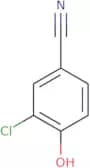
Discontinued product3-Chloro-4-hydroxybenzonitrile
CAS:3-Chloro-4-hydroxybenzonitrile (3CHBZ) is a chemical that contains chlorine and hydroxy groups. It has a basic structure with a proton and two electrons in the outer shell. 3CHBZ is an intermediate in various reactions, including electrochemical studies. 3CHBZ reacts with radiation to form a molecule that can react with other chemicals. This reaction can be used as a method for synthesizing products or destroying unwanted substances. Protonation of 3CHBZ leads to the formation of chloride ions, which are involved in thrombin inhibition.
Formula:C7H4ClNOPurity:Min. 95%Color and Shape:PowderMolecular weight:153.57 g/molRef: 3D-FC70222
Discontinued product[1-(Azepan-1-ylcarbonyl)butyl]amine hydrochloride
CAS:Controlled ProductPlease enquire for more information about [1-(Azepan-1-ylcarbonyl)butyl]amine hydrochloride including the price, delivery time and more detailed product information at the technical inquiry form on this page
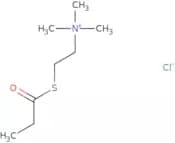
Formula:C11H22N2OPurity:Min. 95%Molecular weight:198.31 g/molS-Propionylthiocholine chloride
CAS:S-Propionylthiocholine chloride is a pesticide that belongs to the group of organophosphate pesticides. It is used to control pests on fruit, vegetables, and ornamental crops. S-Propionylthiocholine chloride can be detected in the environment for up to 14 days after application. It can be detected in fruits and vegetables for up to 2 weeks after application. This compound has been shown to have a high sensitivity for detecting organophosphate pesticides residues and residuals in the environment.
Formula:C8H18ClNOSPurity:Min. 95%Color and Shape:PowderMolecular weight:211.75 g/molRef: 3D-FP52394
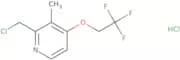
Discontinued product2-Chloromethyl-3-methyl-4-(2,2,2-trifluoroethoxy)pyridine, hydrochloride
CAS:Please enquire for more information about 2-Chloromethyl-3-methyl-4-(2,2,2-trifluoroethoxy)pyridine, hydrochloride including the price, delivery time and more detailed product information at the technical inquiry form on this page
Formula:C9H10Cl2F3NOPurity:Min. 95%Molecular weight:276.08 g/molRef: 3D-FC20275
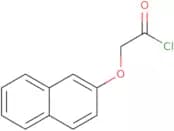
Discontinued product(2-Naphthyloxy)acetyl chloride
CAS:(2-Naphthyloxy)acetyl chloride is an inhibitor of alcohol dehydrogenase, which is the enzyme that catalyzes the conversion of ethanol to acetaldehyde. It has been shown to be active against grapevine, but not against the yeast Saccharomyces cerevisiae. (2-Naphthyloxy)acetyl chloride inhibits alcohol dehydrogenase with a potency comparable to hexanol and ethylene glycol. It also inhibits esterases, which may account for its inhibitory effect on vinifera l. (2-Naphthyloxy)acetyl chloride has been shown to be more selective in inhibiting both alcohol and aldehyde dehydrogenases than hexanol or ethylene glycol.
Formula:C12H9ClO2Purity:Min. 95%Color and Shape:Off-White PowderMolecular weight:220.65 g/molRef: 3D-FN121016
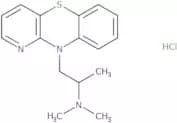
Discontinued productIsothipendyl hydrochloride
CAS:Isothipendyl hydrochloride is a crystalline cellulose derivative that is used as an excipient in pharmaceutical preparations. It has been shown to inhibit the growth of animal cells and bacteria, including Gram-positive and Gram-negative bacteria, with optimum concentrations ranging from 3 to 30%. Isothipendyl hydrochloride has also been shown to have anti-inflammatory properties against inflammatory diseases, such as allergic rhinitis and asthma. Isothipendyl hydrochloride may also be used for the treatment of autoimmune diseases, such as psoriasis or rheumatoid arthritis. Isothipendyl hydrochloride has also been shown to have anti-cancer activity, inhibiting skin cancer cell growth. This may be due to its effects on receptor activity by inhibiting certain cellular functions necessary for tumor cell proliferation. Isothipendyl hydrochloride can be prepared by reacting thiourea with 2-aminoethanol followed by hydro
Formula:C16H20ClN3SPurity:Min. 95%Color and Shape:PowderMolecular weight:321.87 g/molRef: 3D-FI30144
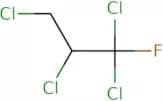
Discontinued product1,1,2,3-Tetrachloro-1-fluoropropane
CAS:Controlled Product1,1,2,3-Tetrachloro-1-fluoropropane is a solvent that can be used to solvate organic compounds. It is volatile and has a boiling point of -78°C. This compound is used in the chlorination of methane and ethane, which produces 1,1,2-trichloroethane and 1,2-dichloroethane respectively. Hydrogen fluoride is also produced as an unwanted byproduct. The chlorine produced by this process is then catalyzed to form fluorine gas. This gas can be vaporized or depletes depending on the reaction conditions and the temperature of the reactor. Fluorine gas reacts with atmospheric water vapor to produce hydrofluoric acid (HF). When HF comes into contact with moist surfaces it will corrode them and produce hydrogen ions that react with metal oxides to produce metal salts and water. The emission of HF from chlorofluorocarbons
Formula:C3H3Cl4FPurity:Min. 95%Molecular weight:199.87 g/molN-(2,2,2-Trifluoroacetyl)-L-valyl-L-tyrosyl-L-valine
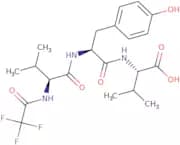
CAS:Trifluoroacetic acid is a synthetic molecule that is used as a precursor for the synthesis of various pharmaceuticals, including the skin-lightening agent N-(2,2,2-trifluoroacetyl)-L-valyl-L-tyrosyl-L-valine. This drug is an inhibitor of tyrosinase and blocks the synthesis of melanin. Trifluoroacetic acid has been shown to inhibit tyrosinase activity in human skin cells by binding to tyrosinase and blocking its catalytic site. The hydrogenation of trifluoroacetic acid yields 2,2,2-trifluoroethanol (TFE), which can be used as a solvent in cosmetic formulations.Formula:C21H28F3N3O6Purity:Min. 98 Area-%Color and Shape:PowderMolecular weight:475.46 g/mol2-Amino-3-fluorobenzonitrile
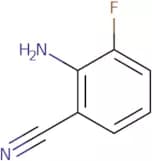
CAS:A 2-aminopyridine substituent is added to the 3-position of benzonitrile to form 2-amino-3-fluorobenzonitrile. The hydrogenolysis of this compound at low temperatures yields indoles. Cyanogen bromide can be used as a catalyst for the reaction, but it must be removed before the product is purified. This reaction also produces a cyano group, which can be used in other reactions such as nitration or reduction. The glycinate molecule can also be formed by this process, and it is a neutral functional group that is capable of forming esters with carboxylic acids.
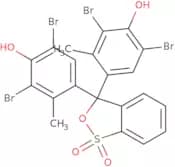
Formula:C7H5FN2Purity:Min. 95%Molecular weight:136.13 g/molBromocresol green
CAS:Bromocresol green is a cationic surfactant that is used as a fluorescent indicator dye. It binds to proteins and can be detected with an optical sensor. Bromocresol green has been shown to react with hydrochloric acid, which may be due to the protonation of the cationic group. This reaction is reversible and depends on pH. The binding of bromocresol green to serum proteins results in a decrease in fluorescence intensity due to quenching by adsorption at the protein-protein interface. The kinetic data for this dye have been found to depend on α1-acid glycoprotein concentration.
Formula:C21H14Br4O5SColor and Shape:PowderMolecular weight:698.01 g/mol3-Bromopyruvic acid
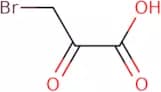
CAS:3-Bromopyruvic acid is a small molecule that inhibits an enzyme called dextran sulfate reductase. This enzyme is involved in the formation of sulfate in the body and is important for glycolysis, which is the process by which cells break down glucose to produce energy. 3-Bromopyruvic acid inhibits both cancer cells and normal cells, but has a greater effect on cancer cells. This compound also causes caspase-independent cell death, which means that it does not activate pro-apoptotic proteins. It may work by targeting enzymes involved in energy metabolism or by inhibiting DNA polymerase activity.
Formula:C3H3BrO3Purity:Min. 95%Color and Shape:PowderMolecular weight:166.96 g/mol3-Methoxy-5-(trifluoromethyl)aniline
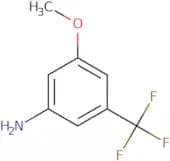
CAS:3-Methoxy-5-(trifluoromethyl)aniline is a chemical building block that is used in the preparation of pharmaceuticals, agrochemicals, dyes, and other chemicals. 3-Methoxy-5-(trifluoromethyl)aniline is also a versatile intermediate that can be used to produce heterocyclic compounds. 3-Methoxy-5-(trifluoromethyl)aniline has been found to be high quality and useful for many reactions. It is an important compound for research use because it can be used as a reagent or scaffold for complex compounds.
Formula:C8H8F3NOPurity:Min. 95%Color and Shape:PowderMolecular weight:191.15 g/molRef: 3D-FM70659
Discontinued productCefotiam dihydrochloride
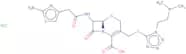
CAS:Cefotiam dihydrochloride is a semisynthetic antibiotic that belongs to the class of cephalosporin antibiotics. It inhibits bacterial growth by binding to penicillin-binding proteins and blocking cell wall synthesis. Cefotiam has been shown to be effective against Gram-positive bacteria, such as Streptococcus pneumoniae, Staphylococcus aureus, and Clostridium perfringens. This drug is used in the treatment of infectious diseases caused by Gram-positive bacteria, including meningitis, endocarditis, osteomyelitis, and peritonitis. The intravenous injection of cefotiam has been shown to be safe and well tolerated in adults with septicemia or bacteremia. Cefotiam is excreted unchanged in the urine.
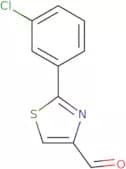
Formula:C18H25Cl2N9O4S3Purity:Min. 95%Color and Shape:White PowderMolecular weight:598.55 g/mol2-(3-Chlorophenyl)thiazole-4-carbaldehyde
CAS:Please enquire for more information about 2-(3-Chlorophenyl)thiazole-4-carbaldehyde including the price, delivery time and more detailed product information at the technical inquiry form on this page
Formula:C10H6ClNOSPurity:Min. 95%Color and Shape:PowderMolecular weight:223.68 g/mol3-Chloro-4-nitrobenzoic acid
CAS:3-Chloro-4-nitrobenzoic acid (3CNB) is an amine that has been shown to be a 5-HT1A receptor agonist. It has been used in animal models of anxiety, depression and schizophrenia. 3CNB is able to activate the 5-HT1A receptor, which is involved in the regulation of anxiety, mood and other behaviors. The activation energies for the binding of 3CNB to the 5-HT1A receptor are calculated to be 8.3 kcal/mol and 9.2 kcal/mol at pH 7.0 and 10 respectively. A clinical study found that this agent was effective in treating trichomonas vaginalis infections as well as reducing symptoms of irritable bowel syndrome. In vivo studies have revealed that 3CNB is capable of inducing a sustained increase in extracellular serotonin levels in rat brain tissue with a half life of 2 hours. Kinetic studies have also shown that nitro groups enhance
Formula:C7H4ClNO4Purity:Min. 98 Area-%Color and Shape:PowderMolecular weight:201.56 g/molRef: 3D-FC71155
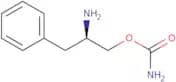
Discontinued productSolriamfetol
CAS:Controlled ProductSolriamfetol is a drug that belongs to the class of psychostimulants. It is used as an adjunct in the treatment of major depressive disorder, and has been shown to be clinically relevant in patients with major depression. Solriamfetol has been shown to have long-term efficacy and stable doses, which may be due to its chemical stability. It also has dose-dependent effects on dopamine release in the striatum, which can lead to increased symptoms of depression. The drug has also been shown to increase cardiac rate, even at stable doses and does not affect renal function. This may be because solriamfetol does not undergo oxidative injury or cause decreased glomerular filtration rate (GFR).
Formula:C10H14N2O2Purity:Min. 95%Color and Shape:PowderMolecular weight:194.23 g/molRef: 3D-FY143183
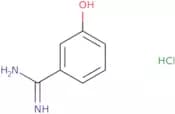
Discontinued product3-Hydroxybenzamidine hydrochloride
CAS:3-Hydroxybenzamidine hydrochloride is a fine chemical with the formula C6H5NH2CH2COOH. It is a versatile building block that is used as a reagent, speciality chemical, or reaction component in organic synthesis. 3-Hydroxybenzamidine hydrochloride has been shown to be useful as an intermediate for producing other compounds, such as pharmaceuticals and dyes.
Formula:C7H8N2O·ClHPurity:Min. 95%Color and Shape:PowderMolecular weight:172.61 g/molAc-Lys-pNA hydrochloride
CAS:Ac-Lys-pNA hydrochloride is a protease that belongs to the endopeptidase class of proteolytic enzymes. It is used in research and recombinant expression to cleave proteins at specific sites. Ac-Lys-pNA hydrochloride is activated by ammonium sulfate, which binds to the active site of the enzyme. The enzyme also cleaves peptides with Lys or Arg at the C terminus. Ac-Lys-pNA hydrochloride has been shown to be effective against aeruginosa, but not escherichia coli, which are both gram negative bacteria.
Formula:C14H20N4O4•HClPurity:Min. 95%Color and Shape:SolidMolecular weight:344.79 g/molRef: 3D-FA110697
Discontinued product2,2,2-Trifluoroacetamide
CAS:2,2,2-Trifluoroacetamide is a chemical compound that is stable under normal conditions and can be stored for long periods of time. The compound has been shown to react with trifluoroacetic acid and in the presence of an electrochemical probe to give a redox reaction. This reaction mechanism has been studied by using pharmacokinetic properties of 2,2,2-trifluoroacetamide and its metabolites. The compound is not active against infectious diseases but may be used as a reagent in analytical methods. 2,2,2-Trifluoroacetamide has also been investigated for its ability to bind hydrogen atoms and form intramolecular hydrogen bonds with tryptophan residues in proteins.
Formula:C2H2F3NOPurity:Min. 95%Color and Shape:PowderMolecular weight:113.04 g/molRef: 3D-FT46948
Discontinued product(1S,4S)-1,7,7-Trimethyl-3-(Trifluoroacetyl)Bicyclo[2.2.1]Heptan-2-One
CAS:(1S,4S)-1,7,7-Trimethyl-3-(Trifluoroacetyl)Bicyclo[2.2.1]Heptan-2-One is a white solid with a melting point of -76.8°C and a boiling point of 265°C at 10 mm Hg. It has the following functional groups: particle, luminescent, lanthanide, stabilizer, ligand, voltammetry, thermally stable and has nmr spectra that show light emission and coordination chemistry. This compound is a sulfoxide but can also be considered to be a phosphine or an amine depending on its structural features. The compound's nature is dependent on the temperature and pressure as well as the solvent it is being dissolved in.>>END>>
Formula:C12H15F3O2Purity:Min. 95%Color and Shape:Clear LiquidMolecular weight:248.24 g/molRef: 3D-FT98786
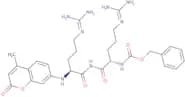
Discontinued productZ-Arg-Arg-AMC hydrochloride salt
CAS:Z-Arg-Arg-AMC hydrochloride salt is a versatile compound that acts as a catalyst and forms strong hydrogen bonds. It exhibits proteolytic activity and has been found to be effective in breaking down proteins. In addition, Z-Arg-Arg-AMC hydrochloride salt has been shown to possess neuroprotective properties, making it a potential candidate for the treatment of neurological disorders. It also demonstrates anthelmintic activity, which means it can be used to combat parasitic worm infections. Furthermore, this compound has antioxidant activity and can help reduce lipid peroxidation, protecting cells from oxidative damage. With its diverse range of characteristics, Z-Arg-Arg-AMC hydrochloride salt holds great promise in various research fields such as biochemistry and medicine.
Formula:C30H39N9O6·xHClPurity:Min. 95%Color and Shape:PowderMolecular weight:621.69 g/molRef: 3D-FA110491
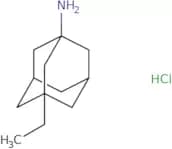
Discontinued product3-Ethyl 1-adamantanamine hydrochloride
CAS:3-Ethyl 1-adamantanamine hydrochloride is a versatile building block that is used as a research chemical. It is a reagent and speciality chemical, as well as an intermediate in the production of other compounds. 3-Ethyl 1-adamantanamine hydrochloride can be used as a high quality building block for the synthesis of other compounds. It has been shown to be useful in the synthesis of complex compounds.Formula:C12H21N•HClPurity:Min. 95%Color and Shape:White PowderMolecular weight:215.76 g/molRef: 3D-FE66590
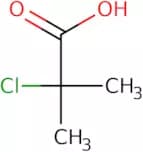
Discontinued product2-Chloro-2-methylpropionic acid
CAS:2-Chloro-2-methylpropionic acid (MCPA) is a chemical compound that belongs to the group of organic compounds called acyl chlorides. It is used in industry for the production of acrylic acid and polyacrylic acid, as well as in the production of herbicides. MCPA is produced by reacting an alkali metal with 2-chloroethanol and thioacetic acid. This reaction can be catalyzed by a variety of compounds, including palladium chloride, nickel chloride, and titanium tetrachloride. The high yield of this reaction makes it suitable for commercial use. MCPA also has been shown to stimulate cell growth through its inhibition of monomers from polymerization into polymers.
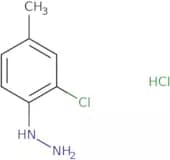
Formula:C4H7ClO2Purity:Min. 95%Color and Shape:PowderMolecular weight:122.55 g/mol(2-Chloro-4-methylphenyl)hydrazine hydrochloride
CAS:(2-Chloro-4-methylphenyl)hydrazine hydrochloride is a high quality reagent that is a useful intermediate for the synthesis of complex compounds. It has been used as a building block for the synthesis of speciality chemicals and research chemicals. This compound can be used to produce versatile building blocks and reaction components.Formula:C7H9ClN2·HClPurity:Min. 95%Color and Shape:PowderMolecular weight:193.07 g/molRef: 3D-FC67862
Discontinued product4-Fluorostyrene
CAS:Styrene is a monomer that can be polymerized with other monomers to form polymers. Styrene is used in the manufacture of polystyrene, which has a variety of uses, such as for food packaging and insulation. 4-Fluorostyrene is a monomer that can be polymerized with other styrenes to form polystyrene. 4-Fluorostyrene is also used as a catalyst in the production of ethylene and copolymers. This monomer has been shown to initiate polymerization reactions because it has two unsaturated bonds. Styrene and 4-fluorostyrene have been observed by spectroscopy to have similar electronic structures.
Formula:C8H7FPurity:Min. 95%Color and Shape:Colorless Clear LiquidMolecular weight:122.14 g/molRef: 3D-FF64413
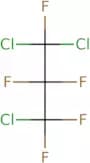
Discontinued productα-Chloro-ω-(2,2-Dichloro-1,1,2-Trifluoroethyl)-Poly(Difluoromethylene)
CAS:Controlled ProductAlpha-Chloro-Omega-(2,2-Dichloro-1,1,2-Trifluoroethyl)-Poly(Difluoromethylene) is a fluorinated polymer that has been shown to be effective in removing chlorine atoms from the atmosphere. The production of this polymer requires an irradiation process with a magnetic field. Alpha-Chloro-Omega-(2,2-Dichloro-1,1,2-Trifluoroethyl)-Poly(Difluoromethylene) is produced by the reaction of alpha chlorohydrin and trifluoroethylene. This polymer is insoluble in water and is not flammable or explosive. It can be used as a chemical precursor for other fluoropolymers or as an additive for polyurethane. Alpha Chloro Omega - ( 2 , 2 - Dichloro - 1 , 1 , 2 - Trifluoroethyl )
Formula:C3Cl3F5Purity:Min. 95%Molecular weight:237.38 g/molDecafluorobis(Trifluoromethyl)Cyclohexane
CAS:Controlled ProductDecafluorobis(trifluoromethyl)cyclohexane is a film-forming polymer that can be used as a nutrient solution. It is synthesized by the thermal decomposition of hydrogen fluoride and caproic acid. Decafluorobis(trifluoromethyl)cyclohexane can be analyzed by combining it with fatty acids in an enzyme hydrolysis reaction. The product will then form a film on the surface of the container, which can be analyzed using ionization techniques such as mass spectrometry or nuclear magnetic resonance.
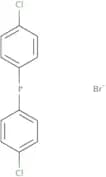
Formula:C8F16Purity:Min. 95%Molecular weight:400.06 g/molDi-4-chlorophenyl iodonium bromide
CAS:Di-4-chlorophenyl iodonium bromide is a fine chemical that can be used as a building block for the synthesis of more complex compounds. It has been shown to be a useful intermediate in the syntheses of various other research chemicals and speciality chemicals, including (but not limited to) 4-bromo-2,5-dimethoxybenzaldehyde, 3-(4'-hydroxyphenyl)-1-(2',4'-dichlorophenyl)propane-1,3-dione, 1-[(2E)-3-(4'-hydroxyphenyl)-1-(2',4'-dichlorophenyl)prop-2-enoyl]pyrrole, and 2-[(2E)-3-(4'-hydroxyphenyl)-1-(2',4'-dichlorophenyl)prop-2enoyl]pyrrole. Di-4-chlorophenyl iod
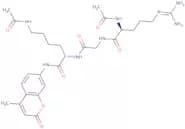
Formula:C12H8BrCl2IPurity:90%Color and Shape:PowderMolecular weight:429.91 g/molAc-Arg-Gly-Lys(Ac)-AMC trifluoroacetate salt
CAS:Ac-Arg-Gly-Lys(Ac)-AMC is a potent apoptotic agent that induces the apoptosis of cancer cells by binding to the caspase-9, which is an enzyme that initiates the process of apoptosis. Ac-Arg-Gly-Lys(Ac)-AMC has been shown to inhibit the growth of cancer cells in cell culture and also shows potent antitumor activity against MDA-MB-231 breast cancer cells. This drug can be used as a potential therapeutic agent for cancers such as colorectal, prostate, and pancreatic cancer. Ac-Arg-Gly-Lys(Ac)-AMC is also able to induce apoptosis in human leukemia cells and may have a potential role in therapy for acute myelogenous leukemia (AML).
Formula:C28H40N8O7•C2HF3O2Purity:Min. 98 Area-%Color and Shape:PowderMolecular weight:714.69 g/molRef: 3D-FA110598
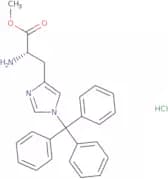
Discontinued productNim-trityl-L-histidine methyl ester hydrochloride
CAS:Nim-trityl-L-histidine methyl ester hydrochloride is a versatile amino acid building block for the synthesis of complex compounds.
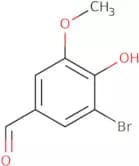
Formula:C26H25N3O2•HClPurity:Min. 95%Color and Shape:White PowderMolecular weight:447.96 g/mol5-Bromovanillin
CAS:5-Bromovanillin is an antimicrobial agent that inhibits the growth of bacteria by binding to the enzyme vanillin. It is used as a natural compound, in which it can be found in plants and fruits such as Eugenia caryophyllata and Vanilla planifolia. 5-Bromovanillin has been shown to have a potent inhibitory effect on bacterial growth. The inhibitory effect of this compound is due to its ability to coordinate with the vanillin molecule, forming a complex that blocks the reaction mechanism of the enzyme. This complex also reacts with p-hydroxybenzoic acid, which disrupts the cell membrane and causes leakage of cellular contents. 5-Bromovanillin has been studied using surface methodology and electrochemical impedance spectroscopy (EIS). These studies demonstrated that 5-bromovanillin has a high affinity for methanol solvent and inhibitor molecules, which may contribute to its antimicrobial activity.
Formula:C8H7BrO3Purity:Min. 95%Color and Shape:Yellow PowderMolecular weight:231.04 g/molRef: 3D-FB10623
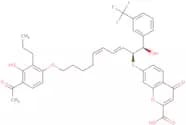
Discontinued productIralukast
CAS:Iralukast is a leukotriene receptor antagonist that blocks the bronchoconstrictor response. It is used in the treatment of bronchial asthma, chronic obstructive pulmonary disease, and bowel diseases such as ulcerative colitis. Iralukast is not absorbed into the bloodstream and therefore does not inhibit the production of the inflammatory mediators that are responsible for these diseases. Iralukast binds to receptors on cells lining the airways, preventing activation of cells by leukotrienes, which are released by mast cells in response to an allergen or irritant. This binding prevents the release of inflammatory mediators from mast cells and reduces bronchial reactivity. Iralukast also has been shown to inhibit the enzyme activity of phospholipase A2 (PLA2), which has been implicated in inflammatory bowel disease.
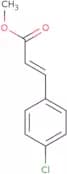
Formula:C38H37F3O8SPurity:Min. 95%Molecular weight:710.21612Methyl 4-chlorocinnamate
CAS:Methyl 4-chlorocinnamate is an aryl chloride that is synthesized by the reaction of methoxyethyl chloride with cinnamic acid derivatives. It has bacteriostatic activity against a variety of bacteria species, including staphylococcus and candida glabrata. Methyl 4-chlorocinnamate reacts with amine groups in proteins to form amides, which are strong inhibitors of protein synthesis. This compound also inhibits the growth of Candida glabrata by inhibiting phosphonates, which are essential for cell division.
Formula:C10H9ClO2Purity:Min. 95%Molecular weight:196.63 g/molRef: 3D-FM71222
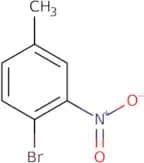
Discontinued product4-Bromo-3-nitrotoluene
CAS:4-Bromo-3-nitrotoluene is a carbazole that has been found to have insecticidal activity. The compound reacts with serotonin to form the reactive intermediate 4-bromo-3-nitrosobenzaldehyde, which is then oxidized to the final product 4-bromo-3-nitrobenzoic acid. The insecticidal activity of 4-Bromo-3-nitrotoluene was found to be due in part to its ability to inhibit serotonin uptake and metabolism by blocking serotonin transporters. It also induces dihedral angles in positron emission tomography (PET) imaging of human brain tissue, suggesting it may be useful for brain imaging studies.
Formula:C7H6BrNO2Purity:Min. 95%Color and Shape:Clear LiquidMolecular weight:216.03 g/molRef: 3D-FB00493
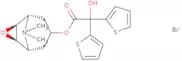
Discontinued productTiotropium bromide
CAS:Muscarinic antagonist; bronchodilator
Formula:C19H22BrNO4S2Purity:Min. 95%Color and Shape:PowderMolecular weight:472.42 g/molRef: 3D-FT28288
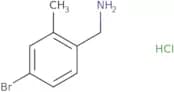
Discontinued product4-Bromo-2-methylbenzylamine hydrochloride
CAS:4-Bromo-2-methylbenzylamine hydrochloride is a high quality, versatile building block that can be used in the synthesis of many different compounds. It is a reagent that can be used as an intermediate in the production of other compounds. 4-Bromo-2-methylbenzylamine hydrochloride is also a fine chemical and speciality chemical that can be used for research purposes. This compound has been shown to be useful as a reaction component in the synthesis of complex compounds.
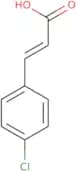
Formula:C8H10BrN·HClPurity:Min. 95%Molecular weight:236.54 g/mol4-Chlorocinnamic acid
CAS:4-Chlorocinnamic acid is a malonic acid derivative and one of the cinnamic acid derivatives that has been shown to inhibit many chemical reactions. It inhibits the production of tyrosinase, which is an enzyme that catalyzes the conversion of tyrosinase to 4-hydroxycinnamic acid. 4-Chlorocinnamic acid also inhibits the growth of Candida glabrata in vitro. The effect on candida is due to its ability to inhibit the production of hydroxyl group and aromatic hydrocarbon, both of which are required for candida's survival. 4-Chlorocinnamic acid binds with aryl halide and neutral ph, preventing it from reacting with other substances.
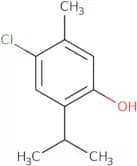
Formula:C9H7ClO2Purity:Min. 95%Color and Shape:PowderMolecular weight:182.6 g/mol(4)6-Chlorothymol
CAS:(4)6-Chlorothymol is a fatty acid that has antimicrobial activity. It is used in biocides, such as anhydrous sodium thymol, and it has been shown to have toxicity studies in vitro. (4)6-Chlorothymol has been shown to have activity index of 0.32 and an antimicrobial activity against Gram-positive bacteria. In vivo studies show that this compound also inhibits the growth of cervical cancer cells in vitro.
Formula:C10H13ClOPurity:Min. 95%Color and Shape:PowderMolecular weight:184.66 g/molRef: 3D-FC70467
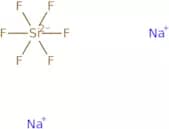
Discontinued productSodium fluorosilicate
CAS:Controlled ProductSodium fluorosilicate is an inorganic acid that can be prepared by dissolving sodium carbonate and hydrogen fluoride in water. It is used as a sample preparation agent for electrochemical impedance spectroscopy, as well as a reagent for the determination of acidic properties. Sodium fluorosilicate has been shown to inhibit the growth of epidermal cells, which may be due to its ability to cause an increase in the mitochondrial membrane potential. This compound also inhibits the synthesis of proteins from RNA, which may result from its coordination geometry or hydrogen-bonding interactions. Sodium fluorosilicate has been used in analytical methods involving x-ray diffraction data and plasma mass spectrometry.
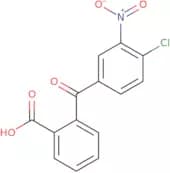
Formula:Na2SiF6Purity:Min. 95%Molecular weight:188.06 g/mol2-(4-Chloro-3-nitrobenzoyl)benzoic acid
CAS:2-(4-Chloro-3-nitrobenzoyl)benzoic acid is a high quality, reagent, and complex compound that is useful as an intermediate. It has the CAS number of 85-54-1 and is classified as a fine chemical. This compound can be used as a building block for speciality chemicals or research chemicals. It is also a versatile building block for reactions and has many applications in synthetic chemistry.
Formula:C14H8ClNO5Purity:Min. 95%Color and Shape:PowderMolecular weight:305.67 g/molRef: 3D-FC70862
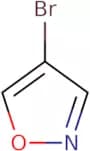
Discontinued product4-Bromoisoxazole
CAS:4-Bromoisoxazole is a reactive isoxazole that can be prepared by the reaction of an azide and a boronic ester. This compound has been shown to be effective for the treatment of cancer, but it also has an inhibitory effect on the synthesis of proteins and enzymes. The 4-bromoisoxazole can be synthesized from phenyl substituted isoxazoles and palladium-catalyzed cross-coupling reactions. Preparative methods for this compound include the use of acetonitrile as solvent with a dipolarity of 0.5D or greater, and argon as inert gas at atmospheric pressure. Hydrochloric acid should not be used in these preparations as it will react with 4-bromoisoxazole to produce toxic hydrochloric acid fumes.
Formula:C3H2BrNOPurity:Min. 95%Color and Shape:PowderMolecular weight:147.96 g/molRef: 3D-FB10885
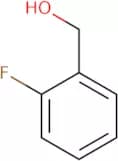
Discontinued producto-Fluorobenzyl alcohol
CAS:O-Fluorobenzyl alcohol is a compound with the chemical formula of C6H5FO. It is a colorless liquid with a sweet odor and tastes like ether. This compound is soluble in water, ethanol, and acetone. O-Fluorobenzyl alcohol has been used as an analytical reagent for the determination of protonated molecules such as phenols or carbohydrates. It also has cytotoxic properties, which have been shown to be effective against cancer cells. O-Fluorobenzyl alcohol acts as a γ-secretase inhibitor by binding to the catalytic site of the enzyme, preventing proteolytic cleavage of amyloid precursor protein (APP) and subsequent production of amyloid β peptide (Aβ).
Formula:C7H7FOPurity:Min. 95%Color and Shape:Clear LiquidMolecular weight:126.13 g/mol1,1,2,2,3,3,4,4-Octafluoro-1,4-Bis[(1,1,1,2,3,3,3-Heptafluoro-2-Propanyl)Oxy]Butane
CAS:Controlled Product1,1,2,2,3,3,4,4-Octafluoro-1,4-Bis[(1,1,1,2,3,3-Heptafluoro-2-propanyl)oxy]butane is a signal that has been used for demographic and population modelling. Gravity modelling is one of the techniques that has been used to analyse this signal. Regression techniques have also been used to analyse this data set. This signal has shown disparities between different parameters in test results.
Formula:C10F22O2Purity:Min. 95%Molecular weight:570.07 g/mol




![[1-(Azepan-1-ylcarbonyl)butyl]amine hydrochloride](/_next/image/?url=https%3A%2Fstatic.cymitquimica.com%2Fproducts%2F3D%2Fthumb-webp%2FFA130693.webp&w=3840&q=75)



![(1S,4S)-1,7,7-Trimethyl-3-(Trifluoroacetyl)Bicyclo[2.2.1]Heptan-2-One](/_next/image/?url=https%3A%2Fstatic.cymitquimica.com%2Fproducts%2F3D%2Fthumb-webp%2FFT98786.webp&w=3840&q=75)


![1,1,2,2,3,3,4,4-Octafluoro-1,4-Bis[(1,1,1,2,3,3,3-Heptafluoro-2-Propanyl)Oxy]Butane](/_next/image/?url=https%3A%2Fstatic.cymitquimica.com%2Fproducts%2F3D%2Fthumb-webp%2FFO100941.webp&w=3840&q=75)