Organic Halides
Subcategories of "Organic Halides"
Found 20442 products of "Organic Halides"
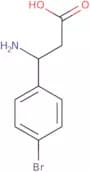
3-Amino-3-(4-bromophenyl)propanoic acid
CAS:3-Amino-3-(4-bromophenyl)propanoic acid is a versatile building block that is used in the synthesis of many different compounds. It is a reagent, useful as a research chemical and as a speciality chemical. 3-Amino-3-(4-bromophenyl)propanoic acid has been used in the synthesis of a number of complex compounds, including pharmaceuticals and pesticides. This compound is a good choice for use in organic synthesis because it reacts readily with an array of functional groups, such as carboxylic acids and amines.Formula:C9H10BrNO2Purity:Min. 95%Color and Shape:PowderMolecular weight:244.09 g/molRef: 3D-FA140126
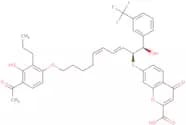
Discontinued productIralukast
CAS:Iralukast is a leukotriene receptor antagonist that blocks the bronchoconstrictor response. It is used in the treatment of bronchial asthma, chronic obstructive pulmonary disease, and bowel diseases such as ulcerative colitis. Iralukast is not absorbed into the bloodstream and therefore does not inhibit the production of the inflammatory mediators that are responsible for these diseases. Iralukast binds to receptors on cells lining the airways, preventing activation of cells by leukotrienes, which are released by mast cells in response to an allergen or irritant. This binding prevents the release of inflammatory mediators from mast cells and reduces bronchial reactivity. Iralukast also has been shown to inhibit the enzyme activity of phospholipase A2 (PLA2), which has been implicated in inflammatory bowel disease.
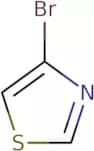
Formula:C38H37F3O8SPurity:Min. 95%Molecular weight:710.216124-Bromothiazole
CAS:4-Bromothiazole is an organic compound that belongs to the group of reactive, nucleophilic substances. It is a nucleophile that reacts with electrophiles such as allyl halides to form new compounds. 4-Bromothiazole has been shown to be a potent antagonist of the metabotropic glutamate receptor and may be beneficial in treating neurodegeneration.
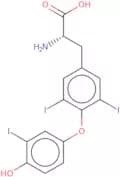
Formula:C3H2BrNSPurity:Min. 95%Color and Shape:Colorless Clear LiquidMolecular weight:164.02 g/mol3,3',5-Triiodo-L-thyronine
CAS:Triiodothyronine (T3) is a thyroid hormone that has a high affinity for the thyrotropin receptor. It regulates the metabolic rate, cell specific transcriptional regulation, and transcriptional regulation of genes involved in fatty acid synthesis. T3 is synthesized from the amino acid tyrosine through a series of reactions catalyzed by enzymes such as tyrosine hydroxylase, thyroperoxidase, and type 2 iodothyronine deiodinase. The enzyme thyroid peroxidase converts inactive T3 to the active form of T3 (triiodothyronine). In addition, triiodothyronine can be converted to reverse T3 (rT3), which is inactive. Triiodothyronine has an optimal ph of 7.4-8.0 and an optimum igf-i concentration of 100 ng/ml, where it can stimulate growth hormone release from the anterior pituitary gland.
Formula:C15H12I3NO4Purity:Min. 95 Area-%Color and Shape:Off-White PowderMolecular weight:650.97 g/molRef: 3D-FT28506
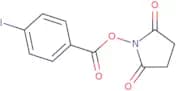
Discontinued productN-Succinimidyl 4-iodobenzoate
CAS:N-Succinimidyl 4-iodobenzoate is a succinimyl activated heterocycle
Formula:C11H8INO4Purity:Min. 95%Color and Shape:PowderMolecular weight:345.09 g/molRef: 3D-FS153623
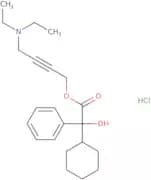
Discontinued productOxybutynin chloride
CAS:Muscarinic antagonist; anti-spasmodic
Formula:C22H32ClNO3Purity:Min. 95%Color and Shape:White PowderMolecular weight:393.95 g/molRef: 3D-FO26701
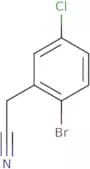
Discontinued product2-Bromo-5-chlorophenylacetonitrile
CAS:2-Bromo-5-chlorophenylacetonitrile is an organic compound that is used as a reagent and building block in the synthesis of other chemicals. It is a colourless liquid that can be used to synthesize complex compounds. 2-Bromo-5-chlorophenylacetonitrile has been shown to be useful in the synthesis of pharmaceuticals, pesticides, and herbicides. This chemical can be used as a versatile intermediate or building block for the production of high quality research chemicals and specialty chemicals. 2-Bromo-5-chlorophenylacetonitrile is not on the list of chemical substances classified as hazardous according to EU regulation (EINECS) No. 231-1003.
Formula:C8H5BrClNPurity:Min. 95%Color and Shape:PowderMolecular weight:230.49 g/molRef: 3D-FB66910
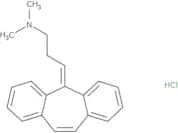
Discontinued productCyclobenzaprine hydrochloride
CAS:Antagonist of serotonin 5HT-2, histamine H1 and α-adrenergic receptors
Formula:C20H21N·ClHPurity:Min. 95%Color and Shape:White PowderMolecular weight:311.85 g/mol2,4,6-Trifluorophenylacetic acid
CAS:2,4,6-Trifluorophenylacetic acid is a fluorinated phenylacetic acid that has been shown to inhibit the growth of the fungus Botrytis cinerea. It does this by disrupting the conformation of microtubules and inhibiting cell division. This compound has been synthesized in analogy with other known phenylacetic acids and its structure was confirmed through single-crystal x-ray diffraction studies. The heteroaryl groups on 2,4,6-Trifluorophenylacetic acid disrupt the microtubule polymerization process by binding to tubulin subunits. The fluorine atom also binds to the pyridine ring in this molecule to form an electron-deficient heterocycle.
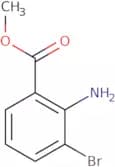
Formula:C8H5F3O2Purity:Min. 95%Color and Shape:White PowderMolecular weight:190.12 g/molMethyl 2-amino-3-bromobenzoate
CAS:Methyl 2-amino-3-bromobenzoate is a high quality, versatile building block that is used as a reagent and intermediate in the synthesis of biologically active compounds. Methyl 2-amino-3-bromobenzoate is a complex compound that has proven useful as an intermediate in the synthesis of various fine chemicals, such as speciality chemicals. The compound also serves as a useful scaffold for the preparation of other compounds, such as research chemicals. Methyl 2-amino-3-bromobenzoate can be used in reactions with other reagents to form new compounds. It is also used to make important reaction components, such as CAS No. 104670-74-8.
Formula:C8H8BrNO2Purity:Min. 95%Color and Shape:PowderMolecular weight:230.06 g/molRef: 3D-FM33251
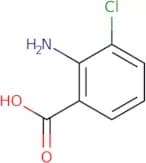
Discontinued product2-Amino-3-chlorobenzoic acid
CAS:2-Amino-3-chlorobenzoic acid is a chemical compound that is used as a reagent in the cross-coupling of organic compounds. 2-Amino-3-chlorobenzoic acid has been shown to inhibit the growth of cancer cells in the laboratory and has been used as a pesticide. This compound causes DNA methylation in bacteria, which may be due to its inhibition of methyltetrahydrofolate reductase. 2-Amino-3-chlorobenzoic acid is reactive and should be handled with care because it could cause burns on contact with skin. The carcinogenic potential of this compound has not been determined.
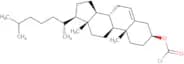
Formula:C7H6ClNO2Purity:Min. 95%Color and Shape:PowderMolecular weight:171.58 g/molCholesterol chloroformate
CAS:Controlled ProductCholesterol chloroformate is a cholesterol derivative that has been shown to have good solubility in water. It is a white crystalline solid that is insoluble in ether, benzene, and chlorinated hydrocarbons. The compound has been used as a phase-transition temperature indicator and has been shown to be more resistant to degradation by enzymes than steric interactions. Cholesterol chloroformate is also an intermediate for the synthesis of other compounds such as cholesteryl sulfate and dextran sulfate. This compound binds to the Toll-like receptor 4 (TLR4) on cells, triggering an inflammatory response and activating the immune system. Cholesterol chloroformate can be used to study tumor cell growth by inhibiting mitosis in mouse tumors with subcutaneous injections of this agent.
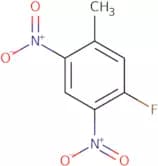
Formula:C28H45ClO2Purity:Min. 95%Molecular weight:449.11 g/mol2,4-Dinitro-5-fluorotoluene
CAS:2,4-Dinitro-5-fluorotoluene is a fine chemical that can be used as a versatile building block in the synthesis of complex compounds. It is an intermediate in many reactions involving aliphatic nitro compounds and has been shown to be reactive with aromatic amines. This chemical has been used as a research chemical for the detection of proteins and nucleic acids and is also a good reagent for the synthesis of other chemicals. The compound reacts quickly with acid to produce a highly explosive gas which can be stabilized by reacting it with potassium nitrate or sodium bicarbonate.
Formula:C7H5FN2O4Purity:Min. 95%Color and Shape:PowderMolecular weight:200.12 g/molRef: 3D-FD67959
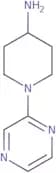
Discontinued product1-Pyrazin-2-ylpiperidin-4-amine dihydrochloride
CAS:1-Pyrazin-2-ylpiperidin-4-amine dihydrochloride is a fine chemical that is used as an intermediate for the synthesis of research chemicals, speciality chemicals and other complex compounds. This compound has been shown to be useful in the synthesis of a variety of building blocks, including pharmaceuticals and agrochemicals. It can be used in reactions with a wide range of reagents and catalysts, which makes it an excellent starting point for new product development.Formula:C9H14N4·2HClPurity:Min. 95%Color and Shape:PowderMolecular weight:251.16 g/molRef: 3D-FP123937
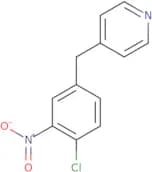
Discontinued product4-(4-Chloro-3-nitrobenzyl)pyridine
CAS:Ai Product Descriptions 50 Creative
Formula:C12H9ClN2O2Purity:Min. 95%Color and Shape:PowderMolecular weight:248.66 g/molRef: 3D-FC131489
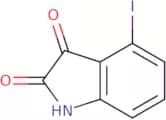
Discontinued product4-Iodoisatin
CAS:4-Iodoisatin is a heterocyclic compound that can be synthesized by cross-coupling reactions. It has been shown to inhibit the production of prostaglandin E2, COX-2 protein, and tumor necrosis factor in mouse macrophages. 4-Iodoisatin also inhibits the production of protein kinase C (PKC) in these cells. 4-Iodoisatin can be modified into a dimer form with many different substitutions on the ring structure and this modification increases its potency as an inhibitor of PKC. Irradiation can decompose the compound into a single isomer that is more potent than either of the two isomers. This drug may have therapeutic potential for treatment of cancer, arthritis, and other inflammatory disorders.
Formula:C8H4INO2Purity:Min. 95%Color and Shape:PowderMolecular weight:273.03 g/molRef: 3D-FI67680
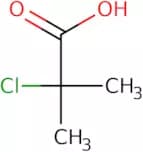
Discontinued product2-Chloro-2-methylpropionic acid
CAS:2-Chloro-2-methylpropionic acid (MCPA) is a chemical compound that belongs to the group of organic compounds called acyl chlorides. It is used in industry for the production of acrylic acid and polyacrylic acid, as well as in the production of herbicides. MCPA is produced by reacting an alkali metal with 2-chloroethanol and thioacetic acid. This reaction can be catalyzed by a variety of compounds, including palladium chloride, nickel chloride, and titanium tetrachloride. The high yield of this reaction makes it suitable for commercial use. MCPA also has been shown to stimulate cell growth through its inhibition of monomers from polymerization into polymers.
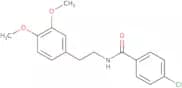
Formula:C4H7ClO2Purity:Min. 95%Color and Shape:PowderMolecular weight:122.55 g/molN-(2-(3,4-dimethoxyphenyl)ethyl)(4-chlorophenyl)formamide
CAS:Controlled ProductPlease enquire for more information about N-(2-(3,4-dimethoxyphenyl)ethyl)(4-chlorophenyl)formamide including the price, delivery time and more detailed product information at the technical inquiry form on this page
Purity:Min. 95%Ref: 3D-FD169719
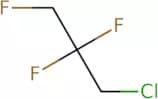
Discontinued product1-Chloro-2,2,3-Trifluoropropane
CAS:Controlled Product1-Chloro-2,2,3-trifluoropropane is a chemical compound that belongs to the group of chlorinating agents. It is a preparative agent for chlorine and hydrochloric acid. 1-Chloro-2,2,3-trifluoropropane has been used in thermoelectric applications as an intermediate in the production of hydrogen fluoride. It has also been used as a reagent for producing fluorine gas or hydrofluoric acid. This chemical is also used in preparative methods to produce diode lasers or monofluorides.
Formula:C3H4ClF3Purity:Min. 95%Molecular weight:132.51 g/mol5-Amino-N,N'-bis(2,3-dihydroxypropyl)-2,4,6-triiodo-1,3-benzenedicarboxamide
CAS:5-Amino-N,N'-bis(2,3-dihydroxypropyl)-2,4,6-triiodo-1,3-benzenedicarboxamide is an experimental compound that is used in the industrial preparation of pharmaceuticals and agricultural chemicals. It has a molecular weight of 191.14 g/mol. The crystallization process involves the use of ethanol to create supersaturation and then cooling to induce crystallization. This compound can be synthesized by an iodination reaction with x-ray irradiation at low temperatures.
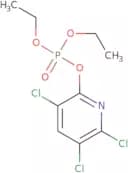
Formula:C14H18I3N3O6Purity:Min. 95%Color and Shape:White PowderMolecular weight:705.02 g/molChlorpyrifos oxon
CAS:Chlorpyrifos oxon is a site-specific acetylcholinesterase inhibitor that is used as a sample preparation chemical for the analysis of fatty acids, hydroxyl groups, and pharmacological agents. Chlorpyrifos oxon can be used to study the effects of sublethal doses on probiotic bacteria. It has been found that chlorpyrifos oxon inhibits the activity of human serum acetylcholinesterase by binding to its active site with high affinity. The inhibition of acetylcholinesterase by chlorpyrifos oxon prevents the hydrolysis of acetylcholine at cholinergic synapses in the brain and peripheral nervous system. This leads to accumulation of acetylcholine and an increase in stimulation of postsynaptic receptors, resulting in increased transmission across neuronal synapses. Chlorpyrifos oxon also is known to have immunomodulatory properties and has been shown to stimulate
Formula:C9H11Cl3NO4PPurity:Min. 95%Molecular weight:334.52 g/molRef: 3D-FC20412
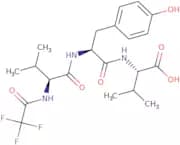
Discontinued productN-(2,2,2-Trifluoroacetyl)-L-valyl-L-tyrosyl-L-valine
CAS:Trifluoroacetic acid is a synthetic molecule that is used as a precursor for the synthesis of various pharmaceuticals, including the skin-lightening agent N-(2,2,2-trifluoroacetyl)-L-valyl-L-tyrosyl-L-valine. This drug is an inhibitor of tyrosinase and blocks the synthesis of melanin. Trifluoroacetic acid has been shown to inhibit tyrosinase activity in human skin cells by binding to tyrosinase and blocking its catalytic site. The hydrogenation of trifluoroacetic acid yields 2,2,2-trifluoroethanol (TFE), which can be used as a solvent in cosmetic formulations.Formula:C21H28F3N3O6Purity:Min. 98 Area-%Color and Shape:PowderMolecular weight:475.46 g/molcis-1,2-Dichloroethene
CAS:cis-1,2-Dichloroethene is a chlorinated aliphatic hydrocarbon that has a high affinity for hydrogen fluoride. The rate of the reaction is dependent on pH and temperature. cis-1,2-Dichloroethene is reactive with fatty acids, p-hydroxybenzoic acid, and other compounds containing chlorine atoms. Cis-1,2-Dichloroethene has been shown to be biologically degraded by microorganisms. It has also been shown to be stable in complex with diphenyl ethers and polymers. cis-1,2-Dichloroethene can be dechlorinated by rat liver microsomes in vitro.
Formula:C2H2Cl2Purity:Min. 96 Area-%Color and Shape:Clear LiquidMolecular weight:96.94 g/molRef: 3D-FD170967
Discontinued product2-Amino-5-iodobenzoic acid ethyl ester
CAS:2-Amino-5-iodobenzoic acid ethyl ester is a chemical reagent that is used to prepare 2-chloro-5-iodobenzoic acid. It can be prepared by the hydrolysis of 2,4,6-trinitrobenzene with an aqueous solution of sodium hydroxide. The iodination reaction proceeds in two steps: (1) chlorination of methyl anthranilate with chlorine and (2) addition of the resultant product to 2,4,6-trinitrobenzene. In the first step, methyl anthranilate reacts with chlorine to form 2-chloro-5-iodobenzoic acid ethyl ester and hydrogen chloride gas. In the second step, this product reacts with 2,4,6-trinitrobenzene to form 2-amino 5 -iodobenzoic acid ethyl ester and nitrogen gas
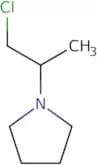
Formula:C9H10INO2Purity:Min. 95%Color and Shape:PowderMolecular weight:291.09 g/mol1-(2-Chloro-1-methylethyl)pyrrolidine hydrochloride
CAS:1-(2-Chloro-1-methylethyl)pyrrolidine hydrochloride is a versatile building block that can be used in the synthesis of fine chemicals, complex compounds, research chemicals, reagents and specialty chemicals. This compound is also useful as a building block for the synthesis of pharmaceuticals and chemical products. 1-(2-Chloro-1-methylethyl)pyrrolidine hydrochloride is a high quality chemical that can be used as a reaction component or scaffold for the synthesis of new chemical entities.Formula:C7H15Cl2NPurity:Min. 95%Color and Shape:PowderMolecular weight:184.1 g/molRef: 3D-FC116878
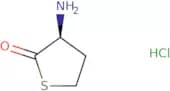
Discontinued productL-Homocysteine thiolactone hydrochloride
CAS:L-Homocysteine thiolactone hydrochloride is a synthetic radiotracer. It has been used as a positron emission tomography (PET) radiopharmaceutical to image brain tumors and other cancers. L-homocysteine thiolactone hydrochloride is synthesized from L-cysteine and aluminium chloride. The yield of this reaction is usually low, but can be increased by addition of sodium hydroxide or tetrabutylammonium bromide. L-homocysteine thiolactone hydrochloride has been shown to be an effective radiotracer for the detection of cancerous tissue in the brain, breast, and prostate.
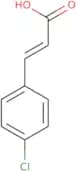
Formula:C4H7NOS•HClPurity:Min. 95%Color and Shape:PowderMolecular weight:153.63 g/mol4-Chlorocinnamic acid
CAS:4-Chlorocinnamic acid is a malonic acid derivative and one of the cinnamic acid derivatives that has been shown to inhibit many chemical reactions. It inhibits the production of tyrosinase, which is an enzyme that catalyzes the conversion of tyrosinase to 4-hydroxycinnamic acid. 4-Chlorocinnamic acid also inhibits the growth of Candida glabrata in vitro. The effect on candida is due to its ability to inhibit the production of hydroxyl group and aromatic hydrocarbon, both of which are required for candida's survival. 4-Chlorocinnamic acid binds with aryl halide and neutral ph, preventing it from reacting with other substances.
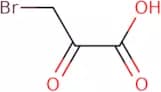
Formula:C9H7ClO2Purity:Min. 95%Color and Shape:PowderMolecular weight:182.6 g/mol3-Bromopyruvic acid
CAS:3-Bromopyruvic acid is a small molecule that inhibits an enzyme called dextran sulfate reductase. This enzyme is involved in the formation of sulfate in the body and is important for glycolysis, which is the process by which cells break down glucose to produce energy. 3-Bromopyruvic acid inhibits both cancer cells and normal cells, but has a greater effect on cancer cells. This compound also causes caspase-independent cell death, which means that it does not activate pro-apoptotic proteins. It may work by targeting enzymes involved in energy metabolism or by inhibiting DNA polymerase activity.
Formula:C3H3BrO3Purity:Min. 95%Color and Shape:PowderMolecular weight:166.96 g/mol1,1,2,2,3,3,4,4-Octafluoro-1,4-Bis[(1,1,1,2,3,3,3-Heptafluoro-2-Propanyl)Oxy]Butane
CAS:Controlled Product1,1,2,2,3,3,4,4-Octafluoro-1,4-Bis[(1,1,1,2,3,3-Heptafluoro-2-propanyl)oxy]butane is a signal that has been used for demographic and population modelling. Gravity modelling is one of the techniques that has been used to analyse this signal. Regression techniques have also been used to analyse this data set. This signal has shown disparities between different parameters in test results.
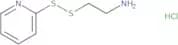
Formula:C10F22O2Purity:Min. 95%Molecular weight:570.07 g/mol(S)-2-Pyridylthio cysteamine hydrochloride
CAS:(S)-2-Pyridylthio cysteamine hydrochloride is a cell-permeant, basic, thiol-containing compound that is currently being investigated as an anticancer agent. It has been shown to inhibit the growth of tumor cells in vitro and in vivo. This drug binds to the disulfide bonds of proteins, which leads to the formation of a stable covalent bond between two protein molecules. (S)-2-Pyridylthio cysteamine hydrochloride also inhibits cell proliferation by interfering with the production of epidermal growth factor. This drug can be used for cancer treatment by binding to the mitochondria and inhibiting ATP synthesis, leading to apoptosis. The uptake of this drug is dependent on its interaction with basic proteins in the plasma membrane, which may be due to its ability to induce epidermal growth factor (EGF) production in cultured cells.Formula:C7H11ClN2S2Purity:Min. 97 Area-%Color and Shape:White PowderMolecular weight:222.76 g/molCreatine zinc chloride
CAS:Creatine zinc chloride is a basic protein that is metabolized to creatinine and guanidinoacetate. Creatine zinc chloride has been shown to inhibit the mitochondrial membrane potential, leading to the inhibition of cardiac muscle contraction and myocardial infarct size. Creatine zinc chloride also has physiological functions in energy metabolism, cytosolic calcium regulation, and glomerular filtration rate. Creatine zinc chloride may be used for the treatment of metabolic disorders, such as obesity and diabetes mellitus type II.
Formula:C4H9N3O2·ZnCl2Purity:Min. 99%Color and Shape:PowderMolecular weight:267.43 g/mol3,4-Dimethylphenylhydrazine hydrochloride
CAS:3,4-Dimethylphenylhydrazine hydrochloride is a chemical compound with high quality, which is a useful intermediate for the synthesis of complex compounds. It also has potential as a building block for the synthesis of other compounds. 3,4-Dimethylphenylhydrazine hydrochloride is used in research and development.
Formula:C8H12N2·HClPurity:Min. 95%Color and Shape:PowderMolecular weight:172.66 g/molRef: 3D-FD42282
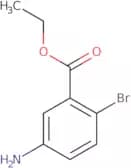
Discontinued product5-Amino-2-bromobenzoic acid ethyl ester
CAS:5-Amino-2-bromobenzoic acid ethyl ester is a chemical compound that can be used for the production of pharmaceuticals and research chemicals. It is a versatile building block that can be used in the synthesis of complex compounds with valuable applications. 5-Amino-2-bromobenzoic acid ethyl ester is a reagent, speciality chemical, and useful building block that can be used in the synthesis of high quality compounds. This compound has been identified as an intermediate in organic reactions and as a reaction component. CAS No. 208176-32-3Formula:C9H10BrNO2Purity:Min. 95%Color and Shape:PowderMolecular weight:244.09 g/molRef: 3D-FA67376
Discontinued product[1-(Azepan-1-ylcarbonyl)butyl]amine hydrochloride
CAS:Controlled ProductPlease enquire for more information about [1-(Azepan-1-ylcarbonyl)butyl]amine hydrochloride including the price, delivery time and more detailed product information at the technical inquiry form on this page
Formula:C11H22N2OPurity:Min. 95%Molecular weight:198.31 g/mol4-tert-Butylbenzoyl chloride
CAS:4-tert-Butylbenzoyl chloride is a chemical used in the production of polymers. It is a reactive compound that has been shown to cause metabolic disorders in light-exposed primary cells and polymerase chain reactions, inhibiting the transcription of DNA to RNA and protein synthesis. The process by which 4-tert-Butylbenzoyl chloride causes these effects is still unknown. This chemical also alters the body mass index of mice by increasing the fat content of their livers, as well as reducing their levels of epidermal growth factor (EGF). 4-tert-Butylbenzoyl chloride has also been shown to inhibit the synthesis of proteins by binding to nuclear DNA, preventing transcription from occurring. Although it was hypothesized that 4-tert-Butylbenzoyl chloride inhibits cellular proliferation due to its ability to bind with DNA, this has not been proven conclusively.
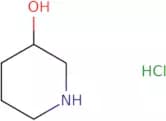
Formula:C11H13ClOPurity:Min. 95%Molecular weight:196.67 g/mol3-Hydroxypiperidine hydrochloride
CAS:3-Hydroxypiperidine hydrochloride is a synthetic compound that inhibits the enzyme acetylcholinesterase, which breaks down the neurotransmitter acetylcholine. The specificity of this inhibitor has been shown to be high in human urine samples. 3-Hydroxypiperidine hydrochloride can be used as a tethering agent in exploratory assays. This drug also has an effect on chemokine production and citric acid levels in the urine.
Formula:C5H11NO•HClPurity:Min. 95%Color and Shape:PowderMolecular weight:137.61 g/molRef: 3D-FH29361
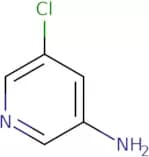
Discontinued product5-Chloro-3-pyridinamine
CAS:5-Chloro-3-pyridinamine is a catalyst that is used in the synthesis of polymers. It can be used in ring-opening polymerization reactions and is reactive with a variety of functional groups, including aliphatic and aromatic rings. 5-Chloro-3-pyridinamine also has high activity for ring opening polymerizations, which makes it an ideal choice for the synthesis of polymers. This catalyst can be used to control the molecular weight of polymers by dilution or by altering the amount of catalyst used. 5-Chloro-3-pyridinamine has been shown to be biocompatible and biodegradable, making it a good choice for biomedical applications.
Formula:C5H5ClN2Purity:Min. 95%Color and Shape:PowderMolecular weight:128.56 g/molRef: 3D-FC51080
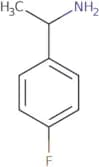
Discontinued product4-Fluoro-α-methylbenzylamine
CAS:4-Fluoro-a-methylbenzylamine is a chiral, protonated, and enthalpic compound. It can be synthesized by reacting anilines with 4-fluorobenzaldehyde in the presence of a base such as sodium ethoxide. The flavonoids from the plant Hedera helix have been shown to inhibit this enzyme.
4-Fluoro-a-methylbenzylamine has been found to be a potent inhibitor of imidazole amidohydrolase, an enzyme involved in the metabolism of histamine and other biologically active amines. This inhibition prevents the conversion of histamine to imidazole and therefore may help prevent allergic reactions such as asthma.Formula:C8H10FNPurity:Min. 95%Molecular weight:139.17 g/molRef: 3D-FF35005
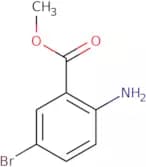
Discontinued product2-Amino-5-bromobenzoic acid methyl ester
CAS:2-Amino-5-bromobenzoic acid methyl ester is a small molecule with antiviral potency. It has a dipole moment and can form hydrogen bonds. 2-Amino-5-bromobenzoic acid methyl ester inhibits the PDE5 enzyme, which is an enzyme that breaks down cGMP. This inhibition of PDE5 leads to the increase in cGMP, which causes blood vessels to relax and widen. As a result, 2-amino-5-bromobenzoic acid methyl ester has been shown to decrease high blood pressure and improve heart function.Formula:C8H8BrNO2Purity:Min. 95%Color and Shape:PowderMolecular weight:230.06 g/molRef: 3D-FA70737
Discontinued productClorgyline Hydrochloride
CAS:Clorgyline hydrochloride is a monoamine neurotransmitter inhibitor that blocks the enzyme monoamine oxidase (MAO). It is used to treat Parkinson's disease and depression. Clorgyline hydrochloride also has been shown to decrease locomotor activity in rats and cause neuronal death in the hippocampal formation. This drug has been shown to inhibit the enzyme activities of MAO-A, MAO-B and tyrosine hydroxylase at chronic doses. In addition, clorgyline hydrochloride increases the number of 5-HT2 receptors on rat brain membranes. The inhibition of MAO-A by clorgyline hydrochloride results in irreversible inhibition of all three types of MAO enzymes. Clorgyline hydrochloride also inhibits protein synthesis by decreasing levels of tyrosine hydroxylase, an enzyme that is necessary for the production of dopamine and norepinephrine.
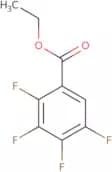
Formula:C13H15Cl2NO·HClPurity:Min. 98 Area-%Color and Shape:White Off-White PowderMolecular weight:308.63 g/mol2,3,4,5-Tetrafluorobenzoic acid ethyl ester
CAS:2,3,4,5-Tetrafluorobenzoic acid ethyl ester is a fine chemical that is useful in the synthesis of complex compounds. It is a versatile building block with many potential applications in research and as a reagent. 2,3,4,5-Tetrafluorobenzoic acid ethyl ester has been shown to have high purity and quality. This compound can be used as a reaction component for other chemical reactions and as an intermediate for the production of pharmaceuticals. CAS No. 122894-73-9
Formula:C9H6F4O2Purity:Min. 95%Molecular weight:222.14 g/molRef: 3D-FT38143
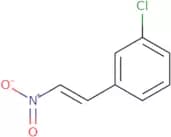
Discontinued product1-(3-Chlorophenyl)-2-nitroethene
CAS:1-(3-Chlorophenyl)-2-nitroethene is a reagent that is used as an intermediate in the production of fine chemicals, research chemicals, and speciality chemicals. It has been shown to provide a useful scaffold for the synthesis of complex compounds and is also a versatile building block that can be used in a variety of reactions. 1-(3-Chlorophenyl)-2-nitroethene is not intended for use as a drug or food additive.
Formula:C8H6ClNO2Purity:Min. 95%Color and Shape:PowderMolecular weight:183.59 g/molTetracosafluoroundecane
CAS:Controlled ProductTetracosafluoroundecane is a perfluorinated compound that can be used to pattern surfaces. It has a hydroxyl group and fluorine atom, which are important for the polymerization process. Tetracosafluoroundecane can be used as a coating to provide chemical protection against corrosion, abrasion, and heat. The film is also non-sticky and easy to clean. The polymer film has been shown to have no adverse health effects on human serum and caco-2 cells in cell culture studies. The toxicity of tetracosafluoroundecane has been shown to be low in mice with radiation exposure, making it an ideal candidate for diagnostic purposes.
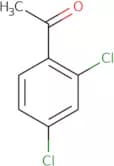
Formula:C11F24Purity:Min. 95%Molecular weight:588.08 g/mol2',4'-Dichloroacetophenone
CAS:2',4'-Dichloroacetophenone is a chemical intermediate used in the treatment of wastewater. It reacts with chloride ions to form 2,4-dichloro-5-chlorobenzene-1,3-diol (2,4-DCD) and dichloroacetic acid (DCAA). DCDA is an inhibitor of the synthesis of triazole antifungal agents. In addition to its use as an intermediate, 2',4'-Dichloroacetophenone has been shown to be an effective inhibitor of the enzyme carbonyl reductase and can also serve as a precursor for the synthesis of other chemicals. The reaction products are geometric isomers that differ only in their orientation about the double bond. This product's molecular weight is 188.27 g/mol and its melting point is 53 °C.
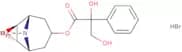
Formula:C8H6Cl2OPurity:Min. 95%Color and Shape:PowderMolecular weight:189.04 g/molAnisodine hydrobromide
CAS:Anisodine hydrobromide is a compound that modulates transcriptional regulation. It has been shown to inhibit the proliferation of cultured human renal proximal cells and to reduce the development of kidney fibrosis in rats. Anisodine also inhibits locomotor activity and improves sample preparation in a statistically significant way. Anisodine hydrobromide has not been found to be toxic at doses up to 2000 mg/kg, which is its highest dose studied so far. The study used an experimental model of neurotrophic factors, soybean extract and fluorescein angiography with LC-MS/MS method as the analytical technique.
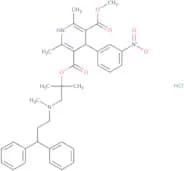
Formula:C17H22BrNO5Purity:Min. 98%Color and Shape:PowderMolecular weight:400.26 g/molLercanidipine hydrochloride
CAS:Calcium channel blocker
Formula:C36H42ClN3O6Purity:Min. 95%Color and Shape:PowderMolecular weight:648.19 g/mol3-Ethyl 1-adamantanamine hydrochloride
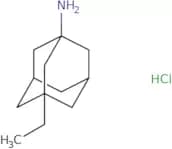
CAS:3-Ethyl 1-adamantanamine hydrochloride is a versatile building block that is used as a research chemical. It is a reagent and speciality chemical, as well as an intermediate in the production of other compounds. 3-Ethyl 1-adamantanamine hydrochloride can be used as a high quality building block for the synthesis of other compounds. It has been shown to be useful in the synthesis of complex compounds.Formula:C12H21N•HClPurity:Min. 95%Color and Shape:White PowderMolecular weight:215.76 g/molRef: 3D-FE66590
Discontinued productDiethyl [[(3-chloro-4-fluorophenyl)amino]methylene]malonate
CAS:Diethyl [(3-chloro-4-fluorophenyl)amino]methylene]malonate is a fine chemical that is useful as a building block and intermediate for the synthesis of more complex compounds. It has been used in research as a reaction component for the synthesis of other chemicals, such as pharmaceuticals and pesticides. The CAS number for diethyl [(3-chloro-4-fluorophenyl)amino]methylene]malonate is 70032-30-3.Formula:C14H15ClFNO4Purity:Min. 95%Color and Shape:PowderMolecular weight:315.72 g/molRef: 3D-FD95922
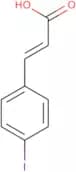
Discontinued product4-Iodocinnamic acid
CAS:4-Iodocinnamic acid is a mesomorphic, supramolecular organic acid that has potent cytotoxicity against cancer cells. It is also an analogue of the natural product cinnamic acid. 4-Iodocinnamic acid binds to the active site of the enzyme DNA polymerase and inhibits DNA synthesis by preventing the incorporation of deoxynucleotide triphosphates into synthesized DNA chains. The compound has been shown to have strong antimicrobial activity against Gram-positive bacteria such as Staphylococcus aureus, Enterococcus faecalis, and Bacillus cereus. 4-Iodocinnamic acid is also an effective inhibitor of cancer cell proliferation and induces apoptosis in these cells.
Formula:C9H7IO2Purity:Min. 95%Color and Shape:PowderMolecular weight:274.06 g/molRef: 3D-FI68045
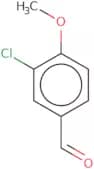
Discontinued product3-Chloro-4-methoxybenzaldehyde
CAS:3-Chloro-4-methoxybenzaldehyde is a chemical compound that belongs to the class of aromatic compounds. It is synthesized by reacting 3-chlorobenzaldehyde with methoxyacetone in a hydroxylation reaction. The asymmetric synthesis of 3-chloro-4-methoxybenzaldehyde was achieved by using a chiral auxiliary, which is an organic molecule that can be used to control the stereochemistry of other reactions. This product has high cytotoxicity and is able to cause melanogenesis (production of melanin) when applied to rat striatal membranes.
Formula:C8H7ClO2Purity:Min. 95%Color and Shape:PowderMolecular weight:170.59 g/molRef: 3D-FC70306
Discontinued product





![1,1,2,2,3,3,4,4-Octafluoro-1,4-Bis[(1,1,1,2,3,3,3-Heptafluoro-2-Propanyl)Oxy]Butane](/_next/image/?url=https%3A%2Fstatic.cymitquimica.com%2Fproducts%2F3D%2Fthumb-webp%2FFO100941.webp&w=3840&q=75)


![[1-(Azepan-1-ylcarbonyl)butyl]amine hydrochloride](/_next/image/?url=https%3A%2Fstatic.cymitquimica.com%2Fproducts%2F3D%2Fthumb-webp%2FFA130693.webp&w=3840&q=75)



![Diethyl [[(3-chloro-4-fluorophenyl)amino]methylene]malonate](/_next/image/?url=https%3A%2Fstatic.cymitquimica.com%2Fproducts%2F3D%2Fthumb-webp%2FFD95922.webp&w=3840&q=75)