Organic Halides
Subcategories of "Organic Halides"
Found 20442 products of "Organic Halides"
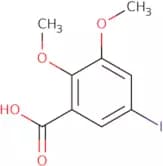
5-Iodo-2,3-dimethoxybenzoic acid
CAS:5-Iodo-2,3-dimethoxybenzoic acid (5IMB) is a synthetic chemical that is used as a radiolabeled substrate for the synthesis of dopamine. The 5IMB is a substrate for the enzyme monoamine oxidase, which converts it to 5-hydroxyindoleacetic acid (5HIAA). The intensity of the signal emitted by 5IMB increases with the increase in concentration of dopamine. It can be used as a positron emission tomography (PET) tracer for dopamine receptors in the brain. The kinetic and uptake properties of 5IMB are different in various regions of the brain, such as striatum and caudate putamen. This difference can be measured using high-performance liquid chromatography (HPLC) and flow rate.
5IMB has been shown to have anti-oxidant properties due to its ability to scavenge peroxide radicals.Formula:C9H9IO4Purity:Min. 98 Area-%Color and Shape:PowderMolecular weight:308.07 g/mol3-(Bromomethyl)benzamide
CAS:3-(Bromomethyl)benzamide is a versatile building block that can be used in the synthesis of a variety of complex compounds. It is also useful as a research chemical and as a reagent. 3-(Bromomethyl)benzamide can be used to produce useful intermediates and reaction components. This compound has been shown to be useful as scaffolds for synthetic organic chemistry.
Formula:C8H8BrNOPurity:Min. 95%Color and Shape:PowderMolecular weight:214.06 g/molRef: 3D-FB141315
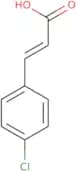
Discontinued product4-Chlorocinnamic acid
CAS:4-Chlorocinnamic acid is a malonic acid derivative and one of the cinnamic acid derivatives that has been shown to inhibit many chemical reactions. It inhibits the production of tyrosinase, which is an enzyme that catalyzes the conversion of tyrosinase to 4-hydroxycinnamic acid. 4-Chlorocinnamic acid also inhibits the growth of Candida glabrata in vitro. The effect on candida is due to its ability to inhibit the production of hydroxyl group and aromatic hydrocarbon, both of which are required for candida's survival. 4-Chlorocinnamic acid binds with aryl halide and neutral ph, preventing it from reacting with other substances.
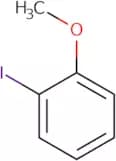
Formula:C9H7ClO2Purity:Min. 95%Color and Shape:PowderMolecular weight:182.6 g/mol1-Iodo-2-methoxybenzene
CAS:1-Iodo-2-methoxybenzene is a compound that has shown to have anti-cancer properties. It is an effective inhibitor of protein tyrosine kinases, which are involved in the activation of inflammatory diseases and cancer. The hydroxyl group on the benzenoid ring activates the molecule by hydrogen bonding with the protein target, thereby inhibiting its activity. 1-Iodo-2-methoxybenzene may also be used as a contrast agent for magnetic resonance imaging (MRI) due to its light emission properties.
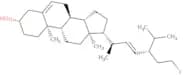
Formula:C7H7IOPurity:Min. 95%Color and Shape:Clear LiquidMolecular weight:234.03 g/mol(3β,22E)-29-Fluorostigmasta-5,22-dien-3-ol
CAS:Controlled Product3β,22E)-29-Fluorostigmasta-5,22-dien-3-ol is a plant growth regulator that belongs to the group of fatty alcohols. It is found in the horticultural and tissue culture industries and is used as an additive in bioassays. 3β,22E)-29-Fluorostigmasta-5,22-dien-3-ol enhances the growth rate of nematodes and has been shown to be a potent inhibitor of benzoate degradation. This compound also has hormone effects that are similar to those of furostanols or steroids.
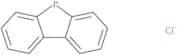
Formula:C29H47FOPurity:Min. 95%Molecular weight:430.68 g/molDiphenyleneiodonium chloride
CAS:Diphenyleneiodonium chloride is a diphenyliodonium salt that inhibits neuronal death and induces pluripotent stem cells. It has been shown to activate toll-like receptor 4 (TLR4) which initiates the inflammatory response, leading to the activation of growth factor-β1 and polymerase chain reactions. This compound also has an oral hypoglycemic effect and can be used as an antidiabetic drug. Diphenyleneiodonium chloride has also been shown to induce oxidative cell death in cancer cells by inhibiting the production of NADPH oxidase, which is required for caspase-independent cell death.
Formula:C12H8ClIPurity:Min. 95%Color and Shape:White PowderMolecular weight:314.55 g/molRef: 3D-FD22495
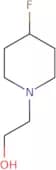
Discontinued product4-Fluoro-1-piperidineethanol
CAS:Please enquire for more information about 4-Fluoro-1-piperidineethanol including the price, delivery time and more detailed product information at the technical inquiry form on this page
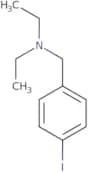
Formula:C7H14FNOPurity:Min. 95%Molecular weight:147.19 g/molN,N-Diethyl-N-(4-iodobenzyl)amine
CAS:N,N-Diethyl-N-(4-iodobenzyl)amine is a high quality and versatile building block that is used as a reagent, speciality chemical, or intermediate. The compound has been found to be useful in the synthesis of complex compounds. It can also be used as a reaction component for various organic synthesis reactions. N,N-Diethyl-N-(4-iodobenzyl)amine is commercially available from Sigma Aldrich with CAS No. 914636-94-5.
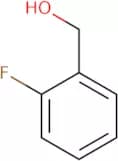
Formula:C11H16INPurity:Min. 95%Color and Shape:PowderMolecular weight:289.16 g/molo-Fluorobenzyl alcohol
CAS:O-Fluorobenzyl alcohol is a compound with the chemical formula of C6H5FO. It is a colorless liquid with a sweet odor and tastes like ether. This compound is soluble in water, ethanol, and acetone. O-Fluorobenzyl alcohol has been used as an analytical reagent for the determination of protonated molecules such as phenols or carbohydrates. It also has cytotoxic properties, which have been shown to be effective against cancer cells. O-Fluorobenzyl alcohol acts as a γ-secretase inhibitor by binding to the catalytic site of the enzyme, preventing proteolytic cleavage of amyloid precursor protein (APP) and subsequent production of amyloid β peptide (Aβ).
Formula:C7H7FOPurity:Min. 95%Color and Shape:Clear LiquidMolecular weight:126.13 g/molSodium chloride
CAS:Sodium chloride is a chemical compound that belongs to the group of inorganic salts. It is an important electrolyte, which regulates fluid balance and pH levels. Sodium chloride has been used as a model system for polymerase chain reactions and has been shown to inhibit the growth of malignant cells in the brain under constant pressure. The reaction solution may be pre-treated with hydrogen fluoride to remove interfering impurities prior to addition of sodium chloride. This process can be used for an in vitro method, where the reaction solution is exposed to plasma mass spectrometry or laser ablation before being analyzed for drug interactions with plasma mass spectrometry or electrochemical impedance spectroscopy. Sodium chloride can cause water vapor to form when it reacts with hydrochloric acid, producing hydrogen gas and hydrochloric acid.
Formula:NaClColor and Shape:PowderMolecular weight:58.44 g/molRef: 3D-FS30573
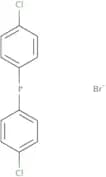
Discontinued productDi-4-chlorophenyl iodonium bromide
CAS:Di-4-chlorophenyl iodonium bromide is a fine chemical that can be used as a building block for the synthesis of more complex compounds. It has been shown to be a useful intermediate in the syntheses of various other research chemicals and speciality chemicals, including (but not limited to) 4-bromo-2,5-dimethoxybenzaldehyde, 3-(4'-hydroxyphenyl)-1-(2',4'-dichlorophenyl)propane-1,3-dione, 1-[(2E)-3-(4'-hydroxyphenyl)-1-(2',4'-dichlorophenyl)prop-2-enoyl]pyrrole, and 2-[(2E)-3-(4'-hydroxyphenyl)-1-(2',4'-dichlorophenyl)prop-2enoyl]pyrrole. Di-4-chlorophenyl iod
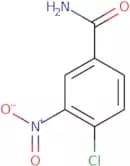
Formula:C12H8BrCl2IPurity:90%Color and Shape:PowderMolecular weight:429.91 g/mol4-Chloro-3-nitrobenzamide
CAS:4-Chloro-3-nitrobenzamide (4CNBA) is a potent inducer of hepatic drug metabolizing enzymes. It reacts with methyl cinnamate to form the 4-chloro-3-nitrobenzamide methyl ester and chloride ions. This reaction is catalyzed by copper, which binds to the 4CNBA molecule. The chloride ion then displaces water from the ester, producing a nitroso intermediate. This intermediate breaks down into an unstable nitrite, which in turn reacts with hydrogen peroxide to form a hydroxylamine intermediate. Hydroxylamine can then react with sulfhydryl groups to produce reactive thiols that are responsible for the induction of detoxification enzymes in the liver.
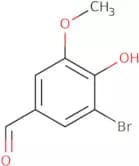
4CNBA has been shown to be toxic at high concentrations and is rapidly detoxified by Phase II enzymes such as glutathione S transferase, UDP glucuronosyltransferase, and N-acetylFormula:C7H5ClN2O3Purity:Min. 95%Color and Shape:PowderMolecular weight:200.58 g/mol5-Bromovanillin
CAS:5-Bromovanillin is an antimicrobial agent that inhibits the growth of bacteria by binding to the enzyme vanillin. It is used as a natural compound, in which it can be found in plants and fruits such as Eugenia caryophyllata and Vanilla planifolia. 5-Bromovanillin has been shown to have a potent inhibitory effect on bacterial growth. The inhibitory effect of this compound is due to its ability to coordinate with the vanillin molecule, forming a complex that blocks the reaction mechanism of the enzyme. This complex also reacts with p-hydroxybenzoic acid, which disrupts the cell membrane and causes leakage of cellular contents. 5-Bromovanillin has been studied using surface methodology and electrochemical impedance spectroscopy (EIS). These studies demonstrated that 5-bromovanillin has a high affinity for methanol solvent and inhibitor molecules, which may contribute to its antimicrobial activity.
Formula:C8H7BrO3Purity:Min. 95%Color and Shape:Yellow PowderMolecular weight:231.04 g/molRef: 3D-FB10623
Discontinued productAc-Lys-pNA hydrochloride
CAS:Ac-Lys-pNA hydrochloride is a protease that belongs to the endopeptidase class of proteolytic enzymes. It is used in research and recombinant expression to cleave proteins at specific sites. Ac-Lys-pNA hydrochloride is activated by ammonium sulfate, which binds to the active site of the enzyme. The enzyme also cleaves peptides with Lys or Arg at the C terminus. Ac-Lys-pNA hydrochloride has been shown to be effective against aeruginosa, but not escherichia coli, which are both gram negative bacteria.
Formula:C14H20N4O4•HClPurity:Min. 95%Color and Shape:SolidMolecular weight:344.79 g/molRef: 3D-FA110697
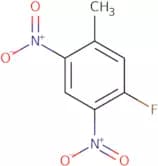
Discontinued product2,4-Dinitro-5-fluorotoluene
CAS:2,4-Dinitro-5-fluorotoluene is a fine chemical that can be used as a versatile building block in the synthesis of complex compounds. It is an intermediate in many reactions involving aliphatic nitro compounds and has been shown to be reactive with aromatic amines. This chemical has been used as a research chemical for the detection of proteins and nucleic acids and is also a good reagent for the synthesis of other chemicals. The compound reacts quickly with acid to produce a highly explosive gas which can be stabilized by reacting it with potassium nitrate or sodium bicarbonate.
Formula:C7H5FN2O4Purity:Min. 95%Color and Shape:PowderMolecular weight:200.12 g/molRef: 3D-FD67959
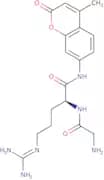
Discontinued productH-Gly-Arg-AMC hydrochloride salt
CAS:H-Gly-Arg-AMC hydrochloride salt is a substrate for the enzymes cathepsins B, H, and L. This compound has been used to measure protease activity in cell culture and as a diagnostic substrate for peptidases. The enzyme reaction can be monitored by measuring changes in the fluorescence of the product at 340 nm. The pH optimum for this enzyme is 7.4.
Formula:C18H24N6O4•HClPurity:Min. 98 Area-%Color and Shape:PowderMolecular weight:424.88 g/molRef: 3D-FG110503
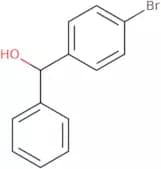
Discontinued product4-Bromobenzhydrol
CAS:4-Bromobenzhydrol is a potent inhibitor of the enzyme histamine N-methyltransferase that is used in the treatment of chronic inflammatory disorders. In pharmacological tests, 4-bromobenzhydrol has been shown to be an inhibitor of acidic aldehyde reactions and also inhibits hypophosphorous acid formation. This drug also reacts with serum albumin, ethanolamine, and ethylene oxide to form a model protein. 4-Bromobenzhydrol has been shown to have immunosuppressive activity by inhibiting the T cell response.
Formula:C13H11BrOPurity:Min. 95%Color and Shape:PowderMolecular weight:263.13 g/molRef: 3D-FB70740
Discontinued product6-Fluoro-5-Methyl-2-[(5-Methyl-1H-Imidazol-4-Yl)Methyl]-2,3,4,5-Tetrahydro-1H-Pyrido[4,3-b]Indol-1-One
CAS:Controlled Product6-Fluoro-5-Methyl-2-[(5-Methyl-1H-Imidazol-4-Yl)Methyl]-2,3,4,5-Tetrahydro-1H-Pyrido[4,3-b]Indol-1-One is a drug that belongs to the class of fatty acid esters. It has been shown to be effective in clinical trials for the treatment of symptoms of dry eye syndrome. 6FMETI has a low safety profile and does not cause any adverse effects in humans. The drug can be administered by intravenous injection or oral administration and has a long elimination half life of 36 hours. 6FMETI is metabolized by hydrolysis to its active form, 5FMTI, which is then conjugated with glucuronic acid or methyl glutaryl coenzyme A to form an inactive metabolite. This drug also has good pharmacokinetic properties
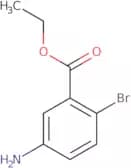
Formula:C17H17FN4OPurity:Min. 95%Molecular weight:312.34 g/mol5-Amino-2-bromobenzoic acid ethyl ester
CAS:5-Amino-2-bromobenzoic acid ethyl ester is a chemical compound that can be used for the production of pharmaceuticals and research chemicals. It is a versatile building block that can be used in the synthesis of complex compounds with valuable applications. 5-Amino-2-bromobenzoic acid ethyl ester is a reagent, speciality chemical, and useful building block that can be used in the synthesis of high quality compounds. This compound has been identified as an intermediate in organic reactions and as a reaction component. CAS No. 208176-32-3Formula:C9H10BrNO2Purity:Min. 95%Color and Shape:PowderMolecular weight:244.09 g/molRef: 3D-FA67376
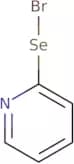
Discontinued product2-Pyridine selenyl bromide
CAS:2-Pyridine selenyl bromide is a co-precursor for the synthesis of 2-selenides. It can be prepared by reacting 2-pyridinesulfonyl chloride with sodium periodate in acetonitrile. This compound can then be converted to a 2-selenide by treatment with methanol and periodic acid. The analytical and preparative methods are shown below:
Analytical: Dissolve the sample in dichloromethane, add triethylamine, and extract into diethyl ether. Add a small amount of potassium bromide to the organic layer and evaporate to dryness under vacuum. Recrystallize from acetonitrile.
Methanolysis: Dissolve the sample in methanol, add a catalytic amount of hydrochloric acid, and heat at reflux for 12 hours. Cool the solution, filter off any insoluble material, evaporate to drynessFormula:C5H4BrNSePurity:Min. 95%Molecular weight:236.96 g/molRef: 3D-FP11022
Discontinued productFluorescent Brightener 191
CAS:Fluorescent Brightener 191 is a monomer that can be used in the textile industry to increase brightness and fluorescence of textiles. It is water soluble, non-toxic, and stable. The impurities of this product are monitored by testing for chloride ion content. Fluorescent Brightener 191 is also used for effervescent and osmosis control in water treatment plants, as well as clarification of wastewater effluent. Its fluorescence properties make it an ideal choice for monitoring the presence of substances, such as chloride ions, in solution by measuring the intensity of light emitted from a sample. Fluorescent Brightener 191 is also known to have a high solubility in organic solvents such as chloroform or acetone, which makes it suitable for labeling purposes.
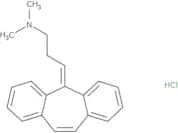
Purity:Min. 95%Cyclobenzaprine hydrochloride
CAS:Antagonist of serotonin 5HT-2, histamine H1 and α-adrenergic receptors
Formula:C20H21N·ClHPurity:Min. 95%Color and Shape:White PowderMolecular weight:311.85 g/mol2',4'-Dichloroacetophenone
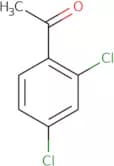
CAS:2',4'-Dichloroacetophenone is a chemical intermediate used in the treatment of wastewater. It reacts with chloride ions to form 2,4-dichloro-5-chlorobenzene-1,3-diol (2,4-DCD) and dichloroacetic acid (DCAA). DCDA is an inhibitor of the synthesis of triazole antifungal agents. In addition to its use as an intermediate, 2',4'-Dichloroacetophenone has been shown to be an effective inhibitor of the enzyme carbonyl reductase and can also serve as a precursor for the synthesis of other chemicals. The reaction products are geometric isomers that differ only in their orientation about the double bond. This product's molecular weight is 188.27 g/mol and its melting point is 53 °C.
Formula:C8H6Cl2OPurity:Min. 95%Color and Shape:PowderMolecular weight:189.04 g/mol1-(3-Chlorophenyl)-2-nitroethene
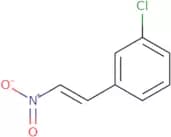
CAS:1-(3-Chlorophenyl)-2-nitroethene is a reagent that is used as an intermediate in the production of fine chemicals, research chemicals, and speciality chemicals. It has been shown to provide a useful scaffold for the synthesis of complex compounds and is also a versatile building block that can be used in a variety of reactions. 1-(3-Chlorophenyl)-2-nitroethene is not intended for use as a drug or food additive.
Formula:C8H6ClNO2Purity:Min. 95%Color and Shape:PowderMolecular weight:183.59 g/molBromocresol green, sodium salt
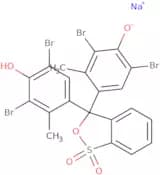
CAS:Bromocresol green is a dye that is used in biological assays to measure the kinetics of fluorescence. It is a type of tryptophan-releasing compound that releases a yellowish-green light when it absorbs light at wavelengths between 350 and 450 nm. Bromocresol green has been quantified by measuring the intensity of the fluorescence emission as a function of time. This can be done visually or using an instrument called a fluorometer, which detects changes in light intensity over time. Bromocresol green can be used to detect the presence of amino acid residues in proteins through protonation reactions with their tryptophan residues and subsequent quenching with acetonitrile. The bromocresol green dye is also used in lithographic printing, where it serves as an acceptor for electrons from an arene (aromatic hydrocarbon). This process generates energy for lithography and also provides contrast between regions with different electron densities.
Formula:C21H14Br4O5SNaColor and Shape:PowderMolecular weight:721 g/molRef: 3D-FB01465
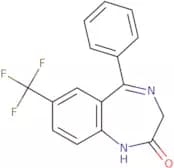
Discontinued product5-Phenyl-7-(Trifluoromethyl)-1,3-Dihydro-1,4-Benzodiazepin-2-One
CAS:Controlled Product5-Phenyl-7-(Trifluoromethyl)-1,3-Dihydro-1,4-Benzodiazepin-2-One is a pyrethroid that has been shown to have an effective dose of 10 μg/kg in pharmacological tests. It has been shown to modulate hydrogen bond formation and the hydrophobic effects of diazepam. 5-Phenyl-7-(Trifluoromethyl)-1,3-Dihydro-1,4-Benzodiazepin-2-One is a monomer that can be used for the treatment of cancer. This active compound has been found to bind to the benzodiazepine binding site on GABA receptors in the brain and has been shown to induce digitonin release from nerve endings. It also binds with carbonyl groups which are found on proteins and nucleic acids.
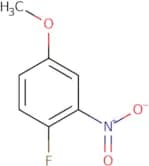
Formula:C16H11F3N2OPurity:Min. 95%Molecular weight:304.27 g/mol4-Fluoro-3-nitroanisole
CAS:4-Fluoro-3-nitroanisole is a useful chemical intermediate and building block. It is a versatile compound that can be used in research as well as commercial applications. 4-Fluoro-3-nitroanisole has the CAS number 61324-93-4. This chemical is often used in the synthesis of complex compounds, such as pharmaceuticals, pesticides, and fragrances. The high quality of this product makes it a good reagent for laboratory experiments.
Formula:C7H6FNO3Purity:Min. 95%Color and Shape:Slightly Yellow PowderMolecular weight:171.13 g/mol1-(Aminomethyl)cyclopropanecarboxamide hydrochloride
CAS:1-(Aminomethyl)cyclopropanecarboxamide hydrochloride is a versatile building block that can be used in the synthesis of complex compounds. It has been shown to be an excellent reagent for the synthesis of novel pharmaceuticals and speciality chemicals. This compound is also a useful intermediate for the preparation of high-quality products and can be used as a reaction component or scaffold in synthesis.Formula:C5H10N2O·HClPurity:Min. 95%Color and Shape:White PowderMolecular weight:150.61 g/molRef: 3D-FA135607
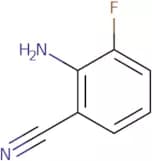
Discontinued product2-Amino-3-fluorobenzonitrile
CAS:A 2-aminopyridine substituent is added to the 3-position of benzonitrile to form 2-amino-3-fluorobenzonitrile. The hydrogenolysis of this compound at low temperatures yields indoles. Cyanogen bromide can be used as a catalyst for the reaction, but it must be removed before the product is purified. This reaction also produces a cyano group, which can be used in other reactions such as nitration or reduction. The glycinate molecule can also be formed by this process, and it is a neutral functional group that is capable of forming esters with carboxylic acids.
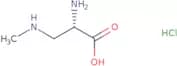
Formula:C7H5FN2Purity:Min. 95%Molecular weight:136.13 g/mol(S)-2-Amino-3-(methylamino)propanoic acid hydrochloride
CAS:(S)-2-Amino-3-(methylamino)propanoic acid hydrochloride is a synthetic compound often used in scientific research. It is derived from non-proteinogenic amino acids and has important implications for the study of neurotoxicology. This compound mimics the structural properties of certain naturally occurring amino acids, which allows it to act as a significant tool for understanding biological pathways affected by neurotoxins.
Formula:C4H11ClN2O2Color and Shape:Off-White PowderMolecular weight:154.6 g/molRef: 3D-FA164055
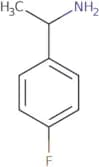
Discontinued product4-Fluoro-α-methylbenzylamine
CAS:4-Fluoro-a-methylbenzylamine is a chiral, protonated, and enthalpic compound. It can be synthesized by reacting anilines with 4-fluorobenzaldehyde in the presence of a base such as sodium ethoxide. The flavonoids from the plant Hedera helix have been shown to inhibit this enzyme.
4-Fluoro-a-methylbenzylamine has been found to be a potent inhibitor of imidazole amidohydrolase, an enzyme involved in the metabolism of histamine and other biologically active amines. This inhibition prevents the conversion of histamine to imidazole and therefore may help prevent allergic reactions such as asthma.Formula:C8H10FNPurity:Min. 95%Molecular weight:139.17 g/molRef: 3D-FF35005
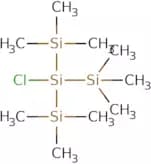
Discontinued productChlorotris(trimethylsilyl)silane
CAS:Chlorotris(trimethylsilyl)silane is a chlorosilane with a trifluoromethyl group and one other organic group. It can be prepared by thermal decomposition of chlorotrimethylsilane. Chlorotris(trimethylsilyl)silane has been used in the synthesis of branched-chain alkanes and cycloalkanes, as well as in the preparation of molecular fragments for use in organometallic syntheses. This molecule absorbs ultraviolet light strongly at 254 nm, making it useful for measurements of UV absorption spectra.
Formula:C9H27ClSi4Purity:Min. 95 Area-%Color and Shape:White PowderMolecular weight:283.11 g/molRef: 3D-FC61091
Discontinued product4-[3-(Trifluoromethyl)-3H-diazirin-3-yl]benzenemethanamine hydrochloride
CAS:Please enquire for more information about 4-[3-(Trifluoromethyl)-3H-diazirin-3-yl]benzenemethanamine hydrochloride including the price, delivery time and more detailed product information at the technical inquiry form on this pageFormula:C9H9ClF3N3Purity:Min. 95%Color and Shape:White PowderMolecular weight:251.64 g/molRef: 3D-FT99415
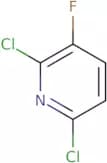
Discontinued product2,6-Dichloro-3-fluoropyridine
CAS:2,6-Dichloro-3-fluoropyridine is a synthetic organic chemical that can be used as a diazo compound in the synthesis of heterocycles. It is used in industrial applications for the production of nitrobenzene, an intermediate for the synthesis of pharmaceuticals. The reaction time and yield are high, and the selectivity is good. 2,6-Dichloro-3-fluoropyridine can be synthesized by reacting sodium nitrite with piperidine and acidifying with hydrochloric acid. This chemical is mainly used as an industrial intermediate to produce nitrobenzene.
Formula:C5H2Cl2FNPurity:(%) Min. 95%Color and Shape:PowderMolecular weight:165.98 g/molRef: 3D-FD104766
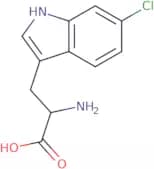
Discontinued product6-Chloro-D,L-tryptophan
CAS:6-Chloro-D,L-tryptophan is a chemical intermediate that is used in the production of pharmaceuticals. It is a precursor to the amino acid tryptophan and has been shown to inhibit protein synthesis in human macrophages and microglia cells. In addition, this compound has been shown to inhibit the uptake of tryptophan by human macrophages and thp-1 cells. This drug also inhibits the activity of aminotransferase enzymes, which are involved in the metabolism of tryptophan. 6-Chloro-D,L-tryptophan has enantiomeric purity and is an aryl halide with chlorine as its functional group. It can form 3-hydroxyanthranilic acid when it reacts with acid or an acidifying agent. 6-Chloro-D,L-tryptophan has been shown to inhibit the herpes simplex virus (HSV
Formula:C11H11ClN2O2Purity:Min. 95%Molecular weight:238.67 g/molRef: 3D-FC20216
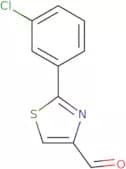
Discontinued product2-(3-Chlorophenyl)thiazole-4-carbaldehyde
CAS:Please enquire for more information about 2-(3-Chlorophenyl)thiazole-4-carbaldehyde including the price, delivery time and more detailed product information at the technical inquiry form on this page
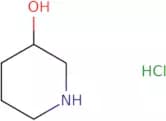
Formula:C10H6ClNOSPurity:Min. 95%Color and Shape:PowderMolecular weight:223.68 g/mol3-Hydroxypiperidine hydrochloride
CAS:3-Hydroxypiperidine hydrochloride is a synthetic compound that inhibits the enzyme acetylcholinesterase, which breaks down the neurotransmitter acetylcholine. The specificity of this inhibitor has been shown to be high in human urine samples. 3-Hydroxypiperidine hydrochloride can be used as a tethering agent in exploratory assays. This drug also has an effect on chemokine production and citric acid levels in the urine.
Formula:C5H11NO•HClPurity:Min. 95%Color and Shape:PowderMolecular weight:137.61 g/molRef: 3D-FH29361
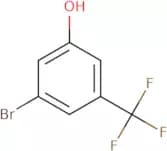
Discontinued product3-Bromo-5-(trifluoromethyl)phenol
CAS:3-Bromo-5-(trifluoromethyl)phenol is a versatile building block that is used as a scaffold for synthesis of complex compounds. It can be used as a reaction component in the synthesis of valuable chemical products, such as fine chemicals and research chemicals. 3-Bromo-5-(trifluoromethyl)phenol is also useful for the production of speciality chemicals. This chemical has been shown to have high quality and can be used as a reagent in organic synthesis.
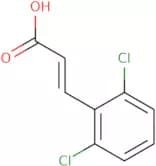
Formula:C7H4BrF3OPurity:Min. 95%Color and Shape:Colorless Clear LiquidMolecular weight:241.01 g/mol2,6-Dichlorocinnamic acid
CAS:2,6-Dichlorocinnamic acid is an organic compound that is used as a reagent in the synthesis of other chemicals. 2,6-Dichlorocinnamic acid has been used as a component in the synthesis of various kinds of fine chemicals and useful building blocks. This chemical is also used as a speciality chemical and research chemical. 2,6-Dichlorocinnamic acid can be used as a versatile building block for the preparation of various compounds. It can be synthesized by heating cinnamic acid with chlorine gas and then reacting it with sodium hydroxide.
Formula:C9H6Cl2O2Purity:Min. 95%Color and Shape:PowderMolecular weight:217.05 g/molRef: 3D-FD63543
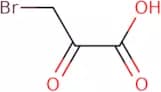
Discontinued product3-Bromopyruvic acid
CAS:3-Bromopyruvic acid is a small molecule that inhibits an enzyme called dextran sulfate reductase. This enzyme is involved in the formation of sulfate in the body and is important for glycolysis, which is the process by which cells break down glucose to produce energy. 3-Bromopyruvic acid inhibits both cancer cells and normal cells, but has a greater effect on cancer cells. This compound also causes caspase-independent cell death, which means that it does not activate pro-apoptotic proteins. It may work by targeting enzymes involved in energy metabolism or by inhibiting DNA polymerase activity.
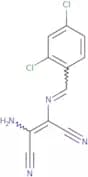
Formula:C3H3BrO3Purity:Min. 95%Color and Shape:PowderMolecular weight:166.96 g/mol2-Amino-1-(1-aza-2-(2,4-dichlorophenyl)vinyl)ethene-1,2-dicarbonitrile
CAS:Please enquire for more information about 2-Amino-1-(1-aza-2-(2,4-dichlorophenyl)vinyl)ethene-1,2-dicarbonitrile including the price, delivery time and more detailed product information at the technical inquiry form on this page
Formula:C11H6Cl2N4Purity:Min. 95%Color and Shape:PowderMolecular weight:265.1 g/molRef: 3D-FA169771
Discontinued product4-tert-Butylbenzoyl chloride
CAS:4-tert-Butylbenzoyl chloride is a chemical used in the production of polymers. It is a reactive compound that has been shown to cause metabolic disorders in light-exposed primary cells and polymerase chain reactions, inhibiting the transcription of DNA to RNA and protein synthesis. The process by which 4-tert-Butylbenzoyl chloride causes these effects is still unknown. This chemical also alters the body mass index of mice by increasing the fat content of their livers, as well as reducing their levels of epidermal growth factor (EGF). 4-tert-Butylbenzoyl chloride has also been shown to inhibit the synthesis of proteins by binding to nuclear DNA, preventing transcription from occurring. Although it was hypothesized that 4-tert-Butylbenzoyl chloride inhibits cellular proliferation due to its ability to bind with DNA, this has not been proven conclusively.
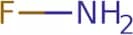
Formula:C11H13ClOPurity:Min. 95%Molecular weight:196.67 g/molMonofluoroamine
CAS:Controlled ProductMonofluoroamine is a chemical substance with the chemical formula NH2F. It is a colorless liquid that is stable to both acidic and basic environments, but reacts with fluorine gas to form hydrofluoric acid. Monofluoroamine is used in the synthesis of pharmaceuticals, pesticides, and other organic compounds. This compound can be prepared by reacting ammonia with hydrogen fluoride at low temperature or by reacting ammonia with hydrogen fluoride at high pressure. The Friedel-Crafts reaction of monofluoroamine with an amide produces the corresponding amine. Monofluoroamine has been used as a conditioning agent in NMR spectroscopy experiments to remove the water signal from complex NMR spectra. In addition, this compound has been shown to have antiviral effects against HIV infection through its ability to inhibit protein synthesis.
Formula:FH2NPurity:Min. 95%Molecular weight:35.02 g/mol3,4-Dimethoxybenzyl bromide
CAS:3,4-Dimethoxybenzyl bromide is an organic compound that is used in the synthesis of isoquinoline alkaloids. This chemical has been found to have anticancer activity against human colon cancer cells (HCT116) and low energy properties. The asymmetric synthesis of 3,4-dimethoxybenzyl bromide can be achieved through a Grignard reaction with phenylmagnesium bromide. A linker can be used to attach 3,4-dimethoxybenzyl bromide to other chemicals such as biphenyls or amines.
Formula:C9H11BrO2Purity:Min. 95 Area-%Color and Shape:White PowderMolecular weight:231.09 g/molRef: 3D-FD22198
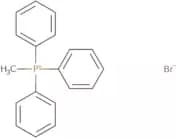
Discontinued productMethyltriphenylphosphine bromide
CAS:Methyltriphenylphosphine bromide is a chemical inhibitor that binds to the active site of mitochondrial enzymes, disrupting their function. It has been shown to be a potent chemical inhibitor of congestive heart failure in an electrochemical impedance spectroscopy study. Methyltriphenylphosphine bromide may also inhibit the production of antimicrobial peptides by interfering with the activity of proteases and lipases. This drug could be used for the treatment of metabolic disorders such as diabetes mellitus or obesity. Methyltriphenylphosphine bromide is not effective against vancomycin-resistant Staphylococcus aureus (VRSA) or methicillin-resistant Staphylococcus aureus (MRSA).
Formula:C19H18P·BrPurity:Min. 95%Color and Shape:White To Off-White SolidMolecular weight:357.22 g/molRef: 3D-FM11476
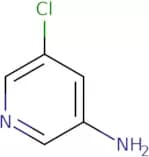
Discontinued product5-Chloro-3-pyridinamine
CAS:5-Chloro-3-pyridinamine is a catalyst that is used in the synthesis of polymers. It can be used in ring-opening polymerization reactions and is reactive with a variety of functional groups, including aliphatic and aromatic rings. 5-Chloro-3-pyridinamine also has high activity for ring opening polymerizations, which makes it an ideal choice for the synthesis of polymers. This catalyst can be used to control the molecular weight of polymers by dilution or by altering the amount of catalyst used. 5-Chloro-3-pyridinamine has been shown to be biocompatible and biodegradable, making it a good choice for biomedical applications.
Formula:C5H5ClN2Purity:Min. 95%Color and Shape:PowderMolecular weight:128.56 g/molRef: 3D-FC51080
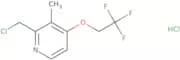
Discontinued product2-Chloromethyl-3-methyl-4-(2,2,2-trifluoroethoxy)pyridine, hydrochloride
CAS:Please enquire for more information about 2-Chloromethyl-3-methyl-4-(2,2,2-trifluoroethoxy)pyridine, hydrochloride including the price, delivery time and more detailed product information at the technical inquiry form on this page
Formula:C9H10Cl2F3NOPurity:Min. 95%Molecular weight:276.08 g/molRef: 3D-FC20275
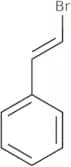
Discontinued productβ-Bromostyrene
CAS:β-Bromostyrene is a halogenated aromatic hydrocarbon that has been used as a cross-coupling reagent. β-Bromostyrene reacts with an organometallic reagent to form a new carbon-carbon bond. This reaction is catalyzed by palladium, which is often dissolved in the reaction vessel along with the β-bromostyrene and the organometallic reagent. The palladium enhances the rate of this reaction by increasing the concentration of reactive molecules, while also acting as a catalyst for the coupling of two organic molecules. β-Bromostyrene has been shown to be useful in wastewater treatment, where it reacts with organic compounds such as benzene, toluene, and xylene to form water soluble products called bromoxylates.
The detection sensitivity of β-bromostyrene can be increased through its use as an indicator for pH changes in acidic environments (pH 3). TheFormula:C8H7BrPurity:Min. 97 Area-%Color and Shape:Colorless Clear LiquidMolecular weight:183.05 g/molRef: 3D-FB164798
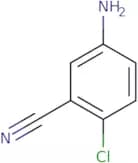
Discontinued product5-Amino-2-chlorobenzonitrile
CAS:5-Amino-2-chlorobenzonitrile is a functional theory that has been optimised for the synthesis of pesticides. It has been shown to have high affinity constants and to be a good potential for monitoring. 5-Amino-2-chlorobenzonitrile is synthesized in the form of monoclonal antibodies, which are then optimised using vibrational frequencies. The parameters of these molecules are optimized by comparing the calculated frequencies with those obtained from experimental data. This theory can be used to develop new pesticides that are less harmful to humans and animals, as well as being more environmentally friendly.
Formula:C7H5ClN2Purity:Min. 95%Color and Shape:PowderMolecular weight:152.58 g/molRef: 3D-FA67240
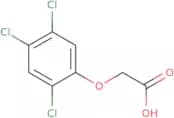
Discontinued product2,4,5-Trichlorophenoxyacetic acid
CAS:Controlled Product2,4,5-Trichlorophenoxyacetic acid (2,4,5-T) is a herbicide that inhibits the growth of plants by inhibiting photosynthesis. It can be found in the environment as a contaminant of manufactured items such as vinyl chloride and polyurethane. 2,4,5-T is also used to produce dioxin and polychlorinated biphenyls (PCBs). The mechanism of toxicity involves inhibition of the activity of an enzyme called acetolactate synthase (ALS), which is responsible for synthesizing an important amino acid called L-alanine. ALS inhibitors are toxic to animals because they inhibit the formation of L-alanine and disrupt cellular energy production. In CD-1 mice, 2,4,5-T has been shown to have an inhibitory dose at 1 mg/kg body weight with long-term toxicity at doses up to 5 mg/kg body weight. 2,4,5
Formula:Cl3C6H2OCH2CO2HPurity:Min. 95%Color and Shape:PowderMolecular weight:255.48 g/mol




![6-Fluoro-5-Methyl-2-[(5-Methyl-1H-Imidazol-4-Yl)Methyl]-2,3,4,5-Tetrahydro-1H-Pyrido[4,3-b]Indol-1…](/_next/image/?url=https%3A%2Fstatic.cymitquimica.com%2Fproducts%2F3D%2Fthumb-webp%2FFF102588.webp&w=3840&q=75)

![4-[3-(Trifluoromethyl)-3H-diazirin-3-yl]benzenemethanamine hydrochloride](/_next/image/?url=https%3A%2Fstatic.cymitquimica.com%2Fproducts%2F3D%2Fthumb-webp%2FFT99415.webp&w=3840&q=75)