Organic Halides
Subcategories of "Organic Halides"
Found 20442 products of "Organic Halides"
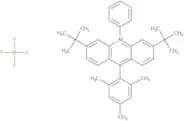
3,6-Bis(1,1-dimethylethyl)-10-phenyl-9-(2,4,6-trimethylphenyl)-acridinium tetrafluoroborate
CAS:3,6-Bis(1,1-dimethylethyl)-10-phenyl-9-(2,4,6-trimethylphenyl)-acridinium tetrafluoroborate is a high quality reagent that is used as an intermediate in the synthesis of other compounds. It has CAS No. 1810004-87-5 and a molecular weight of 345.7 g/mol. This compound is useful for the synthesis of complex compounds and can be used in fine chemicals. 3,6-Bis(1,1-dimethylethyl)-10-phenyl-9-(2,4,6-trimethylphenyl)-acridinium tetrafluoroborate is also useful for research purposes and can be used as a scaffold for drug discovery. It is also a versatile building block that can be used in reactions to produce speciality chemicals and reaction components such as esters or amides.Formula:C36H40BF4NPurity:Min 95%Color and Shape:PowderMolecular weight:573.51 g/molRef: 3D-FB76607
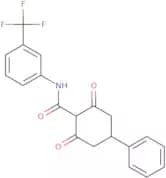
Discontinued product(2,6-dioxo-4-phenylcyclohexyl)-N-(3-(trifluoromethyl)phenyl)formamide
CAS:Please enquire for more information about (2,6-dioxo-4-phenylcyclohexyl)-N-(3-(trifluoromethyl)phenyl)formamide including the price, delivery time and more detailed product information at the technical inquiry form on this page
Purity:Min. 95%Ref: 3D-FD169870
Discontinued product1-((2,5-dichlorophenyl)sulfonyl)-5-methylthio-1,2,4-triazole-3-ylamine
CAS:Please enquire for more information about 1-((2,5-dichlorophenyl)sulfonyl)-5-methylthio-1,2,4-triazole-3-ylamine including the price, delivery time and more detailed product information at the technical inquiry form on this pagePurity:Min. 95%Ref: 3D-FD169994
Discontinued product2,4,6-Trifluorophenylacetic acid
CAS:2,4,6-Trifluorophenylacetic acid is a fluorinated phenylacetic acid that has been shown to inhibit the growth of the fungus Botrytis cinerea. It does this by disrupting the conformation of microtubules and inhibiting cell division. This compound has been synthesized in analogy with other known phenylacetic acids and its structure was confirmed through single-crystal x-ray diffraction studies. The heteroaryl groups on 2,4,6-Trifluorophenylacetic acid disrupt the microtubule polymerization process by binding to tubulin subunits. The fluorine atom also binds to the pyridine ring in this molecule to form an electron-deficient heterocycle.
Formula:C8H5F3O2Purity:Min. 95%Color and Shape:White PowderMolecular weight:190.12 g/mol2,2-Difluoro-2-[1,1,2,2-tetrafluoro-2-(trifluoromethoxy)ethoxy]acetic acid
CAS:2,2-Difluoro-2-[1,1,2,2-tetrafluoro-2-(trifluoromethoxy)ethoxy]-acetic acid is a fluorinated compound that can be used as an adsorbent for organic compounds. It is a highly selective material and has high adsorption capacity. The adsorption equilibrium data for 2,2-difluoro-2-[1,1,2,2-tetrafluoro-2-(trifluoromethoxy)ethoxy]-acetic acid are given in the table below. Table: Adsorption Equilibrium Data Temperature (°C) Pressure (kPa) Vapor Pressure (Pa) Equilibrium Vapor Pressure (Pa) Adsorption Capacity (%) 0 0.001 0.0008 0.0012 100
Formula:C5HF9O4Purity:Min. 95%Color and Shape:Clear LiquidMolecular weight:296.04 g/molRef: 3D-FD99821
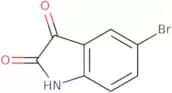
Discontinued product5-Bromoisatin
CAS:5-Bromoisatoic anhydride is a potential anticancer agent that contains nitrogen atoms. It inhibits the growth of cancer cells by binding to the enzyme acetylcholine, which is involved in the production of growth factors. The compound also inhibits the production of malonic acid, which is a metabolic disorder. 5-Bromoisatoic anhydride forms stable complexes with malonic acid and does not cause any adverse effects on normal cells.
Formula:C8H4BrNO2Purity:Min. 95%Color and Shape:PowderMolecular weight:226.03 g/molRef: 3D-FB19242
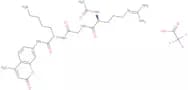
Discontinued productAc-Arg-Gly-Lys-AMC trifluoroacetate salt
CAS:Ac-Arg-Gly-Lys-AMC trifluoroacetate salt is a fine chemical that is used as a building block in the synthesis of complex compounds. Ac-Arg-Gly-Lys-AMC trifluoroacetate salt has been used as a reagent, speciality chemical and intermediate in research projects. Ac-Arg-Gly-Lys-AMC trifluoroacetate salt can be used to produce useful scaffolds for medicinal chemistry studies.
Formula:C26H38N8O6•C2HF3O2Purity:Min. 97 Area-%Color and Shape:PowderMolecular weight:672.65 g/molRef: 3D-FA110610
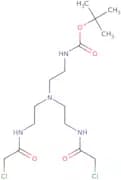
Discontinued product2N-Boc-2',2''-triaminotriethylamine-bis(chloroacetamide)
CAS:2N-Boc-2',2''-triaminotriethylamine-bis(chloroacetamide) is a fine chemical and reagent for the synthesis of pharmaceuticals. It is also a useful building block for the synthesis of complex compounds. This product can be used as a reaction component in organic chemistry, or it can be used as a reagent in research or development laboratories.
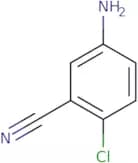
Formula:C15H28Cl2N4O4Purity:Min. 95%Molecular weight:399.31 g/mol5-Amino-2-chlorobenzonitrile
CAS:5-Amino-2-chlorobenzonitrile is a functional theory that has been optimised for the synthesis of pesticides. It has been shown to have high affinity constants and to be a good potential for monitoring. 5-Amino-2-chlorobenzonitrile is synthesized in the form of monoclonal antibodies, which are then optimised using vibrational frequencies. The parameters of these molecules are optimized by comparing the calculated frequencies with those obtained from experimental data. This theory can be used to develop new pesticides that are less harmful to humans and animals, as well as being more environmentally friendly.
Formula:C7H5ClN2Purity:Min. 95%Color and Shape:PowderMolecular weight:152.58 g/molRef: 3D-FA67240
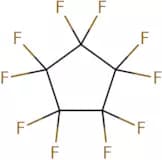
Discontinued product1,1,2,2,3,3,4,4,5,5-Decafluorocyclopentane
CAS:Controlled Product1,1,2,2,3,3,4,4,5,5-Decafluorocyclopentane is a fluorocarbon liquid with a boiling point of -50°C. It has an average particle diameter of 0.1 nm and a water vapor pressure of 1.6 × 10⁻¹⁰ torr at 20°C. Due to its non-polarity and low viscosity (1 cP), it can be used as a solvent in organic chemistry reactions. 1,1,2,2,3,3,4,4,5,5-Decafluorocyclopentane has been shown to be reactive at the target site due to its acid molecules that provide the reactive sites for this molecule's phase transition temperature (-52°C) and nmr spectra. The reactive sites also allow for x-ray structures to be obtained by imaging techniques such as electron microscopy or atomic force microscopy.
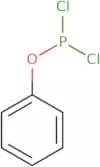
Formula:C5F10Purity:Min. 95%Molecular weight:250.04 g/molPhenylphosphorodichloridite
CAS:Phenylphosphorodichloridite is a solid catalyst that is used in the production of polymers. It has been shown to inhibit the synthesis of glycogen, which is an important energy storage molecule, and phosphorous acid, which may play a role in the regulation of glycolysis. The antiviral effect of phenylphosphorodichloridite has been demonstrated by its ability to inhibit influenza virus replication. This agent also inhibits the production of proteins necessary for viral replication, such as covid-19 pandemic. Phenylphosphorodichloridite shows light resistance and can be used for organic synthesis in the presence of oxygen and light.
Formula:C6H5Cl2OPPurity:Min. 95%Color and Shape:Colorless Clear LiquidMolecular weight:194.98 g/molRef: 3D-FP03067
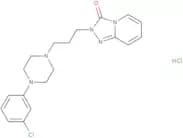
Discontinued productTrazodone hydrochloride
CAS:Controlled ProductTrazodone is an antidepressant that acts as a serotonin reuptake inhibitor. It has been shown to be effective in the treatment of depression and anxiety, and is also used to treat other conditions such as insomnia, chronic pain, and cancer-related symptoms. Trazodone is thought to have anti-inflammatory effects in some cases due to its ability to inhibit prostaglandin synthesis. Trazodone has a number of drug interactions, including with sedatives and other antidepressants. It can also cause drowsiness and dizziness, which may increase the risk for accidents or falls. Trazodone hydrochloride can be taken with food if stomach upset occurs.
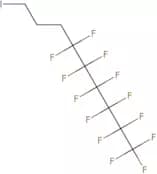
Formula:C19H23Cl2N5OPurity:Min. 97 Area-%Color and Shape:White PowderMolecular weight:408.32 g/mol3-(Perfluorohexyl)propyl iodide - stabilized with copper powder
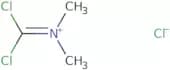
CAS:3-(Perfluorohexyl)propyl iodide is a perfluorinated compound that is stabilized with copper powder. It can be used as a monomer in the preparation of coatings and additives for high-performance polymers. 3-(Perfluorohexyl)propyl iodide has been shown to desorb from polymer surfaces in order to calibrate gas chromatographs, and can be used to analyze the effectiveness of strategies for removing this compound from the environment. This compound has been detected in various environmental media at low concentrations, including streams, wastewater effluent, soil, and air. The main route of human exposure seems to be through inhalation or ingestion of contaminated food. 3-(Perfluorohexyl)propyl iodide binds to thiomorpholine and betaines in its environment.Formula:C9H6F13IPurity:Min. 95%Color and Shape:Colorless PowderMolecular weight:488.03 g/molPhosgeneiminium chloride
CAS:Phosgeneiminium chloride is a polycarboxylic acid that is synthesized by the reaction of phosphorus pentachloride and hydroxylamine. It has been shown to have an active form with regiospecificity in nucleophilic attack and amide synthesis. Phosgeneiminium chloride can be used as a reagent for the preparation of organic compounds, such as 3-hydroxybenzoic acid, which are intermediates for medicines such as tamoxifen. This compound also shows antitumor activity against leukemia cells and may be useful for fighting cancer. The efficient method of this compound is coordination chemistry.
Formula:C3H6Cl3NPurity:Min. 95%Molecular weight:162.44 g/molRef: 3D-FP41602
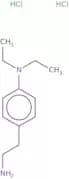
Discontinued product2-(4-Diethylaminophenyl)ethylamine dihydrochloride
CAS:2-(4-Diethylaminophenyl)ethylamine dihydrochloride is a fine chemical that belongs to the group of versatile building blocks. It is mainly used as a reagent and speciality chemical in research. 2-(4-Diethylaminophenyl)ethylamine dihydrochloride can be used as a high quality, useful intermediate or reaction component in the synthesis of complex compounds. As a scaffold, it can be used to synthesize other useful compounds.Formula:C12H20N2·2HClPurity:Min. 95%Color and Shape:PowderMolecular weight:265.22 g/molRef: 3D-FD66680
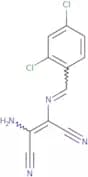
Discontinued product2-Amino-1-(1-aza-2-(2,4-dichlorophenyl)vinyl)ethene-1,2-dicarbonitrile
CAS:Please enquire for more information about 2-Amino-1-(1-aza-2-(2,4-dichlorophenyl)vinyl)ethene-1,2-dicarbonitrile including the price, delivery time and more detailed product information at the technical inquiry form on this page
Formula:C11H6Cl2N4Purity:Min. 95%Color and Shape:PowderMolecular weight:265.1 g/molRef: 3D-FA169771
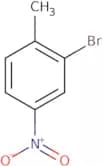
Discontinued product2-Bromo-4-nitrotoluene
CAS:2-Bromo-4-nitrotoluene (2BNT) is a mononitro substituted aromatic compound and a potent inhibitor of protein synthesis. It has been shown to have antimalarial activity, but it is not known to what extent the inhibition of protein synthesis contributes to its anti-malarial activity. 2-Bromo-4-nitrotoluene is also used in the preparation of imatinib, an anticancer drug that inhibits the growth of certain types of cancer cells. It can also be used as an inhibitor in vibrational spectroscopy.
Formula:C7H6BrNO2Purity:Min. 97.5%Color and Shape:PowderMolecular weight:216.03 g/molRef: 3D-FB02111
Discontinued productPoly(vinylidene fluoride-co-hexafluoropropylene)
CAS:Poly(vinylidene fluoride-co-hexafluoropropylene) (PVDF-HFP) is a polymer that is used in the manufacture of membranes, electrodes, and electrolytes. PVDF-HFP has been shown to be an excellent candidate for use as an electrolyte in fuel cells due to its high proton conductivity, which results from the presence of fluorine and hydrogen. PVDF-HFP also has a phase transition temperature of about 300°C.
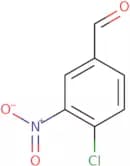
Formula:(C3F6)x•(C2H2F2)xPurity:Min. 95%Color and Shape:Powder3-Nitro-4-chlorobenzaldehyde
CAS:3-Nitro-4-chlorobenzaldehyde is a copper complex that has been used in the study of molecular interactions. The molecule has been studied by a number of techniques, including binding experiments, vibrational spectroscopy, and light emission. 3-Nitro-4-chlorobenzaldehyde has shown bacteriostatic activity against Escherichia coli and Bacillus subtilis. This compound also appears to have potential as a drug target due to its ability to inhibit the growth of Pseudomonas aeruginosa. 3-Nitro-4-chlorobenzaldehyde may be useful in the treatment of industrial processes involving nitric acid.
Formula:C7H4ClNO3Purity:Min. 95%Color and Shape:White PowderMolecular weight:185.56 g/molRef: 3D-FN53972
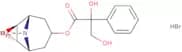
Discontinued productAnisodine hydrobromide
CAS:Anisodine hydrobromide is a compound that modulates transcriptional regulation. It has been shown to inhibit the proliferation of cultured human renal proximal cells and to reduce the development of kidney fibrosis in rats. Anisodine also inhibits locomotor activity and improves sample preparation in a statistically significant way. Anisodine hydrobromide has not been found to be toxic at doses up to 2000 mg/kg, which is its highest dose studied so far. The study used an experimental model of neurotrophic factors, soybean extract and fluorescein angiography with LC-MS/MS method as the analytical technique.
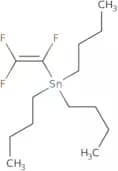
Formula:C17H22BrNO5Purity:Min. 98%Color and Shape:PowderMolecular weight:400.26 g/molTributyl(trifluoroethenyl)stannane
CAS:Controlled ProductTributyl(trifluoroethynyl)stannane is a drug that has immunosuppressive activity. It is used to treat certain cancers, including chronic lymphocytic leukemia and rheumatoid arthritis. Tributyl(trifluoroethynyl)stannane has been shown to inhibit the production of cytokines and other inflammatory mediators by macrophages, which may be due to its ability to inhibit DNA synthesis.
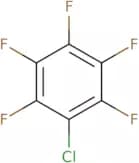
Formula:C14H27F3SnPurity:Min. 95%Molecular weight:371.07 g/molChloropentafluorobenzene
CAS:Chloropentafluorobenzene is a chemical compound with the formula CClF. It has a high vapor pressure, which makes it a useful solvent for reactions in the liquid phase. The chlorine atoms on the molecule can be replaced by other halogens to produce related compounds. The chloromethyl group is an example of this type of substitution reaction. Chloropentafluorobenzene is not genotoxic and does not react with DNA in vitro, but it can form stable complexes with nucleophiles. This suggests that it may have potential as a therapeutic agent as well as an industrial solvent.
Formula:C6ClF5Purity:Min. 95%Molecular weight:202.51 g/molRef: 3D-FC36507
Discontinued product[1-(Azepan-1-ylcarbonyl)butyl]amine hydrochloride
CAS:Controlled ProductPlease enquire for more information about [1-(Azepan-1-ylcarbonyl)butyl]amine hydrochloride including the price, delivery time and more detailed product information at the technical inquiry form on this page
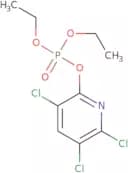
Formula:C11H22N2OPurity:Min. 95%Molecular weight:198.31 g/molChlorpyrifos oxon
CAS:Chlorpyrifos oxon is a site-specific acetylcholinesterase inhibitor that is used as a sample preparation chemical for the analysis of fatty acids, hydroxyl groups, and pharmacological agents. Chlorpyrifos oxon can be used to study the effects of sublethal doses on probiotic bacteria. It has been found that chlorpyrifos oxon inhibits the activity of human serum acetylcholinesterase by binding to its active site with high affinity. The inhibition of acetylcholinesterase by chlorpyrifos oxon prevents the hydrolysis of acetylcholine at cholinergic synapses in the brain and peripheral nervous system. This leads to accumulation of acetylcholine and an increase in stimulation of postsynaptic receptors, resulting in increased transmission across neuronal synapses. Chlorpyrifos oxon also is known to have immunomodulatory properties and has been shown to stimulate
Formula:C9H11Cl3NO4PPurity:Min. 95%Molecular weight:334.52 g/molRef: 3D-FC20412
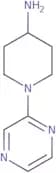
Discontinued product1-Pyrazin-2-ylpiperidin-4-amine dihydrochloride
CAS:1-Pyrazin-2-ylpiperidin-4-amine dihydrochloride is a fine chemical that is used as an intermediate for the synthesis of research chemicals, speciality chemicals and other complex compounds. This compound has been shown to be useful in the synthesis of a variety of building blocks, including pharmaceuticals and agrochemicals. It can be used in reactions with a wide range of reagents and catalysts, which makes it an excellent starting point for new product development.Formula:C9H14N4·2HClPurity:Min. 95%Color and Shape:PowderMolecular weight:251.16 g/molRef: 3D-FP123937
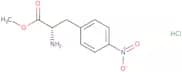
Discontinued product4-Nitro-L-phenylalanine methyl ester hydrochloride
CAS:4-Nitro-L-phenylalanine methyl ester hydrochloride is a 4-nitrophenyl derivative of L-phenylalanine. It is a useful building block, reagent, or scaffold in organic synthesis. This compound finds use as a precursor to other derivatives and it has been used in the preparation of complex compounds. 4-Nitro-L-phenylalanine methyl ester hydrochloride is also used as a reaction component for the synthesis of different organic compounds and as a useful intermediate.
Formula:C10H13N2O4ClPurity:Min. 98 Area-%Color and Shape:White PowderMolecular weight:260.67 g/molRef: 3D-FN45027
Discontinued productIsopropyl ethylphosphonochloridate
CAS:Controlled ProductPlease enquire for more information about Isopropyl ethylphosphonochloridate including the price, delivery time and more detailed product information at the technical inquiry form on this page
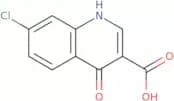
Formula:C5H12FO2PPurity:Min. 95%7-Chloro-4-hydroxyquinoline-3-carboxylic acid
CAS:7-Chloro-4-hydroxyquinoline-3-carboxylic acid is a chemical compound that has antioxidative activity and is used in the production of various organic substances. It is synthesized by reacting ammonium nitrate with a hydroxy group, an organic solvent, and phenoxy. The resulting product can be heated to form 7-chloro-4-hydroxyquinoline, which undergoes a series of reactions to produce 7-chloro-4-(2,2,2,-trichloroethoxy)quinoline. This reaction system produces a quinoline derivative that has been shown to be expressed at high levels in phosphatidylcholine (PC) and alpha-tocopherol (a vitamin E derivative). The final product is then purified by triethyl orthoformate (TEO), which removes the sulfoxide group.
Formula:C10H6ClNO3Purity:Min. 95%Color and Shape:PowderMolecular weight:223.61 g/molRef: 3D-FC44132
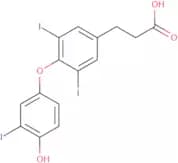
Discontinued product3,3',5-Triiodo thyropropionic acid
CAS:Triiodothyropropionic acid is a metabolite of thyroxine, an important hormone that regulates the basal metabolic rate. It has been shown to be involved in the repair mechanism of cardiac and liver cells. Triiodothyropropionic acid is also a major metabolite of thyroxine and it is produced by the action of hydroxylases on thyroxine with water vapor as the substrate. This compound has been shown to increase cardiac function and improve heart tissue repair at physiological levels. The uptake, distribution, and excretion of triiodothyropropionic acid are similar to those for thyroxine. The metabolism of triiodothyropropionic acid occurs mainly in the liver, where it is converted into fatty acids such as 3-hydroxybutyric acid. Triiodothyropropionic acid has been shown to have effects on protein genes and rat liver microsomes.
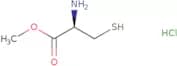
Formula:C15H11I3O4Purity:Min. 95%Color and Shape:PowderMolecular weight:635.96 g/molMecysteine hydrochloride
CAS:Mecysteine hydrochloride is a stable complex of mecysteine and hydrochloric acid. It is an ester that is formed from the reaction of methionine and hydrochloric acid in the presence of sodium citrate. This drug has been used as a skin treatment for ichthyosis, atopic dermatitis, and other skin disorders. Mecysteine hydrochloride has also been shown to be effective against symptoms caused by oxidative stress, such as swelling, redness, pain, or itching. Mecysteine hydrochloride may act by reducing the production of reactive oxygen species (ROS) and increasing antioxidant enzymes in human serum.
Formula:C4H9NO2S•HClPurity:Min. 98 Area-%Color and Shape:PowderMolecular weight:171.65 g/molRef: 3D-FM25033
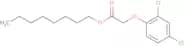
Discontinued productOctyl (2,4-dichlorophenoxy)acetate
CAS:Octyl (2,4-dichlorophenoxy)acetate is a herbicide that has high selectivity and selectivity. It is used to control grassland weeds. Octyl (2,4-dichlorophenoxy)acetate is an efficient herbicide that can be used in a variety of situations. It can be applied as a pre-emergent or post-emergent herbicide to control weeds on lawns and other turfgrass areas, or as a selective herbicide for the control of broadleaf weeds in fields and other non-crop areas. This compound is also an effective emulsifier for the preparation of various compounds with octadecyl groups. Octyl (2,4-dichlorophenoxy)acetate has been used in China to control Euphorbiae weeds.
Formula:C16H22Cl2O3Purity:Min. 95%Color and Shape:Colorless PowderMolecular weight:333.25 g/molRef: 3D-FO40433
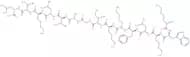
Discontinued productCecropin A (1-7)-Melittin A (2-9) amide trifluoroacetate salt
CAS:Cecropin A (1-7)-Melittin A (2-9) amide trifluoroacetate salt is a cecropin-melittin hybrid peptide that has been immobilized on cellulose nanofibers for use as an antimicrobial. It has been shown to have strong antimicrobial activity against bacillus subtilis, and the immobilization process ensures that the peptide is not released from the surface of the material. The process of coating with nanopaper and then applying the peptides provides a stable surface with high antimicrobial activity. The synthetic peptides are synthesized by solid phase synthesis using Fmoc chemistry and purified by preparative HPLC.Formula:C89H152N22O15Purity:Min. 95%Color and Shape:PowderMolecular weight:1,770.3 g/molRef: 3D-FC109665
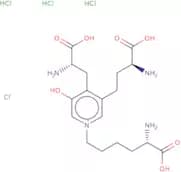
Discontinued productDeoxypyridinoline chloride 3HCl
CAS:Deoxypyridinoline chloride 3HCl is a fine chemical that is used as a building block in the synthesis of organic compounds. Deoxypyridinoline chloride 3HCl can be used as a reagent and speciality chemical in research laboratories, as well as in the manufacture of pharmaceuticals and other organic molecules. Deoxypyridinoline chloride 3HCl is also versatile, serving as an intermediate to produce other chemicals, or as a reaction component to produce complex products with specialized properties. The compound has been registered by the Chemical Abstracts Service (CAS) under CAS No. 204074-56-6.
Formula:C18H32Cl4N4O7Purity:Min. 95%Color and Shape:PowderMolecular weight:558.28 g/molRef: 3D-FD21063
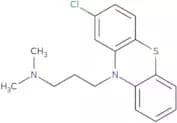
Discontinued productChlorpromazine
CAS:Controlled ProductDopamine receptor antagonist; antipsychotic; inhibitor of HSP27
Formula:C17H19ClN2SPurity:Min. 95%Molecular weight:318.86 g/molRef: 3D-FC40106
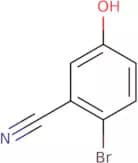
Discontinued product2-Bromo-5-hydroxybenzonitrile
CAS:2-Bromo-5-hydroxybenzonitrile is a chemical compound that is used in research and organic synthesis. It can be used to synthesise 2-bromo-5-hydroxybenzoic acid, which has been shown to have anticancer activity.
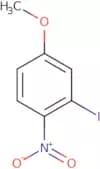
2-Bromo-5-hydroxylbenzonitrile was synthesized by bromination of 5-hydroxybenzonitrile with NBS. The resulting product was purified by distillation and then recrystallized from ethanol.Formula:C7H4BrNOPurity:Min. 95%Color and Shape:PowderMolecular weight:198.02 g/mol4-Nitro-3-iodoanisole
CAS:4-Nitro-3-iodoanisole is a bauerine that is used as a ligand in asymmetric catalysis. It is an atropisomeric compound, meaning it can exist in two different forms. The two forms of 4-nitro-3-iodoanisole are identical except for the orientation of the axial ligands on opposite sides of the molecule. The axial ligands on one form are biphenyl and nitrous oxide, while the axial ligands on the other form are nitrous oxide and biphenyl. 4-Nitro-3-iodoanisole has been used to catalyze reactions such as alkylation and coupling reactions with a variety of substrates, including β-carbolines, phenols, and amines.
Formula:C7H6INO3Purity:Min. 95%Color and Shape:PowderMolecular weight:279.03 g/molRef: 3D-FN67687
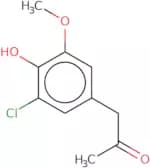
Discontinued product(5-Chloro-4-hydroxy-3-methoxyphenyl)acetone
CAS:(5-Chloro-4-hydroxy-3-methoxyphenyl)acetone is a high quality reagent that is useful as an intermediate in the synthesis of complex compounds. It can be used to synthesize a wide range of fine chemicals, such as pharmaceuticals, pesticides, and fragrances. (5-Chloro-4-hydroxy-3-methoxyphenyl)acetone is also a versatile building block for the synthesis of speciality chemicals. This compound has been shown to react with other compounds to form reaction components for research purposes.
Formula:C10H11ClO3Purity:Min. 95%Molecular weight:214.65 g/molRef: 3D-FC66870
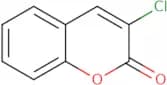
Discontinued product3-Chlorochromen-2-one
CAS:3-Chlorochromen-2-one is a reactive, anhydrous sodium fatty acid. It is a stable compound with biological properties and has been studied extensively in biological studies. 3-Chlorochromen-2-one has been used as a fluorogenic probe for nucleophilic attack and as a substrate for the synthesis of coumarin derivatives. The molecule emits light at 534 nm in the presence of deuterium isotope. This chemical can be used to treat cervical cancer cells by reacting with chloride ions to form chloroform, which inhibits cell growth and results in cancer cell death.
Formula:C9H5ClO2Purity:Min. 98 Area-%Color and Shape:PowderMolecular weight:180.59 g/molRef: 3D-FC55043
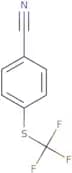
Discontinued product4-(Trifluoromethylthio)benzonitrile
CAS:4-(Trifluoromethylthio)benzonitrile is a chemical that is used as a scaffold in the synthesis of other chemicals. It can be used as a building block for complex compounds and as a starting material for research chemicals. This chemical has been reported to have high purity and quality, and it has been found to be useful as an intermediate. 4-(Trifluoromethylthio)benzonitrile is also versatile and can be used as an intermediate for organic synthesis or as a reagent in chemical reactions. It has CAS number 332-26-3.
Formula:C8H4F3NSPurity:Min. 95%Color and Shape:Off-White PowderMolecular weight:203.19 g/molRef: 3D-FT70606
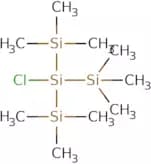
Discontinued productChlorotris(trimethylsilyl)silane
CAS:Chlorotris(trimethylsilyl)silane is a chlorosilane with a trifluoromethyl group and one other organic group. It can be prepared by thermal decomposition of chlorotrimethylsilane. Chlorotris(trimethylsilyl)silane has been used in the synthesis of branched-chain alkanes and cycloalkanes, as well as in the preparation of molecular fragments for use in organometallic syntheses. This molecule absorbs ultraviolet light strongly at 254 nm, making it useful for measurements of UV absorption spectra.
Formula:C9H27ClSi4Purity:Min. 95 Area-%Color and Shape:White PowderMolecular weight:283.11 g/molRef: 3D-FC61091
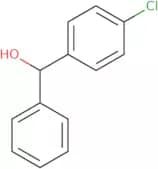
Discontinued product4-Chlorodiphenylcarbinol
CAS:The asymmetric synthesis of 4-chlorodiphenylcarbinol is an efficient method that uses a simple, inexpensive, and environmentally friendly reagent. The reaction proceeds in the presence of hydrochloric acid and sodium hydroxide solution. The reaction mechanism is the same as for the preparation of other chiral alcohols. The stereoselective preparation method is based on the use of glycol esters or trifluoroacetic acid to produce enantiomerically pure 4-chlorodiphenylcarbinol, which can be used as a precursor for pharmaceuticals, pesticides, and dyes.
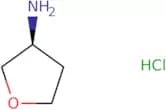
Formula:C13H11ClOPurity:Min. 95%Color and Shape:PowderMolecular weight:218.68 g/mol(S)-Tetrahydrofuran-3-amine hydrochloride
CAS:Please enquire for more information about (S)-Tetrahydrofuran-3-amine hydrochloride including the price, delivery time and more detailed product information at the technical inquiry form on this page
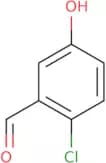
Formula:C4H9NO•HClPurity:Min. 95%Color and Shape:SolidMolecular weight:123.58 g/mol2-Chloro-5-hydroxybenzaldehyde
CAS:2-Chloro-5-hydroxybenzaldehyde is an organic compound that can be used as a starting material for the synthesis of many other chemicals. It is a building block for the production of high quality and fine chemicals, such as research chemicals and speciality chemicals. 2-Chloro-5-hydroxybenzaldehyde also has versatile uses in chemical reactions, such as condensation reactions, nucleophilic substitution reactions, and electrophilic addition reactions. The CAS number of this chemical is 7310-94-3.
Formula:C7H5ClO2Purity:Min. 98 Area-%Color and Shape:PowderMolecular weight:156.57 g/molRef: 3D-FC67157
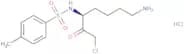
Discontinued productN-alpha-Tosyl-L-lysine chloromethyl ketone HCl
CAS:N-alpha-Tosyl-L-lysine chloromethyl ketone HCl is a chemical compound that binds to DNA. It has been shown to induce neuronal death and caspase-independent cell death in HL60 cells. The compound can also be used as a biochemical probe to study the apoptosis pathway. N-alpha-Tosyl-L-lysine chloromethyl ketone HCl is currently being investigated as an antiinflammatory agent for chronic coughs due to its ability to inhibit proteases.Formula:C14H21ClN2O3S·HClPurity:Min. 95%Color and Shape:PowderMolecular weight:369.31 g/molRef: 3D-FT28926
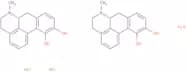
Discontinued product(R)-Apomorphine hydrochloride hemihydrate
CAS:Apomorphine hydrochloride is the salt form of apomorphine, a morphine derivative D2 dopamine agonist. The high selectivity for D2, D3, D4 and D5 receptors makes apomorphine hydrochloride a possible drug candidate and it is in clinical trials for diagnosis and treatment of Parkinsons disease. Moreover, apomorphine and apomorphine hydrochloride have been investigated in diverse studies for treating movement disorders.
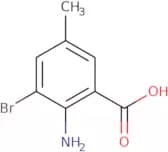
Formula:C17H17NO2•HCl•(H2O)0Purity:Min. 95%Color and Shape:White PowderMolecular weight:312.79 g/mol2-Amino-3-bromo-5-methylbenzoic acid
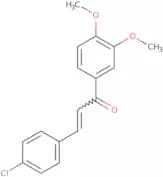
CAS:2-Amino-3-bromo-5-methylbenzoic acid is a fatty acid that belongs to the group of undescribed organic acids. It is found in soil as well as in organisms such as bacteria and fungi. The 2-Amino-3-bromo-5-methylbenzoic acid molecule has been shown to be an antibiotic, inhibiting the growth of bacterial strains belonging to the phyla Actinobacteria and Proteobacteria. It may also be present in plants, where it is channeled out through the roots. This fatty acid also has nucleobase properties, which are essential for DNA replication.br>br> span style="font-size: 12px;">2 Amino 3 bromo 5 methyl benzoic acid (2ABMB) was first isolated from soil samples collected from a site near Beijing, China. It is one of many undescribed organic acids that are foundFormula:C8H8BrNO2Purity:Min. 95%Color and Shape:PowderMolecular weight:230.06 g/mol4-Chloro-3',4'-dimethoxychalcone
CAS:Please enquire for more information about 4-Chloro-3',4'-dimethoxychalcone including the price, delivery time and more detailed product information at the technical inquiry form on this page
Purity:Min. 95%5-Amino-1,3-dimethyl-1,3-dihydro-2H-benzimidazol-2-one dihydrochloride
CAS:5-Amino-1,3-dimethyl-1,3-dihydro-2H-benzimidazol-2-one dihydrochloride (5ADMB) is a high quality reagent that is used as a complex compound. It has been shown to be useful in the synthesis of various compounds and is a fine chemical that can be used as a building block. 5ADMB has also been shown to be an excellent scaffold for the synthesis of benzo[b]thiophenes. This compound is also useful as a research chemical or specialty chemical. 5ADMB can be used in organic syntheses as a versatile building block and it reacts with nucleophiles such as alcohols and amines to form substituted derivatives. It has an appearance of white solid powder and its CAS number is 1986846-08-5.
Formula:C9H11N3O·2HClPurity:Min. 95%Color and Shape:PowderMolecular weight:250.12 g/molRef: 3D-FA120120
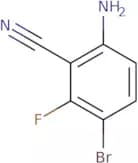
Discontinued product2-Cyano-3-fluoro-4-bromo aniline
CAS:2-Cyano-3-fluoro-4-bromo aniline is a plant growth regulator that can be used to prevent and control the spread of viral diseases in plants. 2-Cyano-3-fluoro-4-bromo aniline inhibits the replication of influenza virus strains by binding to the viral coat protein. It also has been shown to inhibit proteolytic enzymes when applied as a coating on particles. The main mechanism of this compound is through its ability to bind to regulatory proteins, which prevents them from binding with other regulatory proteins and activating transcription factors. The expression profile suggests that this compound may regulate the expression of genes involved in plant development, cell division, and response to stress.
Formula:C7H4BrFN2Purity:Min. 95%Color and Shape:PowderMolecular weight:215.02 g/molRef: 3D-FC30099
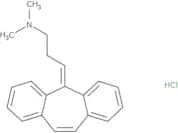
Discontinued productCyclobenzaprine hydrochloride
CAS:Antagonist of serotonin 5HT-2, histamine H1 and α-adrenergic receptors
Formula:C20H21N·ClHPurity:Min. 95%Color and Shape:White PowderMolecular weight:311.85 g/mol



![2,2-Difluoro-2-[1,1,2,2-tetrafluoro-2-(trifluoromethoxy)ethoxy]acetic acid](/_next/image/?url=https%3A%2Fstatic.cymitquimica.com%2Fproducts%2F3D%2Fthumb-webp%2FFD99821.webp&w=3840&q=75)
![[1-(Azepan-1-ylcarbonyl)butyl]amine hydrochloride](/_next/image/?url=https%3A%2Fstatic.cymitquimica.com%2Fproducts%2F3D%2Fthumb-webp%2FFA130693.webp&w=3840&q=75)