Organic Halides
Subcategories of "Organic Halides"
Found 20442 products of "Organic Halides"
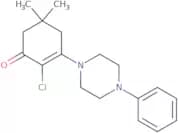
2-Chloro-5,5-dimethyl-3-(4-phenylpiperazinyl)cyclohex-2-en-1-one
CAS:Please enquire for more information about 2-Chloro-5,5-dimethyl-3-(4-phenylpiperazinyl)cyclohex-2-en-1-one including the price, delivery time and more detailed product information at the technical inquiry form on this pageFormula:C18H23ClN2OPurity:Min. 95%Color and Shape:PowderMolecular weight:318.84 g/molRef: 3D-FC169651
Discontinued product1-(3-Chlorophenyl) thiourea
CAS:1-(3-Chlorophenyl) thiourea is a curcumin analog that has been shown to inhibit the epidermal growth factor (EGF) receptor. It is synthesized from 1,2-dichlorobenzene and urea in a two-step process. The anhydrous potassium carbonate is first converted to the potassium salt with an acid chloride. The second step is the reaction of this salt with urea in the presence of excess anhydrous potassium carbonate. This product has been shown to be effective against cancer cells and may be used as a potential anticancer agent for treatment of skin cancer. 1-(3-Chlorophenyl) thiourea inhibits EGF receptor by binding to it and preventing its activation, which prevents cell proliferation and reduces tumor size.
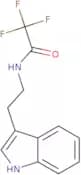
Purity:Min. 95%2,2,2-trifluoro-N-(2-indol-3-ylethyl)ethanamide
CAS:2,2,2-Trifluoro-N-(2-indol-3-ylethyl)ethanamide is a synthetic indole that can be used as an intermediate for the synthesis of carbamates.
Formula:C12H11F3N2OPurity:Min. 95%Color and Shape:PowderMolecular weight:256.22 g/molRef: 3D-FT169022
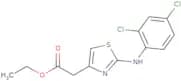
Discontinued productEthyl 2-(4-(2,4-dichlorophenylamino)-3,5-thiazolyl)acetate
CAS:Please enquire for more information about Ethyl 2-(4-(2,4-dichlorophenylamino)-3,5-thiazolyl)acetate including the price, delivery time and more detailed product information at the technical inquiry form on this page
Purity:Min. 95%Ref: 3D-FE169285
Discontinued productMetazachlor 3-Mercaptolactic Acid Conjugate Sulfoxide
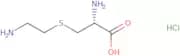
CAS:Controlled ProductFormula:C17H21N3O5SColor and Shape:Off-WhiteMolecular weight:379.43S-Aminoethyl-L-cysteine hydrochloride
CAS:S-Aminoethyl-L-cysteine hydrochloride is an amino acid that is used in the diagnosis of metabolic disorders. It has been found to have a high concentration in plasma and can be used to measure the activity of bowel disease. S-Aminoethyl-L-cysteine hydrochloride is also used as a diagnostic marker for inflammatory diseases. It is extensively metabolized by acidic hydrolysis, which results in the release of chloride ions and amines.
Formula:C5H12N2O2S·HClPurity:Min. 95%Color and Shape:White PowderMolecular weight:200.69 g/molRef: 3D-FA47667
Discontinued product2-(Trifluoroacetamido)Ethylamine Hydrochloride
CAS:Please enquire for more information about 2-(Trifluoroacetamido)Ethylamine Hydrochloride including the price, delivery time and more detailed product information at the technical inquiry form on this page
Formula:C4H7F3N2OPurity:Min. 95%Molecular weight:156.11 g/molRef: 3D-FT89649
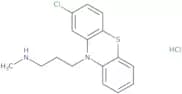
Discontinued productDemethyl chlorpromazine hydrochloride
CAS:Chlorpromazine is a phenothiazine antipsychotic drug that is used to treat schizophrenia and other mental disorders. It is also used in the treatment of nausea, vomiting, and hiccups. Chlorpromazine binds to the D2 receptor in the brain, which blocks dopamine from binding to this receptor. In addition to its effects on dopamine receptors, chlorpromazine also inhibits phosphodiesterase activity and n-oxide formation. These effects are thought to be responsible for chlorpromazine's ability to inhibit tumor growth and prolong survival in some cancer patients. Chlorpromazine has been shown to inhibit filamentous fungi by inhibiting kinesin-like proteins that are essential for cell division. This drug also has low potency against cyclic nucleotide phosphodiesterases (PDEs) and may act as an inhibitor of PDE4B1 which is involved in the inflammatory response.
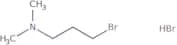
Formula:C16H18Cl2N2SPurity:Min. 95%Color and Shape:White/Off-White SolidMolecular weight:341.3 g/mol3-Bromo-N,N-dimethylpropan-1-amine hydrobromide
CAS:Please enquire for more information about 3-Bromo-N,N-dimethylpropan-1-amine hydrobromide including the price, delivery time and more detailed product information at the technical inquiry form on this page
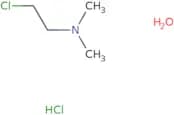
Purity:Min. 95%2-Chloro-N,N-dimethylethanamine hydrochloride hydrate
Controlled ProductPlease enquire for more information about 2-Chloro-N,N-dimethylethanamine hydrochloride hydrate including the price, delivery time and more detailed product information at the technical inquiry form on this page
Formula:C4H13Cl2NOPurity:Min. 95%Molecular weight:162.06 g/molRef: 3D-FC139987
Discontinued productEtifoxine hydrochloride
CAS:Controlled ProductEtifoxine hydrochloride is a drug that has been used in the treatment of asthma and other pulmonary diseases. It is a potent inhibitor of phospholipase A2, which modulates the production of inflammatory mediators. Etifoxine hydrochloride has been shown to have neurotrophic effects, with potential for clinical use in the treatment of neurodegenerative disorders such as Alzheimer's disease and Parkinson's disease. This drug also has anti-inflammatory properties due to its inhibition of prostaglandin synthesis. Etifoxine hydrochloride acts as an agonist on receptors, which may be responsible for some of its biological properties, including thermal expansion and axonal growth. In addition, this drug is a competitive inhibitor of the enzyme poly(ADP-ribose) polymerase (PARP), which is involved in DNA repair and cell division.
Formula:C17H18Cl2N2OPurity:Min. 95%Molecular weight:337.24 g/molRef: 3D-FE23188
Discontinued product2-(Aminomethyl)-1,3-benzothiazole hydrochloride
CAS:Please enquire for more information about 2-(Aminomethyl)-1,3-benzothiazole hydrochloride including the price, delivery time and more detailed product information at the technical inquiry form on this page
Formula:C8H8N2S·HClPurity:Min. 95%Molecular weight:200.69 g/molRef: 3D-FA76419
Discontinued product2,2’,3,3’,4,4’,5,5’,6-Nonabromobiphenyl
CAS:Controlled ProductPlease enquire for more information about 2,2’,3,3’,4,4’,5,5’,6-Nonabromobiphenyl including the price, delivery time and more detailed product information at the technical inquiry form on this page
Formula:C12HBr9Purity:Min. 95%Molecular weight:864.27 g/molRef: 3D-FN165606
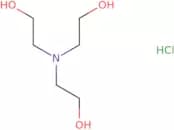
Discontinued productTriethanolamine hydrochloride
CAS:Controlled ProductTriethanolamine hydrochloride, widely known as TEA-HCl, is a buffer used in biochemistry to maintain a stable pH in the range of 7.3 to 8.3 during processes like protein extraction and purification. They are also used in enzyme assays.
Formula:C6H15NO3·HClPurity:Min. 95%Color and Shape:PowderMolecular weight:185.65 g/molRef: 3D-FT46965
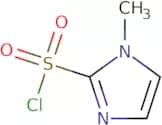
Discontinued product1-Methylimidazole-2-sulfonyl chloride
CAS:1-Methylimidazole-2-sulfonyl chloride is a synthetic estrogen that is used for the treatment of estrogen deficiency in women. It has been shown to increase plasma estradiol levels and reduce plasma testosterone levels. This drug is not active at physiological levels, but was found to have biological relevance when administered at higher doses. 1-Methylimidazole-2-sulfonyl chloride has been found to be effective in the treatment of cancer in humans, with a specific effect on breast cancer cells.
Formula:C4H5ClN2O2SPurity:Min. 95%Molecular weight:180.61 g/molRef: 3D-FM158781
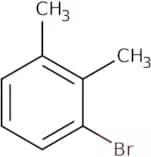
Discontinued product3-bromo-o-xylene
CAS:3-bromo-o-xylene is a xylene that has been shown to react with nucleophiles, such as ammonia and alcohols, by way of nucleophilic substitution. It can be used as a solvent for carboxylic acid derivatives and is also used in the production of ethyl formate. The most important use of 3-bromo-o-xylene is its conversion to 3-bromopropanoic acid (3BPA). This conversion can be achieved through a reaction with an inorganic acid or an organic acid, such as sulfamic acid or trifluoroacetic acid. Another method of conversion is called Grignard reagent synthesis. This process involves the reaction of 3-bromopropene with magnesium metal and an alkyl halide, such as methyl chloride. In addition, 3BPA can be prepared by hydrolysis using hydrochloric acid or potassium phosphate in the presence of b
Formula:C8H9BrPurity:Min. 95%Color and Shape:Clear LiquidMolecular weight:185.06 g/molRef: 3D-FB64662
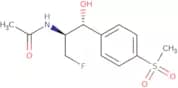
Discontinued productDideschloro florfenicol
CAS:Controlled ProductPlease enquire for more information about Dideschloro florfenicol including the price, delivery time and more detailed product information at the technical inquiry form on this page
Formula:C12H16FNO4SPurity:Min. 95%Molecular weight:289.32 g/molRef: 3D-FD21738
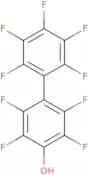
Discontinued productNonafluoro-4-hydroxybiphenyl
CAS:Please enquire for more information about Nonafluoro-4-hydroxybiphenyl including the price, delivery time and more detailed product information at the technical inquiry form on this page
Formula:C12HF9OPurity:Min. 95%Molecular weight:332.12 g/mol8-Chloro-1-methyl-2,3,4,5-tetrahydro-1H-benzo[d]azepine
CAS:Controlled Product8-Chloro-1-methyl-2,3,4,5-tetrahydro-1H-benzo[d]azepine is an antipsychotic drug that is a member of the class of drugs known as serotonin receptor antagonists. It is a synthetic process that has been used to produce antidepressant and antipsychotic drugs. This drug was first synthesized in 1966 by chemists at Smith Kline & French Laboratories as part of a program to develop novel antidepressants. 8-Chloro-1-methyl-2,3,4,5-tetrahydro-1H-benzo[d]azepine is one of the few antipsychotics that does not cause extrapyramidal side effects such as tardive dyskinesia. The enantiomers are active with the (S) form being more potent than the (R) form.Formula:C11H14ClNPurity:Min. 95%Molecular weight:195.69 g/molRef: 3D-FC148171
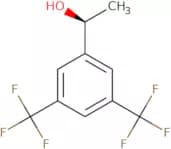
Discontinued product(S)-3',5'-Bis(trifluoromethyl)-1-phenethanol
CAS:(S)-3',5'-Bis(trifluoromethyl)-1-phenethanol is a choline derivative that is used in the treatment of liver cancer. It has been shown to increase the permeability of cell membranes and to suppress the growth of tumor cells by inhibiting protein synthesis. (S)-3',5'-Bis(trifluoromethyl)-1-phenethanol can be used as a surfactant and a hydrophobic solvent for optimization of reaction parameters. This chemical also has been shown to be active against Gram-positive bacteria such as Staphylococcus aureus and Enterococcus faecalis, but not against Gram-negative bacteria such as Escherichia coli or Pseudomonas aeruginosa. The mechanism of this effect is mediated by chloride ions that act as bioreductive agents on cellular membranes, leading to increased permeability and cell death.
Formula:C10H8F6OPurity:Min. 95%Molecular weight:258.16 g/molRef: 3D-FB18756
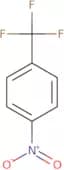
Discontinued product4-Nitrobenzotrifluoride
CAS:4-Nitrobenzotrifluoride is a chemical with the formula C6H3N3O2F3. It is a white solid that is soluble in organic solvents and insoluble in water. The compound has been used as a precursor to other compounds, including 4-nitrobenzoic acid, 4-nitrophenol, and 2,4-dinitrobenzenesulfonic acid. The nitro group of this compound can be reduced to an amine by reaction with hydroxide solution. This reaction is exothermic and produces hydrogen gas as a byproduct. Further reactions involving the nitro group can be performed in the presence of aryl chlorides or alkali metals such as potassium or sodium hydroxide. These reactions yield products that have the functional groups RNH2, RCOOH, and RN=C=O. The product of these reactions can be identified using nuclear magnetic resonance spectroscopy
Formula:C7H4F3NO2Purity:Min. 95%Molecular weight:191.11 g/molRef: 3D-FN97995
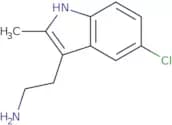
Discontinued product2-(5-chloro-2-methyl-1H-indol-3-yl)ethanamine
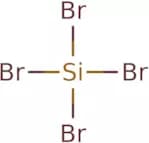
CAS:Controlled ProductPlease enquire for more information about 2-(5-chloro-2-methyl-1H-indol-3-yl)ethanamine including the price, delivery time and more detailed product information at the technical inquiry form on this pageFormula:C11H13ClN2Purity:Min. 95%Molecular weight:208.69 g/molSilicon tetrabromide
CAS:Silicon tetrabromide is a chemical compound that is reactive and has the chemical formula SiBr4. This compound is prepared by reacting ethylene diamine with water vapor over a solid catalyst such as phosphorus pentoxide. Silicon tetrabromide can be used as a catalyst in various organic reactions, such as the production of glycerin from the reaction of halides and glycerin. Silicon tetrabromide can also be used to produce low energy silicon radicals from aromatic hydrocarbons, which are useful for structural analysis.
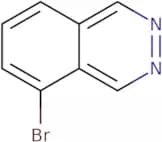
Formula:Br4SiPurity:Min. 95%Color and Shape:Clear LiquidMolecular weight:347.7 g/mol5-Bromophthalazine
CAS:5-Bromophthalazine is a hydrazine that has planar, two-dimensional molecular geometry. It forms hemihydrates with hydrogen bonds and has the chemical formula CHBrN. This compound has been shown to inhibit the growth of bacteria such as Mycobacterium tuberculosis by inhibiting RNA synthesis. 5-Bromophthalazine is also active against fungi and plants.
Formula:C8H5BrN2Purity:Min. 95%Molecular weight:209.04 g/molRef: 3D-FB46244
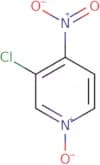
Discontinued product3-Chloro-4-nitropyridine 1-oxide
CAS:3-Chloro-4-nitropyridine 1-oxide is the condensation product of 2-chloro-3-nitropyridine and nitric acid. 3-Chloro-4-nitropyridine 1-oxide has an isomeric nature and can be purified by recrystallization from water. The compound has a molecular weight of 286.1 g/mol and a monoclinic crystal structure. It has two n-oxides, which are isomers of each other, with nmr spectra that differ by the shift in the chemical shifts of the protons on the aromatic ring. 3-Chloro-4-nitropyridine 1-oxide condenses with lanthanides to form lanthanide complexes, such as Eu(III)(3,5'-ClO 4 ) 2 . This compound is also used in the synthesis of phenoxathiine derivatives that have antihypertensive activity.
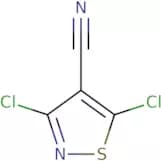
Formula:C5H3ClN2O3Purity:Min. 95%Molecular weight:174.54 g/mol3,5-Dichloroisothiazole-4-carbonitrile
CAS:3,5-Dichloroisothiazole-4-carbonitrile is used as a reagent in organic synthesis. It is a regiospecifically chlorinated derivative of 3,5-dichloroisonicotinamide that can be prepared by reacting ethyl bromoacetate with chlorosulfonyl isocyanate. This compound reacts with phenols to give 3-chloro-1,2,4-benzothiadiazoles and other products. The reaction is catalysed by alkalis and reactive chlorine compounds such as chlorine gas or chlorosulfonic acid. 3,5-Dichloroisothiazole-4-carbonitrile also reacts with amines to give amides. 3,5-Dichloroisothiazole-4-carbonitrile reacts with halogens to form alkyl halides or alkyl sulfonates.Formula:C4Cl2N2SPurity:Min. 95 Area-%Color and Shape:PowderMolecular weight:179.03 g/molRef: 3D-FD141510
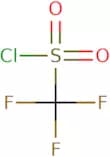
Discontinued productTrifluoromethanesulfonyl chloride
CAS:Trifluoromethanesulfonyl chloride is a reactive chemical that reacts with nucleophilic groups in biological molecules. It is used for the treatment of infectious diseases and metabolic disorders. Trifluoromethanesulfonyl chloride has been shown to have receptor activity against various microorganisms, including resistant strains. Structural analysis has shown that the active form of trifluoromethanesulfonyl chloride binds to malonic acid and other coumarin derivatives. This binding prevents the formation of hydrogen bonds, which would otherwise stabilize the molecule, leading to its degradation. Trifluoromethanesulfonyl chloride also reacts with magnesium salt to produce trifluoroacetic acid, which is an organic solvent that can be used as a reaction medium or a reagent in organic synthesis.
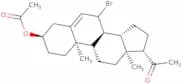
Formula:CClF3O2SPurity:Min. 95%Molecular weight:168.52 g/mol7-Bromo-3-O-acetyl pregnenolone
CAS:Controlled ProductPlease enquire for more information about 7-Bromo-3-O-acetyl pregnenolone including the price, delivery time and more detailed product information at the technical inquiry form on this page
Formula:C23H33BrO3Purity:Min. 95%Molecular weight:437.41 g/molRef: 3D-FB19128
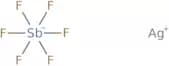
Discontinued productSilver hexafluoroantimonate(V)
CAS:Silver hexafluoroantimonate is a polymeric matrix that is used for its reaction mechanism. The hydroxyl group on the surface of the silver hexafluoroantimonate reacts with hydrochloric acid to produce hydrogen fluoride and an ionic silver chloride complex. Silver hexafluoroantimonate can also be synthesized by cationic polymerization, which involves a coordination complex between the metal and the nitrogen atoms. This coordination geometry allows for hydrogen bonding interactions.
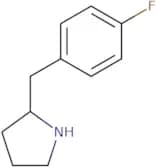
Formula:AgSbF6Purity:Min. 95%Color and Shape:White PowderMolecular weight:343.62 g/mol2-(4-Fluoro-benzyl)pyrrolidine
CAS:Controlled ProductPlease enquire for more information about 2-(4-Fluoro-benzyl)pyrrolidine including the price, delivery time and more detailed product information at the technical inquiry form on this page
Formula:C11H14FNPurity:Min. 95%Molecular weight:179.23 g/molRef: 3D-FF50930
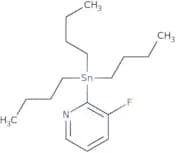
Discontinued product3-Fluoro-2-(tributylstannyl)pyridine
CAS:Controlled ProductPlease enquire for more information about 3-Fluoro-2-(tributylstannyl)pyridine including the price, delivery time and more detailed product information at the technical inquiry form on this page
Formula:C17H30FNSnPurity:Min. 95%Molecular weight:386.14 g/molRef: 3D-FF99873
Discontinued productAlfentanil hydrochloride
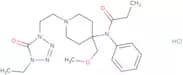
CAS:Controlled ProductAlfentanil is an opioid analgesic that is used for the treatment of severe or acute pain. It is a potent synthetic analog of fentanyl, which is an opioid analgesic that is used for the treatment of short-term (acute) and long-term (chronic) pain. Alfentanil has been shown to have a high affinity for α1-acid glycoprotein, which has been associated with drug interactions and blood sampling. Alfentanil also has chemical stability in experimental models and does not interact with nonsteroidal anti-inflammatory drugs. This drug may have a matrix effect on the concentration of cortisol in the blood.
Formula:C21H33ClN6O3Purity:Min. 95%Molecular weight:452.98 g/molRef: 3D-FA17276
Discontinued product2,4-Difluorobromobenzene
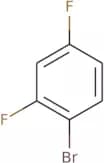
CAS:2,4-Difluorobromobenzene is an efficient method for synthesizing a variety of fluorinated arenes. It is a member of the class of compounds known as fluoroarenes. The synthesis starts with 2-bromobenzene, which reacts with butyllithium in the presence of trifluoroacetic acid to form 2-bromo-4-fluorobenzene. This compound can then be converted to the desired product by treatment with activated carbon or photochromic agents such as benzophenone and tetracyanoethylene. 2,4-Difluorobromobenzene can also be used as a synthetic intermediate for antifungal agents such as fluconazole and it has been shown to have some activity against Cryptococcus neoformans.
Formula:C6H3BrF2Purity:Min. 95%Molecular weight:192.99 g/molRef: 3D-FD16010
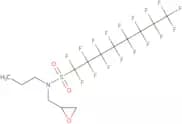
Discontinued productN-Propyl-N-(2,3-epoxypropyl)perfluoro-n-octylsulfonamide
CAS:Controlled ProductPlease enquire for more information about N-Propyl-N-(2,3-epoxypropyl)perfluoro-n-octylsulfonamide including the price, delivery time and more detailed product information at the technical inquiry form on this page
Formula:C14H12F17NO3SPurity:Min. 95%Molecular weight:597.29 g/molDichloromethylsilane
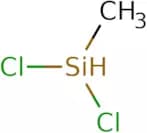
CAS:Dichloromethylsilane (DCS) is a chemical compound that is used in the synthesis of silicone rubber, silicone elastomers, and silicone sealants. It can also be used as a cross-linking agent for polymers such as polyurethane, epoxy resin, and silicone. The synthesis of DCS is achieved by reacting chlorosilanes with methyl alcohol or methyl chloride in the presence of an acid catalyst. DCS exhibits high chemical stability and can be activated at room temperature. This product has been shown to be useful for fabricating medical devices that are implanted into the human body because it does not react with water or blood.
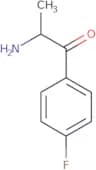
Formula:CH4Cl2SiPurity:Min. 95%Molecular weight:115.03 g/mol2-Amino-1-(4-fluorophenyl)-1-propanone
CAS:Controlled Product2-Amino-1-(4-fluorophenyl)-1-propanone (Fluoroamphetamine) is a chemical that binds to the serotonin transporter, which is responsible for the reuptake of serotonin into the presynaptic neuron. Fluoroamphetamine has been shown to lower empathy and increase feelings of reward in animals. This drug has no significant effect on dopamine and noradrenaline levels but does cause an increase in metabolic acidosis. Fluoroamphetamine is most often used by analytical laboratories as a synthetic intermediate, but it can also be used as a strategy to develop specific antidotes against serotonin blockers. Fluoroamphetamine's health effects are similar to those of amphetamine with regards to cardiovascular risks and addictive potential.
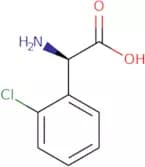
Formula:C9H10FNOPurity:Min. 95%Molecular weight:167.18 g/molD-(+)-2-ChlorophenylglycIne
CAS:D-(+)-2-Chlorophenylglycine is a synthetic, chiral aldehyde that serves as an industrial solvent. It is used to produce other organic compounds and has been shown to cause environmental pollution. D-(+)-2-Chlorophenylglycine is also used in the synthesis of thiourea and organocatalysts. This compound is synthesized from quinidine and enantiomeric (D or L) thionyl chloride, which are both manufactured on an industrial scale. The stereoselective process for D-(+)-2-chlorophenylglycine involves the use of a chiral catalyst.
Purity:Min. 95%Ref: 3D-FC39658
Discontinued product1-Bromo-3,4,5-trifluorobenzene
CAS:1-Bromo-3,4,5-trifluorobenzene is a chemical compound that belongs to the trimethyl group. It is synthesized from cyclohexane by dehydration and chlorination. 1-Bromo-3,4,5-trifluorobenzene has been shown to have a redox potential of -0.76 V vs. Ag/AgCl and is therefore an electron donor in reactions with electron acceptors such as chloride or multi-walled carbon nanotubes. The synthesis process for this compound involves a Suzuki coupling reaction between bromine and phenylacetylene followed by hydrolysis of the resulting intermediate to produce 2-bromopropane. The final step in the synthetic process involves the treatment of the intermediate with hydrogen fluoride to yield 1-bromo-3,4,5-trifluorobenzene. This chemical can be used as an industrial solvent for organic sol
Formula:C6H2BrF3Purity:Min. 95%Color and Shape:Clear LiquidMolecular weight:210.98 g/molRef: 3D-FB64568
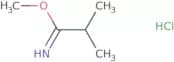
Discontinued productMethyl 2-methylpropanimidic acid hydrochloride
CAS:Methyl 2-methylpropanimidic acid hydrochloride is a neutralizing agent that can be used to react with water, acids, and bases. It has been shown to react with gaseous compounds at temperatures as high as 200°C. Methyl 2-methylpropanimidic acid hydrochloride is soluble in organic solvents such as alcohols, ethers, and acetone and can be used to prepare esters by reacting with the corresponding alcohol or phenol. In addition, it has been shown to interact with haloalkyl groups and oxazinones. This compound also has nod-like receptor binding properties that have been shown to play a role in mediating the transport of organic solutions into cells. A receptor protein that reacts with methyl 2-methylpropanimidic acid hydrochloride has been identified in some organisms. The stereostructure of this compound resembles that of triazines and other organometallic compounds.
Formula:C5H11NO·HClPurity:Min. 95%Molecular weight:137.61 g/molRef: 3D-FM53669
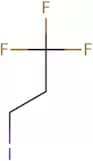
Discontinued product1,1,1-Trifluoro-3-iodopropane
CAS:1,1,1-Trifluoro-3-iodopropane is a coordination compound that is used as an additive in the production of polymers. It has been shown to be an effective γ-secretase inhibitor in vitro and in vivo. This drug prevents the formation of β-amyloid protein by blocking proteolytic cleavage of amyloid precursor protein (APP). 1,1,1-Trifluoro-3-iodopropane has also shown potential as a therapeutic agent for Alzheimer’s disease. The toxicity of this drug has been studied using a variety of methods. These studies have shown that this drug is not toxic to cells in culture and does not cause DNA damage or mutagenicity. 1,1,1-Trifluoro-3-iodopropane inhibits the enzyme triazolo metathesis reactions in alkene synthesis and alkylation reactions with pentene.
Formula:C3H4F3IPurity:Min. 95%Color and Shape:Colourless To Pink Clear LiquidMolecular weight:223.96 g/molRef: 3D-FT45224
Discontinued productrac 1,2-dioleoyl-3-chloropropanediol
CAS:Rac-1,2-dioleoyl-3-chloropropanediol is a fatty acid and can be used for the preparation of isotopically labelled fatty acids. Rac-1,2-dioleoyl-3-chloropropanediol has been used as an internal standard in the quantification of fatty acid esters in plant oils. The use of rac 1,2-dioleoyl-3-chloropropanediol was found to be appropriate for calibrating liquid chromatography with a quadrupole mass spectrometer.
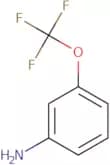
Formula:C39H71ClO4Purity:Min. 95%Molecular weight:639.43 g/mol3-(trifluoromethoxy)aniline
CAS:3-(trifluoromethoxy)aniline is a compound that contains a trifluoromethoxy group. It has been shown to have antiproliferative effects in prostate cancer cells. 3-(trifluoromethoxy)aniline inhibits the activity of pim-1, which is important for cell proliferation and differentiation. The synthesis of 3-(trifluoromethoxy)aniline can be accomplished by one of two methods. In the first method, 3-chloroaniline is reacted with trifluoroacetic acid and bis(trimethylsilyl)acetamide in dichloromethane to form 3-hydroxy-4-chlorobenzenesulfonyl chloride (3HCBSCl). In the second method, the desired product is synthesized from 3-aminophenol and trifluoroacetic acid in acetonitrile. These two methods produce different isomers
Formula:C7H6F3NOPurity:Min. 95%Color and Shape:PowderMolecular weight:177.12 g/molRef: 3D-FT105000
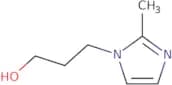
Discontinued product3-(2-Methyl-1H-imidazol-1-yl)propan-1-ol hydrochloride
CAS:Please enquire for more information about 3-(2-Methyl-1H-imidazol-1-yl)propan-1-ol hydrochloride including the price, delivery time and more detailed product information at the technical inquiry form on this page
Formula:C7H12N2OPurity:Min. 95%Molecular weight:140.18 g/molRef: 3D-FM120530
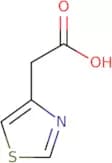
Discontinued product1,3-Thiazol-4-ylacetic acid hydrochloride
CAS:1,3-Thiazol-4-ylacetic acid hydrochloride is an antimicrobial agent that has been shown to be active against Gram-negative bacteria. It is an acidic compound that hydrolyzes in water to produce a carboxylic acid and an alcohol. 1,3-Thiazol-4-ylacetic acid hydrochloride has been used in pharmaceutical preparations as an antimicrobial and blood platelet aggregating agent. It also inhibits the coagulation of blood platelets and the aggregation of platelets. The mechanism for this may involve the interference with phospholipid biosynthesis or with the cytochrome P450 enzyme system involved in the metabolism of arachidonic acid into prostaglandins.
Formula:C5H5NO2SPurity:Min. 95%Molecular weight:143.16 g/molRef: 3D-FT127139
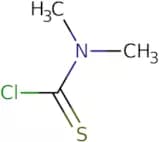
Discontinued productDimethylthiocarbamoyl chloride
CAS:Dimethylthiocarbamoyl chloride is an organic compound that can be used to synthesize a hydroxy derivative. Dimethylthiocarbamoyl chloride has been shown to have physiological activities in animal models, including anti-inflammatory activity and oxidative injury. It also has antioxidant properties and can reduce the production of pro-inflammatory mediators such as TNFα, IL-1β, and IL-6. Dimethylthiocarbamoyl chloride is a precursor for the synthesis of many chemical compounds, including drugs and dyes. The hydrochloride salt is commonly used in organic synthesis as a reagent for introducing the methyl group into organic molecules.
Formula:C3H6ClNSPurity:Min. 95%Color and Shape:White PowderMolecular weight:123.61 g/molRef: 3D-FD61260
Discontinued productSodium chlorite
CAS:Sodium chlorite is a disinfectant that is used to reduce the number of bacteria in the air, water, and surfaces. It is acidic and has been shown to be effective against infectious diseases such as tuberculosis, cholera, and malaria. Sodium chlorite can be produced through the oxidation of sodium chloride by chlorite ion at high temperatures. The optimum concentration for sodium chlorite is 10-15%. This agent can also be used as an analytical method for determining the presence of organic compounds that are difficult to measure by other methods. Laser ablation coupled with mass spectrometry is one example of this technique. Sodium chlorite can also be used to treat wastewater and inhibits oxidative injury in cells.
Formula:NaClO2Purity:Min. 95%Color and Shape:White To Yellow SolidMolecular weight:90.44 g/molRef: 3D-FS09639
Discontinued product(1S,2R)-2-Aminocyclohexanol hydrochloride
CAS:Please enquire for more information about (1S,2R)-2-Aminocyclohexanol hydrochloride including the price, delivery time and more detailed product information at the technical inquiry form on this page
Formula:C6H14ClNOPurity:Min. 95%Molecular weight:151.63 g/molRef: 3D-FA140431
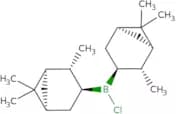
Discontinued product(+)-B-Chlorodiisopinocampheylborane - 60-65% in Hexane
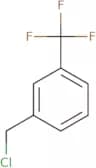
CAS:(+)-B-Chlorodiisopinocampheylborane is a chiral organoboron reagent that can be used for the enantioselective synthesis of amines. It is prepared from the reaction of chlorodiphenyl borane with (+)-diaminobenzene in hexane. The product can be purified by column chromatography or recrystallization. (+)-B-Chlorodiisopinocampheylborane can also be used in the synthesis of other compounds, such as pyrroles and pantolactones. It is an excellent catalyst for the dehydration of primary amines to give unsymmetrical ketones. This reagent has been shown to be effective in asymmetric hydrogenation reactions, such as the reduction of chiral secondary alcohols, and is also capable of catalyzing aldol reactions.Formula:C20H34BClPurity:Min. 95%Color and Shape:Clear LiquidMolecular weight:320.75 g/mol3-(Trifluoromethyl)benzyl chloride
CAS:3-(Trifluoromethyl)benzyl chloride is a chloromethylating agent that reacts with magnesium to form a magnesium chloride solution. 3-(Trifluoromethyl)benzyl chloride is also used in the synthesis of pharmaceuticals, pesticides, and dyes. The reaction produces small amounts of chlorinated byproducts such as chloride, which can be found in wastewater. This chemical has been shown to have adverse effects on the environment through its release into waterways or the atmosphere.
Formula:C8H6ClF3Purity:Min. 95%Color and Shape:Clear LiquidMolecular weight:194.58 g/molRef: 3D-FT46001
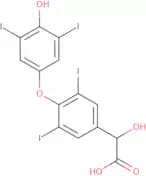
Discontinued product3,5,3',5' -Tetraiodo thyromandelic acid
CAS:Please enquire for more information about 3,5,3',5' -Tetraiodo thyromandelic acid including the price, delivery time and more detailed product information at the technical inquiry form on this page
Formula:C14H8I4O5Purity:Min. 95%Color and Shape:PowderMolecular weight:763.83 g/molRef: 3D-FT35076
Discontinued product







![8-Chloro-1-methyl-2,3,4,5-tetrahydro-1H-benzo[d]azepine](/_next/image/?url=https%3A%2Fstatic.cymitquimica.com%2Fproducts%2F3D%2Fthumb-webp%2FFC148171.webp&w=3840&q=75)