Organic Halides
Subcategories of "Organic Halides"
Found 20442 products of "Organic Halides"
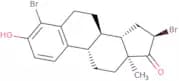
4,16a-Dibromoestrone
CAS:Controlled Product4,16a-Dibromoestrone is a brominated triol that is synthesized by the reductive borohydride reduction of estriol. The reduction of estriol with sodium borohydride in methanol yields 4,16a-dibromoestrone in high yield. The conversion from estriol to 4,16a-dibromoestrone can be performed using either palladium or chloride. This product has been shown to be an efficient reductive agent for the synthesis of methyl esters from carboxylic acids. This product also undergoes glucuronidation.Formula:C18H20Br2O2Purity:Min. 95%Molecular weight:428.16 g/mol4-fluoro-1-methyl-1,4-diazoniabicyclo[2.2.2]octane
CAS:4-fluoro-1-methyl-1,4-diazoniabicyclo[2.2.2]octane (ditetrafluor) is a fluorine containing compound that can be used to treat cancer cells. It is a chiral molecule with four stereoisomers, two of which are active against cancer cells and the other two are inactive. Ditetrafluor has been shown to have antiviral activity against influenza A virus by inhibiting viral replication, but it does not have any effect on the common cold virus. This drug is also able to inhibit syncytia formation in cultured cells and has been shown to be effective in treating malaria caused by Plasmodium falciparum.Formula:C7H15B2F9N2Purity:Min. 95%Molecular weight:319.82 g/molRuthenium(III) chloride
CAS:Ruthenium(III) chloride is a compound of ruthenium and chlorine that is used in the preparation of pharmaceuticals. Ruthenium(III) chloride reacts with potassium dichromate to form stable complexes, as well as being oxidized by picolinic acid or other oxidizing agents to form stable complexes. It has been shown to be an effective catalyst for organic synthesis reactions and biological studies have shown it can inhibit the growth of bacteria such as Mycobacterium tuberculosis by inhibiting the synthesis of proteins necessary for cell division. Ruthenium(III) chloride also forms complexes with amines and nitrogen atoms, which may be due to its ability to bind with these groups.Formula:RuCl3Purity:Min. 95%Color and Shape:Black SolidMolecular weight:207.43 g/mol2-(3-Bromophenyl)propanoic acid
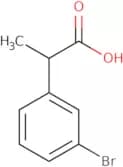
CAS:Please enquire for more information about 2-(3-Bromophenyl)propanoic acid including the price, delivery time and more detailed product information at the technical inquiry form on this pageFormula:C9H9BrO2Purity:Min. 95%Molecular weight:229.07 g/mol[(6-Chloro-1-isopropyl-1H-benzimidazol-2-yl)methyl]amine dihydrochloride
CAS:Controlled ProductPlease enquire for more information about [(6-Chloro-1-isopropyl-1H-benzimidazol-2-yl)methyl]amine dihydrochloride including the price, delivery time and more detailed product information at the technical inquiry form on this pageFormula:C11H14ClN3Purity:Min. 95%Molecular weight:223.7 g/mol2-Bromo-N,N-dimethylethanamine hydrobromide
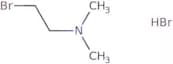
CAS:2-Bromo-N,N-dimethylethanamine hydrobromide is a quaternary ammonium salt that is used as an excipient in pharmaceutical formulations. It has been used to prepare conjugates for clinical diagnostics and can be used as a substrate in phosphorus pentoxide assays. This product is also an intermediate in the synthesis of paracyclophanes, which are stereoisomers of cyclopentane. 2-Bromo-N,N-dimethylethanamine hydrobromide has been shown to have anti-inflammatory properties and may be useful for the treatment of respiratory diseases. The drug also has potential in the treatment of Alzheimer's disease due to its ability to inhibit β-amyloid aggregation.Formula:C4H11Br2NPurity:Min. 95%Color and Shape:White PowderMolecular weight:232.94 g/molHexyl carbonochloridate
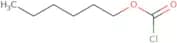
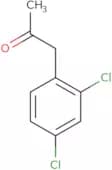
CAS:Hexyl carbonochloridate is a chemical that has been used as a detergent additive. It is also an antimicrobial agent, which has been shown to inactivate enzymes in human serum. Hexyl carbonochloridate is active against hepatitis and other infectious diseases. This compound is also known to be an agonist of toll-like receptor 4 (TLR4), which is a protein that recognizes lipopolysaccharides from gram-negative bacteria. Hexyl carbonochloridate has been shown to have anti-inflammatory properties, possibly due to its hydroxyl group. The analytical method for this compound utilizes gas chromatography with flame ionization detection (GC-FID).Formula:C7H13ClO2Purity:Min. 95%Molecular weight:164.63 g/mol(2,4-Dichlorophenyl)acetone
CAS:(2,4-Dichlorophenyl)acetone is a substance that can be found in lichens. The natural occurrence of this substance has been shown by the use of chromatography technique on plates. (2,4-Dichlorophenyl)acetone is also used as a screening agent for lichens.Formula:C9H8Cl2OPurity:Min. 95%Color and Shape:Off-White PowderMolecular weight:203.06 g/mol1-(Chloroacetyl)-4-(2-fluorophenyl)piperazine
CAS:Controlled ProductPlease enquire for more information about 1-(Chloroacetyl)-4-(2-fluorophenyl)piperazine including the price, delivery time and more detailed product information at the technical inquiry form on this page
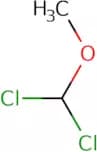
Formula:C12H14ClFN2OPurity:Min. 95%Molecular weight:256.7 g/mol1,1-Dichlorodimethyl ether
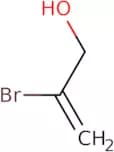
CAS:1,1-Dichlorodimethyl ether is a chemical compound that is used as an intermediate in the synthesis of trifluoroacetic acid from hydrochloric acid and methanol. This chemical has also been shown to inhibit inflammation by inhibiting the release of inflammatory cytokines, including epidermal growth factor (EGF) and interleukin-8 (IL-8). It may be used to treat chronic cough and chronic bronchitis. 1,1-Dichlorodimethyl ether inhibits the production of EGF by blocking the binding of EGF to its receptor on the surface of cells. The molecule also has an inhibitory effect on IL-8 production via inhibition of protein kinase C. The 1,1-dichlorodimethyl group is a reactive oxygen species that can react with other molecules such as DNA or proteins, leading to damage or even cell death.Formula:C2H4Cl2OPurity:Min. 95%Molecular weight:114.96 g/mol2-Bromoallyl alcohol
CAS:2-Bromoallyl alcohol is a halogenated aromatic hydrocarbon that is an analyte in the chemical analysis of soil. It is also used as a reagent for the debromination of 2-bromopropane and as a dehalogenating agent for the removal of bromine from organic compounds. 2-Bromoallyl alcohol can be distilled at high temperatures, but it will volatilize if heated to 80°C or higher. It has been reported that 2-bromoallyl alcohol was found to be present in all replicates analyzed. The recovery of this compound ranged from 83% to 114%. 2-Bromoallyl alcohol is used as a reagent in organic synthesis, such as in palladium catalyzed couplings with boronic acids and esters. This compound may also be used to synthesize N-(2-hydroxyethyl)hydroxylamines by reacting with sodium hydroxideFormula:C3H5BrOPurity:Min. 95%Molecular weight:136.98 g/mol4-[(4-Chlorophenyl)phenylmethyl]-1-piperazineethanol dihydrochloride
CAS:4-[(4-Chlorophenyl)phenylmethyl]-1-piperazineethanol dihydrochloride is a cholinergic drug that is used to treat allergic rhinitis in children and adults. It has been shown to be well tolerated in pediatric patients and geriatric patients, as well as being an innovative, labile, and biopharmaceutical compound. 4-[(4-Chlorophenyl)phenylmethyl]-1-piperazineethanol dihydrochloride is not metabolized by the liver and does not have significant side effects. It has a low potential for abuse because of its low solubility in water. It is an antihistamine that blocks the action of histamine at H1 receptors on smooth muscle cells in the nose, which helps reduce nasal congestion and sneezing.Formula:C19H23ClN2O·2HClPurity:Min. 95%Molecular weight:403.77 g/mol1-Chloro-2-(chloromethoxy)ethane
CAS:1-Chloro-2-(chloromethoxy)ethane is an acyclic nucleoside phosphonate that is used as a HIV integrase inhibitor. It binds to the HIV RNA genome and prevents the integration of viral DNA into the host cell's genome, which blocks the replication of HIV. 1-Chloro-2-(chloromethoxy)ethane has been shown to be more potent than other acyclic nucleoside phosphonates in vitro and in vivo. This drug also inhibits herpes simplex virus type 1 (HSV1) thymidine kinase activity, which is essential for viral DNA synthesis. This drug has potential antitumor activities against certain tumor cells due to its ability to inhibit cell proliferation and induce apoptosis through inhibiting rna synthesis.Formula:C3H6Cl2OPurity:Min. 95%Color and Shape:Clear LiquidMolecular weight:128.98 g/mol4-Bromocrotonic acid - min 98%
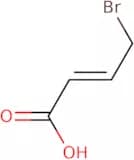
CAS:4-Bromocrotonic acid is a 3-mercaptopropionic acid (3-MPA) derivative. It inhibits the enzyme carnitine acyltransferase, which is involved in the uptake of fatty acids into mitochondria and their subsequent β-oxidation. This leads to an accumulation of fatty acids in the cytosol, which can inhibit insulin-stimulated glucose uptake and protein synthesis. 4-Bromocrotonic acid also inhibits glut1, an amp-activated protein kinase enzyme that plays a key role in cellular metabolism, leading to irreversible inhibition. 4-Bromocrotonic acid is used for analytical purposes as it is a good substrate for mitochondrial enzymes.Formula:C4H5BrO2Purity:Min. 98 Area-%Color and Shape:White PowderMolecular weight:164.99 g/molDichlorotitanium Diisopropoxide
CAS:Controlled ProductDichlorotitanium Diisopropoxide is a novel reagent for the asymmetric synthesis of amides. The reaction mechanism is based on the formation of a chloride-containing titanium enolate from titanium tetrachloride and an amine. This enolate reacts with another molecule of titanium tetrachloride to form the desired amide. Dichlorotitanium Diisopropoxide has been used in the preparation of polymers, such as poly(vinyl chloride) and poly(methyl methacrylate). It has also been used to produce organic compounds, such as chloroform, dichloromethane, and chlorobenzene. The stereoselectivity can be controlled by changing the solvent used in this reaction.nowiki>END>>Formula:C6H14Cl2O2TiPurity:Min. 95%Molecular weight:236.95 g/molCesium bromide
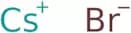
CAS:Cesium bromide is a chemical compound that has a high melting point. It is used as an ionic liquid and as a salt in analytical chemistry. Cesium bromide can be used to measure the thermal expansion of materials or to measure the hydrogen bond strength between two molecules. Cesium bromide is also used in membrane systems for water purification, and it can be used for radiation treatment of cancer cells. Cesium bromide can be found in wastewater treatment plants where it helps to remove halides and other contaminants from water vapor, providing kinetic energy to do so. Cesium bromide is also used as an analytical method for measuring hydrochloric acid, uv absorption, or chelate rings.Formula:CsBrPurity:Min. 95%Molecular weight:212.81 g/mol1-Amino-9-fluorenone
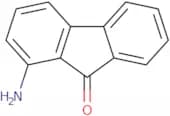
CAS:1-Amino-9-fluorenone is a hydrogen bond acceptor molecule that has been shown to have anticancer activity and rate enhancement. The 1-Amino-9-fluorenone binds to the DNA of cancer cells, inhibiting cell growth and proliferation. This molecule also interacts with the cellular membrane by reversible binding, which leads to an increase in the concentration of intracellular nitric oxide (NO). This increase in NO levels inhibits the growth of cancer cells by blocking their ability to produce ATP. 1-Amino-9-fluorenone has been shown to inhibit hCT116 human colon cancer cells.
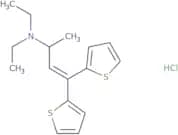
Formula:C13H9NOPurity:Min. 95%Molecular weight:195.22 g/molThiambutene hydrochloride
CAS:Controlled ProductThiambutene is a drug that has been used in the past as an anti-anxiety medication, but is now primarily used for controlling seizures. It acts by stimulating the central nervous system and by inhibiting the release of neurotransmitters. Thiambutene also has effects on insulin sensitivity and high cholesterol. The drug is not active orally, but can be administered intravenously or intramuscularly. The onset of action is fast, with peak plasma concentrations occurring within 15 to 30 minutes after administration. Thiambutene's half-life ranges from 1 to 2 hours in humans, but it may be longer in animals.Formula:C16H22ClNS2Purity:Min. 95%Molecular weight:327.94 g/mol2,3-Difluoroaniline
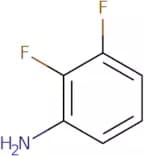
CAS:2,3-Difluoroaniline is an organic chemical compound with the formula CHF2NH. It has a molecular weight of 138.24 and a melting point of -70°C. 2,3-Difluoroaniline is soluble in water, but it will react with hydrochloric acid to produce hydrogen fluoride and chloride ions. This compound is used as an optical reagent for pH measurements and ion-exchange chromatography. 2,3-Difluoroaniline has been shown to have antimicrobial activity against bacterial strains such as Escherichia coli, Enterobacter aerogenes, Pseudomonas aeruginosa, Klebsiella pneumoniae, Proteus vulgaris, Salmonella enterica serovar Typhimurium, Staphylococcus aureus (MRSA), Streptococcus pyogenes (Group A Streptococcus), and Vibrio chFormula:C6H5F2NPurity:Min. 95%Molecular weight:129.11 g/mol2,2-(Bromoethyl)thiophene
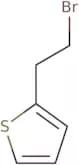
CAS:Oripavine is a naturally occurring alkaloid that can be synthesized from 2,2-bromoethane and potassium carbonate. It has been used for the treatment of Parkinson's disease. Oripavine is an intermediate in the synthesis of rotigotine, a dopamine agonist used to treat Parkinson's disease. The reaction mechanism involves the addition of bromine to 2,2-bromoethane followed by hydrochloric acid treatment to form oripavine. The reaction proceeds with the formation of hydrogen chloride and potassium bromide. The product can then be reacted with a Grignard reagent or allyl group to produce rotigotine.Formula:C6H7BrSPurity:Min. 95%Molecular weight:191.09 g/mol

![4-fluoro-1-methyl-1,4-diazoniabicyclo[2.2.2]octane](/_next/image/?url=https%3A%2Fstatic.cymitquimica.com%2Fproducts%2F3D%2Fthumb-webp%2FFF106220.webp&w=3840&q=75)
![[(6-Chloro-1-isopropyl-1H-benzimidazol-2-yl)methyl]amine dihydrochloride](/_next/image/?url=https%3A%2Fstatic.cymitquimica.com%2Fproducts%2F3D%2Fthumb-webp%2FFC135800.webp&w=3840&q=75)

![4-[(4-Chlorophenyl)phenylmethyl]-1-piperazineethanol dihydrochloride](/_next/image/?url=https%3A%2Fstatic.cymitquimica.com%2Fproducts%2F3D%2Fthumb-webp%2FFC53582.webp&w=3840&q=75)