Organic Halides
Subcategories of "Organic Halides"
Found 20443 products of "Organic Halides"
R-(-)-Apocodeine hydrochloride
CAS:Controlled ProductApocodeine hydrochloride is a natural product that is used in the treatment of cancer. It has been shown to have antiproliferative effects on cho-k1 cells, which are human colon carcinoma cells. Apocodeine hydrochloride also inhibits the production of dopamine in rat brain and has been shown to inhibit bromocriptine-induced prolactin release from rat pituitary cells in vitro. Apocodeine hydrochloride has been extensively studied in epidemiological studies and has been found to be effective against cancer, with no adverse side effects.
Formula:C18H20ClNO2Purity:Min. 95%Color and Shape:PowderMolecular weight:317.81 g/mol1,2,3,5-Tetrafluorobenzene
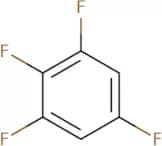
CAS:1,2,3,5-Tetrafluorobenzene is a chemical compound that belongs to the group of aromatic hydrocarbons. It has been shown to have antiinflammatory activity in vitro. 1,2,3,5-Tetrafluorobenzene is a metastable form of hydrogen fluoride and can be used as an intermediate in the synthesis of other fluorine-containing compounds. The molecule has a dipole moment and reacts with hydrogen ions to form hydrogen bonds. It also has high chemical stability and does not react with oxygen or nitrogen at room temperature.Formula:C6H2F4Purity:Min. 95%Color and Shape:Clear LiquidMolecular weight:150.07 g/mol(2-{2-[2-(2-Aminoethyl)-4,5-dimethoxybenzyl]-4,5-dimethoxyphenyl}ethyl)amine dihydrochloride
CAS:Controlled ProductPlease enquire for more information about (2-{2-[2-(2-Aminoethyl)-4,5-dimethoxybenzyl]-4,5-dimethoxyphenyl}ethyl)amine dihydrochloride including the price, delivery time and more detailed product information at the technical inquiry form on this pageFormula:C21H30N2O4Purity:Min. 95%Molecular weight:374.47 g/mol5-Bromo-2-iodoanisole
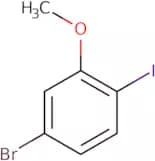
CAS:Please enquire for more information about 5-Bromo-2-iodoanisole including the price, delivery time and more detailed product information at the technical inquiry form on this pageFormula:C7H6BrIOPurity:Min. 95%Molecular weight:312.93 g/molIodosulfuron-methyl sodium
CAS:Iodosulfuron-methyl sodium is a herbicide that inhibits the activity of lipid-metabolizing enzymes in plants. It inhibits the action of phosphatases, which are enzymes that catalyze hydrolysis of phosphoric acid esters, and can be used to control weeds. Iodosulfuron-methyl sodium has been shown to have synergistic interactions with other herbicides, such as 2,4-D or dicamba. The effective dose for this product varies depending on the plant species and type of soil.
Formula:C14H13IN5NaO6SPurity:Min. 90 Area-%Color and Shape:White Off-White PowderMolecular weight:529.24 g/mol2,4-Difluoro-5-nitrobenzonitrile
CAS:2,4-Difluoro-5-nitrobenzonitrile is a chemical that has been found to have affinity for the central nervous system. It inhibits the reuptake of monoamines such as dopamine and serotonin. This chemical has been shown to be endogenously produced in humans and animals. 2,4-Difluoro-5-nitrobenzonitrile also inhibits the uptake of amines by blocking the activity of their respective transporters. The compound is an isomeric mixture of two possible structures, which differ in their position on the benzene ring. The first form is characterized by a low affinity for neurotransmitter receptors and therefore has low inhibitory properties on monoamine uptake. The second form has greater affinity for neurotransmitter receptors and therefore has greater inhibitory properties on monoamine uptake, although at higher concentrations it may lead to adverse effects on muscle tissue.
Formula:C7H2F2N2O2Purity:Min. 95%Color and Shape:PowderMolecular weight:184.1 g/molNe-(trimethyl)-L-lysine chloride
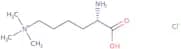
CAS:Please enquire for more information about Ne-(trimethyl)-L-lysine chloride including the price, delivery time and more detailed product information at the technical inquiry form on this pageFormula:C9H21ClN2O2Purity:Min. 95%Molecular weight:224.73 g/mol4-Methyl-1-piperazinecarbonyl chloride hydrochloride
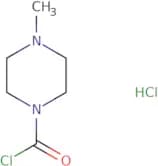
CAS:4-Methyl-1-piperazinecarbonyl chloride hydrochloride is a pyridine derivative that can be used to synthesize various alkyl esters. It is also used as a reagent in organic synthesis. 4-Methyl-1-piperazinecarbonyl chloride hydrochloride is soluble in organic solvents and has a low melting point. This compound can be used for the recrystallization of dibenzoyl, which is an important parameter for this reaction. 4-Methyl-1-piperazinecarbonyl chloride hydrochloride is an anhydrous compound, so it must be stored in a dry place to prevent water from forming crystals. Nonbenzodiazepine drugs are also made with 4-methyl-1-piperazinecarbonyl chloride hydrochloride. The enantiomers (mirror images) of this molecule may have different effects on the body, and this difference can beFormula:C6H11ClN2O•HClPurity:Min. 95%Color and Shape:PowderMolecular weight:199.08 g/mol2-Bromo-3-thiophenecarboxylic acid
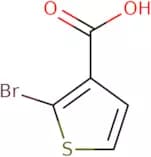
CAS:2-Bromo-3-thiophenecarboxylic acid (BTPC) is a synthetic drug that is used as an analog of sildenafil, which is a PDE5 inhibitor. BTPC has been shown to be a more potent and selective inhibitor of cGMP hydrolysis than sildenafil. It has also been shown to be capable of inhibiting the growth of human lung cancer cells in vitro. BTPC has not yet been tested in vivo, but may offer advantages over other PDE5 inhibitors due to its increased potency and selectivity.Formula:C5H3BrO2SPurity:Min. 97 Area-%Color and Shape:PowderMolecular weight:207.05 g/mol2,4-Difluorobenzenethiol
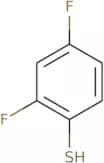
CAS:2,4-Difluorobenzenethiol is a chemical with the molecular formula CHClF2SH. It has a high yield and can be used in the production of medicines and chemicals. Industrially, 2,4-difluorobenzenethiol is used as a raw material for the manufacture of dyes, perfumes and other products. The synthesis of this chemical involves treating 2-fluoroaniline with sulfuric acid. This process produces 2,4-difluorobenzenethiol as a byproduct.
Formula:C6H4F2SPurity:Min. 95%Molecular weight:146.16 g/mol3,4-Dihydro-7-(4-chlorobutoxy)-2(1H)-Quinolinone
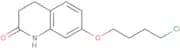
CAS:3,4-Dihydro-7-(4-chlorobutoxy)-2(1H)-Quinolinone is a crystalline organic base. It is used as an intermediate in the synthesis of piperazine derivatives. 3,4-Dihydro-7-(4-chlorobutoxy)-2(1H)-Quinolinone can be used to acetylate phenols and amines. This compound also has been shown to be useful in the industrial production of carbostyril and other pharmaceuticals. 3,4-Dihydro-7-(4-chlorobutoxy)-2(1H)-Quinolinone is also a high yield coupling agent for the production of heterocyclic compounds such as 1,5,6,8-tetrahydropyrimidines and benzimidazoles.Purity:Min. 95%Prolintane hydrochloride
CAS:Controlled ProductProlintane hydrochloride is a drug that has been shown to inhibit the activity of enzymes in the inflammatory and immune responses. It also inhibits the uptake of caffeine, which may be due to its ability to bind with the toll-like receptor (TLR) and CB2 receptor. Prolintane hydrochloride has been used to treat bowel disease, depression, and autoimmune diseases such as rheumatoid arthritis. This drug has a depressant effect on the central nervous system, which may lead to symptoms such as drowsiness and fatigue. The drug is metabolized through a synthetic pathway that involves N-deacetylation by acetyltransferase enzymes. Prolintane hydrochloride also inhibits inflammatory bowel disease by reducing cytokine production in mice with colitis.
Purity:Min. 95%4-Chlorobenzylamine
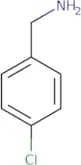
CAS:4-Chlorobenzylamine is a chemical that is used as an intermediate in the synthesis of other compounds. It has low bioavailability, which may be due to its reactive site. The chemical can be characterized using nmr spectra and potent inhibitory activity. 4-Chlorobenzylamine has been found to react with nitrogen atoms, and this reaction is highly acidic. FT-IR spectroscopy can also be used to characterize this compound. Intermolecular hydrogen bonding and hydroxyl group are two of the major interactions of 4-chlorobenzylamine with other molecules. This chemical reacts with serine protease, glyoxal, and other substances in a manner that depends on the molecule's structure.Formula:C7H8ClNPurity:Min. 95%Molecular weight:141.6 g/mol4-(Pentafluorothio)phenol
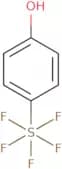
CAS:(Oc-6-21)-Pentafluoro(4-hydroxyphenyl)-sulfur is a muconic acid ester that can be synthesized by the oxidation of (OC-6-21) with lead tetraacetate and hydrogen peroxide. This reaction produces a mixture of products, including sulfuric acid, aliphatic peroxides, succinic anhydride, nitriles and esters. The yields from this reaction are low.
Formula:C6H5F5OSPurity:Min. 95%Color and Shape:PowderMolecular weight:220.16 g/mol3,3-Diphenylpiperidine Hydrochloride
CAS:Please enquire for more information about 3,3-Diphenylpiperidine Hydrochloride including the price, delivery time and more detailed product information at the technical inquiry form on this pageFormula:C17H19N·HClPurity:Min. 95%Molecular weight:273.8 g/mol4-Chlorophenyl isocyanate
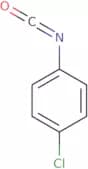
CAS:4-Chlorophenyl isocyanate (4CIN) is a chemical that belongs to the family of pyrazole compounds. It is used in the synthesis of dyes, pharmaceuticals, and agrochemicals. 4CIN has been shown to be able to inhibit protein synthesis in rat liver microsomes. This compound also has a high chemical stability and can withstand hydrochloric acid.Formula:C7H4ClNOPurity:Min 98%Color and Shape:White PowderMolecular weight:153.57 g/mol3,4-Dimethoxybenzyl chloride
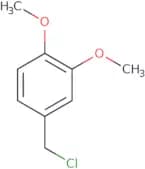
CAS:3,4-Dimethoxybenzyl chloride is an acetate extract that has been shown to have anticancer properties. It is also a corrosion inhibitor with the ability to inhibit fatty acid demethylation and antimicrobial agents. It has been used in pharmaceutical preparations for treating high blood pressure, as well as in the production of eugenol, papaverine and other drugs.
Formula:C9H11ClO2Purity:Min. 95%Molecular weight:186.64 g/molN,alpha-Dimethyl-2-thiopheneethanamine hydrochloride
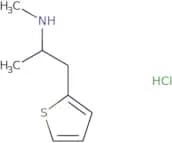
CAS:Controlled ProductMethiopropamine is a synthetic psychoactive substance that has been associated with long-term health effects. It is used recreationally for its stimulant properties, such as increased alertness and wakefulness. Methiopropamine may cause paranoia and delusions, as well as other long-term effects. The drug can be detected in the urine for up to five days after ingestion. Methiopropamine is an amphetamine analogue of cathinone, which is a naturally occurring substance found in the khat plant. It is classified by the DEA as a Schedule I controlled substance in the United States.
Formula:C8H14ClNSPurity:Min. 95%Molecular weight:191.72 g/molHydroxyzine dihydrochloride
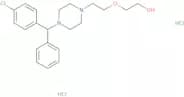
CAS:Controlled ProductHydroxyzine is an antihistamine drug that produces its therapeutic effects by blocking the action of histamine - a chemical involved in allergic reactions. This medication also has a sedative effect and can be used to treat anxiety disorders. Hydroxyzine has been shown to block the physiological effects of adrenaline, which may lead to its use as a treatment for allergies. It has also been shown to inhibit skin tests in humans when administered at a dose of 25-50mg/kg. Hydroxyzine pamoate is an ester prodrug of hydroxyzine with improved absorption and distribution after oral administration. The most common symptoms associated with this drug are itching, hives, and swelling. Idiopathic urticaria is a type of urticaria (hives) that is not caused by an allergy or another underlying medical condition.Formula:C21H29Cl3N2O2Purity:Min. 95%Molecular weight:447.83 g/mol1H-Undecafluoropentane
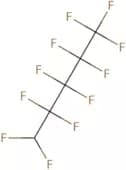
CAS:1H-Undecafluoropentane is a reactive amide that selectively targets prostate cancer cells. It has been shown to have synergistic antitumor effects in combination with docetaxel. The mechanism of action for 1H-Undecafluoropentane is not yet known, but it has been speculated that it may be due to its ability to induce ferroptosis, an iron-dependent form of cell death. In addition, 1H-Undecafluoropentane has been shown to induce metabolic reprogramming in prostate cancer cells, which may lead to the production of reactive oxygen species (ROS) and subsequent cell death. 1H-Undecafluoropentane can also disrupt the microenvironment of prostate cancer cells by decreasing the pH and eliminating the presence of peroxides.
Formula:C5HF11Purity:Min. 95%Molecular weight:270.04 g/mol


![(2-{2-[2-(2-Aminoethyl)-4,5-dimethoxybenzyl]-4,5-dimethoxyphenyl}ethyl)amine dihydrochloride](/_next/image/?url=https%3A%2Fstatic.cymitquimica.com%2Fproducts%2F3D%2Fthumb-webp%2FFA135464.webp&w=3840&q=75)