Biochemicals and Reagents
Subcategories of "Biochemicals and Reagents"
- Biomolecules(98,557 products)
- By Biological Target(101,015 products)
- By Pharmacological Effects(6,941 products)
- Cryopreservatives(21 products)
- Desinfectants and Related Compounds(28 products)
- Hormones(530 products)
- Plant Biology(6,903 products)
- Secondary Metabolites(14,369 products)
Found 130563 products of "Biochemicals and Reagents"
pp60(v-SRC) Autophosphorylation Site, Protein Tyrosine Kinase Substrate
Catalogue peptide; min. 95% purity
Formula:C66H109N23O23Molecular weight:1,592.74 g/molCys-Gly-Lys-Lys-Gly-Amyloid beta-Protein (36-42)
Catalogue peptide; min. 95% purity
Formula:C47H85N14O13SMolecular weight:1,087.35 g/molIntermedin (human)
Catalogue peptide; min. 95% purity
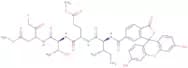
Formula:C219H351N69O66S3Molecular weight:5,102.84 g/molFluorescein-6-carbonyl-Ile-Glu(OMe)-Thr-DL-Asp(OMe)-fluoromethylketone
CAS:Please enquire for more information about Fluorescein-6-carbonyl-Ile-Glu(OMe)-Thr-DL-Asp(OMe)-fluoromethylketone including the price, delivery time and more detailed product information at the technical inquiry form on this page
Formula:C43H47FN4O15Purity:Min. 95%Molecular weight:878.85 g/molRef: 3D-FF111109
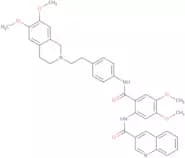
Discontinued productTariquidar
CAS:Potent P-glycoprotein (P-gp) inhibitor
Formula:C38H38N4O6Purity:Min. 97 Area-%Color and Shape:PowderMolecular weight:646.73 g/molSomatostatin-28 (1-14)
Catalogue peptide; min. 95% purity
Formula:C61H105N23O21SMolecular weight:1,528.72 g/molAc-Ser-Asp-Lys-Pro-OH
CAS:Ac-Ser-Asp-Lys-Pro-OH is a tetrapeptide that has been shown to stimulate the growth of cells in vitro. It has been found to inhibit the production of interleukin-1β and tumor necrosis factor α, which are cytokines that are involved in inflammation. Ac-Ser-Asp-Lys-Pro-OH stimulates the production of growth factor β1 and collagen, which may be due to its ability to bind to toll like receptor 4 (TLR4). Acetylserotonin has been shown to have antiinflammatory and antifibrotic properties in animal models. Acetylserotonin also inhibits cancer cell growth and reduces drug resistance.
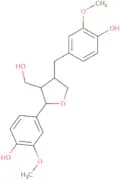
Formula:C20H33N5O9Purity:Min. 95%Molecular weight:487.5 g/mol(-)-Lariciresinol
CAS:Lariciresinol is a natural compound that has been shown to have antioxidative properties and inhibit the growth of cancer cells in vitro. It has also been shown to reduce the metastatic potential of colorectal cancer cells by inhibiting fatty acid synthesis. Lariciresinol has synergistic effects when combined with other natural compounds, such as resveratrol, for example. This compound inhibits the proliferation of cancer cells by inducing apoptosis through a multivariate logistic regression analysis. The mechanism of lariciresinol-mediated apoptosis includes inhibition of transcriptional regulation and mitochondrial membrane potential, which leads to an increase in reactive oxygen species (ROS) and reactive nitrogen species (RNS). Lariciresinol also inhibits bacterial growth by binding to DNA gyrase and topoisomerase IV and interfering with transcription through RNA polymerase.Formula:C20H24O6Purity:Min. 95%Molecular weight:360.4 g/molRef: 3D-IDA32719
Discontinued productAmyloid beta-Protein (40-1) trifluoroacetate salt
CAS:Trifluoroacetate salt
Formula:C194H295N53O58SPurity:Min. 95%Molecular weight:4,329.81 g/molRef: 3D-FA108830
Discontinued productDok-4 (263-275)
Catalogue peptide; min. 95% purity
Formula:C70H101N21O18Molecular weight:1,524.72 g/molAngiotensin II Receptor, AT2, Amino Terminal Fragment
Catalogue peptide; min. 95% purity
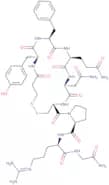
Formula:C79H125N23O28SMolecular weight:1,877.08 g/molDesmopressin
CAS:Controlled ProductDesmopressin is a synthetic analog of the natural hormone arginine vasopressin. It has been shown to be effective in the treatment of primary nocturnal enuresis, and a number of studies have reported that desmopressin is an effective therapy for idiopathic nocturnal enuresis. Desmopressin also has effects on water permeability, hemolysis, and protein synthesis. It increases the concentration of camp levels in urine and plasma while also inhibiting erythrocyte aggregation. Desmopressin has been shown to be more effective than placebo in women with primary nocturnal enuresis.Formula:C46H64N14O12S2Purity:Min. 95%Color and Shape:PowderMolecular weight:1,069.22 g/molAmyloid beta-Protein (1-11) trifluoroacetate salt
CAS:Please enquire for more information about Amyloid beta-Protein (1-11) trifluoroacetate salt including the price, delivery time and more detailed product information at the technical inquiry form on this page
Formula:C56H76N16O22Purity:Min. 95%Molecular weight:1,325.3 g/molRef: 3D-FA108822
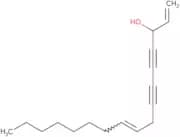
Discontinued productPanaxynol
CAS:Panaxynol is an active compound that belongs to the group of polyphenols. It has been shown to inhibit nuclear DNA synthesis in human leukemic HL-60 cells. This inhibition is due to its ability to bind with the dextran sulfate moiety of DNA, thereby preventing DNA synthesis. Panaxynol also has antibacterial efficacy against gram-positive bacteria and significant cytotoxic effects on HL-60 cells.
Formula:C17H24OPurity:Min. 95%Color and Shape:Clear LiquidMolecular weight:244.37 g/molP60c-src Substrate II, Phosphorylated
Catalogue peptide; min. 95% purity
Formula:C33H45N6O12PMolecular weight:748.8 g/molTyr-Leptin (26-39) (human)
CAS:Please enquire for more information about Tyr-Leptin (26-39) (human) including the price, delivery time and more detailed product information at the technical inquiry form on this pageFormula:C80H137N19O25Purity:Min. 95%Molecular weight:1,765.06 g/molRef: 3D-FT109022
Discontinued productAbz-Val-Ala-Asp-Nva-Arg-Asp-Arg-Gln-EDDnp
CAS:Please enquire for more information about Abz-Val-Ala-Asp-Nva-Arg-Asp-Arg-Gln-EDDnp including the price, delivery time and more detailed product information at the technical inquiry form on this page
Formula:C53H80N20O18Purity:Min. 95%Molecular weight:1,285.3 g/molDok-5 (263-275)
Catalogue peptide; min. 95% purity
Formula:C75H114N24O19Molecular weight:1,655.89 g/molBig Gastrin-1, human
Catalogue peptide; min. 95% purity
Formula:C176H251N43O53SMolecular weight:3,849.30 g/molAF-16 trifluoroacetate salt
CAS:AF-16 trifluoroacetate salt is a synthetic peptide, which is derived from chemical synthesis with tailored modifications to enhance its stability and efficacy. This compound acts by specifically binding to target receptors or proteins, facilitating the study of biochemical pathways and mechanisms at the molecular level. It is particularly used in biological and biochemical research settings to probe cellular processes, offering insights into protein interactions and signaling pathways.Formula:C71H119N25O25SPurity:Min. 95%Molecular weight:1,754.92 g/molSMN-C3
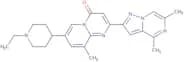
CAS:SMN-C3 is a synthetic compound designed specifically as a targeted therapeutic agent. It is derived through advanced chemical synthesis techniques, utilizing a meticulous approach to optimize efficacy and specificity. The mode of action of SMN-C3 involves precise interaction with select molecular targets, thereby modulating biological pathways with high specificity. This interaction is designed to alter the course of disease processes, offering potential therapeutic benefits.
Formula:C24H28N6OPurity:Min. 95%Molecular weight:416.5 g/molRef: 3D-ZHC59734
Discontinued product[Des-Asp10]Decorsin, Leech
Catalogue peptide; min. 95% purity
Formula:C175H272N54O59S6Molecular weight:4,268.78 g/molDisulfide biotin azide
CAS:Extraordinary strength of the streptavidin-biotin interaction allows for efficient capturing of even highly dilute targets; however, it makes recovery of proteins from affinity resins challenging. Conventional methods to elute biotinylated proteins from immobilized avidin include the following: (i) denaturation of streptavidin by boiling the resin in a denaturing buffer that may include high concentrations of chaotropic salts, (ii) trypsin digestion of proteins while they are bound to the resin, or (iii) elution of proteins with excess free biotin. These protocols can co-elute contaminant proteins by releasing nonspecifically bound proteins and/or naturally biotinylated proteins concurrently with labeled proteins. In addition, some of these methods can cause elution of high levels of resin-based peptides along with the proteins of interest, resulting in further sample contamination.
Disulfide Biotin Azide probe eliminates a major limitation of the streptavidin-biotin affinity purification. This reagent contains a biotin moiety linked to an azide moiety through a spacer arm containing a cleavable disulfide linker. Captured biomolecules can be efficiently released under mild conditions (50 mM dithiothreitol, 10 mM 2-mercaptoethanol or 1% sodium borohydride) and the small molecular fragment (188.25 Da) left on the labeled protein following cleavage. These features make the cleavable probe especially attractive for use in biomolecular labeling and proteomic studies.Formula:C27H48N8O7S3Purity:Min 95%Molecular weight:692.92 g/molAloc-DL-Orn (Boc)-OH·DCHA
CAS:Controlled ProductPlease enquire for more information about Aloc-DL-Orn (Boc)-OH·DCHA including the price, delivery time and more detailed product information at the technical inquiry form on this page
Formula:C14H24N2O6·C12H23NPurity:Min. 95%Molecular weight:497.67 g/molRef: 3D-FA107927
Discontinued product[Trp11] Neurotensin (8-13)
Catalogue peptide; min. 95% purity
Formula:C40H65N13O7Molecular weight:840.05 g/molNTB (Naltriben)
Catalogue peptide; min. 95% purity
Formula:C50H65N11O11S2Molecular weight:1,060.29 g/molFmoc-Glu(OtBu)-Wang resin (100-200 mesh)
Please enquire for more information about Fmoc-Glu(OtBu)-Wang resin (100-200 mesh) including the price, delivery time and more detailed product information at the technical inquiry form on this page
Purity:Min. 95%Ref: 3D-FF111727
Discontinued productbeta-Endorphin (27-31) (human)
Catalogue peptide; min. 95% purity
Formula:C28H45N7O9Molecular weight:623.71 g/mol(D-Asp1)-Amyloid b-Protein (1-42)
CAS:Please enquire for more information about (D-Asp1)-Amyloid b-Protein (1-42) including the price, delivery time and more detailed product information at the technical inquiry form on this page
Formula:C203H311N55O60SPurity:Min. 95%Molecular weight:4,514.04 g/molRef: 3D-FA109379
Discontinued productBRD6688
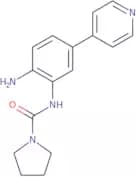
CAS:BRD6688 is a protein inhibitor that binds to and inhibits the activity of GABA transporters. It is a potent inhibitor of the gaba transporter (GAT) with an IC50 of 0.2 μM. BRD6688 has been shown to inhibit the acetylation of histone proteins, which are important for transcriptional regulation and gene expression. BRD6688 also has a thermodynamic inhibitory constant (Ki) of 1.4 μM and a kinetic inhibitory constant (Ki) of 0.3 μM, indicating that it binds tightly to GATs and does not dissociate easily from it. The Ki values were determined by measuring the inhibition of GAT-mediated chloride transport in cells cultured in vitro. This drug also inhibits antigen presentation in T cells by inhibiting protein synthesis and cell division, as well as histone methylation during mitosis, leading to downregulation of cell-surface antigens on B cells.
Formula:C16H18N4OPurity:Min. 95%Color and Shape:PowderMolecular weight:282.34 g/molRef: 3D-EGC56217
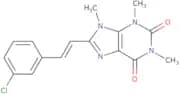
Discontinued product8-(3-Chlorostyryl)caffeine
CAS:Controlled Product8-(3-Chlorostyryl)caffeine is a caffeine derivative that binds to the adenosine A3 receptor. It has been shown to inhibit locomotor activity and increase diastolic pressure in knockout mice lacking the adenosine A3 receptor. 8-(3-Chlorostyryl)caffeine has also been shown to have inhibitory properties on cyclase, which is necessary for the production of cAMP, the second messenger in cells. This drug also inhibits dopamine release from neurons and hydrogen bond formation with DNA, protein, and other biomolecules. Lastly, 8-(3-Chlorostyryl)caffeine can bind to both A1 and A2A receptors as well as to dna binding sites.
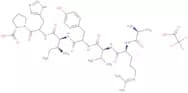
Formula:C16H15ClN4O2Purity:Min. 95%Color and Shape:PowderMolecular weight:330.77 g/molAngiotensin A (1-7) trifluoroacetate
CAS:Endogenous heptapetide which causes vasodilation and has anti-hypertensive properties.
Formula:C40H62N12O9•(C2HF3O2)xPurity:Min. 95%Color and Shape:PowderMolecular weight:855 g/molBodipy cyclopamine
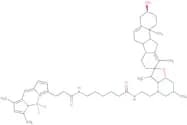
CAS:Fluorescent derivative of cyclopamine
Formula:C49H70BF2N5O4Purity:Min. 95%Color and Shape:Red SolidMolecular weight:841.92 g/molSteroid Free Serum
Steroid Free Serum is a high-quality serum that is free from steroids. It is commonly used in various Life Sciences applications, including research and diagnostic assays. This serum contains important components such as alpha-fetoprotein, angiotensin-converting enzyme, collagen, erythropoietin, pegylated growth factor, chemokines, and antibodies with neutralizing properties.
Purity:Min. 95%1-(Carboxymethyl)-1H-benzo[G]indole-2-carboxylic acid
CAS:Please enquire for more information about 1-(Carboxymethyl)-1H-benzo[G]indole-2-carboxylic acid including the price, delivery time and more detailed product information at the technical inquiry form on this page
Formula:C15H11NO4Purity:Min. 95%Molecular weight:269.25 g/molThymopentin acetate salt
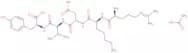
CAS:Controlled ProductThymopentin acetate salt H-Arg-Lys-Asp-Val-Tyr-OH acetate salt is an experimental model system that has been shown to replicate the physiological effects of thymopoietin in vitro. It has also been shown to inhibit the growth of Candida glabrata, a fungus that causes infection in patients with HIV or AIDS. Thymopentin acetate salt H-Arg-Lys-Asp-Val-Tyr-OH acetate salt has been shown to activate both toll like receptor and IL2 receptor, which may be due to its ability to stimulate polyamine synthesis.Formula:C30H49N9O9Purity:Min. 95%Molecular weight:679.77 g/molSiratiazem
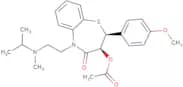
CAS:Siratiazem is a calcium-channel blocker that is used for the treatment of cardiac arrhythmia and hypertension, as well as for the prevention of congestive heart failure. Siratiazem is a prodrug that is converted to its active form by hydrolysis in the liver. It binds to the L-type calcium channels in cardiac muscle cells, thereby blocking calcium influx and decreasing the excitability of these cells. This drug has been shown to be effective in phase 1 clinical trials, with no major adverse effects. Siratiazem can cause symptoms such as nausea, vomiting, diarrhea, or constipation and may also have effects on insulin resistance and ventricular dysfunction.
Formula:C24H30N2O4SPurity:Min. 95%Molecular weight:442.57 g/molH-GILGFVFTL-OH
CAS:FluM1 (58-66) is a short part of the matrix protein of Influenza A virus which is the most abundant component of this enveloped virus localized under the viral lipid envelope. The GILGFVFTL epitope is highly conserved in Influenza A virus strains at a rate of 93% for 69 strains tested. Human Influenza epitopes may bind MHC molecules and then may be recognized by CD8+ cytotoxic T cells. Applications of FluM1 (58-66): FluM1 (58-66) is used to stimulate CTL responses in peripheral blood mononuclear cells (PBMCs). Then, ELISPOT assay is used to quantify peptide epitope specificity and IFN-γ releasing effector cells. FluM1 (58-66) has shown CTL responses qualified of immunodominant with restriction by HLA-A*02:01. It has also been detected CTL responses when FluM1 (58-66) is restricted by all HLA-C. Therefore, FluM1 (58-66) may help to understand the reaction of immune system against Influenza virus of each populations having different HLA type. FluM1 (58-66) has indeed prompted research to develop T-cell vaccine strategies capable of inducing specific CTL responses in patients upon immunization with Influenza M1 antigenic epitope. MVA-NP+M1 vaccine use GILGFVFTL epitope and is tested in clinical trial. Potential cross-reactivity with HIV-1 p17 Gag (77-85): Moreover, FluM1 (58-66) share similarities with HIV-1 p17 Gag (77-85) which can potentially show a cross-reactivity between these epitopes. It has been demonstrated a cross-reactivity and results suggest that immunity following infection by Influenza virus causes specific immune response to HIV-1 p17 Gag (77-85).
Formula:C49H75N9O11Molecular weight:966.18 g/molOligopeptide-51
Please enquire for more information about Oligopeptide-51 including the price, delivery time and more detailed product information at the technical inquiry form on this page
Purity:Min. 95%H-ASCLYGQLPK-OH
Peptide H-ASCLYGQLPK-OH is a Research Peptide with significant interest within the field academic and medical research. This peptide is available for purchase at Cymit Quimica in multiple sizes and with a specification of your choice.
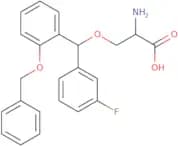
Formula:C48H76N12O13SMolecular weight:1,079.27 g/molALX-1393
CAS:ALX-1393 is a synthetic compound that acts as an inhibitor, specifically targeting the glycine transporter 1 (GlyT1). As a small molecule inhibitor derived from chemical synthesis, it modulates neurotransmitter systems by blocking the reuptake of glycine, an important co-agonist of the NMDA receptor, in the central nervous system. The mode of action of ALX-1393 involves binding to the GlyT1 transporter, thereby increasing the synaptic concentration of glycine. This elevation in glycine levels enhances NMDA receptor function, which is crucial for synaptic plasticity, learning, and memory.
Formula:C23H22FNO4Purity:Min. 95%Molecular weight:395.4 g/molRef: 3D-ZMB16409
Discontinued producthCG protein
The hCG protein is a growth factor that plays a crucial role in various biological processes. It is involved in the regulation of cell growth, differentiation, and development. This protein has been extensively studied in the field of Life Sciences and has shown promising results in various applications. One of the key characteristics of the hCG protein is its ability to interact with arginase, an enzyme involved in the metabolism of arginine. Through molecular docking studies, it has been shown that hCG can bind to arginase and modulate its activity, leading to potential therapeutic applications. Monoclonal antibodies targeting the hCG protein have been developed for research purposes. These antibodies are highly specific and can be used in immunoassays to detect and quantify hCG levels in human serum samples. They have also been used for the immobilization of hCG on electrodes, enabling the development of biosensors for diagnostic purposes. Furthermore, studies have demonstrated that the hCG protein plays a role in the regulation of mes
Purity:Min. 95%Cerebellin trifluoroacetate
CAS:Please enquire for more information about Cerebellin trifluoroacetate including the price, delivery time and more detailed product information at the technical inquiry form on this page
Formula:C69H113N23O23•(C2HF3O2)4Purity:Min. 95%Molecular weight:2,088.86 g/molRef: 3D-BC184180
Discontinued productCA 125 antibody (biotin)
CA 125 antibody (biotin) was raised in mouse using affinity pure human CA 125 antigen as the immunogen.
L-MobileTrex
CAS:L-MobileTrex is an advanced analytical technology platform, which is a product of cutting-edge research in data science and computational modeling. This platform operates by integrating multi-dimensional datasets through sophisticated algorithms, providing enhanced data visualization and interpretability.
Formula:C23H23N5O5Purity:Min. 95%Molecular weight:449.46 g/mol1,2-Dipalmitoyl-3-dimethylammonium-propane
CAS:1,2-Dipalmitoyl-3-dimethylammonium-propane is a cationic lipid, which is a type of synthetic lipid commonly used in biochemical and biophysical research. It is sourced from chemical synthesis, involving the formulation of lipid molecules with specific chemical modifications to confer particular properties. The mode of action of this compound involves its ability to integrate into lipid bilayers and form liposomes. These liposomes can encapsulate nucleic acids, facilitating their delivery into cells by merging with cell membranes, which is crucial for gene delivery applications.
Formula:C37H73NO4Purity:Min. 95%Molecular weight:595.98 g/molMS67N
CAS:Please enquire for more information about MS67N including the price, delivery time and more detailed product information at the technical inquiry form on this page
Formula:C52H59F4N9O7SPurity:Min. 95%Molecular weight:1,030.14 g/molCoibamide A
CAS:Please enquire for more information about Coibamide A including the price, delivery time and more detailed product information at the technical inquiry form on this page
Formula:C65H110N10O16Purity:Min. 95%Molecular weight:1,287.65 g/molRef: 3D-BC183236
Discontinued productCEA protein (Preservative-free)
Purified native Human CEA protein (Preservative-free)Purity:>95% By Sds-Page And ElectrophoresisS 25585
CAS:S 25585 is a psychostimulant that has been shown to modulate the function of animals. It can be used in the treatment of cancer and autoimmune diseases, as well as to induce overfeeding in animals. S 25585 is an endogenous molecule with a cyclic structure. The affinity for binding of S 25585 to its receptor may depend on whether it is bound or unbound at the time of binding. This drug also has anti-cancer effects, which are due to its ability to inhibit uptake and stabilize cells that are not undergoing cell division. 6-Fluoro-3-indoxyl-beta-D-galactopyranoside (Rifapentine) is an antituberculosis drug that belongs to the class of rifamycins. It is the most active of the rifamycins for the treatment of tuberculosis. Rifapentine inhibits bacterial growth by binding to DNA-dependent RNA polymerase, thereby preventing
Formula:C22H23F3N4O6SPurity:Min. 95%Molecular weight:528.5 g/molRef: 3D-NKA84950
Discontinued productDNL343
CAS:a brain-penetrating activator of eukaryotic initiation factor 2B (eIF2B) that inhibits the abnormal integrated stress response
Formula:C20H19ClF3N3O4Molecular weight:457.83 g/molRef: 3D-BD184381
Discontinued productL 162389
CAS:L 162389 is a synthetic, non-steroidal, anti-inflammatory drug (NSAID) that inhibits the enzyme cyclooxygenase. It inhibits the production of prostaglandins, which are known to cause pain and inflammation in the body. L 162389 is used for the treatment of inflammatory conditions such as rheumatoid arthritis and osteoarthritis.
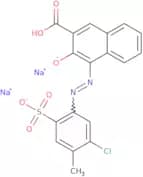
Formula:C31H38N4O4SPurity:Min. 95%Molecular weight:562.7 g/molPigment red 48 (C.I. 15865)
CAS:Pigment Red 48 (C.I. 15865) is a red organic pigment that is soluble in water and most organic solvents. It has a melting point of 200°C and is used in paints, plastics, textiles, paper, and other products. Pigment Red 48 (C.I. 15865) can be synthesized by the diazonium salt coupling reaction between an aromatic amine and an acid chloride. The pigment also has a hydroxyl group that enables it to form covalent bonds with other molecules such as polymers or proteins. Pigment Red 48 (C.I. 15865) is used in many products because of its high stability, excellent heat resistance, low toxicity, non-irritating properties, high transparency, and good color fastness to light and washing.BR> Pigment Red 48 (C.I. 15865) is not considered hazardous according to the Globally Harmonized System of Classification and Lab
Formula:C18H11ClN2Na2O6SPurity:Min. 95%Molecular weight:464.79 g/mol1-Palmitoyl-2-Oleoyl-sn-Glycero-3-Phosphatidylethanolamine
CAS:1-Palmitoyl-2-Oleoyl-sn-Glycero-3-Phosphatidylethanolamine is a broad spectrum antimicrobial that has been shown to have binding properties to peptides. This compound can be used as a potential antimicrobial for the treatment of bacterial infections and gramicidin, an antibiotic that is active against bacteria. It has also been shown to permeabilize cell membranes, which may lead to its function as an antimicrobial agent. 1-Palmitoyl-2-Oleoyl-sn-Glycero-3-Phosphatidylethanolamine is water soluble and has been shown to have conformational properties. These conformational properties are responsible for its binding activity with peptides. 1POGPE is stable in both calorimetric assays and bilayers, which allows it to maintain its structure when interacting with other compounds. 1POGPE also has a high affinity forFormula:C39H76NO8PPurity:Min. 95%Molecular weight:718 g/molCB-1158
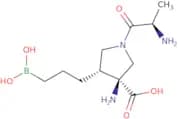
CAS:CB-1158 is an arginase inhibitor, which is a small molecule derived from a synthetic source designed to modulate immune functions. Its mode of action involves the inhibition of the arginase enzyme, a key player in the urea cycle responsible for the hydrolysis of arginine into ornithine and urea. By blocking arginase, CB-1158 effectively prevents the depletion of extracellular arginine, a vital amino acid required for the activation and proliferation of T cells within the immune system. This inhibition leads to enhanced immune responses against tumors.
Formula:C11H22BN3O5Purity:Min. 95%Molecular weight:287.12 g/molParainfluenza Virus Type 2 Antigen
Parainfluenza viruses (PIVs) belong to the Paramyxoviridae family and are a common cause of respiratory infections, particularly in children.
There are four main types: Human Parainfluenza virus-1 (HPIV-1), HPIV-2, HPIV-3, and HPIV-4, each associated with different patterns of illness. HPIV-1 and HPIV-2 are the primary causes of colds and croup. HPIV-3 often leads to bronchitis and pneumonia, while it is thought HPIV-4 causes similar symptoms HPIV-3.
Parainfluenza viruses spread through respiratory droplets and while most infections are mild, infants, young children, and immunocompromised individuals may experience severe respiratory illness.
Parainfluenza Virus Type 2 Antigen has potential application in the development of diagnostic assays to detect antibodies in patient samples, confirming HPIV-2 infection. It can also be used as a research tool in vaccine development.Purity:Min. 95%











![[Des-Asp10]Decorsin, Leech](/_next/image/?url=https%3A%2Fstatic.cymitquimica.com%2Fproducts%2F3D%2Fthumb-webp%2FVAC-00243.webp&w=3840&q=75)


![[Trp11] Neurotensin (8-13)](/_next/image/?url=https%3A%2Fstatic.cymitquimica.com%2Fproducts%2F3D%2Fthumb-webp%2FVAC-00688.webp&w=3840&q=75)


![1-(Carboxymethyl)-1H-benzo[G]indole-2-carboxylic acid](/_next/image/?url=https%3A%2Fstatic.cymitquimica.com%2Fproducts%2F3D%2Fthumb-webp%2FAAC27331.webp&w=3840&q=75)