Biochemicals and Reagents
Subcategories of "Biochemicals and Reagents"
- Biomolecules(98,557 products)
- By Biological Target(101,014 products)
- By Pharmacological Effects(6,941 products)
- Cryopreservatives(21 products)
- Desinfectants and Related Compounds(28 products)
- Hormones(530 products)
- Plant Biology(6,903 products)
- Secondary Metabolites(14,371 products)
Found 130589 products of "Biochemicals and Reagents"
AZ PFKFB3 26
CAS:AZ PFKFB3 26 is a mutant form of the protein PFKFB3, which is involved in the regulation of glycolysis and cell growth. This mutation causes the protein to become insensitive to inhibition by the drug AZD6244. The mutant form of PFKFB3 also has an aberrant metabolic phenotype that sensitizes cells to glucose deprivation and activates cell growth pathways such as glycolysis. These effects are caused by activating AMPK and mTORC1, two proteins that regulate cell metabolism.Formula:C24H26N4O2Purity:Min. 95%Molecular weight:402.49 g/molBis(3,5-dibromosalicyl) succinate
CAS:Bis(3,5-dibromosalicyl) succinate is a chemical compound that belongs to the group of ligands. It is an activator of ion channels and a ligand for receptor proteins. Bis(3,5-dibromosalicyl) succinate has been used as a high-purity reagent and research tool in cell biology and pharmacology studies. This compound can also be used to produce antibodies against peptides or other small molecules.
Formula:C18H14Br4O6Purity:Min. 95%Molecular weight:645.9 g/molMutant idh1-in-4
CAS:Mutant IDH1-in-4 is a peptide that is used as a research tool. It has been shown to activate the E2F transcription factor and induce cell death. This peptide does not interact with ion channels or receptor proteins, but it does bind to some protein ligands and inhibits their function.Formula:C25H34N4O3Purity:Min. 95%Molecular weight:438.56 g/molMRZ 2/514
CAS:MRZ 2/514 is a methoxy-substituted glycine derivative that is used as an antagonist. It has been shown to function as a competitive antagonist at the glycine site of the N-methyl-D-aspartate (NMDA) receptor, which is involved in neurotransmission. MRZ 2/514 has also been shown to block excitotoxicity in mice, which is caused by excessive stimulation of glutamate receptors. The methoxy group on MRZ 2/514 can be converted into a pyridyl group, which can form a dione with the amino acid histidine. This dione can then react with nitric oxide to form a nitrosated species that inhibits the activity of NMDA receptors.Formula:C11H6BrN3O3Purity:Min. 95%Molecular weight:308.09 g/molPpardelta agonist
CAS:Ppardelta is a partial agonist of the peroxisome proliferator-activated receptor delta (PPARδ). Ppardelta has been shown to activate PPARδ and induce hypoglycemic effects in vitro. PPARδ is a nuclear receptor that belongs to the family of transcription factors that regulate energy metabolism, lipid and carbohydrate metabolism, and inflammation. Studies have shown that PPARδ plays an important role in regulating atherosclerotic lesion formation in vivo. Further studies show that ppardelta inhibits oxidative injury induced by hydrogen peroxide and prevents neuronal death induced by excitotoxicity. This drug also binds to DNA and has been shown to bind specifically to regions where it can inhibit gene expression.Formula:C31H30FNO5Purity:Min. 95%Molecular weight:515.6 g/mol[Pyr1]-Apelin-13
[Pyr1]apelin-13 (human) (CAS: 217082-60-5)
Formula:C69H108N22O16SMolecular weight:1,533.85 g/molAnti-HIV P24 monoclonal antibody
Please enquire for more information about Anti-HIV P24 monoclonal antibody including the price, delivery time and more detailed product information at the technical inquiry form on this page7-Sulfocholic acid
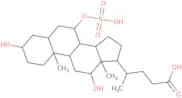
CAS:Controlled Product7-Sulfocholic acid is a synthetic conjugate acid that is used to treat bowel diseases. It is an analog of cholic acid, which is a natural product of the bile. 7-Sulfocholic acid has been shown to be effective against colitis and enteritis, as well as inflammatory bowel disease and celiac disease. This drug binds to the bile acids in the intestines and prevents them from being reabsorbed into the bloodstream. This action reduces the concentration of bile acids in the intestinal lumen, which decreases the secretion of water into the intestine and increases its absorption by osmosis. 7-Sulfocholic acid also inhibits pancreatic enzymes by binding to their active sites, preventing them from digesting dietary fat or synthesizing lipids for storage in adipose tissue.Formula:C24H40O8SPurity:Min. 95%Molecular weight:488.6 g/molBenazepril
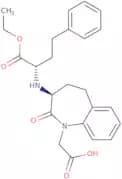
CAS:Benazepril is a drug that is used to treat hypertension and congestive heart failure. It is also used in the treatment of renal disease, diabetic nephropathy, and post-myocardial infarction syndrome. Benazepril inhibits angiotensin I-converting enzyme (ACE), an enzyme involved in the conversion of angiotensin I to angiotensin II. This leads to decreased activity of the renin-angiotensin system, which results in reduced blood pressure and vasodilation. Benazepril has been shown to have beneficial effects on cardiac remodelling and fibrosis due to its ability to inhibit injury caused by growth factor-β1. The low dose group had better outcomes than the high dose group with respect to cardiac effects, such as papillary muscle thickening and tubulointerstitial injury. These effects were reversed following discontinuation of benazepril therapy.Formula:C24H28N2O5Purity:Min. 95%Molecular weight:424.49 g/molNHS-m-dPEG® (MW = 685)
CAS:NHS-m-dPEG® (MW = 685) is a PEG compound with two different functional groups (also known as heterobifunctional). Unlike homobifunctional PEG compounds (same functional group on both ends), this type of compounds are more versatile as have two different anchor points. NHS-m-dPEG® (MW = 685) is used as a linker and spacer to add a PEG moiety, via pegylation (a bioconjugation technique) to proteins, peptides, oligonucleotides, small molecules and nanoparticles.Purity:Min. 95%Molecular weight:685.75 g/molBtk inhibitor 2
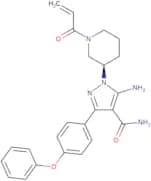
CAS:Btk inhibitor 2 is a protein kinase inhibitor that was developed to target the B-cell lymphoma tumor necrosis factor receptor. It binds to the ATP binding site of Btk and prevents activation of the kinase. This drug has been shown to be effective in treating cancer by inhibiting cancer-related genes and promoting apoptosis in cancer cells. The drug has also been shown to have an effect on skeletal muscle, with a dose-dependent response for increasing muscle mass and decreasing fat content.
Formula:C24H25N5O3Purity:Min. 95%Molecular weight:431.49 g/molPD 173955-Analog1
CAS:PD 173955-Analog1 is a synthetic small molecule inhibitor, which is derived from a class of tyrosine kinase inhibitors commonly used in biochemical research. It functions by targeting the ATP-binding site of tyrosine kinases, leading to the inhibition of kinase activity. This interruption of signaling pathways is crucial for understanding the biological processes involved in cell proliferation and oncogenesis.Formula:C21H14Cl2N4O3Purity:Min. 95%Color and Shape:PowderMolecular weight:441.27 g/molRolofylline metabolite M1-cis
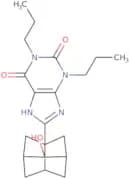
CAS:Rolofylline metabolite M1-cis is a peptide that acts as an activator of ion channels. It is used in research to study the interactions between proteins and receptors. Rolofylline metabolite M1-cis has been shown to inhibit the interaction between the receptor for epidermal growth factor (EGF) and its ligand, EGF. This inhibition leads to reduced cell proliferation and decreased cell migration in cultured cells. Rolofylline metabolite M1-cis binds to the receptor for EGF, preventing it from binding with its ligand, which inhibits cell proliferation.Formula:C20H28N4O3Purity:Min. 95%Molecular weight:372.5 g/molPSB 11 hydrochloride
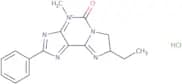
CAS:PSB 11 hydrochloride is a receptor antagonist that inhibits the adenosine A3 receptor. It is used as a therapeutic agent for atherosclerosis and other cardiovascular diseases. PSB 11 hydrochloride has been shown to inhibit the progression of atherosclerosis in animal models and to reduce the incidence of myocardial infarction in patients with coronary artery disease. PSB 11 hydrochloride binds to the A3 receptor and blocks adenosine binding, inhibiting its vasodilatory effects. This drug also prevents platelet aggregation, which may be beneficial in preventing thrombus formation.Formula:C16H18ClN5OPurity:Min. 95%Molecular weight:331.8 g/mol4-(1H-Benzo[D]imidazol-1-yl)-N-(4-(2-oxo-1,2,3,4-tetrahydroquinolin-6-yl)thiazol-2-yl)benzamide
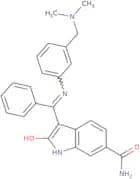
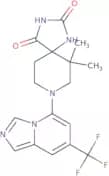
CAS:Controlled Product4-(1H-Benzo[D]imidazol-1-yl)-N-(4-(2-oxo-1,2,3,4-tetrahydroquinolin-6-yl)thiazol-2-yl)benzamide (AQBT) is a potent and selective inhibitor of ion channels. AQBT has a high affinity for Na+ currents in the CNS and peripheral nervous system of rats. It is a potent blocker of α7 nicotinic acetylcholine receptors. This compound also inhibits the activity of the neuronal γ amino butyric acid type A receptor (GABAAR).
Formula:C26H19N5O2SPurity:Min. 95%Molecular weight:465.5 g/molSMARt-420
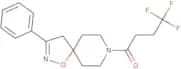
CAS:SMARt-420 is an experimental molecule that has been shown to have antimycobacterial activity against Mycobacterium tuberculosis. SMARt-420 is a non-natural chemical compound with a mycolic acid moiety, which can be synthesized from pentadecyl acetic acid. The synthesis of SMARt-420 has been achieved in a way that circumvents the biosynthetic pathway of mycolic acids and therefore does not require modification of the mycobacterial cell. SMARt-420 was found to have a high affinity for the M. tuberculosis cell membrane, inhibiting the growth and survival of this bacterium by affecting its lipid composition and membrane integrity. In addition, SMARt-420 inhibits cell wall biosynthesis by binding to the enzyme enoylpyruvyl transferase (Ept) in an irreversible fashion, blocking acetylation reactions that are essential for crosslinking of mycolic acids with glycerFormula:C17H19F3N2O2Purity:Min. 95%Molecular weight:340.34 g/molINCB9471
CAS:INCB9471 is a drug that inhibits the activity of human immunodeficiency virus (HIV) by binding to the viral reverse transcriptase enzyme. It has been shown to be active against HIV-1 and HIV-2, with low cytotoxicity for cells in vitro. INCB9471 can be used for the treatment of bone cancer or as a diagnostic agent for infectious diseases, such as tuberculosis or hepatitis B. The compound has not been tested in animals or humans for long-term toxicity, bowel disease, primary sclerosing cholangitis, or antiviral resistance. However, it has been shown to be efficacious in treating her2+ breast cancer and long-term efficacy (up to 3 years) in patients with chronic hepatitis C.
Purity:Min. 95%Palmitoyleicosapentaenoyl phosphatidylcholine
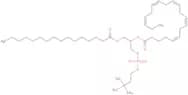
CAS:Palmitoyleicosapentaenoic acid (PAPA) is a long-chain polyunsaturated fatty acid that can be found in the cell membranes of cells. Palmitoyleicosapentaenoyl phosphatidylcholine (PAPPC) is a derivative of PAPA that can be used in biomedical research and as a dietary supplement. PAPPC was synthesized by esterification of palmitoyl-CoA with phosphatidylcholine. It has been shown to have potential as an anti-cancer agent, an inhibitor of HIV infection, and for the treatment of neurological disorders such as Alzheimer's disease. The experimental result showed that PAPPC had a higher degree of fluidity than other types of phospholipids. This could be due to its high degree of unsaturation, which may make it more susceptible to radiation or reactive oxygen species (ROS).Formula:C44H78NO8PPurity:(%) Min. 95%Color and Shape:Yellow PowderMolecular weight:780.07 g/molRPH-2823
CAS:RPH-2823 is a cutting-edge biochemical reagent, meticulously synthesized through advanced organic chemistry processes. This compound is derived from a series of complex reactions involving proprietary modifications to enhance its stability and reactivity under physiological conditions. The intricate mode of action of RPH-2823 involves targeting specific biochemical pathways, allowing for precise interaction at the molecular level with target receptors or enzymes. It exhibits strong affinity and selectivity, making it a valuable tool in modulating biological activities. RPH-2823 finds extensive applications in biochemical research, particularly within cellular signaling and metabolic pathway studies. It serves as an indispensable resource for unraveling complex biological mechanisms, facilitating the identification and characterization of potential therapeutic targets. Scientists utilize RPH-2823 to gain insights into cellular processes, offering the potential for groundbreaking discoveries in pharmacology and biotechnology.
Formula:C17H22N8O2Purity:Min. 95%Molecular weight:370.41 g/molDOTA-tris(Acid)-Amido-dPEG®11-Maleimide
DOTA-tris(Acid)-Amido-dPEG®11-Maleimide is a PEG compound with two different functional groups (also known as heterobifunctional). Unlike homobifunctional PEG compounds (same functional group on both ends), this type of compounds are more versatile as have two different anchor points. DOTA-tris(Acid)-Amido-dPEG®11-Maleimide is used as a linker and spacer to add a PEG moiety, via pegylation (a bioconjugation technique) to proteins, peptides, oligonucleotides, small molecules and nanoparticles.
Purity:Min. 95%Molecular weight:1,310.24 g/molY-26763
CAS:Y-26763 is a drug that blocks ATP-sensitive potassium channels. It has been shown to decrease intracellular calcium concentrations in isolated smooth muscle cells and inhibit the release of acetylcholine from atropine-sensitive sites. In studies with dogs, Y-26763 has shown a potent antihypertensive effect and caused a dose-dependent decrease in blood pressure. Y-26763 is not active against dry weight or whole body weight changes, but it does have an effect on bladder function. The mechanism of action is unknown, but may be related to the inhibition of ATP sensitive potassium channels.Formula:C14H16N2O4Purity:Min. 95%Molecular weight:276.29 g/molML753286
CAS:Please enquire for more information about ML753286 including the price, delivery time and more detailed product information at the technical inquiry form on this pageFormula:C20H25N3O3Purity:Min. 95%Molecular weight:355.4 g/molPDD 00017238
CAS:PDD 00017238 is a synthetic compound with high purity. It is a research tool for studying ion channels and protein interactions. PDD 00017238 has been used to study the activation of G-protein coupled receptors (GPCRs) by ligands. It has also been used to study protein-protein interactions in cell biology, such as the interaction between calcium channel alpha 1 subunits and beta 1 subunits. PDD 00017238 can be used as an inhibitor or activator of peptide binding to protein targets. This compound binds reversibly to peptides in solution, with a dissociation constant of 0.1 µM and inhibition constant of 0.5 µM.Formula:C19H20N6O3S3Purity:Min. 95%Molecular weight:476.6 g/molTASP 0390325
CAS:TASP 0390325 is a drug that modulates the thermoregulatory center in the brain. It is currently being studied for its use as a treatment for cancer and autoimmune diseases. TASP 0390325 is able to activate or inhibit the thermoregulatory center, which can lead to hyperthermia or hypothermia. This drug has been shown to suppress tumor growth in mice with cancer, and also has anti-cancer effects on human breast and prostate cancer cells grown in culture. More studies are needed to determine whether TASP 0390325 will be effective as an anti-cancer drug in humans.Formula:C25H30Cl2FN5O4Purity:Min. 95%Molecular weight:554.4 g/molSPDP-dPEG®4-Acid
CAS:SPDP-dPEG®4-Acid is a PEG compound with two different functional groups (also known as heterobifunctional). Unlike homobifunctional PEG compounds (same functional group on both ends), this type of compounds are more versatile as have two different anchor points. SPDP-dPEG®4-Acid is used as a linker and spacer to add a PEG moiety, via pegylation (a bioconjugation technique) to proteins, peptides, oligonucleotides, small molecules and nanoparticles.Formula:C59H110N2O27S2Purity:Min. 95%Molecular weight:1,343.63 g/molGW779439X
CAS:GW779439X is a novel chemical compound that has been shown to inhibit the growth of Staphylococcus aureus at nanomolar concentrations. It is an inhibitor of DNA replication, which may be due to inhibition of RNA polymerase or topoisomerase II. This compound has also shown anti-cancer properties in vitro and in vivo models, which are likely due to the inhibition of protein synthesis by binding to ribosomes. GW779439X is able to sensitize S. aureus isolates with decreased susceptibility for vancomycin and methicillin, as well as other antibiotic resistant bacteria.Formula:C22H21F3N8Purity:Min. 95%Molecular weight:454.5 g/molPd 128907
CAS:Pd 128907 is a selective agonist that targets the A2A adenosine receptor, which is a G protein-coupled receptor critical in numerous physiological processes. This compound is originally synthesized through a chemical synthesis process that involves precise structural engineering to ensure specificity to the A2A receptor subtype. Its mode of action involves binding to the receptor and mimicking the effects of adenosine, which results in modulation of downstream signaling pathways.Formula:C14H19NO3Purity:Min. 95%Molecular weight:249.3 g/mol(S)-Ceralasertib
CAS:Ceralasertib is a small molecule that is an inhibitor of the epidermal growth factor receptor (EGFR). Ceralasertib has been shown to inhibit the proliferation of cancer cells and induce apoptosis. It has also been shown to bind to EGFR with high affinity. Ceralasertib is a potent small molecule that can be used as a research tool or as a lead compound for drug development against EGFR-mediated cancers.Formula:C20H24N6O2SPurity:Min. 95%Color and Shape:PowderMolecular weight:412.5 g/molA 54556b
CAS:A 54556b is a monoclonal antibody that is used as a research tool to study the interactions between proteins. It can be used to find out how ion channels work and what their function is in cells. A 54556b is also used to study receptor-ligand interactions, which are important for signalling pathways in cells. This antibody has been shown to activate or inhibit protein kinases and phosphatases, which regulate the activity of other proteins.Formula:C37H48N6O8Purity:Min. 95%Molecular weight:704.8 g/molCGP 48369
CAS:CGP 48369 is a calcium antagonist that has been shown to lower blood pressure in patients with cirrhosis and congestive heart failure. It also exhibits an anti-angiotensin effect, which may contribute to its ability to increase the release of nitric oxide. CGP 48369 inhibits the enzyme that converts angiotensin I into angiotensin II, thereby blocking the effects of this hormone on the kidneys, blood vessels, and heart. CGP 48369 is not metabolized by cytochrome P450 enzymes and is excreted unchanged in urine. The drug binds to vitamin B12 and retinoic acid, which may contribute to its negative effects on red blood cells.Formula:C26H30N6OPurity:Min. 95%Molecular weight:442.6 g/molMAL-dPEG®12-t-boc-Hydrazide
CAS:MAL-dPEG®12-t-boc-Hydrazide is a PEG compound with two different functional groups (also known as heterobifunctional). Unlike homobifunctional PEG compounds (same functional group on both ends), this type of compounds are more versatile as have two different anchor points. MAL-dPEG®12-t-boc-Hydrazide is used as a linker and spacer to add a PEG moiety, via pegylation (a bioconjugation technique) to proteins, peptides, oligonucleotides, small molecules and nanoparticles.Formula:C39H70N4O18Purity:Min. 95%Molecular weight:882.99 g/molDraflazine
CAS:Draflazine is a fluorescent derivative of the fatty acid arachidonic acid that binds to the phospholipase A2 receptor. This binding inhibits the release of arachidonic acid from membrane phospholipids and blocks the synthesis of prostaglandins. Draflazine has been shown to increase cardiac function after myocardial infarction, which may be due to its inhibition of reactive oxygen species production and activation of adenosine receptors. The drug also has antinociceptive properties, which have been shown in animal models using nociceptive tests such as tail-flick, hot-plate, and writhing tests. These effects are mediated by G protein-coupled adenosine receptors (A1, A2A).
Formula:C30H33Cl2F2N5O2Purity:Min. 95%Molecular weight:604.5 g/molBosutinib monohydrate
CAS:Inhibitor of Abl and Src kinases; anti-proliferative; antineoplasticÂFormula:C26H29Cl2N5O3·H2OPurity:Min. 95%Color and Shape:Slightly Yellow PowderMolecular weight:548.46 g/molm-dPEG®48-OH
m-dPEG®48-OH is a PEG polymer categorised as monofunctional (OH-PEG-X). Used as a linker, m-dPEG®48-OH is used to attached PEG to proteins, peptides, oligonucleotides, nanoparticles and small molecules via pegylation, a bioconjugation technique.Formula:C98H198O49Purity:Min. 95%Molecular weight:2,160.59 g/molBix-02188
CAS:Bix-02188 is a small molecule that inhibits protein synthesis by inhibiting the activity of the transcription-polymerase chain. Bix-02188 has been shown to have a protective effect on diabetic mice with chronic kidney disease. It also protects against renal damage caused by high salt and cancer, as well as lung damage caused by radical prostatectomy. The drug has been shown to inhibit the growth of cancer cells in culture and to reduce symptoms in patients with epidermal growth factor receptor mutations. Bix-02188 may also be used for the treatment of other diseases associated with uncontrolled cell proliferation, such as psoriasis and Alzheimer's disease.Formula:C25H24N4O2Purity:Min. 95%Molecular weight:412.48 g/molc11 Topfluor dihydroceramide
CAS:C11 Topfluor dihydroceramide is a fluorescent lipid analog, which is synthesized as a derivative of natural sphingolipids, incorporating a bright fluorophore into the ceramide structure. This modification allows for the visualization of ceramide metabolism and distribution within cellular systems. The C11 Topfluor dihydroceramide retains the core structural components of ceramides while adding a fluorescent tag, enabling researchers to track its pathway and interactions in real-time using fluorescence microscopy.Formula:C42H72N3O3F2Purity:Min. 95%Molecular weight:705.04 g/molIPI 926 hydrochloride
CAS:Smoothened (SMO) receptor antagonist; inhibits hedgehog signalling pathwayFormula:C29H49ClN2O3SPurity:Min. 95%Molecular weight:541.23 g/molGQ-16
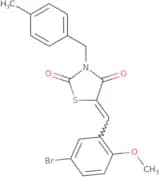
CAS:GQ-16 is a synthetic photoinitiator, which is typically derived from advanced chemical synthesis processes involving aromatic ketones or similar compounds. Its primary mode of action involves the absorption of ultraviolet (UV) light to generate free radicals. These radicals then initiate polymerization by opening the double bonds in monomers, leading to the formation of polymers.Formula:C19H16BrNO3SPurity:Min. 95%Molecular weight:418.3 g/molStaurosporine
CAS:Staurosporine is a fluorogenic substrate for the enzyme staurosporinase that is used in food testing, environmental testing, and diagnostics. It can be conjugated to an antibody or other protein to produce a ligand that binds to a receptor on the cell surface. Staurosporine has been shown to inhibit the activity of various enzymes including phospholipase A2, phospholipase C, and protein kinase C. It also inhibits bacterial DNA gyrase and topoisomerase IV. The fluorescence of staurosporine can be detected with luminometers or fluorescent microscopes.Formula:C28H26N4O3Purity:Min. 95%Molecular weight:466.53 g/molNSC-57969
CAS:NSC-57969 is a peptide that has been shown to inhibit the binding of a number of different ligands to their receptors. NSC-57969 is an activator for ion channels, including the nicotinic acetylcholine receptor (nAChR) and 5-HT3 receptor. It has also been shown to be a potent inhibitor of the aminergic G protein coupled receptor (GPCR) subfamily, including dopamine D2 and serotonin 5HT2A receptors.Formula:C15H18N2OPurity:Min. 95%Molecular weight:242.32 g/molTC-A2317 hydrochloride
CAS:TC-A2317 hydrochloride is a selective nicotinic acetylcholine receptor (nAChR) agonist, which is synthesized through chemical methods. It acts by specifically targeting nAChRs, which are ionotropic receptors predominantly found in the central nervous system and peripheral nervous system. These receptors are ligand-gated ion channels that, upon activation by agonists like TC-A2317 hydrochloride, result in increased neuronal excitability and neurotransmitter release.Formula:C19H28N6O·HClPurity:Min. 95%Molecular weight:392.93 g/molLGD-2226
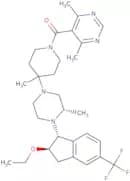
CAS:LGD-2226 is a designer drug that belongs to the class of selective androgen receptor modulators. It binds to the androgen receptor, which allows it to inhibit cell growth by blocking transcription. LGD-2226 has been shown to be effective in treating metabolic disorders such as obesity and type II diabetes. The drug also has potential for use in the treatment of cancer, possessing low toxicity as well as high efficacy for cancer cells. LGD-2226 induces an apoptotic pathway in human adrenocortical carcinoma cells by inhibiting protein synthesis through inhibition of cyclin D1 expression. This drug has been shown to have a tumour suppressor gene activity, with the ability to induce apoptosis in deficient mice with lung cancer.Formula:C14H9F9N2OPurity:Min. 95%Molecular weight:392.22 g/molNVP-BBD130
CAS:NVP-BBD130 is an orally administered, small molecule inhibitor of the mammalian target of rapamycin (mTOR) kinase. It was designed to selectively inhibit mTORC1. NVP-BBD130 has been shown to be a potent inhibitor of melanoma tumor growth in mice and also inhibits the activation of phosphoinositide 3-kinase and Akt. This compound has been evaluated in a pharmacokinetic study as well as a mouse model for melanoma with promising results. In addition, NVP-BBD130 was shown to have an acceptable safety profile in healthy volunteers.
Formula:C28H21N5OPurity:Min. 95%Molecular weight:443.5 g/molIACS-8968 (R-enantiomer)
CAS:IACS-8968 is a peptide that exhibits a high degree of specificity for the L-type voltage-gated calcium channels. It has been shown to inhibit these channels without affecting other ion channels, and it can also block the binding of an antibody to its antigen by competitive inhibition. IACS-8968 has a number of potential applications in life science research and cell biology. It may be used as a research tool to study protein interactions, receptor ligand binding, or pharmacology. The high purity of IACS-8968 makes it possible for researchers to work with milligram quantities.
Formula:C17H18F3N5O2Purity:Min. 95%Molecular weight:381.35 g/molm-dPEG®12-Amido-dPEG®12-Acid
m-dPEG®12-Amido-dPEG®12-Acid is a PEG compound with two different functional groups (also known as heterobifunctional). Unlike homobifunctional PEG compounds (same functional group on both ends), this type of compounds are more versatile as have two different anchor points. m-dPEG®12-Amido-dPEG®12-Acid is used as a linker and spacer to add a PEG moiety, via pegylation (a bioconjugation technique) to proteins, peptides, oligonucleotides, small molecules and nanoparticles.Formula:C53H105NO27Purity:Min. 95%Molecular weight:1,188.39 g/molm-dPEG®2-Tosylate
m-dPEG®2-Tosylate is a PEG compound with two different functional groups (also known as heterobifunctional). Unlike homobifunctional PEG compounds (same functional group on both ends), this type of compounds are more versatile as have two different anchor points. m-dPEG®2-Tosylate is used as a linker and spacer to add a PEG moiety, via pegylation (a bioconjugation technique) to proteins, peptides, oligonucleotides, small molecules and nanoparticles.
Purity:Min. 95%TDN 345
CAS:TDN 345 is a catecholaminergic, blocker. It blocks the signal transduction pathway by inhibiting the neurotransmitter receptor and blocking the binding of neurotransmitters to their receptors. TDN 345 is administered orally, at doses ranging from 3 mg to 10 mg per day, to control levels of catecholamines in patients with carotid artery disease and cerebral vascular disease. TDN 345 has been shown to reduce the growth factor-mediated, cerebrovascular diseases. TDN 345 may also be useful in treating glioma and etidocaine-induced pain.
Formula:C28H34F2N2O2Purity:Min. 95%Molecular weight:468.6 g/molAmino-dPEG®24-Tris(-dPEG®24- Tris (m-dPEG®24)3)3
Amino-dPEG®24-Tris(-dPEG®24- Tris (m-dPEG®24)3)3 is a PEG compound with two different functional groups (also known as heterobifunctional). Unlike homobifunctional PEG compounds (same functional group on both ends), this type of compounds are more versatile as have two different anchor points. Amino-dPEG®24-Tris(-dPEG®24- Tris (m-dPEG®24)3)3 is used as a linker and spacer to add a PEG moiety, via pegylation (a bioconjugation technique) to proteins, peptides, oligonucleotides, small molecules and nanoparticles.
Formula:C697H1381N17O340Purity:Min. 95%Molecular weight:15,441.49 g/molAKT kinase inhibitor hydrochloride
CAS:Please enquire for more information about AKT kinase inhibitor hydrochloride including the price, delivery time and more detailed product information at the technical inquiry form on this pageFormula:C16H19N7O3•HClPurity:Min. 95%Molecular weight:393.83 g/molSL9, HIV-1 p17 (77-85)
Custom research peptide; min purity 95%.Formula:C44H72N10O15Purity:Min. 95%Molecular weight:981.11 g/molG209-2M; gp100 (209-217)
Custom research peptide; min purity 95%.Formula:C47H74N10O14SPurity:Min. 95%Molecular weight:1,035.24 g/molHsp Heat shock protein (3-13)
Custom research peptide; min purity 95%.Formula:C57H94N18O20Purity:Min. 95%Molecular weight:1,351.49 g/molMagainin 1
Magainin-1 is a 23-amino acids peptide which belongs to the magainin peptide family. Magainins are antibiotic peptides with antibacterial, antiviral and antifungal activities. These peptides cause perturbation of membrane functions responsible for osmotic balance. Magainin-1 carries out its antibacterial activity by folding to an amphiphilic helix to interact specifically with lipidic bilayer, resulting in a permeability change. Magainin-1 has broad-spectrum, non-specific activity against a wide range of micro-organisms including viruses as HSV-1 and HSV-2, gram-positive and gram-negative bacteria, protozoa, yeasts and fungi. Magainin-1 may also be hemolytic and cytotoxic to cancer cells. Besides its antimicrobial activity, Magainin-1 presents an antifungal activity against some pathogens such as Candida Albicans with a antifungal activity of 4.15 uM. Recently, it has also been shown that magainin-1 can induce apoptosis of some leukemia cells at a concentration of 10 to 50 nM.Formula:C112H177N29O28SPurity:Min. 95%Molecular weight:2,409.9 g/molPAR-4 (1-6) amide (mouse)
Custom research peptide; min purity 95%.Formula:C33H46N8O7Purity:Min. 95%Molecular weight:666.78 g/molChromogranin A (324-337), human
Custom research peptide; min purity 95%.Formula:C72H116N18O24SPurity:Min. 95%Molecular weight:1,649.9 g/mol[Lys1015,1024]- Thrombospondin-1 (1015-1024) (human, bovine, mouse)
Custom research peptide; min purity 95%.Formula:C68H105N17O12SPurity:Min. 95%Molecular weight:1,384.77 g/molβ-MSH, monkey
CAS:Custom research peptide; min purity 95%.Formula:C98H138N28O29SPurity:Min. 95%Molecular weight:2,204.41 g/molMBP MAPK Substrate
Custom research peptide; min purity 95%.Formula:C39H70N18O11Purity:Min. 95%Molecular weight:967.11 g/molZ-LLY-FMK
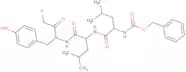
CAS:Z-LLY-FMK is a pro-apoptotic protein that has been shown to induce cell death in neurons and other cells. Z-LLY-FMK binds to the mitochondrial membrane potential, leading to Ca2+ overload and neuronal death. This protein also induces autophagy, which leads to caspase-independent cell death. Z-LLY-FMK has been shown to be effective against squamous carcinoma in an experimental model. In addition, this protein can activate the ubiquitin ligases, which are responsible for disulfide bond formation in cells.Formula:C30H40FN3O6Purity:Min. 95%Molecular weight:557.65 g/molKisspeptin-13 (4-13) (human)
Custom research peptide; min purity 95%.
Formula:C63H83N17O14Purity:Min. 95%Molecular weight:1,302.47 g/mol[D-Trp34]-Neuropeptide Y, human; [D-Trp34]-NPY, human
Custom research peptide; min purity 95%.Formula:C195H287N55O56SPurity:Min. 95%Molecular weight:4,329.8 g/molMBP (87-99), human; Myelin Basic Protein (87-99), guinea pig, human
Custom research peptide; min purity 95%.Formula:C74H114N20O17Purity:Min. 95%Molecular weight:1,555.86 g/mol[Nle4,DPhe7] a-MSH, amide; Melanotan Ⅰ
CAS:Custom research peptide; min purity 95%.Formula:C78H111N21O19Purity:Min. 95%Molecular weight:1,646.9 g/molCEA, CAP-1-6-D, [Asp6]-Carcinoembryonic Antigen
Custom research peptide; min purity 95%.
Formula:C43H68N10O15Purity:Min. 95%Molecular weight:965.08 g/molH-2kb tetramer peptide - VSV
Please enquire for more information about H-2kb tetramer peptide - VSV including the price, delivery time and more detailed product information at the technical inquiry form on this pageHBV core (107-115)
Custom research peptide; min purity 95%.Formula:C44H72N12O14SPurity:Min. 95%Molecular weight:1,025.19 g/molProtein Kinase A Substrate
Custom research peptide; min purity 95%.Formula:C34H64N14O11Purity:Min. 95%Molecular weight:844.97 g/molGPC3 (144-152)
Custom research peptide; min purity 95%, TFA salt. For different specs please use the Peptide Quote Tool
Formula:C52H69N9O15Purity:Min. 95%Molecular weight:1,060.18 g/molACTH (1-24), human
CAS:Custom research peptide; min purity 95%.Formula:C136H210N40O31SPurity:Min. 95%Molecular weight:2,933.5 g/molDYKDDDDK
Please enquire for more information about DYKDDDDK including the price, delivery time and more detailed product information at the technical inquiry form on this page
Formula:C41H60N10O20Purity:Min. 95%Molecular weight:1,012.99 g/molAngiotensinogen (1-14), Porcine
Custom research peptide; min purity 95%.Formula:C85H123N21O20Purity:Min. 95%Molecular weight:1,759.1 g/molTyr-CRF (human, rat)
Custom research peptide; min purity 95%.Formula:C217H353N61O65S2Purity:Min. 95%Molecular weight:4,920.73 g/molSystemin
CAS:Custom research peptide; min purity 95%.Formula:C85H144N26O28SPurity:Min. 95%Molecular weight:2,010.32 g/mol[Des-Asp187,Met186]- Melanocyte Protein PMEL 17 (185-193) (human, bovine, mouse)
Custom research peptide; min purity 95%.Formula:C43H69N9O11SPurity:Min. 95%Molecular weight:920.15 g/molH-2kb tetramer peptide - A2
Please enquire for more information about H-2kb tetramer peptide - A2 including the price, delivery time and more detailed product information at the technical inquiry form on this pageSRC Kinase Substrate
Custom research peptide; min purity 95%.Formula:C64H107N22O24PPurity:Min. 95%Molecular weight:1,599.69 g/molPB1(703-711), Influenza
Custom research peptide; min purity 95%.Formula:C45H75N15O13Purity:Min. 95%Molecular weight:1,034.19 g/molβ- Amyloid (37- 43)
Custom research peptide; min purity 95%.Formula:C27H49N7O9Purity:Min. 95%Molecular weight:615.73 g/molMet-Enkephalin
Custom research peptide; min purity 95%.Formula:C27H35N5O7SPurity:Min. 95%Molecular weight:573.67 g/molMelanocyte Associated Antigen gp 100 (17-25)
Custom research peptide; min purity 95%.Formula:C38H70N10O11Purity:Min. 95%Molecular weight:843.04 g/molβ- Amyloid (1-16)
Custom research peptide; min purity 95%.Formula:C84H119N27O28Purity:Min. 95%Molecular weight:1,955.05 g/mol[Des-Gly77,His78] Myelin Basic Protein (68-84), bovine
Custom research peptide; min purity 95%.Formula:C73H115N23O26Purity:Min. 95%Molecular weight:1,730.87 g/molThymosin β4 (human, bovine, horse, rat)
CAS:Thymosin β4 (human, bovine, horse, rat) is a naturally occurring therapeutic peptide derived from various mammalian sources, including humans, cattle, horses, and rats. It is a member of the β-thymosin family and is ubiquitously expressed in many tissues. The primary mode of action of Thymosin β4 involves its ability to bind actin, thereby facilitating cell motility, angiogenesis, and wound repair. It plays a crucial role in cell migration and the formation of new blood vessels, which is essential for tissue regeneration.The uses and applications of Thymosin β4 are extensive, particularly in fields such as regenerative medicine and ophthalmology, where it is employed to promote healing and tissue repair. It has been investigated for its potential therapeutic effects in conditions such as myocardial infarction, corneal injuries, and chronic wounds due to its regenerative properties. As an endogenous peptide, Thymosin β4’s ability to enhance cellular repair mechanisms makes it a subject of ongoing research to fully elucidate its potential benefits and applications in clinical therapies.Formula:C212H350N56O78SPurity:Min. 95%Molecular weight:4,963.49 g/molExperimental Allergic Encephalitogenic Peptide (human)
Custom research peptide; min purity 95%.Formula:C46H64N14O14Purity:Min. 95%Molecular weight:1,037.11 g/molLeptin (93-105) (human)
Custom research peptide; min purity 95%.Formula:C64H110N20O23Purity:Min. 95%Molecular weight:1,527.7 g/molDynorphin A (1-17), (Prodynorphin 209-225), Porcine
Custom research peptide; min purity 95%.Formula:C99H155N31O23Molecular weight:2,147.53 g/molInfluenza NP (482-489)
Custom research peptide; min purity 95%.Formula:C44H55N9O15Purity:Min. 95%Molecular weight:949.98 g/molNeurokinin B
Custom research peptide; min purity 95%.Formula:C55H79N13O14S2Purity:Min. 95%Molecular weight:1,210.45 g/molAnxiety Peptide
Custom research peptide; min purity 95%.
Formula:C81H138N24O29Purity:Min. 95%Molecular weight:1,912.15 g/molMage-1 Antigen (161-169), human
Custom research peptide; min purity 95%.Formula:C41H57N11O17Purity:Min. 95%Molecular weight:975.97 g/molBAM-22P
Custom research peptide; min purity 95%.Formula:C130H184N38O31S2Purity:Min. 95%Molecular weight:2,839.28 g/molRK9, p17 Gag (20-28)
Custom research peptide; min purity 95%.
Formula:C45H86N18O10Purity:Min. 95%Molecular weight:1,039.3 g/molAngiotensin I/II (3-7)
Custom research peptide; min purity 95%.
Formula:C31H45N7O7Purity:Min. 95%Molecular weight:627.75 g/molVesicular Stomatitis Virus peptide
Custom research peptide; min purity 95%.Formula:C44H66N12O12Purity:Min. 95%Molecular weight:955.09 g/molAmylin (8-37),rat
Custom research peptide; min purity 95%.Formula:C140H227N43O43Purity:Min. 95%Molecular weight:3,200.63 g/molAmylin (20-29) (human)
Custom research peptide; min purity 95%.
Formula:C43H68N12O16Purity:Min. 95%Molecular weight:1,009.09 g/molVIP, Antagonist
Custom research peptide; min purity 95%.Formula:C154H257N49O40SPurity:Min. 95%Molecular weight:3,467.13 g/molBid BH3 Peptide
Custom research peptide; min purity 95%.Formula:C95H161N33O32SPurity:Min. 95%Molecular weight:2,309.61 g/molβ-Amyloid (11- 40)
Custom research peptide; min purity 95%.
Formula:C143H228N38O40SPurity:Min. 95%Molecular weight:3,151.71 g/mol

![[Pyr1]-Apelin-13](/_next/image/?url=https%3A%2Fstatic.cymitquimica.com%2Fproducts%2F3D%2Fthumb-webp%2FVAC-00198.webp&w=3840&q=75)

![4-(1H-Benzo[D]imidazol-1-yl)-N-(4-(2-oxo-1,2,3,4-tetrahydroquinolin-6-yl)thiazol-2-yl)benzamide](/_next/image/?url=https%3A%2Fstatic.cymitquimica.com%2Fproducts%2F3D%2Fthumb-webp%2FFRB76975.webp&w=3840&q=75)









![[Lys1015,1024]- Thrombospondin-1 (1015-1024) (human, bovine, mouse)](/_next/image/?url=https%3A%2Fstatic.cymitquimica.com%2Fproducts%2F3D%2Fthumb-webp%2FPL16877.webp&w=3840&q=75)
![[D-Trp34]-Neuropeptide Y, human; [D-Trp34]-NPY, human](/_next/image/?url=https%3A%2Fstatic.cymitquimica.com%2Fproducts%2F3D%2Fthumb-webp%2FPD16874.webp&w=3840&q=75)
![[Nle4,DPhe7] a-MSH, amide; Melanotan Ⅰ](/_next/image/?url=https%3A%2Fstatic.cymitquimica.com%2Fproducts%2F3D%2Fthumb-webp%2FPN16881.webp&w=3840&q=75)
![CEA, CAP-1-6-D, [Asp6]-Carcinoembryonic Antigen](/_next/image/?url=https%3A%2Fstatic.cymitquimica.com%2Fproducts%2F3D%2Fthumb-webp%2FPC16934.webp&w=3840&q=75)


![[Des-Asp187,Met186]- Melanocyte Protein PMEL 17 (185-193) (human, bovine, mouse)](/_next/image/?url=https%3A%2Fstatic.cymitquimica.com%2Fproducts%2F3D%2Fthumb-webp%2FPD16870.webp&w=3840&q=75)
![[Des-Gly77,His78] Myelin Basic Protein (68-84), bovine](/_next/image/?url=https%3A%2Fstatic.cymitquimica.com%2Fproducts%2F3D%2Fthumb-webp%2FPD16873.webp&w=3840&q=75)