


Biochemicals and Reagents
Subcategories of "Biochemicals and Reagents"
- Biomolecules(98,678 products)
- By Biological Target(100,149 products)
- By Pharmacological Effects(6,845 products)
- Cryopreservatives(21 products)
- Desinfectants and Related Compounds(28 products)
- Hormones(356 products)
- Plant Biology(6,910 products)
- Secondary Metabolites(14,344 products)
Found 130210 products of "Biochemicals and Reagents"
(RS)-butyryltimolol
CAS:(RS)-butyryltimolol is a non-selective beta-adrenergic receptor antagonist, commonly known as a beta-blocker. This compound is a synthetic derivative of timolol, an established therapeutic agent with enhanced properties due to its butyrylation. The source of (RS)-butyryltimolol lies in its chemical synthesis, whereby modifications to the timolol structure yield a compound with potential refined pharmacokinetics and dynamics.Formula:C17H30N4O4SPurity:Min. 95%Molecular weight:386.51 g/molC16ORF48 antibody
C16ORF48 antibody was raised using the middle region of C16Orf48 corresponding to a region with amino acids RHSCSLQVLAQVLEQQRQAQEHYNATQKGHVPHYLLERRDLWRREAEARK2-{[4-Ethyl-5-(pyridin-4-yl)-4H-1,2,4-triazol-3-yl]sulfanyl}-N-[4-(propan-2-yl)phenyl]acetamide
CAS:2-{[4-Ethyl-5-(pyridin-4-yl)-4H-1,2,4-triazol-3-yl]sulfanyl}-N-[4-(propan-2-yl)phenyl]acetamide is a peptide inhibitor of protein interactions. It is used in research as a tool to study the function of proteins and receptors. 2-[(4'-Ethy1,5'-dihydrospiro[imidazole]-4,5'1'(4H)-pyridin]-3'-yl)sulfanyl]-N-[4-(propan2' yl)phenyl]acetamide is highly purified with an ionic strength of 150 mM NaCl and pH 7.0.Formula:C20H23N5OSPurity:Min. 95%Molecular weight:381.5 g/molHSP antibody
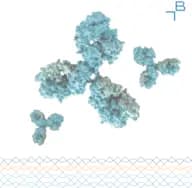
The HSP antibody is a monoclonal antibody that has pharmacokinetic properties. It is formulated using crystalline cellulose and human serum, making it highly effective in targeting specific biomolecules. This antibody has been shown to be particularly effective in treating choroidal neovascularization, a condition characterized by abnormal blood vessel growth in the eye. The HSP antibody works by neutralizing oxidative damage and preventing toxic effects on the retina. Additionally, this monoclonal antibody has shown promising results in combination with sorafenib, an inhibitor of epidermal growth factor receptors. With its potent therapeutic properties, the HSP antibody is a valuable tool in the field of life sciences and holds great potential for future medical advancements.
HCV Core/NS3/NS4/NS5 Antigen, Recombinant
HCV Core/NS3/NS4/NS5 Antigen, Recombinant is an antibody for use in IVD applications. Please enquire for more information about HCV Core/NS3/NS4/NS5 Antigen, Recombinant including the price, delivery time and more detailed product information at the technical inquiry form on this page.PLX5622
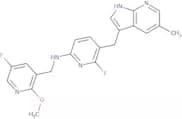
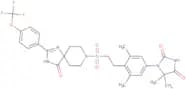
CAS:PLX5622 is a small molecule that binds to the integrin receptor, which is a calcium-binding protein. It has shown efficacy in suppressing chronic oral irritation and restoring locomotor activity in animals. PLX5622 also reduces microglial activation and neuronal death. This drug also blocks the response of cells to colony-stimulating factor (CSF) by inhibiting CSF binding to its receptors on the cell surface. The effects of PLX5622 have been tested using fluorescein angiography and histological analysis in rats with experimental glaucoma.Formula:C21H19F2N5OPurity:Min. 95%Molecular weight:395.41 g/molJAK-IN-1
CAS:JAK-IN-1 is an antibody that inhibits the Janus Kinase 1 enzyme. It is a research tool used in cell biology and pharmacology. JAK-IN-1 binds to and blocks the activity of JAK-1, preventing the activation of various cytokines. The ligand of JAK-IN-1 is a peptide with a molecular weight of 10 kDa. The CAS number for this ligand is 1334673-53-8.Formula:C20H24N6O2Purity:Min. 95%Molecular weight:380.4 g/molFZD7 antibody
FZD7 antibody was raised using a synthetic peptide corresponding to a region with amino acids PDFTVFMIKYLMTMIVGITTGFWIWSGKTLQSWRRFYHRLSHSSKGETAV
Purity:Min. 95%AURKC antibody
AURKC antibody was raised using the middle region of AURKC corresponding to a region with amino acids TYDEKVDLWCIGVLCYELLVGYPPFESASHSETYRRILKVDVRFPLSMPLProtein kinase C (19-36) trifluoroacetate
CAS:Please enquire for more information about Protein kinase C (19-36) trifluoroacetate including the price, delivery time and more detailed product information at the technical inquiry form on this page
Formula:C93H159N35O24•(C2HF3O2)xDichlorphenamide-13C6
CAS:Please enquire for more information about Dichlorphenamide-13C6 including the price, delivery time and more detailed product information at the technical inquiry form on this pageFormula:C6H6Cl2N2O4S2Purity:Min. 95%Molecular weight:311.1 g/molHuman IgM antibody (Poly-HRP)
Human IgM antibody (Poly-HRP) was raised in mouse using human IgM as the immunogen.Purity:Min. 95%SF1 antibody
The SF1 antibody is a polyclonal antibody that specifically targets the glial fibrillary acidic protein (GFAP), a glycoprotein found in astrocytes. This antibody is widely used in life sciences research, particularly in immunoassays and other applications where the detection of GFAP is required. The SF1 antibody can be used in various techniques such as particle chemiluminescence or magnetic particles for the detection of GFAP. It binds to the target molecule with high specificity, allowing for accurate and reliable results. Whether you are studying actin filaments or analyzing human serum samples, the SF1 antibody is an essential tool for your research needs.NSDHL antibody
NSDHL antibody was raised using a synthetic peptide corresponding to a region with amino acids RAVLGANDPEKNFLTTAIRPHGIFGPRDPQLVPILIEAARNGKMKFVIGNP16 antibody
The P16 antibody is a monoclonal antibody that targets the leukocyte antigen P16. It is widely used in Life Sciences research and has various applications in diagnostics and therapeutics. The P16 antibody reacts specifically with P16 protein isoforms and can be used for detection and quantification of P16 expression in different samples, including blood plasma and tissue specimens.Complement C1s antibody
The Complement C1s antibody is a powerful tool in the field of Life Sciences. It is a monoclonal antibody that specifically targets and neutralizes the activity of C1s, an important component of the complement system. This antibody has been extensively studied and proven to have high affinity and specificity for C1s.AP-18
CAS:AP-18 is a non-selective cation that has been shown to inhibit growth factor-induced proliferation of cells in culture. It also inhibits the production of reactive oxygen species and the mitochondrial membrane depolarization, which may be due to its selective inhibition of calcium channels. This small molecule drug has been shown to inhibit cancer cell growth and is currently being investigated as a potential new treatment for cancer. AP-18 can also be used as a polymerase chain reaction (PCR) enhancer in specific applications.Formula:C11H12ClNOPurity:Min. 95%Molecular weight:209.67 g/molMGRN1 antibody
MGRN1 antibody was raised using the middle region of MGRN1 corresponding to a region with amino acids EIYGIENKNNQETKPSDDENSDNSNECVVCLSDLRDTLILPCRHLCLCTS(D,L)-Erythro-α-phenyl-2-piperidineacetamide
CAS:Erythro-α-phenyl-2-piperidineacetamide is a peptide that is found in the human body. It has been shown to interact with antibodies and cells, as well as being a research tool for cell biology. Erythro-α-phenyl-2-piperidineacetamide has been used as an inhibitor of ligands and receptors, ion channels, and also has pharmacological effects. It is a high purity chemical with CAS No. 50288-63-6.Formula:C13H18N2OPurity:Min. 95%Color and Shape:PowderMolecular weight:218.29 g/molIGHG1 MS Calibrator-7 (25nmol)
IGHG1 MS Calibrator-7 is a 25nmol peptide that is derived from the C region of Ig gamma-1 chain. It is a tryptic peptide that corresponds to the sequence of IGHG1. The molecular weight of this peptide is 584.6Da and its theoretical pI is 9.26. This calibrator can be used in various proteomics applications, including proteomics tools such as TrypTides and Proteomics Tools from New England Peptide Company.Purity:Min. 95%Sirt2-in-1
CAS:Sirt2-in-1 is a research tool used for the study of protein interactions. This chemical is used for ligand binding and receptor activation studies. It is also used to study the function of ion channels, cells, and other proteins. Sirt2-in-1 has high purity and can be used in a variety of applications including pharmacology, cell biology, and biochemistry.Formula:C28H27N7O2S2Purity:Min. 95%Molecular weight:557.69 g/molKIAA0427 antibody
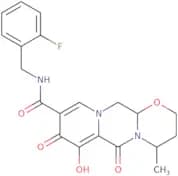
KIAA0427 antibody was raised using the N terminal of KIAA0427 corresponding to a region with amino acids SSCSFSRGRAPPQQNGSKDNSLDMLGTDIWAANTFDSFSGATWDLQPEKL4-Defluoro dolutegravir
CAS:Please enquire for more information about 4-Defluoro dolutegravir including the price, delivery time and more detailed product information at the technical inquiry form on this page
Formula:C20H20FN3O5Purity:Min. 95%Molecular weight:401.4 g/mol16:0 Pe-dtpa (gd)
CAS:16:0 PE-DTPA (Gd) is a gadolinium-based contrast agent, which is a modified phospholipid compound. It is derived from saturating phosphatidylethanolamine with gadolinium(III) diethylenetriaminepentaacetic acid (DTPA). This specialized molecular structure enables it to enhance the contrast in magnetic resonance imaging (MRI) due to gadolinium's paramagnetic properties, which significantly accelerate the relaxation rates of nearby hydrogen nuclei.Formula:C51H98GdN6O17PPurity:Min. 95%Molecular weight:1,255.58 g/molCXADR antibody
CXADR antibody was raised using the N terminal of CXADR corresponding to a region with amino acids ILYSGDKIYDDYYPDLKGRVHFTSNDLKSGDASINVTNLQLSDIGTYQCKPurity:Min. 95%5HT2A antibody
The 5HT2A antibody is a fatty acid that is widely used in Life Sciences research. It is a reactive and neutralizing antibody that targets the EGF-like domain of the 5HT2A receptor. This antibody is commonly used as a medicament for various applications, including the study of adipose tissue biology and the regulation of adipocyte function. The 5HT2A antibody is a glycoprotein that belongs to the family of Polyclonal Antibodies and has been extensively characterized for its specificity and affinity towards the target antigen. It is also known to exhibit anti-glial fibrillary acidic protein (GFAP) activity, making it a valuable tool for studying glial cell activation and glutamate signaling pathways.CD86 antibody
The CD86 antibody is a monoclonal antibody that specifically targets the CD86 protein. This protein is involved in various biological processes, including immune responses and protein-protein interactions. The CD86 antibody can be used in bioassays and immunoassays to detect the presence of CD86 or to study its function. It has also been used in research related to collagen, trastuzumab, ergosterol, and platinum-based chemotherapy. Additionally, the CD86 antibody has been used to isolate nucleic acids and study galectin-3-binding and autoantibodies. With its wide range of applications in the life sciences field, the CD86 antibody is an essential tool for researchers studying protein-protein interactions and immune-related diseases.CC-92480
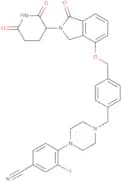
CAS:CC-92480 is an immunomodulatory drug that has been shown to inhibit T-cell proliferation and induce apoptosis in some cases. It has been shown to activate markers of autologous stem cells, potent inhibition of t-cell proliferation, and clinical studies have shown it to be safe in humans. CC-92480 increases the production of anti-inflammatory cytokines and inhibits lipid peroxidation. CC-92480 also binds to the surface of cancer cells, which may trigger an immune response against cancer cells. The safety profile is similar to pomalidomide, a related compound that is used for the treatment of multiple myeloma.Formula:C32H30FN5O4Purity:Min. 95%Molecular weight:567.6 g/molGlycoursodeoxycholic acid-d4
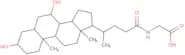
CAS:Glycoursodeoxycholic acid-d4 is an anticancer agent that has been shown to induce apoptosis in tumor cells. It is a deuterated analog of glycoursodeoxycholic acid, which is a naturally occurring bile acid. Glycoursodeoxycholic acid-d4 has been found to inhibit the activity of quetiapine, an antipsychotic drug that has been shown to have anticancer properties. This compound also acts as an inhibitor of kinases, including somatostatin analog receptors, which are involved in the regulation of cell growth and proliferation. Glycoursodeoxycholic acid-d4 has been detected in human urine and Chinese herbal medicines, indicating its potential as a cancer treatment option. Its ability to target cancer cells makes it a promising candidate for future studies into novel cancer therapies.Formula:C26H43NO5Purity:Min. 95%Molecular weight:449.6 g/molXY028-140
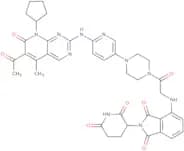
CAS:XY028-140 is a polypeptide with a molecular weight of 140 kDa. It has been shown to have an efficiency of detection for the recording and identification of specific markers in DNA, RNA, and protein. The peptide has a high affinity for nucleic acids and can be used as a probe to detect specific sequences within DNA or RNA molecules. XY028-140 can also be used as a diagnostic tool for the detection of cancer cells in blood or tissue samples. When irradiated with light at the correct frequency, it emits fluorescence that can be detected by optical equipment for analysis.Formula:C39H40N10O7Purity:Min. 95%Molecular weight:760.8 g/molGlycoprotein antibody
Glycoprotein antibody was raised using a synthetic peptide corresponding to a region with amino acids DGENGTGQSHHNVFPDGKPFPHHPGWRRWNFIYVFHTLGQYFQKLGRCSVPurity:Min. 95%Noggin Human
Noggin is a protein that is involved in the regulation of neuronal growth and development. It acts as a morphogen, binding to a receptor on the surface of cells and initiating signaling cascades that lead to changes in gene expression. Noggin binds to Retinoid-X-receptor (RXR) and the Ligand-binding domain of Notch1. These interactions may be important for the regulation of CNS cells, such as neurons and glial cells. The protein has been shown to have a role in synaptic plasticity, axonal guidance, and synaptogenesis. Noggin has also been shown to be an inhibitor of cell proliferation and an activator of cell differentiation.Purity:>95% By Sds-Page.CHD6 antibody
CHD6 antibody was raised in mouse using recombinant Human Chromodomain Helicase Dna Binding Protein 6 (Chd6)
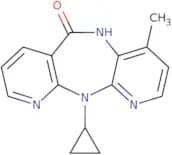
Nevirapine-d4
CAS:Please enquire for more information about Nevirapine-d4 including the price, delivery time and more detailed product information at the technical inquiry form on this pageFormula:C15H14N4OPurity:Min. 95%Molecular weight:270.32 g/molPulcherriminic acid
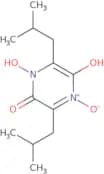
CAS:Pulcherriminic acid is a potent inhibitor of kinases, making it an effective analog for use in medicinal applications. This compound has been shown to inhibit protein kinase activity in various cell lines, leading to apoptosis and cell death in human cancer cells. Pulcherriminic acid is an important anticancer agent that has been found to be effective against a variety of tumors, including those found in Chinese populations. This inhibitor is a promising candidate for the development of novel anticancer drugs due to its ability to selectively target cancer cells while leaving healthy cells unharmed.Formula:C12H20N2O4Purity:Min. 95%Molecular weight:256.3 g/molRo 08-2750
CAS:Ro 08-2750 is a potent anti-tumor agent that inhibits the growth of cancer cells. It is structurally similar to a natural compound, largazole, which has been shown to inhibit prostate cancer cell proliferation. Ro 08-2750 may be useful for the treatment of prostate cancer and other cancers with glucocorticoid receptors. The drug also inhibits the production of proinflammatory prostaglandins and shows potent antitumor activity in both cell culture and animal models. Ro 08-2750 binds to the enzyme p-nitrophenyl phosphate (PNPP) and inhibits its activity, inhibiting DNA synthesis by blocking polymerase chain reaction (PCR). The binding affinity between Ro 08-2750 and PNPP is increased by cofactors such as ATP, making it more effective at inhibiting DNA synthesis.
Formula:C13H10N4O3Purity:Min. 95%Molecular weight:270.24 g/molAnti CRF (24-41), Human Serum
Anti CRF (24-41) is an activator of the CRF receptor, which is a G protein-coupled receptor. This antibody binds to a specific region of the human CRF1 receptor and can be used as a research tool to investigate the function of the CRF receptor. Anti CRF (24-41) can also be used to inhibit cell proliferation and induce apoptosis in cancer cells. It is also used to study protein interactions with fluorescence resonance energy transfer (FRET). This antibody has been shown to inhibit voltage-gated K+ channels in neuronal cells. Anti CRF (24-41) is purified from human serum and can be used for applications such as pharmacology, peptide synthesis, or life science research.
Purity:Min. 95%Serum amyloid A Light Tryptic Peptide Standard (4nmol)
Serum Amyloid A Light Tryptic Peptide Standard can be use in protein identification and quantitation studies and level of serum amyloid A are present at a blood concentration of below 3 mg/L in healthy individual. However elevated levels of this protein are found in inflammatory rheumatic diseases, hence making serum amyloid A an excellent biomarker for these types of diseases.Purity:Min. 95%FXYD3 antibody
The FXYD3 antibody is a monoclonal antibody that targets the protein known as endothelial growth factor. This antibody specifically binds to FXYD3, inhibiting its activity and preventing it from promoting the growth of endothelial cells. It is commonly used in Life Sciences research to study the role of FXYD3 in various cellular processes.LY2812223
CAS:LY2812223 is a drug that is currently in clinical development. It is a low-potency antagonist of the N-methyl-D-aspartate (NMDA) receptor and it has been shown to be effective in animal models of neurodevelopmental, psychotic, and other disorders. LY2812223 binds reversibly to the NMDA receptor and prevents the ion channel from opening. This drug has not been tested in humans, but it has been shown to have good absorption across the blood brain barrier and does not produce any neurotoxic effects. LY2812223 is being developed for the treatment of schizophrenia, bipolar disorder, major depressive disorder, autism spectrum disorders, and Alzheimer’s disease.
END>>Formula:C10H12N4O4SPurity:Min. 95%Molecular weight:284.29 g/molPKC zeta antibody
PKC zeta antibody is a polyclonal antibody that targets the protein kinase C (PKC) zeta, which is a member of the mitogen-activated protein kinase family. This antibody is widely used in life sciences research to study the functions and signaling pathways of PKC zeta. It specifically recognizes and binds to the endogenous form of PKC zeta, inhibiting its activity and allowing for detailed analysis of its role in various cellular processes. The PKC zeta antibody has been validated for use in multiple applications, including Western blotting, immunoprecipitation, and immunofluorescence. It exhibits specific reactivity with various cell lines, including carcinoma cell lines, making it an essential tool for researchers studying cancer biology. With its high specificity and sensitivity, this monoclonal antibody provides accurate and reliable results when used in conjunction with test compounds or other experimental interventions. Additionally, the PKC zeta antibody can be used in combination with other antibodies to investigate proteinPurity:Min. 95%PF-6808472
CAS:PF-6808472 is a peptide inhibitor of the N-methyl-D-aspartate receptor. It is a potent and selective blocker of the NMDA receptor and has been shown to have no effect on other glutamate receptors or ion channels. PF-6808472 has been shown to be an activator of NMDA receptors, which may be due to its ability to bind to the amino acid site on the receptor that is responsible for regulating activation. This agent can also act as a ligand for the receptor, binding directly with high affinity. PF-6808472 is a research tool used in studies involving protein interactions, cell biology, pharmacology and more. It has been tested in animal studies and found to be safe without any significant side effects.
Formula:C25H27FN8O3SPurity:Min. 95%Molecular weight:538.6 g/molATP2C1 antibody
ATP2C1 antibody was raised using the C terminal of ATP2C1 corresponding to a region with amino acids TKSVFEIGLCSNRMFCYAVLGSIMGQLLVIYFPPLQKVFQTESLSILGLAPurity:Min. 95%Estradiol 6,17b antibody
Estradiol 6,17b antibody was raised in mouse using 17 b estradiol-6-CMO-BSA as the immunogen.WNT5B antibody
WNT5B antibody was raised using the middle region of WNT5B corresponding to a region with amino acids YCLRNESTGSLGTQGRLCNKTSEGMDGCELMCCGRGYNQFKSVQVERCHCPurity:Min. 95%GSK2593074A
CAS:GSK2593074A is a potent inhibitor of the VSMACs, which are proteins that interact with the extracellular matrix and regulate the inflammatory response. GSK2593074A has been shown to inhibit aneurysm formation by inhibiting the expression levels of gelatinase and MMP2, two key enzymes in aneurysm progression. GSK2593074A also inhibits reactive oxygen species production by muscle cells and has a diameter of 2.5 nm.Formula:C27H23N5OSPurity:Min. 95%Molecular weight:465.57 g/molPKI-166 hydrochloride
CAS:PKI-166 hydrochloride is a peptide that has been generated and characterized to study protein interactions. It is an inhibitor of ion channels and has been shown to inhibit the activity of L-type calcium channels in rat brain synaptosomes. PKI-166 hydrochloride also inhibits the binding of β2 adrenergic receptor ligands to their receptors, as well as inhibiting the phosphorylation of proteins by tyrosine kinase. PKI-166 hydrochloride is a white crystalline powder with a purity of >98%. The molecular weight is 1,494 Da.Formula:C20H19ClN4OPurity:Min. 95%Molecular weight:366.8 g/molLow-Density Lipoprotein Human
Low-density lipoprotein (LDL) is a type of lipoprotein that contains a high proportion of cholesterol and triglycerides. It is called "low-density lipoprotein" because it has less protein and more fat than "high-density lipoproteins", which are the other major group of lipoproteins. LDL is the main carrier of cholesterol in the blood, and carries about 25% of all the body's cholesterol. The LDL receptor is the cellular receptor for LDL, which is located on the surface of liver cells. The binding site for LDL on its receptor is called LDL Receptor Related Protein 1 or LRP1. LRP1 binds to apolipoprotein E on LDL particles and facilitates their uptake into cells by endocytosis.
Purity:Min. 95%IFN g Rat
IFN-g rat is a peptide that has been used as an activator of immune cells. It binds to the interferon gamma receptor, and promotes the proliferation of T helper cells and B cells, as well as the production of cytokines. IFN-g rat is also used in research to study protein interactions and ligand-receptor binding. IFN-g rat is a recombinant human protein that has been shown to have no detectable levels of pyrogens or endotoxins.
IFN-g Rat is available in bulk quantities from Life Science Research Tools, Inc.Purity:Min. 95%Colchiceine-d3
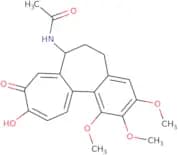
CAS:Please enquire for more information about Colchiceine-d3 including the price, delivery time and more detailed product information at the technical inquiry form on this pageFormula:C21H23NO6Purity:Min. 95%Molecular weight:388.4 g/molClostridum difficile toxin B antibody
Clostridum difficile toxin B antibody was raised in mouse using toxin B of Clostridium difficile as the immunogen.Kurtoxin
Kurtoxin is a synthetic scorpion toxin sourced from the scorpion, Parabuthus transvaalicus and can be applied as a T-type Ca2+ channel blocker. This product has disulfide bonds between Cys12-Cys61Cys16-Cys37, Cys23-Cys44, and Cys27-Cys46 and is available as a 0.1mg vial.Formula:C324H478N94O90S8Purity:Min. 95%Molecular weight:7,386.4 g/molKN 93
CAS:Inhibitor of calcium/calmodulin-dependent protein kinase 2Formula:C26H29ClN2O4SPurity:Min. 95%Molecular weight:501.04 g/molN-Hydroxy-4-{5-[4-(5-isopropyl-2-methyl-1,3-thiazol-4-yl)phenoxy]pentoxy}benzamidine
CAS:N-Hydroxy-4-[5-(4-isopropyl-2-methyl-1,3-thiazol-4-yl)phenoxy]pentoxybenzamidine is a substance that has been shown to have an inhibitory effect on the production of proinflammatory cytokines and chemokines in vitro. It has been studied as a potential treatment for inflammatory diseases, such as rheumatoid arthritis. N-Hydroxy-4-[5-(4-isopropyl-2-methyl-1,3-thiazol-4--yl)phenoxy]pentoxybenzamidine is also known as alendronic acid and is used to treat osteoporosis. It can be administered orally or perorally and is often given in combination with alendronic acid or other drugs.Formula:C25H31N3O3SPurity:Min. 95%Molecular weight:453.6 g/molcAMP antibody
The cAMP antibody is a neutralizing polyclonal antibody that targets angptl3, an activated growth factor found in human serum. This antibody has been widely used in the field of Life Sciences to study the role of angptl3 in various physiological processes. It has also been used to investigate the interaction between angptl3 and other molecules such as alpha-fetoprotein, chemokines, and calmodulin. The cAMP antibody is available in both monoclonal and polyclonal forms, allowing researchers to choose the most suitable option for their experiments. With its high specificity and affinity, this antibody is a valuable tool for researchers looking to understand the function of angptl3 and its potential as a therapeutic target.Purity:Min. 95%PCO371
CAS:Ph. I for parathyroid hormone disordersFormula:C29H32F3N5O6SPurity:Min. 95%Molecular weight:635.7 g/molTPX2 antibody
The TPX2 antibody is a monoclonal antibody used in Life Sciences research as an inhibitor of morphogenetic protein. It is commonly used for gel extraction and clinical use in the field. This antibody specifically targets TPX2, a protein involved in cell division and growth regulation. By inhibiting TPX2, the antibody can effectively block certain cellular processes and pathways. The TPX2 antibody has been widely used in various studies, including immunohistochemical staining and gel chromatography experiments. Additionally, it has shown potential as a metallopeptidase inhibitor and urokinase-type plasminogen activator inhibitor. Researchers can rely on the high quality and specificity of this monoclonal antibody for their experiments and investigations in the field of Life Sciences.Nortriptyline
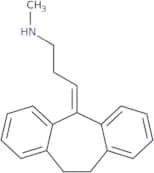
CAS:Controlled ProductSerotonin and norepinephrine reuptake inhibitor; anti-depressantFormula:C19H21NPurity:Min. 95%Color and Shape:PowderMolecular weight:263.38 g/molCD152 antibody (PE)
CD152 antibody (PE) was raised in hamster using murine CD152/CTLA-4 as the immunogen.Purity:Min. 95%E Cadherin antibody
The E Cadherin antibody is a highly specialized antibody that targets the E-cadherin protein. This protein plays a crucial role in cell adhesion and is involved in various biological processes, including tissue development and maintenance. The E Cadherin antibody can be used for research purposes in the field of life sciences.SHC1 antibody
The SHC1 antibody is a monoclonal antibody produced by hybridoma cells. It falls under the category of antibodies and is widely used in the field of Life Sciences. This antibody specifically targets SHC1, a protein involved in various cellular processes such as growth factor signaling and protein kinase activation. The SHC1 antibody has shown high specificity and affinity for its target, making it an essential tool for researchers studying the role of SHC1 in different biological pathways.Anti CGRP (Rat) Serum
Anti CGRP (Rat) Serum is a research tool used to study the function of calcitonin gene-related peptide (CGRP) in cell biology. It is an antibody that binds to the CGRP receptor and blocks the activation of ion channels, which are important for pain perception. This serum can be used as a blocking agent in experiments to study the effects of CGRP on cells.Purity:Min. 95%AT 101
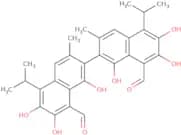
CAS:AT-101 is a natural compound that belongs to the group of complex enzymes. It has been shown to have a number of physiological effects on plants, including inhibition of cotton fiber elongation and seed development. AT-101 also inhibits hyperproliferative disease in animals. The binding form of AT-101 is bound through hydrolysis to its target enzyme and does not depend on caspase activity for cell death. This makes it an attractive candidate for treating cancer cells that are resistant to apoptosis induced by caspases. AT-101 has been shown to inhibit energy metabolism in insects, which may be due to its ability to bind ATP synthase and prevent ATP production. This can lead to insect resistance against toxic compounds such as gossypol or other pharmacological agents.Formula:C30H30O8Purity:Min. 95%Molecular weight:518.56 g/molCyproheptadine-10,11-epoxide
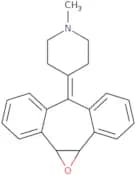
CAS:Cyproheptadine-10,11-epoxide is an analog with anticancer properties that inhibits protein kinases. This compound has been shown to be effective in inhibiting tumor cell growth and inducing apoptosis in cancer cells. Cyproheptadine-10,11-epoxide is a potent inhibitor of several kinases, including those involved in the regulation of cell proliferation and survival. It has been found in human urine and is considered a potential medicinal agent for the treatment of cancer. This compound has also been studied extensively in Chinese traditional medicine as an inhibitor of tumor growth and proliferation. Overall, cyproheptadine-10,11-epoxide shows great promise as a potential therapeutic option for cancer patients.Formula:C21H21NOPurity:Min. 95%Molecular weight:303.4 g/molTMEM146 antibody
TMEM146 antibody was raised using the N terminal of TMEM146 corresponding to a region with amino acids LIQDVQGDRLYFHPTTTRLIKHPCEKNIALYLGKQVFFTMDNFETSLLPF
Purity:Min. 95%TAK-981
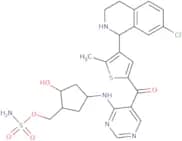
CAS:TAK-981 is a monoclonal antibody that binds to the lysine residues on the surface of tumor cells. It has been shown to have immunomodulatory effects and induce an antitumor response in vivo. TAK-981 has been shown to increase ATP levels, which may be due to its ability to inhibit the activity of CDK2 and CDK4, thereby preventing cell growth. The monoclonal antibody also inhibits transcriptional regulation by binding to DNA at specific locations and inhibiting RNA polymerase II, which prevents transcription of DNA into RNA. This drug also has pharmacokinetic properties that are effective in mice and humans with cancer.Formula:C25H28ClN5O5S2Purity:Min. 95%Molecular weight:578.1 g/molNaloxone methiodide
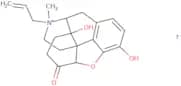
CAS:Controlled ProductNaloxone methiodide is a microdialysis probe that blocks the effects of opioids, such as morphine and codeine. It is a competitive antagonist of κ-opioid receptors and has been shown to be effective in reducing locomotor activity in rats with chronic pain. Naloxone methiodide has also been shown to block the binding of kappa-opioid receptors by naloxone. This drug has been used in vivo as a model for bowel disease, myocardial infarct, and small-molecule drug testing.
Formula:C20H24NO4•IPurity:Min. 95%Molecular weight:469.3 g/molGRM6 antibody
GRM6 antibody was raised in rabbit using a synthetic peptide conjugated to KLH as the immunogen.
Purity:Min. 95%Rocastine
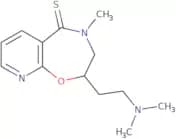
CAS:Rocastine is a non-sedating antihistamine. It is an active ingredient in the form of a fatty acid ester that is used as an implant in the treatment of allergic disorders such as atopic dermatitis. Rocastine has been shown to inhibit adenosine receptors, which are responsible for mediating the generation of histamine from mast cells and basophils, thereby preventing allergy symptoms. Rocastine also inhibits cellular activation by suppressing the release of pro-inflammatory cytokines and chemokines, which leads to inhibition of inflammatory responses. The molecular modeling studies have shown that rocastine binds to the receptor site on histamine H1 receptors with high affinity and selectivity.
Formula:C13H19N3OSPurity:Min. 95%Molecular weight:265.38 g/molPF 06256142
CAS:PF 06256142 is a novel, orally active, selective allosteric modulator of the dopamine D2 receptor with functional selectivity. It has been shown to desensitize the dopamine D2 receptor and reduce locomotor activity in animal models. PF 06256142 has also been shown to be effective in clinical studies for the treatment of Parkinson's disease. In vitro assays have demonstrated that PF 06256142 is a potent dopamine D2 receptor allosteric modulator with a binding affinity (Ki) of 0.4 nM and an intrinsic efficacy of about 300%. The compound demonstrates high potency and efficacy in vitro, as well as a favorable pharmacokinetic profile in vivo.Formula:C21H16N4O2Purity:Min. 95%Molecular weight:356.4 g/molMIP1 beta antibody
MIP1 beta antibody was raised in rabbit using highly pure recombinant murine MIP-1beta as the immunogen.Purity:Min. 95%ML 786 Dihydrochloride
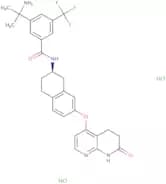
CAS:ML 786 Dihydrochloride is a pluripotent stem cell culture supplement that contains the following: 50% fetal bovine serum, 25% Dulbecco's Modified Eagle Medium, 10% horse serum, 10% human serum, and 5% dimethyl sulfoxide. It is used to support the growth of pluripotent cells.
Formula:C29H29F3N4O3•(HCl)2Purity:Min. 95%Molecular weight:538.56 g/molMc-Gly-Gly-Phe-Gly
CAS:This activated tetra-peptide linker allows selective enzymatic cleavage and provides controlled intracellular payload release.Formula:C25H31N5O8Purity:Min. 95%Molecular weight:529.5 g/molROPN1B antibody
ROPN1B antibody was raised using the N terminal of ROPN1B corresponding to a region with amino acids DYFEALSRGETPPVRERSERVALCNWAELTPELLKILHSQVAGRLIIRAE16:0-18:0 PC
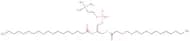
CAS:16:0-18:0 PC is a fatty acid that belongs to the group of acyl chains. It is a putative fatty acid with low energy and a particle profile that is common in liposomal formulations. 16:0-18:0 PC has been found to be associated with cancer and its metastable form is used as an analytical method for determining the composition of fatty acids.Formula:C42H84NO8PPurity:Min. 95%Molecular weight:762.09 g/molPrinoxodan
CAS:Prinoxodan is a pharmaceutical dosage form of fatty acid. It is used in the diagnosis and treatment of muscle cells, as well as other diseases that are associated with muscle degeneration. Prinoxodan is reconstituted for injection and administered intravenously. The drug has an enhancement effect on the uptake by muscle cells, which enhances the intracellular concentration of fatty acids and increases their availability to the mitochondria, which leads to increased synthesis of mitochondria proteins. The conjugates also have a serotonin-releasing effect, which may lead to improved mood.Formula:C13H14N4O2Purity:Min. 95%Molecular weight:258.28 g/molLaminin Pentapeptide YIGSR-NH2
CAS:Laminin is a structural protein that provides a scaffold for cell-cell and cell-matrix interactions. Laminin Pentapeptide YIGSR-NH2 is a synthetic peptide that has been shown to be an activator of the laminin receptor and an inhibitor of ion channels. It has also been used as a research tool in studies on antibody production, life science, cell biology, and pharmacology. This peptide is highly pure with no detectable contaminants.Formula:C26H43N9O7•2CH3COOH•2H2OPurity:Min. 95%Molecular weight:749.81 g/molBodipy-palmitate
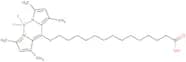
CAS:Bodipy-palmitate is a medicinal compound that has been shown to have potent anticancer properties. It is an analog of the Chinese herbal medicine, berberine, which has been used for centuries as a traditional remedy for various ailments. Bodipy-palmitate inhibits tumor growth by inducing apoptosis in cancer cells and inhibiting kinase activity. This compound has been shown to be effective against a variety of human cancers and has potential as a novel therapeutic agent in the treatment of cancer. In addition, Bodipy-palmitate can be detected in urine and can serve as a biomarker for the presence of inhibitors of protein kinases.Formula:C28H43BF2N2O2Purity:Min. 95%Molecular weight:488.5 g/molSLC26A1 antibody
SLC26A1 antibody was raised using a synthetic peptide corresponding to a region with amino acids LYSLTGLDAGCMAARRKEGGSETGVGEGGPAQGEDLGPVSTRAALVPAAAPurity:Min. 95%VU 0422288
CAS:VU 0422288 is a drug that is being studied for the treatment of Alzheimer's disease and other neurological disorders. It is an inhibitor of the metabotropic glutamate receptor (mGluR) type 5 and has been shown to be a potent activator of mGluRs. In animal models, VU 0422288 has been shown to protect against cognitive impairment and reduce amyloid beta production in the brain. It also reduces inflammation in the brain and spinal cord, which may contribute to its therapeutic effects. This drug is not effective for treating dementia or Alzheimer's disease, but it may be useful for treating autoimmune diseases.Formula:C17H11Cl2N3O2Purity:Min. 95%Molecular weight:360.2 g/mol2-[(4-Methoxyphenyl)methylsulfanyl]-6-methyl-1H-pyrimidin-4-one
CAS:2-[(4-Methoxyphenyl)methylsulfanyl]-6-methyl-1H-pyrimidin-4-one is a synthetic, biologically active compound. It has been shown to act as an activator of the ligand binding site of the beta2 receptor. The protein interactions and pharmacology of this compound are not well understood. 2-[(4-Methoxyphenyl)methylsulfanyl]-6-methyl-1H-pyrimidin-4-one is a high purity, chemically synthesized small molecule that is available in quantities of 100 mg or more.Formula:C13H14N2O2SPurity:Min. 95%Molecular weight:262.33 g/mol


![2-{[4-Ethyl-5-(pyridin-4-yl)-4H-1,2,4-triazol-3-yl]sulfanyl}-N-[4-(propan-2-yl)phenyl]acetamide](/_next/image/?url=https%3A%2Fstatic.cymitquimica.com%2Fproducts%2F3D%2Fthumb-webp%2FKYA55072.webp&w=3840&q=75)




















![N-Hydroxy-4-{5-[4-(5-isopropyl-2-methyl-1,3-thiazol-4-yl)phenoxy]pentoxy}benzamidine](/_next/image/?url=https%3A%2Fstatic.cymitquimica.com%2Fproducts%2F3D%2Fthumb-webp%2FRUA57761.webp&w=3840&q=75)
















![2-[(4-Methoxyphenyl)methylsulfanyl]-6-methyl-1H-pyrimidin-4-one](/_next/image/?url=https%3A%2Fstatic.cymitquimica.com%2Fproducts%2F3D%2Fthumb-webp%2FNCA38461.webp&w=3840&q=75)