Biochemicals and Reagents
Biochemicals and reagents are fundamental substances for research and development in fields such as biotechnology, molecular biology, pharmacology, and medicine. These products are essential for a variety of applications, including compound synthesis, biological sample analysis, metabolic process research, and drug production. At CymitQuimica, we offer a wide selection of high-quality, high-purity biochemicals and reagents suitable for various scientific and industrial needs. Our catalog includes enzymes, antibodies, nucleic acids, amino acids, and many other products, all designed to support researchers and professionals in their research and development projects, ensuring reliable and reproducible results.
Subcategories of "Biochemicals and Reagents"
- Biomolecules(99,205 products)
- By Biological Target(99,900 products)
- By Pharmacological Effects(6,790 products)
- Cryopreservatives(21 products)
- Desinfectants and Related Compounds(28 products)
- Hormones(346 products)
- Plant Biology(6,835 products)
- Secondary Metabolites(14,345 products)
Found 130607 products of "Biochemicals and Reagents"
Sort by
Purity (%)
0
100
|
0
|
50
|
90
|
95
|
100
Decorsin
<p>Decorsin is a research tool that is an activator and ligand for the human receptor. It binds to the receptor by altering its conformation, which leads to cell signaling. Decorsin has been shown to inhibit ion channels, such as potassium channels, and may also function as a receptor antagonist. Decorsin is a high-purity protein with a purity of > 95%. This protein is used in cell biology, pharmacology, and life science research. It can be used as an inhibitor of peptides in the field of protein interactions.</p>Formula:C179H271N55O62S6Purity:Min. 95%Molecular weight:4,377.8 g/molAG 555
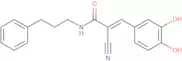
CAS:<p>AG 555 is a taxane that is used to treat bowel disease, including colorectal cancer. It has been shown to inhibit protein target and water permeability in diabetic neuropathy. AG 555 has also been shown to suppress inflammatory bowel disease by inhibiting the activation of epidermal growth factor signaling pathways and BCR-ABL kinase. This drug also has anticancer activity against human pluripotent cells, which may be due to its ability to inhibit viral life.</p>Formula:C19H18N2O3Purity:Min. 95%Molecular weight:322.36 g/molAWAT1 antibody
<p>AWAT1 antibody was raised using the N terminal of AWAT1 corresponding to a region with amino acids NWCVWTHIRDYFPITILKTKDLSPEHNYLMGVHPHGLLTFGAFCNFCTEA</p>Purity:Min. 95%2-(1,5-Dimethyl-3-oxo-2-phenylpyrazol-4-yl)-1,3-dioxoisoindole-5-carboxylic acid
CAS:Please enquire for more information about 2-(1,5-Dimethyl-3-oxo-2-phenylpyrazol-4-yl)-1,3-dioxoisoindole-5-carboxylic acid including the price, delivery time and more detailed product information at the technical inquiry form on this pageFormula:C20H15N3O5Purity:Min. 95%Molecular weight:377.3 g/mol2-Chloropyridine-13C5
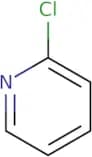
CAS:<p>Please enquire for more information about 2-Chloropyridine-13C5 including the price, delivery time and more detailed product information at the technical inquiry form on this page</p>Formula:C5H4ClNPurity:Min. 95%Molecular weight:118.51 g/molFlt1 antibody
<p>Flt1 antibody was raised in rabbit using a synthetic peptide conjugated to KLH as the immunogen.</p>Purity:Min. 95%Neurofilament Medium Polypeptide Bovine
<p>Neurofilament Medium Polypeptide Bovine is a freeze-dried preparation of the protein neurofilament medium polypeptide. It is used for the quantitative determination of neurofilaments in spinal cord tissue and for functional studies of neurofilaments in neuronal cells. The protein is purified from bovine spinal cord by fractionation with ammonium sulfate precipitation and desalting on a DEAE-cellulose column, followed by two cycles of freeze-drying. The molecular mass is about 190 kDa. Reconstitute in 0.1 M methylammonium chloride and store at 4°C before use.</p>Purity:Min. 95%sTfR Heavy Tryptic Peptide Standard (4nmol)
A soluble transferrin receptor (sTfR) heavy tryptic peptide standard for protein identification and quantitation studies. sTfR is a cleaved extracellular segments of the transferrin receptor 1 and it can be used to measure the status of iron in the blood and thus help in studies into anemia, where iron is deficient.Purity:Min. 95%Donkey anti Sheep IgG (H + L) (rhodamine)
<p>Donkey anti Sheep IgG (H + L) secondary antibody (rhodamine)</p>Purity:Min. 95%SH3-domain GRB2-like 2, human, recombinant
<p>SH3-domain GRB2-like 2, human, recombinant is a protein that in humans is encoded by the SH3GLB2 gene. This protein is a member of the GRB2/SOS1 protein family and contains a SH3 domain. It has been reported to interact with Sos1 and Grb2, and to act as an activator for Ras-dependent signaling pathways. SH3GLB2 has been shown to be involved in the regulation of ion channels, such as calcium-activated potassium channels, and ligand-gated ion channels such as NMDA receptors. Antibodies against this protein are used as research tools for cell biology or immunoassays.<br>SH3GLB2 has also been shown to inhibit the growth of cancer cells by inhibiting their ability to proliferate and migrate.</p>Purity:Min. 95%PROM2 antibody
<p>The PROM2 antibody is a highly effective inhibitor of the epidermal growth factor (EGF) and other growth factors. This antibody works by binding to specific proteins in the body, preventing them from interacting with their target receptors and inhibiting cell growth and proliferation. The PROM2 antibody has been extensively studied in the field of life sciences and has shown promising results in various research applications.</p>IFN a 2a Human
IFN a is a type of cytokine that is produced by T cells and natural killer cells. IFN a 2a Human is an inhibitor of protein interactions, which can be used as a research tool to study the structure and function of proteins. It binds to receptor and activator proteins on the surface of cells, triggering changes in ion channels and other cellular functions. IFN a 2a Human has been shown to inhibit the growth of cancer cells. This drug is also an antibody for the detection of human IFN-α2A or mouse IFN-α2A in cell culture supernatant, serum, or plasma samples.Purity:Min. 95%Anti IL-1alpha (Rat) Serum
<p>IL-1α is a cytokine that belongs to the IL-1 family of cytokines. It has been shown to activate ion channels, bind to receptors, and inhibit ligand binding. IL-1α has been shown to have an anti-inflammatory effect by inhibiting the transcription of pro-inflammatory genes. IL-1α is not active against bacteria or fungi. The anti IL-1alpha (rat) serum was developed for use in research studies involving peptides and other small molecules that interact with IL-1α.</p>Purity:Min. 95%Cytokeratin 10 antibody
<p>The Cytokeratin 10 antibody is a glycoprotein that is widely used in the field of Life Sciences. It is a monoclonal antibody specifically designed to target and bind to Cytokeratin 10, which is an important protein marker in various biological processes. This antibody has been extensively studied and shown to have high specificity and sensitivity in detecting Cytokeratin 10.</p>Anti PHI (13-27), humanSerum
<p>Anti PHI (13-27) is a peptide that is used as a research tool for cell biology and pharmacology. It has been shown to bind to the human receptor, the peptide sequence of which is the same as that of the human PHI(1-27). This peptide can activate ion channels and inhibit ligand binding to receptors. Anti PHI (13-27) has also been shown to inhibit some protein interactions such as those between activated protein kinase C and its substrates. Anti PHI (13-27) can be used in antibody production, immunoprecipitation, and Western blotting. The CAS number for Anti PHI (13-27) is 207900-10-2.</p>Purity:Min. 95%Anti C-Peptide I (Rat) Serum
<p>Anti-C-Peptide I (Rat) Serum is an inhibitor of the C-peptide receptor. It can be used as a research tool to study the activation of the peptide receptor and its interactions with other proteins. Anti-C-Peptide I (Rat) Serum is also an excellent reagent for antibody detection, with high purity and good quality.</p>Purity:Min. 95%NDUFS8 Blocking Peptide
<p>A synthetic peptide for use as a blocking control in assays to test for specificity of NDUFS8 antibody, catalog no. 70R-10377</p>Purity:Min. 95%Protein A/G (recombinant)
Protein A/G is a recombinant protein that is used to purify immunoglobulins and other proteins. It has been shown to inhibit binding of IgE to mast cells, which may be due to its ability to bind to the Fc receptor on the surface of these cells. Protein A/G has also been shown to bind with high affinity and specificity to the Fc receptor on human platelets, which may be due to its ability to activate phospholipase C-γ (PLC-γ) in these cells. This activation leads to an increase in intracellular calcium concentrations and subsequent activation of protein kinase C (PKC). Protein A/G binds with high affinity and specificity for membrane-bound receptors for many ligands, such as epidermal growth factor (EGF), transforming growth factor β1 (TGFβ1), erythropoietin (EPO), prolactin, follicle stimulating hormone (FSH), lutePurity:Min. 95%Naproxol
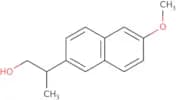
CAS:<p>Naproxol is an anticancer drug that has been shown to induce apoptosis in tumor cells. It is a kinase inhibitor, specifically targeting kinases involved in cancer cell growth and proliferation. Naproxol is an analog of indirubin, a natural compound found in Chinese herbal medicine. This drug has been tested on human cancer cell lines and has shown promising results as an effective inhibitor of tumor growth. Naproxol works by blocking the activity of specific proteins that are essential for cancer cell survival and proliferation. It has potential as a therapeutic agent for the treatment of various types of cancer and is currently being studied for its efficacy in clinical trials.</p>Formula:C14H16O2Purity:Min. 95%Molecular weight:216.27 g/molN-(3-(2-(4-Chloro-3-fluorophenoxy)acetamido)bicyclo[1.1.1]pentan-1-yl)-5-(difluoromethyl)pyrazine-2-carboxamide
CAS:<p>N-(3-(2-(4-Chloro-3-fluorophenoxy)acetamido)bicyclo[1.1.1]pentan-1-yl)-5-(difluoromethyl)pyrazine-2-carboxamide is a peptide that targets the protein interactions with other molecules and cells, which can be used as a research tool for the study of cell biology and pharmacology. This peptide is an inhibitor of Protein interactions, Activator, Ligand, and Receptor with high purity and high solubility in water.</p>Formula:C19H16ClF3N4O3Purity:Min. 95%Molecular weight:440.8 g/molStaphylococcal Protein A Recombinant
<p>Staphylococcal protein A (SPA) is a protein that binds to and removes foreign substances, such as bacteria and toxins, from the body. SPA has been shown to bind to the Fc region of antibodies and prevent their activation. This may be due to its ability to inhibit calpains, which are enzymes that cleave proteins at specific sites. Recombinant SPA has been shown to have an approximate molecular mass of 45 kDa. It can be used in chromatographic techniques for purification of proteins and as an additive for protein solutions. SPA also has catalytic properties, which may be due to its ability to act as a catalytic subunit in Escherichia coli.br></p>Purity:Min. 95%Rapalink-1
CAS:<p>Rapalink-1 is a gene therapy drug that has been shown to be effective against resistant mutants of malignant brain tumors. Rapalink-1 is a protein that has been engineered to bind to mesenchymal markers and inhibit the progression of cancer cells. This protein also has the ability to induce autophagy, which can lead to axonal growth and help with ischemia–reperfusion injury in pediatric patients. Rapalink-1 inhibits tumor growth by triggering autophagy, which can lead to axonal growth and help with ischemia–reperfusion injury in pediatric patients. Rapalink-1 is an autophagy inducer that binds to mesenchymal markers on cancer cells and inhibits the progression of cancer cells. It also has the ability to induce autophagy, which can lead to axonal growth and help with ischemia–reperfusion injury in pediatric patients.</p>Formula:C91H138N12O24Purity:Min. 95%Molecular weight:1,784.1 g/molARRY-382
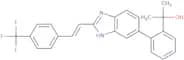
CAS:<p>ARRY-382 is a peptide that has been shown to be a potent activator of the G protein-coupled receptor (GPCR) class A1. ARRY-382 was originally developed as an antagonist for the GPCR class A1, but it was found to activate the receptor instead. This peptide will bind to its target and activate or inhibit their function. It is also used as a research tool in cell biology and pharmacology studies. ARRY-382 is soluble in water and has a high purity level of > 98%. The CAS number for this compound is 1313407-95-2.</p>Formula:C32H36N8O2Purity:Min. 95%Molecular weight:564.7 g/molHSPBP1 antibody
<p>The HSPBP1 antibody is a reactive antibody that targets the growth factor known as anti-glial fibrillary acidic protein (GFAP). It is commonly used in Life Sciences research and can be utilized for various applications. This monoclonal antibody specifically binds to GFAP, which is an intermediate filament protein found in astrocytes and other glial cells. The antibody can be used to detect and quantify GFAP levels in samples such as human serum or tissue sections. Additionally, it has been shown to have neuroprotective effects and can inhibit the activity of pancreatic elastase. The HSPBP1 antibody is a valuable tool for researchers studying glial cells and their involvement in various physiological processes.</p>Serum/Glucocorticoid Regulated Kinase 1, human, recombinant
<p>SRPK1 is a protein kinase that is involved in the regulation of the cell cycle progression and apoptosis. SRPK1 has been shown to be phosphorylated by serum/glucocorticoid regulated kinase 2 (SGK2) and glycogen synthase kinase 3 beta (GSK3β). It is inhibited by the protein phosphatase calcineurin (PP2B), which may play a role in regulating cardiac function. SRPK1 also interacts with ion channels, such as voltage-gated potassium channels, which may be due to its ability to regulate ion channel activity.</p>Purity:Min. 95%Ac-Gly-Ala-Lys(Ac)-AMC
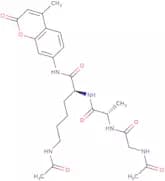
CAS:<p>Ac-Gly-Ala-Lys(Ac)-AMC is a fluorescent compound that reacts to the presence of amino acids. It is used as a research chemical, speciality chemical, and versatile building block. Ac-Gly-Ala-Lys(Ac)-AMC has been shown to be useful in the synthesis of complex compounds and fine chemicals.</p>Formula:C25H33N5O7Purity:Min. 98 Area-%Color and Shape:PowderMolecular weight:515.56 g/molPalosuran hydrochloride
CAS:<p>Palosuran hydrochloride is a peptide inhibitor of the protein-tyrosine kinase receptor. It binds to the phosphorylation site on the receptor and prevents the activation of downstream signaling pathways, such as PI3K/Akt and MAPK. Palosuran hydrochloride can be used as a research tool in cell biology and pharmacology to study protein interactions and protein-ligand interactions.</p>Formula:C25H31ClN4O2Purity:Min. 95%Molecular weight:455 g/molFRETS-25Thr (1 umol) (1umol)
<p>FRETS-25Thr (1 umol) (1umol) is a peptide that was derived from the human erythrocyte membrane protein band 3. It is an activator of ion channels and receptor, and has been shown to inhibit cell proliferation. FRETS-25Thr (1 umol) (1umol) also binds to the C3b component of complement, which is an important part of the immune system.</p>Purity:Min. 95%2-Methyl-3-[(2E,6E)-3,7,11-trimethyldodeca-2,6,10-trienyl]-1H-quinolin-4-one
CAS:<p>2-Methyl-3-[(2E,6E)-3,7,11-trimethyldodeca-2,6,10-trienyl]-1H-quinolin-4-one is a ligand that binds to the receptor and activates it. It is also an agonist of the ion channel. The 2-methyl group in this compound is responsible for binding to the receptor and activating it. The 1H quinolin-4one moiety is responsible for binding to the ion channel. This compound has been shown to be a potent inhibitor of protein interactions. The high purity of this compound makes it suitable for use in research tools such as antibody production and recombinant protein production.</p>Formula:C25H33NOPurity:Min. 95%Molecular weight:363.5 g/molN-[(1S)-1-Carboxy-3-phenylpropyl]-L-alanyl-N-(2,3-dihydro-1H-inden-2-yl)glycine
CAS:<p>Aptiganel is a research tool used to study ion channels. It is an activator of the N-type calcium channel and can be used as a ligand to study receptor interactions. Aptiganel has been shown to inhibit the activity of voltage-gated sodium channels and potassium channels, which are important for the initiation and propagation of action potentials in neurons. This drug also interacts with peptides and proteins involved in cell biology, such as ion channels, high purity, pharmacology, life science and more. Aptiganel is a small molecule that binds to specific sites on receptors or ligands.</p>Formula:C24H28N2O5Purity:Min. 95%Molecular weight:424.50 g/molc22 Sphingomyelin (d18:1/22:0)
CAS:C22 Sphingomyelin (d18:1/22:0) is a type of sphingolipid that has been studied for its potential in cancer treatment. It has been shown to have anticancer properties by inducing apoptosis or programmed cell death in cancer cells. In addition, it can inhibit the activity of certain kinases, which are enzymes that play a role in tumor growth and progression. This sphingomyelin analog has been tested on human and Chinese hamster ovary cells and has demonstrated efficacy against various types of tumors, including breast and colon cancer. Furthermore, it has been found to be an inhibitor of hyaluronan-mediated motility receptor, which is involved in cancer cell migration and invasion. C22 Sphingomyelin (d18:1/22:0) is a promising candidate for the development of kinase inhibitors for the treatment of cancer.Formula:C45H91N2O6PPurity:Min. 95%Molecular weight:787.2 g/molSLC32A1 antibody
<p>SLC32A1 antibody was raised using a synthetic peptide corresponding to a region with amino acids GDEGAEAPVEGDIHYQRGSGAPLPPSGSKDQVGGGGEFGGHDKPKITAWE</p>Purity:Min. 95%SW157765
CAS:<p>SW157765 is a drug that has been shown to outperform other drugs in the treatment of cancer. SW157765 blocks the enzyme, acetyl-CoA carboxylase, which inhibits the production of fatty acids and prevents tumor growth. It has also been shown to sensitize cells to chemotherapy drugs and radiation therapy. SW157765 is a modular compound, meaning it can be broken down into smaller molecules for more specific treatments. The mechanism of action for SW157765 was found by studying data from clinical trials on cancer cell lung cancer. This drug works by inhibiting the biosynthesis of fatty acids, which are necessary for tumor growth. This molecule is also able to cross cellular membranes and enter cells, making it an ideal candidate for treating cancers that have spread throughout the body.</p>Formula:C19H13N3O3Purity:Min. 95%Molecular weight:331.32 g/molGuangxitoxin-1E
<p>Guangxitoxin-1E is a research tool that belongs to the class of ion channel activators. It can activate ligand-gated ion channels and voltage-gated ion channels, which are important for the transmission of nerve signals. Guangxitoxin-1E can be used as an antibody for immunohistochemistry or Western blotting to detect protein interactions and to study cell biology. It is also useful as a pharmacological tool for studying peptides, proteins, and life science.</p>Purity:Min. 95%RBP4 Human
<p>RBP4 is a member of the retinol binding protein family. It binds to the retinoid X receptor, which is involved in ligand-dependent transcriptional regulation of gene expression. RBP4 has been shown to act as an inhibitor and activator of several different proteins, such as ion channels and receptors. It has also been used as a research tool for studying protein interactions, with high purity. RBP4 is used for life science research and antibody production.</p>Purity:Min. 95%Atrial natriuretic factor (1-28) (human) acetate
CAS:<p>Please enquire for more information about Atrial natriuretic factor (1-28) (human) acetate including the price, delivery time and more detailed product information at the technical inquiry form on this page</p>Formula:C127H203N45O39S3•C2H4O2Purity:Min. 95%Color and Shape:PowderMolecular weight:3,140.5 g/molTwist1 antibody
<p>Twist1 antibody was raised in rabbit using the N terminal of Twist1 as the immunogen</p>Purity:Min. 95%TentaGel® S Br Resin (90 um)
<p>TentaGel; is a gelatinous resin, an important support for solid phase synthesis. TentaGel resins are constructed with a backbone of low crosslinked polystyrene grafted with polyoxyethylene (polyethylene glycol) as shown below. The typical chain length of POE (n) is approximately 68 ethylene oxide units or an average MW of 3000. This long chain creates a spacer that effectively separates the reactive site (X) from the crosslinked backbone matrix. The TentaGel; S base resins are available with several different derivative choices. The typical capacity range for our TentaGel base resins is 0.2-0.3 meq/g. (90 √ǵm)<br>Substitution Functional Group: -O-CH2-CH2-Br<br>Application: (90 µm)</p>Purity:Min. 95%Anti CCK-8 (Human, Rat) Serum
This is a vivitide catalogue product. Please send your vivitide product enquiry to sales@vivitide.com for an up-to-date price and availability.Purity:Min. 95%HSPA8 antibody
<p>The HSPA8 antibody is a glycoprotein that plays a crucial role in various cellular processes. It acts as a chaperone protein, assisting in the folding and unfolding of other proteins. This antibody also interacts with mitogen-activated protein (MAP) kinases, specifically p38 MAPK, which is involved in cell signaling pathways. By modulating p38 MAPK activity, the HSPA8 antibody can influence cellular responses such as proliferation, differentiation, and apoptosis.</p>Salannal
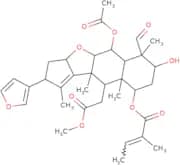
CAS:<p>Salannal is a natural product that is extracted from leaves of the Meliaceae and Japonica species. It has shown to be a strong insect antifeedant with potential as a natural product for use in medicines. Salannal contains tetracyclic limonoids, which are known to regulate the activity of enzymes in the insect's intestinal system. This regulation leads to the death of the insect by inhibiting digestion, leading to starvation and dehydration.</p>Formula:C34H44O10Purity:Min. 95%Molecular weight:612.7 g/molAMP-IBP5, human
CAS:<p>AMP-IBP5, human is a peptide that can be used as a research tool for pharmacological and cell biology studies. It has been shown to inhibit the activity of ion channels, especially those of potassium channels. This peptide also interacts with a number of receptors, including the Ligand-Gated Ion Channel (LGIC), Receptor Tyrosine Kinase (RTK), G Protein-Coupled Receptor (GPCR), and Nuclear Receptor (NR). AMP-IBP5, human is an activator of proteins that are involved in the regulation of cellular signaling pathways. These interactions have been shown to lead to changes in protein expression levels and can be used to study how these proteins interact with each other. AMP-IBP5, human is not active against cells that do not express the receptor or ligand. It has been shown to inhibit the activity of ion channels, especially those of potassium channels. This peptide also</p>Formula:C117H188N38O29S2Purity:Min. 95%Molecular weight:2,655.1 g/molTyrosyl-BNP-32, human
Tyrosyl-BNP-32, human is a peptide that is used as a research tool to study the activation of ion channels and protein interactions. Tyrosyl-BNP-32, human has been shown to be an inhibitor for the receptor for angiotensin II. It also binds to the beta-adrenergic receptor, which is a G protein coupled receptor. Tyrosyl-BNP-32, human is classified as a high purity reagent and has CAS No. 633007-74-2.Formula:C152H253N51O44S4Purity:Min. 95%Molecular weight:3,627.2 g/mol2-Bromo-N-(5,6,7,8-tetrahydro[1]benzothieno[2,3-d]pyrimidin-4-yl)benzamide
CAS:<p>2-Bromo-N-(5,6,7,8-tetrahydro[1]benzothieno[2,3-d]pyrimidin-4-yl)benzamide is a small molecule inhibitor of the protein interactions that are involved in signal transduction pathways. It has been shown to be an activator of the G protein coupled receptor GPVI and a ligand for the protein LRP6. 2-Bromo-N-(5,6,7,8-tetrahydro[1]benzothieno[2,3-d]pyrimidin-4-yl)benzamide is also an inhibitor of ion channels. This compound has been shown to have potential as a research tool for studying cell biology and pharmacology.</p>Formula:C17H14BrN3OSPurity:Min. 95%Molecular weight:388.3 g/molAK1 antibody
<p>The AK1 antibody is a highly specialized and potent inhibitory factor used in Life Sciences research. It has been extensively studied for its ability to inhibit the activity of tyrosine kinase receptors, which play a crucial role in cell signaling and growth. This monoclonal antibody specifically targets fibronectin, a protein involved in cell adhesion and migration.</p>HSP90 Inhibitor, CCT018159
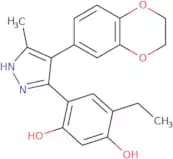
CAS:<p>HSP90 Inhibitor, CCT018159, is a synthetic chemical compound which targets HSP90, a molecular chaperone involved in the proper folding of proteins. This inhibitor is designed and synthesized through chemical methods based on structure-activity relationship studies. It operates by binding to the ATP-binding domain of HSP90, thereby inhibiting its function. This disruption in HSP90 activity leads to the degradation of client proteins that are crucial for cancer cell survival and proliferation.</p>Formula:C20H20N2O4Purity:Min. 95%Molecular weight:352.38 g/molCytokeratin 7 antibody
<p>The Cytokeratin 7 antibody is a diagnostic reagent that consists of polyclonal and monoclonal antibodies. These antibodies are specifically designed to target and neutralize cytokeratin 7, a metal-binding protein involved in various cellular processes. The Cytokeratin 7 antibody can be used in diagnostic tests to detect the presence of cytokeratin 7 in biological samples, such as tissue or blood. This antibody can also be used to study the role of cytokeratin 7 in iron homeostasis, as it has been shown to interact with spleen ferritin and regulate iron levels. Additionally, the Cytokeratin 7 antibody has been found to be activated by interferon, suggesting its potential as an antiviral agent.</p>GPR52 antibody
<p>GPR52 antibody was raised in rabbit using a synthetic peptide conjugated to KLH as the immunogen.</p>Purity:Min. 95%CMLD012612
CAS:<p>CMLD012612 is a peptide that is derived from the first extracellular loop of the human angiotensin II type 1 receptor. This peptide has been shown to activate the receptor and stimulate cAMP production in cells. CMLD012612 also binds to the ligand-binding pocket of the receptor, which may be due to its ability to compete with angiotensin II for binding. The high purity of this product allows it to be used as a research tool for studying protein interactions, ion channels, and cell biology. It is also an inhibitor that blocks angiotensin II type 1 receptors on cells.</p>Formula:C31H33N3O7Purity:Min. 95%Molecular weight:559.6 g/mol2'-5' Oligoadenylate Synthetase 1, human, recombinant
<p>The 2'-5' oligoadenylate synthetase 1 (2-5A-1) is a protein that in humans is encoded by the OAS1 gene. This enzyme catalyzes the synthesis of 2'-5' oligoadenylates, which are potent activators of PKC and MAPK. 2-5A-1 has been shown to increase intracellular calcium levels, activate PKC and MAPK, and induce apoptosis in human cells.</p>Purity:Min. 95%TIMM17B antibody
<p>The TIMM17B antibody is a highly specialized antibody that plays a crucial role in various biological processes. It acts as a calpastatin, inhibiting the activity of calpains and preventing their cytotoxic effects. This antibody can be used in research studies to investigate the role of calpain in cellular processes.</p>SMS antibody
<p>The SMS antibody is a powerful tool in the field of Life Sciences. It is an anti-HER2 antibody that specifically targets and binds to HER2 receptors, which are overexpressed in certain types of cancer cells. This antibody can be used for various applications, such as immunofluorescence (IF) staining or Western blotting, to detect the presence of HER2 proteins in samples.</p>GTSE1 antibody
<p>GTSE1 antibody was raised using the middle region of GTSE1 corresponding to a region with amino acids IDLMTNTPDMNKNVAKPSPVVGQLIDLSSPLIQLSPEADKENVDSPLLKF</p>Purity:Min. 95%Anti NPY (1-19) (Human, Rat, Mouse) Serum
<p>Anti NPY (1-19) is a peptide that binds to the NPY receptor. It is an agonist of the NPY receptor, which is a G-protein coupled receptor. This peptide has been shown to activate ion channels, such as nicotinic acetylcholine receptors and glutamate receptors. Anti NPY (1-19) has also been shown to inhibit ligand binding to the NPY receptor, and may be used as a research tool for studying this receptor in cell biology.</p>Purity:Min. 95%AIP-III
CAS:<p>AIP-III is a peptide that belongs to the group of activators. It binds to the nicotinic acetylcholine receptor, thereby activating it. AIP-III has been shown to cause significant changes in the activity of ion channels and is used as a research tool for pharmacology and protein interactions. AIP-III has been found to be a potent inhibitor of various types of cancer cells in cell culture experiments, although its effects on humans are unknown.</p>Formula:C38H58N8O10SPurity:Min. 95%Molecular weight:818.98 g/molPARK7 antibody
<p>The PARK7 antibody is a highly specialized monoclonal antibody that targets and inhibits the activity of phosphatase enzymes. This antibody has been extensively studied for its potential therapeutic applications in various fields, including insulin signaling, collagen synthesis, chemokine regulation, nuclear processes, and growth factor signaling.</p>Glu-pNA hydrate
<p>Glu-pNA hydrate is a cell-permeant, fluorescently labeled amino acid that selectively binds to ion channels and can be used as a research tool for pharmacology and protein interactions. Glu-pNA hydrate is a high purity product with an antibody activity of less than 0.5% and its CAS number is 1314-77-8. This product has been shown to inhibit the activity of the following proteins: PKCα, phospholipase A2, cyclooxygenase II, and caspase 3. Glu-pNA hydrate also has been shown to activate the following proteins: PKA, PKCβII, PKCγII, PKCδI, PKCεII, PI3KIIIα/β/γ/δ/εIIIa/b/c/d, p38MAPKs, ERK1/2 MAPKs, JNK1/2 MAPK</p>Formula:C11H13N3O5•H2OPurity:Min. 95%Molecular weight:285.26 g/molCNP-53, human
CAS:<p>CNP-53 is a Research Tool for the study of protein interactions, pharmacology and cell biology. It is an activator that interacts with Ligand Receptor and Cell Biology. CNP-53 is a peptide with a molecular weight of 5310.1 Da, which is purified to be 99% pure. This product is suitable for use in research as well as in clinical trials and has been shown to inhibit ion channels and high purity proteins.</p>Formula:C251H417N81O71S3Purity:Min. 95%Molecular weight:5,801.7 g/molACE Light Tryptic Peptide Standard (4nmol)
<p>Angiotensin converting enzyme (ACE) light tryptic peptide standard for use in proteomics studies. ACE is involved in the regulation of blood pressure through converting inactive angiotensin I to active angiotensin II and also degrading active Bradykinin.</p>Purity:Min. 95%Plexin A4 antibody
<p>Plexin A4 antibody was raised using the middle region of PLXNA4 corresponding to a region with amino acids TQEWIGVEGDPPGANIASQEQMLCVYLQCSSHKAISDQRVQPLLCCFLNV</p>Purity:Min. 95%CMK
CAS:<p>CMK is a potent cell-permeable protein kinase inhibitor, derived from a synthetic chemical source, designed to effectively intervene in kinase signaling pathways. Its mode of action involves specific inhibition of protein kinases through competitive binding at the ATP-binding site, thus preventing phosphorylation events critical to numerous cellular processes.</p>Formula:C18H19ClN4O2Purity:Min. 95%Molecular weight:358.82 g/molFAM83B antibody
<p>FAM83B antibody was raised using the C terminal of FAM83B corresponding to a region with amino acids PRRKHSSSSNSQGSIHKSKEDVTVSPSQEINAPPDENKRTPSPGPVESKF</p>EGFR antibody
<p>The EGFR antibody is a highly specialized product in the field of Life Sciences. It is a monoclonal antibody that specifically targets and binds to the epidermal growth factor receptor (EGFR). This receptor plays a crucial role in cell signaling and has been implicated in various diseases, including cancer.</p>14-3-3 Ζ, Gst tagged human
CAS:<p>14-3-3 ζ, GST tagged human, is a recombinant fusion protein that serves as a biochemical tool for research applications. This product is expressed and purified from a human source, specifically designed to investigate protein-protein interactions. The GST (glutathione S-transferase) tag facilitates easy purification and detection, making it suitable for use in affinity chromatography and other laboratory techniques.</p>Purity:Min. 95%MAN1A2 antibody
<p>MAN1A2 antibody was raised using the middle region of MAN1A2 corresponding to a region with amino acids FALGADGSRADKAGHYLELGAEIARTCHESYDRTALKLGPESFKFDGAVE</p>Purity:Min. 95%[D-Pro4,Trp7,9]-Substance P (4-11)
Substance P (SP) is a neuropeptide that has been implicated in the transmission of pain and inflammation. It also regulates feeding behaviour and is a potent stimulator of gastric acid secretion. In addition, SP has been shown to be an antagonist for the insulin receptor. This peptide may therefore contribute to the development of diabetes mellitus type 2.Formula:C57H75N13O10S•CH3COOH•4H2OPurity:Min. 95%Molecular weight:1,266.51 g/molHepcidin (Rat)
<p>Synthetic product of the Hepcidin peptide hormone. Hepcidin in rats is a peptide hormone that plays a key role in the regulation of iron metabolism in the body. Like hepcidin in humans and other mammals, rat hepcidin is produced by the liver and secreted into the bloodstream, where it interacts with other proteins to control the uptake, storage, and distribution of iron.<br>Rat hepcidin is structurally similar to human hepcidin, with 88% sequence identity. It shares many of the same functional properties as human hepcidin, including the ability to bind to ferroportin, a protein that facilitates the export of iron from cells into the bloodstream, and to inhibit its activity.<br>In rats, hepcidin expression is regulated by a variety of factors, including iron status, inflammation, and erythropoietic signals. Studies in rats have shown that alterations in hepcidin levels can lead to changes in iron metabolism and the development of iron-related disorders, such as anemia and iron overload.<br>This product may be useful for the study of hepcidin biology and the regulation of iron metabolism in mammals. It can also provided valuable insights into the mechanisms of iron homeostasis and the development of iron-related diseases in humans.</p>Purity:Min. 95%Molecular weight:2,712.2 g/molFlufylline
CAS:Controlled Product<p>Flufylline is a drug that can be used to treat cardiovascular diseases and asthma. It is a phosphodiesterase (PDE) inhibitor and acts by preventing the breakdown of the chemical messengers, including serotonin, norepinephrine, and epinephrine. Flufylline is insoluble in water and must be reconstituted with a diluent before use. This drug has been shown to decrease blood pressure in patients with hypertension. Flufylline has also been shown to have 5-HT antagonist activity and may be useful for the treatment of depression.</p>Formula:C21H24FN5O3Purity:Min. 95%Molecular weight:413.45 g/molRDH12 antibody
<p>RDH12 antibody was raised using a synthetic peptide corresponding to a region with amino acids HIGKIPFHDLQSEKRYSRGFAYCHSKLANVLFTRELAKRLQGTGVTTYAV</p>Purity:Min. 95%HIST2H2AA3 antibody
<p>HIST2H2AA3 antibody was raised using the middle region of HIST2H2AA3 corresponding to a region with amino acids PRHLQLAIRNDEELNKLLGKVTIAQGGVLPNIQAVLLPKKTESHHKAKGK</p>FRETS-25Ala (1 umol) (1umol)
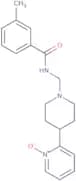
<p>FRETS-25Ala is an inhibitor of the G protein-coupled receptor that inhibits the activation of the receptor. It is a peptide with a molecular weight of 1206.5 Da and a purity of 99.2%. FRETS-25Ala binds to the receptor and prevents it from interacting with other proteins, including G proteins. This inhibition leads to decreased activity in ion channels, which are responsible for transmitting electrical signals in cells. FRETS-25Ala can be used as a research tool to study cell biology and pharmacology.</p>Purity:Min. 95%3-Methyl-N-(1-oxy-3',4',5',6'-tetrahydro-2'H-(2,4'-bipyridine)-1'-ylmethyl)benzamide
CAS:<p>3-Methyl-N-(1-oxy-3',4',5',6'-tetrahydro-2'H-(2,4'-bipyridine)-1'-ylmethyl)benzamide is an antibody that binds to the extracellular domain of the human beta subunit of the GABA A receptor. It inhibits the binding of GABA to this receptor. 3-Methyl-N-(1-oxy-3',4',5',6'-tetrahydro-2'H-(2,4'-bipyridine)-1'-ylmethyl)benzamide is a ligand for this receptor and can be used for research in cell biology, peptides, pharmacology, and protein interactions. 3-Methyl-N-(1-oxy-3',4',5',6'-tetrahydro-2'H-(2,4'-bipyridine)-1'-ylmethyl)benzamide is a</p>Formula:C19H23N3O2Purity:Min. 95%Molecular weight:325.4 g/molAZD 8186
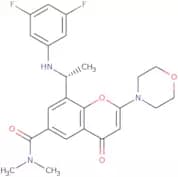
CAS:<p>AZD 8186 is a potent anti-cancer drug that has shown potent antitumor activity against solid tumors. It has been shown to inhibit the growth of cancer cells by targeting and inhibiting the lipid kinase activity of the tumor cells. AZD 8186 also inhibits the pro-apoptotic protein and induces apoptosis in mouse tumor cells, which may be due to inhibition of polymerase chain reaction (PCR) for DNA replication. This drug also targets cancer tissues in vivo and selectively kills myeloid-derived suppressor cells (MDSCs), which are immunosuppressive cells that promote tumor progression.</p>Formula:C24H25F2N3O4Purity:Min. 95%Molecular weight:457.47 g/mol











![N-(3-(2-(4-Chloro-3-fluorophenoxy)acetamido)bicyclo[1.1.1]pentan-1-yl)-5-(difluoromethyl)pyrazine-…](/_next/image/?url=https%3A%2Fstatic.cymitquimica.com%2Fproducts%2F3D%2Fthumb-webp%2FTKD54228.webp&w=3840&q=75)






![2-Methyl-3-[(2E,6E)-3,7,11-trimethyldodeca-2,6,10-trienyl]-1H-quinolin-4-one](/_next/image/?url=https%3A%2Fstatic.cymitquimica.com%2Fproducts%2F3D%2Fthumb-webp%2FIEA35413.webp&w=3840&q=75)
![N-[(1S)-1-Carboxy-3-phenylpropyl]-L-alanyl-N-(2,3-dihydro-1H-inden-2-yl)glycine](/_next/image/?url=https%3A%2Fstatic.cymitquimica.com%2Fproducts%2F3D%2Fthumb-webp%2FIDA39808.webp&w=3840&q=75)









![2-Bromo-N-(5,6,7,8-tetrahydro[1]benzothieno[2,3-d]pyrimidin-4-yl)benzamide](/_next/image/?url=https%3A%2Fstatic.cymitquimica.com%2Fproducts%2F3D%2Fthumb-webp%2FCMA93948.webp&w=3840&q=75)












![[D-Pro4,Trp7,9]-Substance P (4-11)](/_next/image/?url=https%3A%2Fstatic.cymitquimica.com%2Fproducts%2F3D%2Fthumb-webp%2FPSP-4114.webp&w=3840&q=75)