Biochemicals and Reagents
Biochemicals and reagents are fundamental substances for research and development in fields such as biotechnology, molecular biology, pharmacology, and medicine. These products are essential for a variety of applications, including compound synthesis, biological sample analysis, metabolic process research, and drug production. At CymitQuimica, we offer a wide selection of high-quality, high-purity biochemicals and reagents suitable for various scientific and industrial needs. Our catalog includes enzymes, antibodies, nucleic acids, amino acids, and many other products, all designed to support researchers and professionals in their research and development projects, ensuring reliable and reproducible results.
Subcategories of "Biochemicals and Reagents"
- Biomolecules(99,197 products)
- By Biological Target(100,313 products)
- By Pharmacological Effects(6,790 products)
- Cryopreservatives(21 products)
- Desinfectants and Related Compounds(28 products)
- Hormones(346 products)
- Plant Biology(6,835 products)
- Secondary Metabolites(14,348 products)
Found 130603 products of "Biochemicals and Reagents"
Sort by
Purity (%)
0
100
|
0
|
50
|
90
|
95
|
100
GMC 1-165
CAS:<p>GMC 1-165 is a synthetic peptide that activates the mu opioid receptor, which is a G protein-coupled receptor. The activation of this receptor leads to the inhibition of calcium ion channels and the release of dopamine in the brain. GMC 1-165 has been shown to inhibit protein interactions with its high purity, making it an important research tool for studying protein interactions.</p>Formula:C18H20N4OPurity:Min. 95%Molecular weight:308.4 g/molRRBP1 antibody
<p>RRBP1 antibody was raised using a synthetic peptide corresponding to a region with amino acids TDVAQSPEAPKQEAPAKKKSGSKKKGPPDADGPLYLPYKTLVSTVGSMVF</p>Purity:Min. 95%ASB-14
CAS:<p>Consists of a long alkyl tail and amidosulfobetaine headgroup. Used as rehydration buffer for proteomic sample preparation from Leishmania donovani. Also used for protein solubilisation.</p>Formula:C22H46N2O4SPurity:Min. 95%Molecular weight:434.68 g/molC 021 dihydrochloride
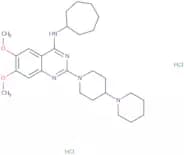
CAS:<p>C 021 dihydrochloride is a chemotherapeutic drug that is used to treat cancer and inflammatory diseases. C 021 dihydrochloride has been shown to be effective in treating myeloid-derived suppressor cells (MDSCs) in a model system. It also seems to protect against the development of colon cancer and other cancers by inhibiting the growth of tumor cells through its ability to inhibit inflammatory cytokines such as c-c chemokine receptor 2 (CCR2). C 021 dihydrochloride also has regulatory effects on T-cells and leukemia cells, which may be caused by its ability to regulate the production of growth factors.</p>Formula:C27H43Cl2N5O2Purity:Min. 95%Molecular weight:540.6 g/molGoat anti Mouse IgG (H + L) (FITC)
<p>This antibody reacts with heavy (gamma) chains on mouse IgG and light chains on all mouse immunoglobulins.</p>Purity:Min. 95%DAG1 antibody
<p>DAG1 antibody was raised using a synthetic peptide corresponding to a region with amino acids AIGPPTTAIQEPPSRIVPTPTSPAIAPPTETMAPPVRDPVPGKPTVTIRT</p>Purity:Min. 95%Keratin K20 antibody
<p>Keratin K20 antibody was raised in mouse using electrophoretically purified keratin K20 from human intestinal mucosa as the immunogen.</p>4-{4-[(Bromoacetyl)amino]butyl}benzoic acid
CAS:<p>4-{4-[(Bromoacetyl)amino]butyl}benzoic acid is a ligand that binds to Ion channels. 4-{4-[(Bromoacetyl)amino]butyl}benzoic acid is a bidentate ligand, which interacts with the extracellular loops of the receptor. This compound has been shown to activate both potassium and chloride ion channels. 4-{4-[(Bromoacetyl)amino]butyl}benzoic acid has also been shown to inhibit the activity of beta adrenergic receptors, leading to hypotension and bradycardia in animals. 4-{4-[(Bromoacetyl)amino]butyl}benzoic acid is a high purity research tool that can be used for studying protein interactions, peptides, antibodies, cell biology and pharmacology.</p>Formula:C13H16BrNO3Purity:Min. 95%Molecular weight:314.17 g/molC6ORF146 antibody
<p>C6ORF146 antibody was raised using the middle region of C6Orf146 corresponding to a region with amino acids ETLPAPNWNLKHGNSSVEENFTDESDLSENEKTNDTLLSYFKKVDLNLKP</p>MRGPRX3 Blocking Peptide
<p>A synthetic peptide for use as a blocking control in assays to test for specificity of MRGPRX3 antibody, catalog no. 70R-9932</p>Purity:Min. 95%RALGPS2 antibody
<p>RALGPS2 antibody was raised using the C terminal of RALGPS2 corresponding to a region with amino acids YLGIYLSDLTYIDSAYPSTGSILENEQRSNLMNNILRIISDLQQSCEYDI</p>SPP86
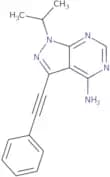
CAS:<p>SPP86 is a synthetic small molecule that inhibits the process of autophagy. It is a potent inhibitor of the mammalian target of rapamycin (mTOR) and inhibits cancer cell growth in vitro and in vivo. SPP86 also enhances the effects of other anticancer drugs, such as hydrogen sulfate, which is used to treat intrahepatic cholangiocarcinoma. The mechanism of action of SPP86 may be due to its ability to inhibit kinase receptors, including EGFR mutant proteins, as well as its function as a neurotrophic factor. This drug has been shown to be effective in animal models for breast cancer resistant to EGFR inhibitors.</p>Formula:C16H15N5Purity:Min. 95%Molecular weight:277.32 g/molACTN1 protein
<p>The ACTN1 protein is a vital component in the field of Life Sciences. It is a binding protein that can be targeted by monoclonal antibodies, making it a key player in various research and diagnostic applications. These monoclonal antibodies are highly specific and can be used to detect and quantify the presence of ACTN1 protein in biological samples.</p>Purity:Min. 95%TK216
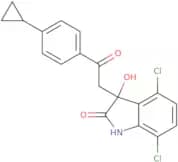
CAS:<p>TK216 is a monoclonal antibody that binds with high affinity and specificity to the leukocyte antigen CD19. TK216 is a humanized antibody that inhibits cell proliferation by inducing apoptosis, thereby inhibiting tumor growth. This drug targets CD19-expressing cells and has been shown to be effective in vitro as well as in vivo, where it has shown an inhibitory effect on xenograft tumor growth. TK216 has been evaluated in preclinical studies for its potential to treat hematologic malignancies such as leukemia and lymphoma.</p>Formula:C19H15Cl2NO3Purity:Min. 95%Molecular weight:376.2 g/molDonkey anti Goat IgG (H + L) (rhodamine)
<p>Donkey anti-goat IgG (H + L) (rhodamine) was raised in donkey using goat IgG (H & L) as the immunogen.</p>Purity:Min. 95%HGF antibody
<p>HGF antibody was raised in goat using S. frugiperda insect ovarian cell line Sf 21derived recombinant human HGF as the immunogen.</p>Purity:Min. 95%ZNF605 antibody
<p>ZNF605 antibody was raised in rabbit using the N terminal of ZNF605 as the immunogen</p>Purity:Min. 95%PGCP antibody
<p>PGCP antibody was raised using the N terminal of PGCP corresponding to a region with amino acids VDTVGPRLSGSKNLEKAIQIMYQNLQQDGLEKVHLEPVRIPHWERGEESA</p>Purity:Min. 95%HSPA1A antibody
<p>The HSPA1A antibody is a monoclonal antibody used in Life Sciences for its antiviral properties. It specifically targets the HSPA1A protein, which is involved in various cellular processes such as stress response and protein folding. This antibody has been shown to neutralize the activity of HSPA1A, making it a valuable tool for research in understanding the role of this protein in different biological contexts.</p>cMet antibody
<p>The cMet antibody is a highly specialized antibody that targets the cMet protein, which plays a crucial role in various biological processes. This antibody can effectively bind to collagen, natriuretic peptides, elastase, and lectins, allowing for precise targeting of specific cells or tissues.</p>c-JUN peptide
CAS:<p>c-Jun is a transcription factor that regulates the expression of genes involved in the process of tumor cell death. c-Jun is activated by phosphorylation and binds to DNA at the promoter regions of genes. It is also involved in regulating fatty acid metabolism, as it can bind to the mitochondrial membrane and decrease mitochondrial superoxide production. This peptide has been shown to have potent antitumor activity in vivo and in vitro, with a specificity for cancer cells that are highly proliferative. The mechanism of action for this peptide is not fully understood, but it may be due to its ability to regulate transcriptional regulation.</p>Formula:C121H210N36O34SPurity:Min. 95%Molecular weight:2,745.3 g/molPHTF1 antibody
<p>PHTF1 antibody was raised in mouse using recombinant Putative Homeodomain Transcription Factor 1</p>PEN (human)
CAS:<p>Penicillin (human) is a beta-lactam antibiotic, which is derived from the Penicillium fungi. Its mode of action involves inhibiting the synthesis of peptidoglycan, an essential component of bacterial cell walls. This disruption in cell wall synthesis leads to cell lysis and ultimately bacterial cell death, making it particularly effective against Gram-positive bacteria.</p>Formula:C97H159N27O32Purity:Min. 95%Molecular weight:2,215.49 g/molFAM156A antibody
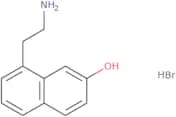
<p>FAM156A antibody was raised using the middle region of FAM156A corresponding to a region with amino acids NRAPHPSSWETLVQGLSGLTLSLGTNQPGPLPEAALQPQETEEKRQRERQ</p>Desacetyl-7-desmethyl agomelatine hydrobromide
CAS:<p>Please enquire for more information about Desacetyl-7-desmethyl agomelatine hydrobromide including the price, delivery time and more detailed product information at the technical inquiry form on this page</p>Formula:C12H14BrNOPurity:Min. 95%Molecular weight:268.15 g/molABL1 antibody
<p>The ABL1 antibody is a mouse monoclonal antibody used in Life Sciences research. It specifically targets the antigen binding domain of the ABL1 protein, which is a human protein involved in various cellular processes. This monoclonal antibody can be used for cytometry analysis to detect and quantify the presence of ABL1 in cells.</p>Purity:Min. 95%CXorf66 antibody
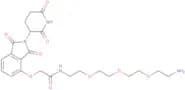
<p>CXorf66 antibody was raised using the middle region of CXorf66 corresponding to a region with amino acids PETQPMLSTADKSSDSSSPERASAQSSTEKLIRPSSLQKPSIPNSAGKLT</p>Purity:Min. 95%Thalidomide-O-amido-PEG3-C2-NH2
CAS:<p>Thalidomide-O-amido-PEG3-C2-NH2 is a synthetic bioconjugation reagent designed as an E3 ligase ligand-linker conjugate, which is crucial for targeted protein degradation. This compound is a derivative of thalidomide, a well-known immunomodulatory drug, chemically modified to include a polyethylene glycol (PEG) spacer and an amide linker. This compound is frequently employed in the development of proteolysis-targeting chimeras (PROTACs), a revolutionary technology in chemical biology and drug discovery. By linking an E3 ligase recruiter to a ligand for a target protein, Thalidomide-O-amido-PEG3-C2-NH2 facilitates proximity-induced ubiquitination and degradation of proteins of interest, enabling researchers to modulate protein levels with high precision. Its applications extend to therapeutic research, particularly in oncology and neurodegenerative diseases, where selective depletion of pathogenic proteins offers potential therapeutic benefits. The unique ability to target previously 'undruggable' proteins underscores its significance in expanding the scope of druggable targets in modern medicinal chemistry.</p>Formula:C23H30N4O9Purity:Min. 95%Molecular weight:506.5 g/molCaspase 7 antibody
<p>The Caspase 7 antibody is a powerful inhibitory factor used in Life Sciences research. This polyclonal antibody specifically targets the protein caspase 7, which plays a crucial role in programmed cell death (apoptosis). By blocking the activity of caspase 7, this antibody allows researchers to investigate its function and explore its potential as a therapeutic target.</p>HLCL-61 HCL
CAS:<p>HLCL-61 HCL is an analog of the natural amino acid histidine. It is used as a hematologic agent in cellular proliferation studies and to inhibit cellular protein synthesis. The synthesis of HLCL-61 HCL can be achieved through two methods: (1) by reacting L-histidine with oxalyl chloride; or (2) by reacting L-histidine methyl ester with ammonia and sodium hydroxide. HLCL-61 HCL has been shown to act as a competitive inhibitor of the enzyme arginase, which catalyzes the conversion of arginine to urea and ornithine. This effect may be due to its ability to compete with hydroxylamine for binding sites on the enzyme.</p>Formula:C23H24N2O·HClPurity:Min. 95%Molecular weight:380.91 g/mol(3S,6R)-Lateritin
CAS:<p>Lateritin is a polyphenol found in the leaves of the plant, Eucalyptus lateritia. It has been shown to have inhibitory properties against mitochondrial cytochrome c oxidase, which may be an important factor in its anti-cancer activity. The compound also has a role in regulating cell growth and differentiation. Lateritin stimulates epidermal growth factor synthesis and inhibits the production of growth factors that promote cancer. This compound is stable in both acidic and alkaline conditions, making it suitable for dietary applications.</p>Formula:C15H19NO3Purity:Min. 95%Molecular weight:261.32 g/molTri-N-butyl-d27-amine
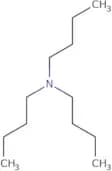
CAS:Controlled ProductPlease enquire for more information about Tri-N-butyl-d27-amine including the price, delivery time and more detailed product information at the technical inquiry form on this pageFormula:C12H27NPurity:Min. 95%Molecular weight:212.51 g/molSubstance P antibody
<p>Substance P antibody was raised in guinea pig using duplicated N-Terminus of perilipin as the immunogen.</p>Purity:Min. 95%HSPBP1 antibody
<p>The HSPBP1 antibody is a highly specialized product used in the field of Life Sciences. It is an activated antibody that has been developed to specifically target and bind to HSPBP1, a metal-binding protein involved in various cellular processes. The antibody can be used for a range of applications, including research studies, diagnostic assays, and therapeutic purposes.</p>Linearmycin B
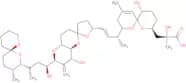
CAS:<p>Linearmycin B is an analog of tolvaptan that has been shown to have potent anticancer activity. It works as an inhibitor of kinases, which are enzymes that play a crucial role in the growth and survival of cancer cells. Linearmycin B has been found to induce apoptosis in human cancer cell lines, making it a promising candidate for the development of new anticancer drugs. In addition, Linearmycin B has been shown to be effective in inhibiting tumor growth in vivo. This compound may also have potential therapeutic applications beyond cancer treatment, as it has been shown to be a potent inhibitor of urine kinases and Chinese hamster ovary cell protein kinases. Overall, Linearmycin B represents a promising avenue for the development of novel kinase inhibitors with potential therapeutic applications in various diseases.</p>Formula:C66H103NO16Purity:Min. 95%Molecular weight:1,166.5 g/molFADD antibody
<p>The FADD antibody is a highly specialized monoclonal antibody used in Life Sciences research. It is specifically designed to target the Fas-associated death domain (FADD) protein, which plays a crucial role in cell signaling and apoptosis. This antibody has been extensively validated for its specificity and sensitivity in various applications.</p>S,S-Labetalol
CAS:<p>S,S-Labetalol is an analog of the medicinal drug Labetalol, which acts as a kinase inhibitor. It has been shown to be effective in inhibiting protein kinases and inducing apoptosis in human cancer cells. S,S-Labetalol is an anticancer agent that has been found to be active against various types of tumors, including those derived from Chinese hamster ovary cells. This drug is excreted primarily in urine and has been investigated for its potential use as a urinary kinase inhibitor. The potent inhibitory effects of S,S-Labetalol on kinases make it a promising candidate for further development as a therapeutic agent for cancer treatment.</p>Formula:C19H24N2O3Purity:Min. 95%Molecular weight:328.4 g/molTriamcinolone Acetonide antibody
<p>Sheep polyclonal Triamcinolone Acetonide antibody</p>Purity:Min. 95%TRKC antibody
<p>The TRKC antibody is a water-soluble monoclonal antibody used in Life Sciences. It is specifically designed to target and bind to the TRKC receptor, which plays a crucial role in various cellular processes. This antibody has been extensively tested and proven to have high affinity and specificity for its target.</p>Goat anti Human IgG + IgA + IgM (biotin)
<p>This antibody reacts with heavy chains on human IgA + IgG + IgM and light chains on all human immunoglobulins.</p>Purity:Min. 95%TAK-659 HCl
CAS:<p>TAK-659 HCl is a peptide that belongs to the group of activator peptides. It is a high-purity product with CAS number 1312691-41-0 and is used as a research tool for ion channels, cell biology, and pharmacology. TAK-659 HCl inhibits protein interactions by binding to the receptor or ligand. The inhibition of these interactions may result in changes in the activity of ion channels or other proteins involved in signal transduction pathways.</p>Formula:C17H23Cl2FN6OPurity:Min. 95%Molecular weight:417.3 g/molMAT2A Inhibitor
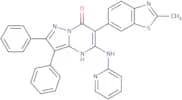
CAS:<p>MAT2A Inhibitor is a heterobicyclic compound that inhibits the activity of MAT2A. This enzyme catalyzes the methyl transfer reactions from S-adenosylmethionine to proteins and nucleic acids, including DNA, RNA, and proteins. MAT2A Inhibitor has been shown to have potent inhibition in tissue culture and clinical studies. It is a potential drug for cancer treatment and diagnosis due to its ability to inhibit the growth of tumor cells through the induction of cell cycle arrest and apoptosis.</p>Formula:C31H22N6OSPurity:Min. 95%Molecular weight:526.61 g/molBenazepril-d5
CAS:<p>Benazepril is a drug that belongs to the losartan group of drugs. It works by inhibiting the enzyme in the angiotensin system, which is responsible for regulating blood pressure. Benazepril-d5 has been shown to be effective in treating hypertension and congestive heart failure. This drug also helps to treat diabetic neuropathy, systolic hypertension, and cardiac hypertrophy. Benazepril-d5 can also be used as a long-term treatment for congestive heart failure and diastolic hypertension.</p>Formula:C24H28N2O5Purity:Min. 95%Molecular weight:429.5 g/molAPLP1 antibody
<p>The APLP1 antibody is a highly specialized antibody used in the field of Life Sciences. It is available in both polyclonal and monoclonal forms, making it versatile for various research purposes. This antibody specifically targets APLP1, which stands for amyloid precursor-like protein 1. APLP1 is involved in various cellular processes, including retinoid metabolism and methyl transferase activity.</p>1-[4-[6-[6-[(2R)-2-(3-Fluorophenyl)pyrrolidin-1-yl]imidazo[1,2-b]pyridazin-3-yl]pyridin-2-yl]pyridin-2-yl]piperidin-4-ol
CAS:<p>1-[4-[6-[6-[(2R)-2-(3-Fluorophenyl)pyrrolidin-1-yl]imidazo[1,2-b]pyridazin-3-yl]pyridin-2-yl]pyridin-2-yl]piperidin-4-ol is a bioactive small molecule, typically synthesized in laboratories focusing on medicinal chemistry. This compound is specifically designed to interact with biochemical targets, usually proteins or receptors, to modulate their activity. Its mode of action involves binding to specific sites on these targets, potentially leading to inhibition, activation, or alteration of the target's natural function, depending on the desired therapeutic outcome. The applications of this compound are mainly situated in the realm of drug discovery and development, serving as a lead or candidate in the pursuit of effective therapies for conditions that involve the targeted pathways or receptors. Researchers analyze such compounds to assess their efficacy, selectivity, and therapeutic potential in disease models, which is critical in the preclinical stage of drug development.</p>Formula:C31H30FN7OPurity:Min. 95%Molecular weight:535.6 g/molCD137 antibody
<p>CD137 antibody was raised in goat using highly pure recombinant human 4-1BB receptor as the immunogen.</p>Purity:Min. 95%DEP1 antibody
<p>The DEP1 antibody is a powerful inhibitory factor that belongs to the family of antibodies. It interacts with mitogen-activated proteins and annexin A2, playing a crucial role in various life sciences applications. This antibody exhibits strong DNA binding activity and has been extensively studied in the context of leukemia inhibitory factor (LIF) signaling pathways. Through its ability to regulate polymerase chain reactions and adenosine A1 receptors, the DEP1 antibody influences cytokine production and transmembrane conductance. With its high specificity and potency, this polyclonal antibody is an essential tool for researchers in the field of life sciences.</p>Goat anti Syrian Hamster IgG (H + L) (FITC)
<p>Goat anti-syrian hamster IgG (H + L) (FITC) was raised in goat using hamster IgG (H & L) as the immunogen.</p>Okadaic acid
CAS:Inhibitor of PP1 and PP2A protein phosphatasesFormula:C44H68O13Purity:Min. 95%Molecular weight:805 g/molKRT5 antibody
<p>The KRT5 antibody is a highly effective substance used in Life Sciences research. It is a monoclonal antibody that specifically targets and binds to the keratin 5 (KRT5) protein, which is commonly found in collagen-rich tissues. This antibody has been extensively tested and validated for its specificity and reliability.</p>CA9 antibody
<p>The CA9 antibody is a monoclonal antibody that has been extensively studied in the field of Life Sciences. It has shown promising results in various applications, including its ability to neutralize aldehyde and interferon autoantibodies. This antibody has a high affinity for low-density albumin and acidic proteins, making it an excellent tool for research purposes. Additionally, the CA9 antibody has been used in studies related to collagen and growth factors, further highlighting its versatility in the field of molecular biology. With its exceptional specificity and binding capacity, this monoclonal antibody is a valuable asset for any laboratory or research facility.</p>Atagabalin
CAS:<p>Atagabalin is a novel pharmaceutical compound, which is derived from marine biological sources. Its primary mode of action involves the inhibition of the alpha-2-delta subunit of voltage-gated calcium channels. This mechanism modulates synaptic transmission, leading to reduced neuronal excitability.</p>Formula:C10H19NO2Purity:Min. 95%Molecular weight:185.26 g/molIRF4 antibody
<p>The IRF4 antibody is a polyclonal antibody used in the field of Life Sciences. It is designed to target and bind to the Interferon Regulatory Factor 4 (IRF4), a protein involved in various cellular processes. This antibody is commonly used in research to study the role of IRF4 in different biological systems.</p>Purity:Min. 95%Donkey anti Sheep IgG (H + L) (HRP)
<p>Donkey anti Sheep IgG (H + L) secondary antibody (HRP) conjugated</p>Purity:Min. 95%Muricarpone B
CAS:<p>Muricarpone B is a natural compound that has been shown to inhibit thrombin and TNF-α. It belongs to the class of diphenyl ethers, which are a group of molecules with potent anti-inflammatory activity. Muricarpone B has been shown to have pharmacophoric properties and inhibitory activities against thrombin, TNF-α, and neutrophil elastase in vitro. Muricarpone B also inhibits neutrophil migration in vivo. Muricarpone B is found in plants from the family Rutaceae, including citrus fruits like oranges and lemons.</p>Formula:C19H22O5Purity:Min. 95%Molecular weight:330.37 g/molProcaterol
CAS:<p>Procaterol is a bronchodilator, which is a synthetic beta-2 adrenergic agonist. It is derived through chemical processes designed to specifically target the beta-2 adrenergic receptors located in the bronchial smooth muscle. The mode of action involves the activation of these receptors, which leads to the relaxation of bronchial smooth muscles. This relaxation effect facilitates the widening of airways, improving airflow and respiratory function.</p>Formula:C16H22N2O3Purity:Min. 95%Molecular weight:290.36 g/molIFN alpha antibody
<p>The 6-Fluoro-3-indoxyl-beta-D-galactopyranoside is a powerful antituberculosis drug that falls under the class of rifamycins. It is highly effective in treating tuberculosis infections, thanks to its bactericidal activity. This active compound works by binding to DNA-dependent RNA polymerase, preventing transcription and replication of bacteria. It has been extensively studied using advanced techniques like the patch-clamp technique on human erythrocytes. The drug undergoes various metabolic transformations, including hydrolysis by esterases or glucuronidases, oxidation by cytochrome P450 enzymes, reduction by glutathione reductase, or conjugation with glucuronic acid. Moreover, it specifically targets markers expressed at high levels in Mycobacterium tuberculosis strains and inhibits their growth in culture.</p>Clofenamide-d3
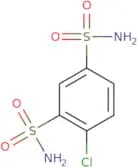
CAS:<p>Please enquire for more information about Clofenamide-d3 including the price, delivery time and more detailed product information at the technical inquiry form on this page</p>Formula:C6H7ClN2O4S2Purity:Min. 95%Molecular weight:273.7 g/molCalcitonin (salmon) trifluoroacetate
CAS:<p>Calcitonin (salmon) trifluoroacetate is a synthetic peptide analogue of the naturally occurring hormone calcitonin. It is derived from salmon, which is a rich source of calcitonin known for its higher potency compared to human calcitonin. This peptide functions by inhibiting osteoclast activity, which are the cells responsible for bone resorption. It achieves this by binding to specific receptors on osteoclasts, thus reducing bone turnover and lowering calcium levels in the blood.</p>Formula:C147H241F3N44O50S2Purity:Min. 95%Molecular weight:3,545.9 g/molWAY 267464 dihydrochloride
CAS:<p>WAY 267464 is an analog of the endogenous hormone oxytocin. It has been shown to promote the release of dopamine and serotonin in various regions of the brain, as well as inhibit alcohol intake in animal models. In animal models, WAY 267464 also shows antidepressant-like activity and a profile that suggests it may be used for chronic viral infections. WAY 267464 binds to the oxytocin receptor with high affinity, but does not bind to other receptors. The molecule is structurally similar to a number of antidepressants that are currently on the market, including fluoxetine, amitriptyline, and venlafaxine.</p>Formula:C32H35N7O4·2HClPurity:Min. 95%Molecular weight:654.59 g/molVerlukast
CAS:<p>Leukotriene D4 antagonist</p>Formula:C26H27ClN2O3S2Purity:Min. 95%Color and Shape:PowderMolecular weight:515.09 g/molRK 682
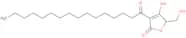
CAS:<p>RK 682 is a peptide that has been found to inhibit the activity of an ion channel. It is also a high-purity ligand and can be used as an inhibitor in pharmacological studies. RK 682 has been shown to activate certain ion channels, which may have applications in cell biology, life science and research tools.</p>Formula:C21H36O5Purity:Min. 95%Molecular weight:368.5 g/molRo 26-4550 trifluoroacetate
CAS:<p>Ro 26-4550 trifluoroacetate is a peptide inhibitor that binds to the N-terminal domain of β2-adrenergic receptors and blocks receptor activation. It has been shown to inhibit the calcium current through voltage-gated calcium channels, which are responsible for the transmission of nerve impulses in many types of cells. Ro 26-4550 trifluoroacetate is also an activator of β2 adrenergic receptors, as well as a ligand and receptor for this type of protein. This compound has been used as a research tool to study the interactions between proteins.</p>Formula:C28H31F3N4O5Purity:Min. 95%Molecular weight:560.6 g/molTNFRSF8 protein
<p>The TNFRSF8 protein is an activated chemokine that has antiviral properties. It plays a crucial role in lipid peroxidation and acts as a neutralizing agent against harmful substances. This protein also affects viscosity levels, ensuring optimal functioning of bodily fluids. Monoclonal antibodies targeting TNFRSF8 have been developed for various immunoassays and diagnostic purposes. Additionally, TNFRSF8 has been found to interact with other proteins such as angptl3 and interferon, indicating its involvement in multiple biological pathways. Overall, this conjugated protein is a valuable tool in scientific research and medical applications.</p>Purity:Min. 95%SPDP-dPEG®12-NHS Ester
CAS:<p>SPDP-dPEG®12-NHS Ester is a PEG compound with two different functional groups (also known as heterobifunctional). Unlike homobifunctional PEG compounds (same functional group on both ends), this type of compounds are more versatile as have two different anchor points. SPDP-dPEG®12-NHS Ester is used as a linker and spacer to add a PEG moiety, via pegylation (a bioconjugation technique) to proteins, peptides, oligonucleotides, small molecules and nanoparticles.</p>Formula:C33H57N3O18Purity:Min. 95%Molecular weight:783.82 g/mol





![4-{4-[(Bromoacetyl)amino]butyl}benzoic acid](/_next/image/?url=https%3A%2Fstatic.cymitquimica.com%2Fproducts%2F3D%2Fthumb-webp%2FKAA16187.webp&w=3840&q=75)





















![1-[4-[6-[6-[(2R)-2-(3-Fluorophenyl)pyrrolidin-1-yl]imidazo[1,2-b]pyridazin-3-yl]pyridin-2-yl]pyrid…](/_next/image/?url=https%3A%2Fstatic.cymitquimica.com%2Fproducts%2F3D%2Fthumb-webp%2FWXB54633.webp&w=3840&q=75)