Biochemicals and Reagents
Biochemicals and reagents are fundamental substances for research and development in fields such as biotechnology, molecular biology, pharmacology, and medicine. These products are essential for a variety of applications, including compound synthesis, biological sample analysis, metabolic process research, and drug production. At CymitQuimica, we offer a wide selection of high-quality, high-purity biochemicals and reagents suitable for various scientific and industrial needs. Our catalog includes enzymes, antibodies, nucleic acids, amino acids, and many other products, all designed to support researchers and professionals in their research and development projects, ensuring reliable and reproducible results.
Subcategories of "Biochemicals and Reagents"
- Biomolecules(99,185 products)
- By Biological Target(99,150 products)
- By Pharmacological Effects(6,789 products)
- Cryopreservatives(21 products)
- Desinfectants and Related Compounds(28 products)
- Hormones(346 products)
- Plant Biology(6,764 products)
- Secondary Metabolites(14,307 products)
Found 130581 products of "Biochemicals and Reagents"
Sort by
Purity (%)
0
100
|
0
|
50
|
90
|
95
|
100
JZL 184
CAS:<p>JZL 184 is a drug that inhibits the enzyme monoacylglycerol lipase, which is involved in the production of endocannabinoids. This inhibition leads to decreased levels of 2-arachidonoylglycerol and monoacylglycerol. JZL 184 also inhibits the synthesis of proinflammatory cytokines and chemokines, leading to decreased inflammation. JZL 184 has been shown to have anti-cancer effects in mice by inhibiting tumor growth and metastasis through toll-like receptor 4 (TLR4) activation. It has also been shown to inhibit the production of inflammatory molecules and tumor necrosis factor alpha (TNFα) in cancer cells.</p>Formula:C27H24N2O9Purity:Min. 95%Molecular weight:520.14818VCAM1 antibody
<p>The 6-Fluoro-3-indoxyl-beta-D-galactopyranoside is a powerful antituberculosis drug belonging to the class of rifamycins. With its bactericidal activity, it effectively treats tuberculosis infections. This active compound inhibits bacterial growth by binding to DNA-dependent RNA polymerase, preventing transcription and replication. Its high frequency of human activity has been demonstrated using a patch-clamp technique on human erythrocytes. Metabolized through various transformations, including hydrolysis, oxidation, reduction, and conjugation, this drug specifically targets markers expressed in Mycobacterium tuberculosis strains and inhibits cell growth in culture.</p>Parainfluenza type 3 antibody
<p>Parainfluenza type 3 antibody was raised in mouse using parainfluenza virus, type 3 as the immunogen.</p>Fn14 antibody
<p>The Fn14 antibody is a specific antiserum that has chemotactic activity and can target opioid peptides. It is a monoclonal antibody that is widely used in the field of Life Sciences. The Fn14 antibody has been shown to inhibit androgen biosynthesis, making it a valuable tool in research related to hormone regulation. This antibody specifically binds to the antigen binding domain of Fn14, a protein involved in various cellular processes. It has also been used in studies on steroid metabolites and pleomorphic adenoma. Additionally, the Fn14 antibody can be conjugated to a carbon electrode for electrochemical detection methods, such as phenyl phosphate assays.</p>TEX14 antibody
<p>The TEX14 antibody is a protein that acts as a growth factor, specifically targeting epidermal growth factor and hepatocyte growth inhibitory factor. It is an essential component in the field of Life Sciences and is widely used in research studies. The TEX14 antibody can be utilized as both a monoclonal and polyclonal antibody, making it versatile for various applications. Its high specificity allows for accurate detection and analysis of c-myc expression levels. Additionally, the TEX14 antibody has been found to be effective in detecting autoantibodies, making it valuable in diagnostic testing. With its robust capabilities, this antibody is an indispensable tool for researchers in the field.</p>Mouse Serum Albumin antibody
<p>Mouse serum albumin antibody was raised in goat using mouse serum albumin as the immunogen.</p>Purity:Min. 95%PCSK5 antibody
<p>PCSK5 antibody was raised using the middle region of PCSK5 corresponding to a region with amino acids CAGAGADGCINCTEGYFMEDGRCVQSCSISYYFDHSSENGYKSCKKCDIS</p>Purity:Min. 95%SMC3 antibody
<p>SMC3 antibody was raised in Rat using Mouse SMC3 and GST fusion protein as the immunogen.</p>LIN7C antibody
<p>LIN7C antibody was raised using a synthetic peptide corresponding to a region with amino acids MAALGEPVRLERDICRAIELLEKLQRSGEVPPQKLQALQRVLQSEFCNAV</p>PX-478
CAS:<p>PX-478 is a drug that inhibits the function of P-glycoprotein (P-gp), which is a protein that transports certain drugs out of cells. PX-478 has been shown to inhibit the proliferation of tumor cells in vitro in response to radiation. It also inhibits the HIF-1α pathway, which leads to apoptosis and prevents tumor growth. In vivo, PX-478 inhibited tumor growth and prolonged survival time in a squamous carcinoma model system. The drug binds to the DNA response element upstream of the polymerase chain gene, thereby inhibiting transcription and translation.</p>Formula:C13H20Cl4N2O3Purity:Min. 95%Molecular weight:394.12 g/mol7β,27-Dihydroxycholesterol-d6
CAS:Controlled Product<p>7β,27-Dihydroxycholesterol is a research tool that can be used to study the function of proteins. It has an inhibitory effect on Protein interactions and can be used as an activator or ligand for Receptor. This product is a high-purity reagent for use in life science research, including ion channels and antibody production. 7β,27-Dihydroxycholesterol is a synthetic compound with CAS No. 2260669-26-7.</p>Formula:C27H40D6O3Purity:Min. 95%Molecular weight:424.69 g/mol2-(2-Morpholin-4-ylethyl)-5-nitrobenzo[de]isoquinoline-1,3-dione
CAS:<p>Please enquire for more information about 2-(2-Morpholin-4-ylethyl)-5-nitrobenzo[de]isoquinoline-1,3-dione including the price, delivery time and more detailed product information at the technical inquiry form on this page</p>Formula:C18H17N3O5Purity:Min. 95%Molecular weight:355.3 g/molFosthietan
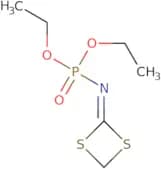
CAS:<p>Fosthietan is a potent anticancer drug that inhibits the cell cycle and induces apoptosis in cancer cells. It works by blocking the activity of kinases, which are proteins that regulate cell growth and division. Fosthietan has been shown to be effective against a variety of human cancer cell lines, including those derived from breast, lung, and colon tumors. This medicinal compound has been extensively studied as an inhibitor of tumor growth and development. In Chinese medicine, Fosthietan has been used for its anticancer properties for centuries. Its ability to induce apoptosis in cancer cells makes it a promising candidate for future cancer therapies.</p>Formula:C6H12NO3PS2Purity:Min. 95%Molecular weight:241.3 g/molGoat anti Mouse IgG (H + L) (rhodamine)
<p>This antibody reacts with heavy (gamma) chains on mouse IgG and light chains on all mouse immunoglobulins.</p>Purity:Min. 95%Tetraspanin 1 antibody
<p>Tetraspanin 1 antibody was raised using the middle region of TSPAN1 corresponding to a region with amino acids TMKGLKCCGFTNYTDFEDSPYFKENSAFPPFCCNDNVTNTANETCTKQKA</p>HIST1H2AG, H2AFP, HIST1H2AI, H2AFC, HIST1H2AK, H2AFD, HIST1H2AL, H2AFI, HIST1H2AM, H2AFN MS Calibrator-2 (25nmol)
<p>HIST1H2AG, H2AFP, HIST1H2AI, H2AFC, HIST1H2AK, H2AFD, HIST1H2AL, and H2AFN are histone proteins that are components of the nucleosome. They are involved in regulating gene expression. Histones can be analyzed by a proteomics technique known as TrypTides to identify modifications to the protein's amino acid sequence. The Proteomics Tools Kit provides a number of tools for performing peptide enrichment and analysis of proteins extracted from cells or tissues. In this kit is an MS Calibrator-2 (25nmol) which is used to calibrate mass spectrometers with different capabilities.</p>Purity:Min. 95%Donkey anti Mouse IgG (H + L) (FITC)
<p>This antibody reacts with heavy (gamma) chains on mouse IgG and light chains on all mouse immunoglobulins.</p>Purity:Min. 95%Simurosertib
CAS:<p>Simurosertib is a molecule inhibitor that inhibits the synthesis of RNA and DNA. It binds to the enzyme polymerase II, which is required for replication of DNA. Simurosertib has been shown to have antitumour activity in vitro and in vivo. It is well-tolerated with an effective dose of 100 mg/kg, which is low relative to other chemotherapy drugs. The drug has potential as an antineoplastic agent against metastatic pancreatic cancer, colorectal cancer, and other cancers that are resistant to current therapies.</p>Formula:C17H19N5OSPurity:Min. 95%Molecular weight:341.4 g/molMALT1 antibody
<p>The MALT1 antibody is a monoclonal antibody that has been developed for use in bioassays. It specifically targets the activated form of MALT1, which is a tyrosine kinase receptor involved in various cellular processes. This antibody has shown potential as a therapeutic agent for diseases such as Alzheimer's, as it has been found to reduce the levels of beta-amyloid, a protein associated with the disease. Additionally, the MALT1 antibody has been shown to inhibit the growth factor alpha-fetoprotein in human serum, suggesting its potential in cancer treatment. Its specificity and effectiveness make it a valuable tool in life sciences research and development. The genotoxic properties of this antibody have also been investigated using a carbon electrode-based trifunctional assay system, further highlighting its versatility and potential applications.</p>2,3-Diphenyl-5-[(2-morpholinoethyl)imino]-2,5-dihydro-1,2,4-thiadiazole
CAS:<p>2,3-Diphenyl-5-[(2-morpholinoethyl)imino]-2,5-dihydro-1,2,4-thiadiazole is a synthetic compound that has been shown to be neuroprotective in cellular and animal models of neurodegenerative diseases such as Alzheimer's disease. It is a glycogen synthase kinase (GSK)-3 inhibitor that prevents the phosphorylation of glycogen synthase and increases glycogen synthesis. It also decreases levels of the inflammatory cytokine interleukin 1β (IL-1β), which is involved in the inflammation process associated with many diseases. The safety profile for this drug includes no effects on blood pressure or heart rate, and no evidence of neurotoxicity or hepatotoxicity. There are no known drug interactions or contraindications for this drug.</p>Formula:C20H22N4OSPurity:Min. 95%Molecular weight:366.5 g/mol(R)-3,4-DCPG
CAS:<p>(R)-3,4-DCPG is a metabotropic glutamate receptor agonist that has been shown to have potentiating effects in the brain. It is expressed in the cerebral cortex and has been shown to be effective against epilepsy. (R)-3,4-DCPG has been shown to act as an agonist of the mGlu2 receptor and is used as a model drug for studying this receptor. It binds to the mGlu2 receptor with high affinity and potentiates its activity by increasing calcium influx into neurons. This leads to increased activation of second messenger systems, such as phospholipase C, which then causes a cascade of events leading to the release of glutamate from presynaptic terminals. This potentiation leads to an increase in stimulation of postsynaptic receptors and an increase in neuronal excitability.</p>Formula:C10H9NO6Purity:Min. 95%Molecular weight:239.18 g/molSH2 antibody
<p>The SH2 antibody is a polyclonal antibody that has cytotoxic properties. It is commonly used in the field of Life Sciences for research purposes. This antibody specifically targets and inhibits the activity of family kinases, making it an effective inhibitor for various cellular processes. Additionally, the SH2 antibody has been shown to have neutralizing effects on proteins such as VEGF (vascular endothelial growth factor) and circumsporozoite protein. It can also be utilized in studies involving mesenchymal stem cells and has shown promising results in inhibiting their growth. The SH2 antibody is a valuable tool for researchers looking to study specific cellular pathways and investigate potential therapeutic targets.</p>VRK3 antibody
<p>The VRK3 antibody is a polyclonal antibody that is used in the field of intraocular research. It is specifically designed to detect and neutralize autoantibodies that may be present in the eye. This antibody acts as an inhibitor, preventing these autoantibodies from causing damage or inflammation. Additionally, the VRK3 antibody can also be used in combination with other antibodies, such as monoclonal antibodies, to enhance their effectiveness. This antibody has been shown to reduce viscosity and promote endothelial growth, making it an important tool in studying various growth factors and cytokines involved in eye health. Furthermore, the VRK3 antibody has been found to have a high affinity for interferon-gamma (IFN-gamma), a key immune system regulator. Overall, this versatile antibody plays a crucial role in understanding and developing treatments for ocular diseases and conditions.</p>DMU2105
CAS:<p>DMU2105 is a novel photosensitizer, developed from synthetic organic compounds, which operates through the absorption of specific wavelengths of light to produce reactive oxygen species. These reactive species interact with cellular components, inducing cytotoxicity and aiding in selective destruction of target cells. This mode of action is particularly effective in photodynamic therapy (PDT) and medical imaging.</p>Formula:C18H13NOPurity:Min. 95%Molecular weight:259.3 g/molOR2B2 antibody
<p>OR2B2 antibody was raised in rabbit using the C terminal of OR2B2 as the immunogen</p>Purity:Min. 95%SHBG protein
<p>Sex Hormone-Binding Globulin (SHBG) is a glycoprotein that binds to sex hormones, primarily testosterone, dihydrotestosterone (DHT), and estradiol. This protein regulates the bioavailability of sex hormones in the bloodstream by controlling how much is free (active) versus bound (inactive). It plays a crucial role in hormone transport and regulation by carrying these hormones in the blood and influencing their activity in tissues. Higher SHBG levels result in less free testosterone and estrogen available for use, while lower SHBG levels increase the amount of free hormones, potentially amplifying their physiological effects. Clinically, elevated SHBG levels can lead to low free testosterone, causing symptoms such as fatigue, low libido, and muscle loss, whereas low SHBG levels are linked to conditions like insulin resistance, polycystic ovary syndrome (PCOS), obesity, and type 2 diabetes. Several factors influence SHBG levels, including estrogen, hyperthyroidism, liver disease, and pregnancy, which increase SHBG, while testosterone, insulin resistance, obesity, and hypothyroidism decrease it. SHBG is commonly measured in hormone panels to assess hormonal balance in both men and women.</p>Purity:Min. 95%2-[[(2E)-4-[4-[bis(4-Fluorophenyl)methyl]-1-piperazinyl]-2-buten-1-yl]oxy]-acetic acid hydrochloride
CAS:<p>2-[[(2E)-4-[4-[bis(4-fluorophenyl)methyl]-1-piperazinyl]-2-buten-1-yl]oxy]acetic acid hydrochloride is a peptide that has been shown to bind to the receptor for human interleukin 1 alpha. It has also been found to inhibit the activity of ion channels, such as potassium and calcium channels. 2-[[(2E)-4-[4-[bis(4-fluorophenyl)methyl]-1-piperazinyl]-2-buten-1-yl]oxy]acetic acid hydrochloride is a high purity product with CAS No. 607736-84-5.</p>Formula:C23H28Cl2F2N2O3Purity:Min. 95%Molecular weight:489.4 g/molAcemannan
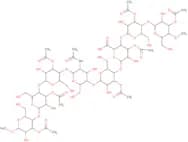
CAS:<p>Acemannan is a natural compound found in the Aloe vera plant and has been used in traditional Chinese medicine for its various health benefits. It has been shown to have anticancer properties by inhibiting cancer cell growth and inducing apoptosis. Acemannan works by targeting various kinases and proteins involved in tumor development, making it an effective inhibitor of cancer progression. This compound has also been found to have angiotensin-converting enzyme (ACE) inhibitory activity, which can help regulate blood pressure. Acemannan analogs have been developed and tested for their potential as anticancer agents, showing promising results in human urine cancer cell lines. Overall, acemannan is a powerful natural compound with many potential health benefits.</p>Formula:C66H101NO49Purity:Min. 95%Molecular weight:1,692.5 g/molNelfinavir sulfone
CAS:<p>Nelfinavir sulfone is a peptide that is used as an activator for research purposes. It binds to the antibody and receptor, which are proteins that interact with other proteins or molecules in order to regulate cellular functions. Nelfinavir sulfone also interacts with ion channels, which are protein complexes that allow ions to pass through the cell membrane. This peptide has shown capability of inhibiting cell proliferation by interacting with Protein interactions and Receptor.</p>Formula:C32H45N3O6SPurity:Min. 95%Molecular weight:599.8 g/mol(Z)-Flunarizine
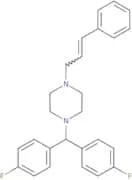
CAS:<p>Flunarizine is a drug that has been used to treat migraine and other headaches. It works by blocking the calcium ion channels which are responsible for transmitting pain signals from the nerves in the head to the brain. Flunarizine is a potent inhibitor of voltage-gated calcium channels, with an IC50 of 0.2 μM; it also blocks sodium and potassium ion channels at higher concentrations. The protein interactions of flunarizine have been studied using peptides and antibodies. Flunarizine also has been shown to inhibit phospholipase A2 and prostaglandin E2 synthase, leading to reduced inflammation, as well as being an antagonist at nicotinic acetylcholine receptors (nAChRs).</p>Formula:C26H26F2N2Purity:Min. 95%Molecular weight:404.5 g/molTP53 antibody
<p>The TP53 antibody is a powerful tool in the field of Life Sciences. It belongs to the class of cytotoxic antibodies and is used for colony-stimulating experiments. This antibody specifically targets actin filaments and has been shown to be effective against various cellular markers, including anti-mertk antibody. The TP53 antibody can be used in electrode-based assays to study its effects on human serum samples. Additionally, it has been found to interact with growth factors such as GM-CSF (colony-stimulating factor) and TGF-β1, which are important regulators of cell growth and differentiation. The TP53 antibody also exhibits binding properties towards steroid-binding proteins, making it a versatile tool for research in various biological processes.</p>TEX2 antibody
<p>TEX2 antibody was raised using the N terminal of TEX2 corresponding to a region with amino acids KSLSTEVEPKESPHPARHRHLMKTLVKSLSTDTSRQESDTVSYKPPDSKL</p>Purity:Min. 95%Asimadoline
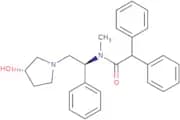
CAS:<p>Asimadoline is a compound that has been shown to have analgesic and anti-inflammatory effects. It binds to κ-opioid receptors, which are found in the central nervous system and gastrointestinal tract. Asimadoline also binds to kappa-opioid receptors, which are located on immune cells in the brain and spinal cord. This drug has been shown to inhibit the production of pro-inflammatory cytokines, such as TNF-α and IL-1β, which may be due to activation of κ-opioid receptors. Asimadoline has also been shown to inhibit Pgp substrate activity, which may explain its ability to treat bowel disease, primary sclerosing cholangitis (PSC), inflammatory bowel disease (IBD), diabetic neuropathy, and antinociceptive disorders.</p>Formula:C27H30N2O2Purity:Min. 95%Molecular weight:414.54 g/molSepiapterin reductase protein (His tag)
<p>Purified recombinant Human Sepiapterin reductase protein</p>Purity:Min. 95%PON1 antibody
<p>The PON1 antibody is a highly specialized antibody used in the field of Life Sciences. It has been extensively studied for its cytotoxic properties and its ability to interfere with cellular processes. This antibody specifically targets sn-38, a potent DNA damaging agent, and neutralizes its effects. The PON1 antibody has also shown promising results in inhibiting the activity of tyrosinase, an enzyme involved in melanin production. This makes it a potential candidate for the development of anti-pigmentation treatments. Additionally, this monoclonal antibody can be used in various research applications, such as protein isoform analysis and detection using colloidal gold or enzyme-linked immunosorbent assays (ELISA). Its reactive nature makes it suitable for use on various platforms, including electrode-based biosensors. With its diverse applications and potential therapeutic uses, the PON1 antibody is a valuable tool in the field of biomedical research.</p>Rhotekin antibody
<p>Rhotekin antibody was raised using the middle region of RTKN corresponding to a region with amino acids IETPAPRKPPQALAKQGSLYHEMAIEPLDDIAAVTDILTQREGARLETPP</p>GR 64349
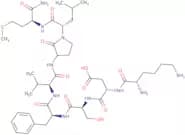
CAS:<p>GR 64349 is a non-selective cation channel blocker that binds to the voltage-dependent calcium channels in mammalian cells. It inhibits the influx of calcium ions into these cells, which may lead to an antiemetic effect by reducing the release of acetylcholine and histamine from nerve terminals in the brain stem. GR 64349 has also been shown to have an inhibitory effect on autoimmune diseases, such as psoriasis, rheumatoid arthritis, and multiple sclerosis. Clinical trials are underway for GR 64349 as a potential treatment for bladder dysfunction in patients with spinal cord injury.</p>Formula:C42H68N10O11SPurity:Min. 95%Molecular weight:921.12 g/molMerlin antibody
<p>The Merlin antibody is a potent antiviral agent that belongs to the class of polyclonal antibodies. It has been extensively studied in Life Sciences and has shown remarkable efficacy in neutralizing various viruses. The antibody specifically targets activated fibrinogen, which plays a crucial role in viral replication and spread. By binding to fibrinogen, the Merlin antibody inhibits its interaction with viral proteins, thereby preventing viral entry into host cells. Additionally, this antibody has been found to modulate chemokine signaling pathways and inhibit protein kinase activity, further enhancing its antiviral effects. Mass spectrometric methods have been used to characterize the structure and composition of the Merlin antibody, confirming its specificity and potency. Clinical studies have demonstrated that this antibody can effectively inhibit viral replication and reduce viral load in infected individuals. With its broad-spectrum antiviral activity and high neutralizing capacity, the Merlin antibody holds great promise for the development of novel therapeutic strategies against viral infections.</p>Purity:Min. 95%SPV106
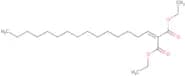
CAS:<p>SPV106 is a histone acetyltransferase inhibitor. It binds to the histones of the nucleus and inhibits the acetylation of lysine residues, which blocks transcriptional regulation. SPV106 has been shown to inhibit the h3-lysine acetylation in vitro and in vivo and to attenuate atherosclerotic lesion formation. SPV106 also inhibits brain functions such as neuronal function and synaptic plasticity. This drug also has potential for use as a model system for investigating the effects of histone acetylation on human diseases such as cancer, cardiovascular disease, or neurodegenerative disease.</p>Formula:C22H40O4Purity:Min. 95%Molecular weight:368.5 g/molKaryopherin α 2 antibody
<p>Karyopherin Alpha 2 antibody was raised using a synthetic peptide corresponding to a region with amino acids GTDEQTQVVIDAGALAVFPSLLTNPKTNIQKEATWTMSNITAGRQDQIQQ</p>Purity:Min. 95%YF-2
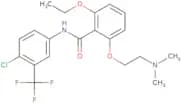
CAS:Controlled Product<p>YF-2 is a chemical substance that has been shown to inhibit the production of alpha-synuclein and other proteins in neuro2a cells. It also inhibits the activity of certain enzymes and reduces the thermal expansion of solanum tuberosum, which is a plant that belongs to the family Solanaceae. YF-2 has been found to be an efficient method for inhibiting chemical reactions in vivo studies involving stent implantation, culture supernatant, fetal heart rate, and cancer. The optical system can detect YF-2 using fluorescent or chemiluminescent methods.</p>Formula:C20H22ClF3N2O3Purity:Min. 95%Molecular weight:430.85 g/molADPM06
CAS:<p>ADPM06 is a peptide that has been shown to activate the G-protein coupled ion channel TRPV1. This peptide is used as a research tool to study the mechanism of TRPV1 and its interactions with other proteins. ADPM06 is also an antibody against TRPV1 and can be used for diagnostic purposes.</p>Formula:C34H24BBr2F2N3O2Purity:Min. 95%Molecular weight:715.2 g/molDonkey anti Rabbit IgG (H + L) (Alk Phos)
<p>This antibody reacts with heavy (gamma) chains on rabbit IgG and light chains on all rabbit immunoglobulins.</p>Purity:Min. 95%SerpinA3 antibody
<p>The SerpinA3 antibody is a highly specialized antibody that has various characteristics and applications in the field of Life Sciences. This antibody plays a crucial role in regulating microvessel density, acting as an anticoagulant, and modulating the activity of growth factors. It specifically targets nuclear fatty acids and exhibits high specificity for SerpinA3.</p>Taletrectinib
CAS:<p>Taletrectinib is a small molecule that inhibits the activity of serine proteases, including caspase-3 and cathepsin B. Taletrectinib binds to the active site of these enzymes, preventing them from cleaving their substrate proteins. It has been shown to have antitumor activity in cell cultures as well as in mice with tumors. This drug has a terminal half-life of about 6 hours in human plasma. The safety profile of taletrectinib is similar to those of other drugs used for cancer treatment. This drug has been tested in phase 1 clinical trials and demonstrated an escalation dose response effect. In addition, it demonstrated a favorable safety profile with limited toxicity profiles. Taletrectinib targets lesions on zymogens that are not accessible by other drugs such as lorlatinib or ibrutinib.br><br>br><br>Taletrectinib is also being developed for the treatment of neuroendocrine</p>Formula:C29H34FN5O5Purity:Min. 95%Molecular weight:551.6 g/molβ-Apo-13-carotenone
CAS:<p>β-Apo-13-carotenone is a carotenoid that can be found in cantaloupe and other fruits. It has been isolated from the dry weight of Caco-2 cells with all-trans-retinoic acid as an internal standard and analyzed with magnetic resonance spectroscopy. β-Apo-13-carotenone has been shown to have biological functions, such as the inhibition of lipid peroxidation and the stimulation of cell proliferation. It also inhibits the uptake of cholesterol by macrophages, which may lead to a decrease in atherosclerosis. The analytical method for this compound is gas chromatography/mass spectrometry.</p>Formula:C18H26OPurity:Min. 95%Color and Shape:Clear LiquidMolecular weight:258.4 g/molPlasminogen antibody
<p>Plasminogen antibody was raised against Human Plasminogen.</p>Purity:Min. 95%UCSF924NC
CAS:<p>UCSF924NC is an antibody that binds to the extracellular domain of the alpha-7 nicotinic acetylcholine receptor. The antibody can be used as a research tool for studying the function of this receptor and its subunits in vivo. UCSF924NC has been shown to bind to the extracellular domain of alpha-7 nicotinic acetylcholine receptors in rat brain tissue, which may indicate that it is an inhibitor of these receptors. UCSF924NC also has been shown to inhibit calcium influx through ion channels in CHO cells transfected with alpha-7 nAChRs, indicating that it is a ligand for these receptors.</p>Formula:C19H21N3OPurity:Min. 95%Molecular weight:307.39 g/molCDKL3 antibody
<p>CDKL3 antibody is a monoclonal antibody that targets the CDKL3 protein, which is involved in various growth factor signaling pathways. It has been extensively studied in the field of Life Sciences and has shown promising results. The CDKL3 antibody specifically binds to the amino-terminal region of the CDKL3 protein and inhibits its activity.</p>Purity:Min. 95%5-Amino-2-(3-oxo-4-morpholinyl)benzonitrile
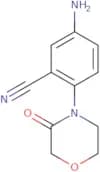
CAS:<p>5-Amino-2-(3-oxo-4-morpholinyl)benzonitrile (5ABA) is a potent, selective, and noncompetitive inhibitor of the ion channel TASK1. 5ABA inhibits the activation of TASK1 by interacting with the binding site for the activator protein, calcitonin gene-related peptide (CGRP). It has been shown that 5ABA inhibits CGRP-induced currents in rat sensory neurons in a dose dependent manner. This activity is specific to TASK1 channels, as it does not inhibit other members of the K+ channel superfamily.</p>Formula:C11H11N3O2Purity:Min. 95%Molecular weight:217.22 g/molSL 910102
CAS:<p>SL 910102 is a research tool that belongs to the group of ligands. It binds to the receptor, which is a protein that can bind with other proteins in the body and trigger a reaction. SL 910102 has been shown to inhibit ion channels, which are membrane proteins that control the flow of ions such as sodium and potassium across cell membranes. This drug also inhibits antibody production by binding to an enzyme called immunoglobulin M (IgM) that is involved in immune responses. SL 910102 has also been shown to have potential therapeutic effects on cancer cells due to its inhibition of protein synthesis, leading to cell death by inhibiting protein production necessary for cell division.</p>Formula:C30H30N6OPurity:Min. 95%Molecular weight:490.6 g/molATB-BMPA
CAS:<p>Photoaffinity reagent for glucose transporters; cell-impermeant</p>Formula:C24H32F3N3O13Purity:Min. 95%Molecular weight:627.52 g/molNGD 4715
CAS:<p>NGD 4715 is a research tool for the study of ion channels and receptor-ligand interactions. It is a peptide that can be used to inhibit ion channels by binding to the ligand binding site of the channel, blocking access to its pore. NGD 4715 has also been shown to activate certain receptors, including GPRC6A, which may be useful for the treatment of conditions such as obesity or diabetes. This peptide has high purity with a CAS number of 476322-70-0.</p>Formula:C19H24BrN3O3Purity:Min. 95%Molecular weight:422.3 g/molGoat RBC antibody
<p>Goat RBC antibody was raised in rabbit using goat erythrocytes as the immunogen.</p>Purity:Min. 95%2-Isopropyl-5(methylphen-ethylamino)-2-phenylvaleronitrile hydrochloride
CAS:<p>2-Isopropyl-5(methylphen-ethylamino)-2-phenylvaleronitrile hydrochloride is a peptide that acts as an inhibitor of the enzyme protein interactions. It binds to the activator and ligand sites of ion channels, and blocks the flow of ions across cell membranes. 2-Isopropyl-5(methylphen-ethylamino)-2-phenylvaleronitrile hydrochloride has been used as a research tool for the study of ion channels. It has also been used in the production of antibodies against ion channels.</p>Formula:C23H30N2Purity:Min. 95%Molecular weight:334.5 g/molPIK-108
CAS:<p>PIK-108 is a peptide used as a research tool to study protein interactions, receptor function, and ligand binding. It interacts with ion channels and inhibits protein interactions. PIK-108 is a potent inhibitor of the human peptidyl prolyl cis/trans isomerase (PPIase) family, which includes PPIases from bacteria, plants, and humans. This inhibition prevents the enzymatic conversion of proline residues in proteins to their cis or trans forms. As a result, PIK-108 can be used to determine the importance of this enzyme for various cellular functions by testing the effect on cell growth.<br>PIC-108 has been shown to inhibit various members of the human PPIase family at low micromolar concentrations. The IC50 values for several bacterial enzymes are significantly higher than those for mammalian enzymes. The potency of PIK-108 against bacterial enzymes may be due to its high lipophilicity and increased ability to penetrate hydroph</p>Formula:C22H24N2O3Purity:Min. 95%Molecular weight:364.4 g/molAGL-2263
CAS:<p>AGL-2263 is a monocarboxylic acid that has been shown to have time-dependent and site-specific effects on glycogen metabolism. This drug inhibits the activity of glycogen synthase and glycogen synthase kinase, which are enzymes that catalyze the formation of glycogen from glucose. AGL-2263 also inhibits 3T3-L1 cells proliferation in culture, which may be due to its ability to induce receptor β downregulation. The mechanism of this drug's effect on cellular proliferation is not yet known.</p>Formula:C17H10N2O5Purity:Min. 95%Molecular weight:322.27 g/molAZ-33
CAS:<p>AZ-33 is a synthetically optimized biochemical compound, which is derived from naturally occurring plant alkaloids. With a robust mode of action, AZ-33 functions by selectively inhibiting specific enzymatic reactions, allowing precise modulation of metabolic pathways. This selectivity is achieved through its affinity for enzyme binding sites, where it interferes with substrate interactions.<br><br>The compound is used primarily in the field of biochemical research, where it serves as a critical tool in the exploration of metabolic processes and enzymatic functions. By providing insights into enzyme-related pathways, AZ-33 supports the development of potential therapeutic strategies and enhances the understanding of complex biochemical phenomena. Its applications extend to various domains, including pharmacology, molecular biology, and systems biology, making it an invaluable asset for exploratory research and experimental investigations in these fields.</p>Formula:C25H27N3O6SPurity:Min. 95%Molecular weight:497.56 g/molChondroitin 4 Sulfate antibody
<p>Chondroitin-4 sulfate antibody was raised in mouse using mouse proteoglycan as the immunogen.</p>Progesterone 11 α-Hemisuccinate-BSA
<p>Conjugated Progesterone 11 alpha-Hemisuccinate-BSA hapten</p>Purity:Min. 95%AHR 11652
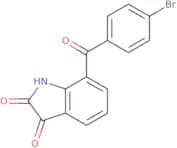
CAS:<p>AHR 11652 is a synthetic chemical compound designed as a research tool, which is derived from laboratory synthesis processes. With its specific mode of action targeting distinct cellular pathways, AHR 11652 is utilized to explore receptor-ligand interactions and to elucidate intracellular signaling mechanisms in various biological systems. Scientists leverage this compound to gain insight into the modulation of physiological responses, such as gene expression and cellular growth.</p>Formula:C15H8BrNO3Purity:Min. 95%Molecular weight:330.13 g/molPhthalide 13C6
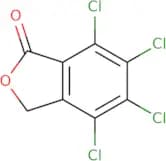
CAS:<p>Phthalide 13C6 is an analog of a naturally occurring compound found in Chinese medicinal plants. It has been shown to have potent anticancer properties, inducing apoptosis in cancer cells and inhibiting tumor growth. Phthalide 13C6 acts as a kinase inhibitor, disrupting the cell cycle and preventing the production of proteins necessary for cancer cell survival. This compound has also been studied for its potential use as a biomarker for cancer diagnosis, as it can be detected in urine samples from patients with certain types of cancer. With its promising potential as an anticancer agent, Phthalide 13C6 is a valuable addition to the field of medicinal research.</p>Formula:C8H2Cl4O2Purity:Min. 95%Molecular weight:271.9 g/molSLAIN2 antibody
<p>SLAIN2 antibody was raised using the N terminal of SLAIN2 corresponding to a region with amino acids LSAKSGGGPGSGPRRTSSEELRDATSLLAAGEGGLLDEVEPLRPDELERL</p>16:0 Hexynoyl pe
CAS:<p>16:0 Hexynoyl pe is a Research Tool that is used as an activator in cell biology and pharmacology. It has been shown to activate receptors, ion channels, and protein interactions. 16:0 Hexynoyl pe has also been shown to inhibit the activity of ion channels and protein interactions. 16:0 Hexynoyl pe is a ligand that binds to receptors and activates them by binding to their associated proteins. This product is purified with high purity (99%) and can be used in various research fields such as Cell Biology, Antibody, Ion Channels, Pharmacology, Peptides, Life Science, etc.</p>Formula:C43H83N2O9PPurity:Min. 95%Molecular weight:803.1 g/molEFEMP1 antibody
<p>EFEMP1 antibody was raised using the middle region of EFEMP1 corresponding to a region with amino acids GNENGEFYLRQTSPVSAMLVLVKSLSGPREHIVDLEMLTVSSIGTFRTSS</p>Purity:Min. 95%Delgocitinib
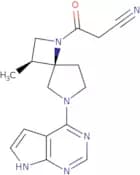
CAS:<p>Delgocitinib is a protein gene inhibitor that binds to the polymerase chain reaction (PCR) enzyme and blocks the transcription of mRNA. Delgocitinib has been shown to be effective in animal models for bowel disease, and it has also demonstrated potential as an anti-inflammatory agent. Delgocitinib binds to the catalytic subunit of DNA-dependent RNA polymerase and inhibits transcription. This drug also inhibits x-ray crystal structures of mammalian DNA gyrase and bacterial DNA topoisomerase IV, which are enzymes required for DNA replication. Delgocitinib is being investigated for its potential use in treating interferon alfa-2b resistant cancers, such as renal cell cancer, bladder cancer, and melanoma.<br>Delgocitinib has been shown to have acute toxicities in animals. These include decreased locomotor activity, weight loss, increased serum creatinine levels, and decreased levels of potassium in blood</p>Formula:C6H8N6OPurity:Min. 95%Molecular weight:180.17 g/molAnti GLP-2 (Mouse) Serum
<p>Anti GLP-2 (Mouse) Serum is a high purity, reagent grade product that is used in research and pharmacology applications. This product has been shown to be an inhibitor of the GLP-2 receptor and can be used as a blocking antibody for the detection of GLP-2. The protein sequence of this serum is identical to that of human GLP-2. This product is available in a concentration of 0.5mg/ml and is supplied at a concentration of 0.1mg/ml in phosphate buffered saline with 0.02% sodium azide as preservative.</p>Purity:Min. 95%SP1 antibody
<p>The SP1 antibody is a monoclonal antibody that specifically targets tissue transglutaminase. It is used in Life Sciences research to study the role of this enzyme in various biological processes. The SP1 antibody has been shown to have neutralizing effects on chemokines, fibronectin, and collagen, making it a valuable tool for investigating their functions. Additionally, this antibody can be used to detect the presence of activated nuclear proteins and has been found to inhibit the activity of natriuretic peptides. With its high specificity and versatility, the SP1 antibody is an essential component in many scientific studies.</p>ARSE antibody
<p>ARSE antibody was raised using a synthetic peptide corresponding to a region with amino acids KVVHHDPPLLFDLSRDPSETHILTPASEPVFYQVMERVQQAVWEHQRTLS</p>Purity:Min. 95%FUCA1 antibody
<p>FUCA1 antibody was raised using the N terminal of FUCA1 corresponding to a region with amino acids PSPVSWNWNSKDVGPHRDLVGELGTALRKRNIRYGLYHSLLEWFHPLYLL</p>Purity:Min. 95%Tyrosine Hydroxylase antibody
<p>Tyrosine hydroxylase antibody was raised in mouse using mouse monoclonal as the immunogen.</p>CD3 antibody (FITC)
<p>CD3 antibody (FITC) was raised in mouse using the epsilon chain of CD3/T-cell antigen receptor complex as the immunogen.</p>Desmin antibody
<p>Desmin antibody is a protein that specifically targets desmin, a structural protein found in muscle cells. It is commonly used in research and diagnostic applications to detect the presence and distribution of desmin in various tissues. This antibody can be used for immunohistochemistry, immunofluorescence, and Western blotting techniques. Desmin antibody is available as both polyclonal antibodies, which are produced from multiple clones of B cells, and monoclonal antibodies, which are derived from a single clone of B cells. The use of desmin antibody can provide valuable insights into the structure and function of muscle cells and their involvement in various physiological processes.</p>1,2-Dimyristoyl-sn-glycero-3-phosphocholine-N,N,N-trimethyl-d9
CAS:Controlled Product<p>1,2-Dimyristoyl-sn-glycero-3-phosphocholine-N,N,N-trimethyl-d9 is a deuterium-labeled phospholipid, which is a synthetic construct designed for biochemical research. This compound is sourced through chemical synthesis, where specific hydrogen atoms in the molecule are replaced with deuterium, enhancing its utility in specialized analytical techniques. The deuterium labeling facilitates the compound's use in nuclear magnetic resonance (NMR) spectroscopy, as it reduces background proton signals and enhances resolution.</p>Formula:C36H63NO8PD9Purity:Min. 95%Molecular weight:686.99 g/molSPRi 3
CAS:<p>SPRi 3 is a synthetic sepiapterin analogue. It has been shown to be a selective inhibitor of the enzyme aromatic L-amino acid decarboxylase (AADC) in cancer cells and has also shown some antitumour activity. SPRi 3 is able to inhibit the synthesis of monoamine neurotransmitters, which are involved in pain modulation and have been implicated in autoimmune disease pathogenesis. SPRi 3 is also able to activate cardiac tissue and relieve pain caused by inflammation or injury.</p>Formula:C14H18N2O3Purity:Min. 95%Molecular weight:262.3 g/molTetraspanin 12 antibody
<p>Tetraspanin 12 antibody was raised using the middle region of TSPAN12 corresponding to a region with amino acids DSCCVREFPGCSKQAHQEDLSDLYQEGCGKKMYSFLRGTKQLQVLRFLGI</p>Purity:Min. 95%Pentraxin 3 protein (His tag)
<p>18-381 amino acids: MRGSHHHHHH GMASMTGGQQ MGRDLYDDDD KDRWGSMENS DDYDLMYVNL DNEIDNGLHP TEDPTPCDCG QEHSEWDKLF IMLENSQMRE RMLLQATDDV LRGELQRLRE ELGRLAESLA RPCAPGAPAE ARLTSALDEL LQATRDAGRR LARMEGAEAQ RPEEAGRALA AVLEELRQTR ADLHAVQGWA ARSWLPAGCE TAILFPMRSK KIFGSVHPVR PMRLESFSAC IWVKATDVLN KTILFSYGTK RNPYEIQLYL SYQSIVFVVG GEENKLVAEA MVSLGRWTHL CGTWNSEEGL TSLWVNGELA ATTVEMATGH IVPEGGILQI GQEKNGCCVG GGFDETLAFS GRLTGFNIWD SVLSNEEIRE TGGAESCHIR GNIVGWGVTE IQPHGGAQYV S</p>Purity:Min. 95%






![2-(2-Morpholin-4-ylethyl)-5-nitrobenzo[de]isoquinoline-1,3-dione](/_next/image/?url=https%3A%2Fstatic.cymitquimica.com%2Fproducts%2F3D%2Fthumb-webp%2FUCA40875.webp&w=3840&q=75)






![2,3-Diphenyl-5-[(2-morpholinoethyl)imino]-2,5-dihydro-1,2,4-thiadiazole](/_next/image/?url=https%3A%2Fstatic.cymitquimica.com%2Fproducts%2F3D%2Fthumb-webp%2FGBC68154.webp&w=3840&q=75)




![2-[[(2E)-4-[4-[bis(4-Fluorophenyl)methyl]-1-piperazinyl]-2-buten-1-yl]oxy]-acetic…](/_next/image/?url=https%3A%2Fstatic.cymitquimica.com%2Fproducts%2F3D%2Fthumb-webp%2FHZA73684.webp&w=3840&q=75)