Biochemicals and Reagents
Biochemicals and reagents are fundamental substances for research and development in fields such as biotechnology, molecular biology, pharmacology, and medicine. These products are essential for a variety of applications, including compound synthesis, biological sample analysis, metabolic process research, and drug production. At CymitQuimica, we offer a wide selection of high-quality, high-purity biochemicals and reagents suitable for various scientific and industrial needs. Our catalog includes enzymes, antibodies, nucleic acids, amino acids, and many other products, all designed to support researchers and professionals in their research and development projects, ensuring reliable and reproducible results.
Subcategories of "Biochemicals and Reagents"
- Biomolecules(99,118 products)
- By Biological Target(99,156 products)
- By Pharmacological Effects(6,788 products)
- Cryopreservatives(21 products)
- Desinfectants and Related Compounds(28 products)
- Hormones(346 products)
- Plant Biology(6,748 products)
- Secondary Metabolites(14,233 products)
Found 130579 products of "Biochemicals and Reagents"
Sort by
Purity (%)
0
100
|
0
|
50
|
90
|
95
|
100
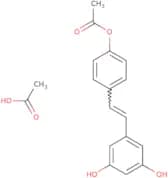
Resveratrol 3,4’-diacetate
CAS:Controlled Product<p>Resveratrol 3,4’-diacetate is a derivative of resveratrol that has been modified with acetate. This compound is an activator of the nuclear receptor PPAR-γ and has been shown to have anti-inflammatory and anticancer properties. It has high purity, which makes it suitable for use as a research tool or cell biology assay. Resveratrol 3,4’-diacetate is also used to study protein interactions and receptors in pharmacology research.</p>Formula:C18H18O6Purity:Min. 95%Molecular weight:330.3 g/mol21:0 Coenzyme A
CAS:<p>Coenzyme A (CoA) is a cofactor that plays a key role in the biosynthesis of fatty acids and cholesterol. It has been shown to have anticancer activity, with the potential to be used as an anticancer therapy. CoA enhances the activation of anticancer agents, such as doxorubicin, by preventing their metabolism or excretion. The enhancement is achieved by uncoupling mitochondria and increasing the production of reactive oxygen species. This process results in a decrease in tumor size and increased survival rates for mice injected with glioblastoma cells.</p>Formula:C42H85N10O17P3SPurity:Min. 95%Molecular weight:1,127.17 g/molPAK6 antibody
<p>PAK6 antibody was raised in rabbit using a synthetic peptide conjugated to KLH as the immunogen.</p>Purity:Min. 95%Belinostat acid
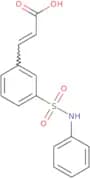
CAS:<p>Belinostat acid is an inorganic compound that has been clinically studied for its potential use in cancer treatment. Belinostat acid is a histone deacetylase inhibitor, which means it prevents the removal of acetyl groups from histones, resulting in gene activation and increased transcription. In vitro studies have shown that belinostat acid can be used to treat cancers by inducing homologous recombination repair and inhibiting cell proliferation. Clinical trials are currently underway to examine the safety and efficacy of this drug as a treatment for solid tumors. The terminal half-life of belinostat acid is about 1 hour, with metabolites being excreted primarily through urine.</p>Formula:C15H13NO4SPurity:Min. 95%Molecular weight:303.3 g/molXPO5 Blocking Peptide
<p>A synthetic peptide for use as a blocking control in assays to test for specificity of XPO5 antibody, catalog no. 70R-8742</p>Purity:Min. 95%CYP2B6 antibody
<p>CYP2B6 antibody was raised using the middle region of CYP2B6 corresponding to a region with amino acids QLFELFSGFLKYFPGAHRQVYKNLQEINAYIGHSVEKHRETLDPSAPKDL</p>Purity:Min. 95%ZNF131 antibody
<p>ZNF131 antibody was raised in rabbit using the N terminal of ZNF131 as the immunogen</p>Purity:Min. 95%CLEC14A antibody
<p>The CLEC14A antibody is a monoclonal antibody that acts as an inhibitor of the glycoprotein CLEC14A. This antibody specifically targets CLEC14A and can be used in various applications such as immunohistochemistry, immunofluorescence, and Western blotting. It is commonly used in life sciences research to study the role of CLEC14A in different cellular processes.</p>GPR88 antibody
<p>GPR88 antibody was raised in rabbit using a synthetic peptide conjugated to KLH as the immunogen.</p>Purity:Min. 95%TRPM8 Blocking Peptide
<p>A synthetic peptide for use as a blocking control in assays to test for specificity of TRPM8 antibody, catalog no. 70R-5149</p>Purity:Min. 95%PNPLA4 Blocking Peptide
<p>A synthetic peptide for use as a blocking control in assays to test for specificity of PNPLA4 antibody, catalog no. 70R-5369</p>Purity:Min. 95%ALG6 antibody
<p>ALG6 antibody was raised using a synthetic peptide corresponding to a region with amino acids YEAQRHWQEITFNLPVKQWYFNSSDNNLQYWGLDYPPLTAYHSLLCAYVA</p>Purity:Min. 95%IL15 antibody
<p>IL15 antibody was raised in rabbit using highly pure recombinant human IL-15 as the immunogen.</p>Purity:Min. 95%SUCNR1 antibody
<p>The SUCNR1 antibody is a highly specialized antibody that is used in the field of Life Sciences. It has been extensively tested and proven to be effective in various applications. This monoclonal antibody specifically targets SUCNR1, a receptor that plays a crucial role in various biological processes.</p>Endosidin2
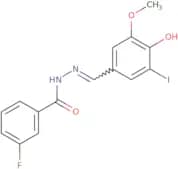
CAS:<p>Endosidin2 is a protein that belongs to the endosome-associated sorting complex required for transport (ESCRT) family. It is localized in the endosomal compartment and is involved in exocytic trafficking, which is responsible for the release of molecules from the cell. Endosidin2 has been shown to play a role in cancer, autoimmune diseases, and inflammatory diseases. In cancer cells, it mediates tumorigenesis through activation of kinases that regulate the cell cycle and induce DNA damage. In autoimmune diseases such as Lupus erythematosus or multiple sclerosis, it regulates inflammation through modulation of cytotoxic T lymphocytes. Its function in inflammatory diseases are not well understood.</p>Formula:C15H12FIN2O3Purity:Min. 95%Molecular weight:414.17 g/molUbiquilin-Like Blocking Peptide
<p>A synthetic peptide for use as a blocking control in assays to test for specificity of UBQLNL antibody, catalog no. 70R-4563</p>Purity:Min. 95%16:0-18:0 PC
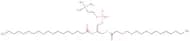
CAS:<p>16:0-18:0 PC is a fatty acid that belongs to the group of acyl chains. It is a putative fatty acid with low energy and a particle profile that is common in liposomal formulations. 16:0-18:0 PC has been found to be associated with cancer and its metastable form is used as an analytical method for determining the composition of fatty acids.</p>Formula:C42H84NO8PPurity:Min. 95%Molecular weight:762.09 g/molKRR1 Blocking Peptide
<p>A synthetic peptide for use as a blocking control in assays to test for specificity of KRR1 antibody, catalog no. 70R-4702</p>Purity:Min. 95%Fibrinogen α Blocking Peptide
<p>A synthetic peptide for use as a blocking control in assays to test for specificity of FGA antibody, catalog no. 70R-1553</p>Purity:Min. 95%Laminin Pentapeptide YIGSR-NH2
CAS:<p>Laminin is a structural protein that provides a scaffold for cell-cell and cell-matrix interactions. Laminin Pentapeptide YIGSR-NH2 is a synthetic peptide that has been shown to be an activator of the laminin receptor and an inhibitor of ion channels. It has also been used as a research tool in studies on antibody production, life science, cell biology, and pharmacology. This peptide is highly pure with no detectable contaminants.</p>Formula:C26H43N9O7•2CH3COOH•2H2OPurity:Min. 95%Molecular weight:749.81 g/molARG1 protein (His tag)
<p>1-322 amino acids: MSAKSRTIGI IGAPFSKGQP RGGVEEGPTV LRKAGLLEKL KEQECDVKDY GDLPFADIPN DSPFQIVKNP RSVGKASEQL AGKVAEVKKN GRISLVLGGD HSLAIGSISG HARVHPDLGV IWVDAHTDIN TPLTTTSGNL HGQPVSFLLK ELKGKIPDVP GFSWVTPCIS AKDIVYIGLR DVDPGEHYIL KTLGIKYFSM TEVDRLGIGK VMEETLSYLL GRKKRPIHLS FDVDGLDPSF TPATGTPVVG GLTYREGLYI TEEIYKTGLL SGLDIMEVNP SLGKTPEEVT RTVNTAVAIT LACFGLAREG NHKPIDYLNP PKLEHHHHHH</p>Purity:Min. 95%Tumor necrosis factor antibody
<p>The Tumor Necrosis Factor Antibody is a highly effective growth factor that acts as an anti-CD33 antibody and family kinase inhibitor. It is similar to other well-known antibodies such as Adalimumab and Trastuzumab. This Polyclonal Antibody has the ability to neutralize TNF-α, a protein involved in inflammation and immune response. In the field of Life Sciences, this antibody has shown cytotoxic effects on MCF-7 cells, making it a valuable tool for research and therapeutic applications. With its high specificity and effectiveness, this monoclonal antibody is a must-have for any laboratory or medical institution looking to study or target TNF-α related diseases.</p>Caspase 9 antibody
<p>The Caspase 9 antibody is a powerful tool used in Life Sciences research. It specifically targets caspase-9, an enzyme involved in apoptosis (programmed cell death). This antibody can be used in various applications such as immunohistochemistry, western blotting, and flow cytometry.</p>SRC antibody
<p>The SRC antibody is a monoclonal antibody that specifically targets the SRC protein, a family kinase inhibitor. This antibody has been shown to have cytotoxic effects on cancer cells by inhibiting the activity of caspase-9 and annexin. Additionally, the SRC antibody can bind to fibroin and other binding proteins, making it an effective tool for research in various fields such as oncology and immunology. It has also been shown to interact with oncostatin and TGF-beta, two important cytokines involved in cell signaling pathways. The SRC antibody is available as both polyclonal antibodies and immobilized on electrodes for specific applications. With its potent binding capabilities and versatile uses, the SRC antibody is a valuable tool for researchers in need of highly specific and reliable antibodies.</p>NRD1 Blocking Peptide
<p>A synthetic peptide for use as a blocking control in assays to test for specificity of NRD1 antibody, catalog no. 70R-3037</p>Purity:Min. 95%MTMR14 antibody
<p>MTMR14 antibody was raised using the middle region of MTMR14 corresponding to a region with amino acids NFLKHITSEEFSALKTQRRKSLPARDGGFTLEDICMLRRKDRGSTTSLGS</p>Prkch Blocking Peptide
<p>A synthetic peptide for use as a blocking control in assays to test for specificity of Prkch antibody, catalog no. 70R-9429</p>Purity:Min. 95%GANAB antibody
<p>GANAB antibody was raised in rabbit using the middle region of GANAB as the immunogen</p>Purity:Min. 95%C1 Inhibitor antibody
<p>C1 Inhibitor antibody was raised against Human C1 Inhibitor.</p>Purity:Min. 95%Elk1 antibody
<p>The Elk1 antibody is a highly specific and potent tool used in various research applications. It is a recombinant monoclonal antibody that binds to Elk1, a transcription factor involved in the regulation of gene expression. This antibody has been extensively characterized and validated for its ability to detect and neutralize Elk1 protein isoforms.</p>Ractopamine antibody
<p>Ractopamine antibody is a highly specialized antibody used in the field of life sciences. This antibody plays a crucial role in various assays and research studies related to glycosylation, glycation, endothelial growth, and other important processes. It is available as both monoclonal and polyclonal antibodies, offering researchers flexibility in their experimental design.</p>Purity:Min. 95%MAML3 antibody
<p>MAML3 antibody was raised in mouse using recombinant Human Mastermind-Like 3 (Drosophila) (Maml3)</p>BCAS4 antibody
<p>The BCAS4 antibody is a highly versatile and potent growth factor that exhibits antiviral and neuroprotective properties. It belongs to the class of interferons and is widely used in Life Sciences research. This monoclonal antibody plays a crucial role in various biochemical processes, including glycosylation and fatty acid metabolism.</p>Verilopam
CAS:<p>Verilopam is a cavity preparation that is used to prevent tooth decay. Verilopam is a pharmaceutical dosage that has been reconstituted and site-specifically applied as a cavity preparation. The active ingredient in Verilopam is a fatty acid ester, which is an ester of a fatty acid and verapamil, an anti-arrhythmic agent. The ester group consists of myristic acid or myristic alcohol. Verilopam prevents the development of cavities by inhibiting the growth of bacteria that cause tooth decay (e.g., Streptococcus mutans), which are able to break down lipids found on teeth. This drug also inhibits the production of serotonin, which leads to decreased muscle contractions in the mouth and throat and relaxes muscle cells in the stomach, intestines, and other internal organs.</p>Formula:C20H26N2O2Purity:Min. 95%Molecular weight:326.4 g/molEGFR antibody
<p>EGFR antibody was raised in mouse using human A431 membrane protein as the immunogen.</p>SIN3B Blocking Peptide
<p>A synthetic peptide for use as a blocking control in assays to test for specificity of SIN3B antibody, catalog no. 20R-1129</p>Purity:Min. 95%GNE-477
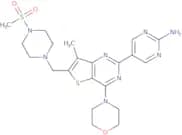
CAS:<p>GNE-477 is a small molecule with pharmacological properties that has been shown to inhibit the growth of cancer cells in vitro and in vivo. GNE-477 has been shown to inhibit autophagy, which may be responsible for its potent anticancer activity. GNE-477 also inhibits the activation of nuclear DNA and lipid kinase, inhibiting the production of proteins necessary for cell division. This drug is used to treat autoimmune diseases, skin cancer, and squamous carcinoma. GNE-477 also has anti-inflammatory properties that may be due to its inhibition of the epidermal growth factor receptor (EGFR).</p>Formula:C21H28N8O3S2Purity:Min. 95%Molecular weight:504.63 g/molCHST14 Blocking Peptide
<p>A synthetic peptide for use as a blocking control in assays to test for specificity of CHST14 antibody, catalog no. 70R-2967</p>Purity:Min. 95%Simmitecan
CAS:<p>Simmitecan is a peptide that is used as a research tool in the study of protein-protein interactions. It belongs to the group of ion channel ligands and receptor agonists. Simmitecan binds to Kv2.1 potassium channels, which are voltage-gated potassium channels that carry potassium ions into cells. This binding prevents potassium ions from entering the cell, leading to hyperpolarization. Simmitecan also has an inhibitory effect on L-type calcium channels and interacts with the beta subunit of GABA receptors, leading to an increase in GABA levels in the synapse.</p>Formula:C34H39ClN4O6Purity:Min. 95%Molecular weight:635.1 g/molMDMA antibody
<p>The 6-Fluoro-3-indoxyl-beta-D-galactopyranoside is a powerful antituberculosis drug that falls under the rifamycins class. It is specifically designed to combat tuberculosis infections and contains active compounds that exhibit bactericidal activity. This drug works by binding to DNA-dependent RNA polymerase, preventing transcription and replication, effectively inhibiting bacterial growth. Rigorous testing using a patch-clamp technique on human erythrocytes has shown its high efficacy in combating tuberculosis. The active form of this drug undergoes various metabolic transformations, including hydrolysis by esterases or glucuronidases, oxidation by cytochrome P450 enzymes, reduction by glutathione reductase, or conjugation with glucuronic acid. Additionally, it specifically targets markers expressed at high levels in Mycobacterium tuberculosis strains and inhibits cell growth in culture.</p>Purity:Min. 95%FADS1 antibody
<p>FADS1 antibody was raised using the N terminal of FADS1 corresponding to a region with amino acids RHPGGSRVISHYAGQDATDPFVAFHINKGLVKKYMNSLLIGELSPEQPSF</p>Purity:Min. 95%XK antibody
<p>XK antibody was raised using a synthetic peptide corresponding to a region with amino acids LHLLQLGPLFRCFEVFCIYFQSGNNEEPYVSITKKRQMPKNGLSEEIEKE</p>Purity:Min. 95%GSR Blocking Peptide
<p>A synthetic peptide for use as a blocking control in assays to test for specificity of GSR antibody, catalog no. 70R-5268</p>Purity:Min. 95%MPG Blocking Peptide
<p>A synthetic peptide for use as a blocking control in assays to test for specificity of MPG antibody, catalog no. 70R-6972</p>Purity:Min. 95%FIPI
CAS:<p>FIPI is a protein that is involved in the regulation of cell lysis. It binds to fatty acids and then causes cytosolic calcium levels to increase, leading to cell lysis. FIPI has been shown to be involved in the regulation of epidermal growth factor (EGF) synthesis and signal pathways involving EGF receptors. The role of FIPI in infectious diseases such as HIV infection or malaria is unknown. Studies have found that FIPI can inhibit signal transduction by binding to the receptor for EGF, which may lead to new drugs for the treatment of cancer or viral infections.</p>Formula:C23H25ClFN5O2Purity:Min. 95%Molecular weight:457.9 g/molProlactin protein (> 95% pure)
<p>Purified native Human Prolactin protein (> 98% pure)</p>Purity:Min. 95%SURF6 Blocking Peptide
<p>A synthetic peptide for use as a blocking control in assays to test for specificity of SURF6 antibody, catalog no. 70R-1325</p>Purity:Min. 95%EPHB4 antibody
<p>EPHB4 antibody was raised in Mouse using purified recombinant extracellular fragment of human EPHB4 fused with hIgGFc tag expressed in HEK293 cell line as the immunogen.</p>Pgl-135 hydrochloride monohydrate
CAS:<p>Pgl-135 hydrochloride monohydrate is a research tool that is used in the study of cell biology, pharmacology and ion channels. It is an inhibitor of ligand-gated ion channels, which are found in the central nervous system and play a role in the regulation of neurotransmitter release. Pgl-135 hydrochloride monohydrate has been shown to activate GABAA receptors by binding to them as a ligand, and inhibit voltage-gated calcium channels. It has also been shown to have immunosuppressive properties when used as an adjuvant or antigen carrier. Pgl-135 hydrochloride monohydrate has also been used in studies on protein interactions and antibody production.</p>Formula:C9H11ClN2OSPurity:Min. 95%Molecular weight:230.72 g/molKIAA0737 Blocking Peptide
<p>A synthetic peptide for use as a blocking control in assays to test for specificity of KIAA0737 antibody, catalog no. 20R-1215</p>Purity:Min. 95%TTC9C antibody
<p>TTC9C antibody was raised using the N terminal of TTC9C corresponding to a region with amino acids MEKRLQEAQLYKEEGNQRYREGKYRDAVSRYHRALLQLRGLDPSLPSPLP</p>MFRP antibody
<p>MFRP antibody was raised using the middle region of MFRP corresponding to a region with amino acids HAIQLKIEALSIESVASCLFDRLELSPEPEGPLLRVCGRVPPPTLNTNAS</p>Purity:Min. 95%TNF α antibody
<p>TNF alpha antibody was raised in rabbit using highly pure recombinant rat TNF-alpha as the immunogen.</p>Purity:Min. 95%FES antibody
<p>FES antibody was raised using the N terminal of FES corresponding to a region with amino acids ARDSAQAKRKYQEASKDKDRDKAKDKYVRSLWKLFAHHNRYVLGVRAAQL</p>Purity:Min. 95%Laminin β 3 Blocking Peptide
<p>A synthetic peptide for use as a blocking control in assays to test for specificity of LAMB3 antibody, catalog no. 70R-6075</p>Purity:Min. 95%PPP1R13B Blocking Peptide
<p>A synthetic peptide for use as a blocking control in assays to test for specificity of PPP1R13B antibody, catalog no. 70R-6023</p>Purity:Min. 95%ZNF566 antibody
<p>ZNF566 antibody was raised in rabbit using the middle region of ZNF566 as the immunogen</p>Purity:Min. 95%Lerociclib (G1T38)
CAS:<p>Lerociclib (G1T38) is a potent inhibitor of breast cancer cells with structural similarity to palbociclib. It is an inhibitor of the CDK4/6 complex that is responsible for cell cycle progression at G1 phase, as well as the retinoblastoma (RB) protein. The drug has been shown to inhibit tumor growth and induce apoptosis in xenograft tumor models. Lerociclib also inhibits the growth of cervical cancer cells in vitro and reduces tumor weight in a mouse model by inhibiting proliferation and inducing apoptosis.</p>Formula:C26H34N8OPurity:Min. 95%Molecular weight:474.61 g/molYM17E
CAS:<p>YM17E is an antifungal antibiotic produced by the fermentation of a specific strain of the bacterium Streptomyces. This natural source has been optimized to create a compound with a potent mode of action that disrupts fungal cell wall synthesis, ultimately leading to cell lysis and death. YM17E functions by targeting the biosynthesis of critical cell wall components, thereby exerting its fungicidal effects through inhibition of essential enzymatic pathways.</p>Formula:C40H56N6O2Purity:Min. 95%Molecular weight:652.9 g/molIg κ light chain variable region Heavy, Human
<p>Peptide derived from the variable region on the heavy chain of immunoglobulin (Ig) which is part of the fragment antigen binding (Fab) fragment of antibodies. Ig or antibodies are made up of two heavy and two light chains both of which have a constant region and a variable region. The variable region, the antigen binding site, is composed of three complementarity determining regions (CDRs) from the variable heavy chain and three CDRs from the variable light chains. The amino acid sequences of the variable region differ between each antibody allowing Ig to bind to specific antigens.The variable regions are encoded by a variety of V, D and J gene segments. During somatic recombination different combinations from the V, D and J varieties can be joined together. Consequently this gives rise to a diverse variable region.The light chain can be either of the two types, a lambda or kappa, and the type of light chain does not affect the function of the antibody. The arginine residue is isotopically labelled at position 18 with carbon-13(6) and nitrogen-15(4).</p>Purity:Min. 95%Molecular weight:1,825.9 g/molRabbit anti Human IgG (H + L)
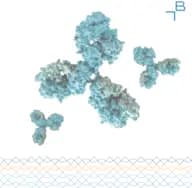
<p>This antibody reacts with heavy (gamma) chains on human IgG and light chains on all human immunoglobulins.</p>Purity:Min. 95%TNFR2 antibody
<p>The TNFR2 antibody is a highly specific antibody that targets a low pH target molecule. It belongs to the group of Polyclonal Antibodies and is widely used in the field of Life Sciences. This antibody can be used for various applications, including flow immunoassays and ultrasensitive detection.</p>MSI2 Blocking Peptide
<p>A synthetic peptide for use as a blocking control in assays to test for specificity of MSI2 antibody, catalog no. 70R-1394</p>Purity:Min. 95%AGA antibody
<p>AGA antibody was raised in rabbit using the middle region of AGA as the immunogen</p>TACR2 antibody
<p>TACR2 antibody was raised in rabbit using a synthetic peptide conjugated to KLH as the immunogen.</p>Purity:Min. 95%SERCA2 antibody
<p>The SERCA2 antibody is a monoclonal antibody that has cytotoxic effects and induces necrosis in targeted cells. It specifically targets the telomerase enzyme, which plays a crucial role in cell division and growth. The antibody has been shown to inhibit telomerase activity, leading to cell death through apoptosis. Additionally, this antibody has been found to have autoantibody properties, meaning it can target and attack healthy cells in the body. It can also bind to colloidal particles and interfere with their function. Furthermore, the SERCA2 antibody acts as a CXCR4 family kinase inhibitor, blocking the signaling pathway of chemokines. This inhibition reduces the production of superoxide, a highly reactive molecule involved in oxidative stress. In Life Sciences research, this antibody is commonly used to study growth factors such as hepatocyte growth factor and their effects on cellular processes. However, caution should be exercised when using this antibody as it may have nephrotoxic effects on kidney cells.</p>GSK5182
CAS:Controlled Product<p>GSK5182 is a drug that was originally developed as an anti-obesity drug and has since been used to treat metabolic disorders. It is a small molecule that inhibits the protein phosphatase 2A, which is involved in regulating transcriptional activity. GSK5182 has been shown to reduce ovarian activity in rats and decrease energy metabolism. This drug also inhibits mitochondrial membrane potential and the transcription of pro-apoptotic proteins. GSK5182 has also been shown to have therapeutic effects on cardiac disease, hepatic steatosis, and natural compounds.</p>Formula:C27H31NO3Purity:Min. 95%Molecular weight:417.5 g/molMKRN1 Blocking Peptide
<p>A synthetic peptide for use as a blocking control in assays to test for specificity of MKRN1 antibody, catalog no. 70R-1219</p>Purity:Min. 95%PPBP protein
<p>35-128 amino acids: MSSTKGQTKR NLAKGKEESL DSDLYAELRC MCIKTTSGIH PKNIQSLEVI GKGTHCNQVE VIATLKDGRK ICLDPDAPRI KKIVQKKLAG DESAD</p>Purity:Min. 95%Elongin B protein
<p>1-118 amino acids: MDVFLMIRRH KTTIFTDAKE SSTVFELKRI VEGILKRPPD EQRLYKDDQL LDDGKTLGEC GFTSQTARPQ APATVGLAFR ADDTFEALCI EPFSSPPELP DVMKPQDSGS SANEQAVQ</p>Purity:Min. 95%α Melanocyte Stimulating Hormone antibody
<p>alpha Melanocyte Stimulating Hormone antibody was raised in rabbit using synthetic alpha-MSH conjugated to BSA as the immunogen.</p>Purity:Min. 95%ACADS Blocking Peptide
<p>A synthetic peptide for use as a blocking control in assays to test for specificity of ACADS antibody, catalog no. 70R-2485</p>Purity:Min. 95%Src antibody
<p>The Src antibody is a monoclonal antibody used in Life Sciences research. It specifically targets the Src protein, which plays a crucial role in various cellular processes such as cell growth, differentiation, and survival. This antibody has been shown to have neutralizing properties against the activity of Src, making it a valuable tool for studying its functions and downstream signaling pathways.</p>Rat anti Human λ light chain antibody
<p>Purified Rat anti Human lambda light chain antibody</p>Purity:Min. 95%