Biochemicals and Reagents
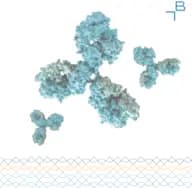
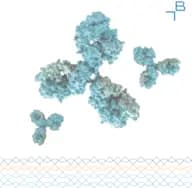
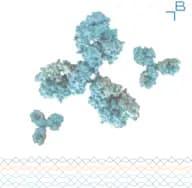
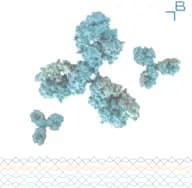
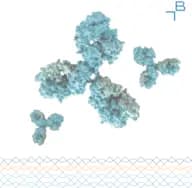
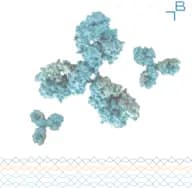
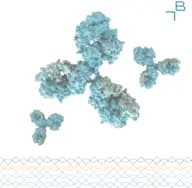
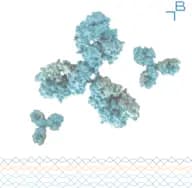
Biochemicals and reagents are fundamental substances for research and development in fields such as biotechnology, molecular biology, pharmacology, and medicine. These products are essential for a variety of applications, including compound synthesis, biological sample analysis, metabolic process research, and drug production. At CymitQuimica, we offer a wide selection of high-quality, high-purity biochemicals and reagents suitable for various scientific and industrial needs. Our catalog includes enzymes, antibodies, nucleic acids, amino acids, and many other products, all designed to support researchers and professionals in their research and development projects, ensuring reliable and reproducible results.
Subcategories of "Biochemicals and Reagents"
- Biomolecules(99,116 products)
- By Biological Target(99,076 products)
- By Pharmacological Effects(6,785 products)
- Cryopreservatives(21 products)
- Desinfectants and Related Compounds(28 products)
- Hormones(346 products)
- Plant Biology(6,698 products)
- Secondary Metabolites(14,220 products)
Found 130579 products of "Biochemicals and Reagents"
Sort by
Purity (%)
0
100
|
0
|
50
|
90
|
95
|
100
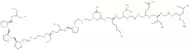
CD28 Blocking Peptide
<p>A synthetic peptide for use as a blocking control in assays to test for specificity of CD28 antibody, catalog no. 70R-9669</p>Purity:Min. 95%2-(Phosphonomethyl)-pentanedioic acid tetrasodium
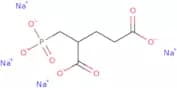
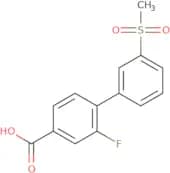
CAS:<p>2-(Phosphonomethyl)-pentanedioic acid tetrasodium is a synthetic compound, which is an organophosphorus chemical designed for specific biochemical applications. Its source lies in the realm of chemical synthesis involving the phosphorylation of organic moieties, leading to its unique structural configuration.</p>Formula:C6H7Na4O7PPurity:Min. 95%Molecular weight:314.05 g/molKRT19 antibody
<p>The KRT19 antibody is a highly specialized product used in the field of Life Sciences. It is an activated antibody that specifically targets and binds to the KRT19 protein. This protein is commonly associated with various diseases, including Helicobacter infections.</p>NCX 466
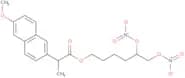
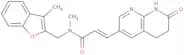
CAS:<p>NCX 466 is a drug that inhibits the production of pro-inflammatory cytokines and has been shown to be effective in the treatment of inflammatory diseases. NCX 466 is a peptide that inhibits cyclooxygenase (COX) enzymes, which are responsible for the production of prostaglandins, such as PGE2. The drug has been shown to be effective in clinical trials using mice with experimental arthritis. NCX 466 has also shown efficacy in human studies, where it was found to inhibit erythroid cell growth by blocking extracellular signal-related kinase 1/2 (ERK1/2) activation.</p>Formula:C20H24N2O9Purity:Min. 95%Molecular weight:436.4 g/molCD161
CAS:<p>CD161 is a cell surface protein that interacts with the CD4 receptor and is expressed on certain cells in the immune system. CD161 has been shown to play a role in the lysis of infected cells, and it may be a potential biomarker for disease activity. CD161 also acts as a co-receptor for HIV infection, which allows CD4 to bind to CD161. It is thought that this protein may have an important role in regulating the differentiation of stem cells. A model system involving CD161 has been developed that demonstrates transcriptional regulation by cell factor and p53.</p>Formula:C26H21N5O2Purity:Min. 95%Molecular weight:435.5 g/molInfluenza B antibody
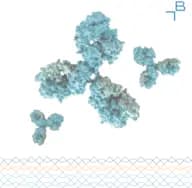
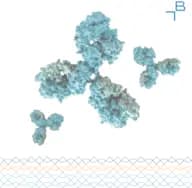
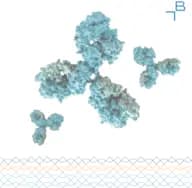
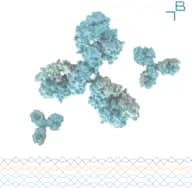
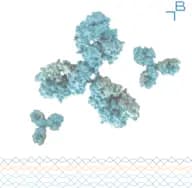
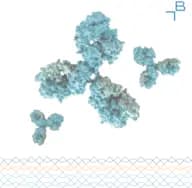
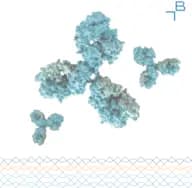
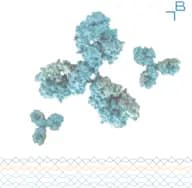
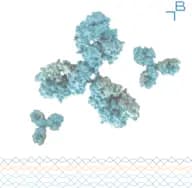
<p>Influenza B antibody is a neutralizing monoclonal antibody that specifically targets the influenza B virus. It works by binding to the hemagglutinin protein on the surface of the virus, preventing it from infecting host cells. This antibody has been shown to be effective in inhibiting viral replication and reducing the severity of symptoms associated with influenza B infection.</p>NPPB
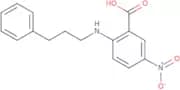
CAS:<p>NPPB is a polymeric cation channel that is activated by cytosolic Ca2+ and regulates the membrane potential of cells. It has been shown to be involved in the regulation of energy metabolism, chloride transport, and cancer cell growth. NPPB also plays an important role in neuronal death, as it can activate pro-apoptotic protein channels and regulate the release of intracellular calcium. NPPB is found predominantly in the apical region of mitochondria membranes, but can also be found in other locations such as the plasma membrane. It is regulated by oxidative injury and changes in mitochondrial membrane potential.</p>Formula:C16H16N2O4Purity:Min. 95%Molecular weight:300.31 g/molTMC647055
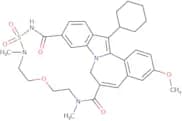
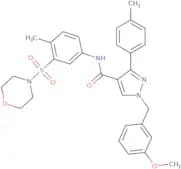
CAS:<p>TMC647055 is an inhibitor of the hepatitis C virus (HCV) NS5B polymerase. It inhibits HCV replication by binding to the active site of the NS5B polymerase, preventing RNA-dependent DNA polymerization and inhibiting viral replication. TMC647055 has been shown to be effective against HCV genotype 1, 2 and 3. This compound has also been shown to be a potent inhibitor of HIV-1 reverse transcriptase and may be used as a potential therapy for HIV infection. TMC647055 has been shown to have anti-cancer activity in cell culture studies against human cancer cells, including leukemia, lymphoma and breast cancer cells.</p>Formula:C32H38N4O6SPurity:Min. 98 Area-%Color and Shape:PowderMolecular weight:606.7 g/molCer9 (T18:0/26:0/18:1)
CAS:<p>Cer9 is a synthetic lipid molecule with a phosphatidylcholine backbone that has been modified to include an 18:0 fatty acid at the C-1 position and either 26:0 or 18:1 (oleic) fatty acids at the C-2 and C-3 positions. Cer9 is of interest for its ability to activate G protein coupled receptors, including the muscarinic M4 receptor, which may be useful for treating Alzheimer's disease. The synthetic nature of this lipid allows for high purity and reproducibility in manufacturing, which makes it ideal for use in research as a pharmacological tool.</p>Formula:C62H121NO6Purity:Min. 95%Molecular weight:976.63 g/molMGAT2-IN-2
CAS:<p>MGAT2-IN-2 is a peptide that inhibits the activity of MGAT2, a protein that plays an important role in regulating membrane trafficking. The MGAT family is involved in the recycling of cell surface receptors and other proteins from the endoplasmic reticulum to the Golgi apparatus. MGAT2-IN-2 has been shown to inhibit this process by binding to MGAT2 and preventing it from interacting with its ligands. This inhibitor can be used as a research tool for studying the function of MGAT2 and as a reagent for studying protein interactions.</p>Formula:C26H21F5N4O4SPurity:Min. 95%Molecular weight:580.5 g/molExendin-4 Acetate
CAS:<p>Exendin-4 acetate is a peptide hormone that belongs to the glucagon family. It is a potent stimulator of insulin release and has been used for the treatment of type 2 diabetes. Exendin-4 acetate is synthesized by recombinant DNA technology and can be quantified by HPLC. Exendin-4 acetate is a linear molecule with a linear range from 0.1 to 1000 pmol, making it suitable for quantitative measurements. The average response time for exendin-4 acetate is 9 minutes, which makes it ideal for use in experiments that require fast results. The detection wavelength for exendin-4 acetate is at 280 nm, which falls within the range of common UV detectors. A phosphate buffer solution or an acid solution can be used as the mobile phase in this experiment, with a flow rate of 1 ml/min.</p>Formula:C186H286N50O62SPurity:Min. 95%Molecular weight:4,246.62 g/molALE-0540
CAS:<p>ALE-0540 is a potent and selective activator of G-protein coupled receptors that has been shown to be effective in the treatment of pain. It is a peptide with high purity, which can be used as a research tool to study protein interactions. ALE-0540 has been shown to inhibit the activity of ion channels, and has been shown to bind to a receptor on the surface of cells. This binding leads to changes in cell signaling and subsequent cellular responses. This drug also binds specifically to an antibody that provides researchers with information about its structural features.</p>Formula:C14H11N3O5Purity:Min. 95%Molecular weight:301.25 g/molTenascin C antibody
<p>The Tenascin C antibody is a highly specialized product used in the field of Life Sciences. It is an activated glycoprotein that acts as a growth factor and plays a crucial role in various cellular processes. This antibody is widely used in immunoassays, particularly in the detection and quantification of Tenascin C levels.</p>Chlamydia trachomatis antibody
<p>Chlamydia trachomatis antibody was raised in goat using purified MOMP from strain L2 as the immunogen.</p>Purity:Min. 95%AFN-1252
CAS:<p>AFN-1252 is a synthetic antibiotic compound, which is derived from a biosynthetic origin tailored for specificity towards bacterial targets. Its mode of action involves the selective inhibition of enoyl-ACP reductase, an enzyme integral to the bacterial fatty acid synthesis pathway. By targeting this enzyme, AFN-1252 effectively disrupts the production of essential fatty acids, leading to the attenuation of bacterial growth and proliferation.</p>Formula:C22H21N3O3Purity:Min. 95%Molecular weight:375.42 g/molRPS6KA4 antibody
<p>RPS6KA4 antibody was raised in mouse using recombinant Human Ribosomal Protein S6 Kinase, 90Kda, Polypeptide 4 (Rps6Ka4)</p>Sofpironium bromide
CAS:<p>Sofpironium bromide is a ligand that binds to ion channels and is used as a research tool. It is used in cell biology and immunology to study protein interactions, receptor pharmacology, and ion channels. Sofpironium bromide is also used as an inhibitor of the potassium channel Kv1.4 and has been shown to inhibit the proliferation of human cancer cells.</p>Formula:C22H32BrNO5Purity:Min. 95%Molecular weight:470.4 g/molETS1 antibody
<p>ETS1 antibody is a growth factor that targets tyrosine residues on proteins. It can be used in combination with other antibodies, such as trastuzumab (anti-HER2 antibody), to inhibit the growth of cancer cells. ETS1 antibody binds to the epidermal growth factor receptor and prevents the activation of downstream signaling pathways that promote cell proliferation. This monoclonal antibody specifically recognizes the amino and carbonyl groups on ETS1 protein, allowing for highly specific binding. ETS1 antibody is commonly used in Life Sciences research, particularly in studies involving antibodies and their interactions with various proteins. It has also been shown to have potential therapeutic applications, such as targeting lipoprotein lipase or CD33 on mesenchymal stem cells.</p>Plasminogen Heavy Tryptic Peptide Standard (4nmol)
<p>For Protein Identification and Quantitation</p>Purity:Min. 95%6-Carboxytetramethyl rhodamine hydrochloride
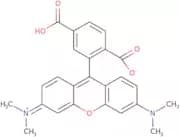
CAS:<p>6-Carboxytetramethyl rhodamine hydrochloride is a fluorescent probe that produces an intense red fluorescence when bound to nucleic acids and proteins. The fluorescence can be measured using a spectrofluorimeter, which is a device that measures the intensity of light emitted by cells in response to excitation by an ultraviolet or visible light source. 6-Carboxytetramethyl rhodamine hydrochloride has been used as a fluorescent probe for the detection of human protein in x-ray crystal structures. This probe has also been used to detect herpes simplex virus (HSV) and other DNA viruses. The basic properties of this compound are determined by its sequence and structure, which can be studied using molecular methods such as hybridization or proximal tubule analysis.</p>Formula:C25H22N2O5·HClPurity:Min. 95%Color and Shape:SolidMolecular weight:466.91 g/molTAGLN antibody
<p>The TAGLN antibody is a monoclonal antibody that acts as an anti-connexin agent. It targets connexin proteins involved in endothelial growth and adipose tissue development. This antibody has been extensively studied in the field of Life Sciences and has shown promising results in various research areas. It has been used to study the role of connexins in angiogenesis, immune response, and cell signaling pathways. The TAGLN antibody is cytotoxic and has been shown to neutralize certain chemokines and growth factors. It is commonly used in experiments involving human serum and has also been utilized to detect alpha-fetoprotein levels. With its specificity and effectiveness, the TAGLN antibody is a valuable tool for researchers in understanding cellular processes and developing therapeutic interventions.</p>Syntaxin 1A antibody
<p>The Syntaxin 1A antibody is a highly specialized monoclonal antibody used in Life Sciences research. It is designed to specifically target and bind to Syntaxin 1A, a protein involved in vesicle fusion and neurotransmitter release. This antibody is commonly used in various assays to study the activation and localization of Syntaxin 1A in different cellular contexts.</p>Purity:Min. 95%TBX1 antibody
<p>The TBX1 antibody is a highly specialized antibody that plays a crucial role in the field of Life Sciences. It specifically targets and binds to a cell antigen found on functional endothelial cells. This antibody is produced by hybridoma cells and has been extensively studied for its ability to inhibit the growth factor responsible for the development of pluripotent stem cells.</p>DIRAS1 antibody
<p>DIRAS1 antibody was raised using the N terminal of DIRAS1 corresponding to a region with amino acids PEQSNDYRVVVFGAGGVGKSSLVLRFVKGTFRDTYIPTIEDTYRQVISCD</p>Purity:Min. 95%AQP5 antibody
<p>The AQP5 antibody is a highly effective medicament in the form of a monoclonal antibody. It is specifically designed to neutralize the harmful effects of certain substances in the body. This powerful antibody has been extensively tested and proven to be highly effective in various scientific studies.</p>Purity:Min. 95%N-Methylquipazine dimaleate
CAS:<p>N-Methylquipazine dimaleate is a selective ligand product, which is a synthetically produced compound with a specific affinity for serotonin receptors, particularly the 5-HT3 subtype. It is derived from a well-established chemical synthesis process that ensures high purity and consistent activity.</p>Formula:C22H25N3O8Purity:Min. 95%Molecular weight:459.4 g/molCCR2 antibody
<p>CCR2 antibody was raised using a synthetic peptide corresponding to a region with amino acids LIMVICYSGILKTLLRCRNEKKRHRAVRVIFTIMIVYFLFWTPYNIVILL</p>Purity:Min. 95%Noremopamil
CAS:<p>Noremopamil is a ligand that binds to the nicotinic acetylcholine receptor, which is found in the brain. It is used as a research tool for studying protein interactions and as an inhibitor of ion channels. Noremopamil has been shown to be an effective activator of the nicotinic acetylcholine receptor and has been used to study its function in the central nervous system. It also has been shown to inhibit potassium channels, which are important for regulating membrane potentials.</p>Formula:C22H28N2Purity:Min. 95%Molecular weight:320.5 g/molBRUNOL5 antibody
<p>BRUNOL5 antibody was raised using the middle region of BRUNOL5 corresponding to a region with amino acids GVVPFPGGHPALETVYANGLVPYPAQSPTVAETLHPAFSGVQQYTAMYPT</p>SITPEC antibody
<p>SITPEC antibody was raised in rabbit using the middle region of SITPEC as the immunogen</p>Purity:Min. 95%PSENEN antibody
<p>PSENEN antibody was raised in rabbit using the C terminal of PSENEN as the immunogen</p>Purity:Min. 95%COPB1 antibody
<p>COPB1 antibody was raised using the middle region of COPB1 corresponding to a region with amino acids QLALDLVSSRNVEELVIVLKKEVIKTNNVSEHEDTDKYRQLLVRTLHSCS</p>Altemicidin
CAS:<p>Altemicidin is a medicinal compound that has shown promising results in the treatment of cancer. It is a kinase inhibitor that works by blocking protein activity, leading to apoptosis (programmed cell death) in cancer cells. Altemicidin is an analog of a compound found in Chinese urine, and has been extensively studied for its anticancer properties. It has been shown to be effective against a variety of human cancer cell lines and tumors, making it a potential candidate for future cancer treatments. Additionally, Altemicidin may have advantages over other kinase inhibitors because it does not inhibit all kinases, which could potentially lead to fewer side effects than other kinase inhibitors on the market.</p>Formula:C13H20N4O7SPurity:Min. 95%Molecular weight:376.39 g/molNS 383
CAS:<p>Please enquire for more information about NS 383 including the price, delivery time and more detailed product information at the technical inquiry form on this page</p>Formula:C19H19N3O2Purity:Min. 95%Molecular weight:321.4 g/molSHC3 antibody
<p>SHC3 antibody was raised using a synthetic peptide corresponding to a region with amino acids RLKPRPHAPDTAQFAGKEQTYYQGRHLGDTFGEDWQQTPLRQGSSDIYST</p>Neoseptin 3
CAS:<p>Neoseptin 3 is a peptidomimetic ligand that activates the Toll-like receptor 4 (TLR4) and TLR2. It has been shown to have an activating effect on Thp-1 cells and to induce cytokine production in these cells. Neoseptin 3 has been reported to be effective in vaccines against Staphylococcus aureus, as well as conjugates for the treatment of tuberculosis. This ligand also has a hydrophobic nature and is reportedly able to penetrate into bacterial membranes, which may contribute to its activity against bacteria.</p>Formula:C29H34N2O4Purity:Min. 95%Molecular weight:474.59 g/molIL18BP antibody
<p>IL18BP antibody was raised in goat using highly pure recombinant murine IL-18BP as the immunogen.</p>Purity:Min. 95%Galloflavin potassium
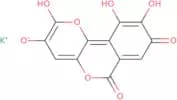
CAS:<p>Galloflavin potassium is a peptide that is used as a research tool in the fields of cell biology, pharmacology, and immunology. It has been shown to be an inhibitor of ion channels and receptors, which can lead to a variety of biological effects. Galloflavin potassium has been shown to activate the receptor for acetylcholine, causing the release of neurotransmitters at neuromuscular junctions. Galloflavin potassium also has an affinity for the nicotinic acetylcholine receptor in muscle cells, which may be related to its ability to increase muscle contractions.</p>Formula:C12H5KO8Purity:Min. 95%Molecular weight:316.26 g/molDihydromunduletone
CAS:<p>Dihydromunduletone is a peptide inhibitor that binds to the receptor and prevents it from binding to its ligand. Dihydromunduletone is an activator of the GABA receptor, which is a ligand-gated ion channel. Dihydromunduletone also has been shown to act as an inhibitor of protein interactions, including those with other inhibitors or activators of the GABA receptor. Dihydromunduletone is a high-purity chemical reagent for use in research applications, such as pharmacology, cell biology, and biochemistry.</p>Formula:C25H28O6Purity:Min. 95%Molecular weight:424.5 g/molSyntaxin 1A antibody
<p>The Syntaxin 1A antibody is a powerful tool in the field of Life Sciences. This antibody specifically targets and neutralizes Syntaxin 1A, a glycoprotein involved in various cellular processes. It has been extensively used in research to study the role of Syntaxin 1A in chemokine signaling, collagen synthesis, and cytotoxicity. The monoclonal antibody effectively inhibits the activity of Syntaxin 1A, allowing researchers to investigate its impact on important pathways such as growth factor signaling, interferon response, and hepatocyte growth. With its high specificity and potency, the Syntaxin 1A antibody is an invaluable resource for scientists looking to unravel the complex mechanisms underlying cellular functions.</p>Mouse IgG Control
<p>Mouse IgG Control is a highly reliable and versatile monoclonal antibody that is widely used in various research applications. It serves as an important control for experiments involving mucin, polyclonal antibodies, protein, ferritin, and other activated monoclonal antibodies. This control antibody allows researchers to accurately assess the specificity and efficacy of their experimental procedures.</p>ZNF417 antibody
<p>ZNF417 antibody was raised in rabbit using the N terminal of ZNF417 as the immunogen</p>Purity:Min. 95%GAMT antibody
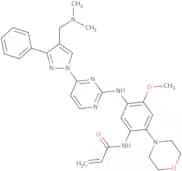
<p>GAMT antibody was raised using the N terminal of GAMT corresponding to a region with amino acids MSAPSATPIFAPGENCSPAWGAAPAAYDAADTHLRILGKPVMERWETPYM</p>Lazertinib
CAS:<p>Lazertinib is a potent tyrosine kinase inhibitor with inhibitory properties against cancer cells. Lazertinib has been shown to have inhibitory effects on epidermal growth factor receptor (EGFR) and HER2/neu receptors, which are important for the growth of solid tumours. This drug inhibits the phosphorylation of these receptors, thereby blocking their downstream signalling pathways that promote cancer cell proliferation. Lazertinib also inhibits the activity of other tyrosine kinases including c-MET, AXL and RET, which may be important for inhibiting cancer cell growth in patients with autoimmune diseases.</p>Formula:C30H34N8O3Purity:Min. 95%Molecular weight:554.64 g/molIL1b antibody
<p>IL1b antibody was raised in rabbit using recombinant human IL-1b as the immunogen.</p>Purity:Min. 95%LRRTM1 antibody
<p>LRRTM1 antibody was raised using the middle region of LRRTM1 corresponding to a region with amino acids CALASWLNNFQGRYDGNLQCASPEYAQGEDVLDAVYAFHLCEDGAEPTSG</p>Purity:Min. 95%JNJ 55511118
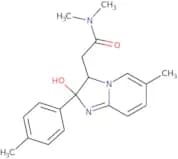
CAS:<p>JNJ 55511118 is a molecule that binds to glutamate receptors, inhibiting their function. It has been shown to be effective in animal models of pain and neuropathic pain. JNJ 55511118 is administered orally and has a high bioavailability. This drug also has a low risk of interactions with other drugs. Clinical studies are ongoing to determine the appropriate dose for human use.</p>Formula:C14H8ClF3N2O2Purity:Min. 95%Molecular weight:328.67 g/molα-hydroxyzolpidem
CAS:<p>Please enquire for more information about Alpha-hydroxyzolpidem including the price, delivery time and more detailed product information at the technical inquiry form on this page</p>Formula:C19H23N3O2Purity:Min. 95%Molecular weight:325.4 g/molFIV Protein
<p>FIV protein is a glycoprotein that plays a crucial role in the field of Life Sciences. It is an activated growth factor that has been extensively studied for its potential therapeutic applications. FIV protein can stimulate the production of anti-idiotypic antibodies, which are antibodies that bind to and neutralize other antibodies. This makes it a valuable tool in research and diagnostic applications. The antigenic properties of FIV protein have made it an important component in the development of monoclonal antibodies. These antibodies specifically target and bind to FIV protein, allowing for precise detection and analysis. Additionally, FIV protein has been shown to interact with fibrinogen, a key component in blood clotting processes. Recombinant Proteins & Antigens containing FIV protein are widely used in various experiments and assays. The high purity and quality of these proteins ensure accurate results and reliable data. FIV protein can also be utilized in studies involving nuclear proteins and protein kinases. For researchers and scientists</p>Purity:≥80% By Sds-Page And Gel-Dot Analysis.HSV2 antibody (nuclear regulatory protein)
<p>HSV2 antibody was raised in mouse using HSV 2, a nuclear regulatory) protein, as the immunogen.</p>RDH10 antibody
<p>RDH10 antibody was raised using a synthetic peptide corresponding to a region with amino acids QSNEETAGMVRHIYRDLEAADAAALQAGNGEEEILPHCNLQVFTYTCDVG</p>Purity:Min. 95%INSIG1 antibody
<p>INSIG1 antibody was raised using the middle region of INSIG1 corresponding to a region with amino acids TTWLFHKTRSNYRVFLKSPIVIESSKPPILRARKILEENLTVDYDKDYLF</p>Purity:Min. 95%DHX37 antibody
<p>DHX37 antibody was raised using a synthetic peptide corresponding to a region with amino acids PLTKKEKKVLQKILEQKEKKSQRAEMLQKLSEVQASEAEMRLFYTTSKLG</p>NR3C1 antibody
<p>NR3C1 antibody was raised using the N terminal of NR3C1 corresponding to a region with amino acids NVKLYTTDQSTFDILQDLEFSSGSPGKETNESPWRSDLLIDENCLLSPLA</p>Purity:Min. 95%ABCC3 antibody
<p>The ABCC3 antibody is a highly effective anti-VEGF (vascular endothelial growth factor) agent. It belongs to the class of agonist proteins and is specifically designed for use in Life Sciences research. This polyclonal antibody has been engineered to bind to VEGF, a key growth factor involved in angiogenesis, and inhibit its activity. The ABCC3 antibody has also shown binding affinity towards other growth factors such as erythropoietin, making it a versatile tool for studying various cellular processes. In addition to its antiangiogenic properties, this antibody has demonstrated cytotoxic effects on target cells, making it a valuable tool for cancer research. Its unique beta-hairpin structure ensures optimal binding efficiency and specificity. Researchers can use the ABCC3 antibody in various applications including immunohistochemistry, Western blotting, and flow cytometry experiments. With its high-quality formulation and reliable results, this antibody is an essential component of any research project focused on understanding vascular development and angi</p>Glyburide potassium
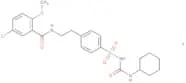
CAS:<p>Glyburide potassium is a drug that belongs to the class of sulfonylureas and is used as an oral hypoglycemic agent. It acts by stimulating pancreatic beta cells to release insulin. Glyburide potassium has been shown to increase intracellular Ca2+ levels, inhibit ATP-sensitive K+ channels, and stimulate enzyme activities in human erythrocytes. The drug also inhibits sodium carbonate-induced ionotropic gelation in aqueous solutions. Glyburide potassium has been shown to be a potent inhibitor of high-sensitivity C-reactive protein (hsCRP) activity in vitro. It also inhibits neuronal function in vitro through its effects on monoclonal antibodies.</p>Formula:C23H28ClKN3O5SPurity:Min. 95%Molecular weight:533.1 g/molSalmonella antibody
<p>Salmonella antibody was raised in mouse using LPS of Salmonella typhimurium as the immunogen.</p>PDK3 antibody
<p>PDK3 antibody was raised using the N terminal of PDK3 corresponding to a region with amino acids RPSVGLVQSWYMQSFLELLEYENKSPEDPQVLDNFLQVLIKVRNRHNDVV</p>ZAP70 antibody
<p>ZAP70 antibody is a highly specialized product used in immunoassays and research within the field of Life Sciences. It is a polyclonal antibody that specifically targets ZAP70, a protein involved in T-cell signaling pathways. This antibody can be used to detect and measure the levels of ZAP70 in various biological samples, such as human serum or tissue lysates. It can also be used as a neutralizing agent to inhibit the activity of ZAP70 in experimental settings. The ZAP70 antibody is produced using advanced techniques, including monoclonal antibody production and purification processes. It has been extensively tested for specificity and sensitivity, ensuring accurate and reliable results. Researchers rely on this high-quality antibody to study the role of ZAP70 in immune responses, steroid signaling, fatty acid metabolism, interferon activation, and other important cellular processes. With its wide range of applications and exceptional performance, the ZAP70 antibody is an indispensable tool for scientists working in immunology and related fields.</p>PTP1B antibody
<p>The PTP1B antibody is a powerful tool in the field of Life Sciences. It is a polyclonal antibody that targets and inhibits the activity of protein tyrosine phosphatase 1B (PTP1B). This enzyme plays a crucial role in various cellular processes, including fas-mediated apoptosis, epidermal growth factor signaling, and regulation of insulin and leptin receptors.</p>STC1 antibody
<p>STC1 antibody is a polyclonal antibody that specifically targets the epidermal growth factor STC1. It is widely used in life sciences research and has been shown to have neutralizing effects on STC1 activity. This antibody can be used in various applications, such as Western blotting, immunohistochemistry, and enzyme-linked immunosorbent assay (ELISA). The STC1 antibody binds to the target protein and blocks its interaction with receptors, inhibiting downstream signaling pathways involved in cell growth and differentiation. It is an essential tool for studying the role of STC1 in various biological processes and for developing potential therapeutic inhibitors or modulators of this important growth factor.</p>HAT1 protein (His tag)
<p>20-341 amino acids: MGSSHHHHHH SSGLVPRGSH MKKLAEYKCN TNTAIELKLV RFPEDLENDI RTFFPEYTHQ LFGDDETAFG YKGLKILLYY IAGSLSTMFR VEYASKVDEN FDCVEADDVE GKIRQIIPPG FCTNTNDFLS LLEKEVDFKP FGTLLHTYSV LSPTGGENFT FQIYKADMTC RGFREYHERL QTFLMWFIET ASFIDVDDER WHYFLVFEKY NKDGATLFAT VGYMTVYNYY VYPDKTRPRV SQMLILTPFQ GQGHGAQLLE TVHRYYTEFP TVLDITAEDP SKSYVKLRDF VLVKLCQDLP CFSREKLMQG FNEDMAIEAQ QKFKINKQHA RRVYEILRLL VTD</p>Purity:Min. 95%Bisphenol A-d6 β-D-glucuronide
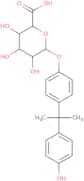
CAS:<p>Bisphenol A-d6 β-D-glucuronide is a metabolite of bisphenol A (BPA) that has been found to be detectable in human serum. In this study, the authors analyzed urine samples from women and found that BPA-d6 glucuronide was present in all samples, but not in the same concentrations. The concentrations ranged from 0.1 to 2.0 ng/mL, with higher concentrations being associated with women who had higher levels of BPA exposure. The authors also found that BPA-d6 glucuronide was detectable in human serum. This metabolite can be measured with an enzymatic reaction and a dilution method. It is recommended for future studies to determine whether or not BPA-d6 glucuronide is present in human urine samples from men as well as children and older adults.</p>Formula:C21H24O8Purity:Min. 95%Molecular weight:410.4 g/molα-2-antiplasmin Heavy Tryptic Peptide Standard (4nmol)
<p>An Alpha-2-antiplasmin heavy tryptic peptide standard for protein identification and quantitation studies. Alpha-2-antiplasmin is a serine protease inhibitor of plasmin, an enzyme involved in fibrinolysis.</p>Purity:Min. 95%RNF20 antibody
<p>RNF20 antibody was raised using the N terminal of RNF20 corresponding to a region with amino acids LKRYDLEQGLGDLLTERKALVVPEPEPDSDSNQERKDDRERGEGQEPAFS</p>Cer1 (d18:1/26:0/18:1)
CAS:<p>Cer1 is a synthetic peptide that is used as a research tool for studying protein interactions and receptor-ligand interactions. The amino acid sequence of Cer1 is D-Ile-Nva-D-Leu-D-Ile-Lys-NH2. Cer1 can be used to activate or inhibit ion channels, which are proteins that control the movement of ions across cell membranes. It has been shown to be an inhibitor of the Ion channel Cav3.</p>Formula:C62H119NO5Purity:Min. 95%Molecular weight:958.61 g/molEpCAM antibody
<p>The EpCAM antibody is a monoclonal antibody that specifically targets the Epithelial Cell Adhesion Molecule (EpCAM). It has been widely used in various applications within the field of Life Sciences. The EpCAM antibody has proven to be highly effective in detecting and quantifying alpha-fetoprotein (AFP), a protein commonly associated with liver cancer, as well as in studying breast cancer cells such as MCF-7.</p>COH34
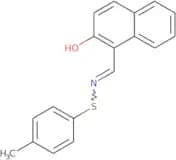
CAS:<p>COH34 is a protein that belongs to the group of enzyme complexes. It is involved in DNA repair pathways and may be associated with cancer therapy. COH34 is found in human cells and has been shown to be expressed at high levels during cancer. This protein also plays an important role in cellular metabolism and has been shown to regulate the expression of other proteins, such as RPA32 and CPD, which are involved in DNA replication. The function of COH34 has been studied extensively using a yeast model system, cryptococcus neoformans.</p>Formula:C18H15NOSPurity:Min. 95%Molecular weight:293.4 g/molVUT-MK142
CAS:<p>VUT-MK142 is a research tool that is used to study protein interactions. This drug is an activator of the Ligand-gated ion channels, which are receptors for neurotransmitters in the brain. VUT-MK142 has been shown to inhibit cell death by apoptosis and necrosis in rat hippocampal neurons. The high purity of this ligand makes it suitable for use in pharmacological studies as well as antibody generation. VUT-MK142 has also been shown to be a potent inhibitor of the Kv1.2 and Kv1.3 potassium channels, which are involved in myelination and axonal growth.</p>Formula:C17H22N4OPurity:Min. 95%Molecular weight:298.4 g/molSEMA3C antibody
<p>The SEMA3C antibody is a highly specialized monoclonal antibody used in the field of Life Sciences. It has been extensively studied for its ability to inhibit the activity of interleukin-6 (IL-6), a multifunctional cytokine involved in various biological processes. This antibody has also shown promising results in inhibiting multidrug resistance and TGF-beta signaling.</p>DA-3003-2
CAS:<p>DA-3003-2 is a phosphatase that is responsive to epidermal growth factor (EGF) and mitogen-activated protein kinase (MAPK). It has been shown to have a protective effect on the proliferation of human cancer cells and the induction of apoptosis. DA-3003-2 is also expressed in normal cells and activated when these cells are exposed to EGF or other mitogens. This phosphatase may play a role in regulating cell cycle progression by dephosphorylating tyrosine residues in proteins such as cdc25A, which activates the mitotic machinery. DA-3003-2 also inhibits cellular growth by inhibiting the growth of fibroblasts, which are cells that produce collagen for connective tissue.</p>Formula:C15H16ClN3O3Purity:Min. 95%Molecular weight:321.76 g/molSTK16-IN-1
CAS:<p>STK16-IN-1 is a sophisticated multi-target antibody cocktail, which is a scientific tool meticulously designed to investigate signaling pathways. It consists of a collection of antibodies derived from hybridoma production to precisely target key proteins involved in cellular signal transduction. Through the simultaneous engagement of multiple pathways, STK16-IN-1 effectively enhances the detection and analysis of post-translational modifications and protein-protein interactions.</p>Formula:C17H12FN3OPurity:Min. 95%Molecular weight:293.3 g/molAste1 antibody
<p>Aste1 antibody was raised in rabbit using the middle region of Aste1 as the immunogen</p>Purity:Min. 95%DY 268
CAS:<p>DY 268 is a coumarin derivative that binds to the prostate-specific membrane antigen (PSMA) and is being developed as a treatment for prostate cancer. This compound has been shown to inhibit the transport rate of PSMA, which prevents it from binding to the receptor. DY 268 has also been shown to be an effective adjuvant therapy for chronic inflammatory diseases such as rheumatoid arthritis. DY 268 was activated in human liver cells, and its growth factor activity was found to be localized in proximal tubules.</p>Formula:C30H32N4O5SPurity:Min. 95%Molecular weight:560.66 g/molMAPK13-IN-1
CAS:<p>MAPK13-IN-1 is a linker protein that is essential for the ternary complex formation of MAP kinase. It has been shown to bind ubiquitin, which is an important component of the e3 ligase family, and to be involved in the process of ubiquitination. MAPK13-IN-1 also interacts with other proteins, such as receptor tyrosine kinases that are implicated in signal transduction pathways. The binding between MAPK13-IN-1 and these proteins may change their function and lead to different outcomes.</p>Formula:C20H23N5O2Purity:Min. 95%Molecular weight:365.4 g/molHIV1 antibody (HTLV3)
<p>HIV1 antibody (HTLV3) was raised in goat using human isolate, highly pure HIV1 as the immunogen.</p>ASP4132
CAS:<p>ASP4132 is a small molecule that has been shown to induce cell death in tumor cells through autophagy. It is orally active and can be used as a chemotherapeutic agent. ASP4132 activates the AMP-activated protein kinase, which inhibits the mTORC1 complex, leading to an increase in autophagy and apoptosis. The oral bioavailability of this drug is high and it has been shown to have limited toxicity. Clinical development for this drug is ongoing with toxicities such as anorexia, weight loss, dehydration, and elevated liver enzymes observed.</p>Formula:C46H51F3N6O8S2Purity:Min. 95%Molecular weight:937.06 g/mol