Biochemicals and Reagents
Subcategories of "Biochemicals and Reagents"
- Biomolecules(98,575 products)
- By Biological Target(100,710 products)
- By Pharmacological Effects(6,937 products)
- Cryopreservatives(21 products)
- Desinfectants and Related Compounds(28 products)
- Hormones(421 products)
- Plant Biology(6,907 products)
- Secondary Metabolites(14,367 products)
Found 130493 products of "Biochemicals and Reagents"
TMEM63B antibody
TMEM63B antibody was raised using the middle region of TMEM63B corresponding to a region with amino acids VRGCEQVEAIEYYTKLEQKLKEDYKREKEKVNEKPLGMAFVTFHNETITAPurity:Min. 95%CHRAC1 antibody
CHRAC1 antibody was raised in rabbit using the N terminal of CHRAC1 as the immunogen
Purity:Min. 95%PPM1M antibody
PPM1M antibody was raised using the middle region of PPM1M corresponding to a region with amino acids VYPELLAGEFTRLEFPRRLKGDDLGQKVLFRDHHMSGWSYKRVEKSDLKYGAPDH antibody
GAPDH antibody was raised using the middle region of GAPDH corresponding to a region with amino acids KAGAHLQGGAKRVIISAPSADAPMFVMGVNHEKYDNSLKIISNASCTTNCDihydrocurcumin
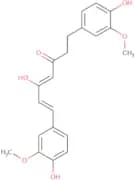
CAS:Dihydrocurcumin is an analog of curcumin, a natural compound with antioxidant and anti-inflammatory properties. It has been shown to be a potent inhibitor of bacterial strains such as Salmonella enterica serovar Typhimurium and Escherichia coli O157:H7. Dihydrocurcumin binds to the bacterial target protein, which inhibits the polymerase chain reaction (PCR). This leads to decreased bacterial growth and increased sensitivity to antibiotics. Dihydrocurcumin also has low bioavailability because it is metabolized by fatty acid conjugation in vivo and is not absorbed by the gut. It has been shown to have pharmacokinetic properties that are similar to those of other curcuminoids due to its chemical similarity in structure.
Formula:C21H22O6Purity:Min. 95%Molecular weight:370.4 g/molHAX1 antibody
HAX1 antibody was raised using the middle region of HAX1 corresponding to a region with amino acids QPAPDWGSQRPFHRFDDVWPMDPHPRTREDNDLDSQVSQEGLGPVLQPQPWDR6 Blocking Peptide
A synthetic peptide for use as a blocking control in assays to test for specificity of WDR6 antibody, catalog no. 70R-2628Purity:Min. 95%NMT1 Blocking Peptide
A synthetic peptide for use as a blocking control in assays to test for specificity of NMT1 antibody, catalog no. 70R-2314
Purity:Min. 95%Moroxybrate
CAS:Moroxybrate is a medicinal compound that acts as an inhibitor of kinase activity. It is an analog of indirubin, a compound found in traditional Chinese medicine. Moroxybrate has been shown to induce apoptosis in cancer cells and inhibit tumor growth. This compound is a potent inhibitor of protein kinases, which play a critical role in cell division and proliferation. It has been demonstrated to be effective against various types of cancer, including human bladder cancer and breast cancer. Additionally, Moroxybrate has been detected in human urine and may have potential applications as an anticancer agent. Its unique mechanism of action makes it a promising candidate for the development of new cancer treatments.Formula:C16H24ClN5O4Purity:Min. 95%Molecular weight:385.8 g/molMIG antibody
MIG antibody was raised in mouse using highly pure recombinant human MIG as the immunogen.TRIM23 antibody
TRIM23 antibody was raised in rabbit using the middle region of TRIM23 as the immunogenPurity:Min. 95%CD32b antibody
The CD32b antibody is a highly specialized monoclonal antibody that targets the CD32b receptor, which is expressed on mesothelial cells. This antibody is designed to specifically bind to the activated form of CD32b and has been conjugated with a peptide for enhanced stability and efficacy. It has been extensively tested for its neutralizing properties and has shown high affinity binding to CD32b in various experimental settings.Lenperone hydrochloride
CAS:Lenperone hydrochloride is a peptide of the amino acid sequence Ac-D-Ala-Nle-Nle-Phe-Gly-D-Arg. It is an activator of ion channels and has been used as a research tool to study protein interactions. Lenperone hydrochloride interacts with receptors, ligands, and other proteins in cells. It can be used to investigate the role of ion channels in cell signaling and to understand how protein interactions are involved in the development of diseases such as cancer.Formula:C22H24ClF2NO2Purity:Min. 95%Molecular weight:407.9 g/molHeavy calcitonin peptide
Heavy calcitonin peptide – Stable Isotope PeptideHuman Calcitonin (hCT) is a 32-amino acid hormone peptide belonging to the Calcitonin/Calcitonin-gene related peptide (CGRP) family, that also comprises amylin, adrenomedullin (AM) and adrenomedullin2/intermedin (AM2/IMD). Calcitonin is characterized by a N-terminal disulfide bond that forms a 7 amino acid ring structure, a region with a α-helix tendency and an amidated C-terminus1.Calcitonin peptide is produced by C cells of the thyroid gland and binds preferentially to the G-protein coupled receptor, calcitonin receptor (CTR)1. Calcitonin receptor signals through activated Gs protein and the production of cAMP second messenger molecules by adenylyl cyclase1. The dissociation constant (Kd) of calcitonin receptors expressed by a human ovarian small cell carcinoma line is approximately 4.6 nM for human Calcitonin2.Calcitonin is involved in the homeostasis of calcium and phosphorus, and the regulation of bone dynamics. At the basal state, calcitonin secretion reduces plasma calcium and phosphorus levels, and promote bone formation. In Calca -/- mice, a murin particle-induced osteolysis model, Calcitonin peptide has been used as a test compound for studying the effects of calcitonin deficiency. It has been shown that artificial calcitonin subsitution inhibits bone resorption by reducing the formation of osteoclasts and thereby the resulting osteolytic reaction3. The Hypocalcemic Human calcitonin was also used as a positive control to monitor changes in serum calcium levels in HHD transgenic mice vaccinated with Parathyroid hormone-related protein (PTH-rP)-derived peptides in the context of anti-cancer immunotherapy study4. Moreover, it has been reported that calcitonin peptide is a potent stimulator of uncapacitated mouse spermatozoa by regulating a specific isoform of adenylyl cyclase and the production of cAMP, which plays a pivotal role in mammalian sperm function5.sb-PEPTIDE provides stable isotope labeled calcitonin peptide. This peptide has been quantified accurately using amino acid analysis.ITGAV antibody
The ITGAV antibody is a monoclonal antibody that belongs to the class of human immunoglobulins. It specifically targets and binds to the ITGAV protein, which is involved in various cellular processes such as cell adhesion, migration, and signaling. This antibody has been shown to have neutralizing effects on chemokines, steroids, growth hormone receptors, and interferons.EPHB3 antibody
EPHB3 antibody is a glycoprotein that belongs to the family of binding proteins. It is a polyclonal antibody that can specifically target and bind to EPHB3, a receptor protein involved in various cellular processes. This antibody has been shown to have neutralizing properties against interferon and autoantibodies. Additionally, EPHB3 antibody can inhibit the activity of chemokines and multidrug resistance proteins, making it a valuable tool in life sciences research. It has also demonstrated reactivity against antiviral agents and extracellular histones. Furthermore, this antibody has shown potential as an anticancer agent, with studies indicating its effectiveness in suppressing cell growth and inducing apoptosis in HL-60 cells.2-(2-(4-(Dibenzo[b,f][1,4]thiazepin-11-yl)piperazin-1-yl)ethoxy)ethanol
CAS:2-(2-(4-(Dibenzo[b,f][1,4]thiazepin-11-yl)piperazin-1-yl)ethoxy)ethanol is a research tool that can be used to study the effects of Ion channels on cells. It can also be used as a pharmacological reagent for the study of receptor binding and protein interactions. 2-(2-(4-(Dibenzo[b,f][1,4]thiazepin-11-yl)piperazin-1-yl)ethoxy)ethanol has a CAS No. 848814-27-7 and is soluble in DMSO. This product is available in high purity and it does not contain any detectable impurities.Formula:C21H27N3O3SPurity:Min. 95%Molecular weight:401.50 g/mol[Sar1,Ile8]-Angiotensin II
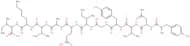
Angiotensin II is a peptide that acts as an agonist of the angiotensin receptors. It is a hormone that regulates blood pressure and fluid balance. The antagonist can block the effects of the peptide, which may be useful in treating cardiovascular diseases such as hypertension and congestive heart failure.Formula:C46H73N13O10•CH3COOH•4H2OPurity:Min. 95%Molecular weight:1,100.26 g/molFurazolidone monoclonal antibody
The Furazolidone monoclonal antibody is a highly specialized and targeted therapeutic agent used in the field of Life Sciences. This monoclonal antibody specifically targets extracellular substances found in blood plasma, making it a valuable tool in various medical applications. It has shown promising results in the treatment of leukemia and other related conditions.
Didesmethyl cariprazine
CAS:Didesmethyl cariprazine is a peptide that belongs to the group of activators. It has been shown to be an inhibitor of protein interactions and a ligand for the 5-HT2A receptor. Didesmethyl cariprazine has also been found to have pharmacological effects on ion channels and cell biology, such as life science.
Formula:C19H28Cl2N4OPurity:Min. 95%Molecular weight:399.4 g/molFodipir
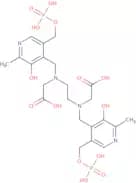
CAS:Fodipir is a chelating agent that is used for the treatment of metastatic colorectal cancer. Fodipir has been shown to bind to cisplatin, a chemotherapy drug, and prevent it from binding to tissues or cells. This prevents the toxicity of cisplatin on tissues, such as the heart and liver. Fodipir also protects against platinum-based chemotherapy by preventing cell lysis and DNA damage in the myocardium. Fodipir may be useful in diagnosing conditions that require imaging because it is not absorbed by the body, allowing for clear images without interference from other molecules.Formula:C22H32N4O14P2Purity:Min. 95%Molecular weight:638.5 g/molTUBA1C antibody
The TUBA1C antibody is a growth factor that has been extensively studied in the field of Life Sciences. It has shown promising results as a potential multidrug and interferon therapy. This antibody has demonstrated the ability to inhibit the effects of ketamine and vasoactive intestinal peptide, both of which are involved in various physiological processes. Additionally, it has been found to have neutralizing properties against epidermal growth factor and collagen, making it a valuable tool in research and therapeutic applications. The TUBA1C antibody is available as a high-quality monoclonal antibody that has been tested for its efficacy and specificity. It can be used in various experimental techniques, including low-molecular-weight electrode assays and immunohistochemistry. Researchers and scientists can rely on this antibody to provide accurate and reliable results in their studies.AZDye 568 TCO
Reacts with tetrazines to produce a stable, covalent linkage, also referred to as the inverse-electron demand Diels-Alder cycloaddition reaction. This reaction is extremely fast (k > 800 M -1 s-1), selective, biocompatible, and does not require Cu-catalyst or elevated temperatures.
Formula:C47H51NN4S3O121,2-Dimyristoyl-sn-glycero-3-phosphocholine-1,1,2,2-d4-N,N,N-trimethyl-d9
CAS:Controlled Product1,2-Dimyristoyl-sn-glycero-3-phosphocholine (DMPC) is a lipid used as a research tool for studying the interactions between proteins. DMPC has been shown to inhibit antibody binding and cell signaling, suggesting that it can be used as an inhibitor or activator of protein interactions. DMPC is also used in pharmacology and life sciences to study ion channels, receptors, and ligands. It has a high purity level of 99% and is available at low cost.
Formula:C36H59NO8PD13Purity:Min. 95%Molecular weight:691.01 g/molBiotin-MAGE-A1 (278-286)
Biotin-MAGE-A1 (278-286) is the N-ter biotinylated version of MAGE-A1 (278-286). Biotin-MAGE-A1 (278-286) can be used in the analysis of antigen-specific T cells. MAGE-A1 protein:
MAGE-A1 (278-286) is an epitope of Melanoma Antigen Gene A1 expressed by tumors of different histological types such as on the surface of breast carcinoma cell and is a Cancer/Testis Antigens (CTA). MAGE-A1 is a tumor antigen expressed in 40% of melanoma and contains epitope for binding HLA-A*02:01 molecules and that are recognized by cytotoxic T cells.
Applications of MAGE-A1 (278-286):
MAGE-A1 (278-286) is used to stimulate specific cytotoxic T cells in PBMCs and to analyze by ELISPOT peptide epitope specificity and cytokine production like IFN-γ. Immunogenicity of MAGE-A1 (278-286) raised the possibility of developing anticancer immunotherapies or vaccinations. MAGE-A1 is also expressed in lung adenocarcinoma and studies suggest that MAGE-A1 may serve to develop Chimeric Antigen Receptor (CAR) T cell therapy using lentiviral vector and show an encouraging tumor-inhibitory efficacy.
Sequence: Biotin-KVLEYVIKVCD1b antibody
The CD1b antibody is a monoclonal antibody that targets the CD1b protein, which plays a crucial role in immune responses and cell growth. This antibody has been extensively studied in the field of Life Sciences and has shown promising results in various applications.PK68
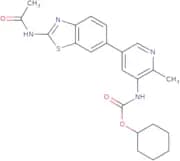
CAS:PK68 is an innovative chemical compound that serves as a selective protein kinase inhibitor, derived through advanced synthetic chemistry techniques. The compound operates by binding to the ATP-binding pocket of target kinases, effectively inhibiting their activity. This mode of action allows PK68 to modulate various kinase-driven signaling pathways that are crucial in cellular processes.Formula:C22H24N4O3SPurity:Min. 95%Molecular weight:424.5 g/molPOLD2 antibody
POLD2 antibody was raised using a synthetic peptide corresponding to a region with amino acids LREVSEEHNLLPQPPRSKYIHPDDELVLEDELQRIKLKGTIDVSKLVTGTPurity:Min. 95%GSK 319347A
CAS:GSK 319347A is a chemical compound that belongs to the group of chemokines. It has been shown to have anti-cancer properties, in particular for colorectal cancer and myocardial infarcts. GSK 319347A has also been shown to activate stem cells and increase the growth of cancer cells. The mechanism by which GSK319347A activates stem cells is not yet known, but it may be due to its ability to inhibit growth factor signaling pathways or its ability to bind with chemokine receptors.Formula:C22H19N3O5S2Purity:Min. 95%Molecular weight:469.53 g/molLXN protein
6-Fluoro-3-indoxyl-beta-D-galactopyranoside is a powerful antituberculosis drug that falls under the class of rifamycins. It is specifically designed to combat tuberculosis infections by targeting active compounds and exhibiting bactericidal activity. This drug works by binding to DNA-dependent RNA polymerase, effectively preventing transcription and replication, thus inhibiting bacterial growth. Remarkably, its high efficacy has been demonstrated through extensive testing using the patch-clamp technique on human erythrocytes.Purity:Min. 95%pep2-AVKI
CAS:Pep2-AVKI is a potent postsynaptic potential (PSP) agonist. It is a potentiator of synaptic transmission at glutamatergic synapses, and enhances the amplitude of the PSPs induced by dopamine, glutamate, or acetylcholine in hippocampal CA1 neurons. Pep2-AVKI also interacts with cytosolic proteins that have been shown to be involved in the potentiation of synaptic transmission. These interactions are required for its efficacy as a potentiator of synaptic transmission. Pep2-AVKI has been shown to be efficacious in animal models of autoimmune diseases and may work through its ability to modulate immune responses.Formula:C60H93N13O17Purity:Min. 95%Molecular weight:1,268.5 g/molNAT8B antibody
NAT8B antibody was raised using a synthetic peptide corresponding to a region with amino acids SCFWVGESEEKVVGTVGALPVDDPTLREKRLQLFHLSVDNEHRGQGIAKAPurity:Min. 95%SB 204990
CAS:SB 204990 is a growth factor that belongs to the group of fatty acid derivatives. It inhibits acetyl-CoA carboxylase and carnitine palmitoyltransferase, which are enzymes involved in fatty acid synthesis and cholesterol synthesis. SB 204990 also inhibits the activity of mitochondrial ATP synthase, which is responsible for the production of ATP. This drug has been shown to increase levels of atp in cells, which may be due to its inhibition of mitochondrial ATP synthase. SB 204990 is also known to have anti-inflammatory properties as it inhibits prostaglandin synthesis.
Formula:C18H22Cl2O5Purity:Min. 95%Molecular weight:389.27 g/molHuman beta-defensin-2 peptide
Human beta-defensin-2 (hBD-2), also known as skin-antimicrobial peptide 1 (SAP1) is a cysteine-rich cationic antimicrobial peptide of 41 amino acids. It was originally isolated from skin cells of psoriasis patients. hBD-2, which belongs to the defensin family, is implicated in the innate immunity thanks to its antimicrobial activity. Thus, β-defensins can play a role at the cutaneous level by limiting the use of antibiotics in severe burns and disease like psoriasis. Moreover, at the pulmonary level, defensins might be involved in the resorption of the infection in cases of cystic fibrosis.
hBD-2 is produced after stimulation of epithelial cells following their contact with some organisms like Gram-negative bacteria and Candida Albicans, fungus or cytokines such as TNF-alpha and IL-1 beta. This antimicrobial activity was shown to be microbicidal at concentrations greater than 1 µM and was lethal for E.Coli and pseudomonas (LD90 : 10 mg/mL) and Candida Albicans (LD90 : 25 mg/mL). Besides its antimicrobial activity, hBD-2 also exhibits proinflammatory properties as chemoattractants for memory T-cells, immature dendritic cells, mast cells and neutrophils.
hBD-2 has also demonstrated inhibitory activity of the voltage-gated potassium channel Kv1.3 at picomolar concentration. Kv1.3 are overexpressed by T-cells in case of autoimmune disorders.Falipamil
CAS:Falipamil is a peptide that inhibits the interaction of proteins. It binds to the receptor site of the protein and blocks its activity. Falipamil is not an agonist, meaning it does not activate the receptor. It is also a ligand, which means it binds to specific receptors and activates them. Falipamil has been shown to be an excellent research tool for studying protein interactions, as well as being used in antibody production. This product can be used for life science research and has high purity with a CAS Number of 77862-92-1.
Formula:C24H32N2O5Purity:Min. 95%Molecular weight:428.5 g/molIL17 antibody
The IL17 antibody is a monoclonal antibody that targets the colony-stimulating factor, activated. It is widely used in the field of Life Sciences for research purposes. This antibody specifically binds to IL17, a cytokine that plays a crucial role in immune response and inflammation. By blocking the interaction between IL17 and its receptors, this antibody inhibits the downstream signaling pathways, leading to a reduction in inflammation. Additionally, the IL17 antibody has been shown to have potential therapeutic applications in various diseases such as rheumatoid arthritis and psoriasis. With its high specificity and potency, this antibody is an essential tool for researchers studying cytokine biology and developing novel therapies.
4-Fluoro-3-(4-hydroxypiperidin-1-yl)sulfonyl-N-(3,4,5-trifluorophenyl)benzamide
CAS:4-Fluoro-3-(4-hydroxypiperidin-1-yl)sulfonyl-N-(3,4,5-trifluorophenyl)benzamide is a small molecule that binds to and inhibits the activity of ion channels. It has an affinity for ligand gated ion channels, like nicotinic acetylcholine receptors (nAChRs) and serotonin type 3 receptors (5HT3). 4-Fluoro-3-(4-hydroxypiperidin-1-yl)sulfonylbenzamide is a research tool used in pharmacology and protein interaction studies. The compound is available at high purity and can be used as an inhibitor in antibody or cell biology experiments.
Formula:C18H16F4N2O4SPurity:Min. 95%Molecular weight:432.4 g/moltert-Butyl 5-((4-ethyl-5-formyl-3-methyl-1H-pyrrol-2-yl)methyl)-3,4-dimethyl-1H-pyrrole-2-carboxylate
CAS:tert-Butyl 5-((4-ethyl-5-formyl-3-methyl-1H-pyrrol-2-yl)methyl)-3,4-dimethyl-1H-pyrrole-2-- carboxylate (BEMPC) is a potent and selective activator of the ion channel TRPV6. It has been shown to activate TRPV6 in a concentration dependent manner and at concentrations of 10 μM or lower, BEMPC activates TRPV6 with an EC50 of approximately 1 μM. This compound is also an inhibitor of protein synthesis in cells.
Formula:C20H28N2O3Purity:Min. 95%Molecular weight:344.4 g/molGPR21 antibody
GPR21 antibody was raised in rabbit using a synthetic peptide conjugated to KLH as the immunogen.Purity:Min. 95%BMPR2 antibody
The BMPR2 antibody is a highly specialized monoclonal antibody used in Life Sciences. It is designed to target and bind to the BMPR2 protein, which plays a crucial role in various cellular processes. This antibody is widely used in research and diagnostic applications due to its ability to detect and quantify the expression of BMPR2.ZFP36 antibody
The ZFP36 antibody is a highly effective neutralizing agent that targets the TGF-beta protein. This monoclonal antibody contains histidine and is designed to inhibit the function of TGF-beta, a key molecule involved in various cellular processes. It acts as a potent family kinase inhibitor, blocking the activity of target molecules and preventing their downstream effects.1-Hexanoyl-2-hydroxy-sn-glycero-3-phosphocholine
CAS:1-Hexanoyl-2-hydroxy-sn-glycero-3-phosphocholine is a lysophosphatidylcholine that is formed by the hydrolysis of phospholipids containing 1 hexanoic acid. The lipid is incorporated into the cell membrane and has been shown to inhibit the growth of bacteria by altering the permeability of the membrane. This lipid may be used as a therapeutic agent for bacterial infections.Formula:C14H30NO7PPurity:Min. 95%Molecular weight:355.36 g/molMorphine + Oxycodone antibody
Morphine/Oxycodone antibody was raised in mouse using Oxycodone-BSA as the immunogen.PDE3A antibody
PDE3A antibody was raised in rabbit using a synthetic peptide conjugated to KLH as the immunogen.Purity:Min. 95%GAL3ST3 antibody
GAL3ST3 antibody was raised using the C terminal of GAL3ST3 corresponding to a region with amino acids VDIMGYDLPGGGAGPATEACLKLAMPEVQYSNYLLRKQKRRGGARARPEPPurity:Min. 95%4-Amino-N-[2,6-bis(methylamino)-4-pyrimidinyl]-benzenesulfonamide dihydrochloride
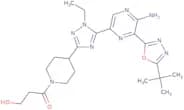
CAS:4-Amino-N-[2,6-bis(methylamino)-4-pyrimidinyl]-benzenesulfonamide dihydrochloride is a sulfonamide antibiotic, commonly known as sulfadiazine dihydrochloride. It is a synthetic antimicrobial agent derived from sulfanilamide, a compound originally extracted from azo dyes. Its mode of action involves inhibiting bacterial dihydropteroate synthase, which leads to the obstruction of folic acid synthesis. This disruption is critical as folic acid is essential for bacterial growth and replication.Formula:C12H17ClN6O2SPurity:Min. 95%Molecular weight:344.82 g/molTOP2B antibody
TOP2B antibody was raised in rabbit using the middle region of TOP2B as the immunogenPurity:Min. 95%ABL1 antibody
The ABL1 antibody is a monoclonal antibody that specifically targets the growth factor receptor ABL1. This biomolecule plays a crucial role in cell growth, division, and survival. The ABL1 antibody is designed to bind to the activated form of ABL1, neutralizing its function and preventing further downstream signaling.GSTM2 antibody
GSTM2 antibody was raised using a synthetic peptide corresponding to a region with amino acids TQSNAILRYIARKHNLCGESEKEQIREDILENQFMDSRMQLAKLCYDPDFYIPF6 antibody
YIPF6 antibody was raised using the C terminal of YIPF6 corresponding to a region with amino acids MVRLFVVIVMFAWSIVASTALLADSQPPNRRALAVYPVFLFYFVISWMILPurity:Min. 95%BAY-885
CAS:BAY-885 is a drug development candidate that has been shown to have potent cytotoxic activity against cancer cells. BAY-885 inhibits the constitutive activation of the transcription factor NF-κB, which is involved in tumor growth, proliferation, and survival. It also inhibits the enzymatic activity of the protein caspase 3. This drug has demonstrated high potency in cell culture and animal models.
Formula:C25H28F3N7O2Purity:Min. 95%Molecular weight:515.53 g/molUNC-926
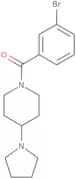
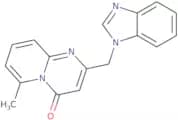
CAS:UNC-926 is a synthetic molecule that can act as a transcriptional regulator. It interacts with lysine residues in the regulatory proteins of pluripotent stem cells, which are responsible for the regulation of their activity. This interaction leads to conformational changes in the protein, which in turn affects its ability to regulate gene expression. UNC-926 has been shown to be active against viruses such as HIV and influenza A virus. In addition, it has been shown to inhibit the replication of these viruses by methylating specific sites on chromatin-bound DNA. UNC-926 is also a potent inhibitor of methyltransferase enzymes, which are involved in post-translational modifications of immunodeficiency regulatory proteins (IRP). It inhibits methylation at specific sites on IRP molecules and prevents them from binding to RNA polymerase II and III, inhibiting transcription of viral genes.Formula:C16H21BrN2OPurity:Min. 95%Molecular weight:337.25 g/molMIP3 alpha antibody
MIP3 alpha antibody was raised in mouse using highly pure recombinant human MIP-3 alpha as the immunogen.CGP 48664A
CAS:CGP 48664A is a polyamine analog that selectively inhibits the activity of two enzymes, ornithine decarboxylase and orotate phosphoribosyltransferase. It has been shown to have potent antitumor activity against solid tumours in mice, including metastatic colorectal cancer, and it has also shown to have potent anti-infectious effects against infectious diseases such as malaria. CGP 48664A has been shown to inhibit the growth of carcinoma cells in cell culture. CGP 48664A has been found to be highly selective for inhibiting the enzyme ornithine decarboxylase (ODC) and orotate phosphoribosyltransferase (OPRT), which are involved in polyamine biosynthesis. The enzyme activities of ODC and OPRT were inhibited by up to 90% when incubated with concentrations of 10 μM or higher. When the enzyme activities were inhibited by C
Formula:C11H16Cl2N6Purity:Min. 95%Molecular weight:303.19 g/mol(+)-MK 801
CAS:(+)-MK 801 is a potent and highly selective antagonist at the NMDA receptor. It can be used as a research tool to study the function of ion channels, as well as an experimental drug for the treatment of epilepsy, stroke, and neuropathic pain. (+)-MK 801 has high purity and is available in bulk quantities.Formula:C16H15NPurity:Min. 95%Molecular weight:221.3 g/molPSMA2 antibody
PSMA2 antibody was raised using a synthetic peptide corresponding to a region with amino acids VGIKAANGVVLATEKKQKSILYDERSVHKVEPITKHIGLVYSGMGPDYRVPF-06284674
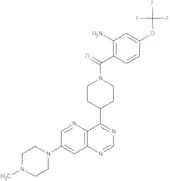
CAS:PF-06284674 is a potent and selective small molecule activator of the human angiotensin II type 1 receptor. Angiotensin II is a hormone that regulates blood pressure, water and electrolyte balance, and vascular tone. The activation of the angiotensin II type 1 receptor by PF-06284674 has been shown to produce vasodilation in various tissues including the kidney, heart, and brain. PF-06284674 may be useful for research purposes as an inhibitor of protein interactions or an antibody production tool.
Formula:C17H14N4OPurity:Min. 95%Molecular weight:290.32 g/mol(Z)-Fluoxastrobin
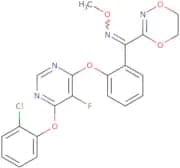
CAS:(Z)-Fluoxastrobin is a potent anticancer agent that has been shown to inhibit tumor growth and promote apoptosis in cancer cells. It is an analog of the natural product strobilurin A, and acts as a kinase inhibitor by binding to the ATP-binding site of protein kinases. (Z)-Fluoxastrobin has been found to be effective against a variety of human cancer cell lines, including Chinese hamster ovary cells and urinary bladder cancer cells. This medicinal compound shows great promise as an anticancer agent due to its ability to selectively target cancer cells while sparing normal cells. Its potent inhibitory effects on protein kinases make it a promising candidate for further development as a targeted therapy for cancer treatment.Formula:C21H16ClFN4O5Purity:Min. 95%Molecular weight:458.8 g/molCSRP2 antibody
CSRP2 antibody was raised in rabbit using the C terminal of CSRP2 as the immunogenPurity:Min. 95%GW-590735
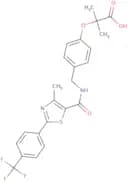
CAS:GW-590735 is a potent, non-peptide, orally bioavailable, small molecule activator of PPARs. It binds to the PPAR receptor and activates it by binding to the ligand binding domain, thereby increasing the expression of genes that are involved in lipid metabolism. GW-590735 has been shown to have anti-inflammatory effects in animal models of bowel disease, as well as beneficial effects on insulin sensitivity and energy homeostasis. GW-590735 has also been shown to activate PPARγ in cancer cells and reduce tumor growth. In addition, this drug has been shown to be effective for treatment of inflammatory diseases such as rheumatoid arthritis and Crohn's disease.Purity:Min. 95%CDCP1 antibody
The CDCP1 antibody is a highly effective monoclonal antibody that specifically targets the CDCP1 protein. This antibody is designed to bind to and neutralize the activity of CDCP1, which plays a crucial role in various cellular processes. By blocking the function of CDCP1, this antibody inhibits the formation of CDCP1 dimers and prevents its activation.Clcn5 antibody
Clcn5 antibody was raised in rabbit using the middle region of Clcn5 as the immunogenPurity:Min. 95%Petroselaidic acid
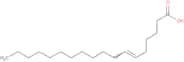
CAS:Petroselaidic acid is a natural product that belongs to the hydroxybenzoic acid family of fatty acids. It is present in many plant species, especially in seeds and leaves. Petroselaidic acid has been shown to have detergent properties, which are probably due to its ability to solubilize phospholipids and inhibit the activity of alkaline phosphatase. This compound also has hemolytic activity, which may be related to its ability to bind with erythrocytes by electrostatic interactions. Petroselaidic acid is an analog of petroselinic acid, a fatty acid found in plants that has been shown to induce tumefaciens-mediated transformation.Formula:C18H34O2Purity:Min. 95%Molecular weight:282.5 g/molp-Ethylhydratropic acid-d3
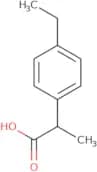
CAS:Please enquire for more information about p-Ethylhydratropic acid-d3 including the price, delivery time and more detailed product information at the technical inquiry form on this pageFormula:C11H14O2Purity:Min. 95%Molecular weight:181.25 g/molSPNS2 antibody
SPNS2 antibody was raised using a synthetic peptide corresponding to a region with amino acids PPGTPGTPGCAATAKGPGAQQPKPASLGRGRGAAAAILSLGNVLNYLDRYReticuline hydrochloride
CAS:Reticuline hydrochloride is a racemic mixture of enantiomers. It is a crystalline solid that has a melting point of 222°C. Reticuline hydrochloride is an alkaloid derived from thebaine and other opium alkaloids. It is found in the plants, Mandragora officinarum and Berberis aristata. The drug has been shown to have analgesic, antitussive, anti-inflammatory, and antipyretic properties. Reticuline hydrochloride has also been found to be useful for treating malaria.Formula:C19H24ClNO4Purity:Min. 95%Molecular weight:365.8 g/mol








![2-(2-(4-(Dibenzo[b,f][1,4]thiazepin-11-yl)piperazin-1-yl)ethoxy)ethanol](/_next/image/?url=https%3A%2Fstatic.cymitquimica.com%2Fproducts%2F3D%2Fthumb-webp%2FYIB81427.webp&w=3840&q=75)
![[Sar1,Ile8]-Angiotensin II](/_next/image/?url=https%3A%2Fstatic.cymitquimica.com%2Fproducts%2F3D%2Fthumb-webp%2FPAN-4016.webp&w=3840&q=75)





















![4-Amino-N-[2,6-bis(methylamino)-4-pyrimidinyl]-benzenesulfonamide dihydrochloride](/_next/image/?url=https%3A%2Fstatic.cymitquimica.com%2Fproducts%2F3D%2Fthumb-webp%2FXXB33395.webp&w=3840&q=75)