Biochemicals and Reagents
Subcategories of "Biochemicals and Reagents"
- Biomolecules(98,563 products)
- By Biological Target(101,038 products)
- By Pharmacological Effects(6,954 products)
- Cryopreservatives(21 products)
- Desinfectants and Related Compounds(28 products)
- Hormones(531 products)
- Plant Biology(6,903 products)
- Secondary Metabolites(14,368 products)
Found 130636 products of "Biochemicals and Reagents"
cis-7,10,13,16-Docosatetraenoic Acid Ethyl Ester-d5
CAS:Controlled ProductApplications cis-7,10,13,16-Docosatetraenoic Acid Ethyl Ester-d5 is an isotopic analog of cis-7,10,13,16-Docosatetraenoic Acid Ethyl Ester. cis-7,10,13,16-Docosatetraenoic Acid Ethyl Ester is an ethyl analog of cis-7,10,13,16-Docosatetraenoic Acid (D494510). cis-7,10,13,16-Docosatetraenoic Acid has been identified as a protein kinase inhibitor, affecting serotonin levels in studies.
References Mirnikjoo, B. et al.: J. Biol. Chem., 276, 10888 (2001);Formula:C24D5H35O2Color and Shape:NeatMolecular weight:365.6042,4,5-Trimethylaniline Hydrochloride
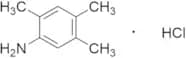
CAS:Controlled ProductStability Hygroscopic
Applications 2,4,5-Trimethylaniline (T797580(P)) is the free base of 2,4,5-Trimethylaniline Hydrochloride. 2,4,5-Trimethylaniline is a carcinogenic aromatic amine used in the leather and textile industry.
References Kawakami, Tsuyoshi, et al.: Kankyo Kagaku, 22(4), 197-204 (2012); Chen, Xiaomei, et al.: Fenxi Ceshi Xuebao, 17(4), 50-53 (1998);Formula:C9H13N·ClHColor and Shape:Light BrownMolecular weight:171.67N-(n-Butyl)phosphoric Triamide
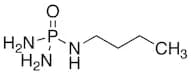
CAS:Applications N-Alkyl phosphoric triamide useful as urease inhibitors.
Formula:C4H14N3OPColor and Shape:White SolidMolecular weight:151.15Cholesterol 5α,6α-Epoxide
CAS:Controlled ProductApplications Cholesterol 5alpha,6alpha-epoxide is used in the generation of oxysterols and in the studies of the biological significance of oxysterols.
References Lizard, G., et al.: Eur. J. Lipid Sci. Technol., 118, 135 (2016); Sabolova, M., et al.: J. Sci. Food Agric., 97, 5092 (2017); Bezine, M., et al.: Biochimie (2018)Formula:C27H46O2Color and Shape:NeatMolecular weight:402.65D-Tyrosine
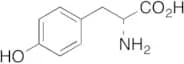
CAS:Controlled ProductApplications D-Tyrosine, the stereoisomer to L-Tyrosine (T899975), is an amino acid used in various organic syntheses for antibiotics. It is used in the synthesis of (-)-anisomycin, as well as BATSI (boronic acid transition state inhibitors) which act on β-lactamases. It has also been studied as an inhibitor of microbial growth on surfaces, reducing microbial attachment to hydrophillic glass and hydrophobic polypropylene surfaces.
References Li, Ji. et al.: Chin. Chem. Lett., 23, 647 (2012); Xu, H. et al.: Water Res., 45, 5796 (2011); Ke, W. et al.: Antimicrob. Agents Chemother., 55, 174 (2011);Formula:C9H11NO3Color and Shape:NeatMolecular weight:181.192-Isobutyl-5,5-dimethyl-1,3-dioxane
CAS:Controlled ProductFormula:C10H20O2Color and Shape:NeatMolecular weight:172.265cis-13-Docosenamide (>85%)
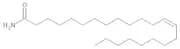
CAS:Applications Plastic additive 21 is a plasticizer; used in preparation of natural mineral modified degradable polymer flame-retardant composite material.
References Xu, H., et al.: Faming Zhuanli Shenqing, (2021);Formula:C22H43NOPurity:>85%Color and Shape:White To Off-WhiteMolecular weight:337.588-Aminopyrene-1,3,6-trisulfonic Acid Trisodium Salt
CAS:Controlled ProductStability Very Hygroscopic
Applications Fluorescent label for glycoproteins and saccharides.Dyes and metabolites.
References Wang, D., et al.: Langmuir, 17, 1262 (2001), Cappuccio, F., et al.: J. Fluoresc., 14, 521 (2004), Cordes, D., et al.: Org. Biomol. Chem., 3, 1708 (2005),Formula:C16H8NO9S3·3NaColor and Shape:NeatMolecular weight:523.4Lauryl Betaine
CAS:Controlled ProductStability Hygroscopic
Applications Lauryl Betaine is an amphoteric surfactant derived from N-dodecyl-N,N-dialkanol amine with protein denaturing potency. Lauryl Betaine is mainly used in shampoo, personal hygiene products and oil field chemicals.
Not a dangerous good if item is equal to or less than 1g/ml and there is less than 100g/ml in the package
References Kimura, Y. et al.: J. SCCJ, 29, 106 (1995); Qin, C. et al.: GUang. Huag., 34, 30 (2006); Peng, Z. et al.: Riy. HUax. Gong., 37, 135 (2007);Formula:C16H33NO2Color and Shape:White To Off-WhiteMolecular weight:271.444-Methylumbelliferyl b-D-Galactopyranoside-6-sulfate Sodium Salt
CAS:Stability Hygroscopic
Applications Used for the determination of galactose-6-sulphate sulphatase activity. Used in the diagnosis of Mucopolysaccharidosis IV A.
References van Diggelen, O.P., et al.: Clinica Chimica Acta, 187, 131 (1987)Formula:C16H17O11S·NaColor and Shape:White To Off-WhiteMolecular weight:440.35D-erythro-Sphingosylphosphorylcholine (Synthetic)
CAS:Controlled ProductApplications Involved in cell regulation, and transmembrane signaling. A putative lipid second messenger, connected via Protein Kinase C to the phosphatidylinositol-derived second messengers for signal transduction.
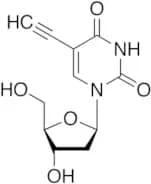
References Kratzer, B. and Schmidt, R.R.: Liebigs Ann., 955-963 (1995)Formula:C23H49N2O5PColor and Shape:NeatMolecular weight:464.625-Ethynyl-2’-deoxyuridine
CAS:Controlled ProductApplications 5-Ethynyl-2’-deoxyuridine is an extensively used nucleoside analog used as a probe for DNA synthesis. 5-Ethynyl-2’-deoxyuridine is known as an toxic anti-metabolite, which potentially causes DNA instabiliy, necrosis and cell-cycle arrest, therefore it is often used for short-term DNA synthesis in tissue culture and living organisms where prolonged cell survival is not required.
References Neef, A.B., et al.: P. Natl. Acad. Sci.., 108, 20404 (2011); Gristwood, T., et al.: Nucleic. Acids. Rsch., 40, 5487 (2012);Formula:C11H12N2O5Color and Shape:NeatMolecular weight:252.22Chocolate Brown HT (Technical Grade)
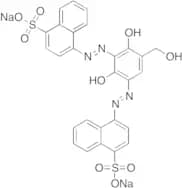
CAS:Applications Chocolate Brown HT (CAS# 4553-89-3) is a synthetic organic food colourant, and a long-term carcinogen.
References Amchova, P.; et al.: Regul. Toxicol. Pharm., 73, 914 (2015); Aguilar, F.; et al.: EFSA Journal, 8, 1536 (2010).Formula:C27H18N4O9S2·2NaColor and Shape:NeatMolecular weight:652.56b-Galactosyl-C18-ceramide
CAS:Controlled ProductFormula:C42H81NO8Color and Shape:NeatMolecular weight:728.09Ammelide
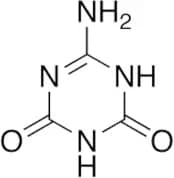
CAS:Applications Ammelide, is a metabolite of Melamine (1) (M208700), which acts as a non-protein nitrogen food additive (2). Also present in pet foods as well (3).Drinking water contaminant candidate list 3 (CCL 3) compound as per United States Environmental Protection Agency (EPA). Environmental contaminants; Food contaminants.
References 1. Mast R. et al.: Food Chem Toxicol. 1983 Dec;21(6):807-10. 2. Ehling S. et al.: Food Addit. Contam. 2007 Dec;24(12):1319-25. 3. Vail T. et al.: J Anal Toxicol. 2007 Jul-Aug;31(6):304-12.Formula:C3H4N4O2Color and Shape:ColourlessMolecular weight:128.091-Linoleoyl-3-palmitoyl-rac-glycerol
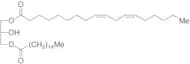
CAS:Applications Fatty acid ester with glycerol from banana fruit residues as source of valuable phytosterols.
References Banskota, A., ET AL.: Biol. Pharm. Bull., 23, 456 (2000), Luo, H., ET AL.: J. Nat. Prod., 68, 94 (2005), Oliveira, L., et al.: J. Agric. Food Chem., 54, 2598 (2006), Oliveira, L., et al.: Ind. Crops Prod., 26, 163 (2007),Formula:C37H68O5Color and Shape:NeatMolecular weight:592.93Rose Bengal Sodium Salt, Technical Grade
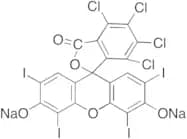
CAS:Controlled ProductApplications Rose Bengal Sodium Salt is used in biological studies as potential for use as sensitizers in photodynamic and sonodynamic therapy by synthesizing Rose Bengal amphiphilic derivatives. This compound has neuroprotective properties.
References Sugita, N., et al.: Bioconjugate Chem., 18, 866 (2007)Formula:C20H2Cl4I4O5·2NaColor and Shape:NeatMolecular weight:1017.6420α-Hydroxy Cholesterol
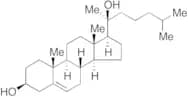
CAS:Applications A metabolite of Cholesterol (C432501). Cholesterol oxidation product having cytotoxicity effects.
References Higley, N., et al.: Food Chem. Toxicol., 22, 983 (1984), Emanuel, H., et al.: J. Food Sci., 56, 843 (1991), Kilsdonk, E., et al.: J. Lipid Res., 36, 505 (1995), Cantwell, H., et al.: Cell Biol. Toxicol., 14, 401 (1998),Formula:C27H46O2Color and Shape:NeatMolecular weight:402.65Direct Brown 95 (Technical Grade)
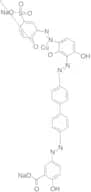
CAS:Controlled ProductApplications Direct Brown 95, Techincal Grade is an azo dye used in PET/cotton blended fabrics as well as other textiles. Environmental reproductive toxin.Environmental toxin on US EPA Toxic Release Inventory list (TRI) list. Dyes and metabolites, Environmental Testing
References Pielesz, A., et al.: J. Mol. Struct., 511, 337 (1999); Galloway, S., et al.: Env. Mol. Mutagen., 10, 1 (1987)Formula:C31H18CuN6O9S·2NaColor and Shape:Dark Purple To BlackMolecular weight:760.1Thyrotropin-Releasing Hormone
CAS:Controlled ProductApplications Thyrotropin-Releasing Hormone is a hypothalamic hypophysiotropic neuropeptide, which has the ability to stimulate the release of thyroid-stimulating hormone in mammals. It is proven that Thyrotropin-Releasing Hormone can be used to accelerate wound healing.
References Kanasaki, H., et al.: Neuropeptides., 54, 73 (2015); Nie, C., et al.: J. Surg. Res., 189, 364 (2014);Formula:C16H22N6O4Color and Shape:Off-WhiteMolecular weight:362.38