Biochemicals and Reagents
Subcategories of "Biochemicals and Reagents"
- Biomolecules(98,557 products)
- By Biological Target(101,015 products)
- By Pharmacological Effects(6,941 products)
- Cryopreservatives(21 products)
- Desinfectants and Related Compounds(28 products)
- Hormones(530 products)
- Plant Biology(6,903 products)
- Secondary Metabolites(14,369 products)
Found 130563 products of "Biochemicals and Reagents"
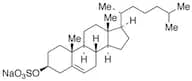
Cholesterol 3-Sulfate Sodium Salt
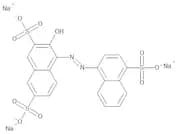
CAS:Controlled ProductFormula:C27H45O4S·NaColor and Shape:White PowderMolecular weight:488.7Amaranth (>85%)
CAS:Controlled ProductApplications Amaranth is a food color additive that induces differential colon DNA damage in rat and mouse. Dyes and metabolites, Environmental Testing. Dyes and metabolites.
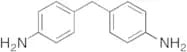
References Shimada, C., et al.: J. Toxicol. Sci., 35, 547 (2010); Goda, M., et al.: Shokuhin Eiseigaku Zasshi, 54, 188 (2013); Wang, M., et al.: J. Electroanal. Chem., 809, 117 (2018); Lu, L., et al.: Guangdong Huagong, 43, 117 (2016)Formula:C20H11N2O10S3·3NaPurity:>85%Color and Shape:Dark RedMolecular weight:604.474,4'-Methylenedianiline
CAS:Controlled ProductApplications 4,4'-Methylenedianiline is used in the production of polyurethane foams and epoxy resins (1). Potential contributor in pulmonary arterial hypertension (PAH) in rats through alteration of the serotenergic transport system (2). Drinking water contaminant candidate list 3 (CCL 3) compound as per United States Environmental Protection Agency (EPA), environmental, and food contaminants. Dyes and metabolites, Environmental Testing.
Not a dangerous good if item is equal to or less than 1g/ml and there is less than 100g/ml in the package
References 1. Hebert V. et al.: Cardiovas. Toxicol., 2011 Dec;11(4):316-24.2. Carroll-Turpin, M. et al.: Toxicol. Sci. 2015 Sep;147(1):235-45Formula:C13H14N2Color and Shape:NeatMolecular weight:198.26L-Asparagine-d3 Hydrate
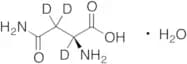
CAS:Controlled ProductApplications L-Asparagine-d3 Hydrate is an isotope labelled L-Asparagine Hydrate, a naturally occurring amino acid that is not a essential for humans and can be synthesized from central metabolic pathway intermediates.
References Burda, P., et al.: Biochim. Biophys. Acta., 1426, 239 (1999); Yamane, H., et al.: Animal. Sci. J., 80, 286 (2009);Formula:C4D3H5N2O3·H2OColor and Shape:White To Off-WhiteMolecular weight:153.1517p-Nitrophenyl β-D-Cellotetraoside
CAS:Controlled ProductApplications p-Nitrophenyl β-D-Cellotetraoside (cas# 129411-62-7) is a compound useful in organic synthesis.
Formula:C30H45NO23Color and Shape:NeatMolecular weight:787.67C16-Ceramide
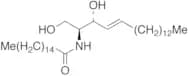
CAS:Applications A predominant, rather hydrophobic natural ceramide. Activates a cytosolic serine/threonine protein phosphatase in T9 cells; induces EGF receptor phosphorylation in A-431 cells; stimulates ceramide-activated protein kinase.
References Shoyama, Y., et al.: J. Lipid Res., 19, 250 (1978), Mathias, S., et al.: Proc. Natl. Sci. USA, 88, 10009 (1991), Dobrowsky, R.T., et al.: J. Biol. Chem., 267, 5048 (1992)Formula:C34H67NO3Color and Shape:NeatMolecular weight:537.9L-Tryptophan-d3
CAS:Controlled ProductApplications L-Tryptophan-d3 is a deuterium labelled amino acid, which is a protein building block. The unlabelled L-Tryptophan (T947210) is also available.
References Goze, C., et al.: Eur. J. Pharmacol., 643, 153 (2010), Bhandare, P., et al.: J. Chem. Pharm. Res., 2, 372 (2010),Formula:C11D3H9N2O2Color and Shape:NeatMolecular weight:207.24L-3-Benzothienylalanine
CAS:Controlled ProductApplications L-3-Benzothienylalanine
Formula:C11H11NO2SColor and Shape:NeatMolecular weight:221.281-Ethyl-1-methylcyclopentane
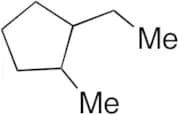
CAS:Controlled ProductApplications 1-Ethyl-1-methylcyclopentane, is one of the chemical components of Gas-Phase organic carbon emissions from motor vehicles. It is also a volatile component of frying oils.
References Gentner, D. R., et al.: Environ. Sci. Tech., 47, 11937 (2013); Prevot, A. Frying Food, 155 (1988);Formula:C8H16Color and Shape:NeatMolecular weight:112.212'-Deoxy-6-thio Guanosine
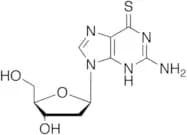
CAS:Controlled ProductApplications Guanosine (G837900) derivative with cancer chemotherapeutic properties. It is involved in the inhibition of human RNase H-mediated RNA cleavage from DNA-RNA duplexes via incorporation into DNA.
References Momparler, R.L. et al.: Cancer Treat. Rep., 62, 135 (1978); Krynetskaia, N.F. et al.: Mol. Pharmacol., 56, 841 (1999);Formula:C10H13N5O3SColor and Shape:NeatMolecular weight:283.31SR 9011
CAS:Applications SR 9011 is a synthetic REV-ERBα/β agonist with activity in vivo. It is a lead compound for a new class of cancer drugs associated with the body’s circadian clock.
References Solt, L.A., et. al.: Nature, 485, 7396 (2012); Chem. and Eng. News. p.8, Jan. 15, 2018Formula:C23H31ClN4O3SColor and Shape:NeatMolecular weight:479.00(±)-Jasmonic Acid
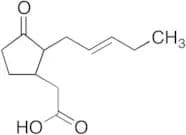
CAS:Applications (±)-Jasmonic Acid can be used as reactant/reagent for synthetic preparation of fluorescent-labeled jasmonate and application to fluorescent imaging in cabbage seedlings.
References Liu, S., et al.: Tetrahedron Lett., 53, 4235-4239 (2012)Formula:C12H18O3Color and Shape:NeatMolecular weight:210.27L-Lysine-15N Dihydrochloride Salt
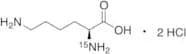
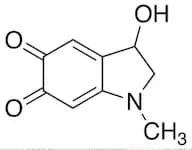
CAS:Formula:C6H14N15NO2•2(HCl)Color and Shape:NeatMolecular weight:147.1823646D,L-Adrenochrome
CAS:Controlled ProductStability Light Senstiive
Applications D,L-Adrenochrome is the substance mainly responsible for the red colours produced during the mild oxidation of adrenaline
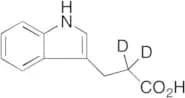
References Costa, V., et al.: Chem. Res. Toxicol., 20, 1183 (2007), Sotomayor-Zarate, R., et al.: Biol Reproduc., 78, 673 (2008),Formula:C9H9NO3Color and Shape:NeatMolecular weight:179.17273-Indolepropionic-d2 Acid
CAS:Controlled ProductStability Hygroscopic
Applications 3-Indolepropionic-d2 acid is deuterium labelled 3-Indolepropionic acid (I627170). 3-Indolepropionic acid is a deamination product of Tryptophan (T947200) that protects the hippocampus (studied in gerbils) from ischemic damage and oxidative stress. It’s ability to protect the neurons in this way is attributed to its potent antioxidative effects. 3-Indolepropionic acid is also hypothesized to have protective effects on the thyroid gland.
References Hwang, I., et al.: J. Neurosci. Res., 87, 2126 (2009); Karbownik, M., et al.: J. Cell. Biochem., 95, 131 (2005)Formula:C11D2H9NO2Color and Shape:NeatMolecular weight:191.22Acid Green 50 (Technical Grade)
CAS:Applications Acid Green 50 is a food coloring in drinks and candles. Also used on living cells as protein stains for chemical and molecular analyses. Dyes and metabolites, Environmental Testing
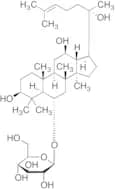
References Yoshioka, N. et al.: Talenta. 74, 1408 (2008); Farrugia, K. et al.: Sci. Just., 51, 99 (2011);Formula:C27H25N2O7S2·NaColor and Shape:Dark Green To VioletMolecular weight:576.6220(S)-Ginsenoside Rh1
CAS:Controlled ProductApplications 20(S)-Ginsenoside Rh1 is an anti-cancer agent found in the leaves of ginseng.
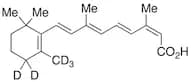
References Zheng, M. et al.: Biomed. Res., 26, 646 (2015);Formula:C36H62O9Color and Shape:NeatMolecular weight:638.8713-cis-Retinoic Acid-d5
CAS:Controlled ProductStability Light Sensitive, Temperature Sensitive
Applications Used as a treatment for severe acne. Presently being studied in conjuction with the treatment of photoaged skin.
References Lerche, C., et al.: Exp. Dermatol., 17, 972 (2008), Sato, T., et al.: J. Med. Chem., 51, 7705 (2008), Gan, J., et al.: Chem. Res. Toxicol., 22, 690 (2009), Macejova, D., et al.: Toxicol. Lett., 184, 114 (2009), Chen, P., et al.: Toxicol. App. Pharmacol., 234, 143 (2009),Formula:C20D5H23O2Color and Shape:NeatMolecular weight:305.466