Biochemicals and Reagents
Biochemicals and reagents are fundamental substances for research and development in fields such as biotechnology, molecular biology, pharmacology, and medicine. These products are essential for a variety of applications, including compound synthesis, biological sample analysis, metabolic process research, and drug production. At CymitQuimica, we offer a wide selection of high-quality, high-purity biochemicals and reagents suitable for various scientific and industrial needs. Our catalog includes enzymes, antibodies, nucleic acids, amino acids, and many other products, all designed to support researchers and professionals in their research and development projects, ensuring reliable and reproducible results.
Subcategories of "Biochemicals and Reagents"
- Biomolecules(99,130 products)
- By Biological Target(99,159 products)
- By Pharmacological Effects(6,787 products)
- Cryopreservatives(21 products)
- Desinfectants and Related Compounds(28 products)
- Hormones(346 products)
- Plant Biology(6,747 products)
- Secondary Metabolites(14,222 products)
Found 130579 products of "Biochemicals and Reagents"
Sort by
Purity (%)
0
100
|
0
|
50
|
90
|
95
|
100
MS67
CAS:<p>Please enquire for more information about MS67 including the price, delivery time and more detailed product information at the technical inquiry form on this page</p>Formula:C52H59F4N9O7SPurity:Min. 95%Molecular weight:1,030.14 g/molTryptase antibody
<p>The Tryptase antibody is a cytotoxic agent that belongs to the class of antibodies. It acts as an inhibitor of nuclear tryptase, a glycoprotein that is activated in response to various stimuli. This antibody specifically targets tryptase and inhibits its activity, preventing it from causing damage to cells and tissues. The Tryptase antibody has been extensively studied in the field of Life Sciences and has shown promising results in inhibiting the growth of cancer cells. It has also been used in conjunction with other antibodies, such as anti-CD20 antibodies, to enhance their therapeutic effects. The monoclonal nature of this antibody ensures high specificity and potency against tryptase, making it an ideal choice for research and clinical applications.</p>Purity:Min. 95%Tolbutamide sodium
CAS:<p>Tolbutamide sodium is an oral hypoglycemic agent, belonging to the class of sulfonylureas. It is a synthetic compound derived from the sulfonamide class, specifically designed to stimulate the release of insulin from pancreatic beta cells. The mode of action is primarily through the inhibition of ATP-sensitive potassium channels in the pancreatic islet cells, which leads to an increase in intracellular calcium concentration and subsequent insulin release.</p>Formula:C12H17N2NaO3SPurity:Min. 95%Color and Shape:PowderMolecular weight:292.33 g/molH-VGGASSLENTVDLHISNSHPLSLTSDQYK^-OH
<p>Peptide H-VGGASSLENTVDLHISNSHPLSLTSDQYK^-OH is a Research Peptide with significant interest within the field academic and medical research. This peptide is available for purchase at Cymit Quimica in multiple sizes and with a specification of your choice.</p>Biot-CRSPR-NH2
<p>Peptide Biot-CRSPR-NH2 is a Research Peptide with significant interest within the field academic and medical research. This peptide is available for purchase at Cymit Quimica in multiple sizes and with a specification of your choice.</p>Amikacin antibody
<p>The Amikacin antibody is a monoclonal antibody used in Life Sciences. It specifically targets lipoprotein lipase, an enzyme involved in the breakdown of triglycerides. This antibody has been shown to have potential therapeutic benefits in diseases associated with abnormal lipid metabolism, such as amyloid plaque formation and high triglyceride levels. Additionally, the Amikacin antibody has been found to modulate the activity of transforming growth factor-beta 1 (TGF-β1) and interleukin-6 (IL-6), both of which play important roles in immune regulation. With its ability to target specific cell antigens and inhibit lipase activity, this antibody holds promise as a potential treatment for conditions characterized by altered lipid metabolism and immune dysregulation.</p>H-LLDEILGVGVR-OH
<p>H-LLDEILGVGVR-OH is a custom peptide that can be synthesized rapidly by our peptide experts in under 2 weeks. H-LLDEILGVGVR-OH is provided at greater that >95% purity (HPLC) from Cymit Quimica for a variety of research applications. We also offer H-LLDEILGVGVR-OH in bulk quantities in addition to our standard pack sizes.Please enquire for more information about H-LLDEILGVGVR-OH at the technical inquiry form on this page</p>Purity:Min. 95%CD8a antibody
<p>CD8a antibody was raised in mouse using the alpha chain of chicken CD8a as the immunogen.</p>Ac-TTWI-NH2
<p>Peptide Ac-TTWI-NH2 is a Research Peptide with significant interest within the field academic and medical research. This peptide is available for purchase at Cymit Quimica in multiple sizes and with a specification of your choice.</p>Biot-PPDAATAAPLR-NH2
<p>Peptide Biot-PPDAATAAPLR-NH2 is a Research Peptide with significant interest within the field academic and medical research. This peptide is available for purchase at Cymit Quimica in multiple sizes and with a specification of your choice.</p>Histone acetyltransferase GCN5
CAS:<p>Histone acetyltransferase GCN5 is a histone acetyltransferase that has been shown to be involved in the regulation of transcriptional activation. This enzyme acetylates histones H3 and H4 at physiological levels, and is found in human cells. Histone acetylation by GCN5 may affect transcriptional activation by altering chromatin structure and creating regions of open DNA that allow access to the transcription machinery. The expression of this enzyme has been shown to be regulated by growth factors such as β1-integrin and TGF-β1. Increased expression of GCN5 in cancer cells may lead to increased tumor growth rates, which could be due to its ability to promote histone h3 acetylation in xenograft mouse tumor models.</p>Purity:Min. 95%H-EQLTPLI^K-OH
<p>Peptide H-EQLTPLI^K-OH is a Research Peptide with significant interest within the field academic and medical research. This peptide is available for purchase at Cymit Quimica in multiple sizes and with a specification of your choice.</p>Hepcidin-9 (Mouse)
<p>Hepidin-9 (mouse), a trifluoroacetate Salt product, is a variant of the peptide hormone hepcidin-25 that is produced in mice. Hepcidin plays a critical role in regulating iron metabolism in the body by controlling the activity of ferroportin, a protein that facilitates the export of iron from cells into the bloodstream.<br>In mice, hepcidin is primarily produced in the liver, and its expression is regulated by a variety of factors, including iron status, inflammation, and erythropoietic signals. Hepcidin has been found to play a critical role in the development of iron-related disorders in mice, including anemia and iron overload.<br>The study of Hepcidin-9 can provided important insights into the regulation of iron metabolism in mammals and may help to inform the development of treatments for iron-related disorders in humans.</p>Formula:C50H73N11O13SPurity:Min. 95%Molecular weight:1,068.27 g/molGRK2 antibody
<p>The GRK2 antibody is a highly specialized product in the field of Life Sciences. It is an antibody that specifically targets and binds to GRK2, a protein kinase involved in various cellular processes. This antibody has been extensively studied and proven to be effective in research applications.</p>H-GNFAGYNCGGCKFGW-OH
<p>H-GNFAGYNCGGCKFGW-OH is a custom peptide that can be synthesized rapidly by our peptide experts in under 2 weeks. H-GNFAGYNCGGCKFGW-OH is provided at greater that >80% purity (HPLC) from Cymit Quimica for a variety of research applications. We also offer H-GNFAGYNCGGCKFGW-OH in bulk quantities in addition to our standard pack sizes.Please enquire for more information about H-GNFAGYNCGGCKFGW-OH at the technical inquiry form on this page</p>Purity:Min. 95%LCBiot-ENPVVHFFKNIVTPR-OH
<p>Peptide LCBiot-ENPVVHFFKNIVTPR-OH is a Research Peptide with significant interest within the field academic and medical research. This peptide is available for purchase at Cymit Quimica in multiple sizes and with a specification of your choice.</p>GFPT2 antibody
<p>GFPT2 antibody was raised using the middle region of GFPT2 corresponding to a region with amino acids TARQGRPIILCSKDDTESSKFAYKTIELPHTVDCLQGILSVIPLQLLSFH</p>H-AVFVDLEPTVIDEIR^-OH
<p>Peptide H-AVFVDLEPTVIDEIR^-OH is a Research Peptide with significant interest within the field academic and medical research. This peptide is available for purchase at Cymit Quimica in multiple sizes and with a specification of your choice.</p>Endothelin antibody
<p>The Endothelin antibody is a monoclonal antibody that specifically targets and neutralizes endothelin, a growth factor involved in various physiological processes. This antibody has been shown to bind to the endothelin receptor, preventing its activation and downstream signaling. In addition, it inhibits the colony-stimulating factor GM-CSF, which plays a crucial role in immune cell development and function. The Endothelin antibody has been extensively studied in Life Sciences research and has shown promising results in blocking endothelin-mediated effects. It can be used for applications such as immunoassays, protein detection, and cell-based assays. With its high specificity and affinity, this antibody is a valuable tool for studying endothelin-related pathways and exploring potential therapeutic interventions.</p>H-SSGPASALC-OH
<p>H-SSGPASALC-OH is a custom peptide that can be synthesized rapidly by our peptide experts in under 2 weeks. H-SSGPASALC-OH is provided at greater that >95% purity (HPLC) from Cymit Quimica for a variety of research applications. We also offer H-SSGPASALC-OH in bulk quantities in addition to our standard pack sizes.Please enquire for more information about H-SSGPASALC-OH at the technical inquiry form on this page</p>Purity:Min. 95%cMyc antibody
<p>The cMyc antibody is a highly specialized antibody used in Life Sciences research. It specifically targets the cMyc protein, which plays a crucial role in cell growth and proliferation. This antibody is widely used in various applications, including immunohistochemistry, Western blotting, and flow cytometry.</p>Epothilone D (synthetic)
CAS:<p>Microtubule stabilizer; natural polyketide compound; antineoplastic</p>Formula:C27H41NO5SPurity:Min. 95%Color and Shape:PowderMolecular weight:491.69 g/molRabbit anti Llama IgG (H + L) (HRP)
<p>This antibody reacts with heavy (gamma) chains on mouse IgG and light chains on all mouse immunoglobulins.</p>Purity:Min. 95%Phenytoin antibody
<p>Phenytoin antibody was raised in mouse using phenytoin conjugated to KLH as the immunogen.</p>C.I.Solvent Yellow 189
CAS:<p>C.I. Solvent Yellow 189 is a monomer that is used in coatings, paints, and printing inks. It is a polymeric dye with high activity and excellent light resistance. The hydrophobic nature of this dye makes it ideal for use in coatings that require water-repellent or weatherproof properties. C.I. Solvent Yellow 189 has been shown to be reactive with formamide as well as styryl dyes to form copolymers with high crosslinked content for high-performance devices such as light barriers and filters.</p>Purity:Min. 95%LCBiot-SGVYKVAYDWQH-NH2
<p>Peptide LCBiot-SGVYKVAYDWQH-NH2 is a Research Peptide with significant interest within the field academic and medical research. This peptide is available for purchase at Cymit Quimica in multiple sizes and with a specification of your choice.</p>Hepatitis C Virus antibody
<p>The Hepatitis C Virus antibody is a cholinergic antibody used in the field of Life Sciences. It is an androgen that targets specific antigens and growth factors associated with the Hepatitis C Virus. This Monoclonal Antibody works by inhibiting the activity of choline acetyltransferase, an enzyme involved in the synthesis of acetylcholine. By targeting this enzyme, the antibody disrupts the normal functioning of the virus and prevents its replication. Additionally, this antibody has been shown to exhibit cytotoxic effects on infected cells, making it a promising tool for diagnostic assays and potential therapeutic applications. With its high specificity and efficacy, this monoclonal antibody is a valuable asset in Hepatitis C research and treatment.</p>PTHrP protein
<p>Region of PTHrP protein corresponding to amino acids AVSEHQLLHD KGKSIQDLRR RFFLHHLIAE IHTAEIRATS EVSPNSKPSP NTKNHPVRFG SDDEGRYLTQ ETNKVETYKE QPLKTP.</p>Purity:≥98% By Sds-Page And Hplc.RSV antibody
<p>RSV antibody was raised in mouse using with purified RSV, strain Long, as the immunogen.</p>CHZ868
CAS:<p>CHZ868 is a chemical compound primarily used in experimental research settings. It is synthesized through a series of organic reactions, often involving specific reagents to ensure high purity and stability. The compound operates by interacting with specific cellular pathways, influencing key biochemical processes that are crucial for its intended applications.</p>Formula:C22H19F2N5O2Purity:Min. 95%Color and Shape:PowderMolecular weight:423.42 g/molIgG1 heavy chain Heavy
<p>Peptide derived from the heavy chain of immunoglobulin G1 (IgG1). Ig or antibodies are made up of two heavy and two light chains both of which have a constant region and a variable region. The variable region, the antigen binding site, is composed of three complementarity determining regions (CDRs) from the variable heavy chain and three CDRs from the variable light chains. The amino acid sequences of the variable region differ between each antibody allowing Ig to bind to specific antigens.The Ig heavy chain can be classed as being either: IgM, IgG, IgA, IgD or IgE each of which change the function of the antibody. Furthermore IgG can be classed as either IgG1, IgG2, IgG3 or IgA2 and again each class exerts a different functional antibody.The IgG1 class is induced by soluble protein antigens and due to it being the most abundant of the IgG subclasses, deficiencies in IgG1 cause overall levels of IgG to decrease. Consequently increasing the risk of recurring infections.The lysine residue is isotopically labelled at position 12 with carbon-13(6) and nitrogen-15(2).</p>Purity:Min. 95%Molecular weight:1,250.7 g/molHistone H3 (1-20)-GG-[Cys(AZ647)]
<p>Histone H3 (1 - 20) is derived from Histone 3 (H3), which is one of the four core histones (H2A, H2B, H3 and H4) fundamental in compacting eukaryotic DNA into the nucleosome. The nucleosome arises when 147 base pairs of DNA wrap around a H3-H4 tetramer and two H2A-H2B dimers, forming the histone octamer core. H4 and H3 are highly conserved and perform roles in binding to segments of DNA which enter and leave the nucleosome and in chromatin formation. Like the other core histone, H3 has a globular domain and a flexible N-terminal domain, 'histone tail' which can undergo modifications such as acetylation, methylation, phosphorylation and ubiquitination. Due to histones containing many lysine and arginine residues, they have a positive net charge which interacts electrostatically with the negatively charged phosphate groups in DNA. The transcriptional activation or silencing of the chromatin is controlled by ATP-dependent chromatin remodelling factors and histone-modifying enzymes which target histone proteins. Both processes alter the positioning of the nucleosome, allowing the DNA to be either available or inaccessible to the transcription machinery.Histone tails can undergo multiple modifications, including acetylation, methylation, ubiquitylation and sumoylation. The purpose of the modifications is believed to alter chromatin function/structure. Histone H3 (1 - 20), with no modifications, is a valuable peptide in the study of epigenetics. It can aid in understanding interaction with histone effectors and the histone tail using crystallisation and pull-down assays on affinity matrices. Histone H3 (1 - 20) is labelled with the Aurora Fluor 647 fluorescent tag.</p>Molecular weight:3,378.6 g/molAcetyl-P007
<p>A range of opportunistic human pathogens can cause severe invasive infections. Organisms such as streptococci pyogenes and Acinetobacter baumannii have been effectively treated with antibiotics, but cases of antibiotic resistance are rising. A novel therapeutic strategy to combat human pathogens is the delivery of antisense peptide nucleic acids (PNAs) into bacteria that provide the antisense targeting of essential genes. PNA coupled to a cell-penetrating peptide (CPP) can effectively deliver the cargo into the cell. The CPP (RXR)4XB peptide (R, arginine- X, 6-aminohexanoic acid- B, β-alanine) conjugated to various cargo is highly effective at translocating PNA across the cell membrane. The efficiency of CPP-mediated PNA uptake is bacterial species-specific. For S. pyogenes, gyrA PNA coupled to (RXR)4XB abolished bacterial growth. For A. baumannii, the PNA cargo (BNANC-DNA) coupled to (RXR)4XB effectively inhibited translation and bacterial growth. This suggests that the CPP (RXR)4XB may be an effective tool in the future for combatting the rise in strains of antibiotic-resistant bacteria.</p>Purity:Min. 95%Molecular weight:1,945.3 g/molIgM Mouse Monoclonal Antibody
<p>Please enquire for more information about IgM Mouse Monoclonal Antibody including the price, delivery time and more detailed product information at the technical inquiry form on this page</p>IL11 antibody
<p>IL11 antibody was raised in mouse using highly pure recombinant human IL-11 as the immunogen.</p>Jelleine 4
<p>Jelleines are a family of very small (8-9 amino acid residues long) host defence peptides (HDPs) isolated from the royal jelly of honey bees (Apis mellifera). Jelleines do not present any similarity with other HDPs from other honeybees and are produced by the workers and secreted into Royal Jelly and provide abroad-spectrum protection of the bee hive against microbial infections. The Jelleines are not considered cytolytic or directly involved with inflammatory effects.PLEASE NOTE that in several published articles the sequence of Jelleine-3 has been printed as TPFKISLH -NH2, due to a mistake in the original reference: Fontana et al., (2004). The correct sequence, is TPFKISIH -NH2.</p>Molecular weight:940.6 g/molWT1 (37-45) Light
<p>Wilms tumor protein is a protein that is encoded by the WT1 gene on chromosome 11p in humans. WT1 is a tumour suppressor gene associated with the development of Wilms' Tumour, from which it was named. Mutations in exon 7 and 9 of WT1 have been recurrently identified in acute myeloid leukemia and associated with poorer prognosis and chemotherapy resistance.The WT1 peptide is a transcription factor that contains four zinc finger motifs at the C-terminus and a proline / glutamine-rich DNA-binding domain at the N-terminus. It has an essential role in the normal development of the urogenital system. WT1 has been ranked by the National Cancer Institute (NCI) as the Number 1 target for cancer immunotherapy.</p>Purity:Min. 95%Color and Shape:PowderMolecular weight:885.5 g/molMacropin 1
<p>Macropin-1 (MAC-1) is an anti-microbial peptide (AMP) isolated from venom of the solitary bee Macropis fulvipes (Hymenoptera: Melittidae). MAC-1 has activity against both Gram-positive and Gram-negative bacteria, including drug-resistant strains. MAC-1 can inhibit biofilm formation in Staphylococcus aureus and Pseudomonas aeruginosa and also exhibits anti-fungal activity. MAC-1 has little to no haemolytic activity against human cells at microbiologically effective concentrations.Macropin acts by first binding to negatively charged bacterial membrane components- such as peptidoglycan (PTG) or lipopolysaccharide (LPS). Macropin then kills the bacteria by disrupting the outer bacterial membrane and depolarising the cytoplasmic membrane to cause cell penetration.</p>Molecular weight:1,416.86 g/molH-AESRAEKNRLWGPGSC-OH
<p>H-AESRAEKNRLWGPGSC-OH is a custom peptide that can be synthesized rapidly by our peptide experts in under 2 weeks. H-AESRAEKNRLWGPGSC-OH is provided at greater that >95% purity (HPLC) from Cymit Quimica for a variety of research applications. We also offer H-AESRAEKNRLWGPGSC-OH in bulk quantities in addition to our standard pack sizes.Please enquire for more information about H-AESRAEKNRLWGPGSC-OH at the technical inquiry form on this page</p>Purity:Min. 95%WT1 peptide light
<p>Wilms tumor protein is a protein that is encoded by the WT1 gene on chromosome 11p in humans. WT1 is a tumour suppressor gene associated with the development of Wilms' Tumour, from which it was named. Mutations in exon 7 and 9 of WT1 have been recurrently identified in acute myeloid leukemia and associated with poorer prognosis and chemotherapy resistance.The WT1 peptide is a transcription factor that contains four zinc finger motifs at the C-terminus and a proline / glutamine-rich DNA-binding domain at the N-terminus. It has an essential role in the normal development of the urogenital system. WT1 has been ranked by the National Cancer Institute (NCI) as the Number 1 target for cancer immunotherapy.</p>Purity:Min. 95%Color and Shape:PowderMolecular weight:1,107.6 g/mol(S,S,S)-Enalapril maleate - Bio-X ™
CAS:<p>Enalapril is a long-acting angiotensin-converting enzyme inhibitor. It is used to treat hypertension and congestive heart failure, as well as chronic cough due to postnasal drip or bronchitis. Enalapril is an active inhibitor of the synthesis of angiotensin II and other vasoconstrictor substances that are involved in the regulation of blood pressure. It binds reversibly to the active site on angiotensin-converting enzyme (ACE) and blocks its activity by forming strong hydrogen bonds with residues on ACE, thereby preventing it from converting angiotensin I into angiotensin II. This leads to a significant reduction in blood pressure.</p>Formula:C24H32N2O9Purity:Min. 95%Color and Shape:PowderMolecular weight:492.52 g/molMP196
<p>MP196, a RW-rich peptide, displays antibacterial properties through preventing bacterial cell wall synthesis and cellular respiration. Due to it lacking hemolytic and cytotoxic qualities, MP196 can be used to synthesis antibiotics and aid in the global problem of antibiotic resistance.</p>Color and Shape:PowderMolecular weight:1,043.6 g/molH-QPR^GRILGGQE-OH
<p>Peptide H-QPR^GRILGGQE-OH is a Research Peptide with significant interest within the field academic and medical research. This peptide is available for purchase at Cymit Quimica in multiple sizes and with a specification of your choice.</p>Transferrin antibody
<p>Transferrin antibody was raised in mouse using human transferrin as the immunogen.</p>LL-37 fragment (30-37)
<p>LL-37 is a member of the large cationic family of anti-microbial peptides called cathelicidins which have broad-spectrum anti-microbial activity and are expressed in many species. The only cathelicidin found in humans is LL-37, this is produced in epithelial cells, by proteolytic cleavage from the C-terminal of the hCAP-18 protein. LL-37 can be processed into different forms of anti-microbial peptides. As well as its anti-microbial properties LL-37 also regulates many aspects of the innate immune system and overexpression of LL-37 has been linked to autoimmune diseases such as asthma and psoriasis, making LL-37 the most studied form of the human cathelicidin peptides.More recently, studies have shown that LL-37 binds to SARS-CoV-2 S protein and inhibits binding to its receptor hACE2, which may inhibit viral entry into the cell. LL-37 is upregulated by vitamin D, therefore this may be one mode of action for the positive outcomes seen with vitamin D treatment for Covid-19.</p>Molecular weight:914.5 g/molSARS-CoV-2 Spike (781-795)
<p>The SARS-CoV-2 spike protein is present on the outside of the virus particles and can bind to angiotensin-converting enzyme II (ACE2) present on the host cells. The C-terminal receptor binding domain (RBD) of the spike protein binds to the N-terminal peptidase M2 domain of ACE2. This receptor binding results in the internalisation of the virus-receptor complex and is, therefore the mechanism of entry of SARS-CoV-2 into host cells.The spike protein residues VFAQVKQIYKTPPIK (781-795) from C have been identified as a T-cell epitope with a predicted HLA restriction. Immune targeting of confirmed epitopes may potentially offer protection against SARS-CoV-2 and help the development of vaccines for long-lasting immunity.</p>Molecular weight:1,759 g/molCellulose synthase (857-870) Light [Populus tomentosa]
<p>Cellulose synthase is a crucial enzyme involved in the synthesis of cellulose. Cellulose is an aggregation of unbranched polymer chains made of β-(1-4)-linked glucose residues, and is a component of primary and secondary cell walls - functioning to primarily maintain strength and shape in cells. Cellulose is synthesised by large cellulose synthase complexes (CSCs), which consist of synthase protein isoforms (CesA) that are arranged into a unique hexagonal structure. Cellulose synthase (857-870) Light [Populus tomentosa] is specific to the Populus tomentosa species.</p>Purity:Min. 95%Color and Shape:PowderMolecular weight:1,587.7 g/molAnnexin A5 (30-45) Heavy
<p>Annexin A5 (30-45) Heavy, derived from the annexin A5 protein is a member of the annexin family which is dependent on Ca2+ to bind reversibly to negatively charged phospholipids located on cell membranes. It has been shown that annexin A5 forms a two dimensional crystalline array when it binds to the membrane, allowing it to immobilise membrane proteins. This property allows annexin A5 to exhibit rupture-resealing activity. When the membrane becomes ruptured there is a large influx of Ca2+ ions into the cells, consequently annexin A5 binds to the ruptured area and the resealing of the area occurs due to the formation of annexin A5 two dimensional crystalline arrays.Annexin A5 can be used to image apoptosis through binding to the apoptotic marker Phosphatidylserine.The Arginine residue at position 9 has been isotopically labelled with carbon-13 (6) and nitrogen-15 (4), giving this peptide a mass increase of 16 compared to the unlabelled peptide.</p>Purity:Min. 95%Color and Shape:PowderMolecular weight:1,713.9 g/molHistone H3 (20-39)-Biotin
<p>Histone H3 (20-39)-Biotin is derived from Histone 3 (H3) which is one of the four core histones (H2A, H2B, H3 and H4) fundamental in compacting eukaryotic DNA into the nucleosome. The nucleosome arises when 147 base pairs of DNA wrap around a H3-H4 tetramer and two H2A-H2B dimers, forming the histone octamer core. Both H4 and H3 are highly conserved and perform roles in binding to segments of DNA which enter and leave the nucleosome and in chromatin formation. Similar to the other core histone, H3 has a globular domain and a flexible N-terminal domain, 'histone tail' which can undergo modifications such as acetylation, methylation, phosphorylation and ubiquitination. Due to histones containing a large number of lysine and arginine residues they have a positive net charge which interacts in an electrostatic manner with the negatively charged phosphate groups in DNA. The transcriptional activation or silencing of the chromatin is controlled by ATP-dependent chromatin remodelling factors and histone modifying enzymes which target histone proteins. Both processes function to alter the positioning of the nucleosome, allowing the DNA it to be either available or inaccessible to the transcription machinery.Another modification process histones can undergo is biotinylation where the covalent attachment of a biotin molecule is catalysed by the enzyme Biotinidase. This cleaves biocytin to generate a biotinyl-thiester intermediate. The biotinyl can then be transferred onto the histone lysine ɛ-amino group which is covalently attached to Histone 3. Overall the biotinylation sites identified in histone 3 are: K4, K9 and K18. The presence of biotinylated histones have been detected in human cells such as lymphocytes and lymphomas.</p>Color and Shape:PowderMolecular weight:2,256.3 g/molLasioglossin-III
<p>Lasioglossin-III (Lasio-III) is a naturally-occurring salt-resistant anti-microbial peptide (AMP) found in-Lasioglossum laticeps-(broad-faced furrow bee). Lasioglossin-III has broad spectrum anti-microbial activity and anti-biofilm properties against Gram negative and Gram positive bacteria, including strong anti-microbial activity against-E. coli,-S. aureus, and-P aeruginosa-under physiological salt concentration, with low toxicity.AMPs form an important part of the innate immune system in plants, animals and insects-and are reported to be effective even against several antibiotic resistant strains due to differing modes of pathogen killing from those of conventional antibiotics. Lasio-III has a membranolytic mode of action. It can bind both the outer and inner membranes of bacteria. Lasio-III possesses a fast killing ability toward both Gram positive and negative bacteria compared to many other active AMPs.</p>Molecular weight:1,764.2 g/molApelin-17 (human, bovine)
<p>Apelin-17 (human, bovine) is derived from the apelin peptide which acts as a ligand for the apelin receptor (APJ) G protein coupled receptor and is a substrate for angiotensin converting enzyme 2. Preprapelin, encoded for by APLN located on Xq25-26.1, is cleaved to form either apelin 36,or apelin 17, 12 and apelin 13. As a member of the adipokine hormone family, which are involved in processes such as vascular homeostasis and angiogenesis, apelin is secreted from adipose tissue.Apelin has been found to be expressed in the spinal cord and the human brain and when performing immunohistochemistry it was observed that apelin-17 is significantly expressed in the human heart, brain, lungs and endothelial cells.Both apelin and the apelin receptor are widely distributed around the body thus apelin has been found to be associated with cardiovascular diseases, obesity, diabetes and cancer. Studies exploring myocardial infarction showed there to be greater apelin mRNA expression during human heart failure compared to in healthy tissue. Apelin protects against heart failure due to, the pyroglutamyl form of apelin, playing a role in decreasing infarct size of myocardial infarctions. Furthermore in rats with hypertension, the expression of apelin and APJ was decreased.</p>Molecular weight:2,137.2 g/molTAT-AKAP79 (326-336) scrambled
<p>The activation of transient receptor potential cation channel subfamily V member 1 (TRPV1) is believed to play a role in hyperalgesia, asthma and hypertension. TRPV1 is important for neuronal pain detection as well as the detection of heat, capsaicin, protons and the neurotransmitter anandamide. -The scaffold protein AKAP79 targets kinases to phosphorylate TRPV1, however it has been shown that inflammatory intermediates prostaglandin-E2 or bradykinin can activate these kinases creating a route for inflammation to cause hyperalgesia.This product is composed of the TRPV1 interacting domain of AKAP79 reordered into a scrambled sequence and conjugated to the cell penetrating TAT domain. This product was shown in vivo to have no effect on TRPV1 algesia and thus is a vital control for research work. This product is a vital tool for research into suitable TRPV1 antagonists.</p>Molecular weight:2,878.6 g/mol[Aurora™ Fluor 647]-RGD peptide
<p>The RGD motif has been found in wide range of eukaryotic proteins allowing cell adhesion to the ECM. The tripeptide RGD is the primary domain to bind integrin found in extracellular matrix (ECM) proteins including fibronectin, fibrinogen and osteopontin. It has been shown to effectively adhere various cell types to a wide range of biomaterials. This is a key research tool in the flourishing area of tissue engineering and wound healing using synthetic peptides that are either inert or can be potentially beneficial. RGD is a suitable ligand for targeting nanomolecules and cancer drugs to specific tissues due to its biocompatibility and safety.This RGD peptide is supplied with an Aurora Fluor 647 fluorophore attached and produced to research grade quality. Aurora Fluor 647 excitation suited to 594nm and emission peaked at 671nm. The Molecular Probes Alexa Fluor dyes provide a number of benefits including: more intense fluorescence than other spectrally similar conjugates better photostability, allowing more time for image capture availability of conjugates in an array of distinct fluorescent colours from blue to infrared- and pH insensitivity that enables the dyes to remain highly fluorescent over a broad pH range and high water solubility.</p>Color and Shape:PowderH-ELLETVVNR^-OH
<p>Peptide H-ELLETVVNR^-OH is a Research Peptide with significant interest within the field academic and medical research. This peptide is available for purchase at Cymit Quimica in multiple sizes and with a specification of your choice.</p>Annexin A5 (277-285) Heavy
<p>Annexin A5 (277-285) Heavy, derived from the annexin A5 protein is a member of the annexin family which is dependent on Ca2+ to bind reversibly to negatively charged phospholipids located on cell membranes. It has been shown that annexin A5 forms a two dimensional crystalline array when it binds to the membrane, allowing it to immobilise membrane proteins. This property allows annexin A5 to exhibit rupture-resealing activity. When the membrane becomes ruptured there is a large influx of Ca2+ ions into the cells, consequently annexin A5 binds to the ruptured area and the resealing of the area occurs due to the formation of annexin A5 two dimensional crystalline arrays.Within the field of scientific research annexin A5 can be used to image apoptosis through binding to the apoptotic marker Phosphatidylserine.The Arginine residue at position 9 has been isotopically labelled with carbon-13 (6) and nitrogen-15 (4), giving this peptide a mass increase of 10 compared to the unlabelled peptide.</p>Purity:Min. 95%Color and Shape:PowderMolecular weight:1,115.6 g/molH-VTSGSTSTSR^-OH
<p>Peptide H-VTSGSTSTSR^-OH is a Research Peptide with significant interest within the field academic and medical research. This peptide is available for purchase at Cymit Quimica in multiple sizes and with a specification of your choice.</p>EST Ubiquitin (64-72) Light
<p>Ubiquitin (64-72) is derived from ubiquitin, a protein which is added through a catalytic process to target proteins to initiate processes such as protein degradation, DNA repair, protein kinase activation and vesicle trafficking.When ubiquitin is added to a target molecule, it is first activated by an ubiquitin-activating enzyme E1 resulting in the formation of the E1-Ub thioester. It is then received by the E2 ubiquitin conjugating enzyme and then transferred onto a lysine residue of the target protein by the E3 ubiquitin ligase.Ubiquitin plays a major role in protein degradation due to the formation of a polyubiquitin chain. This is produced when the lysine-48 residue on ubiquitin is itself ubiquitinated and sequentially followed by the further addition of ubiquitin molecules. The target protein which now contains the polyubiquitinated chain is recognised by the 26s proteasome and degraded.Alternatively monoubiquitination signals can initiate processes such as receptor internalisation and DNA repair. Specifically polyubiquitin chains on lysine 63 residues can regulate processes such as protein kinase activation and vesicle trafficking.</p>Purity:Min. 95%Molecular weight:1,383.7 g/molBRDU antibody
<p>BRDU antibody was raised in sheep using BrdU coupled to KLH as the immunogen.</p>Purity:Min. 95%Chikungunya virus gpE1 protein (A226V mutant)
<p>Recombinant Chikungunya virus Glycoprotein E1 protein - A226V mutant</p>Purity:Min. 95%HCV NS3 protease FRET substrate
<p>HCV NS3 protease FRET substrate</p>Color and Shape:PowderMolecular weight:2,112.8 g/molH-RHKSNITFNNNDTVSFGGC-OH
<p>H-RHKSNITFNNNDTVSFGGC-OH is a custom peptide that can be synthesized rapidly by our peptide experts in under 2 weeks. H-RHKSNITFNNNDTVSFGGC-OH is provided at greater that >95% purity (HPLC) from Cymit Quimica for a variety of research applications. We also offer H-RHKSNITFNNNDTVSFGGC-OH in bulk quantities in addition to our standard pack sizes.Please enquire for more information about H-RHKSNITFNNNDTVSFGGC-OH at the technical inquiry form on this page</p>Purity:Min. 95%Acid α-glucosidase (83-99), human
<p>Acid α-glucosidase (83-99) (human) is derived from the exogenous enzyme which degrades glycogen, maltose and isomaltose through targeting alpha -1,4 and alpha -1,6 linkages. Once synthesised in its precursor form, within the Golgi it is glycosylated and acquires mannose 6-phosphate residues. This allows it to be transported to the Lysosome in a multistep process.Pompe disease, also known as glycogen storage disease type II, can be diagnosed through the absence of acid α-glucosidase activity within patients. Therefore glycogen degradation in the lysosome is inhibited by this autosomal recessive disorder. This results in the accumulation of glycogen and tissue destruction, hence contributing to the pathologies of muscle weakness and respiratory failure, associated with infantile onset and adult onset Pompe disease.</p>Purity:Min. 95%Molecular weight:1,844.9 g/molα-gliadin (58-73)
<p>α-Gliadin (58-73) is derived from Gliadin peptides, the component of wheat involved in the gastrointestinal symptoms of wheat allergy and Celiac Disease (CD). During wheat allergies histamines and leukotrienes are secreted due to gliadin peptide sequences cross-linking two IgE molecules on mast cells and basophils.The glutamine and proline rich peptides of which Gliadin is composed of are resistant to proteolysis during digestion, leaving them active in the gastrointestinal tract. Subsequently these are deamidated by tissue transglutaminase and can bind to HLA-DQ2 or DQ8. As a result in patients with the autoimmune disease CD, there is a Th1-mediated inflammatory immune response against these gliadin peptides.Gliadin can exert additional effects on the intestinal microbiota and ileal barrier function. It has been found that gut microbiota members such as Bifidobacterium and lactobacillus have the ability to digest and inactivate gliadin peptides hence reducing their inflammatory effects in the gastrointestinal system.</p>Color and Shape:PowderMolecular weight:1,906 g/molHistone H3 (20-36) K27Me2 Heavy
<p>Histone 3 (H3) which is one of the four core histones (H2A, H2B, H3 and H4) fundamental in compacting eukaryotic DNA into the nucleosome. The nucleosome arises when 147 base pairs of DNA wrap around a H3-H4 tetramer and two H2A-H2B dimers, forming the histone octamer core. Similar to the other core histone, H3 has a globular domain and a flexible N-terminal domain, the 'histone tail' which can undergo modifications such as acetylation, methylation, phosphorylation and ubiquitination. The transcriptional activation or silencing of the chromatin is controlled by ATP-dependent chromatin remodelling factors and histone modifying enzymes which target histone proteins. Both processes function to alter the positioning of the nucleosome, allowing the DNA to be either accessible to the transcription machinery or inaccessible.The lysine residue at position 27 has been dimethylated. The glycine residue at position 15, the valine residues at position 16 and the lysine residue at position 17 have been isotopically labelled with carbon-13 and nitrogen-15 giving this peptide a mass increase of 17 compared to the unlabelled peptide.</p>Purity:Min. 95%Molecular weight:1,671 g/molPro-BNP (47-76)
<p>Pro B-type natriuretic peptide (Pro-BNP) is secreted from cardiac myocytes and cleaved into BNP and the remaining part of the prohormone N-terminal proBNP (NT-proBNP). When the heart fibres become stretched more BNP and NT-proBNP are released to try and compensate for the increased pressure. During heart failure the walls of the atria become over stretched and thus increase the levels of NT-proBNP detectable. NT-proBNP has a longer half-life than BNP and therefore is detectable at higher levels in blood plasma than BNP. NT-pro-BNP is believed to be cleared by renal excretion, but this is not confirmed. As a diagnostic tool, NT-proBNP (47-76) has become very useful in helping diagnose heart failure and provide a prognosis. The measurement of NT-proBNP (47-76) has been incorporated into management and guidelines of clinical settings. As a research tool it still provides valuable data such as symptoms onset in relation to NT-proBNP levels and how inflammation effects the level of BNP as well as the BNP/ NT-proBNP ratio.</p>Molecular weight:3,463.9 g/molHIV-1 reverse transcriptase (A2-YI9)
<p>HIV-1 replication is rapid and error prone which is beneficial to the virus as it allows mutations to arise that aid evasion of the host immune system and resistance to drug treatment. RT is the key target for most anti-HIV drugs and therefore conserved sequences are useful to aid further research into new less toxic antiviral treatments. HIV-1 reverse transcriptase (RT) converts the RNA genome into DNA during retroviral replication. HIV-1 RT is a heterodimer composed of 2 subunits, p66 and p51. HIV-1 RT heterodimer has 2 enzymatic functions, DNA polymerase and Rnase H resulting in nucleic acid translation to a linear DNA duplex. Complete inhibition of viral replication is the only known method of preventing HIV-1 drug resistance and disease progression.HIV RT epitopes have become a useful research tool as an in vitro antigenic challenge to study cytotoxic T lymphocyte (CTL) responses to retroviruses. The HIV-1 RT A2-YI9 sequence has been shown to be an effective epitope for CTL recognition leading to lysis of HIV-infected T cells. The A2-YI9 is also considered a potential for vaccine development due to it being a well conserved sequence.</p>Molecular weight:1,012.17 g/molCooP
<p>CooP peptide specifically homes to invasive tumours such as glioblastoma and their blood vessels. Mammary-derived growth inhibitor (MDGI), also known as the fatty-acid binding protein 3 (FABP3) or the heart fatty acid-binding protein (H-FABP) is the binding partner for the CooP peptide. Coop peptide homes to all tumours which express MDGI and their associated vasculature. MDGI is not however expressed in the normal human brain. Therefore the CooP peptide appears to have a highly selective specificity as a homing peptide and the potential to deliver targeted therapy to treat invasive brain tumours.CooP peptide has been successfully used for the targeted delivery of chemotherapy and different nanoparticles.</p>Molecular weight:845.4 g/molProtein tyrosine phosphatase (PTP) substrate
<p>The sequence of this peptide has been derived from a highly conserved region of the T-cell phosphatase TC.PTP45 and is an excellent general substrate for protein tyrosine phosphatases.The protein tyrosine phosphatase (PTP) superfamily has 103 enzymes that catalyse substrate dephosphorylation at tyrosine residues through a covalent enzyme intermediate involving a thiophosphate linkage from the active site cysteine residue. All PTPs share a common signature motif (I/V)HCXAGXGR(S/T), named the P-loop, responsible for the enzyme activity. The PTP superfamily can be divided into four classes based on their cellular localization/catalytic domains: the receptor-like PTPs (rPTPs), the non-receptor PTPs (nrPTPs), the low molecular weight PTP (LMWPTP), and the VH-1 and CDC-25 groups.PTPs are involved in regulating a plethora of cellular activities, including proliferation and differentiation, survival, migration, metabolism, and the immune response. Abnormal protein tyrosine phosphorylation has been associated with the etiology of various human diseases, including cancer, diabetes, and autoimmune dysfunctions, therefore making PTPs novel therapeutic targets.</p>Purity:Min. 95%Molecular weight:1,117.4 g/molCDK7/9 tide Substrate
<p>Cyclin-dependent kinases (CDKs) are a family of kinases that regulate the cell cycle and gene transcription. Cyclin-dependent kinase 7 (CDK7) forms a trimeric complex with cyclin H and MAT1, which functions as a Cdk-activating kinase (CAK) and promotes cell cycle progression. CDK7 is an essential component of the transcription factor TFIIH, involved in DNA repair. CDK7 is also implicated in mRNA processing, transcription activation, pause induction, and pause release.CDK8 associates with the mediator complex and regulates transcription via several mechanisms, including influencing binding of RNA polymerase II to the mediator complex. CDK8 phosphorylates the Notch intracellular domain, SREBP, and STAT1. Its regulatory subunit is cyclin C. CDK9 is a component of the TAK/P-TEFb complex, which phosphorylates the part of RNA polymerase II. Its regulatory subunit is cyclin T or cyclin K. CDK9 interacts with HIV-1 Tat protein and TRAF2, and is involved in the differentiation of skeletal muscle.CDKs are often over expressed in cancers and may correlate with poor prognosis. This peptide is based on the C-terminal of RNA polymerase II and is used in kinase assays.</p>Purity:Min. 95%Color and Shape:PowderMolecular weight:2,688.3 g/molCyclo(RGDfK)
<p>The cyclic pentapeptide cyclo(Arg-Gly-Asp-[D-Phe]-Lys) is a highly potent and selective inhibitor for the alphavβ3 integrin receptor. A related compound, cyclo(Arg-Gly-Asp-[D-Phe]-Val), is a promising anticancer drug candidate- it inhibits angiogenesis and induces apoptosis in vascular cells.Cyclic RGD-containing peptides are selective antagonists of integrins, proteins that play important roles in cell-cell and cell-matrix interactions. In a suitably labelled form, these peptides may serve as useful tools for diagnostic imaging and peptide targeted therapy of some types of cancer.</p>Color and Shape:PowderMolecular weight:603.3 g/molDSG2 antibody
<p>Desmoglein 2 antibody was raised in rabbit using recombinant peptide (extracellular repeat domain E2 of human Desmoglein 2) as the immunogen.</p>Purity:Min. 95%Rabies antibody
<p>Rabies antibody was raised in mouse using purified rabies virus as the immunogen.</p>Goat anti Human IgG
<p>Goat anti Human IgG is a polyclonal antibody that specifically targets human immunoglobulin G (IgG). This antibody plays a crucial role in various immunoassays and research applications. It has the ability to recognize and bind to the glycosylation sites on IgG, making it an essential tool for studying the structure and function of this important antibody.</p>Purity:Min. 95%Fibrinogen protein
<p>Fibrinogen protein is a glycoprotein that plays a crucial role in blood coagulation. It is involved in the formation of fibrin, which helps to create blood clots and stop bleeding. Fibrinogen also acts as an anticoagulant by inhibiting the activation of platelets and preventing excessive clotting.</p>β-Amyloid (10-20) Human
<p>Amyloid β-peptide (Aβ) has been identified as the key subunit of the extracellular plaques found in the brains of patients with Alzheimer's disease (AD) and Down's syndrome (DS). Aβ has therefore been extensively studied as a potential target for treatment of AD. Aβ is formed from the cleavage of the large, transmembrane protein APP (amyloid precursor protein). Cleavage of APP by β- and then γ-secretases results in the formation of Aβ. Aβ can aggregate to produce amyloid-β oligomers, which are thought to be highly neurotoxic. Over time Aβ can further aggregate to produce the characteristic senile plaques present in AD and DS. Aβ can be degraded by enzymes such as neprilysin, insulin degrading enzyme or endothelin converting enzyme. At physiological levels Aβ may be involved in controlling synaptic activity and neuronal survival.</p>Molecular weight:1,446.65 g/molPAI1 antibody
<p>PAI1 antibody was raised in mouse using purified PAI-1 from the human melanoma cell line MJZJ as the immunogen.</p>H-TMLLQPAGSLGSYSYR^-OH
<p>Peptide H-TMLLQPAGSLGSYSYR^-OH is a Research Peptide with significant interest within the field academic and medical research. This peptide is available for purchase at Cymit Quimica in multiple sizes and with a specification of your choice.</p>(Tos-GFHR)2-[Rh110]
<p>Candidate peptide substrate for kallikrein-related peptidase 5 (KLK5). In its intact state this peptide is not fluorescent, however when this substrate peptide is cleaved, Rhodamine 110 is released and thus fluorescence can then be detected. Contains rhodamine 110 group, a widely used red fluorescent tag. The terminal carboxylic acids in this peptide have been activated by the addition of the p-tosyl moiety, allowing for easy addition of functional groups or further peptide residues.</p>Color and Shape:PowderMolecular weight:1,632.6 g/molApolipoprotein E Heavy
<p>Apolipoprotein E (ApoE) is a cholesterol carrier and regulates lipid transport and cholesterol metabolism. Isoforms of ApoE have been shown to be associated with Alzheimer disease. The Leucine residue at position 12 has been isotopically labelled with carbon-13 (6) and nitrogen-15 (1).</p>Purity:Min. 95%Molecular weight:1,503.8 g/molMotilin (1-12)
<p>Residues 1-12 of the gastrointestinal hormone motilin, secreted from endocrine cells in the small intestines, mainly from the jejunum and duodenum, in response to the fasting, drinking water or the mechanical stimulus of eating.</p>Molecular weight:1,468.8 g/molHSP27 (28-37) Heavy
<p>The heat shock protein 27 (HSP27) is a protein chaperone which ensure that damaged proteins are refolded into their correct conformation in the event of heat shock or other stress stimuli. In the event of oxidative stress HSP27 increases glutathione and decreases iron levels thus acting as an antioxidant. Further roles of HSP27 include, the inhibition of the apoptotic process through binding to the apoptotic proteins Bax, cytochrome C and DAXX and it also controls the actin cytoskeleton.HSP27 itself is regulated by the phosphorylation of its serine residues and this phosphorylation can alter the properties of HSP27. For example in its role in the actin cytoskeleton, when HSP27 is phosphorylated it stimulates actin filament polymerisation. Conversely when it is not phosphorylated HSP27 is an actin capping protein.HSP27 has the potential to be used as a biomarker in renal disease due to its levels being increased in renal fibrosis. It may also be used as a therapeutic target to treat cancers such as prostate carcinoma and breast cancer as it promotes tumour cell survival through inhibition of the apoptotic process. Moreover HSP27 may contribute to the treatment of neuro-degenerative diseases in that they can prevent the accumulation of misfolded proteins.The arginine residue at position 9 is isotopically labelled with carbon-13 (6) and nitrogen-15 (4).</p>Purity:Min. 95%Molecular weight:1,172.6 g/molH-DIYKGVYQFKSV-OH
<p>LCMV CD4 epitope peptide GP66–77 is a Research Peptide with significant interest within the field academic and medical research. This peptide is available for purchase at Cymit Quimica in multiple sizes and with a specification of your choice.</p>Formula:C69H103N15O19Molecular weight:1,446.65 g/molAstrovirus antibody
<p>Astrovirus antibody was raised in mouse using group antigen of astrovirus as the immunogen.</p>Purity:Min. 95%GPBB antibody
<p>The GPBB antibody is a monoclonal antibody that specifically targets the growth factor GPBB (glycogen phosphorylase BB). This antibody has been extensively used in Life Sciences research to study the role of GPBB in various biological processes. It has been shown to inhibit the binding of GPBB to its receptors, thereby blocking downstream signaling pathways involved in cell growth and proliferation.</p>Histone H3 (1-20) K4Me2-GG-[Lys(5-FAM)]
<p>Histone H3 (1-20) K4Me2 is derived from Histone 3 (H3), which is one of the four core histones (H2A, H2B, H3 and H4) fundamental in compacting eukaryotic DNA into the nucleosome. The nucleosome arises when 147 base pairs of DNA wrap around a H3-H4 tetramer and two H2A-H2B dimers, forming the histone octamer core. H4 and H3 are highly conserved and perform roles in binding to segments of DNA which enter and leave the nucleosome and in chromatin formation. Like the other core histone, H3 has a globular domain and a flexible N-terminal domain, 'histone tail' which can undergo modifications such as acetylation, methylation, phosphorylation and ubiquitination. Due to histones containing many lysine and arginine residues, they have a positive net charge which interacts electrostatically with the negatively charged phosphate groups in DNA. The transcriptional activation or silencing of the chromatin is controlled by ATP-dependent chromatin remodelling factors and histone-modifying enzymes which target histone proteins. Both processes change the positioning of the nucleosome, allowing the DNA to be either available to the transcription machinery or inaccessible.Histone tails can undergo multiple modifications, including acetylation, methylation, ubiquitylation and sumoylation. The modification pattern is believed to alter chromatin function/structure. Histone H3 (1-20) K4Me2-GG-[Lys(5-FAM)] lysine 4 has been dimethylated, has a C-terminal GGK linker labelled with 5-Carboxyfluorescein (5-FAM), a widely used green fluorescent tag. This peptide also has an uncharged C-terminal amide. H3 (1-20) K4Me2 has been investigated to understand its effect on epigenetic regulation through NMR with histone readers such as zinc finger domains. Histone H3 (1-20) K4Me2-GG-[Lys(5-FAM)] can be used to study the function of this pattern on chromatin availability and histone effectors via crystallisation, pull-down assays and protein blots.</p>Molecular weight:2,809.5 g/molStreptococcus pneumoniae antibody
<p>Streptococcus pneumoniae antibody was raised in rabbit using a whole cell blend of numerous serotypes as the immunogen.</p>Purity:Min. 95%α-1-acid glycoprotein 1 Heavy
<p>Alpha-1-acid glycoprotein (AAG) is one of the major proteins involved in sequestering drugs in the plasma such as: lidocaine- propranolol- verapamil- steroid hormones and phenobarbital. AAG is a member of the acute phase protein (APP) family and is formed primarily in the liver and circulates at low levels in the plasma of healthy humans. In many diseased states including inflammation, infection, and cancer, AAG levels increase from 2 to 6-fold in humans. AAG can regulate immunity and plays a role in both pro- and anti-inflammatory response.AGG forms a positive feedback loop to exert anti-fatigue functions via the CCR5 receptor and therefore AGG, and CCR5 could be novel targets for the therapeutic intervention of fatigue.The leucine residue at position 14 of this peptide is isotopically labelled with carbon-13 (6) and nitrogen-15 (1), giving this peptide a mass increase of 7 compared to the unlabelled peptide.</p>Purity:Min. 95%Molecular weight:1,759 g/molFactor B antibody
<p>Factor B antibody was raised in goat using highly purified human complement protein as the immunogen.</p>Ephb4 active human
CAS:<p>Ephb4 is a protein that in humans is encoded by the EPHB4 gene. This protein belongs to the ephrin receptor subfamily of the protein-tyrosine kinase family. It binds to its ligands, ephrin-A1 and ephrin-A2, as well as members of the ephrin-B class of ligands. The activation of this receptor leads to many downstream effects such as regulating cell migration, proliferation, differentiation, and survival. Ephb4 is an excellent research tool for studying human diseases such as cancer and cardiovascular disorders.</p>Purity:Min. 95%LCBiot-NTKNHPMLMNLLKDNPAQD-OH
<p>Peptide LCBiot-NTKNHPMLMNLLKDNPAQD-OH is a Research Peptide with significant interest within the field academic and medical research. This peptide is available for purchase at Cymit Quimica in multiple sizes and with a specification of your choice.</p>[Cys(AF488)]-Penetratin
<p>The Drosophila Antennapedia homeoprotein is able to interact with the phospholipid bilayer to cross into the cell. The 16 residues of penetratin were identified that allowed translocation across the membrane of the cell in to the nucleus. Penatratin has been used as a CPP conjugate in a wide variety of fields particularly to transport hydrophilic molecules.The penetratin domain is present here fused to the green-fluorescent dye Alexa Fluor Dye 488. The tag is suitable for use in imaging and flow cytometry, excitation/ emission at 490/525nm. This fluorescent CPP can be used as a conjugate for intracellular drug delivery or detection of biological structures and thus a key research tool. This peptide is produced to research quality and therefore for research purposes only, and not for use in a therapeutic setting.</p>Purity:Min. 95%Molecular weight:3,045.4 g/molSRC Substrate Peptide
<p>Src is a member of the Src family tyrosine kinases (SFKs), a large cytosolic, non-receptor, kinase family that controls multiple signalling pathways in animal cells. SFKs play key roles in cell morphology and differentiation, motility, proliferation and survival. Src contains an N-terminal 14-carbon myristoyl group, a unique segment, an SH3 domain, an SH2 domain, a protein-tyrosine kinase domain and a C-terminal regulatory tail. Src is expressed ubiquitously however it is seen at far higher levels in the brain, osteoclasts, and platelets. Src is a proto-oncogene and elevated levels of Src protein are seen in different tumours including: breast- lung- thyroid- glioblastoma- colorectal- pancreatic- prostate- gastric- biliary tract, ovarian and skin cancer. Src levels are often associated with tumour progression, metastasis and a poor clinical outcome and therefore Src has been investigated as a therapeutic target.</p>Color and Shape:PowderMolecular weight:1,668.9 g/molTAT-Beclin Scrambled
<p>TAT-Beclin Scrambled is a scrambled version of the peptide derived from a region of the Beclin 1 protein. The original peptide interacts with a newly identified negative regulator of autophagy, GAPR-1 (also called GLIPR2) to act as a potent inducer of autophagy. Autophagy is an essential process that maintains cellular homeostasis and carries out lysosome-mediated degradation of unwanted proteins in the cytoplasm. It is often examined when looking at disease pathways because of this regulatory function. While the immune system initiates the removal of viruses and pathogens through the autophagic pathway, some viruses (such as HIV) are able to evade this process.The scrambled sequence in this peptide means it can be used as an effective negative control in such experiments because whilst it contains the same amino acids as Beclin-1 (and thus has the same molecular weight), it does not express the same properties as the original peptide.TAT (47-57) is present due to its properties as a cell penetrating cationic peptide (CPP). It derived from the N-terminus of the Tat protein, which is a trans-activator of the transcription protein present in the human immunodeficiency virus (HIV). As a CPP, TAT (47-57) is able facilitate the delivery of the Beclin Scrambled protein across the plasma membrane.This peptide contains a GG linker between the C-terminus of TAT (47-57) and the N-terminus of Beclin Scrambled.</p>Color and Shape:PowderMolecular weight:3,738.9 g/molCalbindin antibody (D9K)
<p>Calbindin antibody (D9K) was raised in rabbit using recombinant rat Calbindin D-9K as the immunogen.</p>Purity:Min. 95%Haptoglobin antibody
<p>The Haptoglobin antibody is a powerful tool in the field of Life Sciences. This monoclonal antibody specifically targets and binds to haptoglobin, a glycoprotein found in human serum. Haptoglobin antibodies are commonly used in research and diagnostic applications, such as immunoassays and western blotting. They can also be utilized for the detection of autoantibodies or as growth factor inhibitors.</p>Purity:Min. 95%Cyclo(-RGDyK)
<p>The cyclic pentapeptide cyclo(-Arg-Gly-Asp-d-Phe-Lys-) is a highly potent and selective inhibitor for the alphavβ3 integrin receptor. A related compound, cyclo(-Arg-Gly-Asp-d-Phe-Val), is a promising anti-cancer drug candidate- it inhibits angiogenesis and induces apoptosis in vascular cells.Cyclic RGD-containing peptides are selective antagonists of integrins, proteins that play important roles in cell-cell and cell-matrix interactions. In a suitably labelled form, these peptides may serve as useful tools for diagnostic imaging and peptide targeted therapy of some types of cancer.</p>Molecular weight:619.3 g/molRotavirus antibody
<p>Rotavirus antibody was raised in mouse using Intact virus of strains RRV as the immunogen.</p>FSY tripeptide
<p>Angiotensin I-converting enzyme (ACE) plays a critical role in blood pressure regulation. There is a rise in conditions linked to hypertension such as heart attacks, strokes, and dementia. This has led to search for novel inhibitors of ACE to regulate blood pressure. Food-derived bioactive peptides have been identified and utilised for their health-promoting abilities. The tripeptide FSY (Phe-Ser-Tyr) was identified from shrimp (Pandalus borealis) protein hydrolysate as a highly potent inhibitor of ACE activity. FSY is capable of being absorbed in the digestive tract to be transported in the blood to the receptors which is a useful feature for clinical application. Further study can provide deeper understanding of FSY potency on ACE function and may lead to drug development.</p>Molecular weight:415.2 g/molMetapneumovirus antibody
<p>Metapneumovirus antibody was raised in mouse using matrix protein of human metapneumovirus as the immunogen.</p>(Arg)9
<p>(Arg)9 is a cationic cell-penetrating peptide (CPP)consisting of 9 arginines. Arginine rich CPPs enter cells in a passive manner through membrane multilamellarity and fusion. Evidently as a CPP, (Arg)9 can function to deliver specific molecules to target cells and can be used for drug delivery purposes.</p>Molecular weight:1,423.69 g/molH-DPLPDPLLDK^-OH
<p>Peptide H-DPLPDPLLDK^-OH is a Research Peptide with significant interest within the field academic and medical research. This peptide is available for purchase at Cymit Quimica in multiple sizes and with a specification of your choice.</p>5-FAM-Fz7-21
<p>Fz7-21 is a potent and selective peptide antagonist of Frizzled 7 (FZD 7) receptor which selectively binds to FZD7 cysteine rich domain (CRD) subclass at the cysteine rich region proximal to the lipid-binding groove. Binding alters the conformation of the CRD and the architecture of its lipid-binding groove and impairs Wnt/β-catenin signalling. Peptide Fz7-21 also shows cross-species binding to both the human and mouse FZD7 CRD.The FZD7 receptor is enriched in intestinal stem cells which express the LGR5 receptor and plays a critical role in the cells self-renewal. FZD7 is essential for maintaining human embryonic stem cells in their undifferentiated state and is therefore an attractive pharmacological target for diseases associated with stem cell dysfunction and cancer biology.FZD7 is also upregulated in subsets of colon, pancreatic and gastric tumours, therefore Fz7-21 serves as a pharmacological probe to explore further the function of FZD7 in stem cell and cancer biology.Peptide is labelled with an N-terminal 5-carboxyfluorescein (5-FAM), a widely used green fluorescent tag.</p>Molecular weight:2,110.8 g/molAc-HTKQIPRHIYSA-NH2
<p>Peptide Ac-HTKQIPRHIYSA-NH2 is a Research Peptide with significant interest within the field academic and medical research. This peptide is available for purchase at Cymit Quimica in multiple sizes and with a specification of your choice.</p>Biotin-OVA (323 - 339)
<p>Ovalbumin (OVA) is the primary protein in egg-white, and is involved in initiating food allergies and asthma. It is a highly immunogenic protein and can be used for peptide conjugation in the development of antibodies.Biotin-OVA (323-339) is a biotin labelled class I (Kb)-restricted peptide epitope of OVA. The ovalbumin fragment is presented by the class I MHC molecule, H-2Kb.</p>Color and Shape:PowderMolecular weight:1,999 g/molTau Peptide (45-73)
<p>Amino acids 45-73, derived from the exon 2/insert 1 domain, of tubulin-associated unit (tau). Tau is a phosphoprotein protein involved in microtubule (MT) assembly and stability as well as brain development. Tau is phosphorylated at multiple sites by several protein kinases, including cyclic-AMP-dependent protein kinases and casein kinase type-1. Tau phosphorylation causes tau to change shape negatively regulating its ability to stimulate MT assembly. Tau is also glycosylated, and O-glycosylation may have a role in its subcellular localisation and degradation.Malfunctioning tau protein contributes to the structural core of the paired helical filaments (PHFs), which make up neurofibrillary tangles (NFTs). NFTs are often observed in neurodegenerative disorders, such as Alzheimer disease and other tauopathies. Tau is expressed from a single gene and is alternatively spliced to yield six different isoforms in the adult central nervous system (CNS).</p>Molecular weight:2,976.3 g/molFibrinogen antibody
<p>Fibrinogen antibody was raised in mouse using fibrin degradation products as the immunogen.</p>H-KKVVFKVKFK-NH2
<p>Peptide H-KKVVFKVKFK-NH2 is a Research Peptide with significant interest within the field academic and medical research. This peptide is available for purchase at Cymit Quimica in multiple sizes and with a specification of your choice.</p>Substance P -Gly-Lys
<p>Custom research peptide; min purity 95%. For different specs please use the Peptide Quote Tool</p>Formula:C71H112N20O16SMolecular weight:1,533.8 g/molSARS-CoV-2 NSP13 (321-335)
<p>The SARS-CoV-2 non-structural protein 13 (NSP13) has been identified as a target for anti-viral therapeutics due to its highly conserved sequence and is essential for viral replication. NSP13 is part of the helicase superfamily 1B. As an NTPase and RNA helicase, NSP13 binds to RNA-dependent RNA polymerase and acts in concert with the replication-transcription complex to stimulate backtracking and further activate NSP13 helicase activity. These factors make NSP13 a good target for developing new antiviral drugs. In addition, the identification of epitopes within the NSP13 sequence can help design more effective SARS-CoV-2 vaccines.Models have predicted epitopes exhibiting antigenicity, stability and interactions with MHC class-I and class-II molecules. NSP13 (321-335) is an epitope candidate with various HLA restrictions. This epitope can be used to better vaccine design for more durable CD4+ and CD8+ T cell responses for long-lasting immunity.</p>Molecular weight:1,729 g/molZ-Gly-Gly-Arg-AMC·HCl
CAS:<p>Z-Gly-Gly-Arg-AMC·HCl is a proteolytic enzyme that cleaves proteins at the carboxyl side of the amino acid arginine. It has been shown to have potential as a drug target and has been found to be active against carcinoma cell lines, but not normal cells. Z-Gly-Gly-Arg-AMC·HCl is activated by light and can be inhibited by natural compounds such as 2-aminoethoxydiphenyl borate. In addition, it specifically cleaves proteins at the carboxyl side of arginine residues, which makes it useful for studying protein degradation mechanisms in living cells and tissues.</p>Formula:C28H33N7O7·HClPurity:Min. 98%Color and Shape:White PowderMolecular weight:616.07 g/molNeu antibody
<p>Neu antibody was raised in mouse using cytoplasmic domain of recombinant human c-erbB-2/HER-2 as the immunogen.</p>Purity:Min. 95%SARS-CoV-2 Spike (1192-1200)
<p>The SARS-CoV-2 spike protein is present on the outside of the virus particles and can bind to angiotensin-converting enzyme II (ACE2) present on the host cells. The C-terminal receptor binding domain (RBD) of the spike protein binds to the N-terminal peptidase M2 domain of ACE2. This receptor binding results in the internalisation of the virus-receptor complex and is, therefore the mechanism of entry of SARS-CoV-2 into host cells.The spike protein residues NLNESLIDL (1192-1200) from SARS-CoV-2 have been identified as a T-cell epitope with a predicted HLA restriction. Immune targeting of confirmed epitopes may potentially offer protection against SARS-CoV-2 and help the development of vaccines for long-lasting immunity.</p>Molecular weight:1,029.5 g/molGanglioside GM1-binding peptides p3
<p>Ganglioside GM1-binding peptides p3.</p>Color and Shape:PowderMolecular weight:1,777.1 g/molOVA (323-339)
CAS:<p>Ovalbumin (OVA) is the primary protein in egg-white, and is involved in initiating food allergies and asthma. It is a highly immunogenic protein and can be used for peptide conjugation in the development of antibodies.OVA (323-339) is a class I (Kb)-restricted peptide epitope of OVA. The ovalbumin fragment is presented by the class I MHC molecule, H-2Kb.</p>Formula:C74H120N26O25Purity:Min. 95%Color and Shape:PowderMolecular weight:1,773.93 g/molH-DCLSLQKFDSPPFFQ-OH
<p>H-DCLSLQKFDSPPFFQ-OH is a custom peptide that can be synthesized rapidly by our peptide experts in under 2 weeks. H-DCLSLQKFDSPPFFQ-OH is provided at greater that >80% purity (HPLC) from Cymit Quimica for a variety of research applications. We also offer H-DCLSLQKFDSPPFFQ-OH in bulk quantities in addition to our standard pack sizes.Please enquire for more information about H-DCLSLQKFDSPPFFQ-OH at the technical inquiry form on this page</p>Purity:Min. 95%MBP Ac1-9 (4Y)
<p>This peptide constitutes the acetylated N-terminal region of murine myelin basic protein (MBP) and displays high affinity for major histocompatibility complexes (MHC). This high MHC affinity is due to substitution of the native lysine at position 4 for a tyrosine. Substitution increases the MHC binding affinity of the peptide by around 1 million fold, therefore creating a superagonist ligand. MBP is an integral component of myelin found in the central nervous system (CNS) vital for the development and stability of the myelin sheath where it plays a role in membrane adhesion. MBP may be targeted by auto-antibodies in diseases such as multiple sclerosis. The low affinity of the native lysine containing MBP 1-9 peptide for MCH class II may result in MBP auto-reactive T cells escaping central-tolerance where self reactive T cells are usually eliminated. MBPs constitute an extraordinarily varied collection of splice isoforms which show a myriad of post-translational modifications.</p>Color and Shape:PowderMolecular weight:1,133.22 g/molYSA acid
<p>YSA binds to the extracellular domain of ephrin type-A receptor 2 (EphA2) with high affinity and selectivity. YSA binding activates EphA2 and its tumour suppressing downstream signalling pathways (including inhibition of the PI3K/Akt and ERK pathways), and promotes receptor internalisation.EphA2 is highly expressed in many types of solid tumour, and the level of EphA2 expression is positively correlated with malignancy and poor prognosis in some cancer types.YSA has been shown to be an effective targeting peptide of chemotherapeutic drugs to EphA2 expressing tumours. YSA-drug conjugates are able to selectively target EphA2 expressing tumours, both activating tumour supressing downstream signalling pathways, and becoming effectively internalised by cancer cells to further increase the potency of the chemotherapeutic drug. YSA-drug conjugates have been shown to be dramatically more effective at inhibiting tumour growth than chemotherapy alone. Selective tumour targeting with YSA could also reduce the systemic toxicity caused by nonselective and highly toxic chemotherapy agents, and thus reduce adverse side effects of chemotherapy.</p>Molecular weight:1,346.6 g/molUBA3 (59-72) peptide
<p>Peptide derived from the ubiquitin-activating enzyme 3 (UBA3), the catalytic subunit of the NEDD8-activating enzyme (NAE).</p>Color and Shape:PowderMolecular weight:1,495.8 g/molBacillus anthracis (Anthrax) antibody (Lethal Factor)
<p>Bacillus anthracis (anthrax) antibody was raised in mouse using lethal factor of Bacillus anthracis as the immunogen.</p>Angiotensin II (1-8)
<p>Angiotensin II (Ang-II) is a key signalling peptide of the renin angiotensin system (RAS) which is involved in regulating blood pressure, cardiovascular function and energy balance. RAS activity is elevated in obesity and is widely studied in relation to lifestyle-related diseases.Ang-II is produced from angiotensinogen (AGT) via the intermediate angiotensin I (Ang-I). AGT is cleaved by the aspartyl-protease, renin, to produce Ang-I, which is then cleaved by the dicarboxyl-peptidase angiotensin converting enzyme (ACE). ACE removes a histidine and a leucine from the C-terminus of Ang-I to form Ang-II.Ang-II exerts its affect by binding to the G-protein-coupled receptors- Ang II type 1 (AT1) and Ang II type 2 (AT2) receptors. Ang-II plays central roles in glucose metabolism and blood pressure. Increased levels of Ang-II have also been associated with Alzheimer's disease, and certain cancers including oesophageal squamous cell carcinoma (ESCC), brain cancers and breast cancers. The effects of Ang-II appear to be supressed by another branch of the RAS- the ACE2/Ang-(1-7)/Mas pathway.</p>Molecular weight:1,045.5 g/molTrail human
CAS:<p>Trail human is a protein that is encoded by the TRAIL gene. Trail human binds to death receptor 4 (DR4) and DR5 and mediates apoptosis. It has been shown to be expressed in leukemia cells, where it may be involved in the regulation of genes involved in apoptosis. Trail human also has an anti-tumorigenic effect on brain tumors, as it inhibits tumor growth without affecting normal tissue. Trail human has been shown to inhibit cancer cell proliferation by blocking the synthesis of proteins required for DNA replication and cell division. Trail human also induces apoptosis through activation of caspase 3 and 9 by binding to their respective receptors DR4 and DR5.</p>Purity:Min. 95%H-AVLGTSNFK^-OH
<p>Peptide H-AVLGTSNFK^-OH is a Research Peptide with significant interest within the field academic and medical research. This peptide is available for purchase at Cymit Quimica in multiple sizes and with a specification of your choice.</p>Isotocin
<p>Isotocin is a nonapeptide of the arginine vasopressin-oxytocin family produced exclusively in the preoptic area (POA) of teleosts. As a homologue of mammalian oxytocin, studying fish nonapeptides has shown that Isotocin mediates social and reproductive behaviour in fishes. Functional isotocin is stored in granules at the axon terminal with a carrier peptide, neurophysin. Stimuli leads to isotocin dissociation, to be released into the bloodstream or to cross over into the brain. It binds to G-protein coupled receptors (GPCRs), which subtype isotocin binds to defines the following physiological action. It, like other nonapeptides, is a neuromodulator in the CNS, but when distributed by the bloodstream, it acts as a peripheral hormone, such as regulating osmoregulation. Isotocin levels are sex-dependent and linked to the reproductive cycle.HPLC is a sensitive method to detect bioavailable isotocin and other nonapeptides. Measurement of mRNA levels of isotocin has been important to demonstrate the cyclical changes to regulate the endocrine calendar and diurnal rhythm. The level of isotocin is also considered a biomarker for aggression in behavioural indicators of fish welfare studies.</p>Color and Shape:PowderMolecular weight:966.14 g/molIRF3 antibody
<p>IRF3 antibody was raised in mouse using recombinant Interferon Regulatory Factor 3</p>H-Arg-AMC hydrochloride
CAS:<p>H-Arg-AMC hydrochloride is a denaturing agent that is used to prevent the proteolytic degradation of proteins in muscle and other tissues. It has been shown to inhibit the activity of lipase, myofibrillar, and endoplasmic enzymes. H-Arg-AMC hydrochloride also has cancer preventive effects by inhibiting the growth of tumor cells. H-Arg-AMC hydrochloride has been shown to have high values in notochord markers, supplementing cytosolic markers, and endogenous markers.</p>Formula:C16H21N5O3·xHClPurity:Min. 95%Color and Shape:White PowderMolecular weight:331.37 g/molPleiotrophin protein
<p>Region of Pleiotrophin protein corresponding to amino acids GKKEKPEKKV KKSDCGEWQW SVCVPTSGDC GLGTREGTRT GAECKQTMKT QRCKIPCNWK KQFGAECKYQ FQAWGECDLN TALKTRTGSL KRALHNAECQ KTVTISKPCG KLTKPKPQAE SKKKKKEGKK QEKMLD.</p>Influenza B antibody
<p>Influenza B antibody was raised in mouse using nucleoprotein of influenza virus type B as the immunogen.</p>Galanin (3-13)
<p>Galanin is a neuropeptide synthesised and released by the brainstem locus coeruleus (LC). Galanin is expressed in most LC neurons in rodents and humans. Galanin has been shown to inhibit LC activity by hyperpolarising LC neurons, suppressing their spontaneous firing rate, and enhancing alpha2-adrenergic receptor-mediated negative feedback. Galanin is also a potent trophic and neuroprotective factor throughout the nervous system.Galanin is widely distributed in the central nervous, peripheral, and endocrine systems. Galanin's overarching function is as an inhibitory, hyper-polarizing neuromodulator for classical neurotransmitters like acetylcholine and serotonin. Galanin interacts with 3 receptor subtypes, GalR1-3, these G protein-coupled receptors are inserted into the plasma membrane. GalR1 is believed to activate a Gβγ pathway to regulate MAPK activation. GalR2 can also activate the MAPK pathway, but unlike GalR1, there is detectable inositol phosphate production. GalR3 is associated with the Galphai/o pathway. Activation of the receptor leads to a cellular influx of K+. Each receptor has been associated with neurological diseases such as GalR3 with epilepsy.N-terminal fragments naturally occur in vivo, but their relevance is unclear. Some N-terminal fragments reduce metabolic and functional disorders in experimental heart damage. Using N-terminal fragments such as galanin (3-13) can clarify the function of full-length galanin during myocardial ischemia and reperfusion injury. This may highlight new agonists/antagonists for the galanin GalR receptors that can be putative therapeutic targets.</p>Color and Shape:PowderMolecular weight:1,103.6 g/molSRC-1 (676-700)
<p>Steroid Receptor Coactivator - 1 (676-700).</p>Color and Shape:PowderMolecular weight:2,797.4 g/molVisperas1pY
<p>An immuno-receptor tyrosine-based activation motif (ITAM) is a phosphorylation site consisting of a conserved sequence of four amino acids that is repeated twice in the cytoplasmic tails of cell-surface non-catalytic tyrosine-phosphorylated receptors. ITAMs are involved activation of immune cells. The motif has the following structure: YxxL/I. where xx are any two amino acids. Two of these motifs are typically separated by between 6 and 8 amino acids in the cytoplasmic tail of the molecule (YxxL/Ix(6-8)YxxL/I). ITAMs are found in the CD3 and θ¶-chains of the T cell receptor (TCR) complex. TCR is a multi-subunit receptor on the surface of T cells which contains two ligand binding chains containing 20 phosphorylation sites, distributed on 10 ITAMs. The TCR θ¶-chain is a homodimer subunit that contains six ITAMs (12 sites). These sites are phosphorylated by the membrane-anchored Src family tyrosine kinase Lck and Fyn and are dephosphorylated by the transmembrane phosphatases CD148 and CD45. When both tyrosines in an ITAM are phosphorylated they generate docking sites for the tandem SH2 domains of the cytosolic tyrosine kinase ZAP-70. Bound ZAP-70 can phosphorylate tyrosines on other substrates that initiate the signal transduction that leads to T cell activation. The multiple ITAMs on the TCR function mainly to amplify subsequent signalling.T cells rely on the TCR to recognize antigens, in the form of peptides bound to major histocompatibility complexes (MHC), on the surfaces of antigen-presenting cells. Binding of TCR to antigen-MCH complexes leads to proliferation, differentiation, and the secretion of effector cytokines, contributing to the elimination of infections.</p>Molecular weight:1,986.9 g/molTestosterone antibody
<p>The Testosterone antibody is a powerful tool for researchers and scientists working in the field of endocrinology. This monoclonal antibody specifically targets testosterone, a hormone that plays a crucial role in various physiological processes. The Testosterone antibody has been extensively tested and validated for its specificity and sensitivity. It binds to testosterone with high affinity, allowing for accurate detection and quantification of this hormone in biological samples. One of the key applications of the Testosterone antibody is its use in immunoassays, such as ELISA or Western blotting. By utilizing this antibody, researchers can measure testosterone levels in serum, plasma, or tissue extracts with great precision. Additionally, the Testosterone antibody can be used for immunohistochemistry (IHC) to visualize the localization of testosterone within tissues. This technique provides valuable insights into the distribution and expression patterns of testosterone in various organs and cell types. Moreover, this antibody has been shown to have minimal cross-reactivity with other related hormones or compounds, ensuring accurate</p>N-formylated PSMalpha3
<p>Pathogenic Staphylococcus aureus strains produce N-formylmethionyl containing peptides. Peptides starting with an N-formylated methionyl group constitute a unique hallmark of bacterial as well as mitochondrial metabolism, and professional phagocytes of our innate immune system recognise this microbial/mitochondrial pattern as a danger signal that guides innate immune cells.All PSMα peptides have the same basic functions and promote virulence through effects on discrete neutrophil functions (i.e. chemotaxis) and by being cytotoxic at higher concentrations. PSMα2 and PSMα3 can both bind to FPR2 and trigger superoxide release in neutrophils at low nanomolar concentrations. In addition, at high nanomolar concentrations they display cytotoxicity selectively on apoptotic neutrophil membranes and this occurs in an FPR2 independent manner.</p>Color and Shape:PowderMolecular weight:2,633.4 g/molTAT 2-4
<p>TAT 2-4 is derived from human immunodeficiency virus (HIV) transactivator of transcription (TAT) residues 47-58. TAT (47-58) is a cell penetrating cationic peptide derived from the N-terminus of the Tat protein, which is a trans-activator of the transcription protein present in the human immunodeficiency virus (HIV). As a cell penetrating peptide (CPP) TAT aids in the cellular uptake of molecules and hence serves a valuable purpose in transduction methods. TAT 2-4 are residues (47-58) of HIV TAT protein repeated back to back, this dimer of TAT sequences has been shown to be the most efficient oligomer for cell penetration. This TAT dimer has been used in previous studies to deliver a wide variety of cargoes including fluorophores, chelators and DNA to target cells.</p>Color and Shape:PowderMolecular weight:3,213.9 g/molClick Maier8
<p>Maier8 is a short basic amphipathic peptide that functions as a cell-penetrating peptide (CPP). Maier8 has been studied in comparison to other CPPs and found to be highly efficient at crossing into the cell without causing cytotoxicity. Furthermore, Maier8 has a long half-life which is vital for effective delivery of the conjugate.Maier8 is labelled at the N-terminus with an alkyne attachment for ease of reaction with an opposite Click reactive partner (azide). Azide-alkyne cycloaddition has become the most popular Click reaction. Alkyne-Maier8 allows a wide variety of applications, particularly for conjugation, modification, and drug delivery.</p>Color and Shape:PowderMolecular weight:1,588.1 g/molSapropterin dihydrochloride
CAS:<p>Cofactor for nitric oxide synthetase and Phe, Tyr and Trp hydroxylases</p>Formula:C9H15N5O3·2HClPurity:Min. 97 Area-%Color and Shape:White PowderMolecular weight:314.17 g/mol(D-Pro7)-Angiotensin I/II (1-7)
<p>The renin angiotensin system (RAS) consists of many angiotensin peptides involved in regulating functions such as blood pressure, cardiovascular function and energy balance. RAS activity is elevated in obesity and RAS is widely studied in relation to lifestyle-related diseases.Angiotensin 1-7 (Ang-(1-7)) is a component of the RAS. Ang-(1-7) is produced by angiotensin-converting enzyme 2 (ACE2), from the angiotensin II (Ang-II) peptide, as well as by prolylendopeptidase (PEP) and neutral endopeptidase (NEP) which produce Ang1 7 directly from angiotensin I (Ang-I).Ang-(1-7) broadly opposes Ang-II actions. Ang-(1-7) has vasodilatory and anti-oxidative effects, and exerts protective actions in hypertension, diabetes, and other cardiovascular disorders, Ang-(1-7) therefore represents a promising therapeutic target for cardiovascular and metabolic diseases. Ang (1-7) exerts its actions via its G-protein-coupled receptor, Mas. This novel arm of the RAS has effects that counterbalance those mediated by the classical ACE/Ang-II pathway.The C-terminal proline fro this peptide is in the D enantiomer.</p>Color and Shape:PowderMolecular weight:898.5 g/molH-GVASLFAGR^-OH
<p>Peptide H-GVASLFAGR^-OH is a Research Peptide with significant interest within the field academic and medical research. This peptide is available for purchase at Cymit Quimica in multiple sizes and with a specification of your choice.</p>Phosphorylated CHKtide Heavy
<p>CHKtide is a synthetic peptide substrate for checkpoint kinase 1 and 2 (CHK1/CHK2) as well as salt-inducible kinase (SIKs) for use in kinase assays. CHKtide has been derived from CDC25C which is phosphorylated by CHK1/CHK2 in one of the DNA repair pathways. SIKs are serine/threonine kinases that are part of a complex network that regulate sodium homeostasis and blood pressure.The serine residue at position 5 has been phosphorylated and the valine residue at positon 4 has been isotopically labelled with carbon-13(5) and nitrogen-15(1).</p>Purity:Min. 95%Color and Shape:PowderMolecular weight:2,785.5 g/molAlyteserin-2Mb
<p>Synthetic anti-microbial peptide originally identified and isolated form the skin secretions of the midwife toad,-Alytes maurus. Alyteserin-2Mb has 82% homology to alyteserin-2, from the closely related midwife toad-Alytes obstetricans.Alyteserin-2Mb has strong activity against Gram-positive-bacteria such as Staphylococcus aureus and weak activity against gram negative bacteria such as Escherichia coli and fungi such as Candida albicans.</p>Molecular weight:1,615.04 g/mol[5-TAMRA]-ATIA agonist [sar1, Ile4, Ile8]
<p>An agonist of anti-TNFalpha-induced apoptosis (ATIA) whose function is to provide cells with protection from TNFalpha and hypoxia-induced apoptosis. It has been labelled with tetramethylrhodamine (5-TAMRA).</p>Color and Shape:PowderMolecular weight:1,379.7 g/molMononucleosis protein
<p>Purified protein Heterophilic Antigen for Mononucleosis</p>Purity:> 90% By Sds-PageSARS-CoV-2 Nucleocapsid (128-143)
<p>SARS-CoV-2 is an enveloped single-stranded, positive-sense RNA virus. The SARS-CoV-2 nucleocapsid (N) protein is essential for viral RNA replication and new virion assembly. The N protein assembles the positive strand viral genome RNA forming a helical ribonucleocapsid (RNP) during the packaging of the RNA genome. The N protein is also involved in regulating viral RNA synthesis during replication and RNA transcription and modulating metabolism in infected subjects.</p>Purity:Min. 95%Molecular weight:1,683.9 g/molH-EGVLYVGSK^-OH
<p>Peptide H-EGVLYVGSK^-OH is a Research Peptide with significant interest within the field academic and medical research. This peptide is available for purchase at Cymit Quimica in multiple sizes and with a specification of your choice.</p>Alyteserin-1a
<p>Alyerserin-1a is a C-terminally α-amidated 23 residue cationic antimicrobial peptide (AMP). Antimicrobial peptides (AMPs) are produced by the innate immune system and are expressed when the host is challenged by a pathogen. The Alyerserin family of peptides was first identified in norepinephrine-stimulated skin secretions of the midwife toad-Alytes obstetricans-(Alytidae). Alyteserin-1 peptides have limited structural similarity to the ascaphins from the skins of frogs of the Leiopelmatidae family. Alyteserin-1 peptides are selective at inhibiting growth activity of Gram-negative bacteria-such as Escherichia coli and Salmonella-and show weak haemolytic activity against human erythrocytes.Alyteserin contain at least 50% hydrophobic amino acids. Hydrophobic residues contribute to the insertion of the peptide into the hydrophobic membrane core which results in membrane disruption and death of the pathogen. Due to their mechanism of action it is less likely for resistance to develop towards such peptides compared to conventional antibiotics.</p>Color and Shape:PowderMolecular weight:2,277.3 g/molDAG peptide
<p>Cyclic DAG peptide targets connective tissue growth factor (CTGF/CCN2), present in the extracellular matrix, endothelial cells and overexpressed in several brain diseases. CTGF is a matricellular protein that acts as a regulator of several cellular functions, including cell adhesion, migration, mitogenesis, differentiation, and survival. CTGF is up regulated in Alzheimer's disease, Parkinson's disease, brain injury, glioblastoma, and cerebral infarction.DAG peptide has been shown to home to the brain in mouse models of glioblastoma, traumatic brain injury, and Parkinson's disease when exogenously delivered, making it an attractive target for the treatment of glioblastoma. DAG may be of use as a tool to enhance delivery of therapeutics and imaging agents to sites of brain diseases.</p>Molecular weight:1,005.4 g/molLL-37 acid
<p>LL-37, also known as CAP-18 for Cathelicidin antimicrobial peptide 18, is a 37 amino acid cationic peptide. LL-37 is also a typical linear antimicrobial peptide which can eliminate a wide range of pathogenes, including bacteria, viruses, fungi, and parasites. LL-37 is the only human cathelicidin peptide reported yet, found in lysosomes of macrophages and leukocytes.<br>LL-37 plays an important role in the first act of defense against local infection and systemic invasion of pathogens at sites of inflammation.<br>LL-37 shows cytotoxicity against bacterial and normal eukaryotic cells and is significantly resistant to proteolytic degradation. Besides its antimicrobial functions, LL-37 also has immunomodulatory roles. LL-37 suppresses the production of pro-inflammatory cytokines, TNF-α and IL-6 in infected monocytes. LL-37 increases cytokine and chemokine liberation from local cells and leucocytes and has chemotactic effects on a large number of immune cells.</p>Molecular weight:4,490.6 g/molLCBiot-VLPQDKEYYKVKEPGE-NH2
<p>Peptide LCBiot-VLPQDKEYYKVKEPGE-NH2 is a Research Peptide with significant interest within the field academic and medical research. This peptide is available for purchase at Cymit Quimica in multiple sizes and with a specification of your choice.</p>MAGEA4 (230-239) Light
<p>Melanoma-associated antigen As (MAGEA) are a large family of tumour-associated antigens and a subclass of the larger family of cancer testis antigens (CTAs). These proteins are tumour antigens expressed in a variety of malignant tumours including: bladder- lung- skin and breast malignancies. In healthy tissue however their expression is restricted to germ cells of the testis, nervous system, foetal ovaries and placenta. In cancer cells, the MAGEA family proteins support growth, survival and metastasis, and contribute actively to malignancy. They are also involved in the regulation of the tumour suppressor protein p53 pathway and in regulating ubiquitin signalling in cancer cells. MAGEA expression is linked to poor prognosis in cancer patients. MAGEA subfamily proteins are recognized by cytotoxic T lymphocytes and evoke a strong T cell reactivity against autologous tumour cells in culture.</p>Formula:C48H73N15O17Color and Shape:PowderMolecular weight:1,131.5 g/molFactor VIIIc antibody
<p>Factor VIIIc antibody was raised in mouse using purified human Factor VIII as the immunogen.</p>H-FVQGKDWGL-OH
<p>H-FVQGKDWGL-OH is a custom peptide that can be synthesized rapidly by our peptide experts in under 2 weeks. H-FVQGKDWGL-OH is provided at greater that >98% purity (HPLC) from Cymit Quimica for a variety of research applications. We also offer H-FVQGKDWGL-OH in bulk quantities in addition to our standard pack sizes.Please enquire for more information about H-FVQGKDWGL-OH at the technical inquiry form on this page</p>Purity:Min. 95%Parasin I
CAS:<p>A potent antimicrobial peptide produced by the catfish Parasilurus asotus in response to epidermal injury. Parasin I is a derivative of catfish histone H2A.</p>Formula:C82H154N34O24Color and Shape:PowderMolecular weight:1,999 g/molH-NQEQVSPLTLLK^-OH
<p>Peptide H-NQEQVSPLTLLK^-OH is a Research Peptide with significant interest within the field academic and medical research. This peptide is available for purchase at Cymit Quimica in multiple sizes and with a specification of your choice.</p>Aoa-KKSL-OH
<p>Peptide Aoa-KKSL-OH is a Research Peptide with significant interest within the field academic and medical research. This peptide is available for purchase at Cymit Quimica in multiple sizes and with a specification of your choice.</p>AcrAP1a
<p>Venom peptidomes and proteomes have the potential for significant inroads to novel drug discovery. The non-disulphide bridge peptides (NDBPs) have become a particular focus due to their large range of apparent structures and biological activity while retaining high specificity. Additionally, it has been found that a few site-specific modifications or post-translational modifications can have significant impacts on the potency of their biological effects.Within the peptidome AcrAP1 was identified in the NDBP as having antimicrobial and bactericidal activity. The nascent peptide contains a predicted hydrophobic region, this was altered to lysine residues generating a hydrophilic region, AcrAP1a. This cationic enhancement markedly increases their antibacterial potency against bacteria and yeast. Furthermore, at relatively high concentrations, it inhibited proliferation of several cancer cell lines but at low concentrations in 2 cell lines the growth was significantly promoted. The duality of AcrAP1a on growth modulation in cancer cell lines as well as having potent antimicrobial activity suggests it is a useful analogue for further research in bacteria and eukaryotes.</p>Molecular weight:2,075.67 g/molPanx-1 mimetic inhibitory peptide
CAS:<p>Panx-1 mimetic inhibitory peptide that blocks pannexin-1 gap junctions. Inhibits P2X7-mediated dye uptake, ATP-mediated IL-1β release and caspase-1 activation without altering membrane current in macrophages. It can also block activation of NMDA receptor secondary currents.</p>Formula:C58H79N15O16Color and Shape:PowderMolecular weight:1,242.34 g/molNitric oxide synthase, endothelial (492-507)
<p>Peptide derived from the endothelial nitric oxide synthase which synthesises nitric oxide in order to protect endothelial cells from vascular diseases, atherosclerosis and thrombosis.</p>Purity:Min. 95%Color and Shape:PowderMolecular weight:1,788.1 g/molHER-2 substrate peptide
<p>Human epidermal growth factor receptor 2 (HER-2)/epidermal growth factor receptor-2 (ErbB-2), is a key receptor linked to metastasis in tumours. The oncogenic ErbB-2 receptor has intrinsic receptor tyrosine kinase (RTK) activity. The receptor is activated by ligand binding which induces receptor dimerization. These RTK complexes can activate mitogen-activated protein kinase (MAPK) and phosphoinositol 3'-kinase (PI3K)/Akt pathways. This peptide has been identified as a substrate for HER-2/ErbB-2 as it is phosphorylated upon receptor activation and therefore acts as a marker for receptor activation in kinases assays.</p>Purity:Min. 95%Molecular weight:1,836.14 g/molH-LDVHYAPTIR-OH
<p>H-LDVHYAPTIR-OH is a custom peptide that can be synthesized rapidly by our peptide experts in under 2 weeks. H-LDVHYAPTIR-OH is provided at greater that >95% purity (HPLC) from Cymit Quimica for a variety of research applications. We also offer H-LDVHYAPTIR-OH in bulk quantities in addition to our standard pack sizes.Please enquire for more information about H-LDVHYAPTIR-OH at the technical inquiry form on this page</p>Purity:Min. 95%[G]-JAK1 peptide (1015-1027) p(Y1022)
<p>This peptide is phosphorylated by Janus kinase 1 (JAK1) and is an ideal substrate for use in kinase assays. The JAK family of kinases is essential for the signalling of a host of immune modulators in tumour, stromal, and immune cells where they are highly expressed. JAK family proteins mediate the signalling of the interferon (IFN), IL-6, and IL-2 families of cytokines.JAK kinases are associated with cytokine receptors. Cytokine binding to these receptors results in activation of JAK kinases and receptor phosphorylation. Phosphorylated cytokine receptors recruit STAT proteins, which are then phosphorylated by the activated JAK kinases. Phosphorylated STAT proteins form homo- and hetero-dimers that translocate into the nucleus and function as transcription factors.This JAK1 substrate peptide contains an N-terminal Glycine-residue and a phospho-tyrosine-residue.</p>Purity:Min. 95%Color and Shape:PowderMolecular weight:1,710.7 g/molIg heavy chain variable region Light
<p>Peptide derived from the variable region on the heavy chain of immunoglobulin (Ig) which is part of the fragment antigen binding (Fab) fragment of antibodies. Ig or antibodies are made up of two heavy and two light chains both of which have a constant region and a variable region. The variable region, the antigen binding site, is composed of three complementarity determining regions (CDRs) from the variable heavy chain and three CDRs from the variable light chains. The amino acid sequences of the variable region differ between each antibody allowing Ig to bind to specific antigens.The variable regions are encoded by a variety of V, D and J gene segments. During somatic recombination different combinations from the V, D and J varieties can be joined together. Consequently this gives rise to a diverse variable region.The Ig heavy chain can be classed as being either: IgM, IgG, IgA, IgD or IgE each of which change the function of the antibody.</p>Molecular weight:1,320.7 g/molWISP2 antibody
<p>The WISP2 antibody is a highly specific and potent tool used in the field of life sciences. It acts as an effective ubiquitin ligase that targets specific proteins for degradation. This antibody is widely used in various research applications, including the study of cholinergic and dopamine signaling pathways.</p>Purity:Min. 95%PKM1 (394-400) Heavy
<p>Unique tryptic peptide of pyruvate kinase muscle 1 (PKM1). PKM1 is a splice variant (containing exon 9) of the pyruvate kinase (PK) gene. PK catalyses the final step in the glycolytic pathway, and is responsible for net energy production within that pathway. There are four isozymes of PK in mammals, PKM1 (pyruvate kinase, muscle) is the main isoform found in the muscle and brain and is expressed in differentiated cells. PKM1 is essential for ATP generation by promoting oxidative phosphorylation. During neuronal differentiation, pyruvate kinase gene splicing is switched from PKM2 to PKM1, resulting in a switch from aerobic glycolysis to oxidative phosphorylation, this ensures the survival of neurons after differentiation.This peptide represents a tryptic peptide of PKM1. The leucine residue at position 5 of this peptide is isotopically labelled with carbon-13 (6) and nitrogen-15 (1), giving this peptide a mass increase of 7 compared to the unlabelled peptide.</p>Purity:Min. 95%Molecular weight:911.5 g/molClickBMVgag7-25
<p>Brome mosaic virus (BMV) Gag peptide (7-25) has been utilised as a cell penetrating peptide (CPP). Translocation across the cell membrane with a cargo molecule varies in effectiveness depending on the CPP. BMV Gag (7-25) has a very high efficiency of internalisation which has been linked to the high percentage of arginine residues present.BMV Gag (7-25) is provided here with a N-terminal alkyne attachment. Two of the most regularly encountered functional groups for click chemistry are azides and alkynes, and the azide-alkyne cycloaddition has become the most popular click reaction. The use of click chemistry with alkyne-BMV Gag (7-25) allows a wide variety of applications particularly for conjugation, modification, and peptide design.</p>Color and Shape:PowderElacridar hydrochloride
CAS:<p>Inhibitor of ABC transporters; oral bioenhancer for anti-cancer therapy</p>Formula:C34H34ClN3O5Purity:Min. 98 Area-%Color and Shape:Yellow PowderMolecular weight:600.11 g/molGram Negative Endotoxin antibody
<p>Gram negative endotoxin antibody was raised in mouse using E. coli O:111 B4 J5 cells as the immunogen.</p>H-MEKGEIKNCSFNVTT-OH
<p>H-MEKGEIKNCSFNVTT-OH is a custom peptide that can be synthesized rapidly by our peptide experts in under 2 weeks. H-MEKGEIKNCSFNVTT-OH is provided at greater that >80% purity (HPLC) from Cymit Quimica for a variety of research applications. We also offer H-MEKGEIKNCSFNVTT-OH in bulk quantities in addition to our standard pack sizes.Please enquire for more information about H-MEKGEIKNCSFNVTT-OH at the technical inquiry form on this page</p>Purity:Min. 95%H-LNVQGDTK^-OH
<p>Peptide H-LNVQGDTK^-OH is a Research Peptide with significant interest within the field academic and medical research. This peptide is available for purchase at Cymit Quimica in multiple sizes and with a specification of your choice.</p>HEL46-61
<p>Amino acids 46 to 61 of the hen egg lysozyme (HEL). Lysozyme hydrolyses the bond between-N-acetyl glucosamine and-N-acetyl muramic acid (muramidase activity) leading to degradation of peptidoglycan (PG) in the cell wall of Gram-positive bacteria, it also inactivates certain viruses. HEL enhances phagocytic activity of polymorphonuclear leukocytes and macrophages, and stimulates proliferation and anti-tumour functions of monocytes.The bacterial defence properties of lysozyme may be related to structural properties and not to its bacteriolytic action. Genetically inactive lysozyme is a potent bactericide against Gram-positive bacteria in the absence of its enzyme activity.</p>Color and Shape:PowderMolecular weight:1,751.8 g/molSARS-CoV-2 NSP13 (221-235)
<p>The SARS-CoV-2 non-structural protein 13 (NSP13) has been identified as a target for anti-viral therapeutics due to its highly conserved sequence and is essential for viral replication. NSP13 is part of the helicase superfamily 1B. As an NTPase and RNA helicase, NSP13 binds to RNA-dependent RNA polymerase and acts in concert with the replication-transcription complex to stimulate backtracking and further activate NSP13 helicase activity. These factors make NSP13 a good target for developing new antiviral drugs. In addition, the identification of epitopes within the NSP13 sequence can help design more effective SARS-CoV-2 vaccines.Models have predicted epitopes exhibiting antigenicity, stability and interactions with MHC class-I and class-II molecules. NSP13 (221-235) is an epitope candidate with various HLA restrictions. This epitope can be used to better vaccine design for more durable CD4+ and CD8+ T cell responses for long-lasting immunity.</p>Molecular weight:1,677.8 g/molTregitope 084
<p>T regulatory cell epitopes (Tregitopes) are a set of natural T cell epitopes derived from immunoglobulin G. These peptides are Treg-activating and show some promise in prophylactic and therapeutic studies in type 1 diabetes mellitus: which is associated with effector T cell (Teff) destruction of insulin-producing pancreatic β-islet cells. In non-diabetics, self-reactive T cells are deleted during thymic development, rendered anergic, or converted into natural regulatory T cells (Tregs) that suppress autoimmune responses.Tregitopes are processed and presented by MHC class II molecules. They can suppress effector T cell responses, and up-regulate Treg-associated cytokines and chemokines. Tregitopes help stimulate 'antigen-specific adaptive tolerance induction' (ASATI) to modulate antigen-specific transplant rejection and to reduce immune responses to allergens in vitro and in vivo. Tregitope 289 is also available in our catalogue.</p>Molecular weight:1,622.8 g/molLDHA antibody
<p>LDHA antibody was raised in mouse using recombinant human LDHA (1-332aa) purified from E.coli as the immunogen.</p>ANP (1-23)
<p>ANP (1-23) is derived from the atrial natriuretic peptide (ANP) which is a cardiac hormone involved in maintaining cardio-renal homeostasis. This occurs through the activation of the guanylyl cyclase-coupled receptor, resulting in the increased concentration of cyclic guanylate monophosphate. Moreover its function in the processes of anti-proliferation and anti-angiogenesis allow it to take part in cardiovascular remodelling.ANP is a member of the natriuretic peptide family and it is encoded by the NPPA gene, located on chromosome 1. Once synthesized from the 151 amino acid pre-prohormone into its biologically active form, ANP is secreted by the atrial cardiomyocytes in the circulating forms: ANP (1-98) and ANP (99-126). This synthesis process involves the signal peptide being removed from the pre-prohormone resulting in pro-ANP (1-126) which is converted into the circulating forms by the type II transmembrane serine protease Corin.</p>Color and Shape:PowderMolecular weight:2,411.1 g/molP7
<p>G protein-coupled receptor 56 (GPR56/ ADGRG1) is a novel and evolutionarily conserved regulator of peripheral nerve development and function, with important implications for human health and disease.During Schwann cell (SC) development, GPR56-dependent RhoA signalling promotes timely radial sorting of axons. In the mature peripheral nervous system (PNS), GPR56 is localised to distinct SC cytoplasmic domains. Here it is required to establish proper myelin thickness, and facilitate organisation of the myelin sheath.</p>Color and Shape:PowderMolecular weight:842.4 g/molSMAC/DIABLO-[Cys(AF647)]
<p>SMAC/DIABLO-[Cys(AF647)] is a pro-apoptotic peptide that is derived from the mitochondrial protein known either as Second Mitochondria-Derived Activator of Caspases (Smac) or Direct IAP Binding Protein with low isoelectric point, pI (DIABLO). During apoptosis the mitochondria has increased permeability to Smac/DIABLO, which causes the protein to diffuse into the cytosol. Here, Smac/DIABLO adheres to Inhibitors of apoptosis proteins (IAPs) and prevents them from binding to caspases, which in turn accentuates apoptosis.This peptide has a C-terminal cysteine linker labelled with AF647, which is a bright, far-red-fluorescent dye with excitation between 594 nm and 633 nm.</p>Purity:Min. 95%Color and Shape:PowderMolecular weight:1,427.7 g/molH-STRDPLSEITK^-OH
<p>Peptide H-STRDPLSEITK^-OH is a Research Peptide with significant interest within the field academic and medical research. This peptide is available for purchase at Cymit Quimica in multiple sizes and with a specification of your choice.</p>HLA-A*02:01 MAGE-A1 (278-286)
<p>HLA-A*02 is a class I major histocompatibility complex (MHC) allele which is part of the HLA-A group of human major histocompatibility complex (MHC) leukocyte antigens (HLA). HLA-A is a human MHC class I cell surface receptor and is involved in presenting short polypeptides to the immune system. These polypeptides are typically 7-11 amino acids in length and originate from proteins being expressed by the cell. Cytotoxic T cells in the blood "read" the peptide presented by the complex and should only bind to non-self peptides. If binding occurs, a series of events is initiated culminating in cell death via apoptosis. Melanoma-associated antigen 1 (MAGE-A1) is part of a well-characterized group of cancer/testis antigens (CTA) that are encoded as a separate cluster on the X chromosome. MAGE-I antigens are mainly expressed in highly proliferating cells, such as cancer cells and therefore may be ideal targets for cancer immunotherapy. Expression of MAGEs has been reported several types of cancer including: lung- breast- thyroid- colon- stomach- liver and bladder where MAGE-A is considered to be a poor prognostic factor.This peptide corresponds to part of the MAGE-A1 sequence which is presented on the MHC class I antigen HLA-A*02.</p>Molecular weight:1,089.7 g/molHistone H3.3 (1-44)
<p>Histone H3.3 is a replication-independent histone variant, which replaces canonical histone H3.1/2 outside of S phase. H3.3 is expressed throughout the cell cycle, as well as in quiescent cells and is referred to as the 'replacement histone'. H3.3 is largely deposited in a DNA synthesis-independent fashion by a distinct set of chaperones proteins. H3.3 accumulates in post mitotic cells, such as cerebral cortical neurons and is incorporated at sites of UV damage where it protects against sensitivity to UV light. H3.3 deposition occurs on DNA sequences that are transiently nucleosome-free, such as during transcription and DNA repair, therefore serving as a marker for regions of high transcriptional activity. H3.3 is also enriched in heterochromatic subtelomeric and pericentromeric regions. H3.3 plays important roles in many developmental contexts such as in stem cells, during fertilization and reproduction and during reprogramming of genomes following fertilization or somatic cell nuclear transfer. Mutations in histone H3.3 are common events in certain cancers.</p>Molecular weight:4,684.7 g/molBiotin-Axltide Peptide substrate
<p>Axltide-is a substrate peptide for use in kinase assays and is based on the mouse insulin receptor substrate 1 (IRS1) (amino acid 979-989).IRS1 is a membrane-proximal adaptor protein, which binds to, and is phosphorylated by, the insulin receptor (IR) at its tyrosine residue. IRS1 transmits the extracellular signal for insulin to serine/threonine kinases, such as Akt which then deliver the signal into the cell to mediate the various actions of insulin.Contains an N-terminal biotin tag for easy detection and purification.</p>Color and Shape:PowderMolecular weight:1,854.2 g/molBraftide
<p>BRAF dimers are a core component of the MAPK cascade to pass extracellular stimulus signalling to the nucleus. However, BRAF is also the most often mutated kinase in human cancers resulting in hyperactivation of signalling. BRAF inhibitors are thus a target for cancer therapy treatments.Braftide is a decamer of BRAF sequence found in the dimer interface. It binds allosterically to BRAF preventing kinase activity of mono/dimeric forms. It also leads to the degradation of BRAF and downregulation of MAPK signalling. This creates an ideal dual function inhibitor of a key kinase in cancers such as metastatic melanoma.</p>Molecular weight:1,241.7 g/molDonkey anti Sheep IgG (H + L)
<p>Donkey anti-Sheep IgG (H + L) was raised in donkey using purified Sheep IgG (H&L) as the immunogen.</p>Purity:Min. 95%Flexible Glycine Linker (3xGGGGS)
<p>Flexible Glycine Linker (3 x GGGGS)</p>Molecular weight:963.4 g/molSIVmac239 - 117
<p>Custom research peptide; min purity 95%. For different specs please use the Peptide Quote Tool</p>Molecular weight:1,718.1 g/molH-YPWT-OH
<p>H-YPWT-OH is a custom peptide that can be synthesized rapidly by our peptide experts in under 2 weeks. H-YPWT-OH is provided at greater that >95% purity (HPLC) from Cymit Quimica for a variety of research applications. We also offer H-YPWT-OH in bulk quantities in addition to our standard pack sizes.Please enquire for more information about H-YPWT-OH at the technical inquiry form on this page</p>Purity:Min. 95%Duck liver-derived peptide 4
<p>Duck liver-derived peptide 4 is a bioactive peptide with high antioxidant activity. The antioxidant activity is attributed to forming hydrogen bonds between their amino acid residues and free radical molecules. Duck liver-derived peptide 4 increases the activities and mRNA expression levels of intracellular antioxidant enzymes (SOD, CAT, and GSH-Px) in HepG2 oxidative damage cell models. Duck liver-derived peptide 4 can reduce the content of malondialdehyde (MDA) and reactive oxygen species (ROS) accumulation, thereby inhibiting intracellular oxidative damage. Duck liver-derived peptide 4 has the following activity: ACE inhibitor, dipeptidyl peptidase IV inhibitor, antioxidant, and antithrombotic. It may be used in the research for food-derived bioactive peptides for modified-food development.</p>Molecular weight:943.5 g/molAntennapedia peptide Arg
<p>Identification of cell penetrating conjugates has aided numerous areas of scientific development. The Drosophila transcription factor Antennapedia contains a homeodomain that can be internalised by cells in a receptor-independent mechanism to the cytoplasm and to the nucleus. The key residues for internalisation have been sequenced (RQIKIWFQNRRMKWKK) and used in several studies to aid entry of recombinant proteins into cells.To further the scope of cell penetrating peptides (CPPs), analogues of penetratin have been generated. This arginine rich acid sequence was made and found to be a strong antimicrobial/antifungal agent while also retaining its CPP properties. The activity was tested against the pathogenic strains Candida albicans, Cryptococcus neoformans, Staphylococcus aureus, and Escherichia coli. The degree of arginine content is linked to the rate of cellular uptake and antimicrobial activity.</p>Molecular weight:2,358.79 g/molSOD antibody
<p>SOD antibody was raised in rabbit using superoxide dismutase from bovine erythrocytes as the immunogen.</p>Purity:Min. 95%H-IAVEWESQGLPEAA-OH
<p>H-IAVEWESQGLPEAA-OH is a custom peptide that can be synthesized rapidly by our peptide experts in under 2 weeks. H-IAVEWESQGLPEAA-OH is provided at greater that >95% purity (HPLC) from Cymit Quimica for a variety of research applications. We also offer H-IAVEWESQGLPEAA-OH in bulk quantities in addition to our standard pack sizes.Please enquire for more information about H-IAVEWESQGLPEAA-OH at the technical inquiry form on this page</p>Purity:Min. 95%


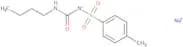







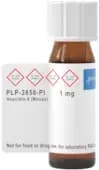





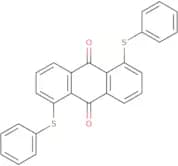


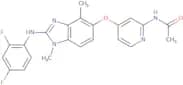

![Histone H3 (1-20)-GG-[Cys(AZ647)]](/_next/image/?url=https%3A%2Fstatic.cymitquimica.com%2Fproducts%2F3D%2Fthumb-webp%2FCRB1101680.webp&w=3840&q=75)

![KLHY-[AMC]](/_next/image/?url=https%3A%2Fstatic.cymitquimica.com%2Fproducts%2F3D%2Fthumb-webp%2FCRB1100970.webp&w=3840&q=75)






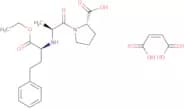




![Cellulose synthase (857-870) Light [Populus tomentosa]](/_next/image/?url=https%3A%2Fstatic.cymitquimica.com%2Fproducts%2F3D%2Fthumb-webp%2FCRB1000365.webp&w=3840&q=75)





![[Aurora™ Fluor 647]-RGD peptide](/_next/image/?url=https%3A%2Fstatic.cymitquimica.com%2Fproducts%2F3D%2Fthumb-webp%2FCRB1101636.webp&w=3840&q=75)





















![(Tos-GFHR)2-[Rh110]](/_next/image/?url=https%3A%2Fstatic.cymitquimica.com%2Fproducts%2F3D%2Fthumb-webp%2FCRB1100667.webp&w=3840&q=75)





![Histone H3 (1-20) K4Me2-GG-[Lys(5-FAM)]](/_next/image/?url=https%3A%2Fstatic.cymitquimica.com%2Fproducts%2F3D%2Fthumb-webp%2FCRB1101683.webp&w=3840&q=75)




![[Cys(AF488)]-Penetratin](/_next/image/?url=https%3A%2Fstatic.cymitquimica.com%2Fproducts%2F3D%2Fthumb-webp%2FCRB1101581.webp&w=3840&q=75)







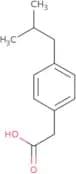







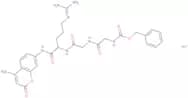








![PFR-[AMC]](/_next/image/?url=https%3A%2Fstatic.cymitquimica.com%2Fproducts%2F3D%2Fthumb-webp%2FCRB1101042.webp&w=3840&q=75)





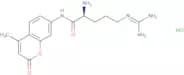








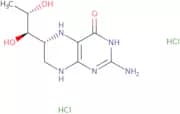




![[5-TAMRA]-ATIA agonist [sar1, Ile4, Ile8]](/_next/image/?url=https%3A%2Fstatic.cymitquimica.com%2Fproducts%2F3D%2Fthumb-webp%2FCRB1100566.webp&w=3840&q=75)


















![[G]-JAK1 peptide (1015-1027) p(Y1022)](/_next/image/?url=https%3A%2Fstatic.cymitquimica.com%2Fproducts%2F3D%2Fthumb-webp%2FCRB1000480.webp&w=3840&q=75)




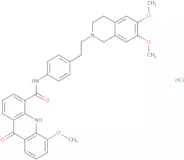








![SMAC/DIABLO-[Cys(AF647)]](/_next/image/?url=https%3A%2Fstatic.cymitquimica.com%2Fproducts%2F3D%2Fthumb-webp%2FCRB1110326.webp&w=3840&q=75)