Biochemicals and Reagents
Subcategories of "Biochemicals and Reagents"
- Biomolecules(98,569 products)
- By Biological Target(100,669 products)
- By Pharmacological Effects(6,934 products)
- Cryopreservatives(21 products)
- Desinfectants and Related Compounds(28 products)
- Hormones(369 products)
- Plant Biology(6,909 products)
- Secondary Metabolites(14,364 products)
Found 130473 products of "Biochemicals and Reagents"
QAPGQGLEWMGDINTR* - SIL Emicizumab signature peptide qualifier
Secondary SIL peptide for Emicizumab detection and quantification
MAGEA9 Blocking Peptide
A synthetic peptide for use as a blocking control in assays to test for specificity of MAGEA9 antibody, catalog no. 70R-8268
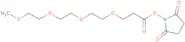
Purity:Min. 95%NHS-m-dPEG® (MW = 333)
CAS:NHS-m-dPEG® (MW = 333) is a PEG compound with two different functional groups (also known as heterobifunctional). Unlike homobifunctional PEG compounds (same functional group on both ends), this type of compounds are more versatile as have two different anchor points. NHS-m-dPEG® (MW = 333) is used as a linker and spacer to add a PEG moiety, via pegylation (a bioconjugation technique) to proteins, peptides, oligonucleotides, small molecules and nanoparticles.
Purity:Min. 95%Molecular weight:333.33 g/molMBP (1-11), mouse
Custom research peptide; min purity 95%.
Formula:C53H95N21O18Purity:Min. 95%Molecular weight:1,314.48 g/molTMPRSS4 antibody
The 6-Fluoro-3-indoxyl-beta-D-galactopyranoside is a powerful antituberculosis drug belonging to the rifamycins class. It is specifically designed to combat tuberculosis infection by targeting active compounds and exhibiting bactericidal activity. Through extensive research using transcription-quantitative polymerase chain and patch-clamp technique, it has been proven to effectively inhibit bacterial growth by binding to DNA-dependent RNA polymerase, thereby preventing transcription and replication. Additionally, this drug undergoes various metabolic transformations, including hydrolysis by esterases or glucuronidases, oxidation by cytochrome P450 enzymes, reduction by glutathione reductase, or conjugation with glucuronic acid. Moreover, it specifically targets Mycobacterium tuberculosis strains and inhibits cell growth in culture. With its unique mechanisms of action and potent properties, the 6-Fluoro-3-indoxyl-beta-D-galactopyranoside is
GJA1 Blocking Peptide
A synthetic peptide for use as a blocking control in assays to test for specificity of GJA1 antibody, catalog no. 70R-6087Purity:Min. 95%Cox2 antibody
The Cox2 antibody is a growth factor that targets a specific cell antigen known as endothelial growth. It belongs to the category of polyclonal antibodies and is widely used in the field of Life Sciences. This antibody has been shown to have interactions with various proteins, including fibrinogen, lipoprotein lipase, and amyloid plaque. Additionally, it can inhibit the activity of lipase and phosphatase enzymes. The Cox2 antibody is available in both polyclonal and monoclonal forms, making it suitable for different research purposes. It is often used to detect autoantibodies or as a tool for studying triglyceride lipase activity. With its versatile applications, this antibody is an essential tool for researchers in various fields.
CASP3 Blocking Peptide
A synthetic peptide for use as a blocking control in assays to test for specificity of CASP3 antibody, catalog no. 70R-9649
Purity:Min. 95%CCL11 antibody
The 6-Fluoro-3-indoxyl-beta-D-galactopyranoside is a powerful antituberculosis drug that falls under the category of rifamycins. It is highly effective in treating tuberculosis infections due to its bactericidal activity. This compound works by binding to DNA-dependent RNA polymerase, which inhibits bacterial growth and prevents transcription and replication. Its potency has been demonstrated through extensive research using the patch-clamp technique on human erythrocytes. The active form of this drug undergoes various metabolic transformations, including hydrolysis by esterases or glucuronidases, oxidation by cytochrome P450 enzymes, reduction by glutathione reductase, or conjugation with glucuronic acid. Additionally, it specifically targets markers expressed at high levels in Mycobacterium tuberculosis strains and inhibits their growth in culture.
Insulin, human
Insulin is a peptide hormone that is produced by beta cells in the pancreas. Insulin has several important functions, including regulation of blood sugar levels, lipid metabolism and protein synthesis. It is also involved in the regulation of cellular growth and proliferation. Insulin binds to insulin receptors on the surface of cells, activating them and allowing for the uptake of glucose into cells and storage as glycogen. Insulin is a ligand for the insulin receptor. It can also bind to other receptors, such as IGF1R, which causes activation of PI3K/AKT pathway. Insulin is an antibody that can be used as research tool or cell biology reagent.
INSULIN CAN BE USED TO:
- Measure blood sugar levels
- Monitor diabetes
- Treat diabetes
- Control weight gain
- Improve muscle massEchistatin α1 isoform
CAS:Antagonization of αVβ3 integrin. Inhibition of cell proliferation, migration, invasion, and adhesion of αVβ3 expressing cells.
GSK 321
CAS:GSK 321 is a peptide that can be used as an activator, an antibody, a research tool, or a pharmacology inhibitor. GSK 321 is a high purity ion channel activator that can be used to study protein interactions and receptor-ligand binding. This product has CAS number 1816331-63-1 and is available in bulk quantities.
Formula:C28H28FN5O3Purity:Min. 95%Molecular weight:501.60 g/molRef: 3D-RXC33163
Discontinued productEWSR1 Blocking Peptide
A synthetic peptide for use as a blocking control in assays to test for specificity of EWSR1 antibody, catalog no. 70R-5013
Purity:Min. 95%Amino-dPEG®4 Acid
CAS:Amino-dPEG®4 Acid is a PEG compound with two different functional groups (also known as heterobifunctional). Unlike homobifunctional PEG compounds (same functional group on both ends), this type of compounds are more versatile as have two different anchor points. Amino-dPEG®4 Acid is used as a linker and spacer to add a PEG moiety, via pegylation (a bioconjugation technique) to proteins, peptides, oligonucleotides, small molecules and nanoparticles.
Purity:Min. 95%Molecular weight:265.3 g/molRRM2 Blocking Peptide
A synthetic peptide for use as a blocking control in assays to test for specificity of RRM2 antibody, catalog no. 70R-5609
Purity:Min. 95%FDFT1 Blocking Peptide
A synthetic peptide for use as a blocking control in assays to test for specificity of FDFT1 antibody, catalog no. 70R-1132
Purity:Min. 95%m-dPEG®4-Azide (Azido-m-dPEG®4)
CAS:m-dPEG®4-Azide (Azido-m-dPEG®4) is a PEG compound with two different functional groups (also known as heterobifunctional). Unlike homobifunctional PEG compounds (same functional group on both ends), this type of compounds are more versatile as have two different anchor points. m-dPEG®4-Azide (Azido-m-dPEG®4) is used as a linker and spacer to add a PEG moiety, via pegylation (a bioconjugation technique) to proteins, peptides, oligonucleotides, small molecules and nanoparticles.
Purity:Min. 95%Molecular weight:233.26 g/molNucleocapsid protein library
The Nucleocapsid Protein (N-protein), also called coronavirus nucleocapsid (N), is the most abundant protein in coronavirus. It is a structural protein that forms complexes with genomic RNA, interacts with the viral membrane protein during virion assembly and plays a critical role in enhancing the efficiency of virus transcription and assembly.
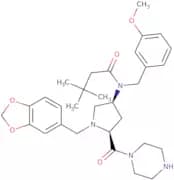
CUR 61414
CAS:Antagonist of hedgehog signaling pathway activator Smoothened; antineoplastic
Formula:C31H42N4O5Purity:Min. 95%Molecular weight:550.69 g/molRef: 3D-FB20593
Discontinued productAmino-dPEG®8-t-butyl ester
CAS:Amino-dPEG®8-t-butyl ester is a PEG compound with two different functional groups (also known as heterobifunctional). Unlike homobifunctional PEG compounds (same functional group on both ends), this type of compounds are more versatile as have two different anchor points. Amino-dPEG®8-t-butyl ester is used as a linker and spacer to add a PEG moiety, via pegylation (a bioconjugation technique) to proteins, peptides, oligonucleotides, small molecules and nanoparticles.
Formula:C32H58N2O15Purity:Min. 95%Molecular weight:710.81 g/molBiotin-MAGE-A2 (157-166)
Biotin-MAGE-A2 (157-166) is the N-ter biotinylated version of MAGE-A2 (157-166). Biotin-MAGE-A2 (157-166) can be used in the analysis of antigen-specific T cells. MAGE-A2 protein:
MAGE-A2 (157-166) is an epitope of Melanoma Antigen Gene A2 and is one of the most Cancer-Testis Antigens (CTA) overexpressed in tumors of different histological types, such as prostate cancer. Type of MAGE-A expressed in tumors cells varies according to the type of tumor. The expression of MAGE-A2 causes the proliferation of prostate cancer cells and decreases the chemosensitivity.
Applications of MAGE-A2 (157-166):
MAGE-A2 (157-166) is used to stimulate specific immune response, cytotoxic T cell response and to analyze the cytokine production in PBMCs by ELISPOT assay. In transgenic mouse, it has been demonstrated that MAGE-A2 (157-166) was capable of eliciting a CTL response presented by HLA-A*02:01 molecules. MAGE-A2 (157-166) has been reported to elicit CTL that could lyse tumor cell expressing both HLA-A*02:01 and MAGE-A2 by stimulation of peripheral blood mononuclear cells (PBMCs) with MAGE-A2 (157-166).
Sequence: Biotin-YLQLVFGIEVSonic hedgehog protein
Sonic Hedgehog Protein is a multifunctional protein that plays a crucial role in various cellular processes. It has been shown to interact with interferon and tyrosine, indicating its involvement in immune response modulation. Additionally, Sonic Hedgehog Protein has been found to inhibit the activity of human serum inhibitory factor, suggesting its potential therapeutic use in autoimmune diseases associated with antiphospholipid antibodies. In the field of Life Sciences, this protein is widely studied for its ability to regulate dopamine levels and act as an antigen for the development of antibodies. Researchers often utilize recombinant Sonic Hedgehog Protein to investigate its functions and interactions with other proteins. Furthermore, it has been implicated in the regulation of leukemia inhibitory factor and the production of autoantibodies. Its amide structure makes it suitable for electrode applications in various scientific experiments.
Purity:Min. 95%CENPI Blocking Peptide
A synthetic peptide for use as a blocking control in assays to test for specificity of CENPI antibody, catalog no. 70R-3284
Purity:Min. 95%Myhc-α 334-352
Peptide named cardiac myosin heavy chain (Myhc)-α 334–352 induces autoimmune myocarditis in mice bearing H-2 allele IAk.
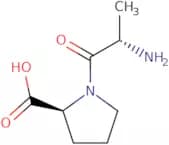
H-Ala-Pro-OH
CAS:H-Ala-Pro-OH is a molecule that has the ability to bind to the active site of enzymes. It inhibits the activity of esterases and proteases by binding to their active sites and blocking access to substrates. This drug also inhibits the uptake of drugs in cells by competitively inhibiting membrane transport proteins, such as P-glycoprotein. H-Ala-Pro-OH binds to gamma-aminobutyric acid receptors and shows a kinetic effect on this neurotransmitter’s activity. The conformational properties of H-Ala-Pro-OH are not fully understood, but it is thought that its low energy allows it to bind to intracellular proteins more easily than other molecules.
Formula:C8H14N2O3Purity:Min. 95%Color and Shape:White Off-White PowderMolecular weight:186.21 g/molRef: 3D-FA107976
Discontinued productNHS-dPEG®4-( m-dPEG®12)3-Ester
CAS:NHS-dPEG®4-( m-dPEG®12)3-Ester is a PEG compound with two different functional groups (also known as heterobifunctional). Unlike homobifunctional PEG compounds (same functional group on both ends), this type of compounds are more versatile as have two different anchor points. NHS-dPEG®4-( m-dPEG®12)3-Ester is used as a linker and spacer to add a PEG moiety, via pegylation (a bioconjugation technique) to proteins, peptides, oligonucleotides, small molecules and nanoparticles.
Formula:C58H106N6O26Purity:Min. 95%Molecular weight:1,303.49 g/molPAQR6 Blocking Peptide
A synthetic peptide for use as a blocking control in assays to test for specificity of PAQR6 antibody, catalog no. 70R-6329
Purity:Min. 95%WNT2B Blocking Peptide
A synthetic peptide for use as a blocking control in assays to test for specificity of WNT2B antibody, catalog no. 70R-2239
Purity:Min. 95%SMC2 Blocking Peptide
A synthetic peptide for use as a blocking control in assays to test for specificity of SMC2 antibody, catalog no. 70R-2053
Purity:Min. 95%Carbonyl Reductase 1 Blocking Peptide
A synthetic peptide for use as a blocking control in assays to test for specificity of CBR1 antibody, catalog no. 70R-1026
Purity:Min. 95%Goat anti Rabbit IgG (H + L) (Alk Phos)
Goat anti-rabbit IgG (H + L) (Alk Phos) was raised in goat using rabbit IgG whole molecule as the immunogen.Purity:Min. 95%MAL-dPEG®24-Acid
CAS:MAL-dPEG®24-Acid is a PEG compound with two different functional groups (also known as heterobifunctional). Unlike homobifunctional PEG compounds (same functional group on both ends), this type of compounds are more versatile as have two different anchor points. MAL-dPEG®24-Acid is used as a linker and spacer to add a PEG moiety, via pegylation (a bioconjugation technique) to proteins, peptides, oligonucleotides, small molecules and nanoparticles.
Formula:C58H108N2O29Purity:Min. 95%Molecular weight:1,297.47 g/molCAMK1G Blocking Peptide
A synthetic peptide for use as a blocking control in assays to test for specificity of CAMK1G antibody, catalog no. 70R-4089
Purity:Min. 95%t-Boc-N-Amido-dPEG®3-Amine
CAS:t-Boc-N-Amido-dPEG®3-Amine is a PEG compound with two different functional groups (also known as heterobifunctional). Unlike homobifunctional PEG compounds (same functional group on both ends), this type of compounds are more versatile as have two different anchor points. t-Boc-N-Amido-dPEG®3-Amine is used as a linker and spacer to add a PEG moiety, via pegylation (a bioconjugation technique) to proteins, peptides, oligonucleotides, small molecules and nanoparticles.
Purity:Min. 95%Molecular weight:320.43 g/mol4-Formyl-Benzamido-dPEG®12-TFP Ester
4-Formyl-Benzamido-dPEG®12-TFP Ester is a PEG compound with two different functional groups (also known as heterobifunctional). Unlike homobifunctional PEG compounds (same functional group on both ends), this type of compounds are more versatile as have two different anchor points. 4-Formyl-Benzamido-dPEG®12-TFP Ester is used as a linker and spacer to add a PEG moiety, via pegylation (a bioconjugation technique) to proteins, peptides, oligonucleotides, small molecules and nanoparticles.
Formula:C41H59F4NO16Purity:Min. 95%Molecular weight:897.9 g/molSH2 Domain Ligand (2)
Custom research peptide; min purity 95%.
Formula:C66H97N12O24PPurity:Min. 95%Molecular weight:1,473.57 g/molm-dPEG®36-Amine
CAS:m-dPEG®36-Amine is a PEG compound with two different functional groups (also known as heterobifunctional). Unlike homobifunctional PEG compounds (same functional group on both ends), this type of compounds are more versatile as have two different anchor points. m-dPEG®36-Amine is used as a linker and spacer to add a PEG moiety, via pegylation (a bioconjugation technique) to proteins, peptides, oligonucleotides, small molecules and nanoparticles.
Formula:C73H149NO36Purity:Min. 95%Molecular weight:1,616.95 g/molSH1 antibody
The SH1 antibody is a polyclonal antibody that has been developed as a potential biological tool for studying tumor biomarkers. It specifically targets the IL-17A antigen, which is known to be involved in various protein-protein interactions and signaling pathways. The SH1 antibody can be used in various life science applications, including immunohistochemistry, western blotting, and ELISA assays. It has been shown to exhibit strong inhibition effects on IL-17A activity in vitro and in vivo. The SH1 antibody is produced using a eukaryotic expression vector and synthetic techniques, ensuring high purity and specificity. With its unique characteristics and versatility, the SH1 antibody is an essential tool for researchers investigating IL-17A-related pathways and exploring potential therapeutic interventions.
CSF1 Blocking Peptide
A synthetic peptide for use as a blocking control in assays to test for specificity of CSF1 antibody, catalog no. 70R-6241
Purity:Min. 95%NR4A1 antibody
NR4A1 antibody was raised using the middle region of NR4A1 corresponding to a region with amino acids FQKCLAVGMVKEVVRTDSLKGRRGRLPSKPKQPPDASPANLLTSLVRAHL
Pseudomonas aeruginosa Exotoxin A antibody
Goat polyclonal Pseudomonas aeruginosa Exotoxin A antibody
EXOSC4 Blocking Peptide
A synthetic peptide for use as a blocking control in assays to test for specificity of EXOSC4 antibody, catalog no. 70R-1330
Purity:Min. 95%ICAM5 Blocking Peptide
A synthetic peptide for use as a blocking control in assays to test for specificity of ICAM5 antibody, catalog no. 70R-6140
Purity:Min. 95%PF4 antibody
PF4 antibody was raised in sheep using Platelet Factor 4 purified from human platelet releasate as the immunogen.Purity:Min. 95%Mycophenolic Acid antibody
Mycophenolic Acid antibody is a powerful tool used in Life Sciences research. It specifically targets and binds to various proteins, including β-catenin, dopamine, TNF-α, tyrosine kinase receptors, phosphatases, and nuclear factors. This antibody exhibits cytotoxic activity against cells expressing these proteins and has been extensively used in studies involving antigen detection and antibody-drug conjugates. Mycophenolic Acid antibody is available in both polyclonal and monoclonal forms, allowing researchers to choose the most suitable option for their experiments. Its high specificity and affinity make it an essential component in many research applications.Purity:Min. 95%PON3 Blocking Peptide
A synthetic peptide for use as a blocking control in assays to test for specificity of PON3 antibody, catalog no. 70R-6930
Purity:Min. 95%CTSK Blocking Peptide
A synthetic peptide for use as a blocking control in assays to test for specificity of CTSK antibody, catalog no. 70R-10206
Purity:Min. 95%KCNC3 Blocking Peptide
A synthetic peptide for use as a blocking control in assays to test for specificity of KCNC3 antibody, catalog no. 70R-5136
Purity:Min. 95%ACVR1C Blocking Peptide
A synthetic peptide for use as a blocking control in assays to test for specificity of ACVR1C antibody, catalog no. 70R-7481
Purity:Min. 95%CD82 antibody
The CD82 antibody is a powerful tool in the field of Life Sciences. It acts as a phosphatase that regulates various cellular processes by binding to specific proteins. This antibody has been shown to inhibit the production of interleukin-6, a pro-inflammatory cytokine involved in immune responses. Additionally, it can be used in antigen-antibody reactions to detect the presence of autoantibodies in patient samples.
DPH1 Blocking Peptide
A synthetic peptide for use as a blocking control in assays to test for specificity of DPH1 antibody, catalog no. 70R-4122
Purity:Min. 95%FZD6 antibody
The FZD6 antibody is a highly specialized monoclonal antibody that targets the insulin-like growth factor receptor (IGF-1R). It is designed to specifically bind to the IGF-1R and inhibit its activity. This antibody has shown promising results in preclinical studies, demonstrating its potential as a therapeutic agent for various diseases, including cancer.
GALK1 Blocking Peptide
A synthetic peptide for use as a blocking control in assays to test for specificity of GALK1 antibody, catalog no. 70R-10394
Purity:Min. 95%NTRK2 Blocking Peptide
A synthetic peptide for use as a blocking control in assays to test for specificity of NTRK2 antibody, catalog no. 70R-9083
Purity:Min. 95%GATA1 antibody
The GATA1 antibody is a powerful tool in the field of life sciences. It is a polyclonal antibody that specifically targets GATA1, a transcription factor involved in the regulation of gene expression. This antibody can be used to study various cellular processes, including cell differentiation, proliferation, and apoptosis. The GATA1 antibody has been shown to have cytotoxic effects on certain cancer cells and can also modulate the production of interferon-gamma (IFN-gamma), an important cytokine involved in immune responses. Additionally, this antibody has been used in research related to β-catenin signaling pathway and growth factors. Whether you are studying antiviral mechanisms or nuclear signaling events, the GATA1 antibody is an essential tool for your research needs.
Purity:Min. 95%DNase I antibody
The DNase I antibody is a powerful medicament used in immunohistochemistry. It belongs to the class of Polyclonal Antibodies, which are known for their high specificity and affinity. This antibody specifically targets tyrosine residues on collagen, growth factors, and membrane-spanning polypeptides. It can be used in various Life Sciences applications, including research and diagnostic purposes.
AKT/PKB/Rac-Protein Kinase Substrate
Catalogue peptide; min. 95% purity
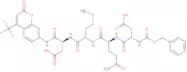
Formula:C74H114N28O20Molecular weight:1,715.91 g/molZ-Asp-Gln-Met-Asp-AFC
CAS:Please enquire for more information about Z-Asp-Gln-Met-Asp-AFC including the price, delivery time and more detailed product information at the technical inquiry form on this page
Formula:C36H39F3N6O13SPurity:Min. 95%Molecular weight:852.79 g/molRef: 3D-FA110597
Discontinued productGastrin Releasing Peptide (1-16), human
Catalogue peptide; min. 95% purity
Formula:C74H121N17O20SMolecular weight:1,600.9 g/molAmyloid beta-Protein (33-42) trifluoroacetate salt
CAS:Please enquire for more information about Amyloid beta-Protein (33-42) trifluoroacetate salt including the price, delivery time and more detailed product information at the technical inquiry form on this pageFormula:C41H74N10O11SPurity:Min. 95%Molecular weight:915.15 g/molRef: 3D-FA109546
Discontinued productbeta-Lipotropin (1-10), porcine
Catalogue peptide; min. 95% purity
Formula:C42H66N10O15Molecular weight:951.05 g/mol[Phe22] Big Endothelin-1 (19-37), human
Catalogue peptide; min. 95% purity
Formula:C104H152N26O26Molecular weight:2,182.53 g/molBiotin-Galanin, human
Catalogue peptide; min. 95% purity
Formula:C149H224N44O45SMolecular weight:3,383.78 g/molADP-Ribosylation Factor 6, ARF6 (2-13)
Catalogue peptide; min. 95% purity
Formula:C60H102N16O17Molecular weight:1,319.58 g/molγ-TAC4 (32-50)
Catalogue peptide; min. 95% purity
Formula:C92H146N24O31Molecular weight:2,084.33 g/molH-D-Phe-pip-Arg-pna acetate
CAS:H-D-Phe-pip-Arg-pna acetate is an allosteric modulator that binds to the active site of thrombin. It inhibits activation of zymogen thrombin by binding to its receptor, thereby inhibiting clotting and coagulation. This compound has been shown to inhibit the activation of pyogenes by preventing the formation of fibrin clots, which are essential for bacterial growth. H-D-Phe-pip-Arg-pna acetate has also been shown to have an inhibitory effect on activated coagulation.
Formula:C27H36N8O5Purity:Min. 95%Molecular weight:552.6 g/molVilaprisan
CAS:Vilaprisan is a synthetic peptide that can act as an inhibitor or activator of protein interactions. It binds to the ligand-binding site of receptor proteins and blocks ion channels, which leads to inhibition of the flow of ions across cell membranes. Vilaprisan has been shown to be a research tool for studying the workings of ion channels and antibodies in cells. Vilaprisan is also used as a reagent to identify and characterize antibodies that are specific for certain receptors, including those with high purity.
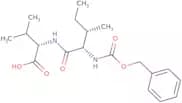
Formula:C27H29F5O4SPurity:Min. 95%Color and Shape:PowderMolecular weight:544.60 g/molZ-Ile-Val-OH
CAS:Please enquire for more information about Z-Ile-Val-OH including the price, delivery time and more detailed product information at the technical inquiry form on this page
Formula:C19H28N2O5Purity:Min. 95%Molecular weight:364.44 g/molRef: 3D-FI111494
Discontinued productSarafotoxin S6d
Catalogue peptide; min. 95% purity
Formula:C112H167N27O34S5Molecular weight:2,596 g/molAc-Ser-Asp-Lys-Pro-OH
CAS:Ac-Ser-Asp-Lys-Pro-OH is a tetrapeptide that has been shown to stimulate the growth of cells in vitro. It has been found to inhibit the production of interleukin-1β and tumor necrosis factor α, which are cytokines that are involved in inflammation. Ac-Ser-Asp-Lys-Pro-OH stimulates the production of growth factor β1 and collagen, which may be due to its ability to bind to toll like receptor 4 (TLR4). Acetylserotonin has been shown to have antiinflammatory and antifibrotic properties in animal models. Acetylserotonin also inhibits cancer cell growth and reduces drug resistance.
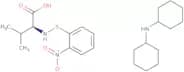
Formula:C20H33N5O9Purity:Min. 95%Molecular weight:487.5 g/molNps-Val-OH·DCHA
CAS:Controlled ProductPlease enquire for more information about Nps-Val-OH·DCHA including the price, delivery time and more detailed product information at the technical inquiry form on this page
Formula:C11H14N2O4S·C12H23NPurity:Min. 95%Molecular weight:451.62 g/molRef: 3D-FN107891
Discontinued productAc-Adhesin (1025-1044) amide
Catalogue peptide; min. 95% purity
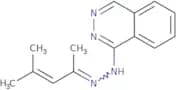
Formula:C97H160N26O32Molecular weight:2,202.51 g/molBudralazine
CAS:Budralazine is a synthetic vasodilator, which is derived from a series of hydrazine analogs, known for their ability to modulate vascular tone. Its mode of action involves the direct relaxation of vascular smooth muscle. This relaxation leads to a decrease in peripheral vascular resistance and, consequently, a reduction in blood pressure. Intriguingly, Budralazine is thought to selectively target arterioles over veins, making it of particular interest in the study of vascular dynamics and hypertension.
Formula:C14H16N4Purity:Min. 95%Molecular weight:240.3 g/molRef: 3D-LBA79879
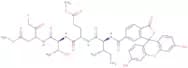
Discontinued productFluorescein-6-carbonyl-Ile-Glu(OMe)-Thr-DL-Asp(OMe)-fluoromethylketone
CAS:Please enquire for more information about Fluorescein-6-carbonyl-Ile-Glu(OMe)-Thr-DL-Asp(OMe)-fluoromethylketone including the price, delivery time and more detailed product information at the technical inquiry form on this page
Formula:C43H47FN4O15Purity:Min. 95%Molecular weight:878.85 g/molRef: 3D-FF111109
Discontinued productBMY 7378 Dihydrochloride
CAS:BMY 7378 Dihydrochloride is a selective 5-HT1A receptor antagonist, which is synthetically derived for specialized research purposes. This compound is known for its ability to bind exclusively to the 5-HT1A receptor, inhibiting the action of serotonin. Its mechanism of action involves a high-affinity blockade of serotonin at this receptor site, making it a valuable tool for understanding serotonergic signaling pathways.
Formula:C22H33Cl2N3O3Purity:Min. 95%Molecular weight:458.42 g/molRef: 3D-WAA10295
Discontinued product(Arg13)-Amyloid b-Protein (1-40) trifluoroacetate salt
CAS:Please enquire for more information about (Arg13)-Amyloid b-Protein (1-40) trifluoroacetate salt including the price, delivery time and more detailed product information at the technical inquiry form on this pageFormula:C194H300N54O58SPurity:Min. 95%Molecular weight:4,348.85 g/molRef: 3D-FA110203
Discontinued product(Pyr 11)-Amyloid b-Protein (11-40)
CAS:Please enquire for more information about (Pyr 11)-Amyloid b-Protein (11-40) including the price, delivery time and more detailed product information at the technical inquiry form on this page
Formula:C143H226N38O39SPurity:Min. 95%Molecular weight:3,133.62 g/molRef: 3D-FP109819
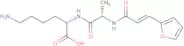
Discontinued productN-(3-(2-Furyl)Acryloyl-Ala-Lys TFA salt
CAS:FA-Ala-Lys-OH is a lysine derivative with a molecular weight of 243.2 daltons and a pKa of 6.5. It has been shown to be biologically active in humans and animals, and can be used as an amino acid supplement for patients with liver disease or kidney failure who require dialysis. FA-Ala-Lys-OH binds to the creatine kinase receptor on the surface of cells and causes cell lysis, which may be due to its ability to bind to the enzyme's allosteric site. This compound also has anti-viral properties, inhibiting the growth of recombinant virus mcf-7 in vitro by binding to erythrocyte membranes and disrupting protein synthesis. The 6-Fluoro-3-indoxyl beta D galactopyranoside is an antituberculosis drugs that belongs to the class of rifamycins. Rifapentine inhibits bacterial
Formula:C16H23N3O5Purity:Min. 95%Molecular weight:337.37 g/molRef: 3D-FF110852
Discontinued productAlpha-casozepine
CAS:CAS No. 117592-45-7 is an ion channel activator that belongs to the group of peptides. It is a high purity product with a purity of 99.5% and has been purified by HPLC. CAS No. 117592-45-7 activates voltage-gated sodium channels in neuronal tissue, which may be due to its ability to bind to the receptor site and activate it, or by binding to the protein and changing its conformation to allow ions through the channel pore. The specificity of this ligand has been shown using antibody inhibition assays on rat erythrocytes and human erythrocytes.
Formula:C60H94N14O16Purity:Min. 95%Molecular weight:1,267.5 g/molRef: 3D-SEA59245
Discontinued productTyr-Leptin (26-39) (human)
CAS:Please enquire for more information about Tyr-Leptin (26-39) (human) including the price, delivery time and more detailed product information at the technical inquiry form on this pageFormula:C80H137N19O25Purity:Min. 95%Molecular weight:1,765.06 g/molRef: 3D-FT109022
Discontinued productTNF-α (31-45), human
Catalogue peptide; min. 95% purity
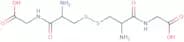
Formula:C69H122N26O22Molecular weight:1,667.90 g/mol(H-Cys-Gly-OH)2
CAS:Disulfide bond is a covalent chemical bond that links two sulfur atoms to each other. Disulfides are the major form of sulfur-containing proteins, and are important in many biological processes, such as postnatal development, biliary function, hepatitis diagnosis and cancer. Disulfide bonds can be detected using chromatographic methods such as high performance liquid chromatography (HPLC) or gas chromatography (GC). The biosynthesis of disulfides is an essential process in the metabolism of glutathione. Disulfide bonds are formed by the oxidation of two sulfhydryl groups (-SH) in a protein by reactive oxygen species (ROS), which results in the formation of a single disulfide bond between two cysteine residues. This reaction requires glutathione as a cofactor, which catalyzes the formation of -S-S- bridges between two cysteine residues by reducing them to their corresponding thiols (-SH). Glutathione also
Formula:C10H18N4O6S2Purity:Min. 95%Molecular weight:354.41 g/molBiotin-Kinase Domain of Insulin Receptor (2)
Catalogue peptide; min. 95% purity
Formula:C72H122N21O29SMolecular weight:1,777.92 g/molL-α-Phosphatidylserine sodium, porcine brain
CAS:L-alpha-Phosphatidylserine sodium salt, derived from porcine brain, is a research chemical that has shown promising potential in various fields. It has been studied for its role in HIV-1 infection, where it has been found to inhibit the fusion of the virus with host cells. Additionally, L-alpha-Phosphatidylserine sodium salt has shown positive effects on spermatozoa motility and fertility. In cancer research, L-alpha-Phosphatidylserine sodium salt has been investigated for its ability to enhance the efficacy of certain anti-cancer drugs. It is believed to work by increasing the uptake of these drugs into cancer cells, thereby improving their effectiveness. This compound also plays a role in neurological health. It is involved in the synthesis of steroidal hormones and neurotransmitters such as dopamine. Studies have suggested that L-alpha-Phosphatidylserine sodium salt may support cognitive function and memory. Furthermore, L-alpha-Ph
Purity:Min. 95%γ-TAC4 (30-61)-NH2
Catalogue peptide; min. 95% purity
Formula:C155H242N40O49SMolecular weight:3,481.96 g/molBiotin-Glucagon (1-29), bovine, human, porcine
Catalogue peptide; min. 95% purity
Formula:C163H239N45O51S2Molecular weight:3,709.03 g/mol(D-Ala2)-GRF (1-29) amide (human)
CAS:Please enquire for more information about (D-Ala2)-GRF (1-29) amide (human) including the price, delivery time and more detailed product information at the technical inquiry form on this pageFormula:C149H246N44O42SPurity:Min. 95%Molecular weight:3,357.88 g/molRef: 3D-FA109070
Discontinued productNeurotrophic Factor for Retinal Cholinergic Neurons
Catalogue peptide; min. 95% purity
Formula:C53H84N12O16Molecular weight:1,145.33 g/molSubstance P reversed sequence
Catalogue peptide; min. 95% purity
Formula:C63H98N18O13SMolecular weight:1,347.66 g/mol[Gln11]-beta-Amyloid (1-40)
Catalogue peptide; min. 95% purity
Formula:C194H296N54O57SMolecular weight:4,328.91 g/mol[Arg0] Met-Enkephalin
Catalogue peptide; min. 95% purity
Formula:C33H47N9O8SMolecular weight:729.86 g/molCC Chemokine Receptor 3 Fragment II, amide
Catalogue peptide; min. 95% purity
Formula:C114H175N25O42S2Molecular weight:2,631.93 g/mol[D-Pro194]-IL-1 beta (193-195) (human)
Catalogue peptide; min. 95% purity
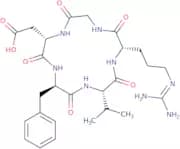
Formula:C15H28N4O5Molecular weight:344.41 g/molCyclo(-Arg-Gly-Asp-D-Phe-Val) trifluoroacetate salt
CAS:Cyclo(-Arg-Gly-Asp-D-Phe-Val) trifluoroacetate salt is a basic fibroblast growth factor that has been shown to have proliferative effects on diabetic retinopathy and ocular neovascularization. It binds to integrin receptors on the surface of cells, which are involved in cell adhesion. Cyclo(-Arg-Gly-Asp-D-Phe-Val) trifluoroacetate salt also has antiangiogenic effects and blocks the angiogenesis process by inhibiting the production of epidermal growth factor (EGF). This drug may be useful for treating certain types of cancer such as malignant brain tumors or neuroblastomas, because it can cause neuronal death. Cyclo(-Arg-Gly-Asp-D-Phe-Val) trifluoroacetate salt is a cyclic peptide with a reactive amino acid side chain.Formula:C26H38N8O7Purity:Min. 95%Molecular weight:574.63 g/molRef: 3D-FC108714
Discontinued productBiotin-Obestatin (human)
Catalogue peptide; min. 95% purity
Formula:C126H190N34O35Molecular weight:2,773.19 g/molα-Mating Factor (1-6)
Catalogue peptide; min. 95% purity
Formula:C45H59N11O8Molecular weight:882.04 g/molMARCKS Protein (151-175)
Catalogue peptide; min. 95% purity
Formula:C147H243N41O31Molecular weight:3,080.83 g/molCalcitonin (8-32) (salmon I)
Catalogue peptide; min. 95% purity
Formula:C119H198N36O37Molecular weight:2,725.06 g/molFMRF-related peptide, SDPFLRF-NH2
Catalogue peptide; min. 95% purity
Formula:C42H61N11O10Molecular weight:880.02 g/molKinase Domain of Insulin Receptor (3)
Catalogue peptide; min. 95% purity
Formula:C72H108N19O27Molecular weight:1,702.77 g/molKGF Receptor Peptide
Catalogue peptide; min. 95% purity
Formula:C114H174N30O42SMolecular weight:2,668.90 g/molTNF-α (72-82), human
Catalogue peptide; min. 95% purity
Formula:C48H86N18O16Molecular weight:1,171.33 g/molLys-(Tyr8)-Bradykinin
Catalogue peptide; min. 95% purity
Formula:C56H85N17O13Molecular weight:1,204.41 g/mol[D-Tyr27,36, D-Thr32]-Neuropeptide Y, human
Catalogue peptide; min. 95% purity
Formula:C189H285N55O57SMolecular weight:4,271.67 g/molbeta-Amyloid (10-35)
Catalogue peptide; min. 95% purity
Formula:C133H204N34O37SMolecular weight:2,903.38 g/molGAD65 (78-97)
Catalogue peptide; min. 95% purity
Formula:C97H148N26O29S2Molecular weight:2,206.53 g/molFmoc-Asp(OtBu)-Wang resin (100-200 mesh)
Please enquire for more information about Fmoc-Asp(OtBu)-Wang resin (100-200 mesh) including the price, delivery time and more detailed product information at the technical inquiry form on this page
Purity:Min. 95%Ref: 3D-FF111724
Discontinued productγ-Bag Cell Peptide
Catalogue peptide; min. 95% purity
Formula:C31H51N11O8Molecular weight:705.82 g/molAllatostatin I (free acid)
Catalogue peptide; min. 95% purity
Formula:C61H94N18O16Molecular weight:1,335.5 g/molNES Topoisomerase II alpha (1017-1028)
Catalogue peptide; min. 95% purity
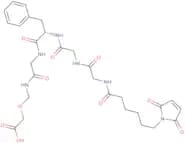
Formula:C73H117N19O19Molecular weight:1,564.86 g/molMC-Gly-Gly-Phe-Gly-NH-CH2-O-CH2COOH
CAS:This activated peptide-cleavable linker has an extended functionality linked to the Gly in the peptide sequence. This is quite useful in conjugation in enzymatically cleavable environments inside target cells for controlled release of the drug or payload.
Formula:C28H36N6O10Purity:Min. 95%Molecular weight:616.6 g/molCaspase 1 Substrate 1m (ICE), fluorogenic
Catalogue peptide; min. 95% purity
Formula:C35H41N5O12Molecular weight:723.7 g/molCalcitonin N-Terminal Flanking Peptide, human
Catalogue peptide; min. 95% purity
Formula:C264H426N74O97SMolecular weight:6,220.84 g/molSALMF amide 2 (S2)
Catalogue peptide; min. 95% purity
Formula:C59H82N14O18Molecular weight:1,275.4 g/molPeptide YY (3-36) (canine, mouse, porcine, rat)
Catalogue peptide; min. 95% purity
Formula:C190H288N54O57Molecular weight:4,240.64 g/molAldosterone Secretion Inhibiting Factor (1-35) (bovine)
Catalogue peptide; min. 95% purity
Formula:C164H278N58O45S4Molecular weight:3,910.64 g/mol[Val5,Asn9]-Angiotensin I
Catalogue peptide; min. 95% purity
Formula:C59H86N16O15Molecular weight:1,259.44 g/molCys-Gly-Lys-Lys-Gly-Amyloid beta-Protein (36-42)
Catalogue peptide; min. 95% purity
Formula:C47H85N14O13SMolecular weight:1,087.35 g/molBiotin-VIP (human, bovine, porcine, rat)
Catalogue peptide; min. 95% purity
Formula:C157H252N46O44S2Molecular weight:3,552.17 g/molDok-4 (263-275)
Catalogue peptide; min. 95% purity
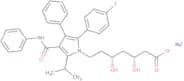
Formula:C70H101N21O18Molecular weight:1,524.72 g/molAtorvastatin sodium
CAS:HMG-CoA reductase antagonist
Formula:C33H35FN2O5•NaPurity:Min. 95%Color and Shape:PowderMolecular weight:581.63 g/mol[Leu144, Arg147]-PLP (139-151), [L144, R147-PLP(139-151)]
Catalogue peptide; min. 95% purity
Formula:C67H110N20O17Molecular weight:1,467.75 g/molAc-a-CGRP (19-37) (human)
Catalogue peptide; min. 95% purity
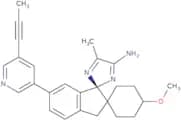
Formula:C88H139N25O26Molecular weight:1,963.24 g/molLanabecestat
CAS:Lanabecestat is an investigational drug, classified as a beta-secretase (BACE) inhibitor, which is derived from synthetic chemical processes. Its mode of action involves inhibiting the enzyme beta-secretase, which plays a crucial role in the amyloidogenic pathway by cleaving amyloid precursor protein (APP) into amyloid-beta peptides. The accumulation of these peptides is a hallmark of Alzheimer's disease pathology.
Formula:C26H28N4OPurity:Min. 95%Color and Shape:PowderMolecular weight:412.53 g/molRef: 3D-IFC98264
Discontinued productIntermedin (human)
Catalogue peptide; min. 95% purity
Formula:C219H351N69O66S3Molecular weight:5,102.84 g/molDynorphin A (2-13), porcine
Catalogue peptide; min. 95% purity
Formula:C66H117N23O13Molecular weight:1,440.81 g/mol[D-Arg0,Hyp2,3,D-Phe7]-Bradykinin
Catalogue peptide; min. 95% purity
Formula:C60H87N19O14Molecular weight:1,298.48 g/molDok-6 (263-275)
Catalogue peptide; min. 95% purity
Formula:C76H113N25O18Molecular weight:1,664.90 g/molAmyloid beta-Protein (6-20)
Catalogue peptide; min. 95% purity
Formula:C86H119N23O23Molecular weight:1,843.05 g/molGAP 26 trifluoroacetate salt
CAS:13-mer connexin mimetic peptide, composed of residue numbers 63-75 of the first extracellular loop of connexin 43 (gap junction blocker), containing the SHVR amino acid motif.Formula:C70H107N19O19SPurity:Min. 95%Molecular weight:1,550.78 g/molRef: 3D-FG110169
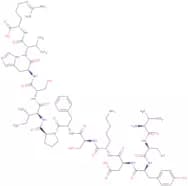
Discontinued product[Tyr27]-pTH (27-48) (human)
Catalogue peptide; min. 95% purity
Formula:C104H159N29O31Molecular weight:2,311.60 g/molAmyloid beta-Protein (10-35) trifluoroacetate salt
CAS:Please enquire for more information about Amyloid beta-Protein (10-35) trifluoroacetate salt including the price, delivery time and more detailed product information at the technical inquiry form on this page
Formula:C133H204N34O37SPurity:Min. 95%Molecular weight:2,903.32 g/molRef: 3D-FA109820
Discontinued productVX 702
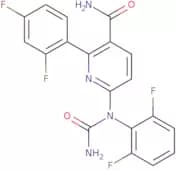
CAS:p38 MAP kinase antagonist
Formula:C19H12F4N4O2Purity:Min. 95%Color and Shape:SolidMolecular weight:404.32 g/molAmyloid beta-Protein (22-35)
CAS:Please enquire for more information about Amyloid beta-Protein (22-35) including the price, delivery time and more detailed product information at the technical inquiry form on this page
Formula:C59H102N16O21SPurity:Min. 95%Molecular weight:1,403.6 g/molRef: 3D-FA108571
Discontinued productAngiotensin II Substrate
Catalogue peptide; min. 95% purity
Formula:C50H72N13O15PMolecular weight:1,126.20 g/mol[D-Ala2,Leu5,Arg6] Enkephalin
Catalogue peptide; min. 95% purity
Formula:C35H51N9O8Molecular weight:725.85 g/molCalcipotriol monohydrate
CAS:Calcipotriol is a synthetic vitamin D3 analog that has been shown to be effective in the treatment of bone cancer. It has a film-forming property and is used in pharmaceutical preparations as well as for wastewater treatment. Calcipotriol monohydrate is made by reacting calcipotriol with hydrochloric acid, which produces an ester bond between the hydroxyl group and the carboxylic acid group. The reaction also produces water, methanol, and methyl ethyl ether. Studies have shown that calcipotriol monohydrate has a chemical stability of over 30 days at room temperature, indicating it can be stored for long periods without degradation.
Formula:C27H40O3·H2OPurity:(%) Min. 96%Color and Shape:PowderMolecular weight:430.62 g/molRef: 3D-FC63561
Discontinued productRef: 3D-PI00789
Discontinued product2-Epi-darunavir
CAS:2-Epi-darunavir is a peptide that acts as an activator of the HIV-1 protease. It has been shown to be a potent inhibitor of HIV-1 protease, with IC50 values in the low nanomolar range. The 2-Epi-darunavir peptide binds to the active site of HIV-1 protease, blocking access by other molecules and preventing cleavage at the P1' position on the substrate. This results in a conformational change that prevents its interaction with the binding site on HIV-1 gp41. The 2-Epi darunavir peptide also inhibits protein interactions with ion channels and receptor proteins, which may inhibit cellular processes such as cell proliferation and apoptosis.
Formula:C27H37N3O7SPurity:Min. 95%Molecular weight:547.7 g/molRef: 3D-AJB14119
Discontinued productZ-Ile-Glu(OtBu)-Ala-Leu-aldehyde
CAS:Z-Ile-Glu(OtBu)-Ala-Leu-aldehyde, also known as ZILEAL, is a potent immunosuppressant that binds to the Toll-like receptor (TLR) and inhibits NF-κB binding activity. It has been shown to reduce the activation of macrophages by inhibiting the production of proinflammatory cytokines such as tumor necrosis factor alpha (TNFα), IL-1β, and IL-6. This drug has been shown to inhibit HIV replication in vitro and was also found to have an antiviral effect against herpes simplex virus type 1 in vivo. ZILEAL also inhibits dsDNA binding activity, which may have potential applications in cancer treatment.
Formula:C32H50N4O8Purity:Min. 95%Molecular weight:618.76 g/molRef: 3D-FI111570
Discontinued productBiotinyl-epsilonAhx-Amyloid b-Protein (1-42) trifluoroacetate salt
CAS:Please enquire for more information about Biotinyl-epsilonAhx-Amyloid b-Protein (1-42) trifluoroacetate salt including the price, delivery time and more detailed product information at the technical inquiry form on this page
Formula:C219H336N58O63S2Purity:Min. 95%Molecular weight:4,853.5 g/molPrésure. 10. 145-148
Catalogue peptide; min. 95% purity
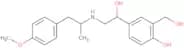
Formula:C46H59N7O12Molecular weight:902.02 g/molSalmefamol
CAS:A β2-adrenoceptor agonist that is structurally related to salbutamol. Ellicits β-adrenergic stimulatory effects on smooth muscles in trachea and bronchi. More effective (1.5 to 2 times more) as a bronchodilator than salbutamol.
Formula:C19H25NO4Purity:Min. 95%Color and Shape:SolidMolecular weight:331.41 g/molRef: 3D-FS65156
Discontinued productProinsulin C-peptide (55-89), human
Catalogue peptide; min. 95% purity
Formula:C153H259N49O52Molecular weight:3,616.98 g/molCalmodulin-Dependent Protein Kinase II (290-309)
CAS:Calmodulin-dependent protein kinase II (CAMKII) is a calcium/calmodulin-dependent enzyme that plays an important role in the regulation of cardiac contractility. CAMKII is activated by the binding of beta-adrenergic and other hormones to their receptors on the plasma membrane, leading to a change in the membrane potential. CAMKII then phosphorylates myofibrils, which leads to an increase in cardiac contractility. In liver cells, CAMKII activation leads to an increase in contractility and perfusion through increased ethylene production.
Formula:C103H185N31O24SPurity:Min. 95%Molecular weight:2,273.83 g/molRef: 3D-FC110422
Discontinued productParathyroid Hormone (1-34)-Lys(Biotin), human
Catalogue peptide; min. 95% purity
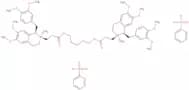
Formula:C197H317N59O54S3Molecular weight:4,472.26 g/molCisatracurium besylate
CAS:nAChRs nicotinic receptor antagonist; neuromuscular-blocking agent
Formula:C65H82N2O18S2Purity:Min. 95%Color and Shape:White PowderMolecular weight:1,243.48 g/molRef: 3D-FC20458
Discontinued product[Cys(Acm)20,31]-EGF (20-31)
Catalogue peptide; min. 95% purity
Formula:C63H98N16O23S3Molecular weight:1,543.77 g/molbeta-Defensin-3, human
Catalogue peptide; min. 95% purity
Formula:C216H371N75O59S6Molecular weight:5,155.22 g/mol[Thr46]-Osteocalcin (45-49) (human)
Catalogue peptide; min. 95% purity
Formula:C25H37N5O7Molecular weight:519.6 g/molTetanus toxin (TT) peptide
Catalogue peptide; min. 95% purity
Formula:C79H120N18O21Molecular weight:1,657.95 g/molSomatostatin-28 (1-14)
Catalogue peptide; min. 95% purity
Formula:C61H105N23O21SMolecular weight:1,528.72 g/mol5-FAM-Amyloid b-Protein (1-42) trifluoroacetate salt
CAS:Please enquire for more information about 5-FAM-Amyloid b-Protein (1-42) trifluoroacetate salt including the price, delivery time and more detailed product information at the technical inquiry form on this page
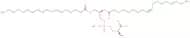
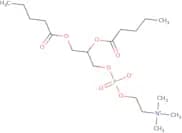
Formula:C224H321N55O66SPurity:Min. 95%Molecular weight:4,872.34 g/mol05:0 PC
CAS:05:0 PC is a peptide binding sequence that has been shown to inhibit the replication of viral sequences. 05:0 PC binds to the amino acid sequence in protein, which is a model system for peptide binding. The endoplasmic reticulum, or ER, is the site of synthesis for proteins and its low efficiency may be due to the spontaneous nature of the protein synthesis process. The ER can also be seen as an inhibitor molecule that prevents the virus from replicating. 05:0 PC has been shown to inhibit papillomavirus and HIV-1 replication in vitro. This peptide has also been shown to block interactions between viruses and cells that allow viral replication.
Formula:C18H36NO8PPurity:Min. 95%Molecular weight:425.45 g/molRef: 3D-RCA41434
Discontinued productTryptophan Motif Peptide
Catalogue peptide; min. 95% purity
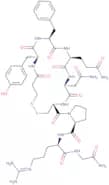
Formula:C35H41N11O7Molecular weight:727.79 g/molDesmopressin
CAS:Controlled ProductDesmopressin is a synthetic analog of the natural hormone arginine vasopressin. It has been shown to be effective in the treatment of primary nocturnal enuresis, and a number of studies have reported that desmopressin is an effective therapy for idiopathic nocturnal enuresis. Desmopressin also has effects on water permeability, hemolysis, and protein synthesis. It increases the concentration of camp levels in urine and plasma while also inhibiting erythrocyte aggregation. Desmopressin has been shown to be more effective than placebo in women with primary nocturnal enuresis.Formula:C46H64N14O12S2Purity:Min. 95%Color and Shape:PowderMolecular weight:1,069.22 g/molEC 23
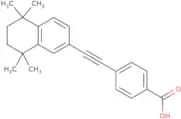
CAS:EC 23 is a synthetic retinoid that belongs to the class of chemical compounds called retinoids. Retinoids are natural or synthetic substances that have a high affinity for binding to receptors on the cell surface and activating them. EC 23 has been shown to induce bacterial enzymes that break down long-chain fatty acids, which are toxic to bacteria. It also has been shown to be potent inducers of cellular differentiation in certain animal models, including the mouse embryo eye. EC 23 binds with high affinity to bacterial enzyme and inhibits its activity. It also has been shown to inhibit the growth of certain types of cancer cells in culture, but not others.
Formula:C23H24O2Purity:Min. 95%Molecular weight:332.44 g/molTachykinin (111-129) Beta-Prepro (Human)
Catalogue peptide; min. 95% purity
Formula:C96H156N34O31SMolecular weight:2,314.59 g/molbeta-Lipotropin (61-64)
Catalogue peptide; min. 95% purity
Formula:C22H26N4O6Molecular weight:442.48 g/molP62 (417-429), M. leprae
Catalogue peptide; min. 95% purity
Formula:C65H116N16O17Molecular weight:1,393.75 g/molBiotin-LC-Neurogranin (28-43)
Catalogue peptide; min. 95% purity
Formula:C94H159N31O20S2Molecular weight:2,139.48 g/mol(Arg17)-Amyloid b-Protein (1-42) trifluoroacetate salt
CAS:Please enquire for more information about (Arg17)-Amyloid b-Protein (1-42) trifluoroacetate salt including the price, delivery time and more detailed product information at the technical inquiry form on this page
Formula:C203H312N58O60SPurity:Min. 95%Molecular weight:4,557.07 g/molRef: 3D-FA109844
Discontinued productH-Ala-Abu-OH
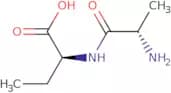
CAS:Please enquire for more information about H-Ala-Abu-OH including the price, delivery time and more detailed product information at the technical inquiry form on this page
Formula:C7H14N2O3Purity:Min. 90%Color and Shape:PowderMolecular weight:174.2 g/molRef: 3D-FA107958
Discontinued product[Tyr27]-a-CGRP (27-37) (canine, mouse, rat)
Catalogue peptide; min. 95% purity
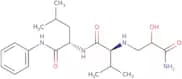
Formula:C54H79N13O17Molecular weight:1,182.31 g/molN-(3-Amino-2-hydroxy-3-oxopropyl)-L-valyl-N-phenyl-L-leucinamide
CAS:Please enquire for more information about N-(3-Amino-2-hydroxy-3-oxopropyl)-L-valyl-N-phenyl-L-leucinamide including the price, delivery time and more detailed product information at the technical inquiry form on this pageFormula:C20H32N4O4Purity:Min. 95%Color and Shape:PowderMolecular weight:392.49 g/molProlactin Releasing Peptide (12-31), bovine
Catalogue peptide; min. 95% purity
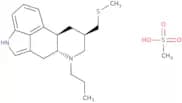
Formula:C103H156N32O25Molecular weight:2,242.59 g/molPergolide mesylate
CAS:Controlled ProductD1 and D2 dopamine agonist
Formula:C20H30N2O3S2Purity:Min. 95%Color and Shape:White To Off-White SolidMolecular weight:410.6 g/molAc-Choline Receptor α1(129-145)
Catalogue peptide; min. 95% purity
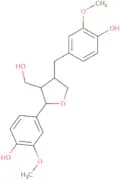
Formula:C90H136N22O28S2Molecular weight:2,038.34 g/mol(-)-Lariciresinol
CAS:Lariciresinol is a natural compound that has been shown to have antioxidative properties and inhibit the growth of cancer cells in vitro. It has also been shown to reduce the metastatic potential of colorectal cancer cells by inhibiting fatty acid synthesis. Lariciresinol has synergistic effects when combined with other natural compounds, such as resveratrol, for example. This compound inhibits the proliferation of cancer cells by inducing apoptosis through a multivariate logistic regression analysis. The mechanism of lariciresinol-mediated apoptosis includes inhibition of transcriptional regulation and mitochondrial membrane potential, which leads to an increase in reactive oxygen species (ROS) and reactive nitrogen species (RNS). Lariciresinol also inhibits bacterial growth by binding to DNA gyrase and topoisomerase IV and interfering with transcription through RNA polymerase.Formula:C20H24O6Purity:Min. 95%Molecular weight:360.4 g/molRef: 3D-IDA32719
Discontinued productAmyloid beta-Protein (31-35)
CAS:Amyloid beta protein is a peptide that is a major component of the amyloid plaques found in the brain of patients with Alzheimer's disease. Amyloid beta protein (Aβ) has been shown to form fibers and fibrils, which are aggregates of polymerized Aβ peptides. These fibrils can be imaged using a fluorescent dye called dansyl. The dansyl-labeled Aβ fibrils have been shown to have a morphology similar to that seen in electron micrographs of amyloid plaques. The quantum yield for luminescence was found to be 0.1% for the Aβ fibrils but only 0.001% for the monomeric form of Aβ peptides (Aβ 1-40). This suggests that the Aβ peptides are undergoing aggregation into amyloid beta protein fibrils before they can emit light as fluorescence or phosphorescence.
Formula:C25H47N5O6SPurity:Min. 95%Molecular weight:545.74 g/molRef: 3D-FA109633
Discontinued productAngiotensin II Receptor, AT2, Amino Terminal Fragment
Catalogue peptide; min. 95% purity
Formula:C79H125N23O28SMolecular weight:1,877.08 g/molBiotin-(Cys1,Lys(biotinyl)18)-Calcitonin (human)
Catalogue peptide; min. 95% purity
Formula:C171H254N4O16Molecular weight:3,870.52 g/molbeta-Amyloid/A4 Protein Precursor (APP) (96-110), analog
Catalogue peptide; min. 95% purity
Formula:C81H128N32O19S2Molecular weight:1,918.25 g/molRnase (90-105)
H-SKYPNCAYKTTQANKH-OH peptide, corresponding to RNase A 90-105 (Chain A of bovine pancreatic ribonuclease); min. 95% purity
Formula:C80H124N24O25SMolecular weight:1,854.08 g/molAmyloid beta-Protein (25-35) amide
Catalogue peptide; min. 95% purity
Formula:C45H82N14O13SMolecular weight:1,059.31 g/mol
































![[Phe22] Big Endothelin-1 (19-37), human](/_next/image/?url=https%3A%2Fstatic.cymitquimica.com%2Fproducts%2F3D%2Fthumb-webp%2FVAC-00505.webp&w=3840&q=75)














![[Gln11]-beta-Amyloid (1-40)](/_next/image/?url=https%3A%2Fstatic.cymitquimica.com%2Fproducts%2F3D%2Fthumb-webp%2FVAC-00314.webp&w=3840&q=75)
![[Arg0] Met-Enkephalin](/_next/image/?url=https%3A%2Fstatic.cymitquimica.com%2Fproducts%2F3D%2Fthumb-webp%2FVAC-00699.webp&w=3840&q=75)

![[D-Pro194]-IL-1 beta (193-195) (human)](/_next/image/?url=https%3A%2Fstatic.cymitquimica.com%2Fproducts%2F3D%2Fthumb-webp%2FVAC-00516.webp&w=3840&q=75)



![[D-Tyr27,36, D-Thr32]-Neuropeptide Y, human](/_next/image/?url=https%3A%2Fstatic.cymitquimica.com%2Fproducts%2F3D%2Fthumb-webp%2FVAC-00911.webp&w=3840&q=75)




![[Val5,Asn9]-Angiotensin I](/_next/image/?url=https%3A%2Fstatic.cymitquimica.com%2Fproducts%2F3D%2Fthumb-webp%2FVAC-00346.webp&w=3840&q=75)



![[Leu144, Arg147]-PLP (139-151), [L144, R147-PLP(139-151)]](/_next/image/?url=https%3A%2Fstatic.cymitquimica.com%2Fproducts%2F3D%2Fthumb-webp%2FVAC-00495.webp&w=3840&q=75)



![[D-Arg0,Hyp2,3,D-Phe7]-Bradykinin](/_next/image/?url=https%3A%2Fstatic.cymitquimica.com%2Fproducts%2F3D%2Fthumb-webp%2FVAC-00152.webp&w=3840&q=75)


![[Tyr27]-pTH (27-48) (human)](/_next/image/?url=https%3A%2Fstatic.cymitquimica.com%2Fproducts%2F3D%2Fthumb-webp%2FVAC-00893.webp&w=3840&q=75)

![[Cys3, 6, Tyr8, Pro10]-Substance P](/_next/image/?url=https%3A%2Fstatic.cymitquimica.com%2Fproducts%2F3D%2Fthumb-webp%2FVAC-00673.webp&w=3840&q=75)


![[D-Ala2,Leu5,Arg6] Enkephalin](/_next/image/?url=https%3A%2Fstatic.cymitquimica.com%2Fproducts%2F3D%2Fthumb-webp%2FVAC-00837.webp&w=3840&q=75)






![[Cys(Acm)20,31]-EGF (20-31)](/_next/image/?url=https%3A%2Fstatic.cymitquimica.com%2Fproducts%2F3D%2Fthumb-webp%2FVAC-00265.webp&w=3840&q=75)
![[Thr46]-Osteocalcin (45-49) (human)](/_next/image/?url=https%3A%2Fstatic.cymitquimica.com%2Fproducts%2F3D%2Fthumb-webp%2FVAC-00401.webp&w=3840&q=75)







![[Tyr27]-a-CGRP (27-37) (canine, mouse, rat)](/_next/image/?url=https%3A%2Fstatic.cymitquimica.com%2Fproducts%2F3D%2Fthumb-webp%2FVAC-00929.webp&w=3840&q=75)