Biochemicals and Reagents
Subcategories of "Biochemicals and Reagents"
- Biomolecules(98,575 products)
- By Biological Target(100,710 products)
- By Pharmacological Effects(6,937 products)
- Cryopreservatives(21 products)
- Desinfectants and Related Compounds(28 products)
- Hormones(421 products)
- Plant Biology(6,907 products)
- Secondary Metabolites(14,367 products)
Found 130493 products of "Biochemicals and Reagents"
Bay 11-7085
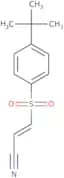
CAS:Bay 11-7085 is a synthetic chemical inhibitor that is utilized in scientific research. It is derived from a class of bioactive molecules designed to interfere with specific cellular pathways. Bay 11-7085 functions as a covalent inhibitor of the NF-κB signaling pathway, a critical regulator of immune response and cell survival. By targeting the phosphorylation of IκBα, Bay 11-7085 effectively prevents the translocation of NF-κB to the nucleus, thereby modulating gene expression and inhibiting downstream effects.Formula:C13H15NO2SPurity:Min. 95%Molecular weight:249.33 g/molCENPH antibody
The CENPH antibody is an acidic monoclonal antibody that specifically targets glial fibrillary acidic protein (GFAP). It is widely used in life sciences research to study the role of GFAP in various cellular processes. This antibody can be used for immunohistochemistry, immunofluorescence, and western blotting applications. It has high specificity and sensitivity, making it a valuable tool for studying the expression and localization of GFAP in different tissues and cell types. The CENPH antibody can also be used in studies related to insulin signaling, transferrin uptake, glucose-6-phosphate metabolism, collagen synthesis, and antiphospholipid antibodies. With its reliable performance and wide range of applications, this antibody is a must-have for researchers in the field of life sciences.Calsyntenin 1 antibody
Calsyntenin 1 antibody was raised using the N terminal of CLSTN1 corresponding to a region with amino acids KPWLEPTYHGIVTENDNTVLLDPPLIALDKDAPLRFAESFEVTVTKEGEI
Purity:Min. 95%TentaGel® Macrobead-NH2 Resin (Particle size: 200 - 250 µm)
TentaGel; is a gelatinous resin, an important support for solid phase synthesis. TentaGel; resins are constructed with a backbone of low crosslinked polystyrene grafted with polyoxyethylene (polyethylene glycol) as shown below. The typical chain length of POE (n) is approximately 68 ethylene oxide units or an average MW of 3000. This long chain creates a spacer that effectively separates the reactive site (X) from the crosslinked backbone matrix. particle size: 200 - 250 µmcapacity: 0.2 - 0.3 mmol/g1.5 nmol/bead; 160 000 beads/g.
These resins are designed for single bead synthesis and single bead analysis (mean particle size 200-250 µm: capacity 02-03 meq/g).Purity:Min. 95%VDAC2 antibody
The VDAC2 antibody is a highly specific monoclonal antibody that targets the voltage-dependent anion channel 2 (VDAC2). This antibody is widely used in the field of life sciences for various applications. It has been shown to be effective in detecting and quantifying VDAC2 protein levels in different samples, including cell lysates and tissues.
VEGI Human
VEGI Human is a cytokine that belongs to the group of proteins. Cytokines are small proteins that act as chemical messengers and regulators in the immune system. They are involved in the regulation of immune responses, including induction, activation, and suppression. VEGI Human is a cytokine that regulates the production of other cytokines. VEGI Human has been shown to have anti-inflammatory properties and can be used for the treatment of inflammation-related diseases such as asthma and arthritis.Purity:Min. 95%Brain Natriuretic Peptide(BNP,Porcine,1-26) Antiserum
Brain Natriuretic Peptide is a peptide that belongs to the family of atrial natriuretic peptides. It is primarily secreted by the ventricles in response to high blood pressure, and also acts as an endogenous ligand for the G-protein coupled receptor NPR1. Brain Natriuretic Peptide has been shown to be an activator of ion channels and receptors that are implicated in cell biology, such as potassium channels. Brain Natriuretic Peptide also has been shown to inhibit the effects of peptides such as angiotensin II, which may be due to its ability to inhibit the binding of angiotensin II to its receptor.Purity:Min. 95%Doublecortin antibody
The Doublecortin antibody is a monoclonal antibody that targets the protein doublecortin, which is involved in the development of nerve cells. This antibody has been widely used in neuroscience research to study neurogenesis and neuronal migration. It has also been used to detect doublecortin expression in various tissues, including brain tissue and tumor samples. The Doublecortin antibody is available in both monoclonal and polyclonal forms, allowing researchers to choose the best option for their specific experiments. With its high specificity and sensitivity, this antibody is an essential tool for investigating the role of doublecortin in various biological processes.
Purity:Min. 95%CDK5RAP1 antibody
CDK5RAP1 antibody was raised using the N terminal of CDK5RAP1 corresponding to a region with amino acids MMDELLGRQRKVYLETYGCQMNVNDTEIAWSILQKSGYLRTSNLQEADVIPurity:Min. 95%G907
CAS:G907 is an anticancer drug that targets specific proteins involved in cell cycle regulation and tumor growth. It acts as a potent kinase inhibitor, blocking the activity of enzymes that promote cancer cell proliferation. G907 has been shown to be effective against various types of cancers including leukemia and solid tumors. This medicinal compound is derived from Chinese herbal medicine and has shown promising results in inducing apoptosis, or programmed cell death, in cancer cells. G907 is excreted through urine and has minimal side effects compared to traditional chemotherapy drugs. Its unique mechanism of action makes it a promising candidate for future cancer therapies.Formula:C26H24ClNO3Purity:Min. 95%Molecular weight:433.9 g/molGJA1 antibody
GJA1 antibody was raised using the N terminal of GJA1 corresponding to a region with amino acids LYLAHVFYVMRKEEKLNKKEEELKVAQTDGVNVDMHLKQIEIKKFKYGIEPurity:Min. 95%GoSlo SR 5-69
CAS:GoSlo SR 5-69 is a linker that binds to the ATP site of the bacterial enzyme. It is expressed in tissues and can be used as an experimental tool for studying the role of contractility and regulatory proteins in bladder function. GoSlo SR 5-69 has been shown to increase bladder contractility, which may be due to its inhibition of spontaneous release of Ca2+ from intracellular stores, activation of specific receptors, or alteration of cell surface ion channels.
Formula:C24H19N2NaO5SPurity:Min. 95%Molecular weight:470.47 g/molPeptide T
Peptide T is a macrophage-activating peptide that has been shown to be effective in treating AIDS-related immunodeficiency. It interacts with the specific target on human macrophages, causing them to proliferate and secrete cytokines. This peptide is effective in humans and has not been found to cause any adverse side effects. It also increases the number of blood lymphocytes in immunocompetent individuals, indicating its safety as a treatment for AIDS-related immunodeficiency.Formula:C35H55N9O16•4H2OPurity:Min. 95%Molecular weight:929.92 g/molHomoglutathione H-Glu(Cys-b-Ala-OH)-OH
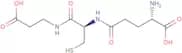
CAS:Homoglutathione is a glutathione analog that contains an extra b-alanine residue. Homoglutathione has been shown to be a potent inhibitor of fatty acid synthesis. It inhibits the activity of the enzyme, acetyl-CoA carboxylase, which catalyzes the conversion of acetyl-CoA to malonyl-CoA. Homoglutathione also binds to and inhibits cytoplasmic proteins, such as glutamine synthetase and glutamate synthase. The binding of homoglutathione to these proteins prevents the formation of the active site by preventing the hydrogen bonding between amino acid residues. This process is important in energy metabolism because it regulates the production of ATP from ADP and phosphate.Formula:C11H19N3O6SPurity:Min. 95%Color and Shape:PowderMolecular weight:321.35 g/molFlurpiridaz F18
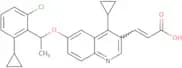
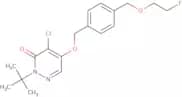
CAS:Flurpiridaz F18 is a diagnostic agent that binds to the fatty acid transporter protein in the liver and has been shown to be effective in diagnosing hepatic steatosis. Flurpiridaz F18 is a positron emission tomography (PET) imaging agent that can be used for cardiac, atrial, and ventricular myocardium angiography. It is also a PET imaging agent that can be used for brain function studies. The uptake of Flurpiridaz F18 in the body depends on the body mass index and logistic regression analysis has been used to predict the uptake of this drug from an individual's body mass index.Formula:C18H22ClFN2O3Purity:Min. 95%Molecular weight:367.8 g/molSuc-Ala-Glu-AMC
Suc-Ala-Glu-AMC is a synthetic molecule that is used as a research tool to study protein interactions, ion channels, and other cell biology. Suc-Ala-Glu-AMC binds to specific receptors and activates them. This compound can also be used to isolate ligand/receptor complexes. Suc-Ala-Glu-AMC is a high purity compound with an analytical purity of 98%. It has been shown in pharmacological studies to inhibit the activity of peptides such as vasopressin and oxytocin at the receptor level.Formula:C22H25N3O9Purity:Min. 95%Molecular weight:475.45 g/molAnti TNF-α (Rat) Serum Host Goat
Anti TNF-Alpha (Rat) Serum Host Goat is a research tool that is used to inhibit the production of tumor necrosis factor-α (TNF-α). It is an antibody that binds to TNF-α and prevents it from binding to its receptor. Anti TNF-Alpha (Rat) Serum Host Goat has been shown to inhibit the production of TNF-α in vitro, but not in vivo. This serum can be used as a control for other antibodies that are inhibiting the production of TNF-α.Purity:Min. 95%TRIM56 antibody
TRIM56 antibody was raised in rabbit using the middle region of TRIM56 as the immunogenPurity:Min. 95%PGD-M
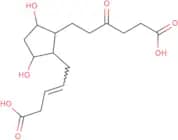
CAS:PGD-M is an analog of menthol that acts as a potent inhibitor of kinases. It has been shown to be effective in inhibiting the growth and proliferation of tumor cells, including those derived from Chinese hamster ovary cells. PGD-M targets specific kinases involved in cancer cell survival and apoptosis, making it a promising candidate for anticancer therapy. In addition, PGD-M has been shown to have a synergistic effect when combined with other kinase inhibitors such as tyrosine kinase inhibitors or tylosin. This compound has demonstrated significant anti-tumor activity in preclinical studies, making it a potential candidate for future cancer therapies.Formula:C16H24O7Purity:Min. 95%Molecular weight:328.36 g/molTentaGel® B NH2 / Boc Resin (130 um)
TentaGel B resins represent a line of bifunctional resins that are useful for orthogonal synthesis. TentaGel is a gelatinous resin, an important support for solid phase synthesis. TentaGel resins are constructed with a backbone of low crosslinked polystyrene grafted with polyoxyethylene (polyethylene glycol). The typical chain length of POE (n) is approximately 68 ethylene oxide units or an average MW of 3000. This long chain creates a spacer that effectively separates the reactive site (X) from the crosslinked backbone matrix. Particle size 130 µm; capacity: 02-03 meq/g Inside: NH2 Outside: BocPurity:Min. 95%THC antibody
THC antibody was raised in mouse using Tetrahydrocannabinol (THC)-BSA as the immunogen.Purity:>95% By Sds-PageKI696
CAS:KI696 is a low expression mutant of epidermal growth factor (EGF) which has been shown to be active in the treatment of radiation-induced skin damage. KI696 was found to inhibit ferroptosis, a type of programmed cell death, and increase aerobic glycolysis. It also increased iron homeostasis and growth factor response pathways, which may have therapeutic benefits for cancer.Formula:C28H30N4O6SPurity:Min. 95%Molecular weight:550.6 g/molPutative orf1ab Polyprotein (3233-3247) [SARS Coronavirus]
Putative orf1ab Polyprotein (3233-3247) [SARS Coronavirus] is a high purity, recombinant protein that can be used as a research tool in cell biology, receptor pharmacology and biochemistry. It can also be used as an antibody to detect the presence of SARS coronavirus in cells. Putative orf1ab Polyprotein (3233-3247) [SARS Coronavirus] is an inhibitor of ion channels and ligand for receptor.
Purity:Min. 95%N-(3-Chloropyridin-2-yl)-N-[(3R)-piperidin-3-yl]-4-(triazolo[4,5-b]pyridin-3-yl)benzamide
CAS:N-(3-Chloropyridin-2-yl)-N-[(3R)-piperidin-3-yl]-4-(triazolo[4,5-b]pyridin-3-yl)benzamide is a chemical compound. It blocks the toll-like receptor 4 (TLR4) and nuclear factor kappa B (NFκB), which are signaling pathways in the immune system that are activated by bacteria and viruses. These pathways play an important role in the development of malperfusion, placental dysfunction, and myocardial infarction. N-(3-Chloropyridin-2-yl)-N-[(3R)-piperidin-3-yl]-4-(triazolo[4,5-b]pyridin-3-yl)benzamide has been shown to be effective against oxidative injury in liver cells and thermal expansion in animal models. ThisFormula:C22H20ClN7OPurity:Min. 95%Molecular weight:433.9 g/molTCN 238
CAS:Allosteric modulator of metabotropic glutamate receptor (mGluR4)Formula:C12H11N3Purity:Min. 95%Color and Shape:White SolidMolecular weight:197.24 g/molAnti Met-Enkephalin-Arg6-Gly7-Leu8 Serum
Anti Met-Enkephalin-Arg6-Gly7-Leu8 Serum is a research tool for the study of ion channels, ligands and receptors. Anti Met-Enkephalin-Arg6-Gly7-Leu8 Serum blocks the binding of peptides to receptors and can be used to determine the specificity of receptor binding. Anti Met-Enkephalin-Arg6-Gly7-Leu8 Serum is also a useful reagent in cell biology, as it can be used to block peptide interactions with proteins such as ion channels or membrane receptors. The antibody has been shown to inhibit the activity of the enzyme tyrosine phosphatase, which regulates cellular growth and differentiation.Purity:Min. 95%PDLIM2 antibody
The PDLIM2 antibody is a powerful tool in the field of life sciences. This monoclonal antibody targets PDLIM2, a protein that plays a crucial role in various cellular processes. It has been observed that low levels of PDLIM2 are associated with dopamine dysregulation and may contribute to certain neurological disorders.WM-3835
CAS:WM-3835 is a peptide derived from the sequence of the human calcitonin gene. It has been shown to inhibit the binding of calcitonin to its receptor and is used as a research tool. This peptide can be used in conjunction with antibodies to identify receptors or ligands. WM-3835 is available at high purity, in quantities that are sufficient for use in research studies.
Formula:C20H17FN2O4SPurity:Min. 95%Molecular weight:400.4 g/molMK-2206
CAS:MK-2206 is a peptide that acts as an inhibitor of the potassium ion channel Kv1.1. It binds to the extracellular domain of this channel and blocks the flow of potassium ions through it. MK-2206 has been shown to inhibit other channels, such as KCNQ2/3, which are important for neuronal function and thus may be useful in the treatment of epilepsy. This drug also inhibits protein interactions with its high purity and low background interference.
Formula:C25H21N5OPurity:Min. 95%Molecular weight:407.5 g/molSTK16 Blocking Peptide
A synthetic peptide for use as a blocking control in assays to test for specificity of STK16 antibody, catalog no. 70R-3483Purity:Min. 95%Apolipoprotein E C-term Heavy Tryptic Peptide Standard (4nmol)
An apolipoprotein E C-term heavy tryptic peptide standard for use in protein identification and quantitation studies. As part of a fat-binding protein family, apolipoprotein E plays a role in the metabolism of fats in the body through interacting with the low density lipoprotein receptor, which is involved in the catabolism of triglyceride rich lipoproteins. Apolipoprotein E is also a major component in cholesterol metabolism and is a carrier of cholesterol in the brain. Additionally when forming a complex with C1q, apolipoprotein E is an inhibitor of the classical complement pathway. The N and C terminal regions of apolipoprotein are connected by a hinge region and the C-terminal region is a hydrophobic surface made up of three alpha helices and a low density lipoprotein receptor binding site.Purity:Min. 95%L-902688, 5mg/ml in methanol
CAS:L-902688 is a medicinal compound that belongs to the class of kinase analog inhibitors. It has been shown to be effective in inhibiting cell cycle progression and inducing apoptosis in human cancer cells. L-902688 targets specific proteins involved in the regulation of the cell cycle, making it a promising candidate for the treatment of various types of tumors and leukemia. In preclinical studies, L-902688 has demonstrated potent antitumor activity against a variety of cancer cell lines, making it an attractive option for further development as a potential cancer therapy. Its ability to specifically target cancer cells without affecting healthy cells makes it an exciting prospect for future research in the field of oncology.Formula:C21H27F2N5O2Purity:Min. 95%Molecular weight:419.5 g/molCD19 antibody (Spectral Red)
CD19 antibody (Spectral Red) was raised in rat using murine CD19-expressing K562 human erythroleukemia cells as the immunogen.Purity:Min. 95%BIRC3 antibody
The BIRC3 antibody is a growth factor that belongs to the family of antibodies. It has been shown to be effective in human serum, specifically targeting alpha-fetoprotein and anti-mesothelin. This antibody can also bind to nuclear proteins and activate specific pathways related to cell growth and survival. The BIRC3 antibody is a monoclonal antibody, meaning it is highly specific and targeted. It has been used in various life sciences applications, including the study of fibrinogen, chemokines, and the neutralization of CD33 antibodies. Its versatility and effectiveness make it a valuable tool for researchers in the field.Flucloxacillin penilloic acid
CAS:Flucloxacillin penilloic acid is an analog of the antibiotic flucloxacillin that has been shown to have anticancer properties. It induces apoptosis in cancer cells and inhibits tumor growth in Chinese hamsters. Flucloxacillin penilloic acid acts as a protein kinase inhibitor, blocking the activity of kinases involved in cell division and proliferation. This compound also inhibits the activity of oseltamivir, an antiviral drug used to treat influenza. Flucloxacillin penilloic acid is excreted primarily in urine and has been found to be effective against a wide range of bacterial infections.Formula:C6H5N3Purity:Min. 95%Molecular weight:119.12 g/molPINX1 protein (His tag)
1-328 amino acids: MGSSHHHHHH SSGLVPRGSH MSMLAERRRK QKWAVDPQNT AWSNDDSKFG QRMLEKMGWS KGKGLGAQEH GATDHIKVQV KNNHLGLGAT INNEDNWIAH QDDFNQLLAE LNTCHGQETT DSSDKKEKKS FSLEEKSKIS KNRVHYMKFT KGKDLSSRSK TDLDCIFGKR QSKKTPEGDA SPSTPEENET TTTSAFTIQE YFAKRMAALK NKPQVPVPGS DISETQVERK RGKKINKEAT GKDVESYLQP KAKRHTEGKP ERAEAQERVA KKKSAPAEEQ LRGPCWDQSS KASAQDAGDH VQPPEGRDFT LKPKKRRGKK KLQKPVEIAE DATLEETLVK KKKKKDSKPurity:Min. 95%CD62L antibody (Spectral Red)
CD62L antibody (Spectral Red) was raised in rat using C3H/eb cloned murine B lymphoma 38C-13 as the immunogen.Purity:Min. 95%Ceruloplasmin human
CAS:Ceruloplasmin is a ferroxidase that is found in the human body. It plays an important role in iron homeostasis and has been shown to be involved in the molecular pathogenesis of diabetes mellitus type 2. Ceruloplasmin also has a protective effect on probiotic bacteria and has been shown to inhibit bacterial growth. Ceruloplasmin binds to bacterioferritin, which can reduce the toxicity of nitric oxide radicals. The protein's biological properties have been studied using x-ray crystal structures and titration calorimetry methods. Ceruloplasmin is found at physiological levels in human serum, but may not be detectable in people with hepatic steatosis or other liver diseases.Purity:Min. 95%Thalidomide, propargyl
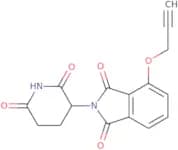
CAS:Thalidomide, propargyl is a derivative of the drug thalidomide, which is a synthetic immunomodulatory compound originally developed for its sedative and antiemetic properties. This molecule is sourced from chemical modifications of thalidomide, incorporating a propargyl group to enhance its biological activity profile. Its mode of action involves the modulation of immune responses, inhibition of angiogenesis, and possibly the epigenetic regulation of target genes. Thalidomide, propargyl exhibits potential applications in cancer therapy, owing to its ability to impact tumor microenvironments, specifically by inhibiting the formation of new blood vessels that are essential for tumor growth and survival. It serves as a significant focus in medicinal chemistry for the development of novel therapeutic agents aimed at combating malignancies and providing insights into the mechanisms of action of thalidomide analogs.
Formula:C16H12N2O5Purity:Min. 95%Molecular weight:312.28 g/molCD8a antibody (PE-Texas Red)
CD8a antibody (PE-CY5.5) was raised in rat using murine thymus or spleen as the immunogen.Purity:Min. 95%18:1 Pyrene pe
CAS:Pyrene-18 is a fluorine-18 labeled compound that is used as a research tool in cell biology, pharmacology, and ion channel research. It is an inhibitor of ligand-gated ion channels and voltage-gated ion channels, which are important for the propagation of excitatory or inhibitory signals in neurons. Pyrene-18 has been shown to bind to receptors such as acetylcholine receptors and nicotinic acetylcholine receptors. The binding affinity of pyrene-18 for these receptors has been shown to be higher than that of other ligands.
Formula:C57H89N2O10PSPurity:Min. 95%Molecular weight:1,025.36 g/molEpipolygodial
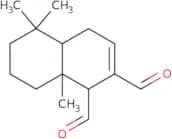
CAS:Epipolygodial is a potent anticancer agent that has been shown to induce apoptosis in cancer cells. It is a natural compound found in the urine of mammals and is structurally similar to capsaicin, the active component of chili peppers. Epipolygodial has been shown to be a potent inhibitor of protein kinases, which are enzymes that play a critical role in the development and progression of cancer. This compound has been tested against various types of tumors, including human and Chinese hamster ovary cell lines, and has demonstrated significant inhibitory effects on tumor growth. Epipolygodial is an important analog for developing new cancer therapies due to its ability to selectively target cancer cells while leaving normal cells unharmed.Formula:C15H22O2Purity:Min. 95%Molecular weight:234.33 g/molRapastinel trifluoroacetate
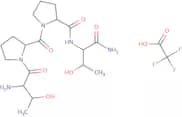
CAS:Rapastinel is a peptide drug for the treatment of major depressive disorder. Rapastinel binds to the NMDA receptor and blocks the binding of glutamate to this receptor, thereby inhibiting its activity. Rapastinel has been shown to be an antagonist at the NMDA receptor and an agonist at the glycine site on the NR1 subunit of this receptor. It also inhibits neurotransmitter release by blocking presynaptic voltage-gated calcium channels and increasing inhibitory GABAergic transmission in the brain. Rapastinel is soluble in water and has a purity of >99% as determined by HPLC analysis.Formula:C20H32F3N5O8Purity:Min. 95%Molecular weight:527.5 g/molCD103 antibody (PE)
CD103 antibody (PE) was raised in hamster using murine CD103 as the immunogen.Purity:Min. 95%












![Putative orf1ab Polyprotein (3233-3247) [SARS Coronavirus]](/_next/image/?url=https%3A%2Fstatic.cymitquimica.com%2Fproducts%2F3D%2Fthumb-webp%2FBP12-331.webp&w=3840&q=75)
![N-(3-Chloropyridin-2-yl)-N-[(3R)-piperidin-3-yl]-4-(triazolo[4,5-b]pyridin-3-yl)benzamide](/_next/image/?url=https%3A%2Fstatic.cymitquimica.com%2Fproducts%2F3D%2Fthumb-webp%2FHQC25049.webp&w=3840&q=75)