Biochemicals and Reagents
Subcategories of "Biochemicals and Reagents"
- Biomolecules(98,575 products)
- By Biological Target(100,710 products)
- By Pharmacological Effects(6,937 products)
- Cryopreservatives(21 products)
- Desinfectants and Related Compounds(28 products)
- Hormones(421 products)
- Plant Biology(6,907 products)
- Secondary Metabolites(14,367 products)
Found 130493 products of "Biochemicals and Reagents"
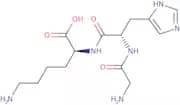
Glycyl-L-histidyl-L-lysine
CAS:Copper-binding growth factor
Formula:C14H24N6O4Purity:Min. 95%Color and Shape:PowderMolecular weight:340.38 g/molAc-DWSSWVYRDPQT-NH2
Peptide Ac-DWSSWVYRDPQT-NH2 is a Research Peptide with significant interest within the field academic and medical research. This peptide is available for purchase at Cymit Quimica in multiple sizes and with a specification of your choice.
Ac-KGHDGLYQGLSTATK-NH2
Ac-KGHDGLYQGLSTATK-NH2 is a custom peptide that can be synthesized rapidly by our peptide experts in under 2 weeks. Ac-KGHDGLYQGLSTATK-NH2 is provided at greater that >95% purity (HPLC) from Cymit Quimica for a variety of research applications. We also offer Ac-KGHDGLYQGLSTATK-NH2 in bulk quantities in addition to our standard pack sizes.Please enquire for more information about Ac-KGHDGLYQGLSTATK-NH2 at the technical inquiry form on this page
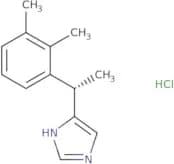
Purity:Min. 95%Dexmedetomidine hydrochloride - Bio-X ™
CAS:Controlled ProductThis product is part of our Bio-X ™ Range. These products are aimed at life science researchers who need high quality ready-to-use products for assay development, screening or other R&D work. With a solubility datasheet and convenient vials, all of our Bio-X ™ products are in stock across our global warehouses for rapid delivery and ease of use.Formula:C13H16N2•HClPurity:Min. 95%Color and Shape:PowderMolecular weight:236.74 g/molHIV-RT protein
The HIV-RT protein is a natriuretic growth factor that belongs to the group of Recombinant Proteins & Antigens. It plays a crucial role in glycosylation and the production of autoantibodies. The protein also acts as a phosphatase, regulating various cellular processes. Additionally, it has been found to interact with fibrinogen, steroids, isothiocyanates, monoclonal antibodies, fatty acids, histidine, dopamine, and inhibitors. Its diverse functions make it an essential component in many biological processes.Purity:Min. 95%Ac-SYSMEHARWGKPV-NH2
Ac-SYSMEHARWGKPV-NH2 is a custom peptide that can be synthesized rapidly by our peptide experts in under 2 weeks. Ac-SYSMEHARWGKPV-NH2 is provided at greater that >95% purity (HPLC) from Cymit Quimica for a variety of research applications. We also offer Ac-SYSMEHARWGKPV-NH2 in bulk quantities in addition to our standard pack sizes.Please enquire for more information about Ac-SYSMEHARWGKPV-NH2 at the technical inquiry form on this page
Purity:Min. 95%H-APETEPFLR-OH
H-APETEPFLR-OH is a custom peptide that can be synthesized rapidly by our peptide experts in under 2 weeks. H-APETEPFLR-OH is provided at greater that >95% purity (HPLC) from Cymit Quimica for a variety of research applications. We also offer H-APETEPFLR-OH in bulk quantities in addition to our standard pack sizes.Please enquire for more information about H-APETEPFLR-OH at the technical inquiry form on this page
Purity:Min. 95%OVA-A2 Peptide, SAINFEKL, OVA (257-264) Variant
Custom research peptide; min purity 95%. For different specs please use the Peptide Quote Tool
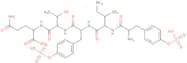
Formula:C42H68N10O13Molecular weight:921.1 g/molPhytosulfokine-α
CAS:Phytosulfokine (PSK) was introduced in 1996 by Matsubayashi and Sakagami of Nagoya University. It is the world's first peptide phytohormone to be isolated from asparagus culture medium. Tyr undergoes post-translational sulfation modification, which is essential for bioactivity. As an example of oxidative peptides showing bioactivity, in animals, CCK-octapeptide (26-33) (sulfated form), PCK-4100-V, CCK-33 (Human), PCK-4201-S and CCK-33 (Porcine), PCK-4176-S are known, but they were first found in plants. The functions of phytosulfokine are i) plant cell proliferation and differentiation activity acting at nanomolar concentrations ii) chlorophyll synthesis-promoting activityiii) formation of adventitious roots and buds iv) adventitious embryogenesisv) involvement in disease resistance The active expression of these PSKs is accompanied by membrane-bound LRR receptors, which are PSK receptors. Leucine-rich repeat receptor-like kinase is involved.
Formula:C33H46N6O16S2Purity:Min. 95%Molecular weight:846.88 g/molH-VFLENVIR^-OH
Peptide H-VFLENVIR^-OH is a Research Peptide with significant interest within the field academic and medical research. This peptide is available for purchase at Cymit Quimica in multiple sizes and with a specification of your choice.
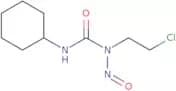
Lomustine - Bio-X ™
CAS:Lomustine is an alkylating agent that is used as chemotherapy for treating metastatic brain tumors and relapsed Hodgkin’s disease in combination with radiation treatments. This drug causes alkylation and cross-linking of DNA, thus inducing cytotoxicity. Furthermore, this drug inhibits DNA synthesis.
Formula:C9H16ClN3O2Purity:Min. 95%Color and Shape:PowderMolecular weight:233.7 g/molGoat anti Rabbit IgG
Goat anti rabbit IgG was raised in goat using highly purified rabbit IgG as the immunogen.Purity:Min. 95%H-EAVEIVSEVLK-OH
H-EAVEIVSEVLK-OH is a custom peptide that can be synthesized rapidly by our peptide experts in under 2 weeks. H-EAVEIVSEVLK-OH is provided at greater that >95% purity (HPLC) from Cymit Quimica for a variety of research applications. We also offer H-EAVEIVSEVLK-OH in bulk quantities in addition to our standard pack sizes.Please enquire for more information about H-EAVEIVSEVLK-OH at the technical inquiry form on this page
Purity:Min. 95%BCL-6 corepressor Human (BCOR) (498-514) C-terminal Biotin
Fragment 498-514 of the BCL6-interacting co-repressor (BCoR) C-terminally labelled with biotin.Color and Shape:PowderMolecular weight:2,051.37 g/molH-DQRVVNGGVPWPSPCPSPSS-OH
H-DQRVVNGGVPWPSPCPSPSS-OH is a custom peptide that can be synthesized rapidly by our peptide experts in under 2 weeks. H-DQRVVNGGVPWPSPCPSPSS-OH is provided at greater that >95% purity (HPLC) from Cymit Quimica for a variety of research applications. We also offer H-DQRVVNGGVPWPSPCPSPSS-OH in bulk quantities in addition to our standard pack sizes.Please enquire for more information about H-DQRVVNGGVPWPSPCPSPSS-OH at the technical inquiry form on this page
Purity:Min. 95%THC antibody
The THC antibody is a specific antibody that is used in the field of Life Sciences. It is designed to target and bind to β-catenin, a protein involved in various cellular processes. This antibody can be used in research settings to study the role of β-catenin in different biological pathways.H-LPVLFAIDR-OH
H-LPVLFAIDR-OH is a custom peptide that can be synthesized rapidly by our peptide experts in under 2 weeks. H-LPVLFAIDR-OH is provided at greater that >95% purity (HPLC) from Cymit Quimica for a variety of research applications. We also offer H-LPVLFAIDR-OH in bulk quantities in addition to our standard pack sizes.Please enquire for more information about H-LPVLFAIDR-OH at the technical inquiry form on this page
Purity:Min. 95%AFP antibody (HRP)
AFP antibody (HRP) was raised in mouse using human AFP from umbilical cord serum as the immunogen.IGF-1, Recombinant
IGF-1, Recombinant is a life science tool for use in IVD applications. Please enquire for more information about IGF-1, Recombinant including the price, delivery time and more detailed product information at the technical inquiry form on this page.Purity:>98% By Sds-Page.H-LNDPLCLVHPSS-OH
H-LNDPLCLVHPSS-OH is a custom peptide that can be synthesized rapidly by our peptide experts in under 2 weeks. H-LNDPLCLVHPSS-OH is provided at greater that >98% purity (HPLC) from Cymit Quimica for a variety of research applications. We also offer H-LNDPLCLVHPSS-OH in bulk quantities in addition to our standard pack sizes.Please enquire for more information about H-LNDPLCLVHPSS-OH at the technical inquiry form on this page
Purity:Min. 95%H-ENGYVTMSVGK-OH
H-ENGYVTMSVGK-OH is a custom peptide that can be synthesized rapidly by our peptide experts in under 2 weeks. H-ENGYVTMSVGK-OH is provided at greater that >95% purity (HPLC) from Cymit Quimica for a variety of research applications. We also offer H-ENGYVTMSVGK-OH in bulk quantities in addition to our standard pack sizes.Please enquire for more information about H-ENGYVTMSVGK-OH at the technical inquiry form on this page
Purity:Min. 95%SSG tripeptide
SSG-acid tripeptide consists of two serines and one glycine residue, this was synthesised from the dipeptide L-Seryl-L-glycine- the dipeptide SG-acid is also available in our catalogue. SSG-acid has a net charge of 0, it can act as a Bronsted base by accepting a hydron from a donor thus giving it diverse biological and chemical uses.Glycosylated SSG tripeptide was found to act as a competitive ATPase inhibitor produced by the fungal pathogen Mycosphaerella pinodes, named Supprescin A.Molecular weight:249.1 g/mol[5-FAM]-MAP
Amphipathic alpha-helical cationic antimicrobial peptides (AMPs) are rapidly bactericidal and have broad spectrum activity. As AMPs have non-specific modes of action involving membrane disruption, bacteria are less likely to develop resistance to them (unlike traditional antibiotics). KLAL is a model compound to form amphipathic helices that are able to bind to membranes and increase the membrane permeability. KLAL model peptides may also form a β-structure under appropriate conditions. Peptide is labelled with an N-terminal 5-carboxyfluorescein (5-FAM), a widely used green fluorescent tag.
Molecular weight:2,234.76 g/molH-LPLLNATIAEVLR-OH
H-LPLLNATIAEVLR-OH is a custom peptide that can be synthesized rapidly by our peptide experts in under 2 weeks. H-LPLLNATIAEVLR-OH is provided at greater that >95% purity (HPLC) from Cymit Quimica for a variety of research applications. We also offer H-LPLLNATIAEVLR-OH in bulk quantities in addition to our standard pack sizes.Please enquire for more information about H-LPLLNATIAEVLR-OH at the technical inquiry form on this page
Purity:Min. 95%Ara h 6 (120-131) peanut Allergen
Ara h 6 is one of the major allergenic proteins from peanut (Arachis hypogaea) which contains approximately 13 potential allergenic proteins. Ara h 6 is a member of the 2S albumins (conglutinins) belonging to the prolamin superfamily which also includes Ara h 2. 2S albumins contain major food allergens from seeds of many mono- and dicotyledon plants and share a common compact structure that renders the proteins highly resistant to proteolysis.Ara h 6 contains multiple disulphide-bridged cysteine residues, resulting in a tightly coiled, heat-stable, protease resistant core structure that may be important for allergenicity. In mouse models Ara h 2 and Ara h 6 are the main cause of effector responses such as mast cell degranulation and anaphylaxis.This peptide represents a tryptic peptide of Ara h 6. The phenylalanine residue at position 11 of this peptide is isotopically labelled with carbon-13 (9) and nitrogen-15 (1), giving this peptide a mass increase of 10 compared to the unlabelled peptide.Color and Shape:PowderMolecular weight:1,491.7 g/molMycoplasma pneumoniae antibody
Mycoplasma pneumoniae antibody was raised in rabbit using purified Mycoplasma pneumoniae as the immunogen.Purity:Min. 95%Angiotensin II dual heavy
Angiotensin II (Ang-II) is a key signalling peptide of the renin angiotensin system (RAS). The RAS is involved in regulating functions such as blood pressure, cardiovascular function and energy balance. RAS activity is elevated in obesity is widely studied in relation to lifestyle-related diseases.Ang-II is produced from angiotensinogen (AGT) via the intermediate angiotensin I (Ang-I). AGTis cleaved by the aspartyl-protease, renin, to produce Ang-I, which is then cleaved by the dicarboxyl-peptidase angiotensin converting enzyme (ACE), which removes a histidine and a leucine, from the C-terminus of Ang-I to form Ang-II.Ang-II exerts its affect by binding to the G-protein-coupled receptors- Ang-II type 1 (AT1) and Ang-II type 2 (AT2) receptors. Ang-II plays central roles in glucose metabolism and blood pressure. Increased levels of Ang-II have also been associated with Alzheimer's disease, and certain cancers including oesophageal squamous cell carcinoma (ESCC), brain cancers and breast cancer. The effects of Ang-II appear to be supressed by another branch of the RAS- the ACE2/Ang-(1-7)/Mas pathway.The valine residue at position 3 and the isoleucine residue at position 5 of this peptide are isotopically labelled with carbon-13 (11) and nitrogen-15 (2), giving this peptide a mass increase of 13 compared to the unlabelled peptide.Purity:Min. 95%Color and Shape:PowderMolecular weight:1,058.5 g/molC.I.Disperse Orange 31
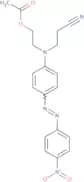
CAS:C.I. Disperse Orange 31 is a dye that inhibits the growth of bacteria by binding to the cellulose acetate in the cell wall. Alcohol residue and deionized water have been shown to have an inhibitory effect on the dye's binding capacity. The molecular modelling of this compound has revealed that it is a monomer with two dyestuffs, amines, and a phenolic group. It is resistant to cleavage by brazilin and resistant to uptake by bacteria. DISPERSE ORANGE 31 is an organic dyestuff widely used in industrial dyes, textiles, plastics, paper processing chemicals, etc. It belongs to the group of hydroxyphenylazo compounds and its molecular formula is C16H12N2O4S2Na2O3-HCl. This product can be used as an antibacterial agent for industrial or residential applications because it has strong inhibitory effect on bacterial growth due to its high solubility andPurity:Min. 95%[5-FAM] Antennapedia peptide amide
Identification of cell penetrating conjugates has aided numerous areas of scientific development. The Drosophila transcription factor Antennapedia contains a homeodomain that can be internalised by cells to the cytoplasm and to the nucleus in a receptor-independent mechanism. The key residues for internalisation have been sequenced (RQIKIWFQNRRMKWKK), named penetratin, and used in several studies to aid entry of fusion proteins into cells.The full 60 amino acid homeodomain was fused to a T cell epitope of the influenza nucleoprotein and successfully internalised into T cells for presentation. The fragment known as penetratin was fused to a ligand for Grb-2 resulting in inhibition of downstream Grb-2 signalling events. Penetratin has also been used in vivo to prime cytotoxic T lymphocytes by conjugating short antigenic peptides to the CPP. Penetratin is provided here as a C-terminal amide with a C-terminal 5-carboxyfluorescein (5-FAM), a widely used green fluorescent tag often preferred over FITC due to its high stability- absorbance 492 (nm), 518 emission (nm).Molecular weight:2,604.04 g/molNT-proBNP protein
NT-proBNP protein is a vital component in the field of Life Sciences. It is an activated protein that is commonly used in research and diagnostic applications. NT-proBNP can be detected using both monoclonal and polyclonal antibodies, making it a versatile tool for scientists. This protein is often used as a growth factor in cell culture experiments, stimulating cellular proliferation and differentiation. Additionally, NT-proBNP has been found to be associated with certain autoimmune conditions, leading to the production of autoantibodies. Its ability to bind to globulin receptors on cells can also make it cytotoxic in certain circumstances.Purity:>85% By Sds-PageLypressin
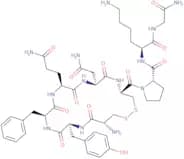
CAS:Lypressin is a synthetic nonapeptide that functions as an analog of the natural hormone vasopressin, which is endogenously produced in the posterior pituitary gland. Its primary mode of action involves binding to vasopressin receptors in the renal collecting ducts, where it promotes water reabsorption, thereby exhibiting antidiuretic effects. Additionally, Lypressin has some vasopressor activity, though it is less potent in this regard compared to natural vasopressin.Formula:C46H65N13O12S2Purity:Min. 95%Color and Shape:PowderMolecular weight:1,056.22 g/molRNase A (77-82) Amyloidogenic peptide
H-STMSIT-OH peptide, corresponding to RNase A 77-82 (Chain A of bovine pancreatic ribonuclease) has been published to have amyloidogenic properties, and under certain conditions H-STMSIT-OH hexapeptide forms amyloid fibrils. Please also see CRB1001321, which you can use as a negative control in amyloid formation experiments.Molecular weight:638.3 g/moltPA antibody
tPA antibody was raised in goat using single chain human TPA isolated from malignant melanoma (Bowes) cell culture as the immunogen.Purity:Min. 95%Insulin protein
Insulin protein is a vital hormone that plays a crucial role in regulating blood sugar levels. It is primarily produced by the pancreas and helps control glucose metabolism in the body. Insulin promotes the uptake of glucose into cells, where it can be used for energy or stored as glycogen. This protein also has other functions, such as promoting cell growth and differentiation. In addition to its role in glucose regulation, insulin has been found to have hepatocyte growth factor-like activity. This means that it can stimulate the growth and regeneration of liver cells. This property makes insulin an essential component in the treatment of liver diseases and injuries. Insulin protein is available in various forms, including recombinant proteins and monoclonal antibodies. These formulations ensure high purity and potency, making them ideal for research and therapeutic applications. When using insulin protein, it is important to consider factors such as storage conditions and excipients used in the formulation. Proper storage at low temperatures ensures stability and prolongs the shelf life of thisPurity:>99% By Hplc[5-FAM]-GLP-1 (7-36)
The native form of GLP-1 in humans is the GLP-1 (7-36) amide. GLP-1 (7-36) amide is highly unstable (half-life <-2 minutes) due to proteolytic degradation by the serine protease- dipeptidyl peptidase-IV (DPP-IV). DPP-IV cleaves the N-terminal histidine and alanine residues from GLP-1 to generate two equipotent forms: GLP-1 (9-37) and GLP-1 (9-36) amide. This degradation mitigates against the therapeutic use of GLP-1 itself, therefore DPP-IV-resistant peptide analogues have been developed and licensed for clinical useThis peptide contains N-terminal 5-Carboxyfluorescein (5-FAM), a widely used green fluorescent tag
Molecular weight:3,653.7 g/molMAGEA4 (230-239) Heavy
Melanoma-associated antigen As (MAGEA) are a large family of tumour-associated antigens and a subclass of the larger family of cancer testis antigens (CTAs). These proteins are tumour antigens expressed in a variety of malignant tumours including bladder, lung, skin and breast malignancies. In healthy tissue however their expression is restricted to germ cells of the testis, nervous system, foetal ovaries and placenta. In cancer cells, the MAGEA family proteins support growth, survival and metastasis, and contribute actively to malignancy. They are also involved in the regulation of the tumour suppressor protein p53 pathway and in regulating ubiquitin signalling in cancer cells. MAGEA expression is linked to poor prognosis in cancer patients. MAGEA subfamily proteins are recognized by cytotoxic T lymphocytes and evoke a strong T cell reactivity against autologous tumour cells in culture. The valine residue at position 10 of this peptide is isotopically labelled with carbon-13 (5) and nitrogen-15 (1), giving this peptide a mass increase of 6 compared to the unlabelled peptide.Purity:Min. 95%Color and Shape:PowderMolecular weight:1,137.5 g/molAlloferon 1
Alloferon 1, a member of the Alloferons is extracted from the blood of experimentally infected Callifora vicina fly and demonstrates both antimicrobial and anti-tumour activity . The Alloferons are bioactive, cationic peptides and exhibit the ability to stimulate Natural Killer cell activity and IFN synthesis. Due to studies investigating the effect Alloferon 1 would have on the central nervous system it was shown that Alloferon 1 had no toxic effects and therefore has the potential to be used as an anti-tumour therapeutic.Color and Shape:PowderMolecular weight:1,264.6 g/molMirtazapine - Bio-X ™
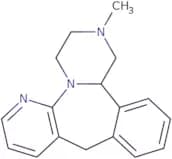
CAS:Controlled ProductMirtazapine is a potent and selective antagonist of the presynaptic α2-adrenergic receptors. It is an atypical tetracyclic antidepressant and is used primarily to treat depression. Mirtazapine inhibits the central presynaptic α2-adrenergic receptors, which causes an increased release of serotonin and norepinephrine.Formula:C17H19N3Purity:Min. 95%Color and Shape:PowderMolecular weight:265.35 g/molAcetyl-α-synuclein (1-13) Met1(O) Heavy
Acetylated α-synuclein (1-13) is derived from the alpha-synuclein intrinsically disordered protein which is found in the neurons and presynaptic terminals. Encoded by the SNCA1/PARK1 gene alpha-synclein is structurally composed of 140 amino acids, making up the three domains: N-terminal membrane binding domain, a hydrophobic non-amyloid-β component domain and a hydrophilic C-terminal domain. Usually alpha-synuclein plays a role in protecting neurons from apoptotic stimuli and is involved in synaptic vesical trafficking.However it has been found that the accumulation of alpha-synuclein aggregates can lead to neurodegenerative diseases such as Parkinson disease, dementia with Lewy bodies and multiple system atrophy. It is further involved in the fibrilisation of amyloid-b and tau which play a major role in Alzheimer disease. Amyloid fibrils are formed from alpha synuclein monomers within the cytosol and when bound to membranes these monomers can undergo conformational changes to form protofibrils and then ring like oligomers. This can result in the formation of transmembrane pores which disrupts the membrane, calcium homeostasis and signalling.Alpha-synuclein can be subjected to the post-translational modifications of phosphorylation and N-terminal acetylation. When acetylation occurs at the N-terminus of an alpha-synuclein monomer, the intramolecular hydrogen bonds are altered thus reducing the rate of alpha-synuclein aggregation and the strength at which it interacts with the membrane is increased.The methionine at position 1 is oxidised and the oxidation of methionine is common in neurodegenerative diseases and promotes the accumulation of altered α-synuclein. Furthermore when these methionine residues are oxidised, methionine sulfoxides are produced.The leucine residue at position 8 is isotopically labelled with carbon-13(6) and nitrogen-15(1).Purity:Min. 95%Molecular weight:1,546.8 g/molALW-II-41-27 - Bio-X ™
CAS:This product is part of our Bio-X ™ Range. These products are aimed at life science researchers who need high quality ready-to-use products for assay development, screening or other R&D work. With a solubility datasheet and convenient vials, all of our Bio-X ™ products are in stock across our global warehouses for rapid delivery and ease of use.Formula:C32H32F3N5O2SPurity:Min. 95%Color and Shape:PowderMolecular weight:607.69 g/molAbarelix acetate - Bio-X ™
CAS:This product is part of our Bio-X ™ Range. These products are aimed at life science researchers who need high quality ready-to-use products for assay development, screening or other R&D work. With a solubility datasheet and convenient vials, all of our Bio-X ™ products are in stock across our global warehouses for rapid delivery and ease of use.Formula:C72H95ClN14O14•(C2H4O2)xPurity:Min. 95%Color and Shape:PowderMolecular weight:1,416.06 g/molTraxoprodil - Bio-X ™
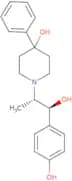
CAS:Controlled ProductThis product is part of our Bio-X ™ Range. These products are aimed at life science researchers who need high quality ready-to-use products for assay development, screening or other R&D work. With a solubility datasheet and convenient vials, all of our Bio-X ™ products are in stock across our global warehouses for rapid delivery and ease of use.Formula:C20H25NO3Purity:Min. 95%Color and Shape:PowderMolecular weight:327.42 g/molD-159687 - Bio-X ™
CAS:This product is part of our Bio-X ™ Range. These products are aimed at life science researchers who need high quality ready-to-use products for assay development, screening or other R&D work. With a solubility datasheet and convenient vials, all of our Bio-X ™ products are in stock across our global warehouses for rapid delivery and ease of use.Formula:C21H19ClN2O2Purity:Min. 95%Color and Shape:PowderMolecular weight:366.84 g/molGlatiramer acetate - Bio-X ™
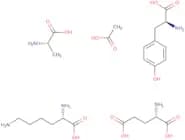
CAS:Controlled ProductThis product is part of our Bio-X ™ Range. These products are aimed at life science researchers who need high quality ready-to-use products for assay development, screening or other R&D work. With a solubility datasheet and convenient vials, all of our Bio-X ™ products are in stock across our global warehouses for rapid delivery and ease of use.Formula:(C9H11NO3•C6H14N2O2•C5H9NO4•C3H7NO2)x•XC2H4O2Purity:Min. 95%Color and Shape:Powder










![[5-FAM]-MAP](/_next/image/?url=https%3A%2Fstatic.cymitquimica.com%2Fproducts%2F3D%2Fthumb-webp%2FCRB1100286.webp&w=3840&q=75)



![[5-FAM] Antennapedia peptide amide](/_next/image/?url=https%3A%2Fstatic.cymitquimica.com%2Fproducts%2F3D%2Fthumb-webp%2FCRB1100181.webp&w=3840&q=75)



![[5-FAM]-GLP-1 (7-36)](/_next/image/?url=https%3A%2Fstatic.cymitquimica.com%2Fproducts%2F3D%2Fthumb-webp%2FCRB1100877.webp&w=3840&q=75)