Biochemicals and Reagents
Subcategories of "Biochemicals and Reagents"
- Biomolecules(98,757 products)
- By Biological Target(100,261 products)
- By Pharmacological Effects(6,822 products)
- Cryopreservatives(21 products)
- Desinfectants and Related Compounds(28 products)
- Hormones(356 products)
- Plant Biology(6,893 products)
- Secondary Metabolites(14,348 products)
Found 130132 products of "Biochemicals and Reagents"
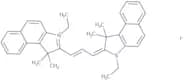
Cy3.5(di Et)
CAS:Please enquire for more information about Cy3.5(di Et) including the price, delivery time and more detailed product information at the technical inquiry form on this pageFormula:C35H37IN2Purity:Min. 95%Molecular weight:612.59 g/molLCBiot-KYEQYIKW-NH2
Peptide LCBiot-KYEQYIKW-NH2 is a Research Peptide with significant interest within the field academic and medical research. This peptide is available for purchase at Cymit Quimica in multiple sizes and with a specification of your choice.Histone H3 (1-20) K4Me3, K9Ac, pS10-GG-[Lys(5-FAM)]
Histone 3 (H3) is one of the four core histones (H2A, H2B, H3 and H4) fundamental in compacting eukaryotic DNA into the nucleosome. The nucleosome arises when 147 base pairs of DNA wrap around a H3-H4 tetramer and two H2A-H2B dimers, forming the histone octamer core. Both H4 and H3 are highly conserved and perform roles in binding to segments of DNA which enter and leave the nucleosome and in chromatin formation. Similar to the other core histone, H3 has a globular domain and a flexible N-terminal domain, 'histone tail' which can undergo modifications such as acetylation, methylation, phosphorylation and ubiquitination. The transcriptional activation or silencing of the chromatin is controlled by ATP-dependent chromatin remodelling factors and histone modifying enzymes which target histone proteins. Both processes function to alter the positioning of the nucleosome, allowing the DNA it to be either available or inaccessible to the transcription machinery.The lysine at position 4 of this peptide has been tri-methylated and it is implicated in studies that this modification may remodel the chromatin so that it is more accessible to transcription factors, which may ultimately increase the level of gene expression. The lysine at position 9 has been acetylated, which neutralizes the positive charge on the amino acid, loosening the chromatin structure. This alteration to the accessibility of chromatin promotes the initiation of transcription. Moreover, the serine at position 10 has been phosphorylated, and studies have suggested that this may induce chromatin condensation, and subsequently repress transcription and gene expression.This peptide contains a C-terminal GGK linker labelled with 5-Carboxyfluorescein (5-FAM), a widely used green fluorescent tag. This peptide also has an uncharged C-terminal amide.Molecular weight:2,946.5 g/molCMVpp65 - 40 (WQARLTVSGLAWTRQ)
Custom research peptide; min purity 95%. For different specs please use the Peptide Quote Tool
Molecular weight:1,773 g/molDemcizumab
CAS:A humanized monoclonal antibody that targets the N-terminal epitope of Notch ligand DLL4 (delta-like 4).H-IADPEHDHTGFLTEYVATR^-OH
Peptide H-IADPEHDHTGFLTEYVATR^-OH is a Research Peptide with significant interest within the field academic and medical research. This peptide is available for purchase at Cymit Quimica in multiple sizes and with a specification of your choice.
S100 antibody
S100 antibody was raised in mouse using purified bovine brain S100 protein as the immunogen.
Flagellin 22 (flg22)
Flagellin is a structural protein which forms the major portion of bacterial flagellar filaments. The N- and C-terminals of flagellin are highly conserved regions, whereas the central core can vary greatly between bacterial species. Flagellin 22 (flg22) is the stretch of amino acids most conserved across bacterial species and is located towards the N-terminal of the flagellin protein.Flg22 is a potent elicitor of plant immune responses and is recognised in plants by the membrane bound leucine-rich repeat-receptor kinase FLAGELLIN SENSITIVE 2 (FLS2). Flg22 induces defence gene expression to trigger both local and systemic immune responses and is thus widely used in plant defence studies.Color and Shape:PowderMolecular weight:2,272.48 g/molSIVmac239 - 36
Custom research peptide; min purity 95%. For different specs please use the Peptide Quote ToolMolecular weight:1,637.9 g/molSunitinib malate - Bio-X ™
CAS:Sunitinib is a receptor tyrosine kinase inhibitor and a chemotherapeutic agent used for the treatment of renal cell carcinoma. This drug can also be used to treat gastrointestinal tumors that are resistant to imatinib. Sunitinib inhibits VEGFR1, VEGFR2, VEGFR3, PDGFR and KIT tyrosine kinases.Formula:C22H27FN4O2·C4H6O5Purity:Min. 95%Color and Shape:PowderMolecular weight:532.56 g/molVitamin D-binding protein (364-370) Heavy
Peptide derived from the Vitamin D-binding protein which binds to circulating vitamin D metabolites produced from UV-B exposure or when it is ingested in the diet. The leucine residue at position 2 is isotopically labelled with carbon-13(6) and nitrogen-15(1).Purity:Min. 95%Molecular weight:805.5 g/molH-LTGMAFR^-OH
Peptide H-LTGMAFR^-OH is a Research Peptide with significant interest within the field academic and medical research. This peptide is available for purchase at Cymit Quimica in multiple sizes and with a specification of your choice.C.I.Disperse Orange 5
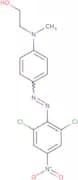
CAS:The regression method is used to remove the effects of an experimental variable on a response. The regression method is usually applied in cases where there are two variables, one of which is the independent variable and the other is the dependent variable. The independent variable may be a physical parameter that can be controlled by the experimenter, such as temperature or pressure. The dependent variable may be a physical property like viscosity or density. In this case, we are using supercritical CO2 as our independent variable and cellulose acetate as our dependent variable. Supercritical CO2 has been shown to have a very high solubility for cellulose acetate monomers, which makes it useful for polymerizing cellulose acetate into polyesters and polyamides. This technique has been used to make devices such as electrodes with good electrical conductivity, membranes with good permeability, and organic semiconductors with good electron transport properties.Purity:Min. 95%Goat anti Human IgG + IgM + IgA
Human IgG/IgM/IgA antibody was raised in goat using purified human IgG, IgM and IgA heavy chains as the immunogen.
Purity:Min. 95%R-(-)-Arundic acid
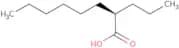
CAS:R-(-)-Arundic acid is a chiral compound, which is a derivative of arundic acid specifically designed for enantiomeric purity. It is sourced through synthetic organic chemistry processes, allowing for precise control over its stereochemistry. The mode of action of R-(-)-Arundic acid involves the inhibition of astrocyte activation by modulating the synthesis of certain cytokines and inflammatory mediators. This mechanism provides a neuroprotective effect, making it a valuable tool in the study of neurodegenerative diseases and brain injuries.
Formula:C11H22O2Purity:Min. 98 Area-%Color and Shape:Clear Viscous LiquidMolecular weight:186.29 g/molCD28 antibody (Spectral Red)
CD28 antibody (Spectral Red) was raised in hamster using CD28 costimulatory receptor as the immunogen.Purity:Min. 95%Molecular weight:0 g/molH-NFGLYNER-OH
H-NFGLYNER-OH is a custom peptide that can be synthesized rapidly by our peptide experts in under 2 weeks. H-NFGLYNER-OH is provided at greater that >95% purity (HPLC) from Cymit Quimica for a variety of research applications. We also offer H-NFGLYNER-OH in bulk quantities in addition to our standard pack sizes.Please enquire for more information about H-NFGLYNER-OH at the technical inquiry form on this page
Purity:Min. 95%H-SAVYLQMTDLR^-OH
Peptide H-SAVYLQMTDLR^-OH is a Research Peptide with significant interest within the field academic and medical research. This peptide is available for purchase at Cymit Quimica in multiple sizes and with a specification of your choice.Cystatin C protein
Cystatin C protein is a native protein that plays a crucial role in various biological processes. It is known for its ability to regulate microvessel density and inhibit epidermal growth factor. This protein has shown promising anti-mesothelin activity and can be targeted using monoclonal antibodies. Cystatin C protein is widely used in the field of Life Sciences, particularly in the development of inhibitors and therapeutic agents. It has also been studied for its potential interaction with steroid hormones, erythropoietin receptor, and other growth factors. Additionally, this protein exhibits cytotoxic properties and reactive behavior, making it an important component in many research studies.Purity:> 96% Pure By Sds-Page5Fam-RRRR-OH
Peptide 5Fam-RRRR-OH is a Research Peptide with significant interest within the field academic and medical research. This peptide is available for purchase at Cymit Quimica in multiple sizes and with a specification of your choice.H-SFSTASAITPSVSR^-OH
Peptide H-SFSTASAITPSVSR^-OH is a Research Peptide with significant interest within the field academic and medical research. This peptide is available for purchase at Cymit Quimica in multiple sizes and with a specification of your choice.
TrkA antibody
TrkA antibody was raised in mouse using recombinant human TrkA extracellular domain as the immunogen.H-SSKITHR^IHWESASLLR-OH
Peptide H-SSKITHR^IHWESASLLR-OH is a Research Peptide with significant interest within the field academic and medical research. This peptide is available for purchase at Cymit Quimica in multiple sizes and with a specification of your choice.IL6 protein
Region of IL6 protein corresponding to amino acids MFPTSQVRRG DFTEDTTHNR PVYTTSQVGG LITYVLREIL EMRKELCNGN SDCMNSDDAL SENNLKLPEI QRNDGCFQTG YNQEICLLKI CSGLLEFRFY LEFVKNNLQD NKKDKARVIQ SNTETLVHIF KQEIKDSYKI VLPTPTSNAL LMEKLESQKE WLRTKTIQLI LKALEEFLKV TMRSTRQT.Purity:Min. 95%CBL (167-180) Light
CBL (167-180) is derived from the CBL E3 ubiquitin ligase which targets receptor tyrosine kinases to lysosome degradation. CBL and its family member CBL-B are expressed in hematopoietic cells and as E3 ubiquitin ligases they contain a tyrosine kinase domain and an RF domain joined by a linker domain. The function of the RF domain is to transfer ubiquitin from E2 ubiquitin-conjugating enzymes onto the target protein which is often phosphorylated. Consequently the ubiquitinated substrate, the receptor tyrosine kinases, are ultimately targeted to the lysosome for degradation.EGFR is an example of a receptor tyrosine kinase whose activation is prevented by CBL and CBL-B when they bind and recruit GRb2, the adapter protein to EGFR. Consequently the ubiquitinylation of EGFR occurs and targets it for recognition by the endosomal protein complex and then lysosome degradation.It has also been found that the CBL family can negatively regulate through ubiquitinylation, PI 3-kinases, Rap G-protein guanine nucleotide exchange factor (GEF), C3G and Rho GTPase GEF Vav which are all non-receptors.If CBL becomes non-functional it can be associated with malignancies such as acute myeloid leukemia and myelodysplastic syndrome.
Molecular weight:1,540.8 g/molSARS-CoV-2 Nucleoprotein (86-100)
The coronavirus (CoV) nucleoprotein is the major component of CoV structural proteins. Also known as the nucleocapsid protein, it is an abundant RNA-binding protein critical for viral genome packaging. These factors make nucleoprotein a good target for developing new antiviral drugs. In addition, the identification of epitopes within the nucleoprotein sequence can help design more effective SARS-CoV-2 vaccines.Models have predicted epitopes exhibiting antigenicity, stability and interactions with MHC class-I and class-II molecules. Nucleoprotein (86-100) is an epitope candidate with various HLA restrictions. This epitope can be used to better vaccine design for more durable CD4+ and CD8+ T cell responses for long-lasting immunity.
Molecular weight:1,824 g/molRelaxin 3 B1-22R amide
Relaxin-3 is part of the insulin/relaxin superfamily with various roles, including appetite, stress, and addiction. Relaxin-3 binds to its cognate receptor relaxin family peptide 3 receptor (RXFP3). B1-22R is a single-chain relaxin-3 antagonist for RXFP3 no interaction is found with RXFP1 or RXFP4. B1-22R is a truncation of the B-chain of relaxin-3 and the addition of an arginine residue at the C-terminus-B1-22R acts as a RXFP3 antagonist. B1-22R has been used to perform structural analysis relationships (SARs) and residue scanning to understand the critical residues and conformation of the interaction between B1-22R and RXFP3. B1-22R can generate more potent analogs of relaxin-3 that are more stable and serve as models for drug design targeting the relaxin-3 receptor for regulation of addiction, stress, and appetite.B1-22R is provided in the amide form.Molecular weight:2,620.5 g/mol(PFR)2-[Rh110]
Soybean trypsin inhibitor inhibits trypsin, factor Xa, plasmin, and plasma kallikrein activity in serum-free cell culture media. It does not inhibit metallo-, cysteine, aspartic proteases, or tissue kallikrein (serine proteases).Kallikreins (KLKs) are a large family of secreted serine proteases with either trypsin-like or chymotrypsin-like specificity which carry out many biological functions. The KLK proteases are involved in pathways that regulate skin desquamation, tooth enamel formation, kidney function, seminal liquefaction, synaptic neural plasticity, and brain function. Disruptions in the function of KLK activity has been linked to several pathologies, including respiratory diseases, neurodegeneration, anxiety, schizophrenia, skin-barrier dysfunction, pathological inflammation, and cancer.Molecular weight:1,130.6 g/molEliglustat
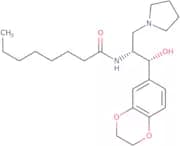
CAS:Eliglustat is an oral medication used as a substrate reduction therapy for Gaucher disease type 1, which is an inherited lysosomal storage disorder. This product is a small-molecule inhibitor derived via chemical synthesis. Its primary mode of action involves the selective inhibition of glucosylceramide synthase, an enzyme responsible for the first committed step in glycosphingolipid biosynthesis. By reducing the production of glucosylceramide, eliglustat decreases the substrate accumulation that contributes to the pathophysiology of Gaucher disease.Formula:C23H36N2O4Purity:Min. 97 Area-%Color and Shape:White PowderMolecular weight:404.54 g/molTrkc active human
CAS:Trkc active human is a bioengineered protein, which is a synthetic derivative of the TRKC (tropomyosin receptor kinase C) receptor. This product is derived from recombinant DNA technology, utilizing expression systems to produce a functionally active protein that mimics the natural receptor found in human cells. Its mode of action involves the specific binding and activation of neurotrophin-3 (NT-3), a critical signaling molecule in the nervous system.
Purity:Min. 95%Fmoc-Asn(Trt)-Rink-Amide MBHA Resin
Fmoc-Asn(Trt)-Rink-Amide MBHA Resin is an ion channel blocker and a research tool that can be used to study the effects of peptides and other small molecules on ion channels. It is a high purity resin with a CAS number of 47794-33-4. The Fmoc-Asn(Trt)-Rink-Amide MBHA Resin is an inhibitor of the Ca2+ channel and the K+ channel and it can be used in pharmacology, cell biology, and immunology research.Purity:Min. 95%H-LADVYQAELR^-OH
Peptide H-LADVYQAELR^-OH is a Research Peptide with significant interest within the field academic and medical research. This peptide is available for purchase at Cymit Quimica in multiple sizes and with a specification of your choice.H-VFIGINDLEK^-OH
Peptide H-VFIGINDLEK^-OH is a Research Peptide with significant interest within the field academic and medical research. This peptide is available for purchase at Cymit Quimica in multiple sizes and with a specification of your choice.CMVpp65 - 38 (IHASGKQMWQARLTV)
Custom research peptide; min purity 95%. For different specs please use the Peptide Quote Tool
Molecular weight:1,726 g/molBNP (18-27) Light
Brain natriuretic peptide (BNP) is a 32 amino acid peptide, it contains a 17 amino acid ring structure that is common to all natriuretic peptides. BNP was first identified in porcine brain- however, the main source of this peptide is not the brain but the cardiac ventricle. This cardiac neurohormone is secreted from the ventricles in response to volume expansion and pressure overload. It has natriuretic and vasodilatory effects and suppresses the renin-angiotensin-aldosterone system. High levels of circulating BNP have been linked to increased risk of heart failure. BNP has been utilised in clinical trials to assess heart failure diagnosis however the assay is not yet considered robust due to high variability. The BNP (18-27) fragment provided here has been tested in an immunoaffinity LC/MS assay and was shown to provide a more specific and accurate diagnosis of heart failure than previous methods. This tryptic fragment is conserved in many degradation products and therefore makes it a useful peptide for estimation of the level of total BNP. Further work with this BNP derived fragment could improve diagnostics and management of heart failure.Purity:Min. 95%Color and Shape:PowderMolecular weight:937.5 g/molKLSDW (EYGF-33)
During extraction of lecithin from egg yolk, peptide by-products can be isolated and purified by gel filtration. Within the by-products this has led to the discovery of biologically active value-added products. The egg yolk gel filtration (EFGF) fractions were analysed for their antioxidant and angiotensin converting enzyme (ACE) inhibitory activities. EYGF-33 predominantly contained 3 peptides - KLSDW, YPSPV, and MPVHTDAD). KLSDW in EYGF-33 was found to have strong antioxidant activity linked to the presence of the tryptophan residue. KLSDW had nearly comparable activity to the synthetic antioxidant BHA. KLSDW did not show any notable angiotensin converting enzyme (ACE) inhibitory activity.Purity:Min. 95%Molecular weight:646.3 g/mol


![Histone H3 (1-20) K4Me3, K9Ac, pS10-GG-[Lys(5-FAM)]](/_next/image/?url=https%3A%2Fstatic.cymitquimica.com%2Fproducts%2F3D%2Fthumb-webp%2FCRB1101265.webp&w=3840&q=75)











![(PFR)2-[Rh110]](/_next/image/?url=https%3A%2Fstatic.cymitquimica.com%2Fproducts%2F3D%2Fthumb-webp%2FCRB1100413.webp&w=3840&q=75)