Biochemicals and Reagents
Subcategories of "Biochemicals and Reagents"
- Biomolecules(98,563 products)
- By Biological Target(101,038 products)
- By Pharmacological Effects(6,954 products)
- Cryopreservatives(21 products)
- Desinfectants and Related Compounds(28 products)
- Hormones(531 products)
- Plant Biology(6,903 products)
- Secondary Metabolites(14,368 products)
Found 130636 products of "Biochemicals and Reagents"
C.I.Acid Orange 171
CAS:Please enquire for more information about C.I.Acid Orange 171 including the price, delivery time and more detailed product information at the technical inquiry form on this pagePurity:Min. 95%ANP (1-23)
ANP (1-23) is derived from the atrial natriuretic peptide (ANP) which is a cardiac hormone involved in maintaining cardio-renal homeostasis. This occurs through the activation of the guanylyl cyclase-coupled receptor, resulting in the increased concentration of cyclic guanylate monophosphate. Moreover its function in the processes of anti-proliferation and anti-angiogenesis allow it to take part in cardiovascular remodelling.ANP is a member of the natriuretic peptide family and it is encoded by the NPPA gene, located on chromosome 1. Once synthesized from the 151 amino acid pre-prohormone into its biologically active form, ANP is secreted by the atrial cardiomyocytes in the circulating forms: ANP (1-98) and ANP (99-126). This synthesis process involves the signal peptide being removed from the pre-prohormone resulting in pro-ANP (1-126) which is converted into the circulating forms by the type II transmembrane serine protease Corin.Color and Shape:PowderMolecular weight:2,411.1 g/molTregitope 084
T regulatory cell epitopes (Tregitopes) are a set of natural T cell epitopes derived from immunoglobulin G. These peptides are Treg-activating and show some promise in prophylactic and therapeutic studies in type 1 diabetes mellitus: which is associated with effector T cell (Teff) destruction of insulin-producing pancreatic β-islet cells. In non-diabetics, self-reactive T cells are deleted during thymic development, rendered anergic, or converted into natural regulatory T cells (Tregs) that suppress autoimmune responses.Tregitopes are processed and presented by MHC class II molecules. They can suppress effector T cell responses, and up-regulate Treg-associated cytokines and chemokines. Tregitopes help stimulate 'antigen-specific adaptive tolerance induction' (ASATI) to modulate antigen-specific transplant rejection and to reduce immune responses to allergens in vitro and in vivo. Tregitope 289 is also available in our catalogue.
Molecular weight:1,622.8 g/molSARS-CoV-2 NSP13 (221-235)
The SARS-CoV-2 non-structural protein 13 (NSP13) has been identified as a target for anti-viral therapeutics due to its highly conserved sequence and is essential for viral replication. NSP13 is part of the helicase superfamily 1B. As an NTPase and RNA helicase, NSP13 binds to RNA-dependent RNA polymerase and acts in concert with the replication-transcription complex to stimulate backtracking and further activate NSP13 helicase activity. These factors make NSP13 a good target for developing new antiviral drugs. In addition, the identification of epitopes within the NSP13 sequence can help design more effective SARS-CoV-2 vaccines.Models have predicted epitopes exhibiting antigenicity, stability and interactions with MHC class-I and class-II molecules. NSP13 (221-235) is an epitope candidate with various HLA restrictions. This epitope can be used to better vaccine design for more durable CD4+ and CD8+ T cell responses for long-lasting immunity.Molecular weight:1,677.8 g/molGram Negative Endotoxin antibody
Gram negative endotoxin antibody was raised in mouse using E. coli O:111 B4 J5 cells as the immunogen.H-GTGNLELVAVR-OH
H-GTGNLELVAVR-OH is a custom peptide that can be synthesized rapidly by our peptide experts in under 2 weeks. H-GTGNLELVAVR-OH is provided at greater that >95% purity (HPLC) from Cymit Quimica for a variety of research applications. We also offer H-GTGNLELVAVR-OH in bulk quantities in addition to our standard pack sizes.Please enquire for more information about H-GTGNLELVAVR-OH at the technical inquiry form on this page
Purity:Min. 95%ClickBMVgag7-25
Brome mosaic virus (BMV) Gag peptide (7-25) has been utilised as a cell penetrating peptide (CPP). Translocation across the cell membrane with a cargo molecule varies in effectiveness depending on the CPP. BMV Gag (7-25) has a very high efficiency of internalisation which has been linked to the high percentage of arginine residues present.BMV Gag (7-25) is provided here with a N-terminal alkyne attachment. Two of the most regularly encountered functional groups for click chemistry are azides and alkynes, and the azide-alkyne cycloaddition has become the most popular click reaction. The use of click chemistry with alkyne-BMV Gag (7-25) allows a wide variety of applications particularly for conjugation, modification, and peptide design.Color and Shape:PowderPKM1 (394-400) Heavy
Unique tryptic peptide of pyruvate kinase muscle 1 (PKM1). PKM1 is a splice variant (containing exon 9) of the pyruvate kinase (PK) gene. PK catalyses the final step in the glycolytic pathway, and is responsible for net energy production within that pathway. There are four isozymes of PK in mammals, PKM1 (pyruvate kinase, muscle) is the main isoform found in the muscle and brain and is expressed in differentiated cells. PKM1 is essential for ATP generation by promoting oxidative phosphorylation. During neuronal differentiation, pyruvate kinase gene splicing is switched from PKM2 to PKM1, resulting in a switch from aerobic glycolysis to oxidative phosphorylation, this ensures the survival of neurons after differentiation.This peptide represents a tryptic peptide of PKM1. The leucine residue at position 5 of this peptide is isotopically labelled with carbon-13 (6) and nitrogen-15 (1), giving this peptide a mass increase of 7 compared to the unlabelled peptide.Purity:Min. 95%Molecular weight:911.5 g/molWISP2 antibody
The WISP2 antibody is a highly specific and potent tool used in the field of life sciences. It acts as an effective ubiquitin ligase that targets specific proteins for degradation. This antibody is widely used in various research applications, including the study of cholinergic and dopamine signaling pathways.Purity:Min. 95%Ig heavy chain variable region Light
Peptide derived from the variable region on the heavy chain of immunoglobulin (Ig) which is part of the fragment antigen binding (Fab) fragment of antibodies. Ig or antibodies are made up of two heavy and two light chains both of which have a constant region and a variable region. The variable region, the antigen binding site, is composed of three complementarity determining regions (CDRs) from the variable heavy chain and three CDRs from the variable light chains. The amino acid sequences of the variable region differ between each antibody allowing Ig to bind to specific antigens.The variable regions are encoded by a variety of V, D and J gene segments. During somatic recombination different combinations from the V, D and J varieties can be joined together. Consequently this gives rise to a diverse variable region.The Ig heavy chain can be classed as being either: IgM, IgG, IgA, IgD or IgE each of which change the function of the antibody.Molecular weight:1,320.7 g/molChlamydia trachomatis antibody
Chlamydia trachomatis antibody was raised in mouse using Chlamydia trachomatis elementary bodies as the immunogen.
Purity:Min. 95%[G]-JAK1 peptide (1015-1027) p(Y1022)
This peptide is phosphorylated by Janus kinase 1 (JAK1) and is an ideal substrate for use in kinase assays. The JAK family of kinases is essential for the signalling of a host of immune modulators in tumour, stromal, and immune cells where they are highly expressed. JAK family proteins mediate the signalling of the interferon (IFN), IL-6, and IL-2 families of cytokines.JAK kinases are associated with cytokine receptors. Cytokine binding to these receptors results in activation of JAK kinases and receptor phosphorylation. Phosphorylated cytokine receptors recruit STAT proteins, which are then phosphorylated by the activated JAK kinases. Phosphorylated STAT proteins form homo- and hetero-dimers that translocate into the nucleus and function as transcription factors.This JAK1 substrate peptide contains an N-terminal Glycine-residue and a phospho-tyrosine-residue.Purity:Min. 95%Color and Shape:PowderMolecular weight:1,710.7 g/molBuprenorphine antibody
The Buprenorphine antibody is a highly specialized antibody that is used in the field of Life Sciences. It belongs to the class of Polyclonal Antibodies and Monoclonal Antibodies. This antibody specifically targets buprenorphine, a medication commonly used for pain management and opioid addiction treatment.Nitric oxide synthase, endothelial (492-507)
Peptide derived from the endothelial nitric oxide synthase which synthesises nitric oxide in order to protect endothelial cells from vascular diseases, atherosclerosis and thrombosis.Purity:Min. 95%Color and Shape:PowderMolecular weight:1,788.1 g/molLeishmania Infantum K39-LinJ Chimeric Antigen, Recombinant
Please enquire for more information about Leishmania Infantum K39-LinJ Chimeric Antigen, Recombinant including the price, delivery time and more detailed product information at the technical inquiry form on this page
Purity:Min. 95%GO-CoA-Tat (Rat, Mouse)
GO-CoA-Tat is a cell-penetrating peptide that inhibits ghrelin O-acyltransferase, a key enzyme in the production of ghrelin. GO-CoA-Tat has been shown to reduce body weight and improve glucose tolerance in animal models of obesity. It has also been shown to be an effective inhibitor of cell proliferation.Formula:C146H245N54O47P3SPurity:Min. 95%Molecular weight:3,633.92 g/molParasin I
CAS:A potent antimicrobial peptide produced by the catfish Parasilurus asotus in response to epidermal injury. Parasin I is a derivative of catfish histone H2A.Formula:C82H154N34O24Color and Shape:PowderMolecular weight:1,999 g/molLL-37 acid
LL-37, also known as CAP-18 for Cathelicidin antimicrobial peptide 18, is a 37 amino acid cationic peptide. LL-37 is also a typical linear antimicrobial peptide which can eliminate a wide range of pathogenes, including bacteria, viruses, fungi, and parasites. LL-37 is the only human cathelicidin peptide reported yet, found in lysosomes of macrophages and leukocytes. LL-37 plays an important role in the first act of defense against local infection and systemic invasion of pathogens at sites of inflammation. LL-37 shows cytotoxicity against bacterial and normal eukaryotic cells and is significantly resistant to proteolytic degradation. Besides its antimicrobial functions, LL-37 also has immunomodulatory roles. LL-37 suppresses the production of pro-inflammatory cytokines, TNF-α and IL-6 in infected monocytes. LL-37 increases cytokine and chemokine liberation from local cells and leucocytes and has chemotactic effects on a large number of immune cells.Molecular weight:4,490.6 g/molDAG peptide
Cyclic DAG peptide targets connective tissue growth factor (CTGF/CCN2), present in the extracellular matrix, endothelial cells and overexpressed in several brain diseases. CTGF is a matricellular protein that acts as a regulator of several cellular functions, including cell adhesion, migration, mitogenesis, differentiation, and survival. CTGF is up regulated in Alzheimer's disease, Parkinson's disease, brain injury, glioblastoma, and cerebral infarction.DAG peptide has been shown to home to the brain in mouse models of glioblastoma, traumatic brain injury, and Parkinson's disease when exogenously delivered, making it an attractive target for the treatment of glioblastoma. DAG may be of use as a tool to enhance delivery of therapeutics and imaging agents to sites of brain diseases.Molecular weight:1,005.4 g/molAdecatumumab
CAS:Recombinant human IgG1 monoclonal antibody targeting the epithelial cell adhestion molecule (EpCAM)H-STFIRTLAA-OH
H-STFIRTLAA-OH is a custom peptide that can be synthesized rapidly by our peptide experts in under 2 weeks. H-STFIRTLAA-OH is provided at greater that >95% purity (HPLC) from Cymit Quimica for a variety of research applications. We also offer H-STFIRTLAA-OH in bulk quantities in addition to our standard pack sizes.Please enquire for more information about H-STFIRTLAA-OH at the technical inquiry form on this page
Purity:Min. 95%H-VLEAELLVLR-OH
H-VLEAELLVLR-OH is a custom peptide that can be synthesized rapidly by our peptide experts in under 2 weeks. H-VLEAELLVLR-OH is provided at greater that >95% purity (HPLC) from Cymit Quimica for a variety of research applications. We also offer H-VLEAELLVLR-OH in bulk quantities in addition to our standard pack sizes.Please enquire for more information about H-VLEAELLVLR-OH at the technical inquiry form on this page
Purity:Min. 95%SARS-CoV-2 Nucleocapsid (128-143)
SARS-CoV-2 is an enveloped single-stranded, positive-sense RNA virus. The SARS-CoV-2 nucleocapsid (N) protein is essential for viral RNA replication and new virion assembly. The N protein assembles the positive strand viral genome RNA forming a helical ribonucleocapsid (RNP) during the packaging of the RNA genome. The N protein is also involved in regulating viral RNA synthesis during replication and RNA transcription and modulating metabolism in infected subjects.Purity:Min. 95%Molecular weight:1,683.9 g/molSARS-CoV-2 Spike Antibody
The SARS-CoV-2 Spike Antibody is a highly effective monoclonal antibody that specifically targets the spike protein of the virus. This antibody has been extensively studied and proven to be neutralizing, meaning it can effectively block the entry of the virus into human cells. It works by binding to the spike protein, preventing its interaction with the ACE2 receptor on human cells.Purity:>95% By Sds-PageAlyteserin-2Mb
Synthetic anti-microbial peptide originally identified and isolated form the skin secretions of the midwife toad,-Alytes maurus. Alyteserin-2Mb has 82% homology to alyteserin-2, from the closely related midwife toad-Alytes obstetricans.Alyteserin-2Mb has strong activity against Gram-positive-bacteria such as Staphylococcus aureus and weak activity against gram negative bacteria such as Escherichia coli and fungi such as Candida albicans.Molecular weight:1,615.04 g/mol(±)-Vasicine
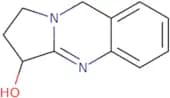
CAS:(±)-Vasicine is an alkaloid compound, which is a naturally occurring, organic molecule found primarily in the plant Adhatoda vasica. This alkaloid is extracted from the leaves of the plant, which is native to parts of Asia, particularly India and Pakistan. (±)-Vasicine is known for its bronchodilatory and respiratory stimulant activities.
Formula:C11H12N2OPurity:Min. 90%Color and Shape:PowderMolecular weight:188.23 g/molNarsoplimab
CAS:A human monoclonal antibody targeting mannan-binding lectin-associated serine protease-2 (MASP-2).
Cystatin C Goat Polyclonal Antibody, Affinity Purified
Cystatin C Goat Polyclonal Antibody, Affinity Purified is a life science tool for use in pharmaceutical and diagnostic applications. Please enquire for more information about Cystatin C Goat Polyclonal Antibody, Affinity Purified including the price, delivery time and more detailed product information at the technical inquiry form on this page.
Fmoc-Asn(Trt)-Rink-Amide MBHA Resin
Fmoc-Asn(Trt)-Rink-Amide MBHA Resin is an ion channel blocker and a research tool that can be used to study the effects of peptides and other small molecules on ion channels. It is a high purity resin with a CAS number of 47794-33-4. The Fmoc-Asn(Trt)-Rink-Amide MBHA Resin is an inhibitor of the Ca2+ channel and the K+ channel and it can be used in pharmacology, cell biology, and immunology research.Purity:Min. 95%C.I.Disperse Orange 5
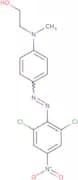
CAS:The regression method is used to remove the effects of an experimental variable on a response. The regression method is usually applied in cases where there are two variables, one of which is the independent variable and the other is the dependent variable. The independent variable may be a physical parameter that can be controlled by the experimenter, such as temperature or pressure. The dependent variable may be a physical property like viscosity or density. In this case, we are using supercritical CO2 as our independent variable and cellulose acetate as our dependent variable. Supercritical CO2 has been shown to have a very high solubility for cellulose acetate monomers, which makes it useful for polymerizing cellulose acetate into polyesters and polyamides. This technique has been used to make devices such as electrodes with good electrical conductivity, membranes with good permeability, and organic semiconductors with good electron transport properties.Purity:Min. 95%Cy3.5(di Et)
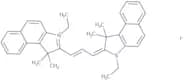
CAS:Please enquire for more information about Cy3.5(di Et) including the price, delivery time and more detailed product information at the technical inquiry form on this pageFormula:C35H37IN2Purity:Min. 95%Molecular weight:612.59 g/molAc-GNPARARERLKNIERIC-NH2
Peptide Ac-GNPARARERLKNIERIC-NH2 is a Research Peptide with significant interest within the field academic and medical research. This peptide is available for purchase at Cymit Quimica in multiple sizes and with a specification of your choice.
OD1 Toxin
OD1 toxin is a peptide that belongs to the scorpion family. It is a potent activator of voltage-gated sodium channels and has been shown to be effective in the treatment of pain, inflammation, and other neurological disorders. OD1 toxin also has the ability to regulate the release of neurotransmitters in the central nervous system. The peptides are produced by Odonthobuthus doriae and are structurally rich in disulfide bonds. These molecules have been shown to act as channel activators, which bind to voltage-gated sodium channels at depolarized membrane potentials, increasing neuronal excitability and triggering action potentials.Formula:C308H466N90O95S8Purity:Min. 95%Molecular weight:7,206.21 g/molLevosulpiride
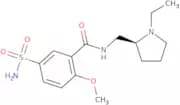
CAS:Controlled ProductLevosulpiride is a pharmacological agent which binds to dopamine (D2) receptors in the brain and gastrointestinal tract. It is used both to treat conditions that cause abnormal movements for e.g. Parkinson's disease and tardive dyskinesia, and also as an antiemetic and to treat certain gastric disorders. Additional to acting as a dopamine receptor antagonist, Levosulpiride also binds to α1-acid glycoprotein and has been shown to have a concentration-dependent effect on serum prolactin levels, with higher doses leading to increased levels, as well as an effect on basic fibroblasts.Formula:C15H23N3O4SPurity:Min. 95%Color and Shape:PowderMolecular weight:341.43 g/molParvovirus B19 Virus-Like Particles (VP2) Antigen, Recombinant
Parvovirus B19 is a single-stranded DNA virus from the Parvoviridae family, which also includes viruses that affect animals, such as canine parvovirus and feline panleukopenia. These viruses are species-specific. The most recognizable symptom of Parvovirus B19 infection is a red rash on the face that can spread to the body and limbs. This rash is typically preceded by general flu-like symptoms. In most cases, the illness is mild and does not require medical treatment. While the virus most commonly affects children between the ages of 6 and 10, people of any age can become infected. Between 50% and 70% of pregnant women are likely to have immunity to Parvovirus B19. However, if a non-immune woman contracts the virus during the first 20 weeks of pregnancy, it can result in serious complications for the fetus, including hydrops fetalis and intrauterine death. These outcomes typically occur 3 to 5 weeks after the mother becomes infected, though may happen later. Parvovirus B19 Virus-Like Particles (VP2) Antigen, Recombinant, is a biologically engineered antigen derived from recombinant DNA technology. This product is synthesized using Baculovirus infected sf9 cells to produce virus-like particles (VLPs) that closely resemble the native structure of the Parvovirus B19 capsid protein, specifically the VP2 protein. Parvovirus B19 Virus-Like Particles (VP2) Antigen, Recombinant is a life science tool for use in IVD applications. Please enquire for more information about Parvovirus B19 Virus-Like Particles (VP2) Antigen, Recombinant including the price, delivery time and more detailed product information at the technical inquiry form on this page.Phosphorylated CHKtide Heavy
CHKtide is a synthetic peptide substrate for checkpoint kinase 1 and 2 (CHK1/CHK2) as well as salt-inducible kinase (SIKs) for use in kinase assays. CHKtide has been derived from CDC25C which is phosphorylated by CHK1/CHK2 in one of the DNA repair pathways. SIKs are serine/threonine kinases that are part of a complex network that regulate sodium homeostasis and blood pressure.The serine residue at position 5 has been phosphorylated and the valine residue at positon 4 has been isotopically labelled with carbon-13(5) and nitrogen-15(1).Purity:Min. 95%Color and Shape:PowderMolecular weight:2,785.5 g/mol(D-Pro7)-Angiotensin I/II (1-7)
The renin angiotensin system (RAS) consists of many angiotensin peptides involved in regulating functions such as blood pressure, cardiovascular function and energy balance. RAS activity is elevated in obesity and RAS is widely studied in relation to lifestyle-related diseases.Angiotensin 1-7 (Ang-(1-7)) is a component of the RAS. Ang-(1-7) is produced by angiotensin-converting enzyme 2 (ACE2), from the angiotensin II (Ang-II) peptide, as well as by prolylendopeptidase (PEP) and neutral endopeptidase (NEP) which produce Ang1 7 directly from angiotensin I (Ang-I).Ang-(1-7) broadly opposes Ang-II actions. Ang-(1-7) has vasodilatory and anti-oxidative effects, and exerts protective actions in hypertension, diabetes, and other cardiovascular disorders, Ang-(1-7) therefore represents a promising therapeutic target for cardiovascular and metabolic diseases. Ang (1-7) exerts its actions via its G-protein-coupled receptor, Mas. This novel arm of the RAS has effects that counterbalance those mediated by the classical ACE/Ang-II pathway.The C-terminal proline fro this peptide is in the D enantiomer.Color and Shape:PowderMolecular weight:898.5 g/molStreptolysin O protein
Streptolysin O protein is a monoclonal antibody that belongs to the category of Recombinant Proteins & Antigens. It is designed to target specific molecules and has been found to be effective in neutralizing autoantibodies. Streptolysin O protein exhibits cytotoxic properties and has been shown to have an impact on collagen and adipose tissues. This protein is also involved in various biological processes, such as the regulation of glucagon and galectin-3, which are important for glucose metabolism and cell adhesion. In addition, Streptolysin O protein plays a role in interferon signaling pathways. Its unique properties make it a valuable tool for research in the field of Life Sciences.Purity:>90% By Sds-PageIbrutinib
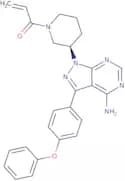
CAS:Ibrutinib is a small-molecule inhibitor of Bruton’s tyrosine kinase, a crucial enzyme to the B-cell receptor pathway. Bruton’s tyrosine kinase becomes continuously activated in B-cell cancers and therefore promotes the survival of tumor cells. Ibrutinib binds irreversibly and covalently to a cysteine residue within the ATP-binding site of the enzyme, thus preventing ATP binding and downstream signal transduction. The ability of Ibrutinib to inhibit Bruton’s tyrosin kinase and hence the B-cell receptor pathway it can be used in the treatment of some B cell cancers such as diffuse large B-cell lymphoma (DLBCL) and chronic lymphocytic leukemia (CLL).Formula:C25H24O2N6Purity:Min. 95%Color and Shape:PowderMolecular weight:440.5 g/molMouse anti Human IgM
Human IgM antibody was raised in mouse using immunoglobulin M Fab region as the immunogen.TAT 2-4
TAT 2-4 is derived from human immunodeficiency virus (HIV) transactivator of transcription (TAT) residues 47-58. TAT (47-58) is a cell penetrating cationic peptide derived from the N-terminus of the Tat protein, which is a trans-activator of the transcription protein present in the human immunodeficiency virus (HIV). As a cell penetrating peptide (CPP) TAT aids in the cellular uptake of molecules and hence serves a valuable purpose in transduction methods. TAT 2-4 are residues (47-58) of HIV TAT protein repeated back to back, this dimer of TAT sequences has been shown to be the most efficient oligomer for cell penetration. This TAT dimer has been used in previous studies to deliver a wide variety of cargoes including fluorophores, chelators and DNA to target cells.Color and Shape:PowderMolecular weight:3,213.9 g/mol



![[G]-JAK1 peptide (1015-1027) p(Y1022)](/_next/image/?url=https%3A%2Fstatic.cymitquimica.com%2Fproducts%2F3D%2Fthumb-webp%2FCRB1000480.webp&w=3840&q=75)